Top 6 Castles around Flaux
Castles around Flaux are primarily found in the Gard department of France, a region known for its historical significance and varied landscape. The village of Flaux, with its Roman origins, features the 13th-century Château de Flaux, though it remains a private residence. The area surrounding Flaux, particularly near Uzès, offers several châteaux-hôtels and historical sites, providing a broader experience of the region's architectural heritage. Visitors can explore a range of historical structures, from medieval ruins to well-preserved ducal palaces.
Best…
Last updated: June 23, 2026
Ducal Palace of Uzès (Le Duché d'Uzès)
Highlight • Castle
Translated by Google •
Tip by

Château de Lédenon
Highlight • Castle
Translated by Google •
Tip by

Sign up now to discover places like this
Get recommendations on the best single tracks, peaks, & plenty of other exciting outdoor places.
Sign up for free
Saint-Siffret Medieval Village
Highlight • Settlement
Translated by Google •
Tip by

View of the Château de La Capelle
Highlight • Castle
Translated by Google •
Tip by

View of the Ruins of Le Castellas
Highlight • Castle
Translated by Google •
Tip by
Sign up for free to discover even more castles around Flaux.
Sign up for free
Already have an account?
Start today with a free account
Your next adventure awaits.
Login or Signup
Tips from the Community

On a wooded hill you discover this castle in gray stone. It cannot be visited, but know that it has four corner towers which protect four curtain walls and a square tower.
0
0

Limitless horizon. I suppose we must see the sea in very good weather. The arrival from the racing circuit further adds to the perspective. Its construction appears to date from the 12th century. Dating was made possible thanks to the use of blocks of calcitic concretions coming from the pipes of the Roman aqueduct of Nîmes. When visiting the castle, we can still spot these rubble stones today with their multiple parallel streaks which correspond to the different planes of crystallization of the limestone. By comparing with the blocks of the church of Saint Bonnet and the Saint Étienne chapel of Saint Hilaire d'Ozilhan, we were able to estimate the construction of part of this building around 1150-1200. But we had to wait until 1311 for it to be cited
0
0

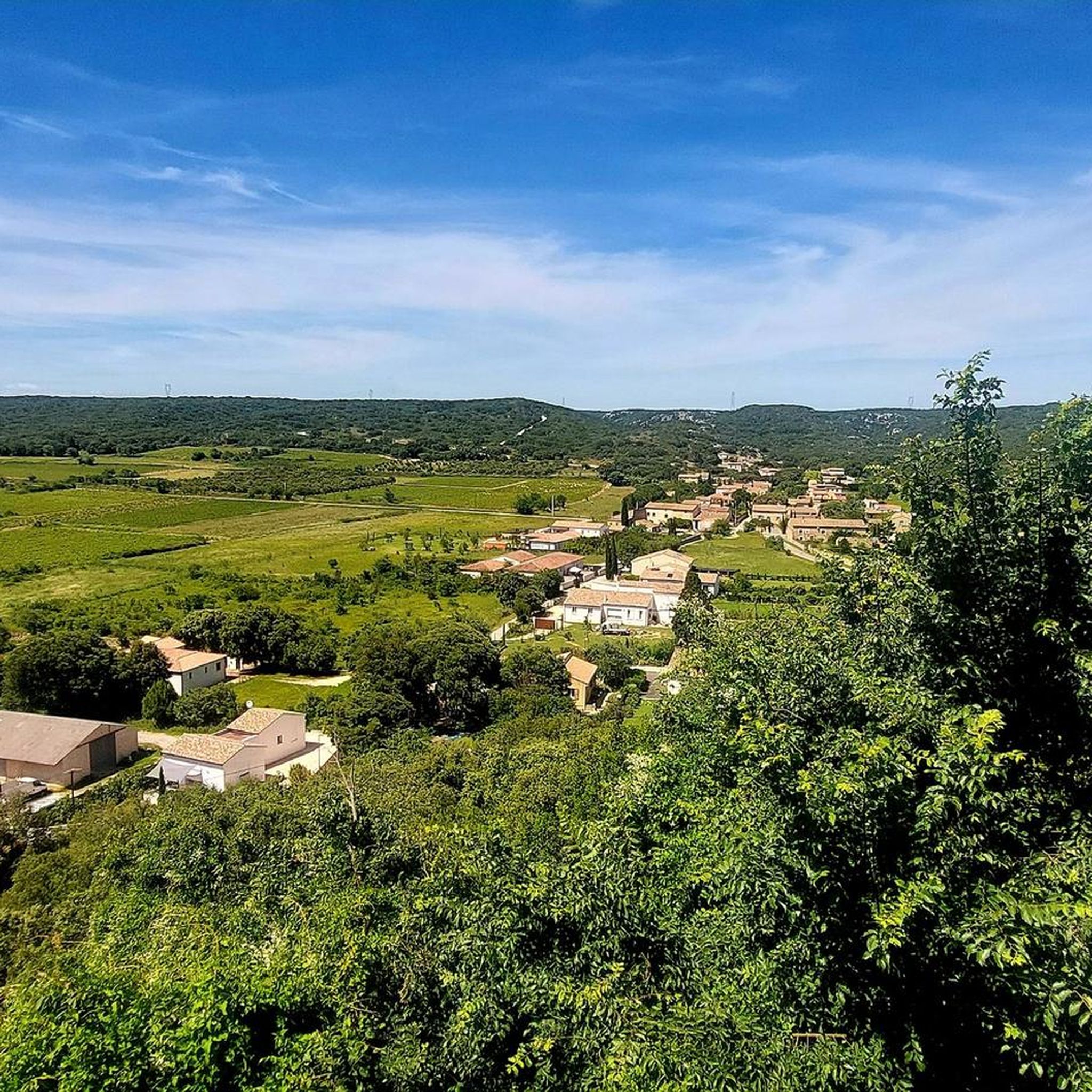
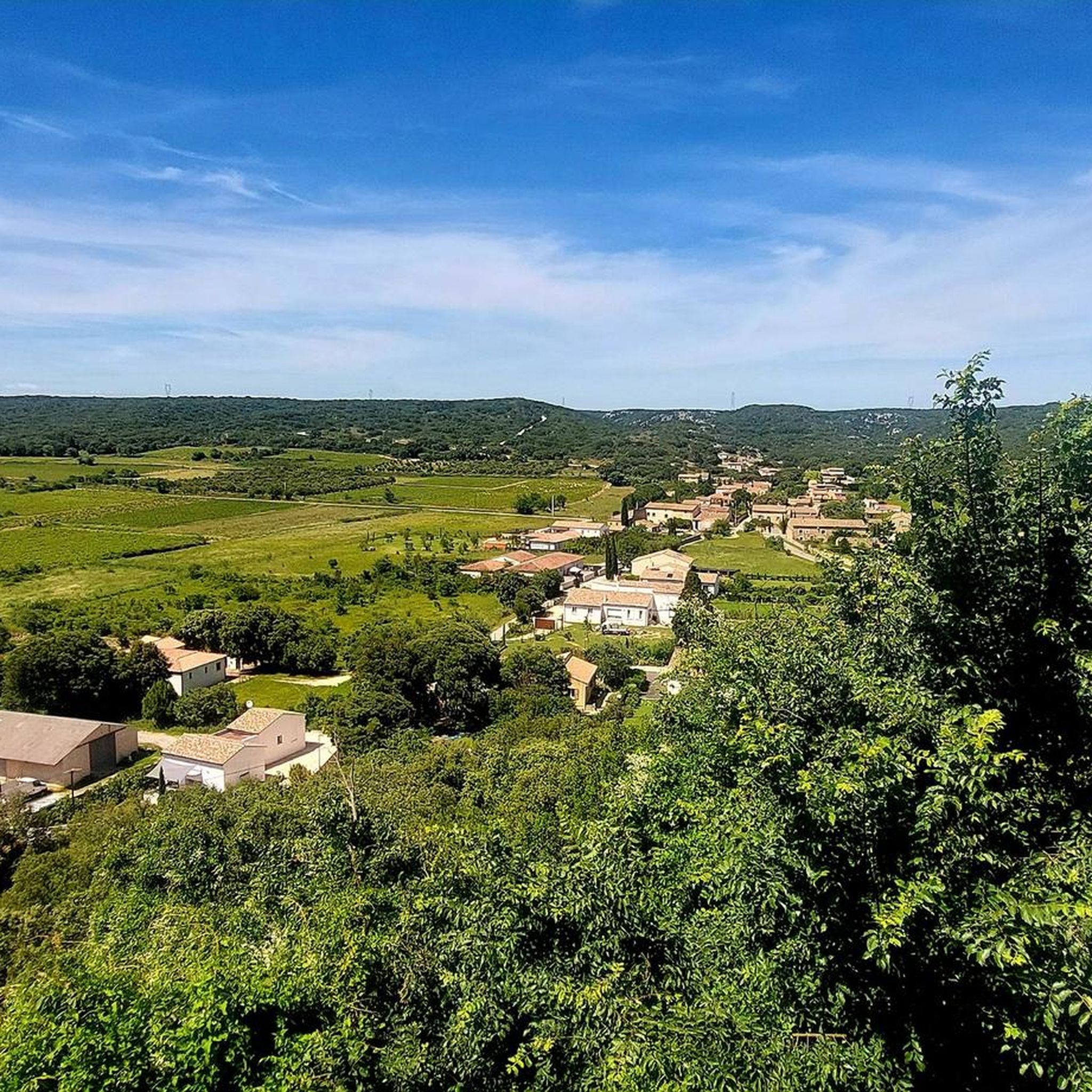
Saint Siffret is a magnificent medieval village located on the foothills of a limestone plateau a few kilometers from Uzès. Its cobbled streets, its Roman-Byzantine church, its stone houses and its 2 castles are worth the detour and a short visit.
1
0
Beautiful medieval castle (12th century) classified as a historic monument since 1990. Private property, cannot be visited but the facade and surrounding walls are worth a detour. Very beautiful view of the Rhône plain and the Alpilles
0
0
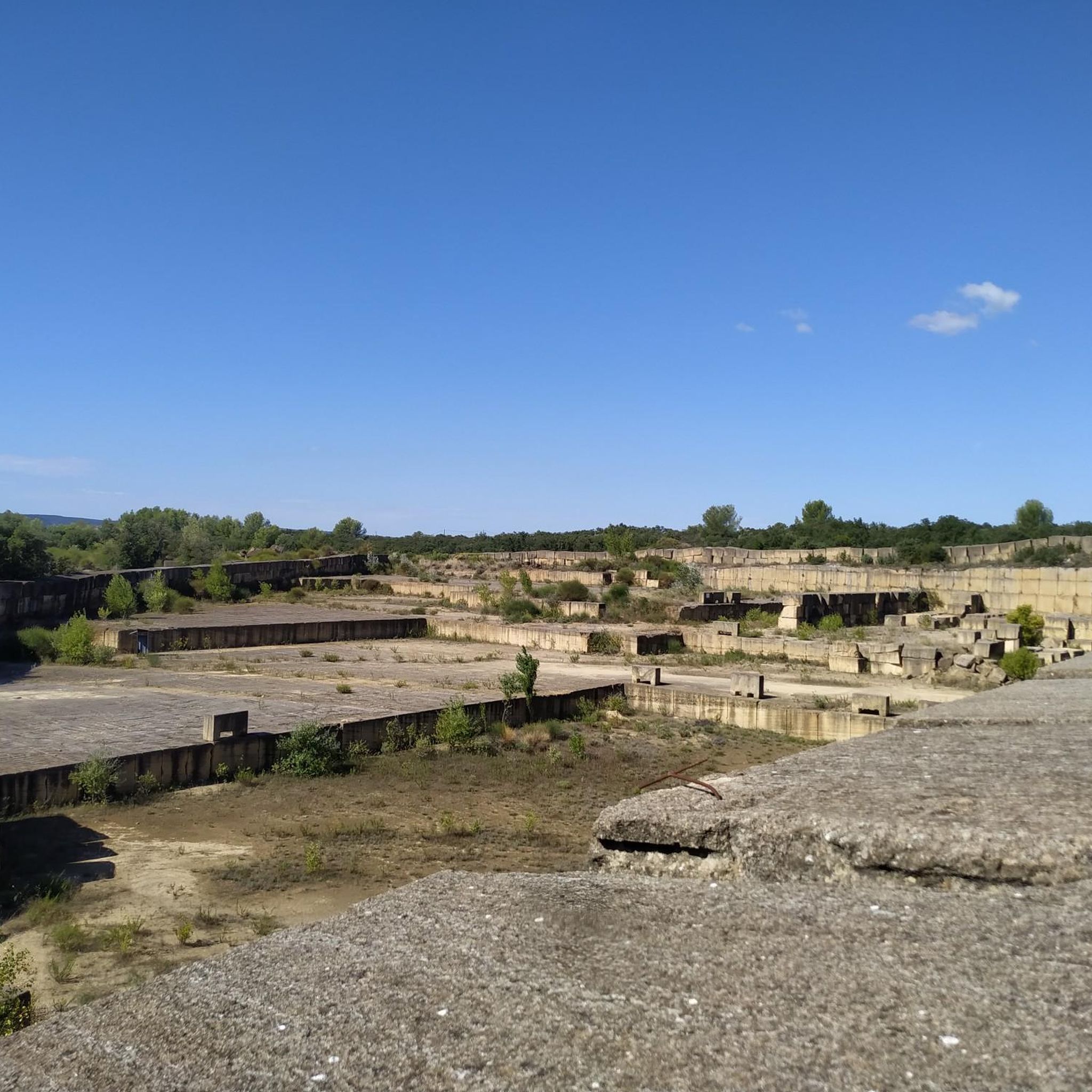
The Castellas is not to be confused with the Château de Saint-Victor-Lacoste, which is a hotel found in the center of the village of the same name. Here are the ruins of an ancient castle strategically located on a rocky pyramid. From up there you overlook the Tave plain and the Rhône valley. The ruins date from the 11th to the 12th century. From the way the fortress was designed, it seems impregnable. You can observe it along this road which slaloms between the large limestone rocks.
2
0

Nice little village. There is a tap, but do not fill your water bottle at the fountain which is not drinkable.
0
0

In 1565, Uzès became the first duchy of France. Located in the heart of the city, the duchy belongs to the Crussol family. The buildings of the Ducal Palace, also called the Castle of the Dukes, Château, Palais ducal, Le Duchè, were built during the Middle Ages, the Renaissance and the 17th century. The Castle (Château) of the Dukes was extended by three towers (Tours).
5
0

The high roof of the Gothic castle chapel was covered in the 19th century with glazed roof tiles depicting the Crussol family coat of arms. There are two other towers throughout the Duchy: the Tour polygonale and the circular medieval watchtower (Tour ronde de la vigie).
5
0
Frequently Asked Questions
What are the main castles or historical sites to visit near Flaux?
While the historic Château de Flaux is a private residence and not open to the public, you can explore several other significant sites nearby. The most prominent is the Ducal Palace of Uzès (Le Duché d'Uzès), a castle that became France's first duchy. You can also visit the Saint-Siffret Medieval Village, which features two castles and charming cobbled streets, or see the ancient View of the Ruins of Le Castellas, offering panoramic views.
Are there any castles near Flaux that are private but still worth seeing from the outside?
Yes, the Château de Lédenon, a beautiful 12th-century medieval castle, is a private property and cannot be visited internally. However, its facade and surrounding walls are classified as a historic monument and are well worth a detour for their architectural beauty and the views they offer of the Rhône plain and the Alpilles. Similarly, the View of the Château de La Capelle is another private castle that can be admired from the outside.
What kind of historical experience can I expect when visiting castles in the Flaux region?
The region offers a diverse historical experience. You can delve into the grandeur of the Ducal Palace of Uzès, which showcases architecture from the Middle Ages, Renaissance, and 17th century. For a glimpse into medieval village life, the Saint-Siffret Medieval Village provides an authentic setting with its ancient structures. The Ruins of Le Castellas transport you further back to the 11th-12th centuries, highlighting strategic medieval fortifications.
Are there family-friendly activities or castles suitable for children near Flaux?
The Ducal Palace of Uzès is generally family-friendly, offering a journey through history that can engage children with its towers and varied architecture. Exploring the cobbled streets and two castles within the Saint-Siffret Medieval Village can also be an enjoyable adventure for families.
What outdoor activities can I do near the castles around Flaux?
The area around Flaux is excellent for outdoor enthusiasts. You can find numerous routes for road cycling, mountain biking, and gravel biking. For instance, there are moderate road cycling loops like the 'Saint-Quentin-la-Poterie – Uzès loop' or 'Saint-Siffret Medieval Village loop'. Mountain bikers can tackle difficult trails such as 'Castello – Single to Pont du Gard loop'. Explore more options on the Road Cycling Routes around Flaux, MTB Trails around Flaux, and Gravel biking around Flaux guide pages.
Are there good viewpoints near the castles in the Flaux region?
Yes, several castles and historical sites offer excellent viewpoints. From the Château de Lédenon, you can enjoy beautiful views of the Rhône plain and the Alpilles. The Ruins of Le Castellas are strategically located on a rocky pyramid, providing expansive views over the Tave plain and the Rhône valley.
What is the best time of year to visit the castles around Flaux?
The Gard department, where Flaux is located, generally enjoys a Mediterranean climate. Spring (April-June) and early autumn (September-October) are often ideal, offering pleasant temperatures for exploring historical sites and engaging in outdoor activities without the intense heat of summer or the cooler, potentially wetter conditions of winter.
Can I find accommodation with a castle-like experience near Flaux?
While the historic Château de Flaux is private, the broader region around Uzès (about 7 km west of Flaux) features several 'châteaux-hôtels'. These establishments, such as Château de Campuget, Château de la Condamine, Château de Collias, and Château d'Arpaillargues (now Hotel d'Agoult), offer accommodation in historic or castle-like settings, providing a unique stay in the area.
What do visitors appreciate most about the castles and historical sites in this area?
Visitors frequently highlight the rich history and architectural beauty. For example, the Ducal Palace of Uzès is praised for its blend of medieval, Renaissance, and 17th-century structures. The Saint-Siffret Medieval Village is loved for its picturesque charm, cobbled streets, and two castles. The strategic location and panoramic views from sites like the Ruins of Le Castellas are also highly appreciated.
Are there any medieval villages with castles to explore near Flaux?
Yes, the Saint-Siffret Medieval Village is a must-see. Located a few kilometers from Uzès, this picturesque settlement is known for its cobbled streets, stone houses, a Roman-Byzantine church, and notably, two castles within its bounds, offering a charming and immersive medieval experience.
What are some of the unique architectural features of the castles in the Flaux area?
The castles in the area display a range of architectural styles. The Ducal Palace of Uzès features buildings from the Middle Ages, Renaissance, and 17th century, including three distinct towers: a Gothic chapel with glazed roof tiles, a polygonal tower, and a circular medieval watchtower. The Château de La Capelle, though private, is notable for its four corner towers protecting four curtain walls and a square tower.
Most popular attractions around Flaux

Get inspired with the komoot mobile app


Explore more
Looking for the best castles somewhere else? Discover other guides around Flaux:
