Top 6 Castles around Épieds
Best castles around Épieds are located in a region of France associated with historical sites and architectural heritage. Épieds in Maine-et-Loire is situated within the Arrondissement of Saumur, part of the Pays de la Loire region, known for its châteaux. The area offers a variety of historical structures, from well-preserved fortresses to those with unique cultural significance. These sites provide insight into centuries of French history and architecture.
Best castles around Épieds
- The most popular castles is Montreuil-Bellay Castle,…
Last updated: June 23, 2026
Montsoreau Castle
Highlight • Castle
Above all, since 2016 Montsoreau …
Translated by Google •
Tip by

Montreuil-Bellay Castle
Highlight • Castle
Translated by Google •
Tip by

Sign up now to discover places like this
Get recommendations on the best single tracks, peaks, & plenty of other exciting outdoor places.
Sign up for free
Château de Montreuil-Bellay
Highlight • Castle
Fully furnished …
Translated by Google •
Tip by

La Mothe-Chandeniers Castle
Highlight • Castle
The vegetation has regained its rights and leaves unusual views!
Translated by Google •
Tip by

Route to the Château de Montreuil-Bellay
Highlight • Castle
Translated by Google •
Tip by

Sign up for free to discover even more castles around Épieds.
Sign up for free
Already have an account?
Start today with a free account
Your next adventure awaits.
Login or Signup

Tips from the Community

The bridge and its remains can be discovered along the Rue de la Douve and the Rue des Perrières which adjoins it. It is impossible not to be touched as you walk through this tunnel of centuries-old stones.
1
0

the paths of the castles - and another castle!
1
1

Access via small steep alleys. Viewpoint of the Montsoreau castle.
1
0
Beautiful climb to a viewpoint over the confluence
0
0

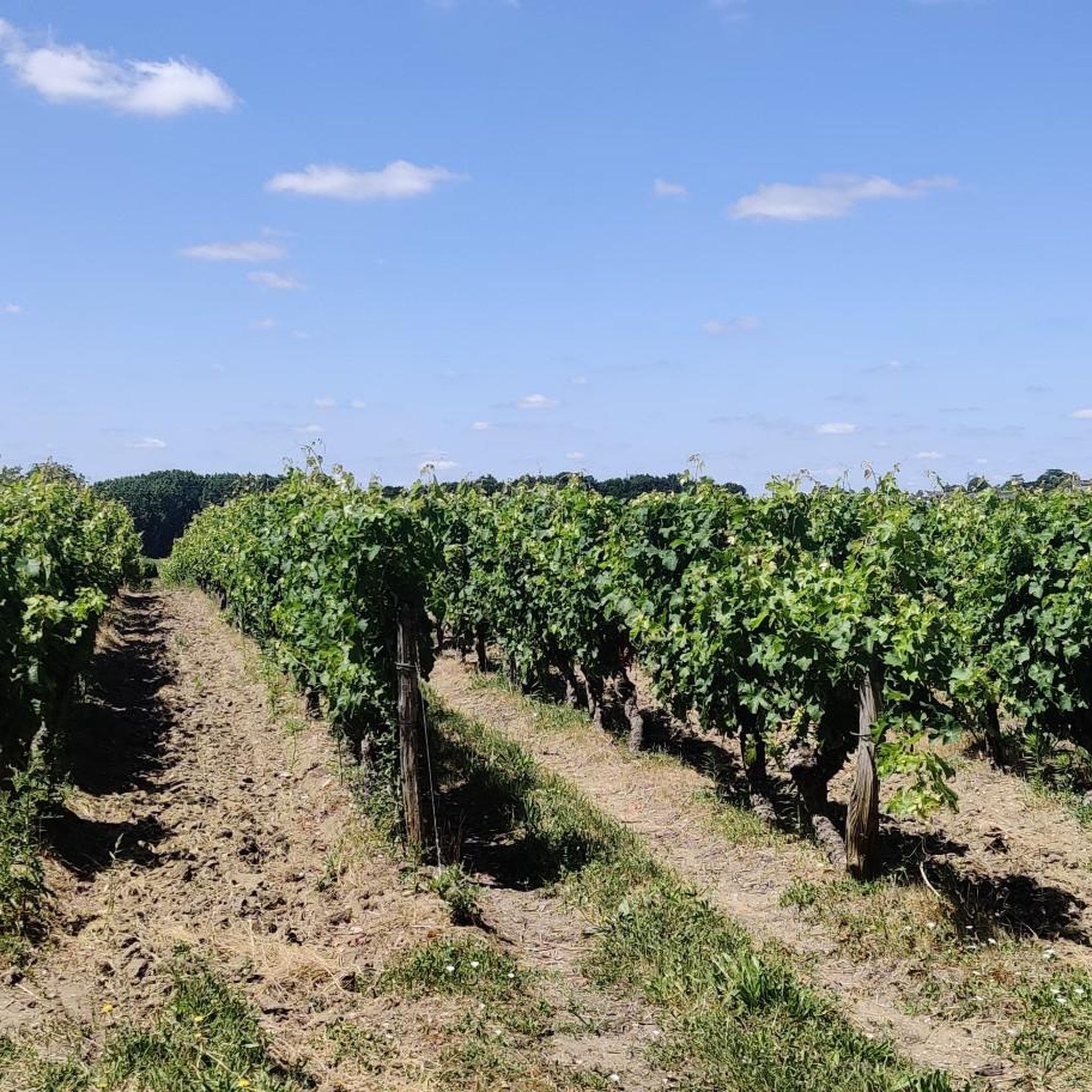
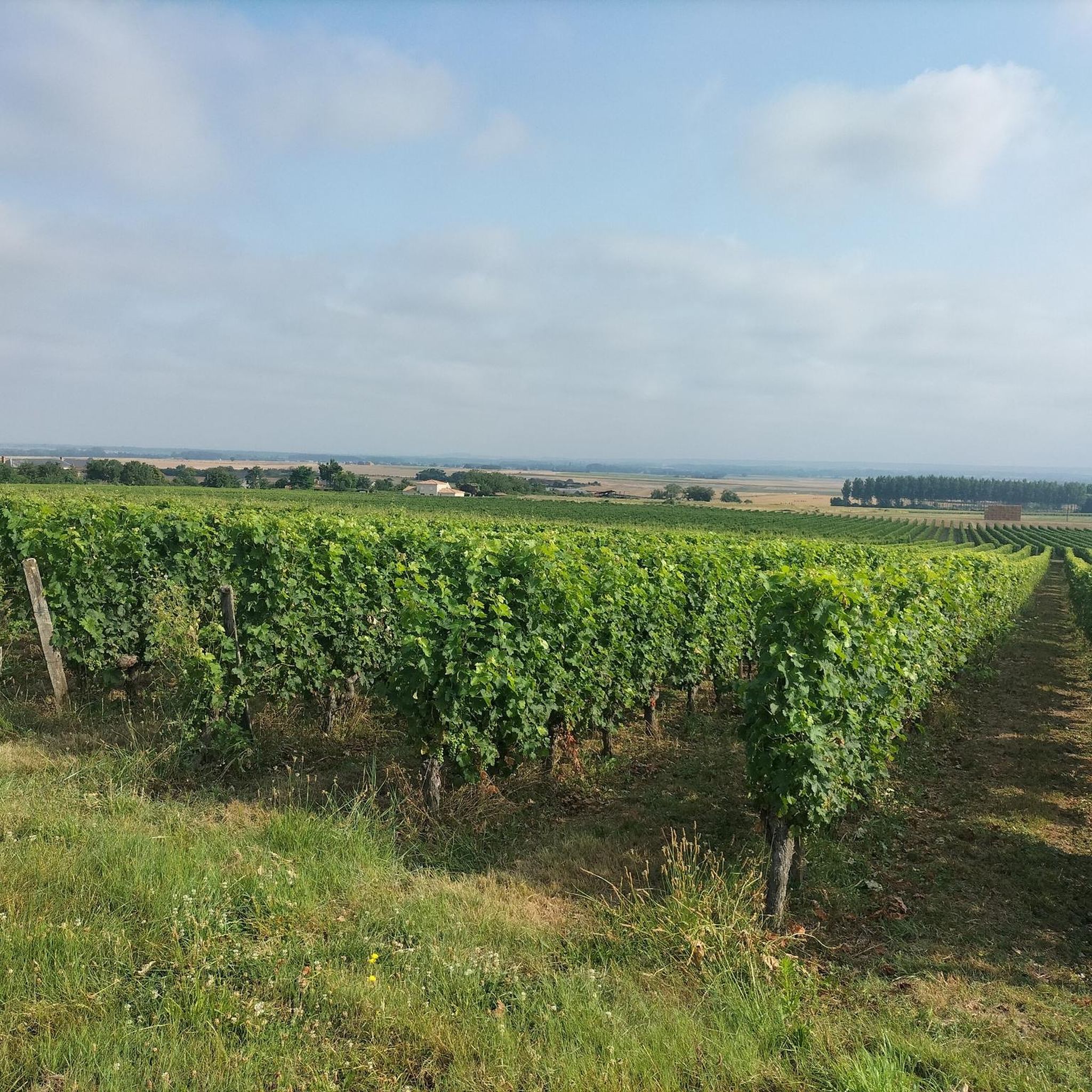
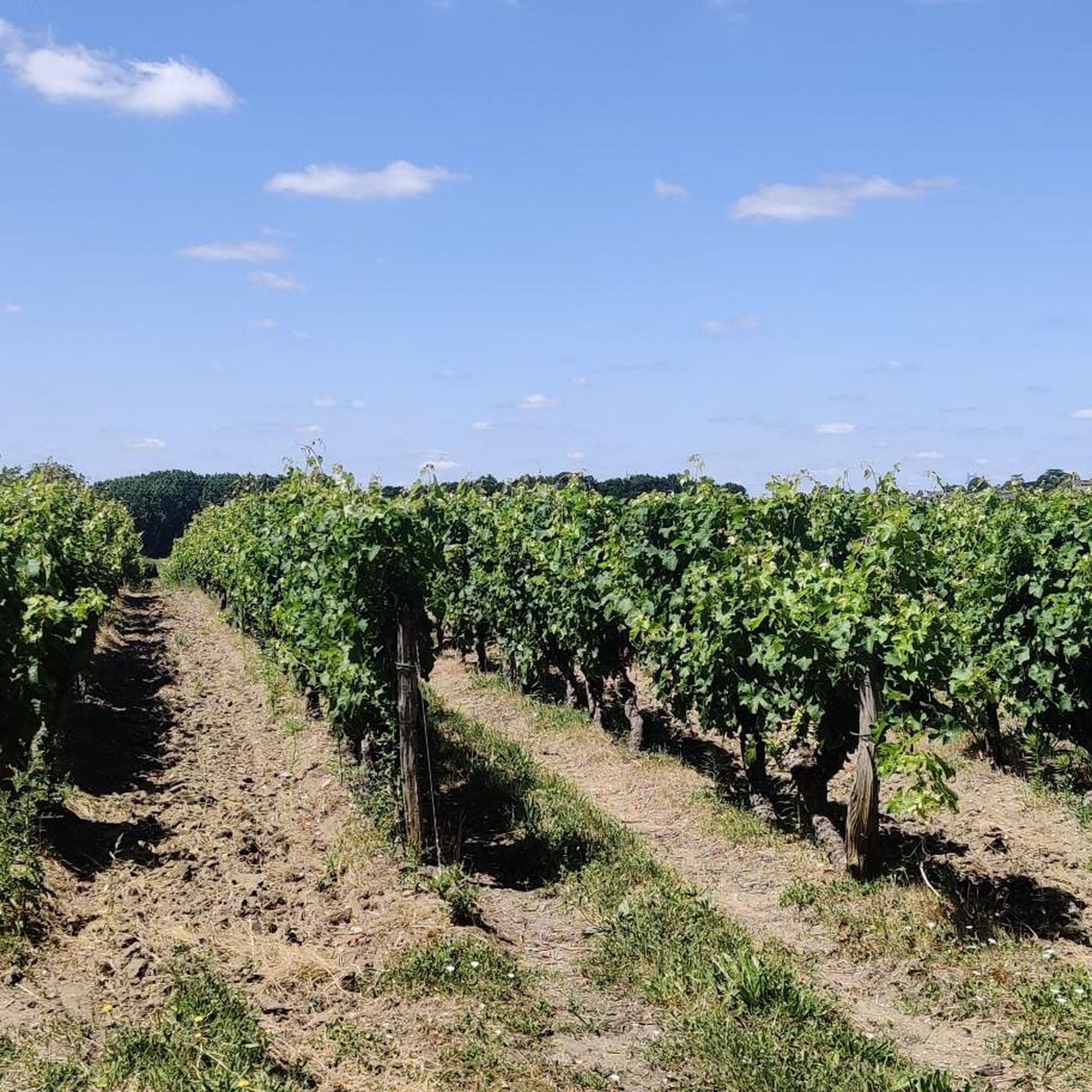
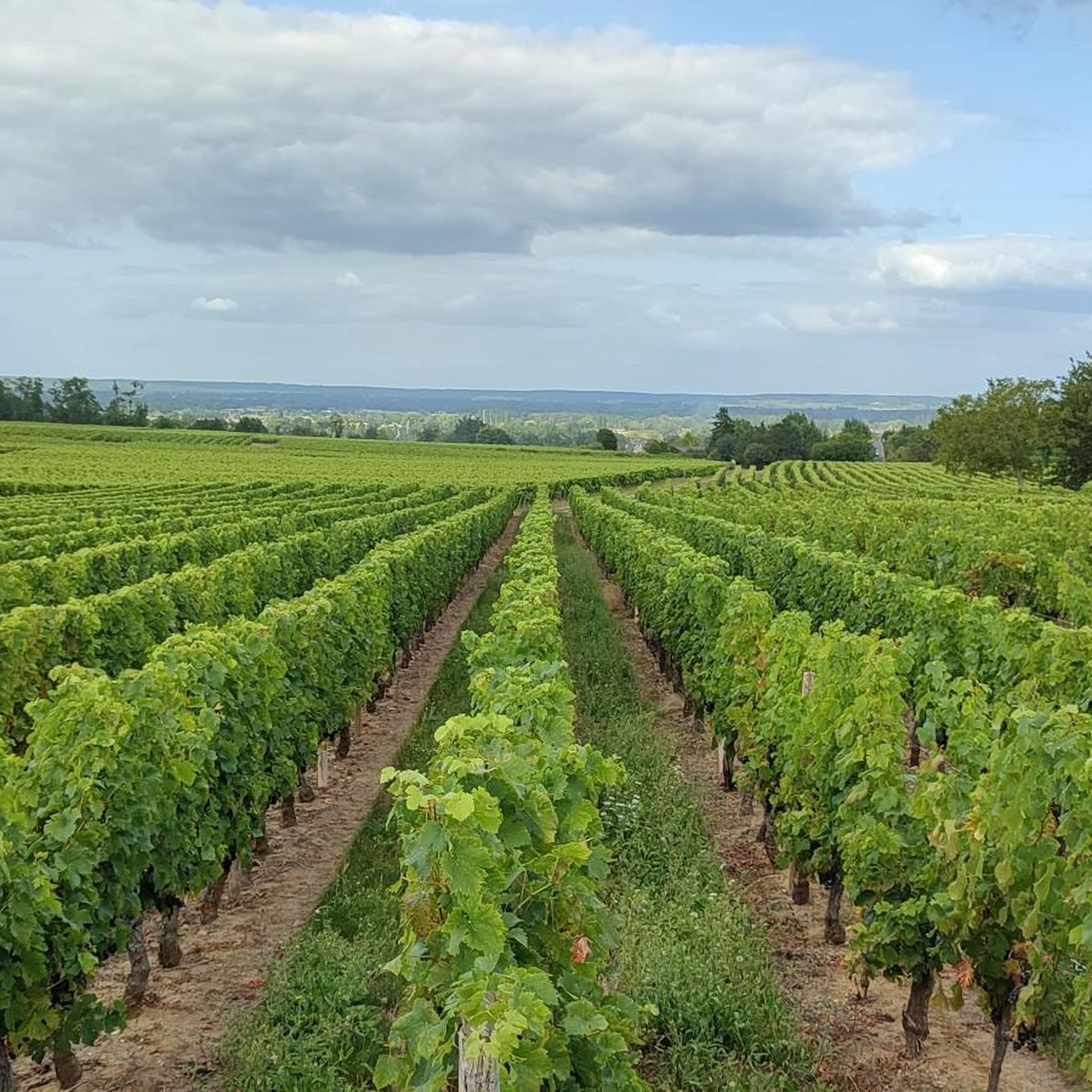
A must-see among the castles of the Loire, that of Montreuil-Bellay is very impressive, although less known, with its 15 defense towers and its 600 meters of ramparts. Fully furnished and inhabited by the same family since 1822, the castle located on a rocky promontory can be visited. Just like the gardens, suspended above the Thouet. From the ramparts, you will have a breathtaking view of the vineyards of the château's wine estate.
1
0

Beautiful town with castle and majestic ramparts, located in the heart of the Loire-Anjou-Touraine regional natural park on the edge of the Thouet. In the heart of the Saumur vineyards, Montreuil-Bellay is the perfect place to visit cellars and taste regional wines.
1
0

The Château de Montsoreau is located in the department of Maine-et-Loire, in the Pays de la Loire region, in France. It is located on the banks of the Loire, near the town of Saumur. Built in the 15th century, the castle of Montsoreau is one of the rare castles of the Loire built in the major bed of the river. It has been the scene of many battles and has known several owners over the centuries, including the famous family of the Dukes of Anjou. In the 19th century, the castle was transformed into a prison, then into accommodation for the guards of the nearby bridge. In the 20th century, it became the center of a contemporary art movement called Art in the Raw. Today, the Château de Montsoreau houses a museum of contemporary art and is open to the public for guided tours. Visitors can admire the historical rooms of the castle as well as the modern works of art displayed in the exhibition halls. The view of the Loire from the castle is also magnificent and deserves to be contemplated.
2
0

Atypical castle certainly but inaccessible to obtain the same point of view as that of the shared photos. The visit of this castle is possible but paying. 8€ which are certainly worth it. You still need to be aware, and know that your bike must remain in the parking lot during this period.
1
0
Frequently Asked Questions
What are some of the most popular castles to visit near Épieds?
The region around Épieds, particularly in the Loire Valley, is rich in historical châteaux. Highly regarded by visitors are Montreuil-Bellay Castle, known for its majestic ramparts along the Thouet river, and Montsoreau Castle, which houses a Museum of Contemporary Art. Another unique site is La Mothe-Chandeniers Castle, an atypical castle undergoing restoration.
Are there any family-friendly castles to explore near Épieds?
Yes, several castles in the area offer experiences suitable for families. Montsoreau Castle is categorized as family-friendly and hosts various art exhibitions and events throughout the year. Château de Saumur is also noted as family-friendly, offering a glimpse into history that can engage younger visitors.
What kind of historical significance do the castles near Épieds hold?
The castles in this region are steeped in history, reflecting centuries of French architecture and culture. For example, Montsoreau Castle has been immortalized in literature and is a UNESCO World Heritage Site. The private Château de Moucheton in Épieds (Aisne), though not publicly accessible, is a historical monument showcasing 16th-century origins and 19th-century Troubadour-style renovations, reflecting architectural evolution.
What outdoor activities can I do near these castles?
The area around Épieds and its castles is excellent for outdoor enthusiasts. You can find numerous routes for cycling, gravel biking, and mountain biking. For instance, there are several gravel biking routes like the 'Loire Riverside Gravel Trail – Saumur loop from Montsoreau' or the 'Château de Saumur – View of Saumur loop from Berrie'. For more options, explore the Gravel biking around Épieds, Cycling around Épieds, and MTB Trails around Épieds guides.
Are there any castles near Épieds that are less known or considered 'hidden gems'?
While many castles in the Loire Valley are well-known, the region also holds less-publicized historical sites. For instance, the private Château de Moucheton in Épieds (Aisne) is a historically inscribed monument, though generally closed to the public. Its unique blend of 16th-century origins and 19th-century romantic renovations makes it a significant, albeit often unseen, historical gem. Occasionally, it may open for special events like European Heritage Days.
What is the best time of year to visit the castles around Épieds?
The Loire Valley, where many of these castles are located, is generally pleasant from spring through early autumn. Many castles, like Montsoreau Castle, are open from March to November, with extended hours during peak summer months (July to September). Visiting in spring or early autumn allows for comfortable weather for exploring both the castles and the surrounding natural parks, while avoiding the busiest summer crowds.
Can I find accommodation or places to eat near the castles?
Yes, the Saumur area, which is close to many of these castles, offers various options for accommodation, cafes, and restaurants. Towns like Saumur itself provide a range of choices, from hotels to local eateries, making it convenient to find places to stay and dine after visiting the châteaux.
What do visitors enjoy most about the castles in this region?
Visitors frequently appreciate the blend of historical architecture and unique cultural offerings. For example, the 'superb castle along the Thouet' at Montreuil-Bellay Castle and its majestic ramparts are often highlighted. The transformation of Montsoreau Castle into a Museum of Contemporary Art also provides a unique experience, blending ancient history with modern art.
Are there any castles near Épieds that are dog-friendly?
While specific dog policies vary by castle, many historical sites in France have restrictions on pets inside buildings. It's always best to check the individual castle's official website before visiting. However, the surrounding grounds and outdoor areas of many châteaux, especially those with extensive gardens or parks, may allow dogs on a leash. For outdoor activities near castles, such as the cycling and hiking routes, dogs are generally welcome.
Is public transport available to reach the castles near Épieds?
While some larger towns in the Loire Valley have train stations and bus services, direct public transport to every individual castle can be limited. For many châteaux, especially those in more rural settings, driving or cycling might be the most convenient options. It's advisable to research specific routes and transport options for each castle you plan to visit, particularly if relying on public transport.
What is unique about the architecture of castles in the Épieds region?
The castles in this region showcase a diverse range of architectural styles, reflecting different historical periods. For example, the private Château de Moucheton in Épieds (Aisne) features a blend of late 16th-century origins with 19th-century romantic Troubadour-style renovations. This evolution highlights how these structures adapted over time, offering a rich tapestry of architectural history from medieval fortresses to Renaissance châteaux and later transformations.
Most popular attractions around Épieds

Get inspired with the komoot mobile app


Explore more
Looking for the best castles somewhere else? Discover other guides around Épieds:
