Top 5 Caves around Notre-Dame-De-Londres
Best caves around Notre-Dame-De-Londres are found in the Hérault region of France, characterized by its limestone geology and proximity to the Cévennes National Park. This geological setting has formed numerous caves and natural arches over millennia. The region's cave systems offer insights into Earth's natural history and geological processes, providing a range of subterranean experiences for visitors.
Best caves around Notre-Dame-De-Londres
- The most popular caves is grotte-abri du Lamalou n°2, a cave-shelter located along a scenic path. The route…
Last updated: July 6, 2026
grotte-abri du Lamalou n°2
Highlight • Cave
Be careful, I strongly advise people who are sensitive to vertigo, have difficulty moving, or have …
Translated by Google •
Tip by

Baumettes du Caylaret and Natural Arch
Highlight • Cave
Once you leave the GR path, it is not easy at all to follow any semblance of a path... The best thing is to follow my tracks, …
Translated by Google •
Tip by

Sign up now to discover places like this
Get recommendations on the best single tracks, peaks, & plenty of other exciting outdoor places.
Sign up for free
Grotte du Capelan
Highlight • Cave
A few narrow passages allow you to continue the excavation of the network a little, but no more...
Translated by Google •
Tip by
Aven de la Dame
Highlight • Cave
Caving enthusiasts, a beautiful well of approximately 15m, and approximately 90m await …
Translated by Google •
Tip by
Aven des Combrelles
Highlight • Cave
The non-existent path is replaced by well-placed cairns, just follow them :)
No protective fencing, so be careful!
Translated by Google •
Tip by
Start today with a free account
Your next adventure awaits.
Login or Signup
Tips from the Community

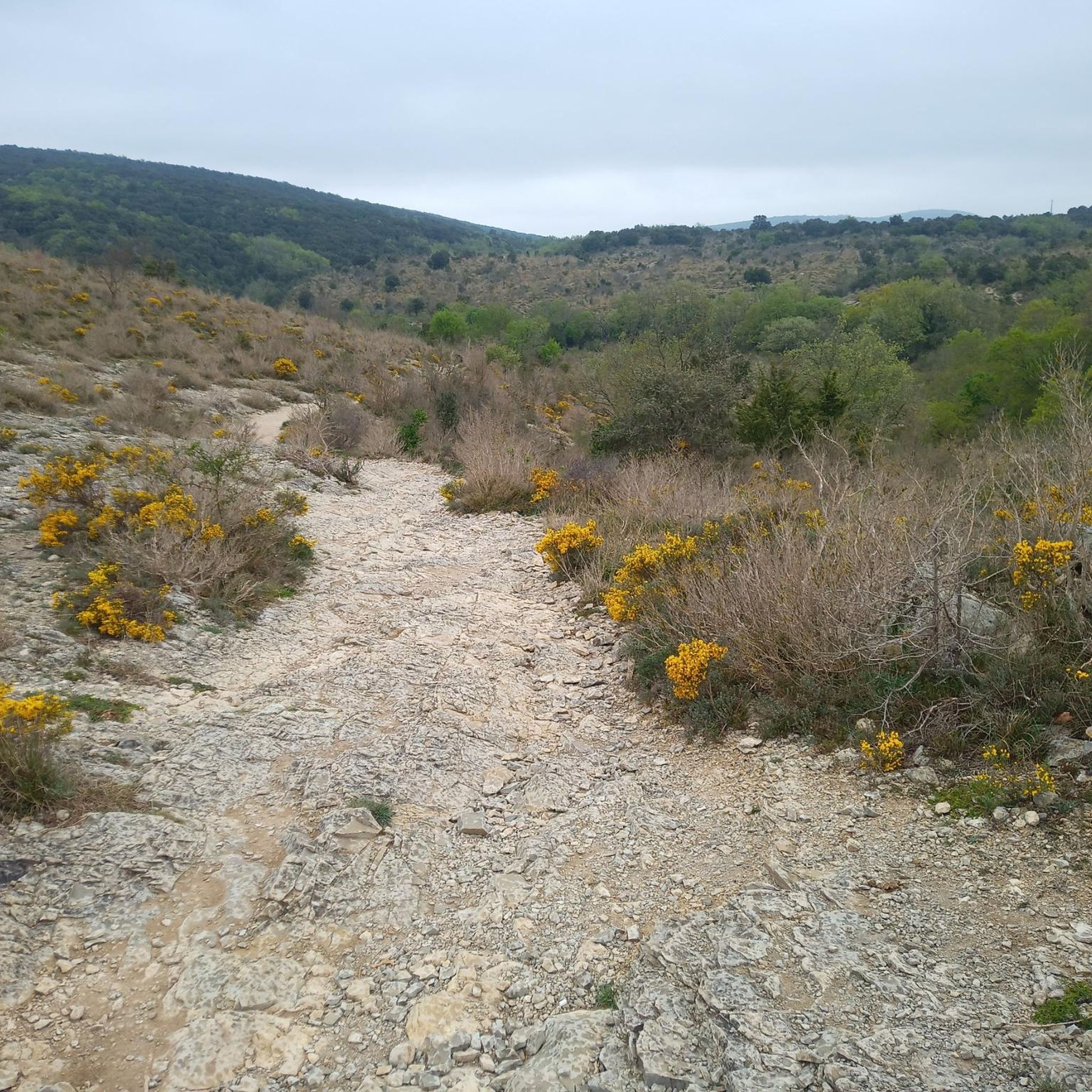
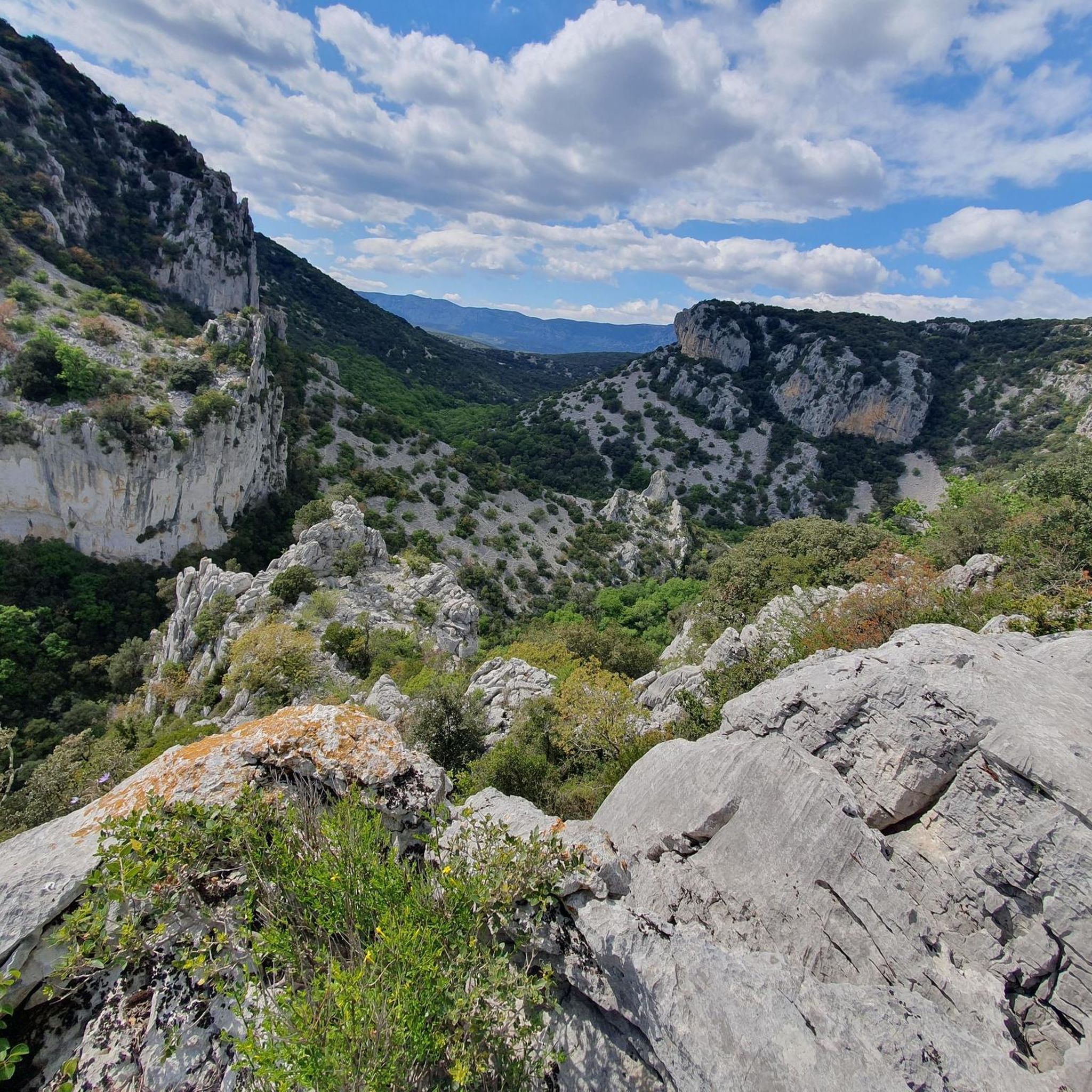
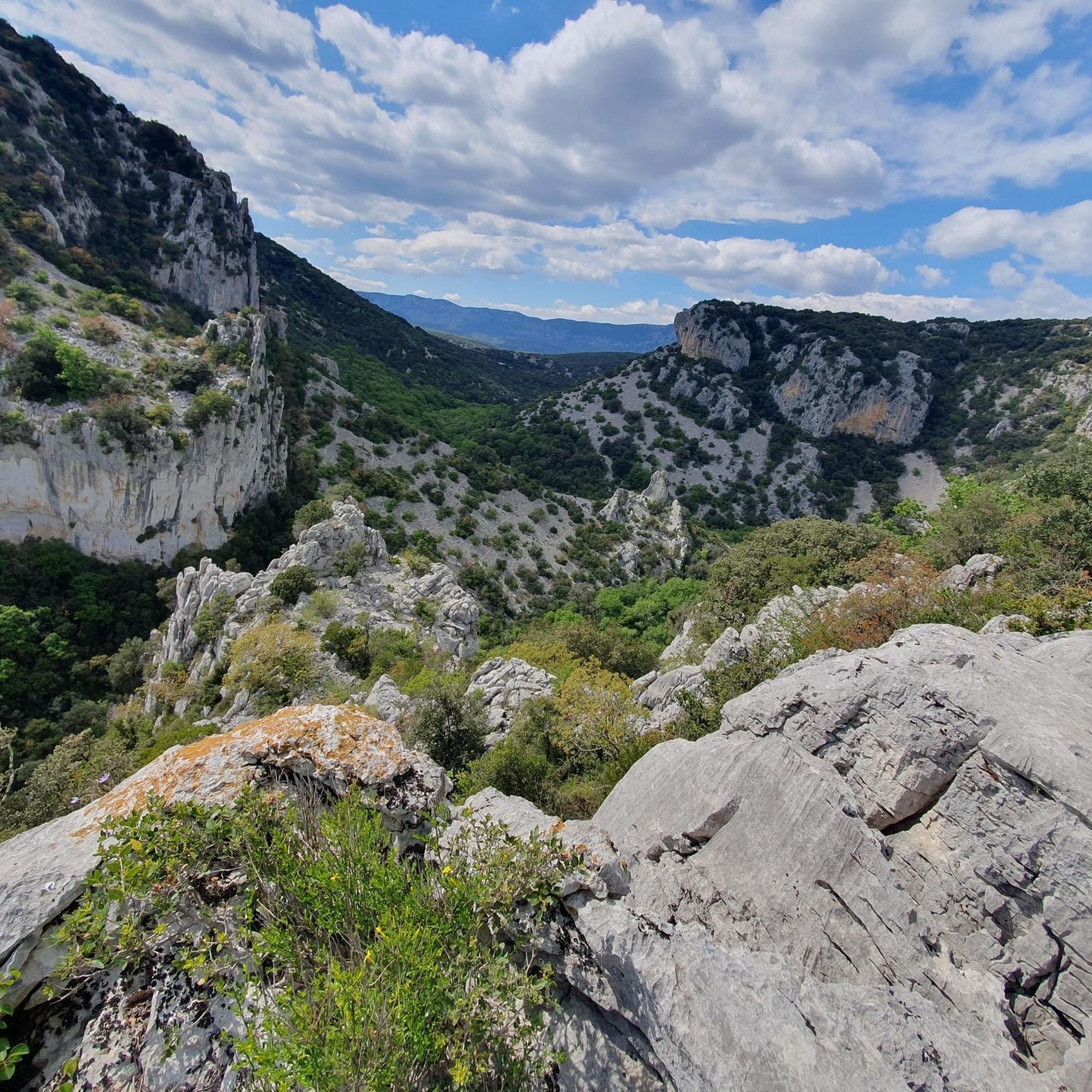
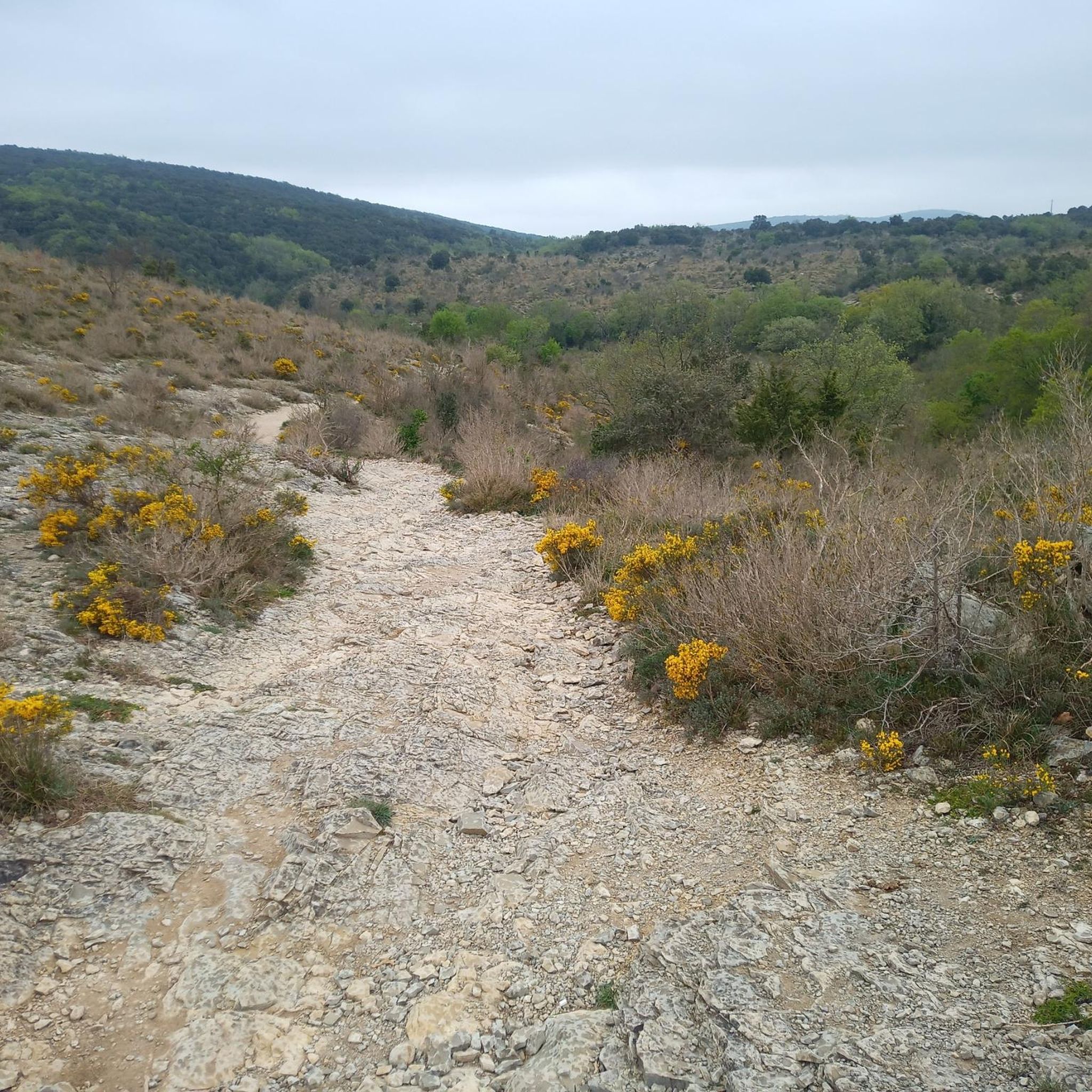
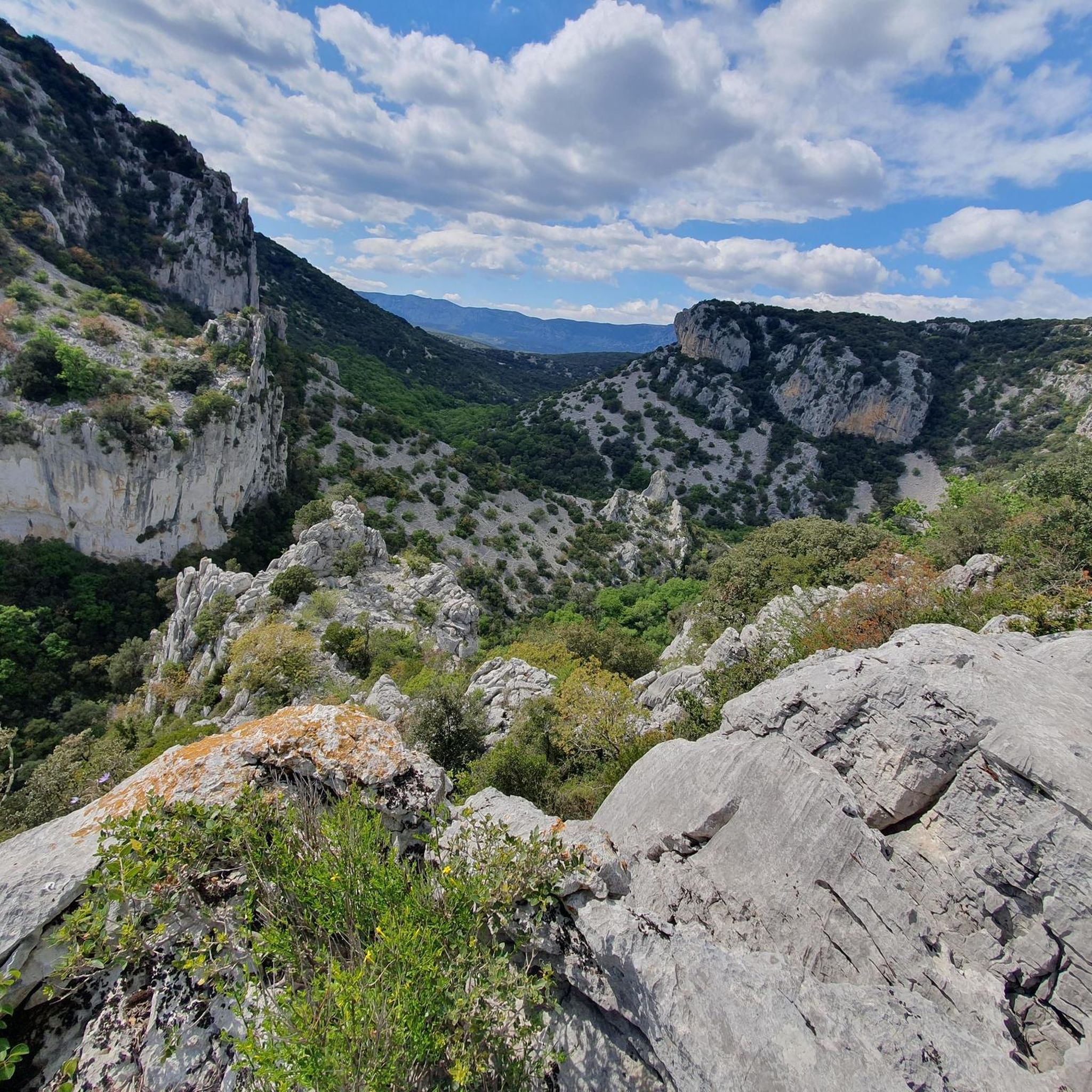
WARNING: This is not the Grotte des Demoiselles (Cave of the Maidens)! I requested that its REAL name be changed to "Grotte - Abri de Lamalou 2" (Lamalou Cave - Shelter 2). Some nice points of interest along the way! The path is sometimes challenging, so caution is advised. I also encountered a few people rock climbing. The ladder in the old "Hermite" cave is stable, but be careful nonetheless. Once at the top, it's easy to slip (it's on a slope). The visit is short, but there are a few tricky sections to explore a little further. Naturally, this makes it all the more dangerous! Not recommended for people with vertigo or who are not comfortable with heights.
0
0
WARNING DANGEROUS PATH! Once you leave the GR path, it is not easy at all to follow any semblance of a path... The best thing is to follow my tracks, BUT given how well the GPS works at this point, it will be complicated. You have to go around the massive rock (roughly), and then pass between the two large rocks. The slope is steep, with some slippery passages. People who are not comfortable with heights, or a bit of climbing, do not venture there. Once at the top, between the two rocks, you will pass under a beautiful arch, then going down, and going back up on your left, you will come across a cave. For the other caves, you will have to climb a little more on the GR, and join a clearly visible fault, then cross the ledge! Access is also dangerous, full of voids. Then you can see another cave a little further, which will require a little impractical climbing.
0
0

It is especially the path that leads to this place that will amaze you! Be careful, I strongly advise people who are sensitive to vertigo, have difficulty moving, or have young children not to take the path that leads to this place (in either direction).
0
0
A sinkhole of about 42m. The non-existent path is replaced by well-placed cairns, just follow them :) No protective fencing, so be careful!
0
0
A very deep sinkhole (-167m approximately) which is protected by a fence, which I do not recommend crossing! Caving enthusiasts, a beautiful well of approximately 15m, and approximately 90m await you before reaching the bottom :) Another small sinkhole is located 100m further, so be careful if you are walking with animals, or children.
1
0
A small cavity that includes a good-sized room. A few narrow passages allow you to continue the excavation of the network a little, but no more...
0
0
Frequently Asked Questions
What makes the caves around Notre-Dame-De-Londres unique?
The caves in the Hérault region, near Notre-Dame-De-Londres, are renowned for their exceptional geological diversity. They feature a wide array of stunning concretions, including massive stalagmites, delicate aragonite crystals, and rare helictite formations. Many also boast significant historical and scientific importance, offering a glimpse into millions of years of natural history.
Which caves are known for their impressive formations and historical significance?
The Grotte des Demoiselles is famous for its 'Organ' stalagmite, the 'Underground Cathedral' chamber, and unique helictites. It also has a rich history, being one of the first caves in France to feature a funicular for public access. The Grotte de la Devèze, one of France's oldest show caves, is celebrated for its delicate draperies and transparent aragonite needles, complemented by an on-site speleological museum.
Are there any caves particularly known for their crystal formations?
Yes, the Grotte de Clamouse is internationally recognized for its exceptional richness and diversity of concretions, particularly its rare eccentric aragonite crystals. Visitors often describe the experience as magical, like a 'trip out of time', due to the stunning artistry of these natural crystal formations.
Are there family-friendly caves to visit near Notre-Dame-De-Londres?
Absolutely. The Grotte des Demoiselles is highly accessible, featuring a funicular and well-maintained pathways suitable for a wide range of visitors. The Grotte de Clamouse also offers engaging options like a Speleopark and Escape Game, providing an interactive experience for families. The Grotte de la Devèze, with its guided tours and on-site museum, offers an educational and visually captivating experience for all ages.
What kind of accessibility can I expect when visiting the region's main show caves?
The main show caves are generally well-equipped for visitors. For instance, the Grotte des Demoiselles was the first cave in France to install a funicular in 1961, making it easily accessible. These caves typically feature well-maintained paths and modern lighting to enhance the visitor experience.
Are there any challenging or adventurous caving experiences available for experienced explorers?
Yes, for those seeking more adventurous experiences, there are several less developed caves and sinkholes. These include grotte-abri du Lamalou n°2, Baumettes du Caylaret and Natural Arch, Grotte du Capelan, Aven de la Dame, and Aven des Combrelles. However, be aware that paths to these sites can be dangerous, involve steep slopes, and may require climbing. They are not recommended for those with mobility issues, young children, or those uncomfortable with heights. Some sinkholes, like Aven de la Dame and Aven des Combrelles, are deep and may lack protective fencing.
What outdoor activities can I do near the caves around Notre-Dame-De-Londres?
The region offers a variety of outdoor activities. You can explore numerous hiking trails, with options ranging from moderate to difficult, such as 'Le ravin des Arcs' or 'Point de vue sur les gorges'. For cyclists, there are extensive gravel biking routes, including loops around Saint-Mathieu-de-Tréviers, and road cycling routes like the 'Fambetou Pass' loop. You can find more details on these activities in the Hiking around Notre-Dame-De-Londres, Gravel biking around Notre-Dame-De-Londres, and Road Cycling Routes around Notre-Dame-De-Londres guides.
What is the best time to visit the caves in the Hérault region?
Caves maintain a relatively constant cool temperature year-round, making them a good destination regardless of the season. However, visiting during spring or autumn can be particularly pleasant as the weather outside is mild, ideal for combining a cave visit with other outdoor activities in the surrounding Cévennes National Park.
What should I wear when visiting the caves?
Due to the constant cool temperatures inside caves, it's advisable to wear layers, even during warmer months. Comfortable walking shoes with good grip are essential, as paths can sometimes be damp or uneven. A light jacket or sweater is recommended.
Are there any specific natural landmarks or viewpoints near the caves?
Yes, the region is rich in natural beauty. The Baumettes du Caylaret and Natural Arch offers a stunning natural arch formation and panoramic viewpoints, though the path to it is challenging. The Grotte des Demoiselles is located within the picturesque Cévennes National Park, offering scenic views and diverse landscapes in its vicinity.
What do visitors enjoy most about the caves around Notre-Dame-De-Londres?
Visitors frequently praise the breathtaking natural formations and the sheer scale of the underground chambers. The unique geological features, such as the 'Organ' stalagmite and the rare aragonite crystals, are often highlighted. Many also appreciate the accessibility and the educational aspects, including the historical context and the on-site museums that provide deeper insights into speleology.
Can I find food and drink options near the major cave attractions?
The major tourist caves like Grotte des Demoiselles, Grotte de Clamouse, and Grotte de la Devèze are typically located near visitor centers or villages that offer cafes, restaurants, and other amenities. For example, Grotte de Clamouse is near the medieval village of Saint-Guilhem-le-Désert, which provides dining options.
Most popular routes around Notre-Dame-De-Londres
Most popular attractions around Notre-Dame-De-Londres

Get inspired with the komoot mobile app


Explore more
Extend your search for the best caves by checking out these guides of the top ones around Notre-Dame-De-Londres:
