Top 5 Caves around Puéchabon
Best caves around Puéchabon are found within the Hérault region, an area characterized by its karstic landscapes and underground formations. This geological setting provides a range of caving experiences, from accessible show caves to more challenging natural grottoes. The region's caves are notable for their diverse concretions and unique ecosystems. Puéchabon serves as a gateway to exploring these subterranean environments.
Best caves around Puéchabon
- The most popular caves is The Fairy Cave, a cave that offers a short exploration…
Last updated: October 9, 2026
The Fairy Cave
Highlight • Forest
Translated by Google •
Tip by

Grotte de Clamouse
Highlight • Cave
Translated by Google •
Tip by

Sign up now to discover places like this
Get recommendations on the best single tracks, peaks, & plenty of other exciting outdoor places.
Baume de l'Olivier and Baume Charlotte
Highlight • Cave
Translated by Google •
Tip by
Grottes Jumelles
Highlight • Cave
The path is quite narrow, with a few landslides when I passed, but is still quite easy to use.
Translated by Google •
Tip by

Baumettes du Caylaret and Natural Arch
Highlight • Cave
Once you leave the GR path, it is not easy at all to follow any semblance of a path... The best thing is to follow my tracks, …
Translated by Google •
Tip by
Start today with a free account
Your next adventure awaits.
Tips from the Community

WARNING DANGEROUS PATH! Once you leave the GR path, it is not easy at all to follow any semblance of a path... The best thing is to follow my tracks, BUT given how well the GPS works at this point, it will be complicated. You have to go around the massive rock (roughly), and then pass between the two large rocks. The slope is steep, with some slippery passages. People who are not comfortable with heights, or a bit of climbing, do not venture there. Once at the top, between the two rocks, you will pass under a beautiful arch, then going down, and going back up on your left, you will come across a cave. For the other caves, you will have to climb a little more on the GR, and join a clearly visible fault, then cross the ledge! Access is also dangerous, full of voids. Then you can see another cave a little further, which will require a little impractical climbing.
0
0

The cave was first discovered by speleologists in 1945 and to date over 4 km of passages have been explored. A 900 meter long path has been opened as a show cave and takes over an hour to walk through.
2
0
The Jumelles caves are located by leaving the GR74 for a few hundred meters. The path is quite narrow, with a few landslides when I passed, but is still quite easy to use. Access to the first cavity on the left is quite simple. The second is more difficult, you will have to climb a little! It is quite slippery, be careful! The cavities are short however, but it is always nice to go there.
1
0
Unmissable places in the St Guilhem le Désert area, and also a place of meditation in the Charlotte cave. The cave is a simple rock shelter. La Baume de l'Olivier also, no obvious and known continuation.
1
0
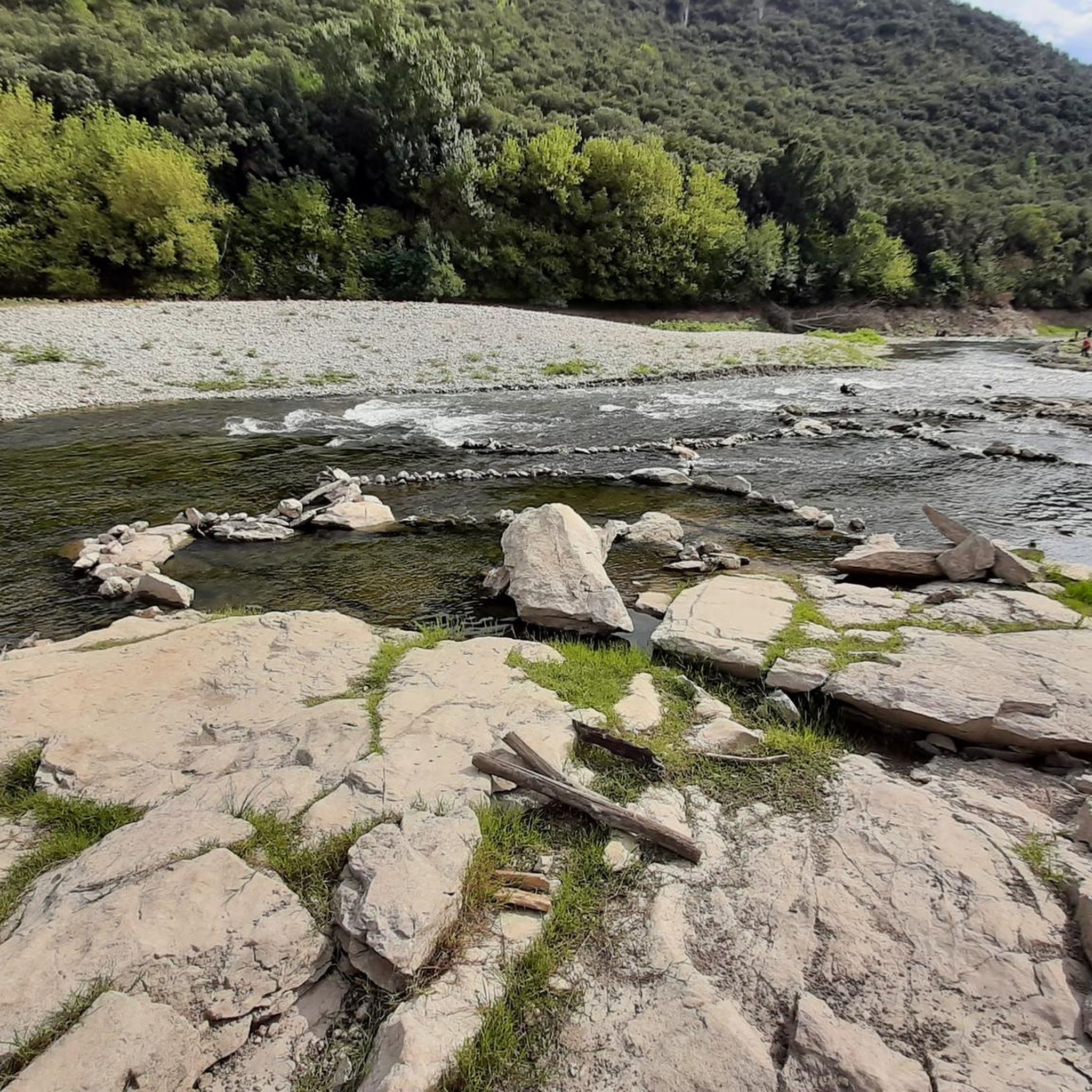
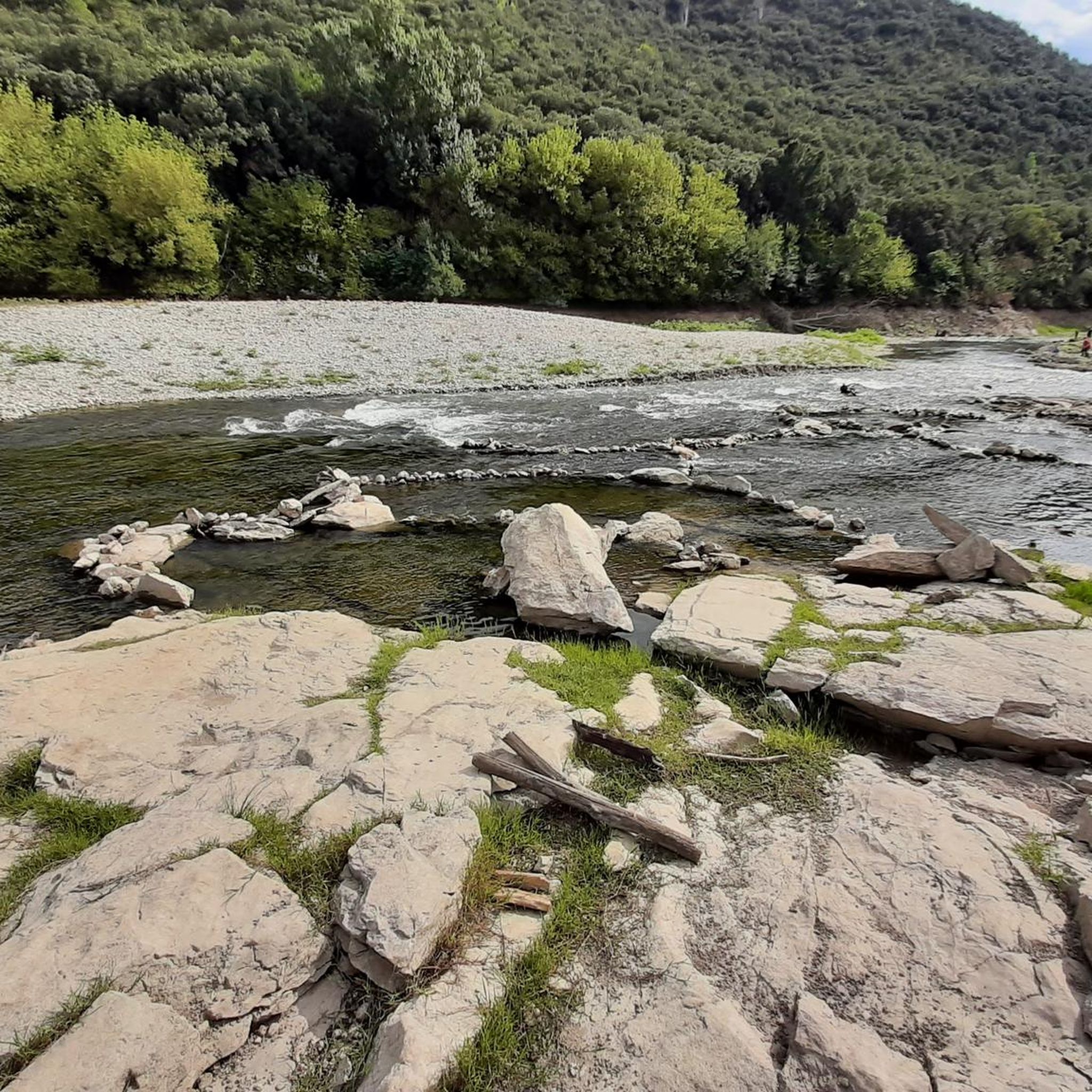
Cave that does not pose any danger, except to venture there without light. Short cave of about 40m. Dry and degraded concretions. it is worth the detour, but nothing impressive either. Just follow the Joncas river then climb to the heights following the cairns and footprints.
2
0

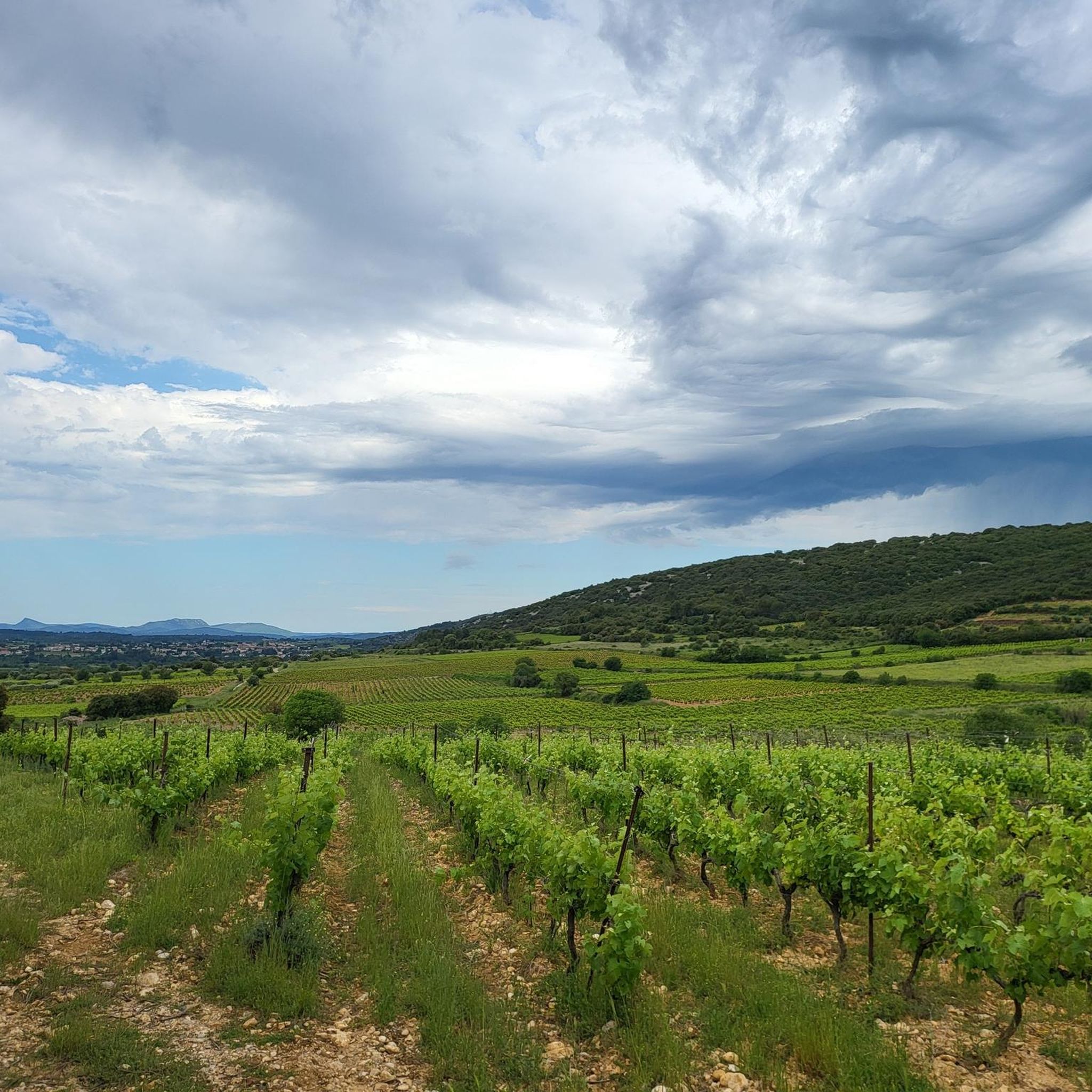
The Fairy Cave is a mysterious and enchanting place. Nestled deep in the forest, this cave is home to amazing rock formations and local legends.
0
0

A remarkable site, the Baume de l'Olivier was inhabited until recently by Michel Dross known as "Frigoule" (1927-2009) who lived there as a hermit and left his mark on the place.
3
0

Impressive cave (not open to tourists) and a pleasant cool down in summer.
2
1
Frequently Asked Questions
Are there family-friendly caves around Puéchabon?
Yes, several caves in the Hérault region are well-suited for families. The Grotte de Clamouse is a show cave with a 900-meter-long path, modern light displays, and even a Spéléopark for adventure. The Grotte de la Fileuse de Verre, also known as Grotte de la Devèze, offers a magical atmosphere with subtle lighting and tours lasting about 45 minutes, making it popular with children.
What unique natural features can I expect to see in the caves around Puéchabon?
The caves in the Hérault region are known for diverse and delicate concretions. The Grotte de Clamouse, often called the 'Cave of a Thousand Colors,' features unique twisted stalactites known as eccentrics. The Grotte des Demoiselles is famous for its impressive dimensions and formations, including a 'Cathedral of the Abyss.' The Grotte de la Fileuse de Verre showcases aragonite flowers and lacy draperies, while Labeil Cave allows you to witness an active underground river sculpting limestone formations.
Do any caves around Puéchabon have historical significance?
Yes, the Baume de l'Olivier and Baume Charlotte site has historical significance. The Baume de l'Olivier was inhabited by a hermit until recently, leaving a distinct mark on the place. Labeil Cave also has a rich history, having been used for aging Roquefort cheese and showing archaeological evidence of occupation during the Bronze Age and Neolithic periods.
What is the best time to visit the caves around Puéchabon?
Caves generally maintain a constant cool temperature year-round, making them a good destination in any season. However, visiting during spring or autumn allows for comfortable exploration of the surrounding natural areas and trails before or after your cave visit. Summer offers a cool escape from the heat.
Are there caves for more adventurous exploration around Puéchabon?
For those seeking a more rugged experience, the Grottes Jumelles offer a less developed exploration. The path to them can be narrow, and accessing the second cavity requires a bit of climbing. Labeil Cave also provides a wilder adventure, allowing visitors to follow an active underground river with headlamps.
What outdoor activities can I do near the caves around Puéchabon?
The region around Puéchabon offers various outdoor activities. You can find numerous hiking trails, such as 'The balconies of l’Hérault – loop from Puéchabon' or 'Beautiful view – Saint-Guilhem-le-Désert loop.' There are also MTB trails like 'Hérault Gorges – Viewpoint loop from Aniane' and cycling routes, including 'The gorges of the Hérault, the col des Lavagnes and Saint-Guilhem-le-Désert in a loop.' You can explore these and more on the Hiking around Puéchabon, MTB Trails around Puéchabon, and Cycling around Puéchabon guide pages.
What makes the Grotte des Demoiselles a notable cave to visit?
The Grotte des Demoiselles, often called the 'Underground Cathedral,' is notable for its impressive dimensions and formations, situated deep within the Séranne massif. It is accessible by a large funicular and features illuminated paths to appreciate its vast stalactites, stalagmites, and other concretions, including the 'Cathedral of the Abyss' within its extensive galleries.
What is 'The Fairy Cave' like for exploration?
The Fairy Cave offers a short exploration of about 40 meters. It features dry and degraded concretions and is considered a worthwhile detour for those seeking a less developed cave experience. While not overly impressive, it provides a pleasant, cool down in summer, though its entrance can be challenging to find.
Are there caves with natural arches or viewpoints near Puéchabon?
Yes, the Baumettes du Caylaret and Natural Arch site offers both. After a challenging path, you can pass under a beautiful natural arch and discover a cave. This area also provides viewpoints, though access can be steep and slippery, requiring caution.
What do visitors enjoy most about the caves in the Hérault region?
Visitors appreciate the diversity of experiences, from the stunning geological formations and unique twisted stalactites in Grotte de Clamouse to the historical significance of sites like Baume de l'Olivier. Many also enjoy the adventurous aspects of exploring wilder caves or the family-friendly atmosphere of show caves with modern amenities and light displays.
Can I explore a cave with an active underground river?
Yes, Labeil Cave, perched on the edge of the Larzac Plateau, offers this unique experience. Visitors can follow the path of an active underground river, witnessing water actively sculpting limestone formations. A 'Cave Safari' equipped with headlamps allows for an immersive exploration.
Is there a cave that is particularly intimate or magical for families?
The Grotte de la Fileuse de Verre (Glass Spinner's Cave) in Courniou is known for its intimate and magical atmosphere. Its name comes from a local legend, and subtle lighting enhances its fairy-tale setting, making it particularly popular with families and children. It features delicate, glass-like stalactites and aragonite flowers.
Most popular routes around Puéchabon
Most popular attractions around Puéchabon

Get inspired with the komoot mobile app


Explore more
Extend your search for the best caves by checking out these guides of the top ones around Puéchabon:
