Top 3 Castles around Saint-Didier
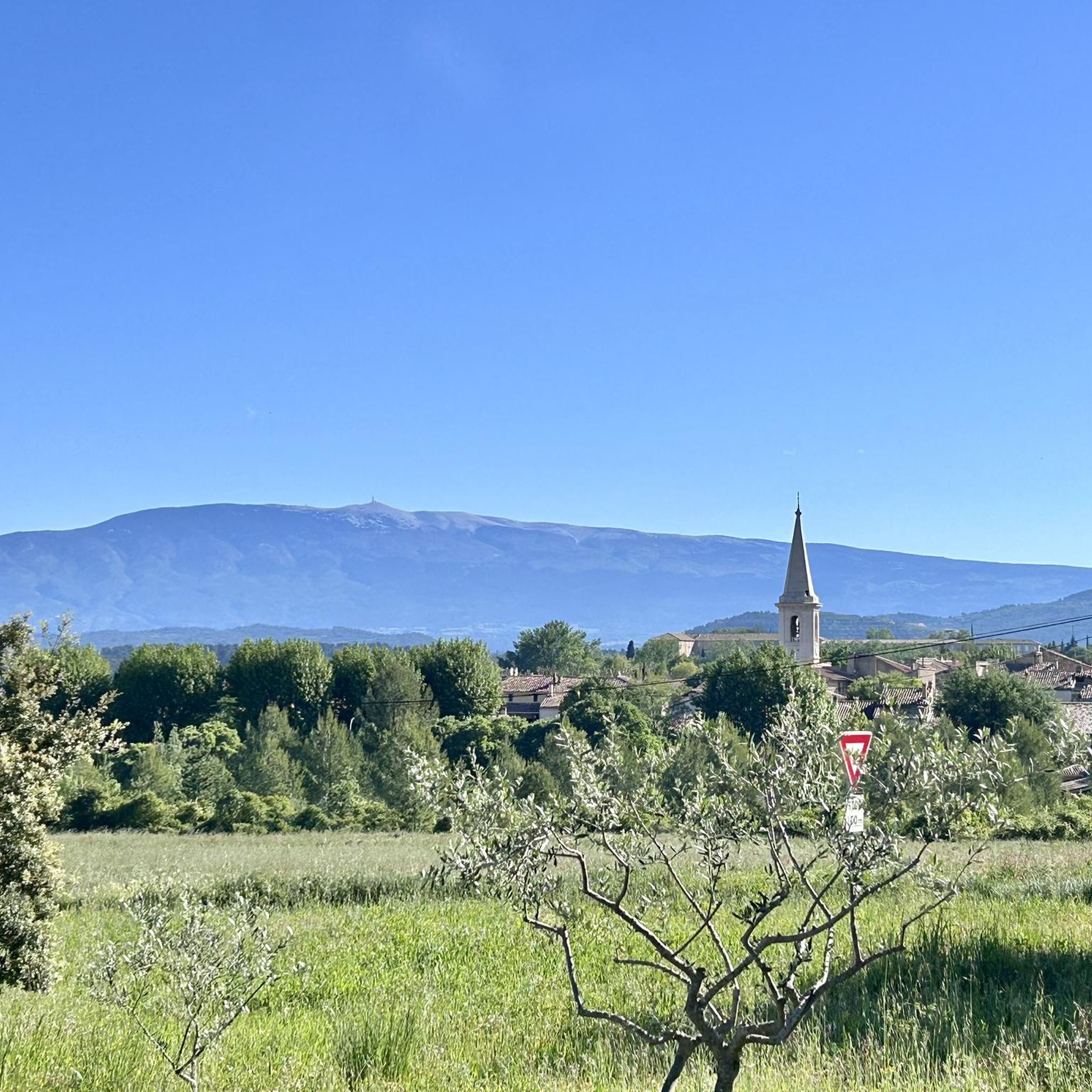
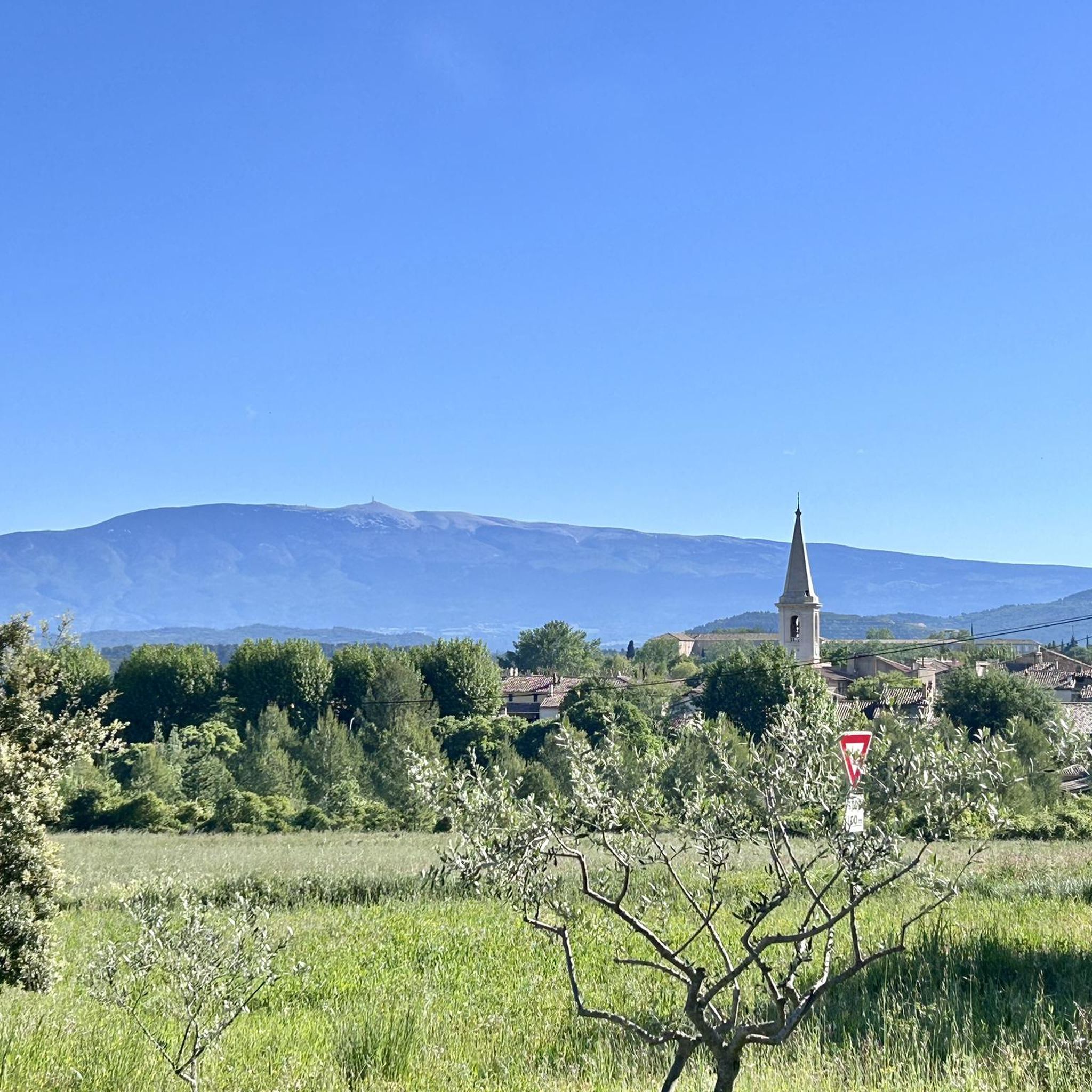
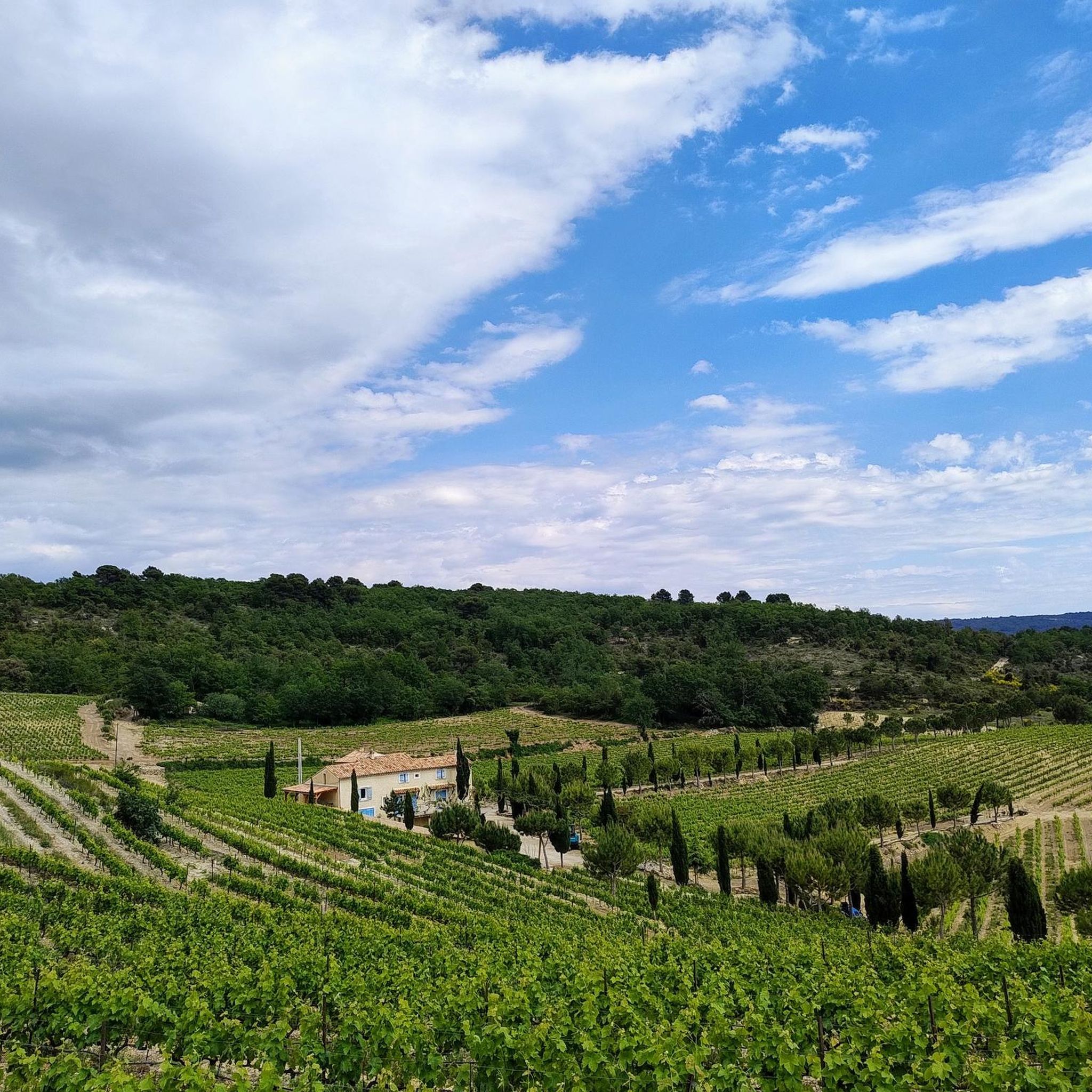
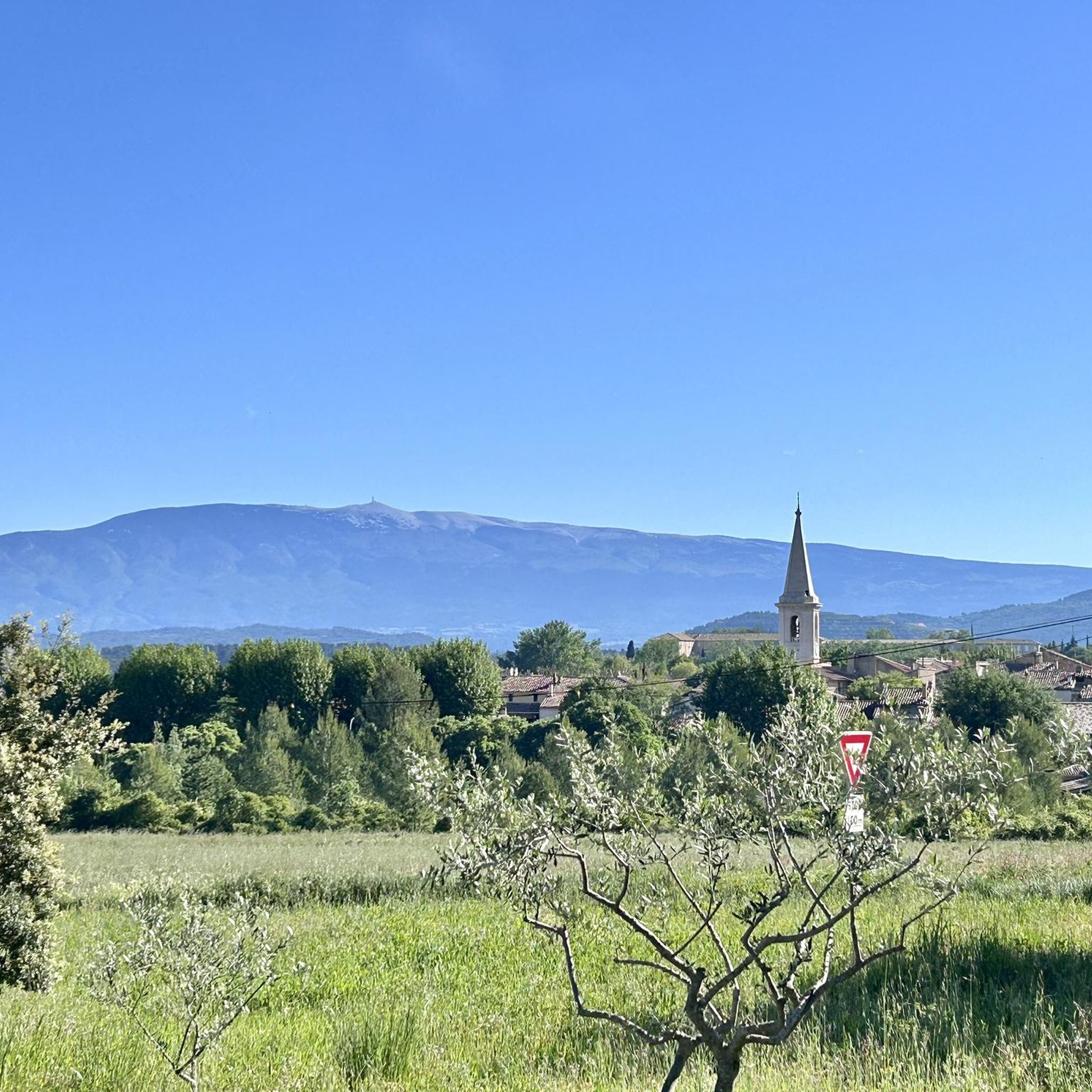
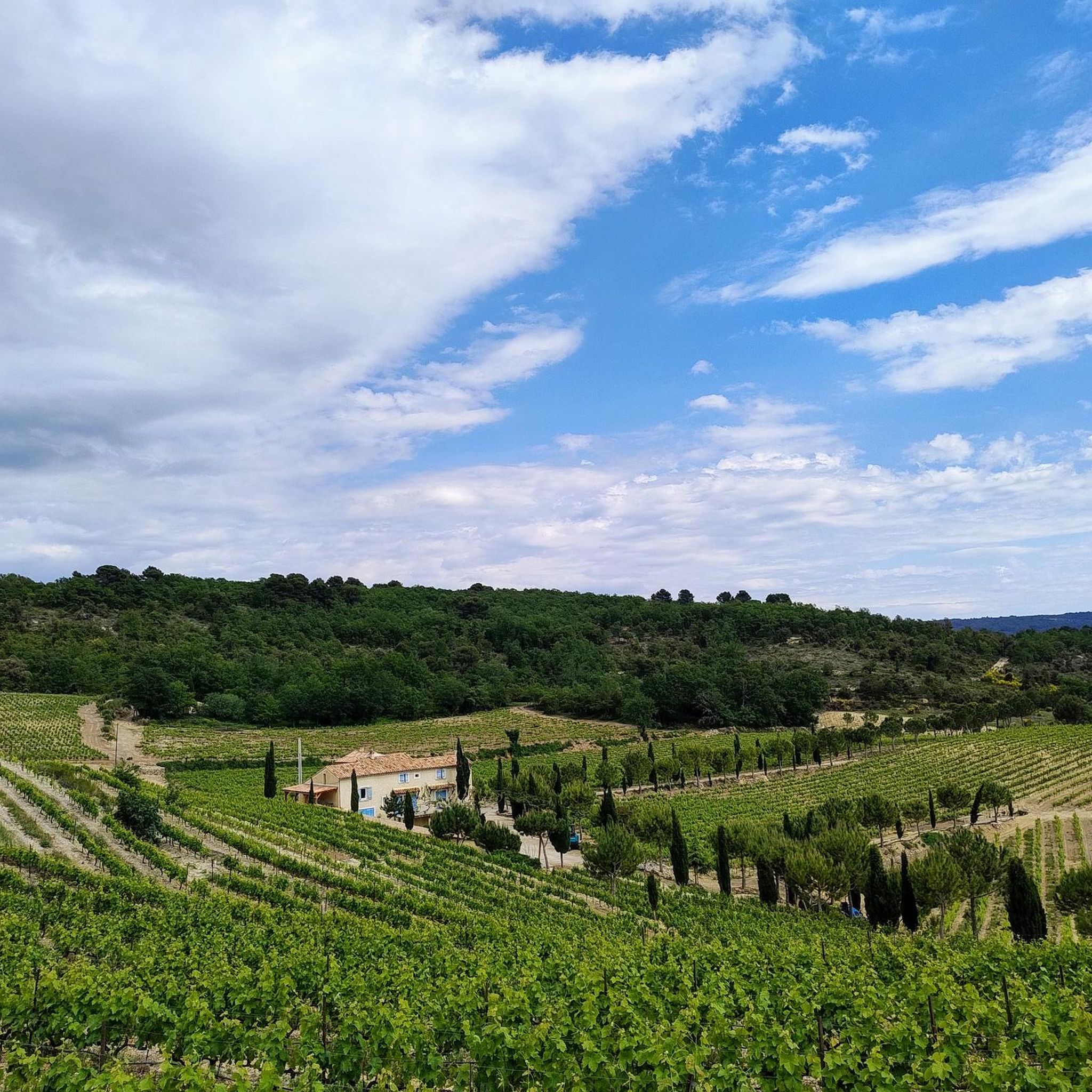
Best castles around Saint-Didier are found in the Vaucluse department of France, nestled within typical Provençal landscapes. This region is characterized by its position between plains and the slopes of Mont Ventoux, offering diverse scenery. The area holds historical significance, with structures dating back centuries. Visitors can explore a blend of architectural styles and historical sites.
Best castles around Saint-Didier
- The most popular castles is Le Beaucet, a settlement with castle ruins. Perched on a rocky promontory, it offers…
Last updated: October 9, 2026
Château des Évêques
Highlight • Castle
Translated by Google •
Tip by

Orange Gate
Highlight • Monument
Translated by Google •
Tip by

Sign up now to discover places like this
Get recommendations on the best single tracks, peaks, & plenty of other exciting outdoor places.
Saumane-de-Vaucluse Castle
Highlight • Castle
Translated by Google •
Tip by

Le Beaucet
Highlight • Settlement
Translated by Google •
Tip by

Start today with a free account
Your next adventure awaits.

Tips from the Community

It's just a short walk up to the castle. Even though the path is steep and partly rocky, it's well worth it! From the ruins, you have fantastic views down to the town, the river, and the entire surrounding area. Be careful when climbing on the walls; it's extremely steep down!
1
0

The climb and descent to and from the castle is seriously tough but once at the top the view is breathtaking.
7
1

Since 1274, Carpentras belonged to the papal domain of the Comtat Venaissin. Between 1309 and 1314, Pope Clement V made Carpentras – alongside Avignon – his residence. During the term of office of Pope Innocent VI (1352–1362), the city was surrounded by a city wall with 32 towers and four gates to protect it from the plundering mercenary troops of the Grandes Compagnies. The 27 m high Porte d’Orange (around 1360) with its battlements is the only remaining city gate and is open on the city side as a three-wall gate tower (half-shell tower). It has two plank floors, one above the brick passageway (barrel vault) and the defense platform behind the battlements. https://de.wikipedia.org/wiki/Carpentras
2
0

The village of Beaucet is a charming place. Perched on a rocky promontory, you enjoy beautiful views of the Vaucluse mountains. As you wander through the charming little streets, you will discover the ruins of its old fortified castle.
0
0

Coming from Venasque you arrive at the bottom of this small village. It is worthwhile to walk around here, visit the castle if necessary and have a drink in the only bistro.
0
0

The ruins of the 13th century castle perch high above the village. From the ruins you will have an exceptional panoramic view of the town, the spring and the surrounding area. The climb towards the ruins start in the village and the first part is easy accessible by foot. The last past however is very steep, rocky and sometimes even tricky with lots of loose stones and even a wiggly ladder. Not the easiest climb especially for kids (< 8yrs) and elderly people.
2
1

The Château de Saumane is one of the three places in Vaucluse where the Marquis de Sade lived.
1
0

Frequently Asked Questions
What is the most prominent castle directly in Saint-Didier?
The most notable castle directly in Saint-Didier is the Château de Thézan. This Renaissance masterpiece, dating back to the 16th century, has undergone extensive restoration and offers guided tours of its historic rooms, including lavish salons and preserved Second Empire baths, as well as an English-style park. You can find more details on its history and visiting information via Isle sur la Sorgue Tourisme.
Are there family-friendly castles to visit near Saint-Didier?
Yes, several sites near Saint-Didier offer family-friendly experiences. While not a traditional castle, the Orange Gate in Carpentras is a well-preserved 14th-century city gate that can be interesting for families. The village of Le Beaucet, with its charming streets and ruins of an old fortified castle, is also considered family-friendly and offers beautiful views.
What kind of historical sites can I explore in the region besides castles?
Beyond traditional castles, you can explore significant historical architecture like the Orange Gate in Carpentras. This impressive 27-meter-high gate is the only remaining part of Carpentras' 14th-century city wall, built to protect it during its time as a papal residence. It offers a glimpse into the region's medieval past.
What are the best times of year to visit castles around Saint-Didier?
The spring (April to June) and early autumn (September to October) are generally the best times to visit castles around Saint-Didier. The weather is pleasant for exploring, and the Provençal landscapes are at their most beautiful. Summer can be very hot, so early mornings or late afternoons are recommended if visiting in July or August.
Are there any castles near Saint-Didier that are open in winter?
Opening hours for castles can vary significantly, especially during the off-season. For the Château de Thézan in Saint-Didier, it's best to check their official website or the local tourist information for current winter opening schedules, as restoration efforts and seasonal events can influence accessibility. Smaller ruins like Château des Évêques are generally accessible year-round, though facilities may be limited.
Can I find hiking trails near the castles in the Saint-Didier area?
Absolutely! The region around Saint-Didier is excellent for hiking. For example, the ruins of Château des Évêques offer a steep but rewarding climb with fantastic panoramic views. You can find various hiking routes in the area, such as the 'Saint Didier – Notre-Dame Church of Venasque loop' or the 'Saint Didier loop', which are part of the Hiking around Saint-Didier guide.
What outdoor activities can I combine with a castle visit near Saint-Didier?
You can easily combine castle visits with cycling or hiking. The area offers numerous routes, such as the 'Hilltop Villages Loop' for touring bicycles or the 'Bédoin – Crillon-le-Brave loop' for road cycling. These routes allow you to explore the scenic Provençal landscape and charming villages, often passing by historical sites. Discover more options in the Traffic-free bike rides around Saint-Didier and Road Cycling Routes around Saint-Didier guides.
Are there any castles with particularly good views near Saint-Didier?
Yes, several castles offer breathtaking views. The ruins of Château des Évêques, perched high above the village, provide exceptional panoramic views of the town, the river, and the surrounding area. Similarly, Saumane-de-Vaucluse Castle, located in a magnificent perched village, also boasts very nice views of the idyllic setting.
What do visitors enjoy most about the castles and historical sites in this region?
Visitors frequently highlight the stunning panoramic views from perched castles like Château des Évêques and Saumane-de-Vaucluse Castle. The historical atmosphere and architectural beauty, particularly of the restored Château de Thézan, are also highly appreciated. Many enjoy the combination of exploring ancient ruins with the charm of the surrounding Provençal villages and landscapes.
Is parking available at the castles near Saint-Didier?
Parking availability varies by location. For the Château de Thézan in Saint-Didier, there is typically parking within or very close to the village. For perched villages like Saumane-de-Vaucluse or Le Beaucet, you'll usually find designated parking areas at the base or entrance of the village, requiring a short walk up to the castle or ruins. It's always advisable to check local signage upon arrival.
Are there any hidden gem castles or lesser-known historical sites worth visiting?
While not entirely hidden, the village of Le Beaucet is a charming place often overlooked by those focusing only on major attractions. Perched on a rocky promontory, it offers beautiful views and the ruins of its old fortified castle, providing a quieter, more authentic experience of Provençal heritage.
Most popular routes around Saint-Didier
Most popular attractions around Saint-Didier

Get inspired with the komoot mobile app


Explore more
Looking for the best castles somewhere else? Discover other guides around Saint-Didier:
