Top 8 Castles around Fällanden
Best castles around Fällanden are found in the municipality of Fällanden, located near Zurich in Switzerland. This area offers a blend of natural landscapes and historical sites, providing opportunities for outdoor activities and cultural exploration. While Fällanden itself does not feature prominent castles, the surrounding region of Zurich is historically rich with fortifications and castle remnants. Visitors can explore various historical structures that reflect the area's past.
Best castles around Fällanden
- The most popular castles is Historic Village of Greifensee…
Last updated: October 11, 2026
Greifensee Castle
Highlight • Castle
Translated by Google •
Tip by

Historic village of Greifensee
Highlight • Settlement
Translated by Google •
Tip by

Sign up now to discover places like this
Get recommendations on the best single tracks, peaks, & plenty of other exciting outdoor places.
Friedberg Ruins
Highlight • Castle
Translated by Google •
Tip by

Friesenberg Castle Ruins
Highlight • Castle
Translated by Google •
Tip by

Uster Castle
Highlight • Castle
Translated by Google •
Tip by

Sign up for free to discover even more castles around Fällanden.
Already have an account?
Start today with a free account
Your next adventure awaits.
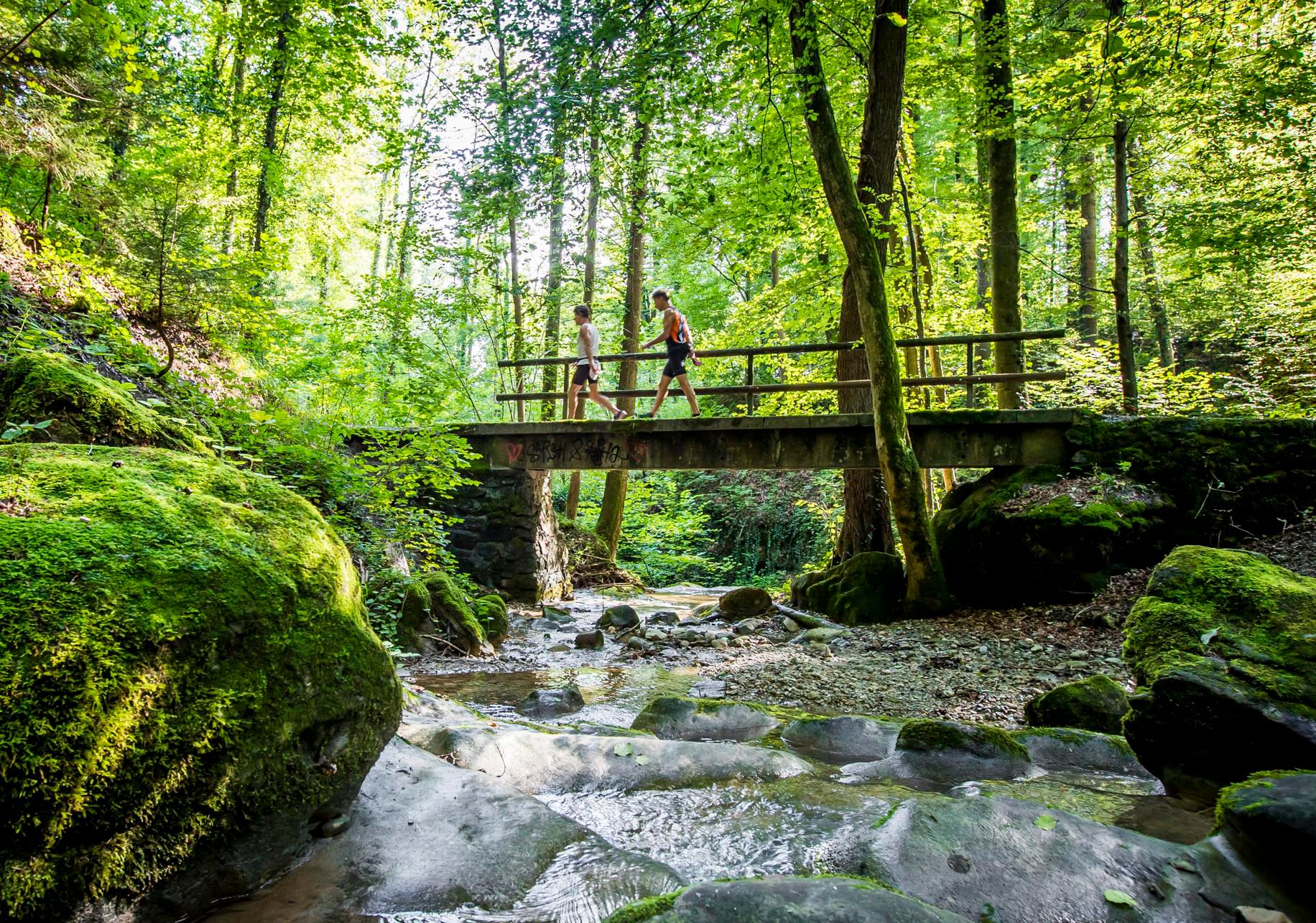
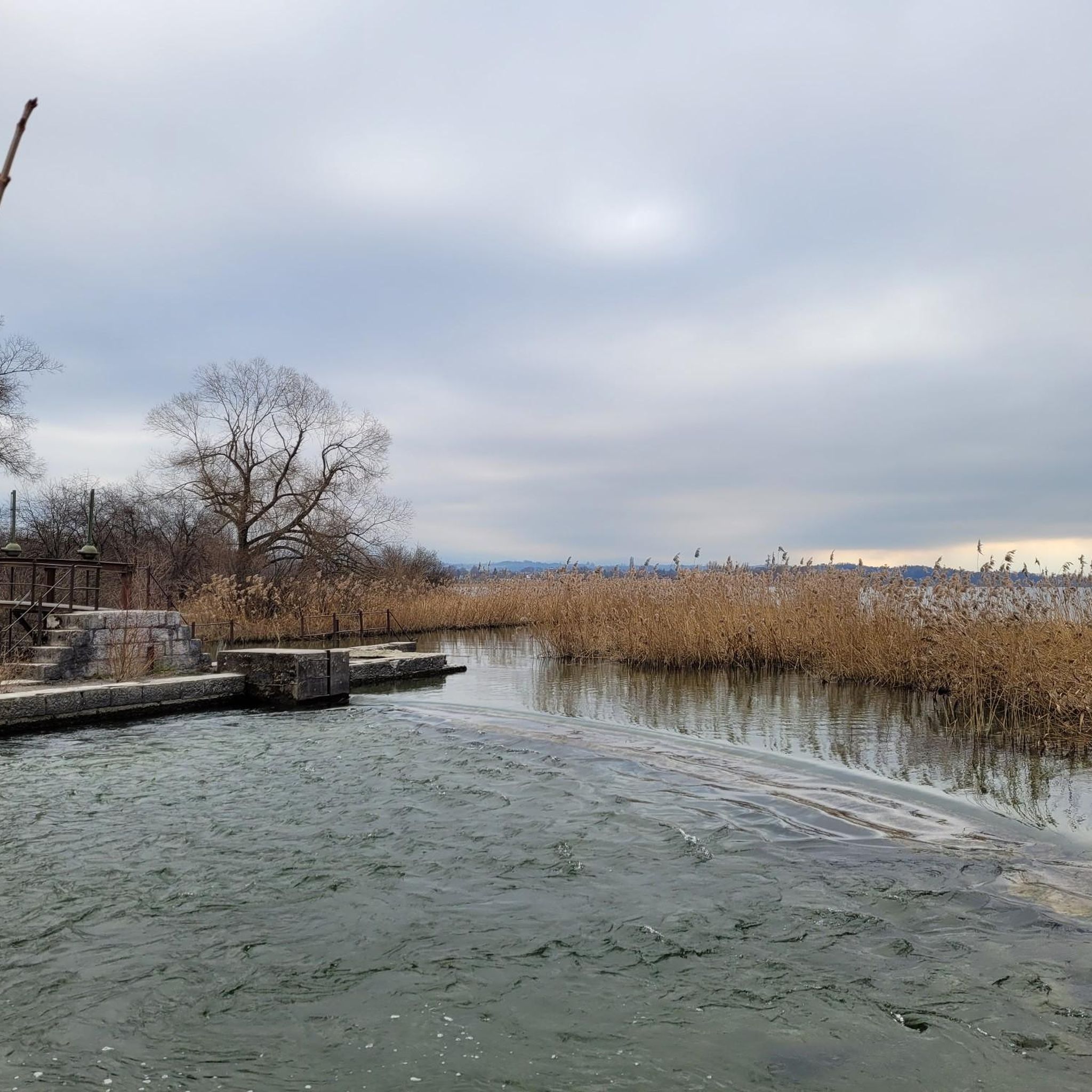
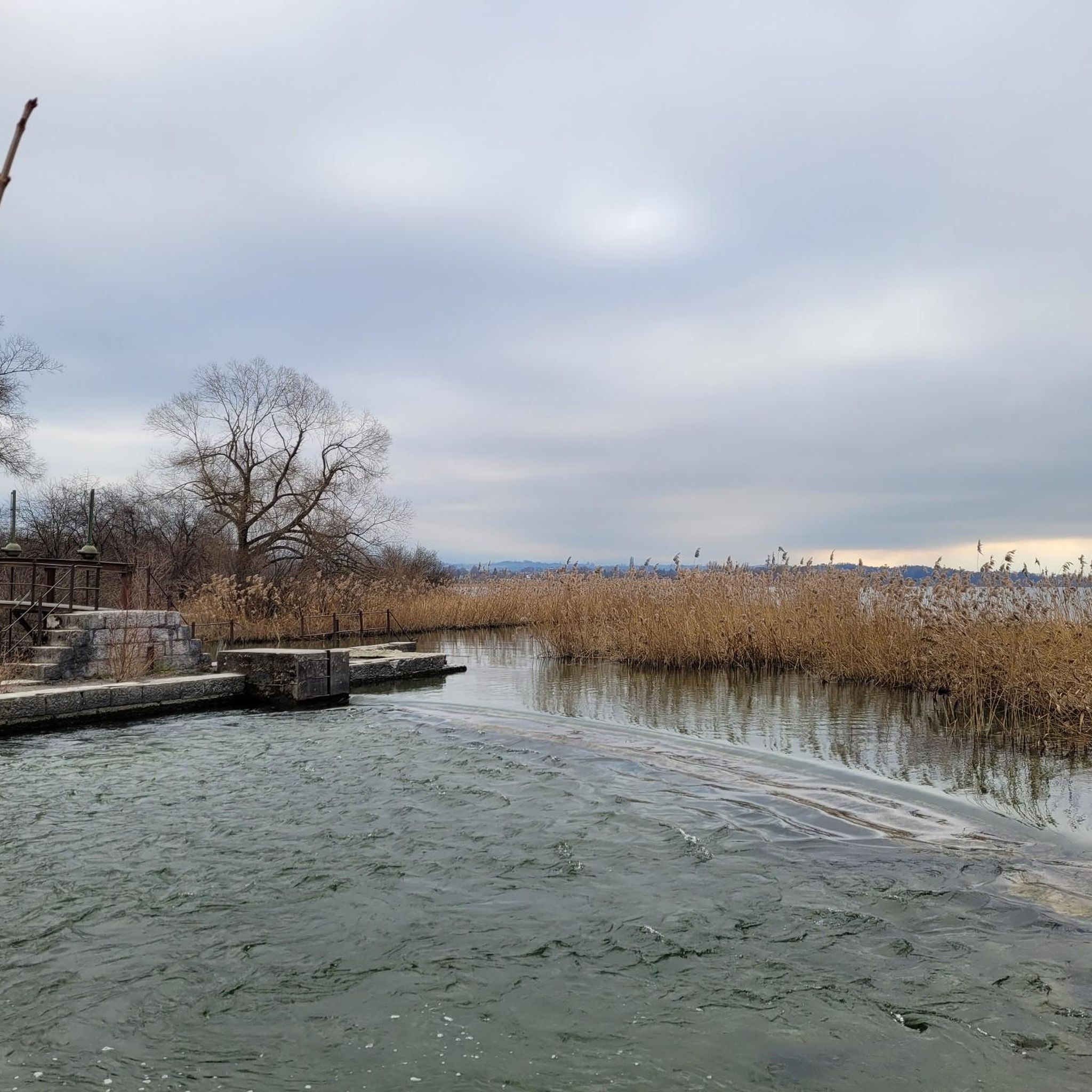
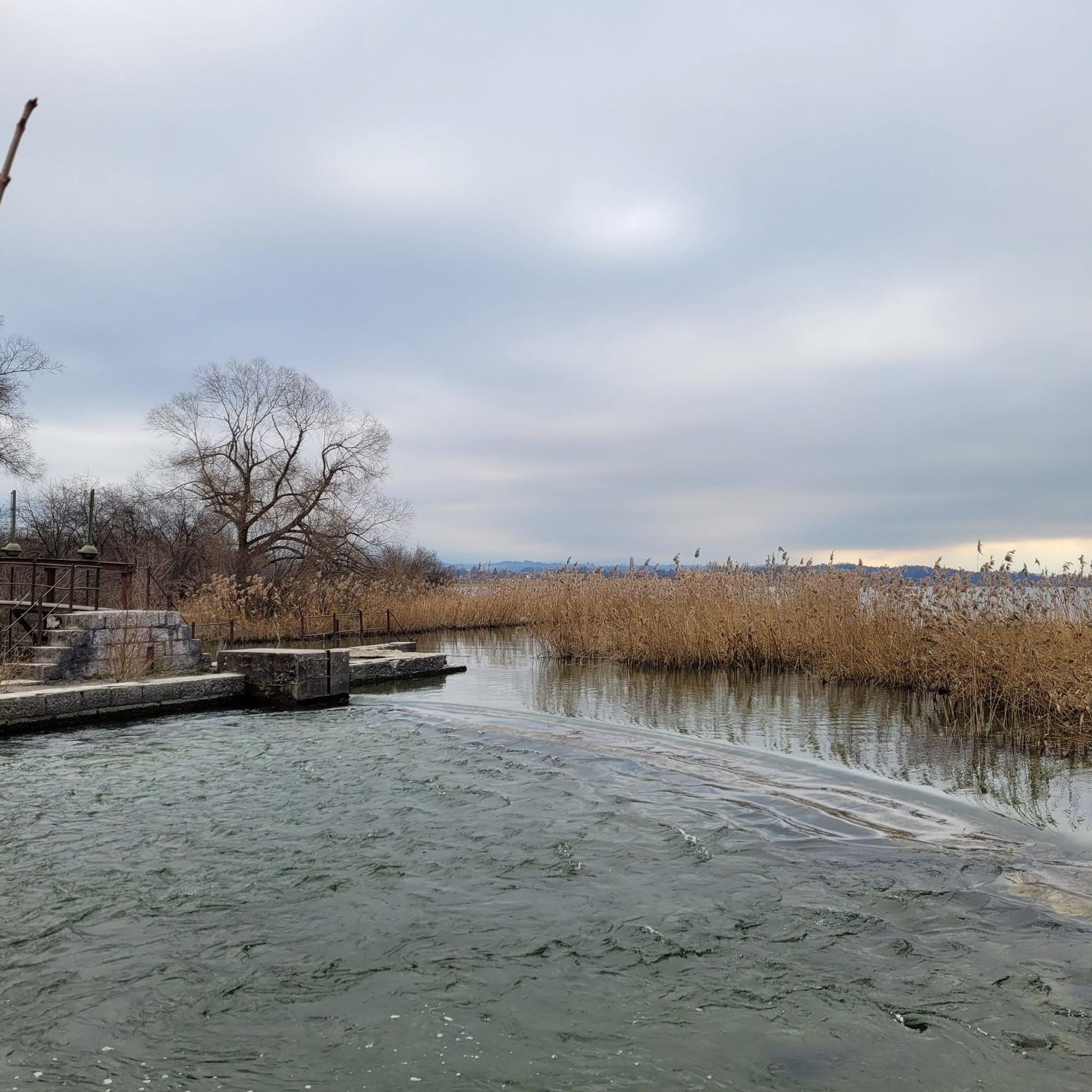
Other adventures around Fällanden

Tips from the Community


Greifensee Castle with beautiful historic houses.
2
0
Very nice hiking trail directly at Lake Greifensee.
2
0

For centuries, Greifensee Castle was the residence of the governors of the imperial city of Zurich. Today, exhibitions are held there or it can be booked for events.
3
0

Beautiful viewpoint with a view of Lake Greifensee and the mountains
2
0


Officially this ruin is called "Burgruine" Friesenberg (neither Goldbrunnen nor Friesenburg). Until the end of the 14th Century this was the country get-away of the Family Mülner from the town of Zurich.
1
0
Frequently Asked Questions
What types of historical structures can I explore around Fällanden?
Around Fällanden, you can explore a variety of historical structures, including preserved castles, castle ruins, and historical sites with castle elements. Examples include the Historic Village of Greifensee, Friedberg Ruins, and Uster Castle.
Are there family-friendly castles or historical sites to visit near Fällanden?
Yes, several sites are suitable for families. The Historic Village of Greifensee is an idyllic place with nature for walking or cycling, and it has facilities. Friedberg Ruins offers information boards for historical context, and the Swiss National Museum in Zurich, housed in a castle-like building, is also family-friendly.
What natural features or viewpoints can I find near these castles?
Many castles and historical sites offer scenic views. From Uster Castle, you can enjoy views of Lake Greifensee and the surrounding mountains. Friesenberg Castle Ruins provides a great view, historically serving as a watchtower over Zurich. The Historic Village of Greifensee is situated by Lake Greifensee, offering a beautiful natural setting.
What outdoor activities can I do near the castles around Fällanden?
The region offers various outdoor activities. You can find numerous hiking routes, such as the 'Historic village of Greifensee – Greifensee viewpoint loop' or the 'Fällander Gorge – Greifensee Lakeside Cycle Path loop'. For cycling enthusiasts, there are road cycling routes like the 'Extended Greifensee-Lützelsee loop' and MTB trails like the 'Pfannenstiel trail circuit'. You can explore more options on the Hiking around Fällanden, Road Cycling Routes around Fällanden, and MTB Trails around Fällanden guide pages.
Are there hiking trails that lead to or near these historical sites?
Yes, several hiking trails incorporate these sites. For example, the Friedberg Ruins are part of trails with varying difficulty. The Friesenberg Castle Ruins are a viewpoint on the way to Uetliberg. The Historic Village of Greifensee is ideal for walks and cycling along the lake. You can find detailed routes on the Hiking around Fällanden guide.
What is the best time of year to visit castles around Fällanden?
The best time to visit depends on your preferences. Spring and autumn offer pleasant temperatures for exploring and hiking. Summer allows for longer daylight hours and the opportunity to visit Uster Castle's tower, which is open on select Sundays. Winter can offer a different, quieter atmosphere, though some facilities or tower access might be limited.
Are there any hidden gems or lesser-known historical sites worth visiting?
While not a 'hidden gem' in the traditional sense, the Friesenberg Castle Ruins offer a very nice ruin with barbecue facilities and a great view, often appreciated by those seeking a more rustic historical experience. The information boards at Friedberg Ruins also provide interesting historical context for a site that might otherwise be overlooked.
What do visitors enjoy most about the castles and historical sites in this region?
Visitors frequently appreciate the blend of history and nature. Many enjoy the beautiful views from sites like Uster Castle and Friesenberg Castle Ruins. The idyllic setting of the Historic Village of Greifensee, perfect for walking and cycling, is also highly rated. The historical information provided at sites like Friedberg Ruins adds to the experience.
Is there a castle in the broader Zurich region that offers a particularly grand experience?
While Fällanden itself is known for ruins and smaller historical sites, if you're looking for a grander castle experience in the broader Zurich region, Schloss Laufen (Laufen Castle) near Schaffhausen is a notable example. It's a medieval castle overlooking the Rhine Falls, offering impressive views and a 'Historama' exhibition about its 1000-year history.
Are there cafes or places to eat near these historical sites?
Yes, the Historic Village of Greifensee is known to have facilities, including options for lunch. For other sites, especially those integrated into hiking routes, you might find cafes or restaurants in nearby towns or villages. It's always a good idea to check local listings for specific options.
How accessible are these castles and ruins by public transport?
The Zurich region has a well-developed public transport network. Many historical sites, especially those closer to towns like Greifensee or Uster, are generally accessible by public transport. For specific routes and schedules, it's recommended to check local transport providers. Some ruins, like Friesenberg Castle Ruins, might require a walk from the nearest stop.
Most popular routes around Fällanden
Most popular attractions around Fällanden

Get inspired with the komoot mobile app


Explore more
Looking for the best castles somewhere else? Discover other guides around Fällanden:
