Top 5 Castles around Sauveterre-La-Lémance
Castles around Sauveterre-La-Lémance offer a glimpse into medieval history within a region characterized by its strategic geographical position. Sauveterre-La-Lémance itself features the notable Château de Sauveterre, a 13th-century fortress built on a rocky outcrop overlooking the Lémance and Sendroux valleys. This area served as a key defensive point during historical conflicts. The surrounding territory also hosts several other historical castles, providing diverse opportunities for exploration.
Best castles around Sauveterre-La-Lémance
- The most popular castles is Gavaudun Castle, a castle that…
Last updated: July 6, 2026
Gavaudun Castle
Highlight • Castle
Translated by Google •
Tip by

Château de Bonaguil
Highlight • Castle
Translated by Google •
Tip by
Sign up now to discover places like this
Get recommendations on the best single tracks, peaks, & plenty of other exciting outdoor places.
Sign up for free
Sauveterre-la-Lémance
Highlight • Settlement
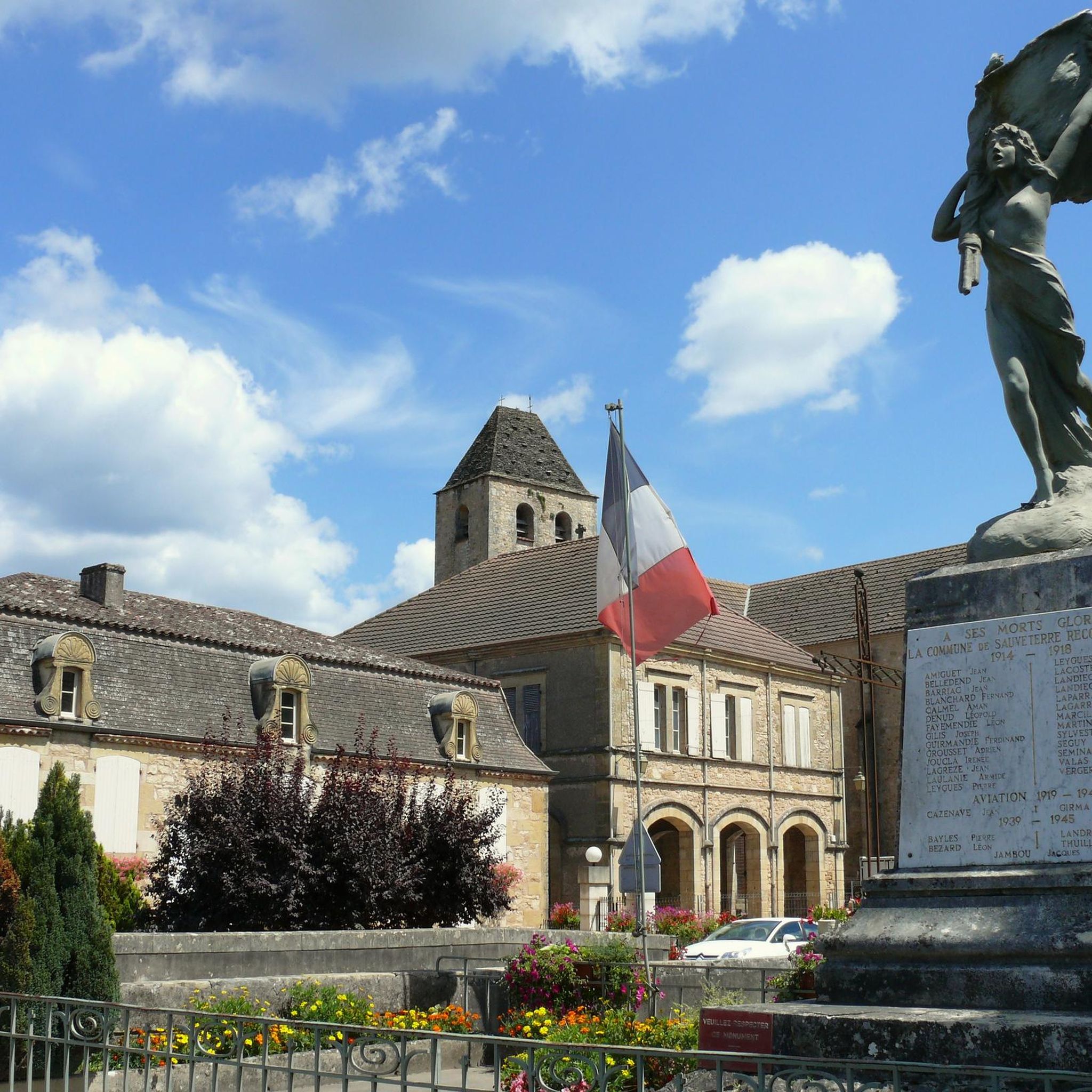
The prehistoric "Le Martinet" site, located in the commune, gave its name to a prehistoric period called the Sauveterrian. This is what is known as an eponymous site.
Showing Translation
Tip by

Puy-l'Évêque Castle
Highlight • Castle
Translated by Google •
Tip by
Start today with a free account
Your next adventure awaits.
Login or Signup


Other adventures around Sauveterre-La-Lémance

Tips from the Community

10 a.m. Velo Bianchi infinito tour of the Biron castle in the Dordogne
0
0

Bonaguil is home to an ancient 13th-century fortified castle of the same name. The town offers a beautiful setting for a stopover. It also hosts a festival every August, featuring wonderful plays.
0
1

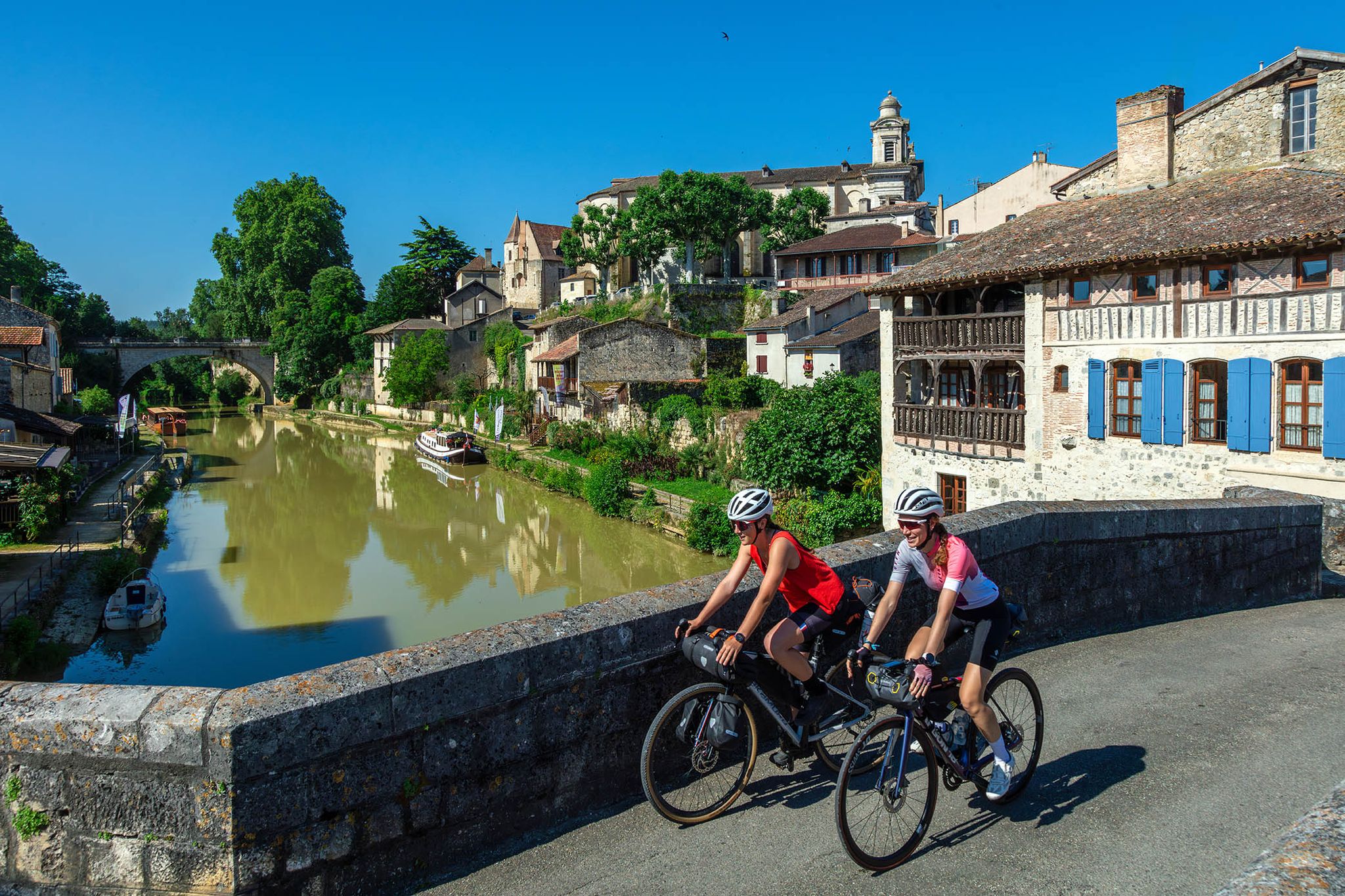
Now in ruins, the Château de Gavaudun owes its particularity to the elongated rock on which it was built in the 12th century. Nearby, the châteaux of Biron and Bonaguil invite you to take a beautiful bike ride to discover the region's heritage.
0
0

old city with hanging gardens and very old center
0
0

Fortified castle from the 13th, 15th, 16th and 18th centuries, classified as a Historic Monument. Bonaguil Castle is located in Lot-et-Garonne, on the border with Lot and a stone's throw from the Dordogne. From the top of its rocky spur, it dominates the valley and the medieval village. It forms an ensemble, unique in Europe, of gigantic proportions and in a remarkable state of conservation.
0
0

More of a house than a castle, this place has a fantastic round tower with a curious peak.
2
0

A remarkable site in the region!
1
0

The Château de Bonaguil is an old fortified castle, dating from the 13th century, greatly altered in the 15th century, which stands in the French town of Saint-Front-sur-Lémance in the department of Lot-et-Garonne, in the New Aquitaine region.
0
0
Frequently Asked Questions
What historical significance do the castles around Sauveterre-La-Lémance hold?
The castles in this region, such as the Château de Sauveterre (also known as Château des Rois ducs), played a crucial role during the Hundred Years' War. Built by Edward I of England, they were strategic defensive points, changing hands multiple times between French and English forces. They offer a deep dive into medieval architecture and military history.
Which castles offer the best views of the surrounding landscape?
For impressive views, Gavaudun Castle is an excellent choice, sitting atop a 40-meter high rocky outcrop dominating the valley. The Château de Sauveterre also provides extensive views from its elevated position, highlighting its strategic importance.
Are there any family-friendly castles to visit in the area?
Yes, Château de Bonaguil is considered family-friendly. Its impressive medieval architecture, with towers, turrets, and drawbridges, takes young and old visitors on a true journey back to the time of knights. The village of Sauveterre-la-Lémance itself, with its museum and castle, also offers family-friendly activities.
What outdoor activities can I combine with a castle visit?
The region around Sauveterre-La-Lémance is excellent for outdoor activities. You can find numerous hiking trails, such as the 'Sauveterre-la-Lémance loop' or routes around Bonaguil Castle. There are also options for gravel biking and road cycling. For more details on routes, explore the hiking, gravel biking, and road cycling guides.
What is the best time of year to visit the castles in this region?
The best time to visit is generally during the spring (April to June) or early autumn (September to October). The weather is usually pleasant for exploring the outdoor grounds and the views are often clearer. Summer can also be good, but it can get quite warm.
Are there any lesser-known or 'hidden gem' castles worth exploring?
While the main castles are well-known, exploring the village of Blanquefort-sur-Briolance offers a charming experience. It is dominated by its 13th-century castle, remodeled in the 15th century, and an 11th-century Romanesque church, both listed as historical monuments. It provides a glimpse into the region's industrial past alongside its medieval heritage.
Can I find amenities like cafes or restaurants near the castles?
Yes, many of the villages surrounding the castles, such as Sauveterre-La-Lémance itself, offer cafes and shops. For instance, near Gavaudun Castle, the Auberge Le Donjon is a recommended lunch stop. It's always a good idea to check local listings for specific opening hours.
What kind of architecture can I expect to see in the castles here?
You'll encounter a range of medieval architectural styles, primarily from the 13th to 15th centuries. Examples include the formidable fortifications of Château de Bonaguil, which showcases towers, turrets, loopholes, and drawbridges. The Château de Sauveterre features vaulted rooms, a *chemin de ronde* (parapet walk), and a medieval garden, reflecting its 13th-century origins and subsequent restorations.
Is it possible to visit the interior of the Château de Sauveterre?
The Château de Sauveterre, though privately owned, is open to the public during certain periods. It houses a museum and allows visitors to explore its vaulted rooms and *chemin de ronde*. For current visiting information, it's advisable to check local tourism resources or the official monument historique listing: culture.gouv.fr.
Are there any castles with unique features or stories?
Puy-l'Évêque Castle, while more of a house, is noted for its distinctive round tower with a curious peak. The surrounding old city also features unique hanging gardens. Château de Bonaguil is remarkable for being a formidable fortress that, curiously, was never tested by siege or attack despite its impressive defenses.
What are the options for parking when visiting these castles?
Most castles and villages in the region, including Sauveterre-La-Lémance, offer designated parking areas for visitors. It is generally recommended to check specific castle websites or local tourism offices for the most up-to-date information on parking availability and any associated fees, especially during peak season.
Can I find information about the prehistoric past of Sauveterre-La-Lémance?
Yes, the village of Sauveterre-la-Lémance is historically significant for its prehistoric deposit of the Martinet, which gave its name to the 'Sauveterrien' period of the Mesolithic era (around 9,000 BC). A local museum in the village can provide more insights into this fascinating transitional period of prehistory.
Most popular routes around Sauveterre-La-Lémance
Most popular attractions around Sauveterre-La-Lémance

Get inspired with the komoot mobile app


Explore more
Looking for the best castles somewhere else? Discover other guides around Sauveterre-La-Lémance:
