Top 4 Castles around Bédoin
Best castles around Bédoin are found in a region rich in history, nestled at the foot of Mont Ventoux in Provence. While grand, well-preserved castles are less common, the area features historical sites, fortified estates, and ruins that offer insights into its past. These locations often provide strategic defensive positions and panoramic views of the surrounding landscape. Exploring these historical landmarks offers a tangible connection to Bédoin's heritage.
Best castles around Bédoin
- The most popular castles is Montbrun-les-Bains, a historical settlement and castle site that is one of the most beautiful perched villages of the Baronnies provençales. Built on a rock, its tall houses are dominated by the ruins of a Renaissance castle.
- Another must-see spot is Crestet Village, a perched village with historical castle features. Visitors can stroll through its narrow cobbled streets and enjoy views, with the castle offering an additional climb.
- Visitors also love View of the Château du Barroux, a notable castle that can be visited. It offers a self-guided tour with brochures detailing its long history.
- Bédoin is known for its historical ruins, fortified estates, and traditional castle sites. These locations provide a variety of historical experiences to see and explore.
- The castles around Bédoin are appreciated by the komoot community, with over 165 upvotes and 26 photos shared by visitors.
Last updated: June 22, 2026
Montbrun-les-Bains
Highlight • Settlement
Showing Translation
Tip by

Crestet Village
Highlight • Settlement
There's not much going on gastronomically. A restaurant with a great terrace - but only open in summer.
But there is the best bakery far and wide in the valley - Crestet Gare - right at the roundabout. Definitely worth a detour, as Michelin would say.
Translated by Google •
Tip by

Sign up now to discover places like this
Get recommendations on the best single tracks, peaks, & plenty of other exciting outdoor places.
Sign up for free
Château du Barroux
Highlight • Castle
Translated by Google •
Tip by

View of the Château du Barroux
Highlight • Castle
Translated by Google •
Tip by

Château de Crestet and its restaurant
Highlight • Castle
Translated by Google •
Tip by

Sign up for free to discover even more castles around Bédoin.
Sign up for free
Already have an account?
Start today with a free account
Your next adventure awaits.
Login or Signup
Popular around Bédoin
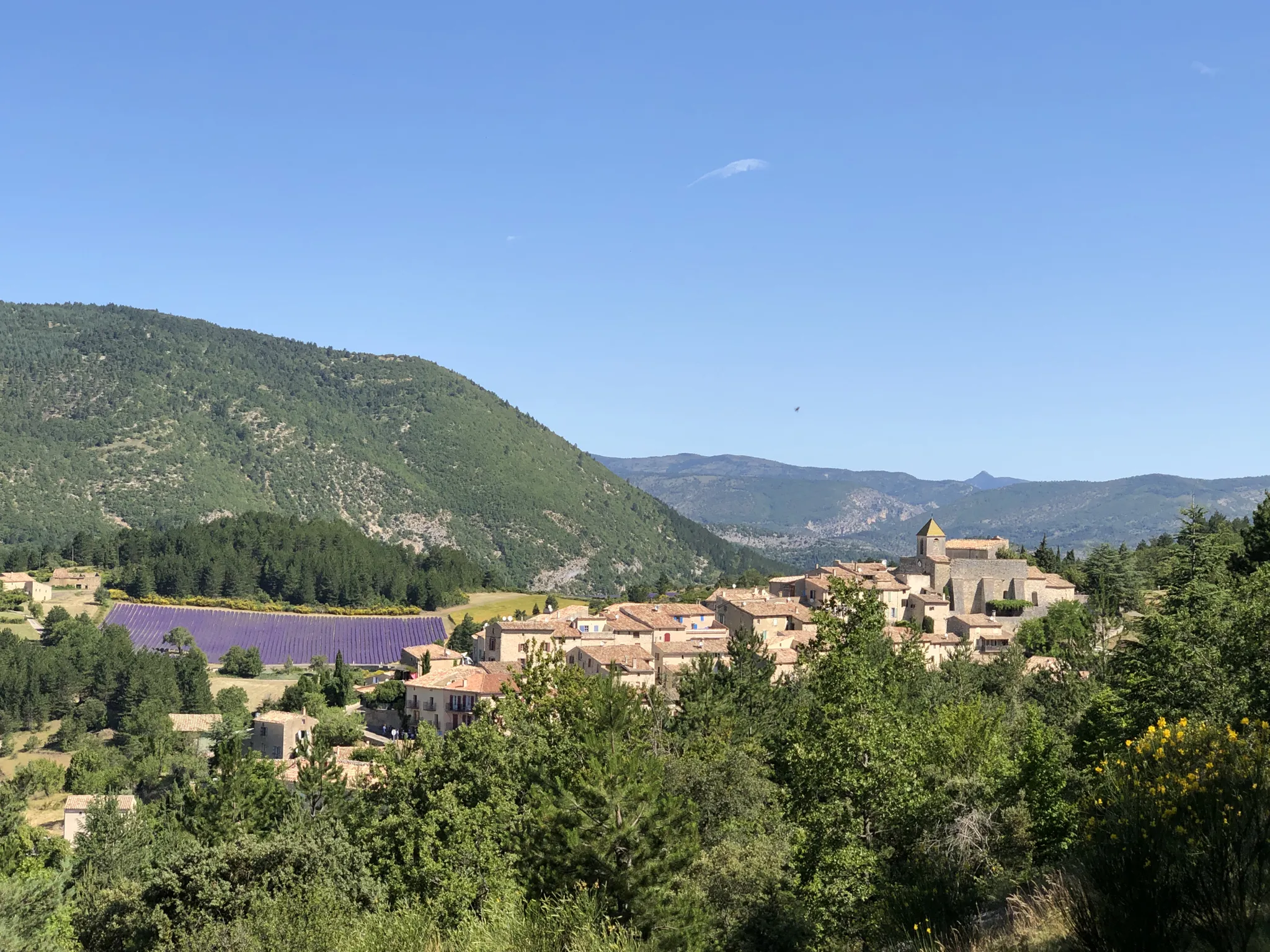
Exceptional natural landscapes — La Grande Traversée de Vaucluse à VTT
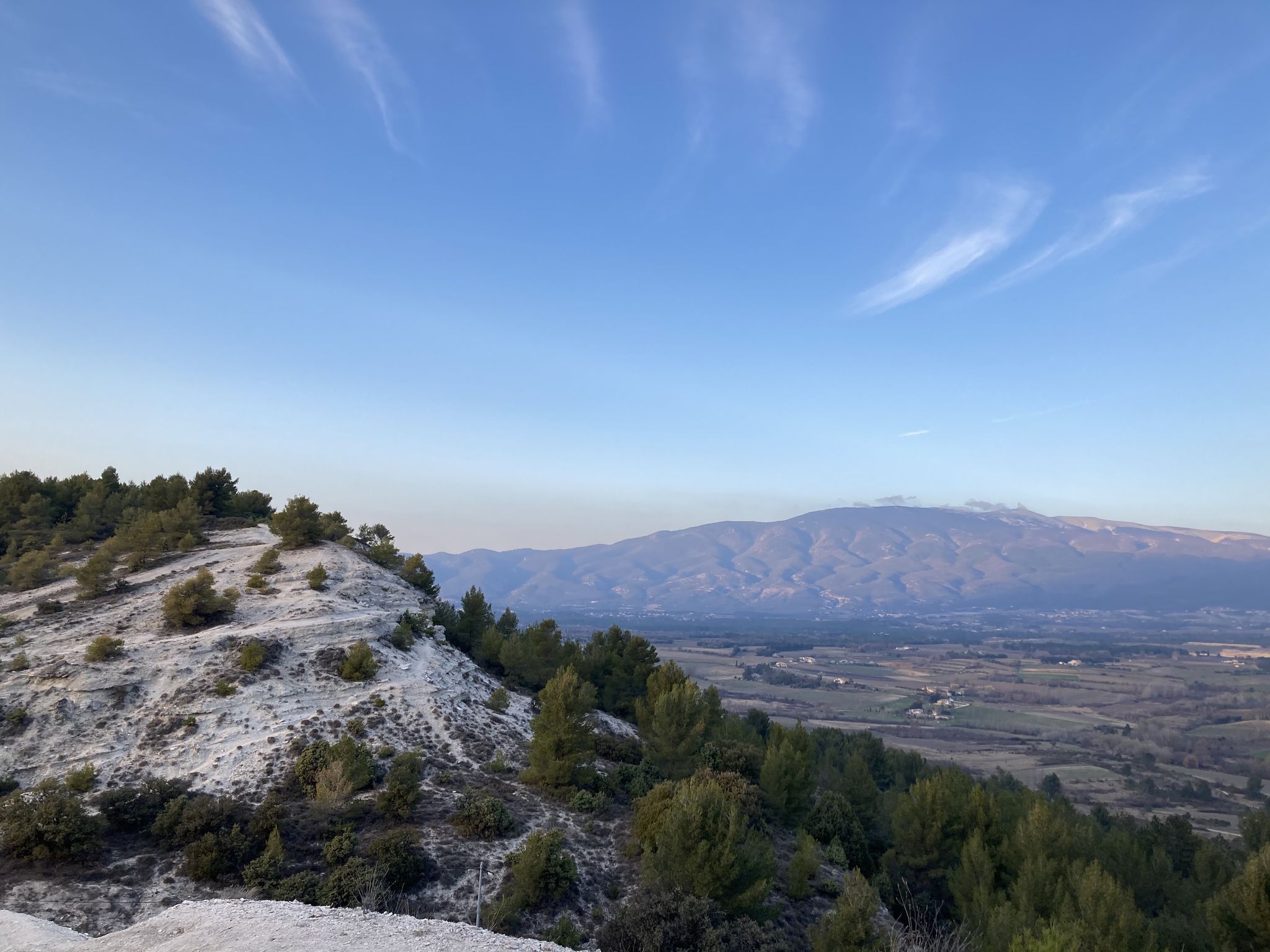
The giant of Provence – Mont Ventoux trail running resort
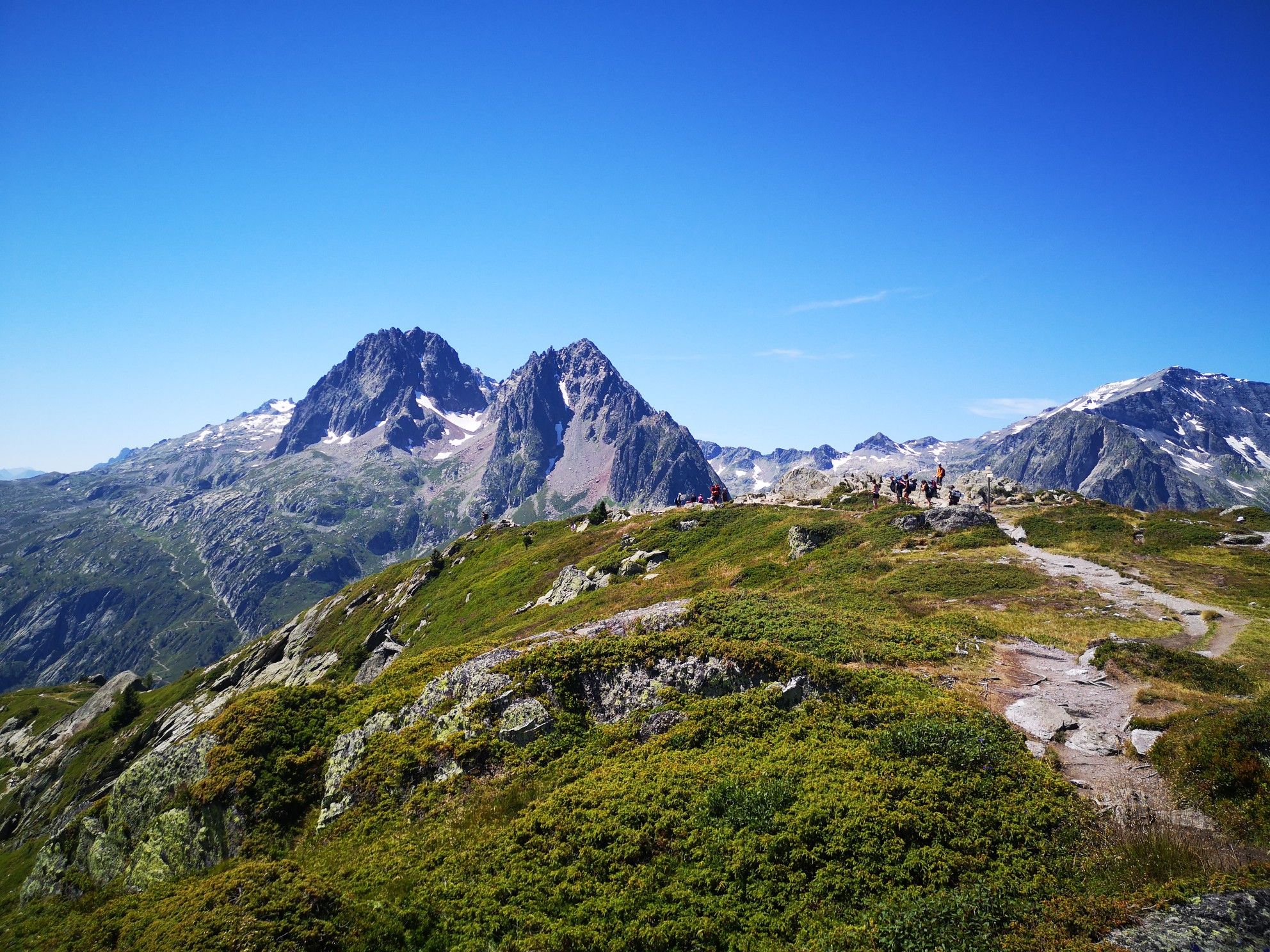
The French Circuit – Golden Trail National Series
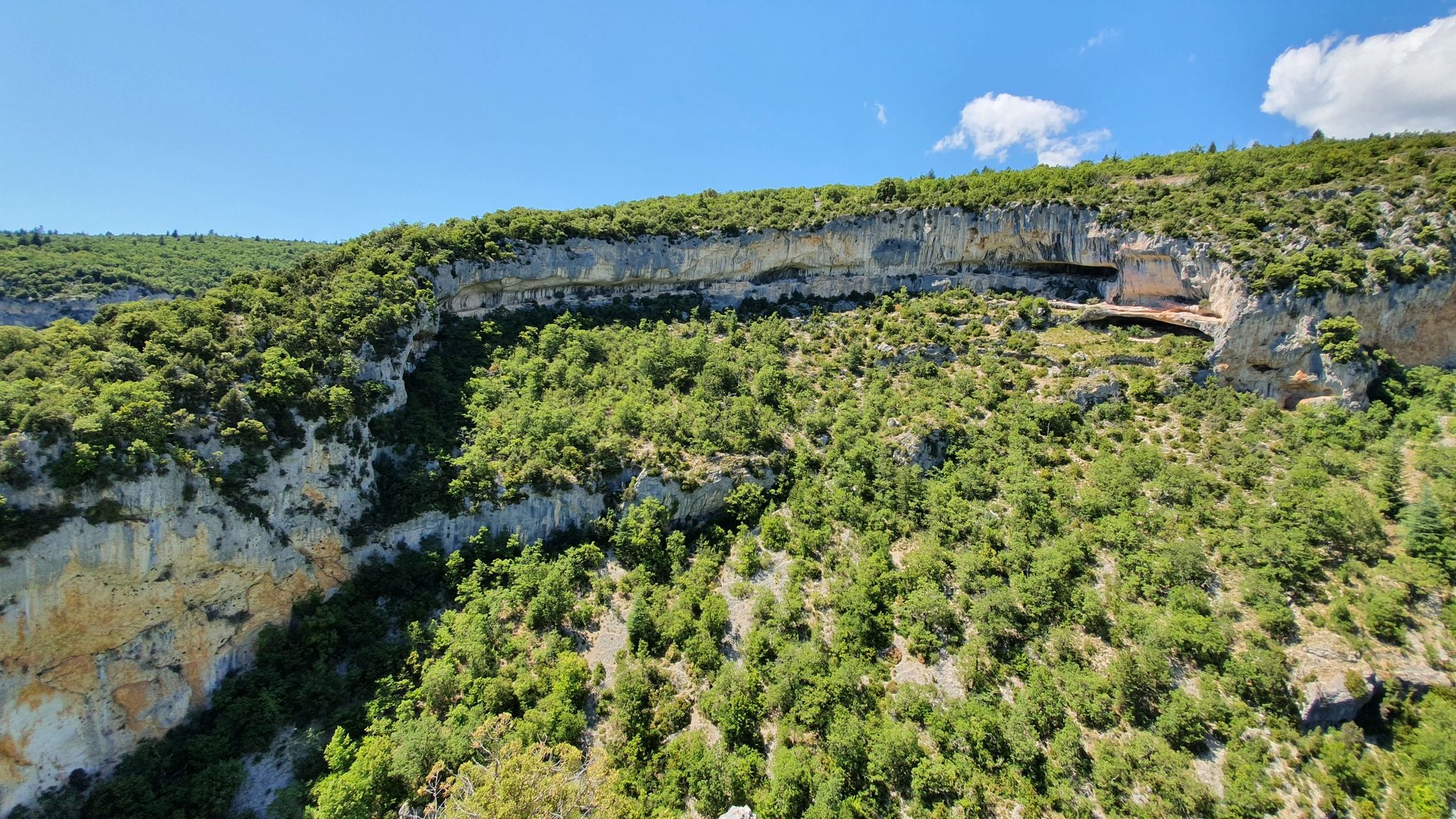
From the Dentelles de Montmirail to the Ventoux - seven hikes in Vaucluse
Best gravel routes from Bédoin — Cycling Mont Ventoux
The glittering mountain – Tour of Mount Ventoux
10 epic Alpine challenges
Legendary passes of the Tour de France
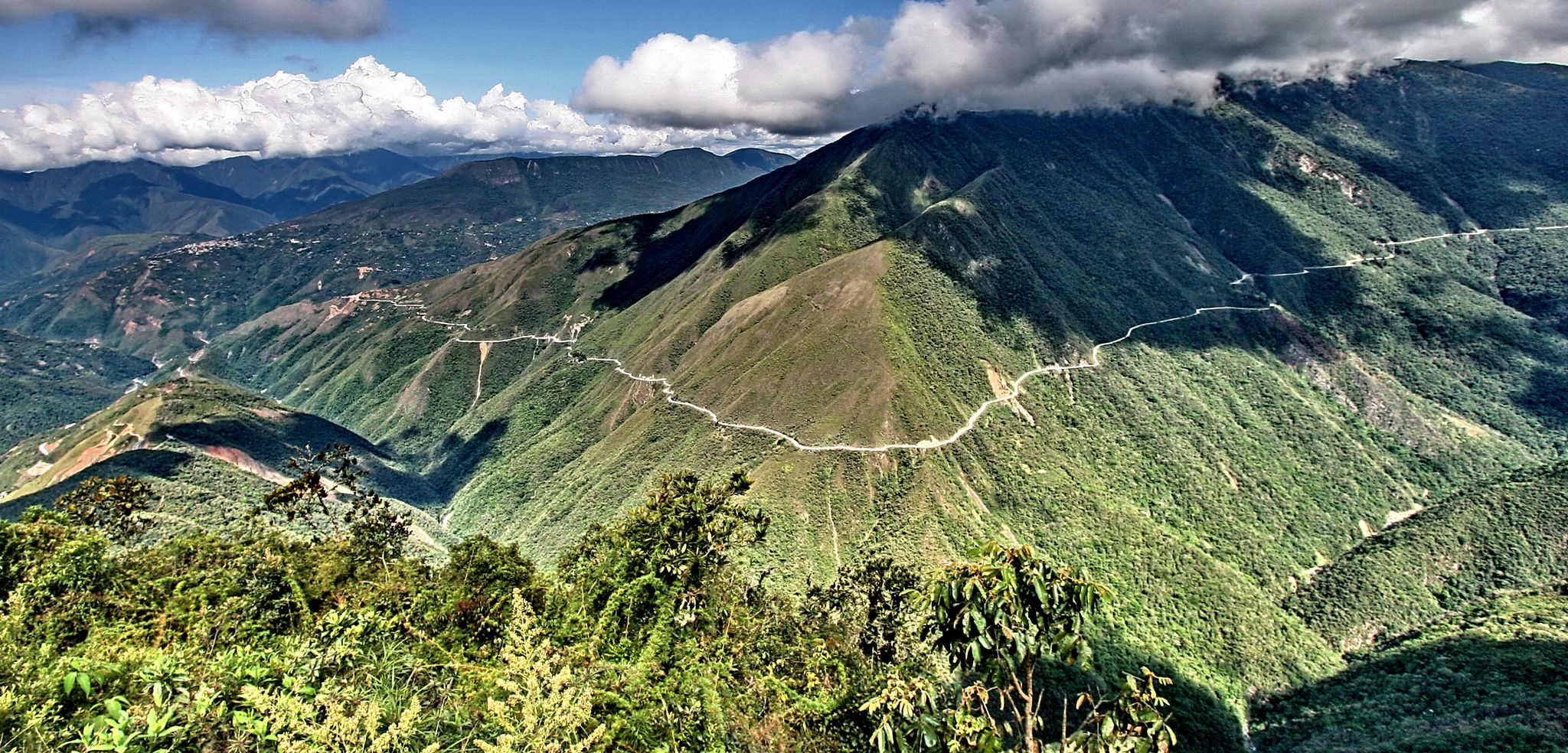
The world's most adventurous cycling passes
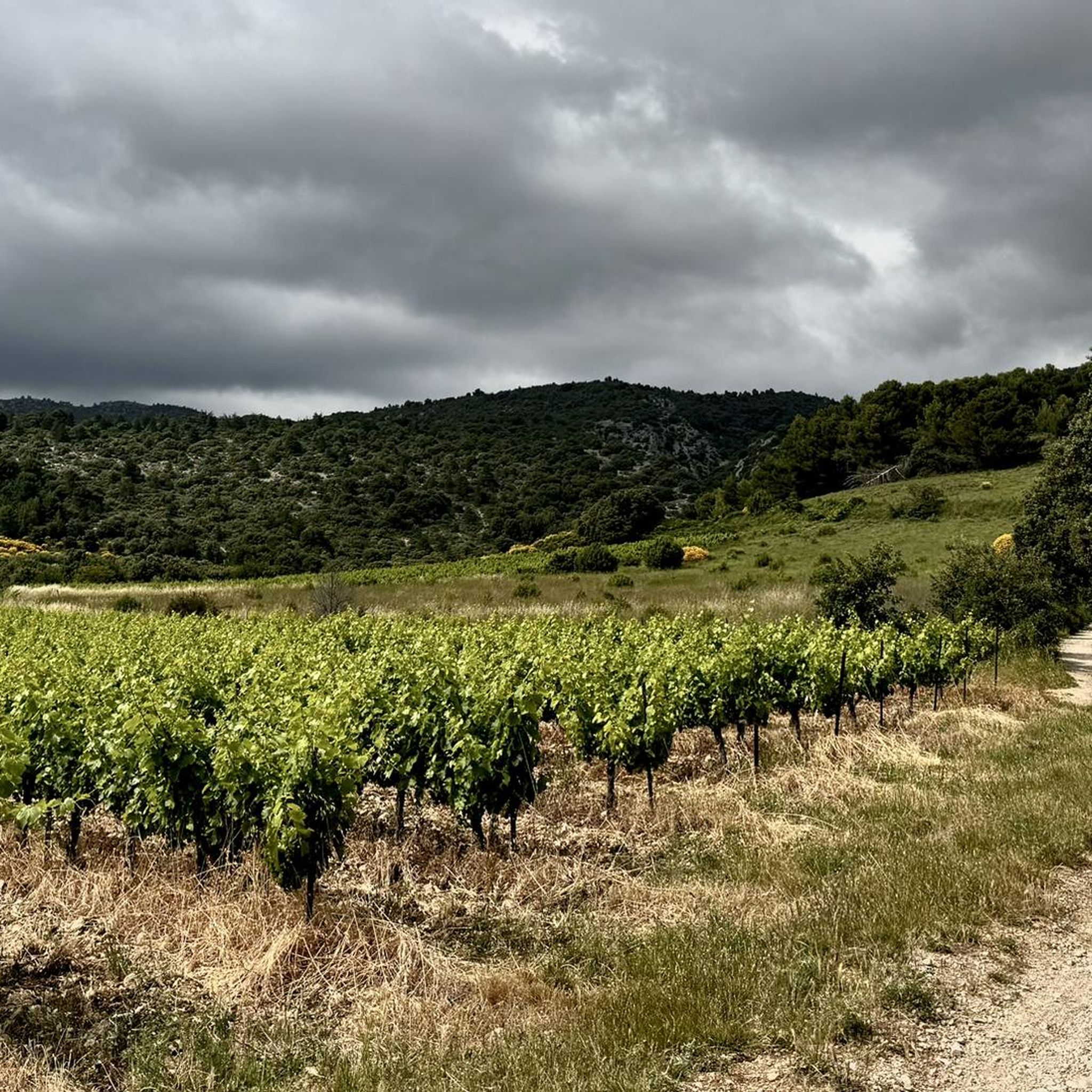
Cycling around Bédoin
Other adventures around Bédoin


Tips from the Community

Very beautiful, old place with a great distant view, including the Ventoux.
0
0

Nice little place with a beautiful view.
0
0

Bad Google translation of Brigitte Roth's comment. It should read 800 m of elevation gain.
0
0

beautiful castle that can be visited. The view from the castle to the surrounding area is very beautiful. Worth a stop.
0
0
Restaurant Crestet closed and “for sale” (September 17, 2024)
0
0

When it was built, the Château du Barroux was a powerful keep, surrounded by thick walls, which protected the plain of Comtat Venaissin against Saracen and Italian invasions. In 1274, when the Comtat Venaissin was taken possession of by the Papacy, Barroux became a fiefdom under the control of the Apostolic Chamber of Carpentras, until 1791, when the Comtat was attached to France. Abandoned, damaged in 1793 by the revolutionary hordes, sold in the 19th century, it fell into complete ruin, and it served as a stone quarry for almost 150 years. until its purchase at the beginning of the 20th century by an industrialist, Mr. Vayson de Pradenne, who undertook restoration work. His family still owns the place today. During the war, it was partly used as an observation post by the German occupation troops. In 1944, during an ambush, the Resistance killed a German soldier in the surrounding area. In retaliation against this army of shadows, the occupying troops, gathering the inhabitants of Le Barroux, wanted to execute civilian hostages. Fortunately, the leader of the German detachment was relented and did not commit this revenge, but when they left, the Germans discovered straw mattresses and other traces of occupation in the castle. Thinking they had found a resistance hideout when it was in fact the former cantonment of their own troops, they set fire to the castle, which burned for 10 days. Under almost permanent restoration, the castle now houses a whisky distillery and a fossil exhibition.
0
0
Built on a rock, the tall six or seven-story houses are dominated by the ruins of a Renaissance castle, of which only the round, crenellated towers remain. Also worth seeing are the belfry and the watchtower, a true testament to 13th-century military architecture. Sloping alleyways are lined with refreshing fountains. These small springs are a reminder that Montbrun-les-Bains is above all an important spa town, recognized since Roman times for the benefits of its sulfurous waters which relieve rheumatism and treat respiratory ailments. Indeed, thanks to its highly sulfurous water sources, already exploited in Roman times, Montbrun-les-Bains was a very fashionable spa from the 16th century until the Revolution. With spa tourism in vogue, the Marquis de Suarez d’Aulan had a thermal establishment built there in 1865, modeled after that of Baden-Baden. Montbrun then became an important spa village, cited as an example in medical circles. World War I was unfortunately fatal to the establishment's activities, which could not reopen after the conflict. After significant work, the thermal activity would only resume from the 1970s-80s onwards.
2
0

clearly visible from afar!
0
1
Frequently Asked Questions
What kind of castles and historical sites can I expect to find around Bédoin?
Around Bédoin, you'll discover a region rich in history, featuring historical sites, fortified estates, and ruins rather than grand, well-preserved castles. These locations often highlight strategic defensive positions and offer panoramic views. Examples include the ruins of a Renaissance castle at Montbrun-les-Bains, the historical features of Crestet Village, and the visitable Château du Barroux.
Are there any castles near Bédoin that offer panoramic views?
Yes, several historical sites and castles around Bédoin offer stunning panoramic views. The site of the first seigneurial castle on Saint-Antonin Hill (Mourre Redon) provides a striking vista encompassing Mont Ventoux and Crillon-le-Brave. Additionally, Montbrun-les-Bains and Crestet Village, both perched settlements with castle features, are known for their beautiful outlooks over the surrounding landscape.
Can I visit the castles or historical sites around Bédoin with a self-guided tour?
Yes, for instance, the Château du Barroux offers a self-guided tour. You can wander through the castle with brochures available in multiple languages (French, English, Dutch, German) to learn about its long history.
What is the best time of year to visit the castles and historical sites near Bédoin?
The best time to visit is generally during the spring (April-June) and autumn (September-October) when the weather is pleasant for exploring. Summers can be very hot, especially for outdoor activities, while winters are cooler and some facilities might have reduced hours. These shoulder seasons offer comfortable temperatures for walking and enjoying the views.
Are there family-friendly activities or castles suitable for children around Bédoin?
While specific 'family-friendly' castle activities aren't highlighted, exploring the historical villages like Crestet Village with its narrow cobbled streets can be an engaging experience for families. The Château du Barroux, with its self-guided tour, can also be interesting for older children who enjoy history. The panoramic views from these sites are generally enjoyable for all ages.
Are there hiking trails near the castles around Bédoin?
Yes, the region around Bédoin is excellent for outdoor activities. You can find numerous hiking trails that pass by or lead to historical sites and viewpoints. For more information on routes, you can explore the Running Trails around Bédoin guide, which includes paths suitable for walking.
What outdoor activities, besides hiking, can I do near these historical sites?
The area around Bédoin, including near its historical sites, is very popular for cycling and mountain biking. You can find various routes for different skill levels. Check out the Cycling around Bédoin guide and the MTB Trails around Bédoin guide for detailed route information.
What do visitors enjoy most about the historical sites and castles in the Bédoin area?
Visitors particularly enjoy the historical significance and the stunning views offered by these sites. The charm of perched villages like Montbrun-les-Bains and Crestet Village, with their narrow streets and stone buildings, is highly appreciated. The opportunity to explore the history of places like Château du Barroux also receives positive feedback.
Are there any unique historical accommodations near Bédoin's castles?
While not a traditional castle, the Domaine de Pierravon, a charming fortified farm dating back to the 12th century, offers guesthouse accommodations (chambres d'hôtes & gîte). It provides a unique opportunity to stay within a historic structure amidst vineyards and nature at the foothills of Mont Ventoux.
Can I find food and drink options near the castles around Bédoin?
Yes, some locations offer limited catering. For example, the Château du Barroux has a small catering facility suitable for a typical French lunch or a drink. In villages like Crestet Village, you might find a bakery or a restaurant, though some may have seasonal opening hours.
What is the historical significance of the Saint-Antonin Hill near Bédoin?
Saint-Antonin Hill (Mourre Redon) is historically significant as the original site of Bédoin's first seigneurial castle during the Middle Ages. Although only scattered vestiges remain today, it represents the strategic defensive position and the deep history of the village, offering a tangible link to Bédoin's past.
Is Château Pierrascas a traditional castle, and what does it offer?
Château Pierrascas in Bédoin is primarily known as a wine producer specializing in AOP Ventoux wines. While it carries the 'Château' designation, it functions more as a wine estate and country house ('Bastide Pierrascas') offering independent gite rentals. It's a great spot for wine enthusiasts and those seeking a comfortable stay with views of Mont Ventoux, rather than a historical castle with defensive architecture.
Most popular routes around Bédoin
Most popular attractions around Bédoin

Get inspired with the komoot mobile app


Explore more
Looking for the best castles somewhere else? Discover other guides around Bédoin:
