Top 5 Castles around Uxem
Best castles around Uxem are found within the wider Hauts-de-France region, as Uxem itself is a small village in the Nord department. This area of northern France is characterized by its historical significance and diverse landscapes. Visitors can explore a range of fortifications, from medieval strongholds to 19th-century châteaux. The region offers a blend of historical architecture and natural settings, providing varied experiences for those interested in exploring castles.
Best castles around Uxem
- The most popular castles is Beauvoorde Castle…
Last updated: June 22, 2026
Beauvoorde Castle
Highlight • Castle
Translated by Google •
Tip by

Fort des Dunes
Highlight • Historical Site
Translated by Google •
Tip by

Sign up now to discover places like this
Get recommendations on the best single tracks, peaks, & plenty of other exciting outdoor places.
Sign up for free
Kasteel-Hospitaal Cabour and Cabour Dunes (World War I Site)
Highlight • Historical Site
Tip by

Porte de Bierne
Highlight • Historical Site
Translated by Google •
Tip by

Castle Villa Castel Mino
Highlight • Castle
Translated by Google •
Tip by

Start today with a free account
Your next adventure awaits.
Login or Signup

Tips from the Community

The castle isn't open to the public except for specific events, so check the calendar. It's located just across from Beauvoorde's beautiful church and cemetery. A little further down the street, you'll also find the old pancake bakery and pancake house. You used to be able to visit both, but now there's a vending machine selling the famous Beauvoorde pancakes.
0
0

This castle villa is located in the heart of the historic and protected Dumont district of the Belgian seaside resort of De Panne, more specifically on the corner of Albert Dumontlaan and Hoge Duinenlaan. It is an authentic building, considered by some to be an architectural gem, from the interwar period with Art Deco elements. Castel Mino, which actually means "little castle," was designed in 1930 by architect Camille Van Elslande (born in Veurne, February 7, 1890, and died in Veurne, May 30, 1962). About the property: The villa, reminiscent of a castle, thanks in part to its prominent tower, has a living area of approximately 770 m² spread over four floors. It originally contained two apartments (note the two front doors on the first floor – also known as the main floor – and the second floor, third story, respectively). The sous-sol housed the technical rooms as well as the quarters of, among others, "the chauffeur" and a maid. Guest rooms (chambres d'amis) were located on the attic floor (third floor, fourth level). The contractor was Georges Demolder from De Panne, who also took over the construction of the Neo-Romanesque Church of Our Lady that year (1930-1932). After the Second World War, a holiday camp was established in Castel Mino, initially primarily aimed at children of war victims (orphans), later becoming more general. The children's home was owned by "A.E.P.", also known as the "National Youth Aid Project." After a history of almost 100 years, Castel Mino will soon be restored to its former glory in collaboration with Kristine De Loose and completely renovated, preserving as many authentic features as possible. It will also be equipped with all modern, contemporary comforts. Ecologically sound, of course. Source: https://castelmino.be/
2
0


Only from a distance, closed on Mondays.
3
0

Be sure to follow the city walls, hidden beautiful places
1
1

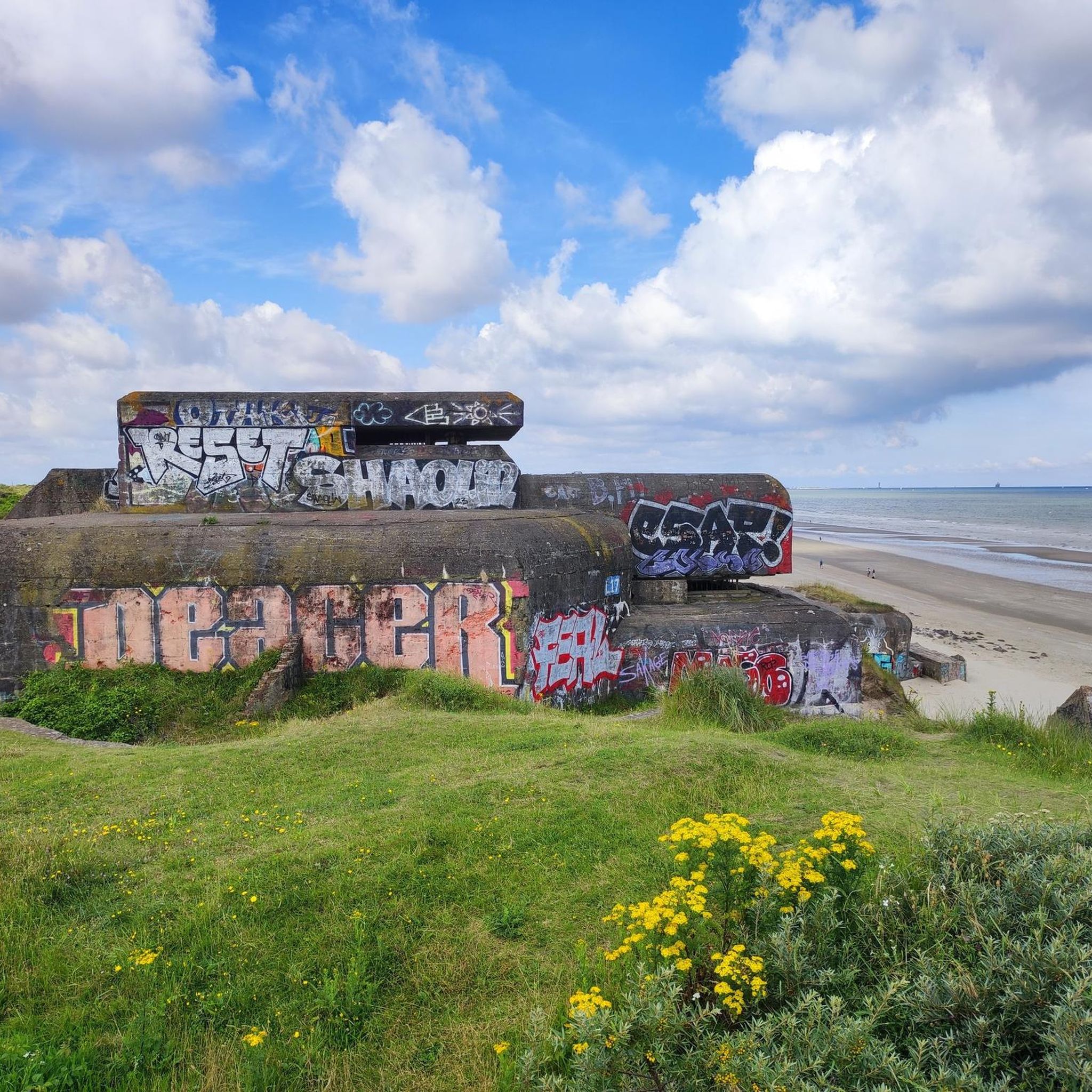
De Eerste Wereldoorlog is een zeer belangrijke fase in de historiek van het domein. Tijdens de Eerste Wereldoorlog richtten militairen binnen het domein Cabour diverse installaties in: rond het kasteel werd een militair hospitaal opgericht, in de oostelijke hoek van het domein werd een waterwinningssysteem geïnstalleerd, terwijl er in de duinen verdedigingsstellingen werden uitgebouwd. Het tracé van enkele wegen, waaronder de centrale toegangsweg tot het domein, de Cabourweg en de Veldstraat (oude Burgweg) dateert eveneens uit de Eerste Wereldoorlog. In april 1915 werd een militair hospitaal opgericht met barakken die rond het jachtpaviljoen opgesteld werden. Het hospitaal bestond uit negentien paviljoenen voor gewonden, met een capaciteit van 500 bedden en drie paviljoenen voor het verplegend personeel. In het totaal ging het dus om 22 demonteerbare houten barakken, die vervaardigd waren door de gebroeders Hamon in Parijs. Het operatiekwartier werd ingericht in het stenen jachtpaviljoen, de enige vaste constructie. Het chirurgische hospitaal, aangeduid met 'Hôpital de la grande chirurgie', was er gekomen op initiatief van medisch inspecteur-generaal Mélis. Opmerkelijk is dat Mélis dit militaire hospitaal liet oprichten op nauwelijks 10 kilometer van het grote hospitaal 'L’Océan' van het Rode Kruis in De Panne, dat onder leiding stond van Dokter Depage. Wellicht speelden de goede verbindingen, het uitgestrekte terrein en de nabijheid van de strategisch belangrijke haven van Duinkerke een rol. Het militaire hospitaal van Cabour stond onder leiding van Dr. Derache, die zich liet bijstaan door een team van twaalf artsen, drie apothekers, drie beheerders, ongeveer 60 verpleegsters en een handvol voor de velddienst ongeschikte soldaten. De medische uitrusting van het hospitaal werd deels gerealiseerd aan de hand van giften. De belangrijkste donatie bestond uit een complete zaal voor radiografisch onderzoek, aan de instelling geschonken door Madame Curie. Tussen de ingebruikname van het chirurgische hospitaal op 26 april 1915 en de sluiting ervan op 12 maart 1917 werden er 3.324 patiënten verzorgd, waarvan 2.811 patiënten met oorlogswonden. Dit betekent een gemiddelde van vijf gewonden per dag. Op 12 maart 1917 werd de chirurgische afdeling van Cabour overgebracht naar een nieuw hospitaal in Beveren-aan-de-IJzer. Dr. Derache en zijn ploeg werden op de nieuwe locatie tewerkgesteld, op nauwelijks negen kilometer van het front gelegen. Dit hospitaal was gebouwd volgens richtlijnen van Dr. Derache, die onder meer voorzag dat de paviljoenen door gangen met mekaar verbonden waren. De sectie die te Cabour achterbleef vormde men om tot een algemeen hospitaal onder de naam 'Cabour Médical'. Het geheel kwam onder leiding van dokter Nolf. De formatie deed nu dienst als centrum voor de opvang en verzorging van zieke soldaten en slachtoffers van gasaanvallen. De eerste patiënten arriveerden in april 1917. Vanaf augustus 1917 werden de eerste slachtoffers van het mosterdgas binnengebracht. Vooral tijdens de epidemie van de Spaanse Griep bewees het hospitaal zijn diensten. Op 27 april 1918 kwamen de eerste grieppatiënten binnen, in totaal zouden er 1200 slachtoffers van deze ziekte in 'Cabour Médical' verzorgd worden. Het hospitaal had geen begraafplaats. De gestorven militairen werden naar de begraafplaats van Adinkerke overgebracht. Het terrein van Cabour was vermoedelijk reeds vanaf 1915 in staat van verdediging gebracht. Het lag op de uiterste lijn van het zwaar geschut richting IJzerfront en vormde een onderdeel van de vooruitgeschoven verdediging van de havenstad Duinkerke. Het terrein was uitgerust met luchtafweergeschut. Uit de geschreven bronnen weten we dat het terrein in diverse fasen werd versterkt en dit zowel door Belgische als Franse troepen. Wie de sector controleerde, is niet altijd duidelijk. Met de voorbereiding van het Britse offensief nam het Britse leger in april 1917 de controle over de sector Nieuwpoort van de Belgen over. Tijdens het Duitse offensief van april 1918 werd de verdediging verder uitgebouwd door het Franse leger. De laatste ingrepen van het voorjaar 1918 zijn nog het best gekend, niet alleen door enkele vermeldingen maar ook door de beschikbare luchtfoto's. De goed uitgewerkte verdediging op deze plaats kan enigszins verbazen. We dienen deze verdediging te zien als een onderdeel van de voorversterking van de havenstad Duinkerke. Het geheel werkte in combinatie met de onderwaterzettingen enerzijds van de Moeren en anderzijds van het areaal bezijden het Kanaal Duinkerke-Veurne, die beide vanuit Duinkerke kon gerealiseerd worden. Hierdoor waren de hoger gelegen duinengebieden voor de Duitse aanvaller de enige weg om de haven van Duinkerke via de kust te bereiken. Het concept van de verdediging van dit duinengebied van Cabour is dan ook vermoedelijk door de Fransen uitgewerkt. Het geheel loopt trouwens verder op Frans grondgebied. Over het ontstaan van de waterwinning op het domein Cabour tijdens de Eerste Wereldoorlog zijn de tot nu toe gevonden historische bronnen bijzonder schaars. Britse eenheden van het 4de leger stonden in de periode tussen juli en november 1917 in voor de uitbouw van een uitgebreid waterwinningssysteem vanuit Duinkerke richting Nieuwpoort en Veurne. Wellicht werd het domein Cabour niet opgenomen in dit Brits systeem, maar liggen Belgische eenheden aan de basis van de uitbouw van een beperkte waterwinning, onder leiding van majoor Van Meenen. Onder meer het Belgische hoofdkwartier van Houtem en het koninklijke verblijf in Sint-Flora zouden vanuit Cabour van water voorzien zijn. Vermoedelijk kon het militaire hospitaal van Cabour in zijn eigen waterwinning voorzien.
1
0

Beautiful gate at the train station
0
0

The early 15th-century Porte de Bierne, located opposite Bergues station, is an imposing gate in the western part of the city's defensive wall. With its two massive U-shaped towers, it looks like a small castle in itself. A drawbridge was later added.
1
1
Frequently Asked Questions
What types of castles can I explore near Uxem?
Near Uxem, you can explore a diverse range of fortifications. These include medieval fortresses like Château d'Olhain and the Donjon de Bours, 19th-century châteaux such as Hardelot Castle with its unique neo-Tudor style, and significant historical sites like the Fort des Dunes, which played a role in World War II. You'll find everything from romantic moated castles to fortified town gates.
Are there any family-friendly castles to visit in the region?
Yes, several castles and historical sites near Uxem offer family-friendly experiences. Beauvoorde Castle, with its romantic setting and French-English landscape park, is a great option, though the castle itself is currently closed for renovations, the park remains accessible. The Porte de Bierne in Bergues, resembling a small castle, is also suitable for families to explore its historical architecture.
Which castles offer a glimpse into medieval history?
For a deep dive into medieval history, consider visiting Château d'Olhain, a well-preserved medieval fortress dating back to the 13th century, or the Donjon de Bours, a rare 14th-century knight's residence. Both offer guided tours that provide insight into their rich past. The Porte de Bierne, an early 15th-century fortified gate, also showcases medieval defensive architecture.
What is the best time of year to visit castles near Uxem?
The best time to visit castles near Uxem is generally during the spring (April-June) and autumn (September-October) months. The weather is typically mild and pleasant for exploring outdoor grounds and walking around the sites. Summer can also be enjoyable, but may be busier with tourists. Some castles, like Beauvoorde Castle, have parks that are accessible year-round, but always check specific opening hours for indoor tours.
Are there any castles with significant military history?
Yes, the region has several sites with significant military history. The Fort des Dunes is a late 19th-century fort that played a crucial role in World War II, particularly during the Battle of Dunkirk. The Citadel of Montreuil-sur-Mer, a 16th-century pre-Vauban royal citadel, offers a fascinating journey through centuries of military evolution, including its role as the British General Headquarters during WWI. Additionally, the Kasteel-Hospitaal Cabour and Cabour Dunes site was a military hospital and defense area during World War I.
Can I find castles with unique architectural styles?
Absolutely. Hardelot Castle stands out with its unique neo-Tudor style, strongly influenced by British architecture, and functions as a Franco-British Cultural Centre. The Castle Villa Castel Mino in De Panne is another example, an Art Deco villa from the interwar period with a castle-like appearance due to its prominent tower. These offer a different aesthetic compared to the traditional medieval fortresses.
What natural features can I see near these castles?
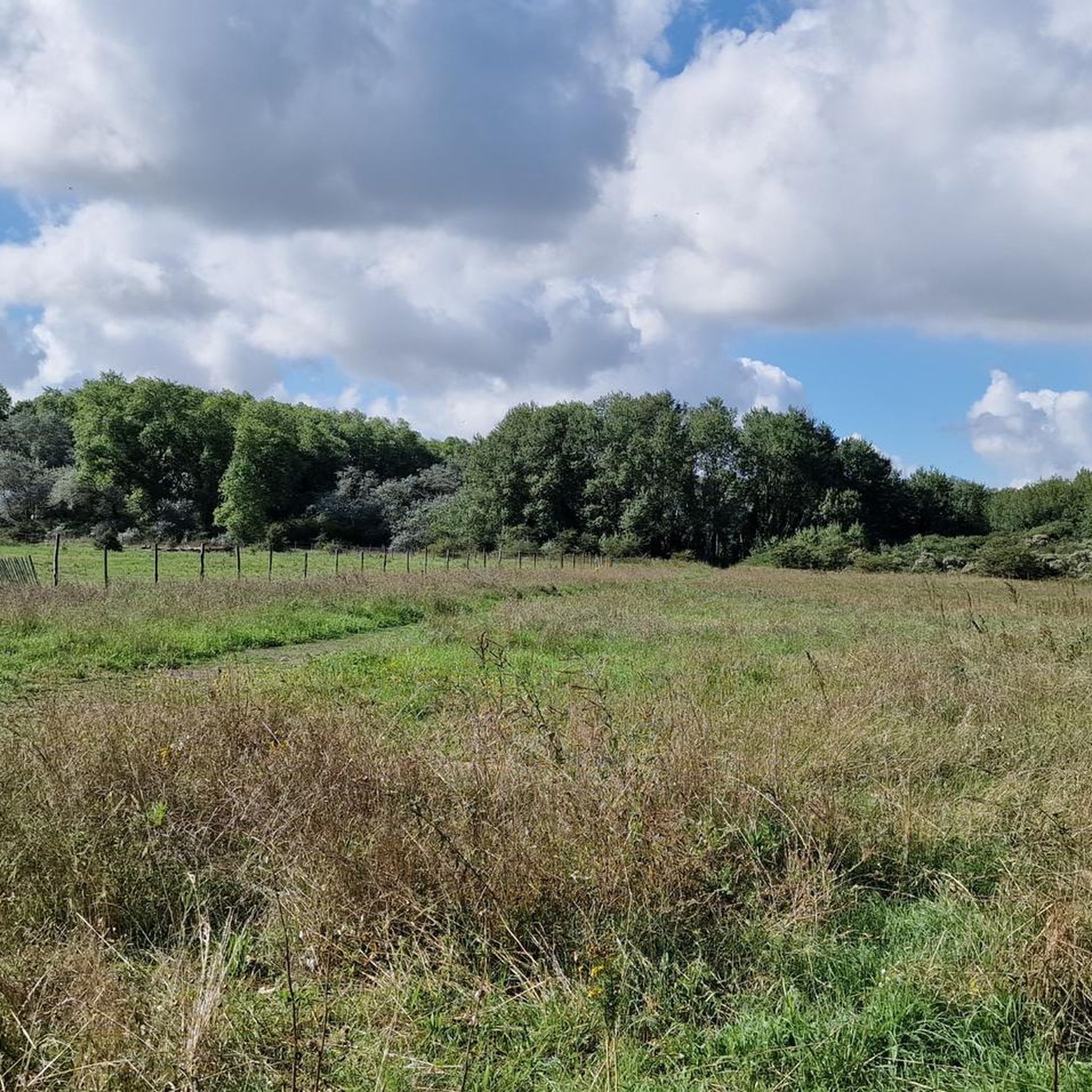
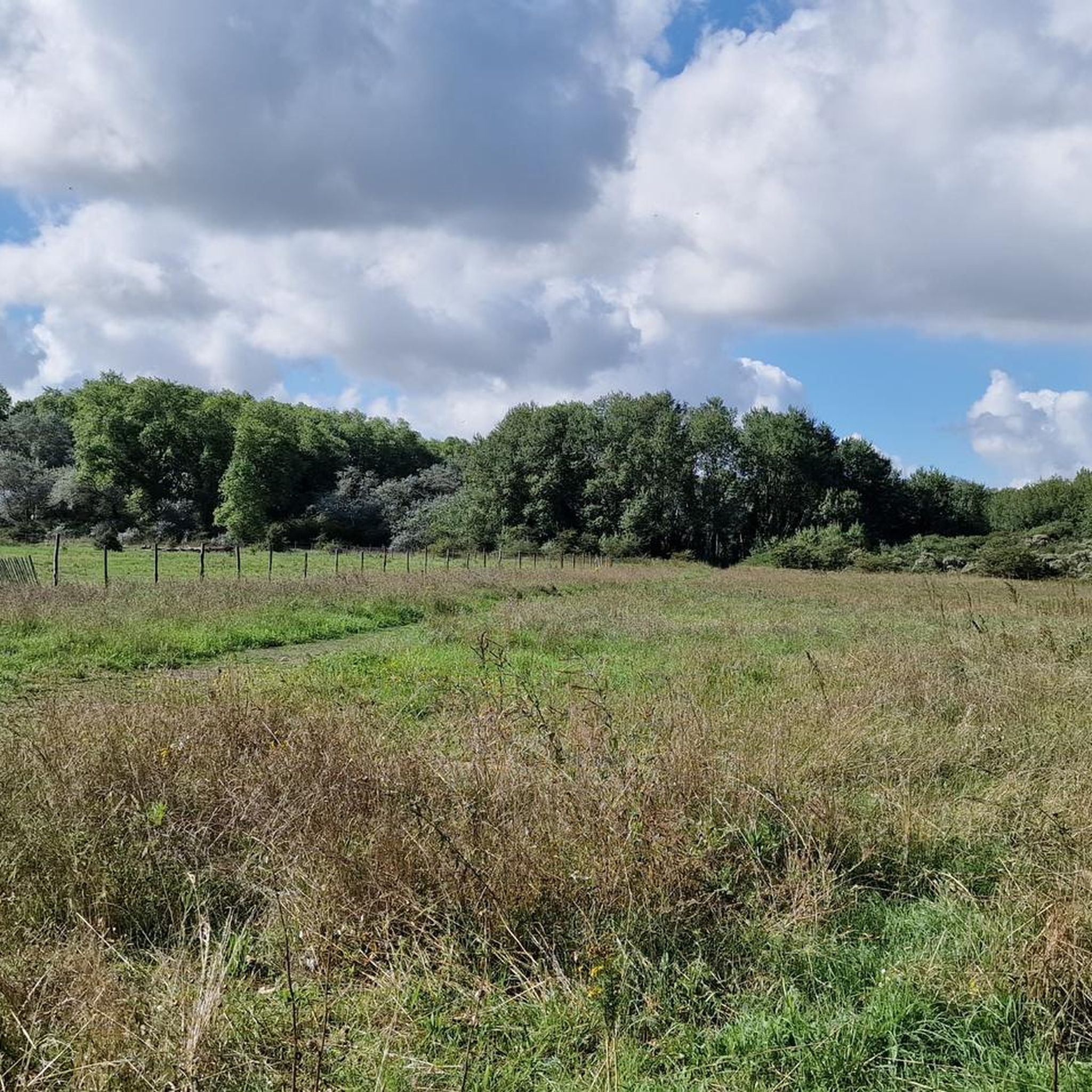
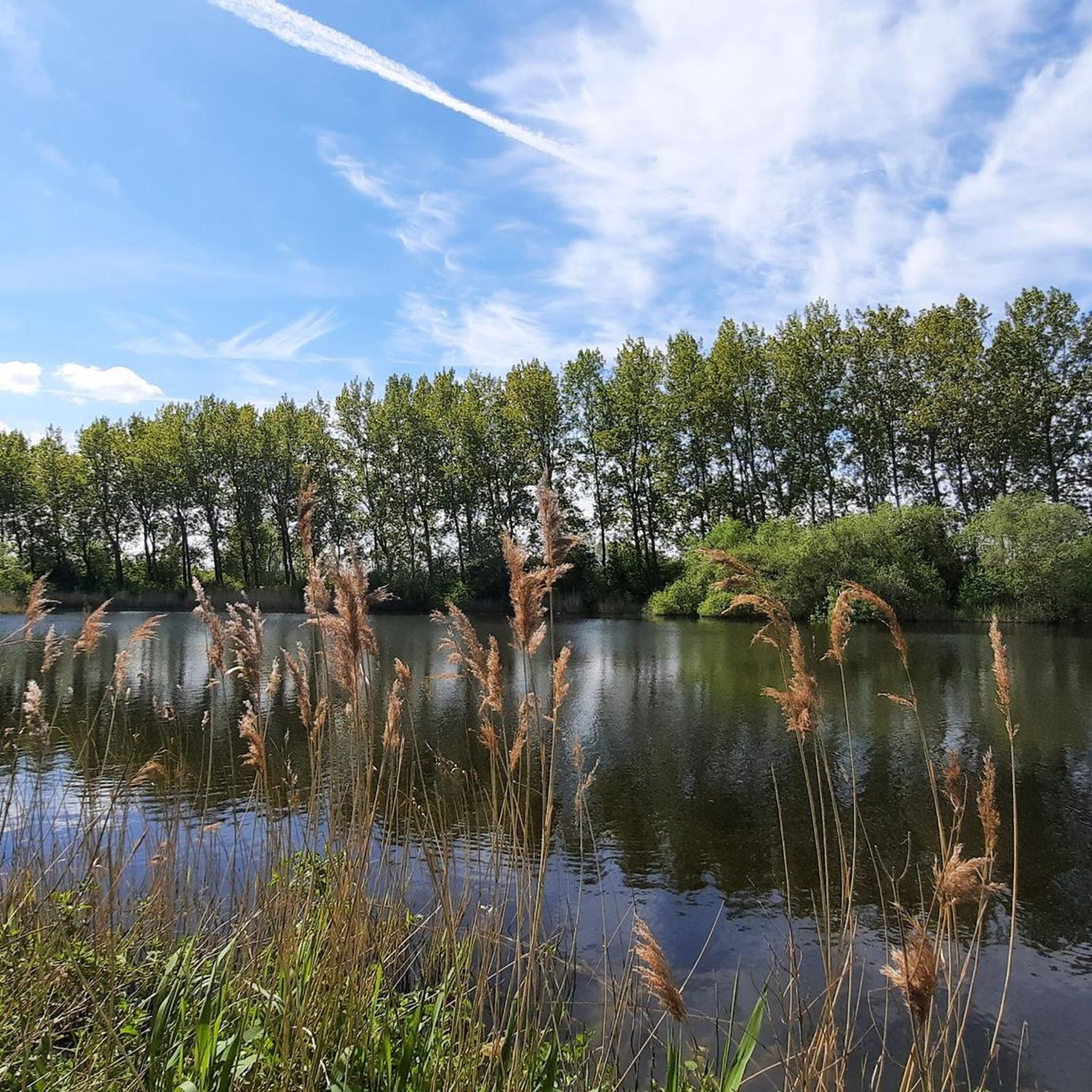
Many castles near Uxem are set amidst beautiful natural surroundings. Château d'Olhain is picturesquely situated in the middle of a lake. The Fort des Dunes is hidden within a well-preserved nature reserve, offering a blend of history and natural beauty. Hardelot Castle is located at the edge of the 'marais de Condette' nature reserve and features beautifully landscaped English-style gardens. The Cabour Dunes also provide a natural backdrop to the historical WWI site.
Are there hiking or cycling routes near the castles?
Yes, the region around Uxem offers various outdoor activities. For hiking, you can explore routes like the 'Zuydcoote Beach – long beautiful beach loop' or the 'Dewulf Dune – Our sea is beautiful loop' near historical sites. Cycling enthusiasts can enjoy routes such as the 'Fort des Dunes – Along the Dewulf Dune loop' or the 'Velomaritime loop'. You can find more details and specific routes in the Hiking around Uxem and Cycling around Uxem guides.
What do visitors enjoy most about the castles in this region?
Visitors frequently appreciate the blend of historical architecture and natural settings. The well-preserved medieval structures, the unique architectural styles of later châteaux, and the historical significance of sites like the Fort des Dunes are often highlighted. The picturesque landscapes, such as the lake surrounding Château d'Olhain or the gardens of Hardelot Castle, also contribute to a memorable experience.
Are there any lesser-known or 'hidden gem' castles worth visiting?
While not widely publicized as major tourist attractions, Château de Dohem and Château d'Embry offer unique experiences. Château de Dohem, a renovated 19th-century château in the Regional Natural Park Caps et Marais d'Opale, provides a picturesque setting. Château d'Embry, also from the 19th century but on older foundations, features extensive gardens and a peaceful village atmosphere, ideal for those seeking tranquility and historical charm away from crowds.
How long should I plan for a visit to these castles?
The duration of your visit depends on the castle. For smaller sites like the Porte de Bierne or the exterior of Beauvoorde Castle's park, an hour or two might suffice. Larger sites like Château d'Olhain, the Citadel of Montreuil-sur-Mer, or Hardelot Castle, especially if you take a guided tour or explore the grounds extensively, could easily take half a day. Plan for more time if you combine a visit with nearby hiking or cycling.
Is public transport available to reach castles near Uxem?
While Uxem itself is a small village, some castles in the wider Hauts-de-France region may be accessible by public transport, often requiring a combination of train and local bus services. For instance, the Porte de Bierne is located opposite Bergues station. However, many of the more rural châteaux might require a car for convenient access. Always check local transport schedules and routes in advance for specific destinations.
Are there viewpoints near any of the castles?
Yes, several castles offer excellent viewpoints. The Citadel of Montreuil-sur-Mer allows visitors to walk along its 3 km long ramparts, providing exceptional panoramic views of the fortified town and surrounding area. The picturesque setting of Château d'Olhain, surrounded by a lake, offers scenic vistas. Additionally, the Fort des Dunes is situated in a nature reserve, offering views of the dunes and coastline.
Most popular attractions around Uxem

Get inspired with the komoot mobile app


Explore more
Looking for the best castles somewhere else? Discover other guides around Uxem:
