Top 6 Castles around Killem
Best castles around Killem are situated in a region known for its historical significance near the French-Belgian border. This area features a diverse landscape, offering a blend of cultural heritage and natural surroundings. Visitors can explore various historical sites, including medieval fortifications and stately homes. The region provides opportunities to discover centuries of history within a compact geographical area.
Best castles around Killem
- The most popular castles is De Lovie Castle Park, a castle that dates from 1856 and…
Last updated: June 22, 2026
Beauvoorde Castle
Highlight • Castle
Translated by Google •
Tip by

De Lovie Castle Park
Highlight • Castle
The castle of De Lovie dates from 1856 and is built in neoclassical style.
Translated by Google •
Tip by

Sign up now to discover places like this
Get recommendations on the best single tracks, peaks, & plenty of other exciting outdoor places.
Sign up for free
Kasteel-Hospitaal Cabour and Cabour Dunes (World War I Site)
Highlight • Historical Site
Tip by

Porte de Bierne
Highlight • Historical Site
Translated by Google •
Tip by

Château du Couthof
Highlight • Castle
Translated by Google •
Tip by
Sign up for free to discover even more castles around Killem.
Sign up for free
Already have an account?
Start today with a free account
Your next adventure awaits.
Login or Signup

Tips from the Community

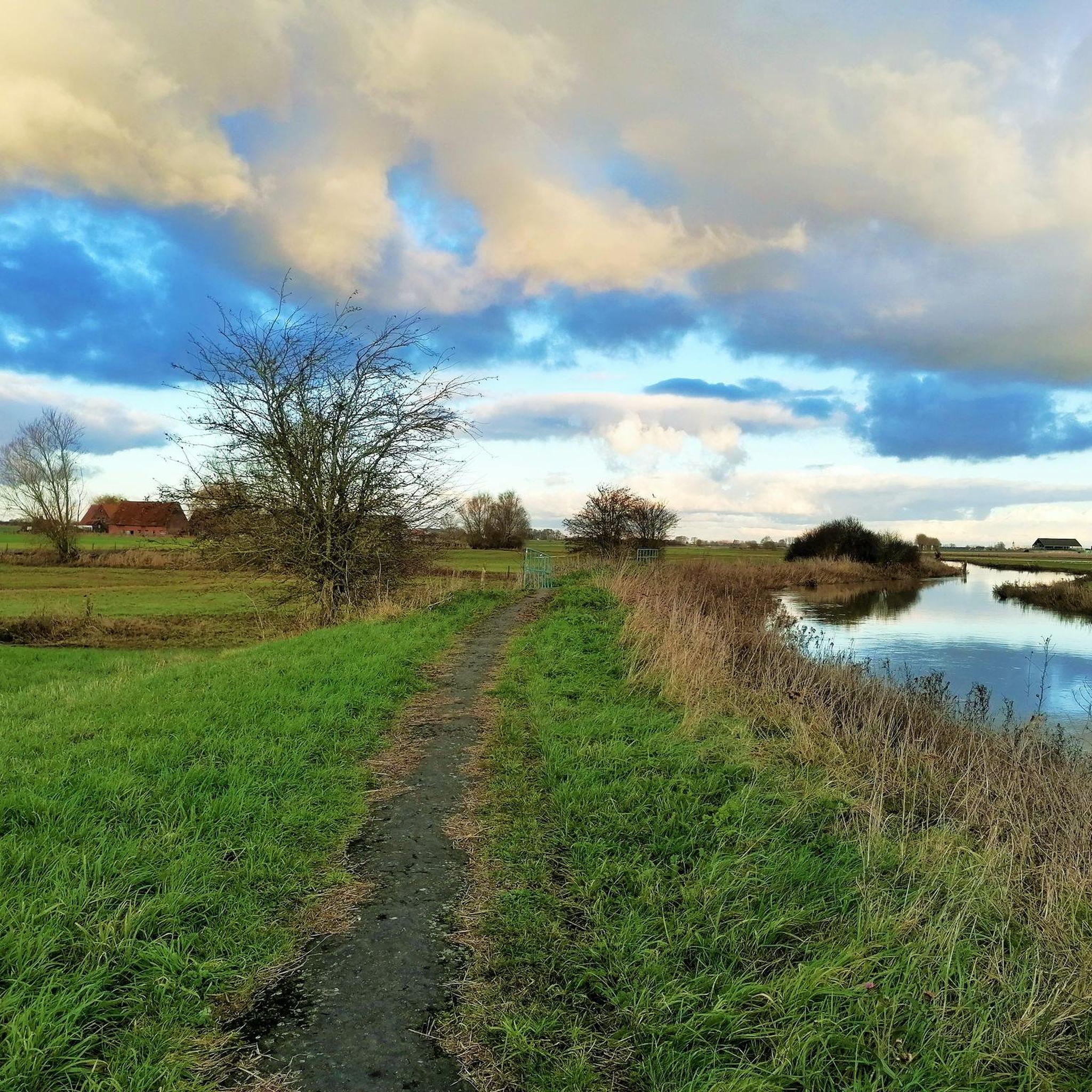
The castle isn't open to the public except for specific events, so check the calendar. It's located just across from Beauvoorde's beautiful church and cemetery. A little further down the street, you'll also find the old pancake bakery and pancake house. You used to be able to visit both, but now there's a vending machine selling the famous Beauvoorde pancakes.
0
0


Be sure to follow the city walls, hidden beautiful places
1
1

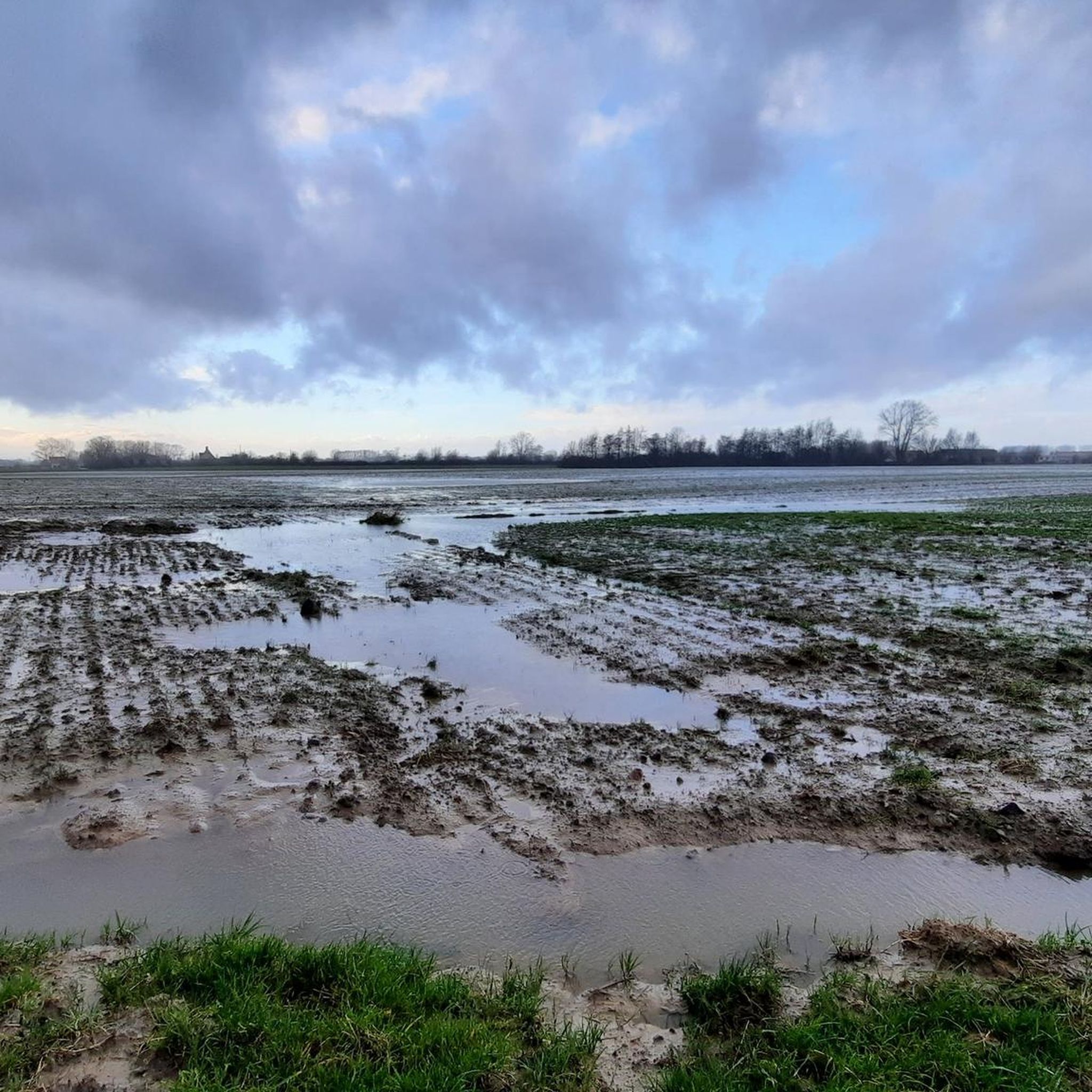
De Eerste Wereldoorlog is een zeer belangrijke fase in de historiek van het domein. Tijdens de Eerste Wereldoorlog richtten militairen binnen het domein Cabour diverse installaties in: rond het kasteel werd een militair hospitaal opgericht, in de oostelijke hoek van het domein werd een waterwinningssysteem geïnstalleerd, terwijl er in de duinen verdedigingsstellingen werden uitgebouwd. Het tracé van enkele wegen, waaronder de centrale toegangsweg tot het domein, de Cabourweg en de Veldstraat (oude Burgweg) dateert eveneens uit de Eerste Wereldoorlog. In april 1915 werd een militair hospitaal opgericht met barakken die rond het jachtpaviljoen opgesteld werden. Het hospitaal bestond uit negentien paviljoenen voor gewonden, met een capaciteit van 500 bedden en drie paviljoenen voor het verplegend personeel. In het totaal ging het dus om 22 demonteerbare houten barakken, die vervaardigd waren door de gebroeders Hamon in Parijs. Het operatiekwartier werd ingericht in het stenen jachtpaviljoen, de enige vaste constructie. Het chirurgische hospitaal, aangeduid met 'Hôpital de la grande chirurgie', was er gekomen op initiatief van medisch inspecteur-generaal Mélis. Opmerkelijk is dat Mélis dit militaire hospitaal liet oprichten op nauwelijks 10 kilometer van het grote hospitaal 'L’Océan' van het Rode Kruis in De Panne, dat onder leiding stond van Dokter Depage. Wellicht speelden de goede verbindingen, het uitgestrekte terrein en de nabijheid van de strategisch belangrijke haven van Duinkerke een rol. Het militaire hospitaal van Cabour stond onder leiding van Dr. Derache, die zich liet bijstaan door een team van twaalf artsen, drie apothekers, drie beheerders, ongeveer 60 verpleegsters en een handvol voor de velddienst ongeschikte soldaten. De medische uitrusting van het hospitaal werd deels gerealiseerd aan de hand van giften. De belangrijkste donatie bestond uit een complete zaal voor radiografisch onderzoek, aan de instelling geschonken door Madame Curie. Tussen de ingebruikname van het chirurgische hospitaal op 26 april 1915 en de sluiting ervan op 12 maart 1917 werden er 3.324 patiënten verzorgd, waarvan 2.811 patiënten met oorlogswonden. Dit betekent een gemiddelde van vijf gewonden per dag. Op 12 maart 1917 werd de chirurgische afdeling van Cabour overgebracht naar een nieuw hospitaal in Beveren-aan-de-IJzer. Dr. Derache en zijn ploeg werden op de nieuwe locatie tewerkgesteld, op nauwelijks negen kilometer van het front gelegen. Dit hospitaal was gebouwd volgens richtlijnen van Dr. Derache, die onder meer voorzag dat de paviljoenen door gangen met mekaar verbonden waren. De sectie die te Cabour achterbleef vormde men om tot een algemeen hospitaal onder de naam 'Cabour Médical'. Het geheel kwam onder leiding van dokter Nolf. De formatie deed nu dienst als centrum voor de opvang en verzorging van zieke soldaten en slachtoffers van gasaanvallen. De eerste patiënten arriveerden in april 1917. Vanaf augustus 1917 werden de eerste slachtoffers van het mosterdgas binnengebracht. Vooral tijdens de epidemie van de Spaanse Griep bewees het hospitaal zijn diensten. Op 27 april 1918 kwamen de eerste grieppatiënten binnen, in totaal zouden er 1200 slachtoffers van deze ziekte in 'Cabour Médical' verzorgd worden. Het hospitaal had geen begraafplaats. De gestorven militairen werden naar de begraafplaats van Adinkerke overgebracht. Het terrein van Cabour was vermoedelijk reeds vanaf 1915 in staat van verdediging gebracht. Het lag op de uiterste lijn van het zwaar geschut richting IJzerfront en vormde een onderdeel van de vooruitgeschoven verdediging van de havenstad Duinkerke. Het terrein was uitgerust met luchtafweergeschut. Uit de geschreven bronnen weten we dat het terrein in diverse fasen werd versterkt en dit zowel door Belgische als Franse troepen. Wie de sector controleerde, is niet altijd duidelijk. Met de voorbereiding van het Britse offensief nam het Britse leger in april 1917 de controle over de sector Nieuwpoort van de Belgen over. Tijdens het Duitse offensief van april 1918 werd de verdediging verder uitgebouwd door het Franse leger. De laatste ingrepen van het voorjaar 1918 zijn nog het best gekend, niet alleen door enkele vermeldingen maar ook door de beschikbare luchtfoto's. De goed uitgewerkte verdediging op deze plaats kan enigszins verbazen. We dienen deze verdediging te zien als een onderdeel van de voorversterking van de havenstad Duinkerke. Het geheel werkte in combinatie met de onderwaterzettingen enerzijds van de Moeren en anderzijds van het areaal bezijden het Kanaal Duinkerke-Veurne, die beide vanuit Duinkerke kon gerealiseerd worden. Hierdoor waren de hoger gelegen duinengebieden voor de Duitse aanvaller de enige weg om de haven van Duinkerke via de kust te bereiken. Het concept van de verdediging van dit duinengebied van Cabour is dan ook vermoedelijk door de Fransen uitgewerkt. Het geheel loopt trouwens verder op Frans grondgebied. Over het ontstaan van de waterwinning op het domein Cabour tijdens de Eerste Wereldoorlog zijn de tot nu toe gevonden historische bronnen bijzonder schaars. Britse eenheden van het 4de leger stonden in de periode tussen juli en november 1917 in voor de uitbouw van een uitgebreid waterwinningssysteem vanuit Duinkerke richting Nieuwpoort en Veurne. Wellicht werd het domein Cabour niet opgenomen in dit Brits systeem, maar liggen Belgische eenheden aan de basis van de uitbouw van een beperkte waterwinning, onder leiding van majoor Van Meenen. Onder meer het Belgische hoofdkwartier van Houtem en het koninklijke verblijf in Sint-Flora zouden vanuit Cabour van water voorzien zijn. Vermoedelijk kon het militaire hospitaal van Cabour in zijn eigen waterwinning voorzien.
1
0

Beautiful gate at the train station
0
0

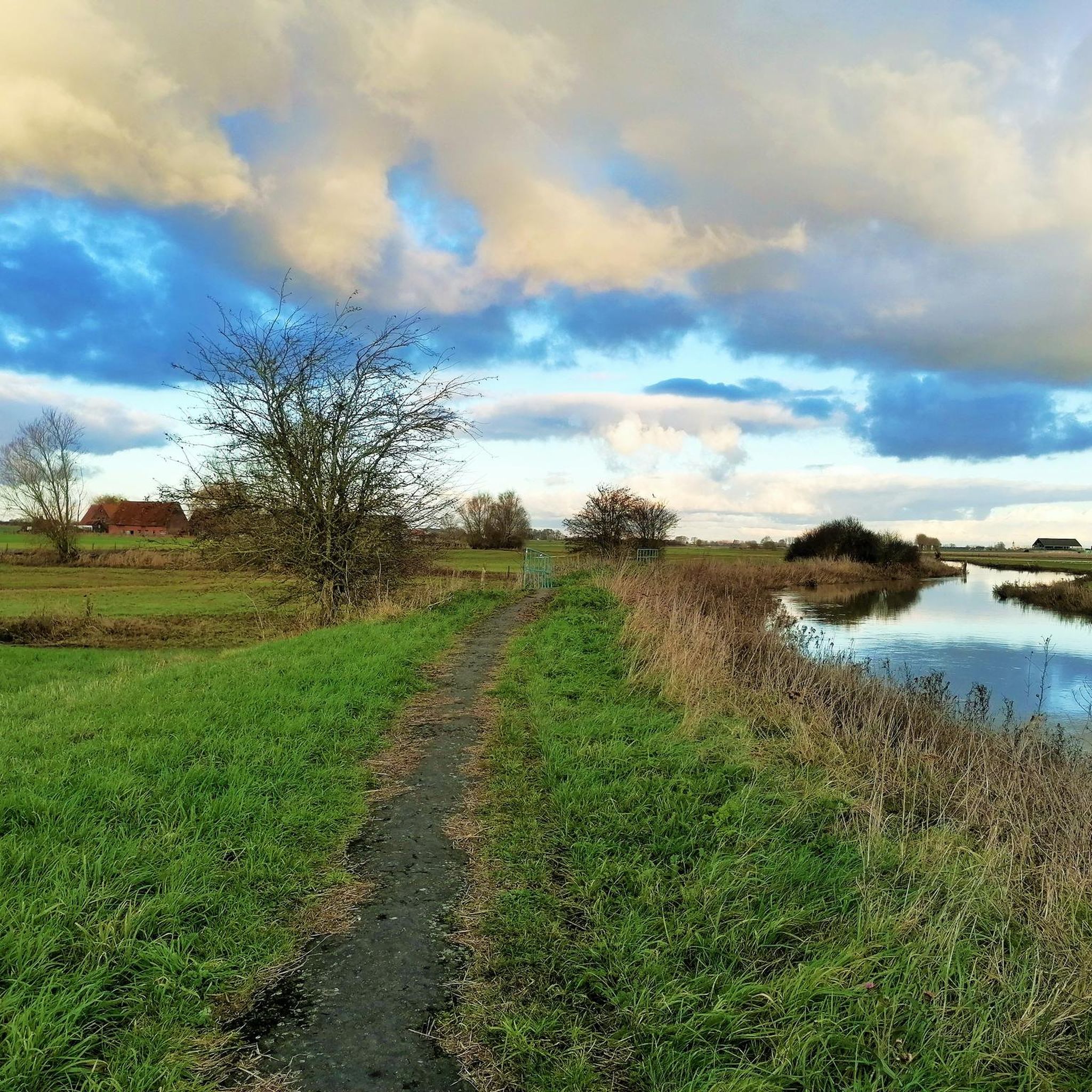
The early 15th-century Porte de Bierne, located opposite Bergues station, is an imposing gate in the western part of the city's defensive wall. With its two massive U-shaped towers, it looks like a small castle in itself. A drawbridge was later added.
1
1


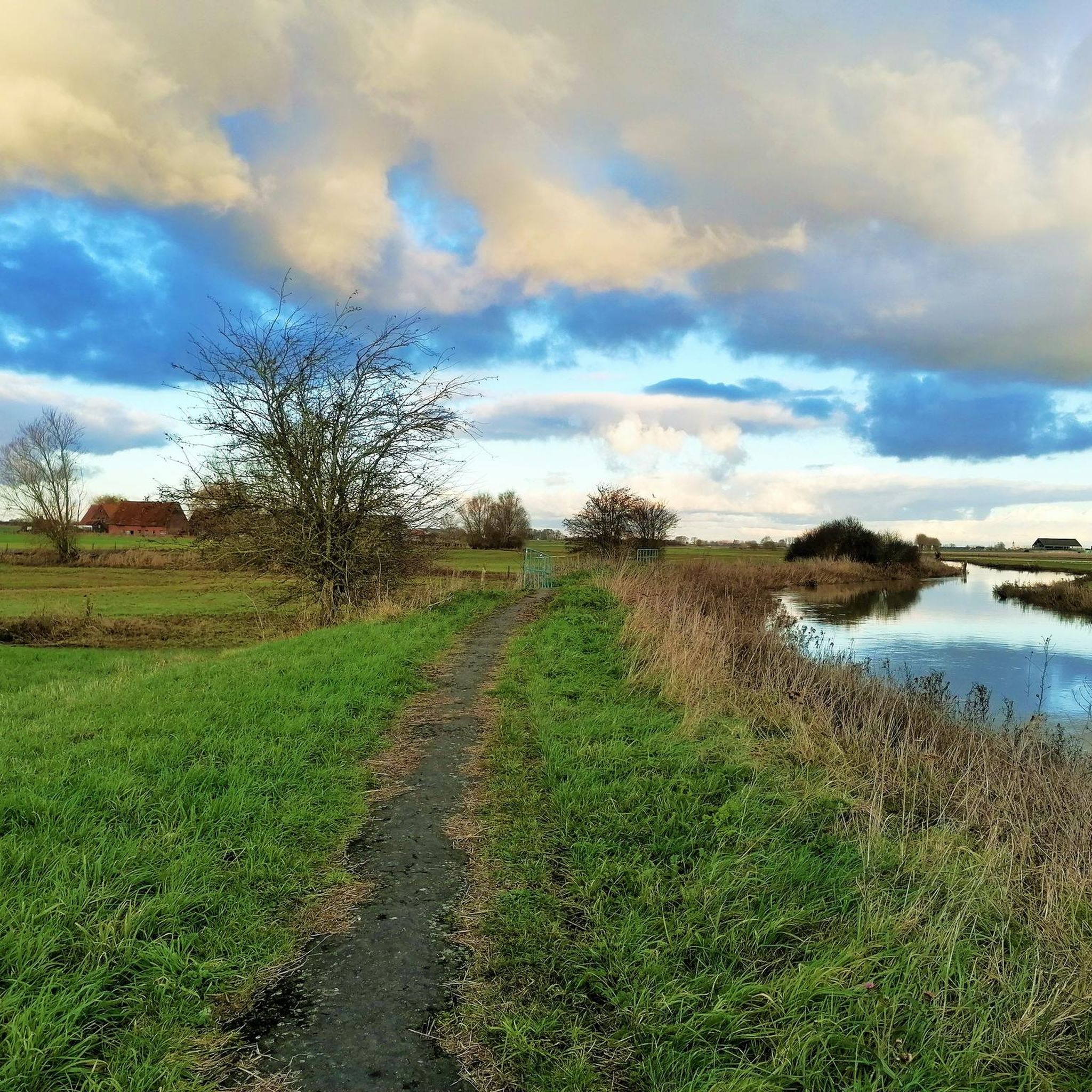
The wonderful world of knight Arthur Merghelynck closes its doors for a while! The castle is closed indefinitely for renovations. The park environment remains accessible. This hidden gem in the Westhoek is being restored to preserve it for generations to come. Beauvoorde Castle is one of the best kept secrets in the Westhoek. The castle is located in the village of Wulveringem near Veurne and was probably founded in the 12th century. The last castle owner, Arthur Merghelynck, passed by in his carriage on a Blue Monday and was immediately enchanted. More than a hundred years later, the castle still has a unique appearance. You will be immersed in a nostalgic atmosphere, an oasis of silence and beauty. The French-English landscape park completes the picture. More information at https://www.veurne.be/nl/ontdek-veurne/musea/kasteel-beauvoorde
3
0
Frequently Asked Questions
What types of castles can I explore around Killem?
The region around Killem offers a diverse range of historical structures. You can find medieval fortifications, neoclassical castles, and fortified gates. Examples include the romantic moated Beauvoorde Castle, the neoclassical De Lovie Castle Park, and the historical Porte de Bierne, a fortified gate.
Are there family-friendly castles to visit near Killem?
Yes, several castles and historical sites around Killem are suitable for families. De Lovie Castle Park and Porte de Bierne are both categorized as family-friendly. The surrounding areas often feature parks and open spaces for children to enjoy.
What is the best time of year to visit the castles around Killem?
The best time to visit the castles around Killem is generally during the spring (April-June) and autumn (September-October) months. The weather is usually mild and pleasant for exploring castle grounds and parks. Summer can also be enjoyable, though it may be busier. Winter visits are possible, but some facilities or park areas might have reduced hours or accessibility.
Are there any castles with significant historical importance in the broader region?
Beyond the immediate vicinity of Killem, the broader region of Northern France and Belgium boasts castles of significant historical importance. For instance, the Gravensteen (Castle of the Counts) in Ghent, Belgium, is a medieval castle dating back to 1180, known for its intact defense system and its role as a museum. The Citadel of Lille in France, built by Vauban, is another notable bastion fortress.
Can I visit the interior of Beauvoorde Castle?
Beauvoorde Castle is currently closed indefinitely for renovations. While the castle interior is not accessible, its beautiful French-English landscape park remains open for visitors to explore.
What kind of natural features can I expect to see near these castles?
Many castles around Killem are set within scenic natural surroundings. For example, De Lovie Castle Park features a remnant of an English landscape park with avenues, water features, and remarkable trees. Beauvoorde Castle is a romantic moated castle with a French-English landscape park. The Cabour Dunes near Kasteel-Hospitaal Cabour offer a unique natural landscape alongside historical elements.
Are there hiking or walking routes near the castles?
Yes, the region offers various opportunities for walking and hiking. You can find several routes, including easy to moderate trails, that allow you to explore the natural and historical landscape around the castles. For more detailed information on hiking trails, you can refer to the Hiking around Killem guide.
What other outdoor activities are available near Killem's castles?
Beyond hiking, the area around Killem is popular for road cycling and running. There are numerous routes suitable for these activities, allowing you to combine castle visits with outdoor exercise. You can find more details in the Road Cycling Routes around Killem guide and the Running Trails around Killem guide.
Is there parking available at the castles?
Parking is generally available at or near the main castle sites. For instance, both Beauvoorde Castle and De Lovie Castle Park list parking as an available amenity. It's always advisable to check specific castle websites for the most current parking information.
What is unique about Château du Couthof?
Château du Couthof, built as a summer residence in 1763, is notable for its 19th-century landscape-style park featuring a pond, grasslands, and scattered garden ornaments. It also holds a unique connection as Queen Mathilde of Belgium spent many summers there in her youth. The domain is partially open to the public for walks.
Are there any castles with a connection to World War I history?
Yes, the Kasteel-Hospitaal Cabour and Cabour Dunes site has a significant connection to World War I. During the war, a military hospital was established around the castle, and defensive positions were built in the dunes. It offers a unique blend of historical architecture and wartime heritage.
What do visitors enjoy most about the castles around Killem?
Visitors particularly appreciate the historical significance and the tranquil beauty of the castle parks. The blend of cultural heritage with natural surroundings, such as the English and French-English landscape parks, is often highlighted. The opportunity to explore centuries of history within a compact geographical area also makes these sites appealing.
Most popular attractions around Killem

Get inspired with the komoot mobile app


Explore more
Looking for the best castles somewhere else? Discover other guides around Killem:
