Top 3 Castles around Chavin
Best castles around Chavin offer a glimpse into centuries of history, nestled amidst varied landscapes. This region features historical sites ranging from medieval keeps to partially preserved dwellings. Visitors can explore these architectural remnants, often found along scenic routes that combine natural beauty with cultural heritage. The area provides opportunities to discover historical architecture set within natural surroundings like riverbanks, forests, and valleys.
Best castles around Chavin
- The most popular castles is Cluis-Dessous Castle, a historical site that occupied…
Last updated: June 21, 2026
Cluis-Dessous Castle
Highlight • Historical Site
Translated by Google •
Tip by

View of Château de Chabenet
Highlight • Viewpoint
A delightful loop of approximately 8 km that includes everything: views of the Château de Chabenet, a stop at the charming Château du Petit-Broutet, …
Translated by Google •
Tip by

Sign up now to discover places like this
Get recommendations on the best single tracks, peaks, & plenty of other exciting outdoor places.
Sign up for free
Gargilesse-Dampierre Castle
Highlight • Castle
Translated by Google •
Tip by

Château du Courbat
Highlight • Castle
Translated by Google •
Tip by
Château de Bouesse
Highlight • Castle
Translated by Google •
Tip by
Start today with a free account
Your next adventure awaits.
Login or Signup
Tips from the Community

Walk past this medieval castle and notice the contrast: a high keep with machicolations and details like coats of arms and an ornate tympanum above a door. Imagine it once being defended, while its inhabitants still sought comfort. And if you walk past it at dusk, the silhouettes of the towers and nature make it almost poetic.
3
0
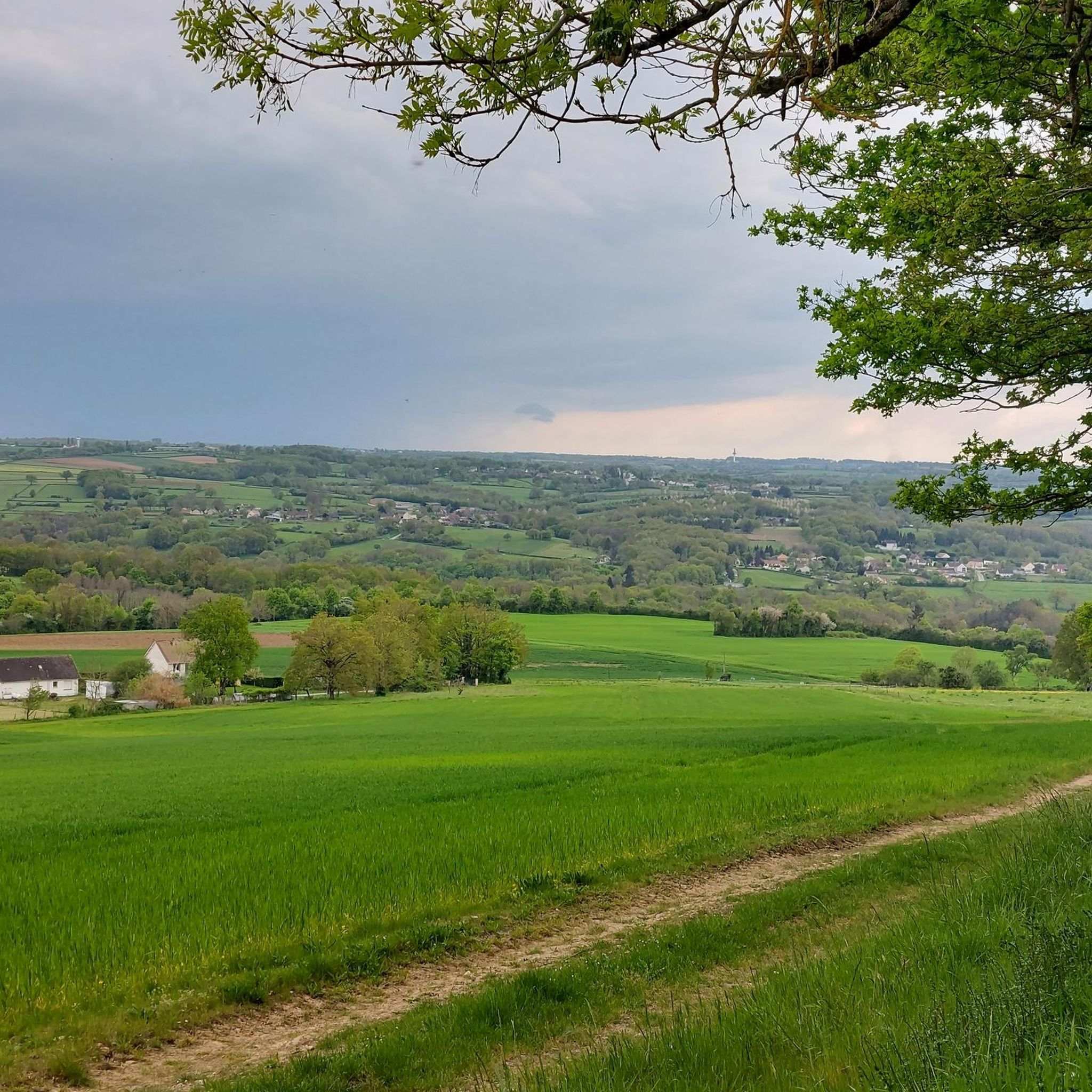
A beautiful route full of variety! A delightful loop of approximately 8 km that includes everything: views of the Château de Chabenet, a stop at the charming Château du Petit-Broutet, the unique Pont Couvert bridge, and the impressive Viaduc de la Bouzanne. The mix of riverbanks, forests, and open fields ensures you'll constantly encounter a new setting. There are plenty of quiet spots along the way to pause and enjoy the surroundings. Definitely recommended for those who enjoy combining culture and nature.
6
0

From the chemin de charrières, which runs along La Bouzanne, you have a fantastic view of the castle above the path. The asphalt path is easy to walk on and has little traffic, even in addition to the fantastic view of the castle. The best way to get to this path from the castle is to walk to the railway bridge. Then turn left into the dead end before the railway bridge. This path, which is also asphalted, leads directly to the chemin de charrières, which you have to follow for about 1 km in the valley to get to the viewing point with a view of the castle. Just do it❗
1
0

A very impressive ruin. It shows the power that emanates from here
1
0

Located on a rocky outcrop, the castle of Cluis-Dessous occupied a strategic position. In the 12th century, the keep is the oldest part of the building. The curtain wall, slightly more recent (12th-13th century), is typical of Plantagenêt architecture. The house, which dates from the 14th and 15th centuries, is only partially preserved.
1
0
Located on a rocky outcrop, the castle of Cluis-Bass occupied a strategic position. In the 12th century, the keep was the oldest part of the building. The slightly more recent curtain wall (12th-13th century) is typical of Plantagenet architecture. The most recent part (14th-15th century), the house is only partially preserved.
2
0
This is a 13th century castle which is privately owned but is now a hotel and restaurant.
2
0
The castle was built during the reign of Louis XI and was completed in 1471. In 1635, it was partially dismantled by Cardinal Richelieu. In the 1980s the castle was bought by a businessman who started to renovate it to make it a hotel, but this project never came to fruition and became the hotel it is today. today than when it was purchased by the Hapimag Group. Popstar Michael JAckson visited the castle in the 1990s and it was rumored that he wanted to buy it.
4
0
Frequently Asked Questions
What types of historical sites can I explore around Chavin?
The Chavin region offers a variety of historical sites, primarily focusing on medieval castles and their remnants. You can find ancient keeps, partially preserved dwellings, and châteaux with significant historical backgrounds. While the provided guide focuses on European-style castles, it's important to note that the broader historical context of 'Chavin' (referring to Chavín de Huántar in Peru) involves ancient ceremonial centers with advanced architecture and intricate stone carvings, such as the UNESCO World Heritage site of Chavín de Huántar itself. However, the castles in this guide are distinct from that ancient Peruvian site.
What are some notable castles to visit in the Chavin area?
Among the notable sites, you can visit Cluis-Dessous Castle, known for its 12th-century keep and Plantagenet architecture. Another interesting spot is Gargilesse-Dampierre Castle, located in a charming village. You can also see Château du Courbat, an 11th-century building that now serves as a town hall, and the medieval Château de Bouesse, which now operates as a hotel and restaurant.
Are there good viewpoints to see castles in the region?
Yes, there is a fantastic viewpoint called View of Château de Chabenet. This spot offers excellent views of a 15th-century castle and is part of a route that combines riverbanks, forests, and open fields, providing a mix of culture and nature.
What outdoor activities can I do near these castles?
The Chavin region offers various outdoor activities. For cycling enthusiasts, there are routes like the 'Gargilesse-Dampierre, Badecon-le-Pin et Le Pêchereau — circuit par la V49 et V56' or 'Château de Charron et Château du Châtelier — loop from Pommiers'. Hikers can explore trails such as 'The River – View of Montcocu Beach loop from Gargilesse-Dampierre' or 'Picnic tables – The River loop from Gargilesse-Dampierre'. Mountain biking options include 'Gargilesse Castle – Gargilesse-Dampierre loop from Gargilesse-Dampierre'. You can find more details and routes in the dedicated guides for Cycling around Chavin, Hiking around Chavin, and MTB Trails around Chavin.
Are there family-friendly castles or activities in the Chavin area?
While specific 'family-friendly activities' at each castle aren't always detailed, many historical sites, including castles, can be engaging for families. For instance, Château du Courbat, with its moat and historical background, could be interesting for children. Combining castle visits with easy walks or cycling routes from the nearby guides can also create a fun family outing.
What is the best time of year to visit the castles around Chavin?
The region's climate is generally temperate. Visiting during spring or early autumn often provides pleasant weather for exploring historical sites and enjoying outdoor activities. These seasons typically offer comfortable temperatures and beautiful natural scenery, making walks and castle visits more enjoyable.
What do visitors enjoy most about the castles around Chavin?
Visitors appreciate the blend of historical architecture with natural beauty. Many enjoy the strategic locations of castles like Cluis-Dessous Castle on rocky outcrops, or the charming village setting of Gargilesse-Dampierre Castle. The variety of landscapes, including riverbanks, forests, and open fields, combined with historical exploration, is a common highlight.
Are there any less crowded or 'hidden gem' historical sites near Chavin?
While the guide highlights popular spots, exploring the smaller villages and their local historical structures can reveal less crowded gems. For example, the partially preserved dwelling of Cluis-Dessous Castle offers a glimpse into Plantagenet architecture without the crowds of larger, more famous sites. The region itself is known for its variety of historical sites beyond just the main attractions.
Can I find accommodation or cafes near the castles?
Yes, some castles, like Château de Bouesse, have been converted into hotels and restaurants, offering direct accommodation and dining options. Additionally, villages like Gargilesse-Dampierre, where Gargilesse-Dampierre Castle is located, are known to have cafes and other amenities for visitors.
How long should I plan for a visit to the castles in the Chavin region?
The duration of your visit depends on how many sites you wish to see and if you plan to combine it with outdoor activities. For a single castle, an hour or two might suffice. However, to explore multiple castles and enjoy the surrounding nature, a full day or even a weekend would allow for a more comprehensive experience, including hiking or cycling routes.
What kind of architecture can I expect to see at these castles?
The castles in the Chavin region primarily showcase medieval European architecture. You'll find features like 12th-century keeps, curtain walls typical of Plantagenet architecture, and structures dating from the 14th and 15th centuries. Some castles, like Château de Bouesse, feature high keeps with machicolations, coats of arms, and ornate tympanums, reflecting their defensive and aristocratic past.
Most popular attractions around Chavin

Get inspired with the komoot mobile app


