Top 5 Castles around Désandans
Best castles around Désandans are found within the surrounding Bourgogne-Franche-Comté region, as the village itself does not feature notable castles. Désandans has a history dating back to prehistoric times and was historically part of the County of Montbéliard. The area offers a rich heritage of historical fortifications and châteaux for exploration.
Best castles around Désandans
- The most popular castles is Mont Vaudois Fort, a historical site that was constructed between 1874 and 1877. It features an underground bunker built…
Last updated: July 5, 2026
Mont Vaudois Fort
Highlight • Historical Site
Translated by Google •
Tip by

Montbéliard
Highlight • Settlement
Translated by Google •
Tip by

Sign up now to discover places like this
Get recommendations on the best single tracks, peaks, & plenty of other exciting outdoor places.
Sign up for free
Fort du Mont Bart
Highlight • Castle
Translated by Google •
Tip by
Château de Montbéliard
Highlight • Castle
Translated by Google •
Tip by

Héricourt Castle
Highlight • Castle
Translated by Google •
Tip by

Start today with a free account
Your next adventure awaits.
Login or Signup


Tips from the Community

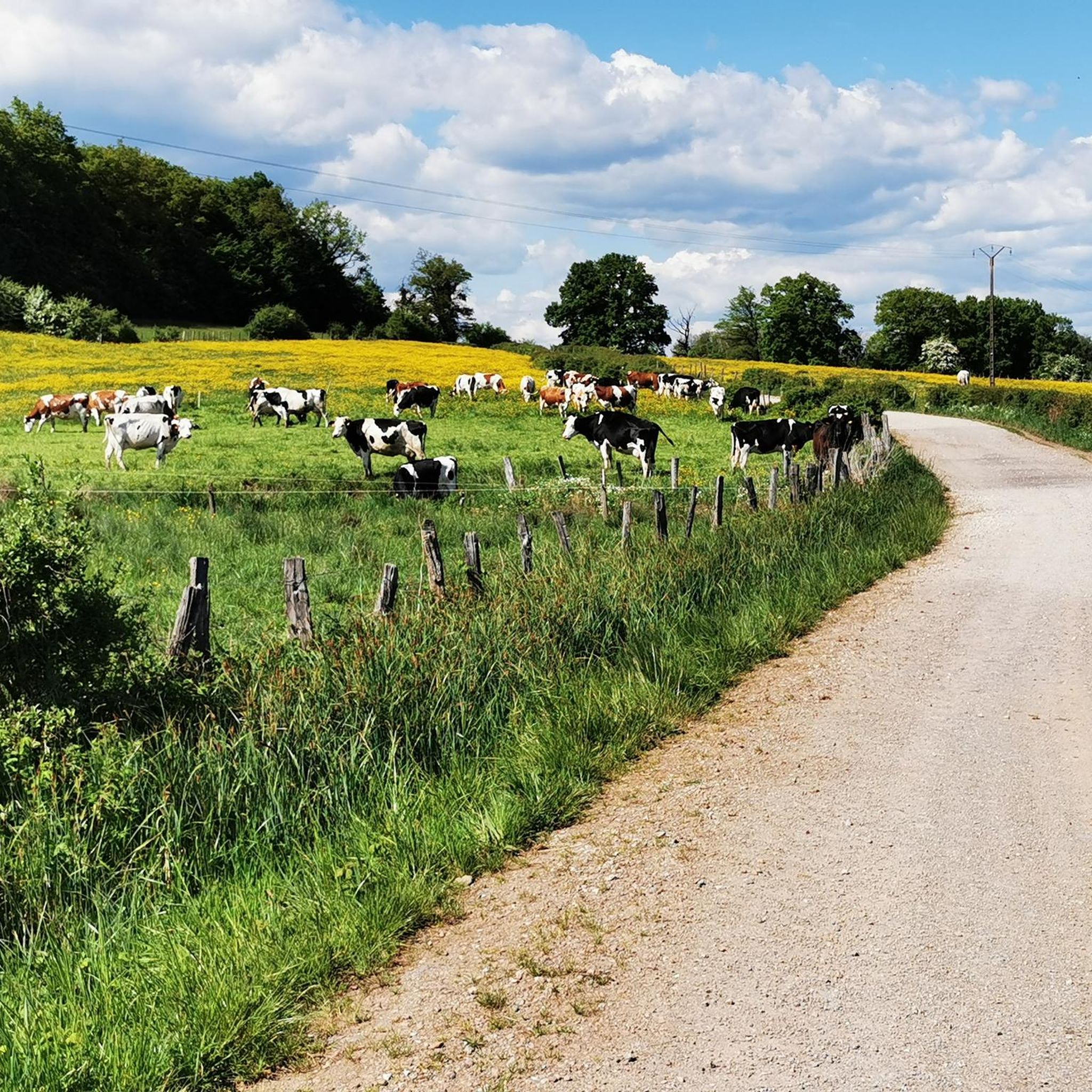
The town of Montbéliard was part of Württemberg for 400 years and was called “Mömpelgard”.
3
0


Héricourt Castle, dating from the 12th century, is classified as a Historic Monument. It hosts exhibitions and events that highlight local heritage.
0
0

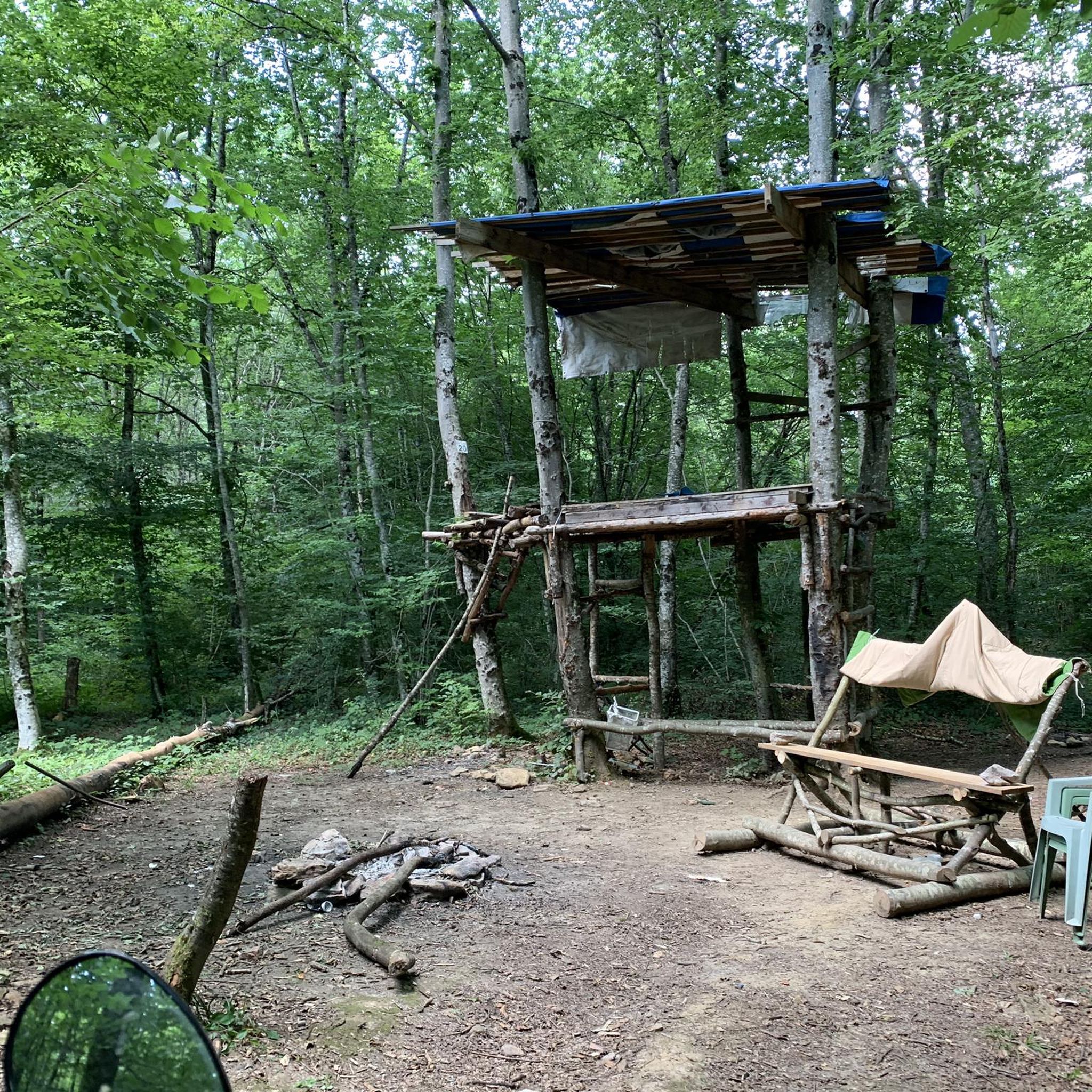
The Mont Bart fort is a 19th century fortification which dominates the Doubs and Allan valleys. The fort is part of the Séré de Rivières fortification system, built to protect French territory from a possible German invasion after the War of 1870. You can explore the fort and its surroundings, including the barracks, the bakery, the wine cellar magazines and the observation post. The fort is open to visitors from April to October, except Mondays.
2
1
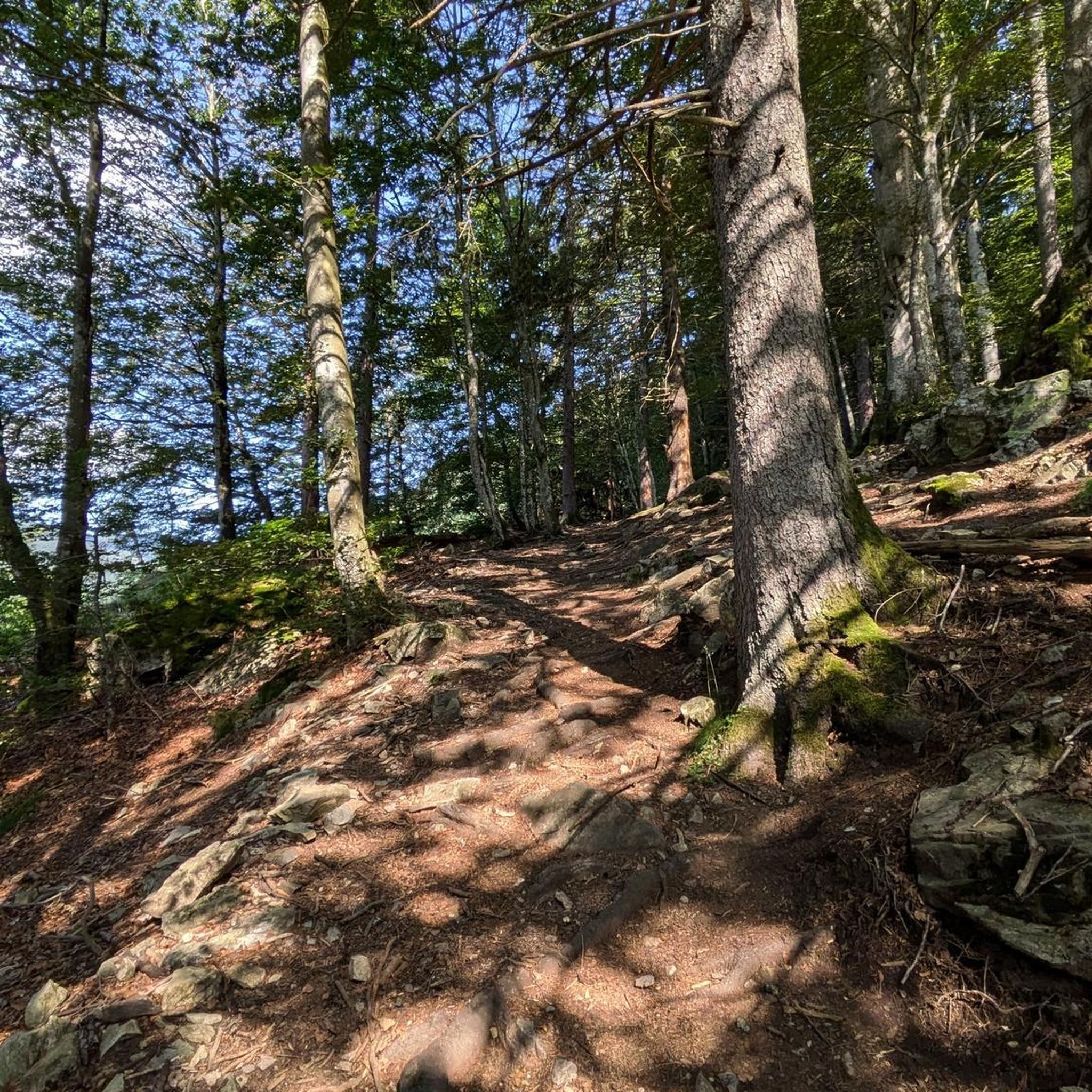
The construction of the Mont-Vaudois fort took 3 years between 1874 and 1877. In 1885, the invention of the torpedo shell, I suppose, bombarded the fort from above and led to the construction of an underground bunker as a defense. In 1944, faced with the advance of the Allies, a German unit occupied the fort and was driven out without success, despite a barrage of 3,000 shells. The Germans withdrew on their own. A testimony of this bunker built in 1885.
2
0
The construction of the Mont-Vaudois fort took 3 years between 1874 and 1877. In 1885, the invention of the torpedo shell, I suppose, bombarded the fort from above and led to the construction of an underground bunker as a defense. In 1944, faced with the advance of the Allies, a German unit occupied the fort and was driven out without success, despite a barrage of 3,000 shells. The Germans withdrew on their own. A testimony of this bunker built in 1885.
2
1

The Castle of the Dukes of Württemberg dates back to the 13th century, replacing an earlier castle documented as early as the 10th century. Its current appearance is the result of significant modifications in the 16th and 17th centuries, particularly to the towers. The museum is open from 9:30 a.m. to 12:30 p.m. and from 1:30 p.m. to 6:00 p.m. every day except Tuesday. The ticket is also valid for the Beurnier-Rossel Museum of Art & History.
2
0

Frequently Asked Questions
What are some significant historical castles and fortifications to visit near Désandans?
While Désandans itself doesn't have castles, the surrounding Bourgogne-Franche-Comté region offers several impressive sites. These include the UNESCO World Heritage Site, the Citadel of Besançon, the ancient Château de Joux with its millennium of history, and the Château de Montbéliard, which was once the seat of the Dukes of Württemberg. Additionally, you can explore Mont Vaudois Fort and Fort du Mont Bart, both 19th-century fortifications.
What makes the Citadel of Besançon a must-visit historical site?
The Citadel of Besançon is a masterpiece of military architecture by Vauban, offering breathtaking panoramic views over Besançon and the Doubs River. This UNESCO World Heritage Site spans 11 hectares and houses several museums, including the Museum of French Resistance and Deportation, the Comtois Museum, and a natural history museum with a zoo and aquarium. Visitors can explore its defensive structures and learn about its strategic importance.
What is the historical significance of Château de Joux?
The Château de Joux is an imposing fortress with a thousand-year history, strategically built on a rocky promontory. It has served as a medieval castle, a frontier fortress, and even a state prison, famously holding figures like Toussaint Louverture. You can explore its multiple rings of fortified walls, a main keep, and prison cells, offering a tangible connection to its past.
Are there family-friendly castles or historical sites around Désandans?
Yes, several sites offer family-friendly activities. The Citadel of Besançon is particularly good for families, featuring a natural history museum with a zoo, aquarium, and insectarium, alongside its historical exhibits. The town of Montbéliard, with its castle, is also noted as family-friendly and offers a rich cultural experience.
Can I learn about local history and culture at these castles?
Absolutely. The Château de Montbéliard, for instance, functions as an important archaeology and history museum, allowing visitors to delve into the history of the Montbéliard region and its ruling families. The Comtois Museum within the Citadel of Besançon also showcases regional history, providing deep insights into the area's heritage.
What outdoor activities can I do near these castles?
The region around Désandans offers various outdoor activities. You can find numerous hiking trails, such as the easy 'Étang des Princes' loop or the moderate 'Lavoir de St Julien' loop. For cyclists, there are MTB trails like the 'Single mountain bike' loop or gravel biking routes like 'Savour Montbeliard'. You can explore more options on the hiking guide, MTB trails guide, and gravel biking guide for the area.
What is the best time to visit the forts and castles near Désandans?
Many sites, like Fort du Mont Bart, are open seasonally, typically from April to October. This period generally offers pleasant weather for exploring outdoor fortifications and enjoying the views. For indoor museums and year-round attractions like the Citadel of Besançon, check their specific opening hours, as some may have reduced hours in winter.
Are there any specific tips for visiting Fort du Mont Bart?
Fort du Mont Bart is a 19th-century fortification dominating the Doubs and Allan valleys. It's part of the Séré de Rivières fortification system. Visitors can explore barracks, a bakery, wine cellar magazines, and an observation post. It's generally open from April to October, except Mondays. There might be a small climb involved, but it's considered a very beautiful site to visit.
What can I expect when visiting Mont Vaudois Fort?
Mont Vaudois Fort was constructed between 1874 and 1877. It features an underground bunker built in 1885, which was a response to new artillery technologies. The fort famously withstood a barrage of 3,000 shells in 1944. Exploring its structures offers a glimpse into 19th and 20th-century military history and engineering.
Is it possible to visit Héricourt Castle?
Yes, Héricourt Castle is a 12th-century fortified castle classified as a historical monument. It hosts exhibitions and events that highlight local heritage, making it a cultural point of interest in the region.
How can I get to these castles using public transport from Désandans?
While Désandans is a small village, larger towns like Besançon and Montbéliard, where the major castles are located, are accessible by public transport. From Désandans, you would typically need to reach a larger transport hub first. It's recommended to check local bus or train schedules for connections to Besançon (for the Citadel) or Montbéliard (for Château de Montbéliard) and then local transport options to the specific castle sites.
Are there cafes or amenities near the castles?
Yes, the major castle sites are typically well-equipped with amenities. The Citadel of Besançon, being a large tourist attraction, has cafes and shops on-site. The Château de Montbéliard is located within the city of Montbéliard, offering a wide range of cafes, restaurants, and accommodation options nearby. For more remote forts like Fort du Mont Bart, it's advisable to check their specific facilities or plan to bring your own refreshments.
Most popular routes around Désandans
Most popular attractions around Désandans

Get inspired with the komoot mobile app


Explore more
Looking for the best castles somewhere else? Discover other guides around Désandans:
