Top 5 Castles around La Bazouge-Du-Désert
Castles around La Bazouge-Du-Désert offer a glimpse into the historical landscape of Brittany, a region known for its rich heritage and fortified structures. While the immediate commune of La Bazouge-Du-Désert does not feature prominent standing castles, the surrounding area, particularly within Ille-et-Vilaine, hosts significant medieval fortresses and historical sites. These structures often served strategic military purposes, guarding borders and trade routes. Visitors can explore a variety of historical architecture, from large medieval strongholds to defensive towers.
Best castles around La…
Last updated: May 8, 2026
Fougères Castle
Highlight • Castle
Translated by Google •
Tip by

Surienne Tower
Highlight • Castle
Translated by Google •
Tip by

Sign up now to discover places like this
Get recommendations on the best single tracks, peaks, & plenty of other exciting outdoor places.
Sign up for free
Panoramic view from the public garden
Highlight • Viewpoint
Refreshment bar in the park that opens at the end of the day.
Public toilets present in the park.
Translated by Google •
Tip by

Tour Desnos
Highlight • Castle
Translated by Google •
Tip by

Savigny Abbey (ruins)
Highlight • Historical Site
Translated by Google •
Tip by

Start today with a free account
Your next adventure awaits.
Login or Signup
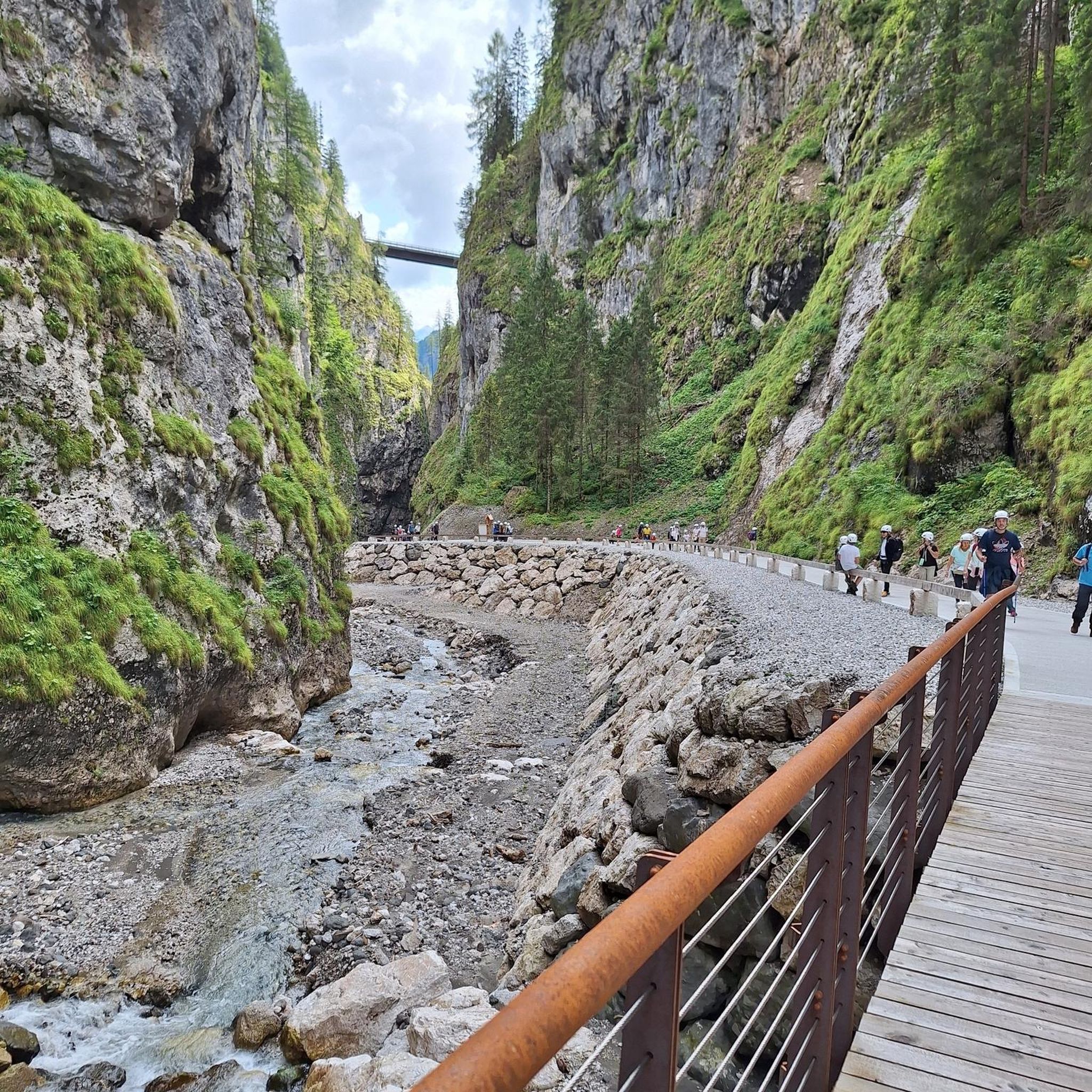
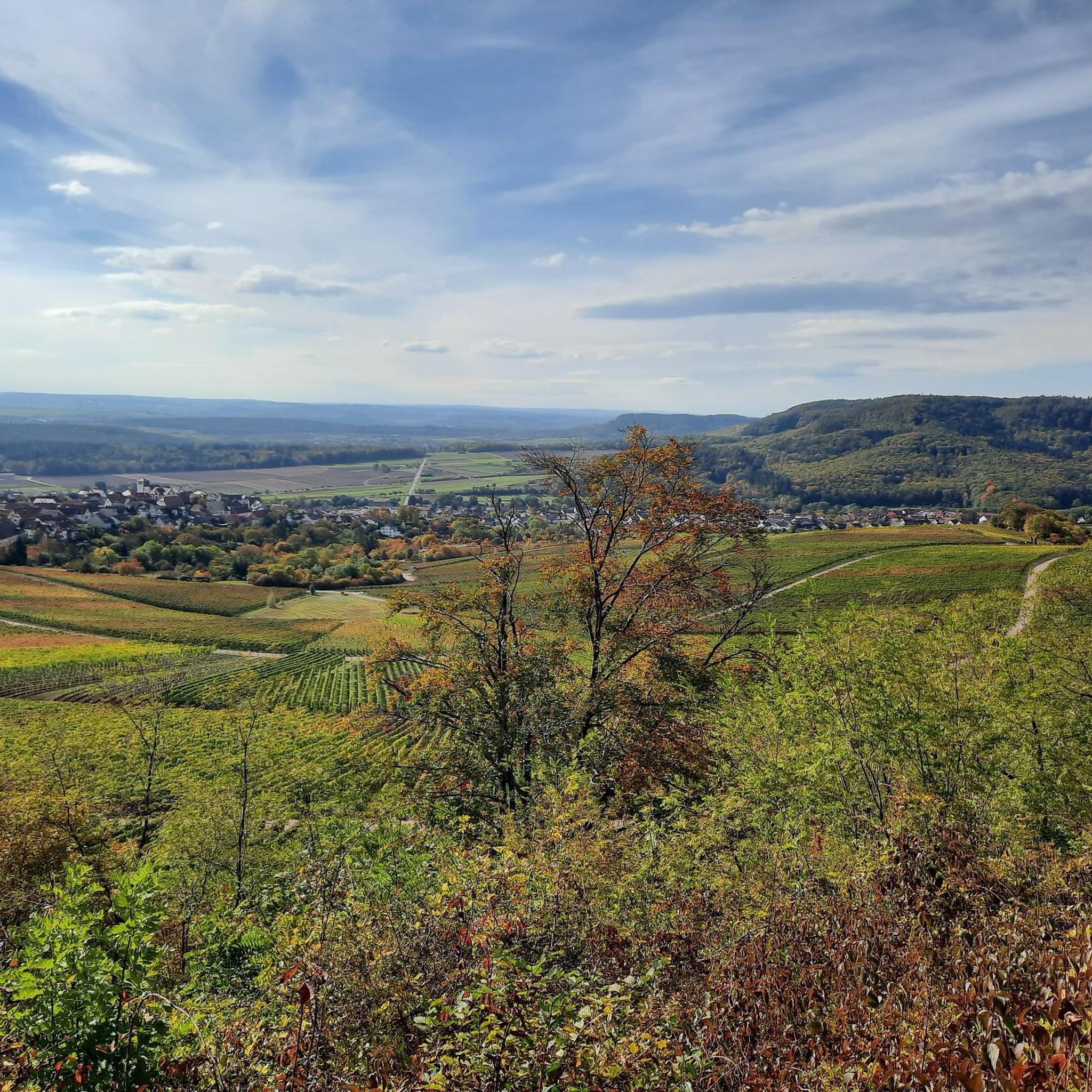
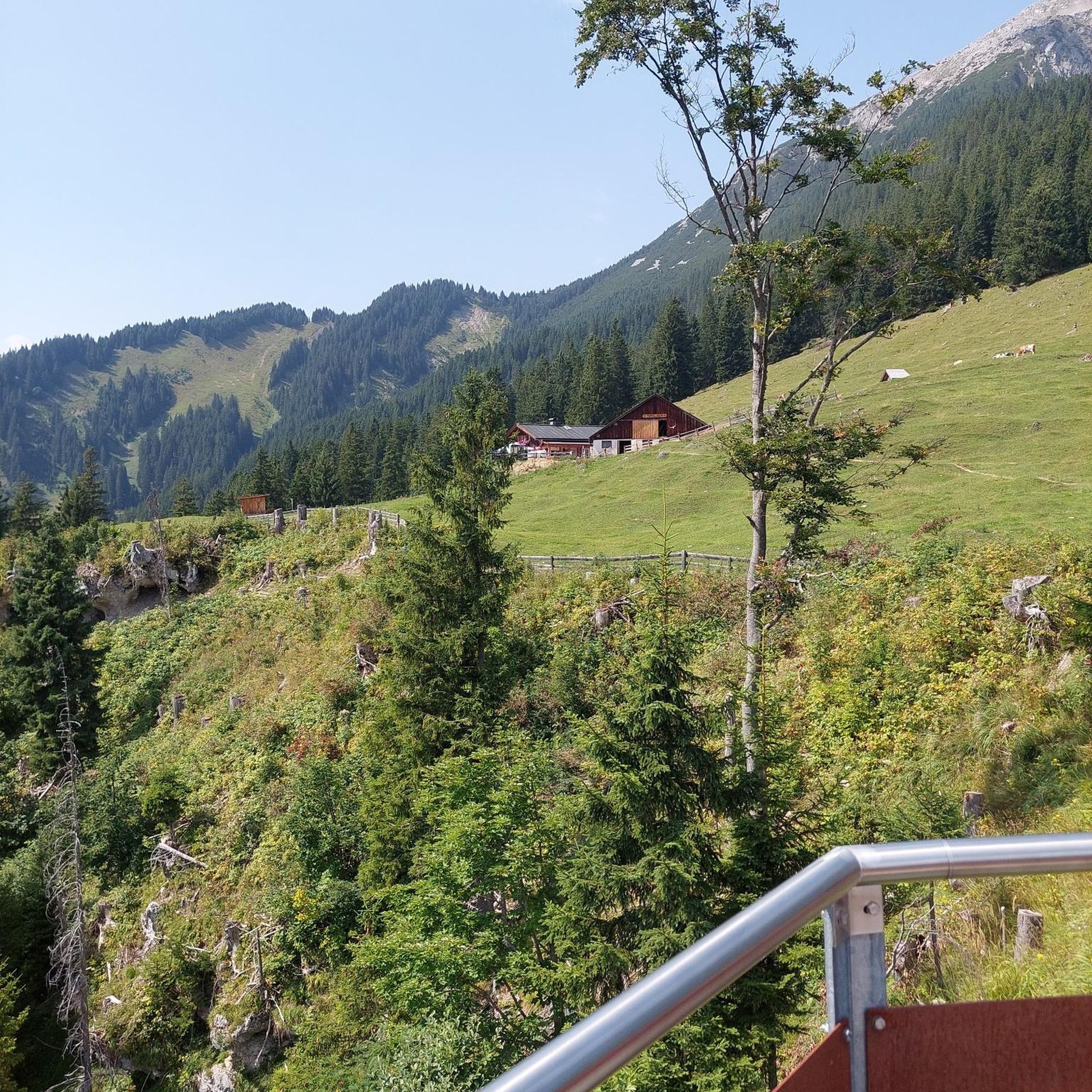
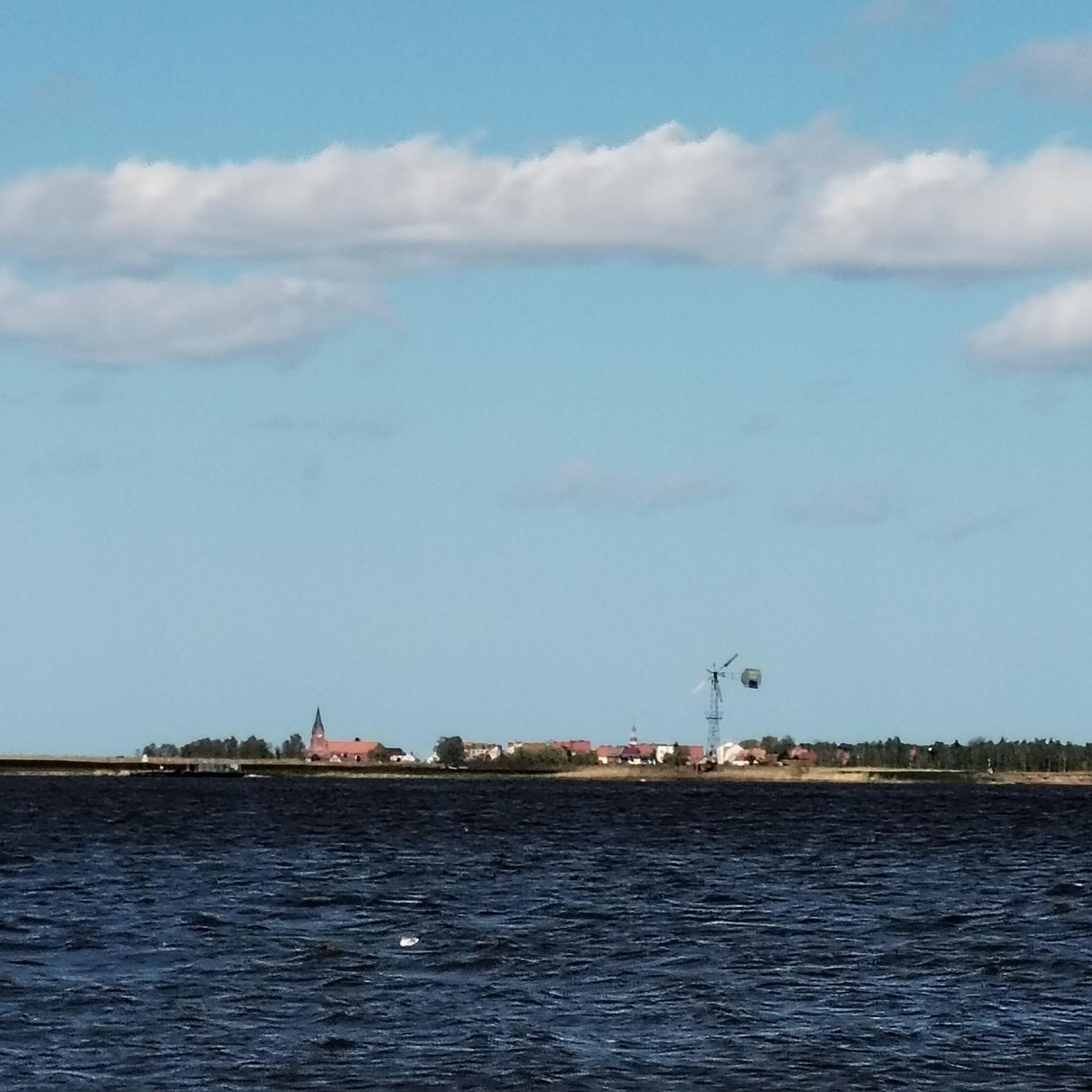
Tips from the Community

The Desnos Tower is a medieval defensive tower dating back to the early 15th century. It is one of the few remaining towers of the northern city wall and was originally part of the fortifications of the "Bourg-Neuf," the newer district above the castle. It probably owes its name to Colin Desnos, a citizen of the city on whose land the tower was built. Over the centuries, the Desnos Tower served various purposes: initially for defense, later as a prison, and in the 19th century as part of a shoe factory.
1
0
The cadastral records of the Château Fort de Fougères mention two towers—the Tour Raoul and the Tour Surienne (also called "tour de Surienne")—dated between 1480 and 1485. The tower was part of the fortifications that were reinforced or rebuilt in the 15th century.
1
0

The Tour Surienne was named after Françoise de Surienne. In March 1449, in the midst of a truce between France and England, François de Surienne, a Spanish mercenary in the pay of the English, attacked in the dead of night with his 600 men. The inhabitants were slaughtered and the city plundered. In 1450, Surienne settled there and entrenched himself. Only after a two-month siege by Francis I, Duke of Brittany, who was aided by a plague epidemic, did Surienne surrender.
0
0
The largest fortress in Europe, the castle of Fougères stands on a rocky outcrop surrounded by marshland. The first castle of Fougères was built around the turn of the millennium to defend the north-eastern part of the border area of the Duchy of Brittany. Built at the crossroads of important trade routes, this primitive fortress had the main objective of monitoring the powerful neighbors and preventing their raids on Breton lands. To the north, Normandy belonged to the kings of England at the time.
4
1

Park closed to bicycles, but there is a rack just in front of the entrance. Refreshment bar in the park that opens at the end of the day. Public toilets present in the park.
0
0

The tower of the Château de Fougères.
2
0

This once famous abbey is now in ruins. Built in the 12th century, enough remains for you to get an idea of what the abbey would have been like. Note the wall of the Cloister and the Porte Saint-Louis.
3
0

Magnificent castle in a good state of preservation. A visit is essential. The guide is a plus at no extra cost.👍
3
0
Frequently Asked Questions
What are the most significant castles to visit near La Bazouge-Du-Désert?
While La Bazouge-Du-Désert itself doesn't have prominent standing castles, the surrounding region offers several impressive historical sites. The most notable is Fougères Castle, one of France's largest medieval fortresses, located about 12 kilometers away. Other significant castles include Château de Vitré, known as one of France's most beautiful citadels, and Château de Combourg, famous as the childhood home of writer Chateaubriand.
Are there any family-friendly castles or activities for kids near La Bazouge-Du-Désert?
Yes, Fougères Castle is an excellent choice for families. Its vast medieval defenses, towering walls, and moats offer an immersive historical experience that can captivate children. Exploring its 13 towers and imagining life in a medieval fortress provides an engaging activity. Additionally, the public garden in Fougères offers a panoramic view and facilities, which can be a pleasant stop for families.
What historical facts are most interesting about the castles in this region?
The castles near La Bazouge-Du-Désert are rich in history, often serving strategic military purposes. Fougères Castle, for instance, is a 1000-year-old stronghold deeply intertwined with Breton and European events, built to defend against attacks from Normandy. The Tour Desnos in Fougères, dating back to the early 15th century, was part of the city's northern wall and later served as a prison and part of a shoe factory, showcasing its varied past.
What is the best time of year to visit the castles around La Bazouge-Du-Désert?
The best time to visit is generally during the spring (April-June) and autumn (September-October) when the weather is mild and the crowds are smaller. Summer (July-August) offers longer opening hours and often more events, but can be busier. While some castles might have limited access or hours in winter, major sites like Fougères Castle are typically open year-round, though it's always best to check specific opening times before your visit.
Are there any castles near La Bazouge-Du-Désert with notable gardens?
Yes, the Château de la Ballue in Bazouges-la-Pérouse is renowned for its outstanding gardens. This 17th-century castle, a listed historic monument, features exquisite topiary art, terraced geometric patterns, yews, and a plant labyrinth. It offers a beautiful blend of history and horticulture, providing a different kind of castle experience.
What outdoor activities can I do near these castles?
The region around La Bazouge-Du-Désert offers various outdoor activities. You can find numerous routes for gravel biking, hiking, and mountain biking. For example, near Fougères, you can explore routes like the 'Fougères–Vitré Greenway' for gravel biking or the 'Landéan Cellar' loop for hiking. These activities allow you to combine castle visits with exploring the natural landscape.
Are there guided tours available for the castles in the area?
Many of the larger castles, such as Fougères Castle, offer guided tours, especially during peak season, to provide deeper insights into their history and architecture. It's recommended to check the official websites of individual castles for their tour schedules and booking information, as availability can vary.
What do visitors enjoy most about the castles around La Bazouge-Du-Désert?
Visitors frequently praise the impressive scale and preservation of the medieval fortresses, particularly Fougères Castle. They appreciate the opportunity to explore the towers, walk the ramparts, and enjoy the superb views of the surrounding towns and landscapes. The historical significance and the immersive experience of stepping back in time are often highlighted in visitor feedback.
Are there any accessible castles for wheelchairs near La Bazouge-Du-Désert?
Accessibility can vary significantly between historical sites. While some parts of medieval castles, with their uneven terrain, stairs, and narrow passages, may present challenges, many modern visitor centers and ground-level areas are often accessible. It is advisable to contact specific castles like Fougères Castle directly or check their official websites for detailed information on wheelchair accessibility before planning your visit.
Can I find cafes or refreshments near the castles?
Yes, in the towns surrounding the major castles, such as Fougères and Vitré, you will find various cafes, restaurants, and shops. For example, near the public garden offering panoramic views of Fougères Castle, there is a refreshment bar that opens in the late afternoon. It's always a good idea to check local listings for specific opening hours.
How long should I plan for a visit to a castle in this region?
For a comprehensive visit to a major site like Fougères Castle, you should plan for at least 2-3 hours to explore the ramparts, towers, and any exhibitions. If you wish to combine it with exploring the surrounding town or gardens, a half-day or full-day trip would be more appropriate. Smaller sites or ruins might require less time, around 1-2 hours.
Most popular routes around La Bazouge-Du-Désert
Most popular attractions around La Bazouge-Du-Désert

Get inspired with the komoot mobile app


Explore more
Looking for the best castles somewhere else? Discover other guides around La Bazouge-Du-Désert:
