Top 4 Castles around Albas
Castles around Albas, a village in the Lot valley of southern France, offer insights into the region's historical past and architectural heritage. The area is characterized by its picturesque setting, with structures ranging from medieval ruins to 19th-century neo-classical castles. These historical sites are often nestled amidst vineyards and natural landscapes, providing scenic views. The Lot River, a prominent geographic feature, flows through the region, enhancing the natural beauty surrounding these historical landmarks.
Best castles around Albas
- The most popular…
Last updated: October 8, 2026
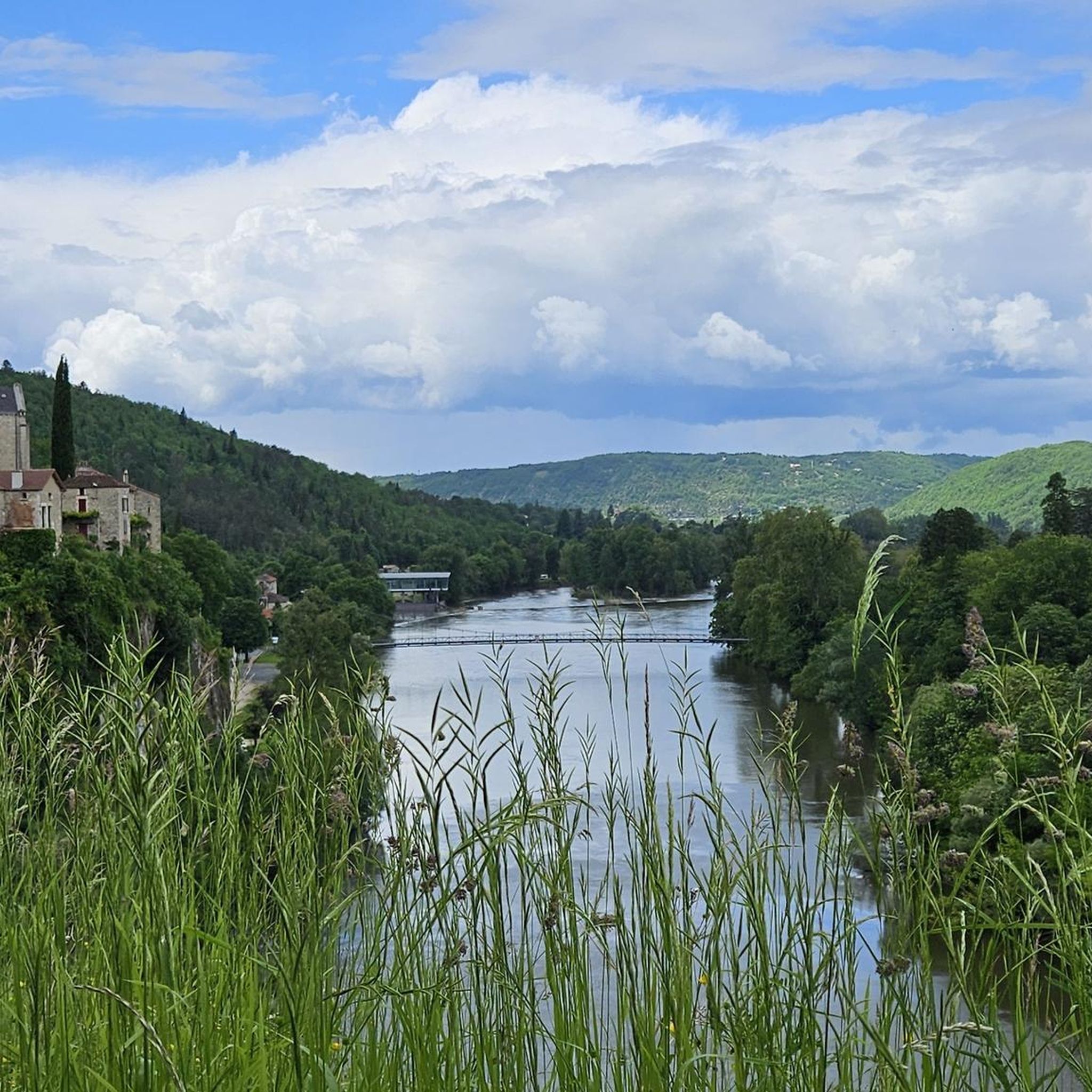
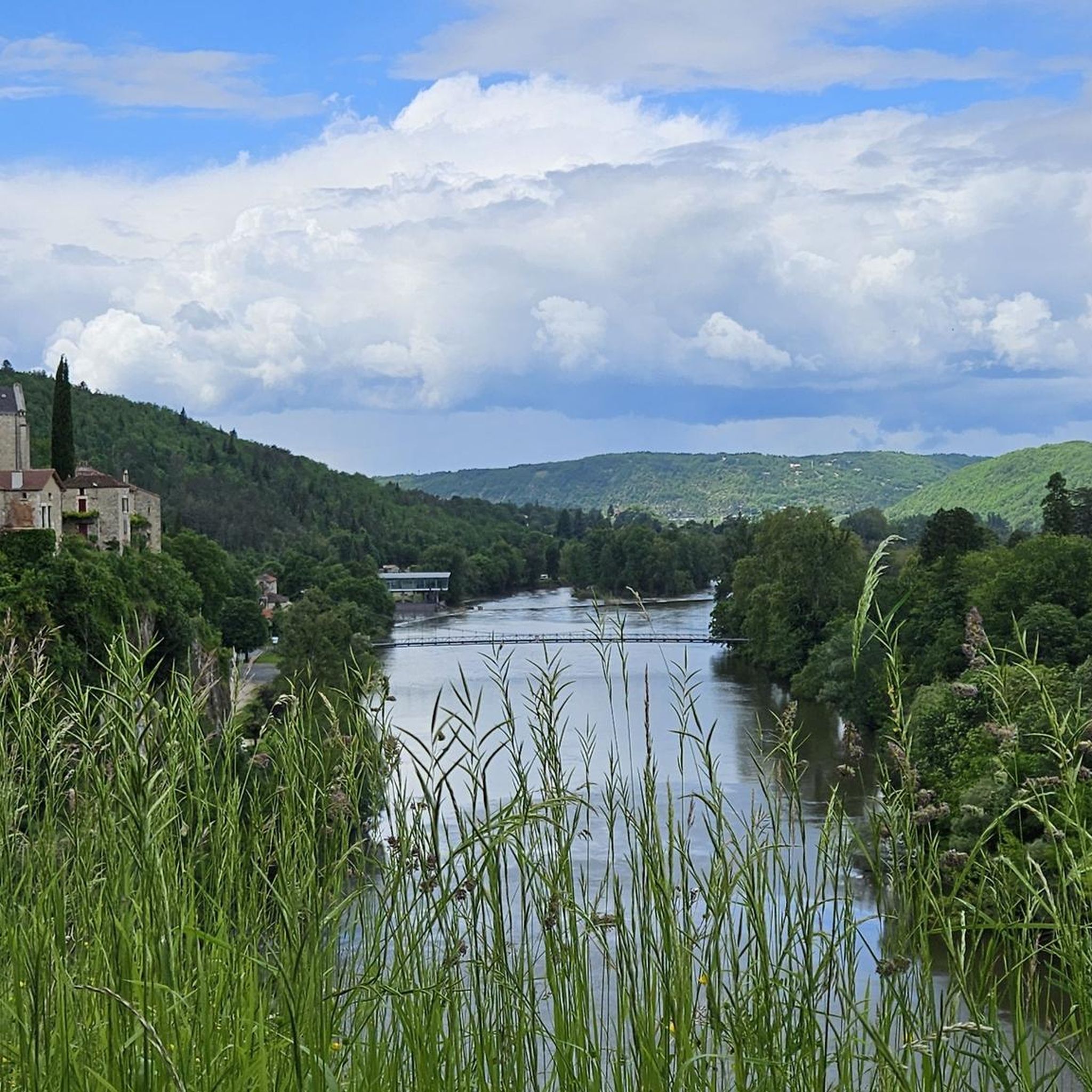
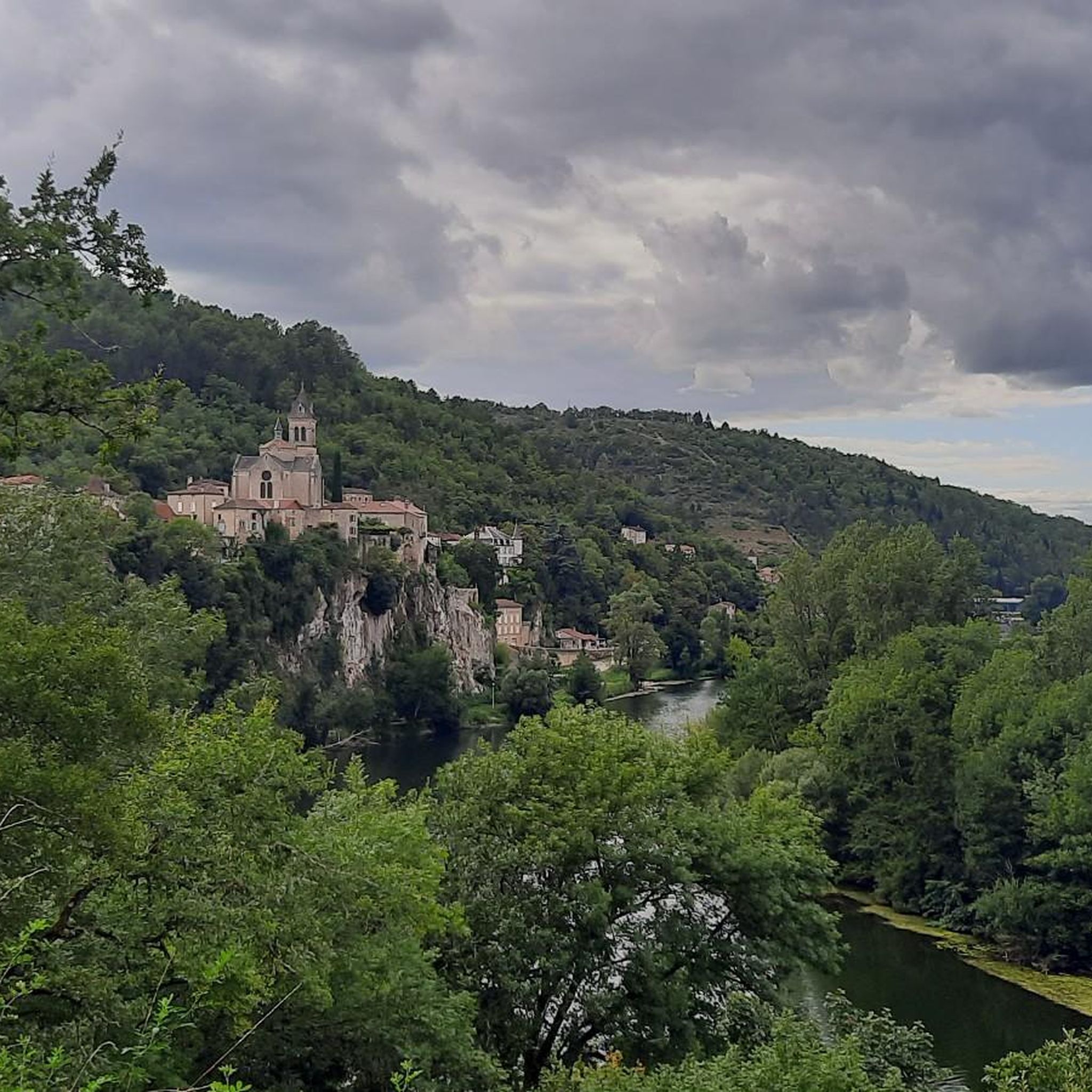
View of the Lot River and Douelle Castle
Highlight • Viewpoint
Translated by Google •
Tip by

Château de La Coste
Highlight • Castle
Translated by Google •
Tip by

Sign up now to discover places like this
Get recommendations on the best single tracks, peaks, & plenty of other exciting outdoor places.
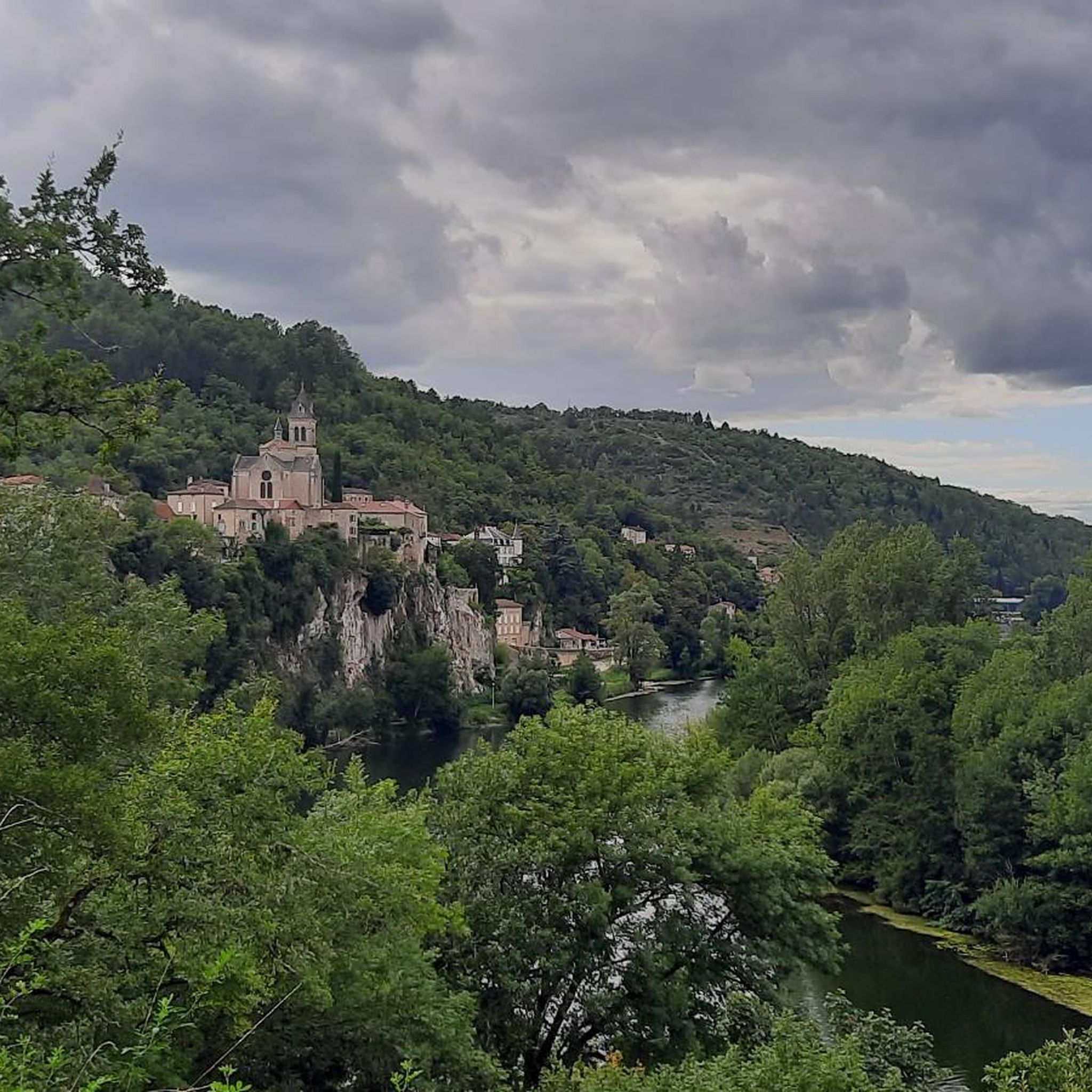
Puy-l'Évêque Castle
Highlight • Castle
Translated by Google •
Tip by
View of the Tour de l'Impernal
Highlight • Viewpoint
Translated by Google •
Tip by

Château de Cayx
Highlight • Castle
Translated by Google •
Tip by

Start today with a free account
Your next adventure awaits.
Tips from the Community

The green way and cycle route of the Lot Valley (V86) is a large and secure cycle route that stretches for about 430 to 480 km, connecting La Canourgue in Lozère to Aiguillon in Lot-et-Garonne. The route follows the meanders of the Lot river through varied landscapes of limestone cliffs, vineyards, orchards, and causses.
0
0
The medieval Tower of Luzech: This 24-meter-high rectangular keep dominates the medieval castrum. Built by the bishop of Cahors, Guillaume de Cardaillac, in the 13th century, the building is the subject of a major restoration program supported by the Fondation du patrimoine to secure its structure and allow its reopening to the public.
0
0

What a wonderful department to cycle through.
0
0

At the foot of the castle, impressive!!!
0
0

The Lot is a magnificent river. It's always nice to go hiking alongside it!
0
0

As you explore the picturesque Lot Valley region, you’ll discover the beautiful riverside scenery around Douelle. This charming town nestles on the banks of the River Lot, offering gentle trails that wind through vineyards, forests and along the river’s edge.
0
0

Even though the castle is privately owned by the Danish Queen Margaret and cannot be visited, the wine produced is delicious and not overpriced. It was fun to drink it
0
0

old city with hanging gardens and very old center
0
0
Frequently Asked Questions
What types of castles can I explore around Albas?
The Albas region offers a mix of historical castle ruins and more recent architectural gems. You can find medieval fortifications like the 13th-century Château d'Albas, which was once a fortified citadel, alongside 19th-century neo-classical structures such as Château de la Blainie and Château du Port. There are also picturesque castles like Château de La Coste, nestled amidst vineyards and chestnut trees.
Are there any family-friendly castles or sites near Albas?
Yes, several spots are suitable for families. The area around the View of the Lot River and Douelle Castle is noted as family-friendly, offering gentle trails along the river. Château de La Coste, with its scenic surroundings, also makes for a pleasant family visit.
Can I visit the Château d'Albas?
The Château d'Albas, dating back to the 13th century, is largely in ruins today. While you can observe its historical significance and see vestiges like two monumental gateways, it is not a fully preserved castle open for tours in the traditional sense. Its importance lies in its past as a fortified stronghold and residence of the bishops of Cahors.
What outdoor activities can I combine with a castle visit near Albas?
The region around Albas is excellent for outdoor activities. You can find numerous hiking trails, including easy loops like the 'Albas and Croix de Girard Loop'. There are also running routes and gravel biking tours that pass by scenic viewpoints and historical sites, allowing you to explore the natural beauty alongside the castles.
Are there any castles with notable viewpoints in the Albas area?
Yes, the region offers several excellent viewpoints. The View of the Lot River and Douelle Castle provides beautiful riverside scenery. Additionally, the Château de la Blainie, due to its elevated position on a rocky outcrop, offers scenic views of the village and the Lot River. The Tuscan Garden below the former bishop's palace in Albas also provides breathtaking views of the Lot Valley, encompassing historical buildings.
What is special about Puy-l'Évêque Castle?
Puy-l'Évêque Castle is more akin to a historic house, featuring a distinctive round tower with a curious peak. It is part of an old city known for its hanging gardens and very ancient center, offering a glimpse into the region's rich history and unique architecture.
Can I visit Château de Cayx?
Château de Cayx is privately owned by the Danish Queen Margrethe and is not open for public visits. However, the wine produced at the estate is highly regarded and available for purchase, offering a taste of its heritage.
Are there any castles near Albas that are particularly picturesque or integrated with nature?
Château de La Coste is described as a very beautiful castle with a square construction, bordered by vines and surrounded by chestnut trees, making it a picturesque location that blends historical architecture with the natural landscape. The ruins of Château d'Albas also offer a tangible connection to the medieval period amidst the Lot Valley scenery.
What is the best time of year to visit the castles around Albas?
The Lot Valley, where Albas is located, is beautiful throughout much of the year. Spring and autumn offer pleasant temperatures for exploring and hiking, with vibrant foliage or blooming landscapes. Summer is also popular, though it can be warmer. Visiting during these seasons allows for comfortable outdoor exploration of the castle ruins and surrounding natural areas.
Are there any castles in the area that are not widely known but worth exploring?
While not 'hidden' in the sense of being unknown, the various castles and historical structures around Albas, such as the ruins of Château d'Albas and the 19th-century Château du Port, offer unique insights into the region's past beyond the more prominent sites. Exploring the village of Albas itself and its surroundings will reveal these historical gems.
What kind of historical significance do the castles in Albas hold?
The castles around Albas are deeply rooted in the region's history. The 13th-century Château d'Albas was a fortified citadel and residence for the bishops of Cahors, playing a crucial role in medieval times. Later structures like Château de la Blainie and Château du Port reflect 19th-century architectural styles and the influence of notable figures like Étienne Pagès, an Inspector of Armies under the Second Empire.
Can I find cafes or refreshments near the castles in the Albas region?
Albas is a charming village, and while specific cafes directly adjacent to every castle ruin might not be available, you can find options within the village itself. Many of the castles are located within or very close to villages where local establishments offer refreshments. It's always a good idea to check local listings or plan your visit to include a stop in a nearby town for amenities.
Most popular attractions around Albas

Get inspired with the komoot mobile app


Explore more
Looking for the best castles somewhere else? Discover other guides around Albas:
