Top 8 Castles around Le Ban-Saint-Martin
Best castles around Le Ban-Saint-Martin are situated in the Moselle department of France, a region known for its historical significance and proximity to the city of Metz. While the commune itself features notable historical sites like Château Lasalle, a protected historical monument, it is not open to the public. The surrounding area offers a rich tapestry of historical fortifications and architectural landmarks, reflecting its strategic past. Visitors can explore various historical sites that showcase the region's diverse heritage.
Best castles…
Last updated: July 5, 2026
Porte des Allemands and Metz Cathedral
Highlight • Historical Site
Translated by Google •
Tip by

Porte des Allemands
Highlight • Historical Site
Translated by Google •
Tip by

Sign up now to discover places like this
Get recommendations on the best single tracks, peaks, & plenty of other exciting outdoor places.
Sign up for free
Fort Saint-Quentin
Highlight (Segment) • Historical Site
Tip by

Fort de Queuleu
Highlight (Segment) • Historical Site
Translated by Google •
Tip by

Governor's Palace
Highlight • Historical Site
Translated by Google •
Tip by

Sign up for free to discover even more castles around Le Ban-Saint-Martin.
Sign up for free
Already have an account?
Start today with a free account
Your next adventure awaits.
Login or Signup
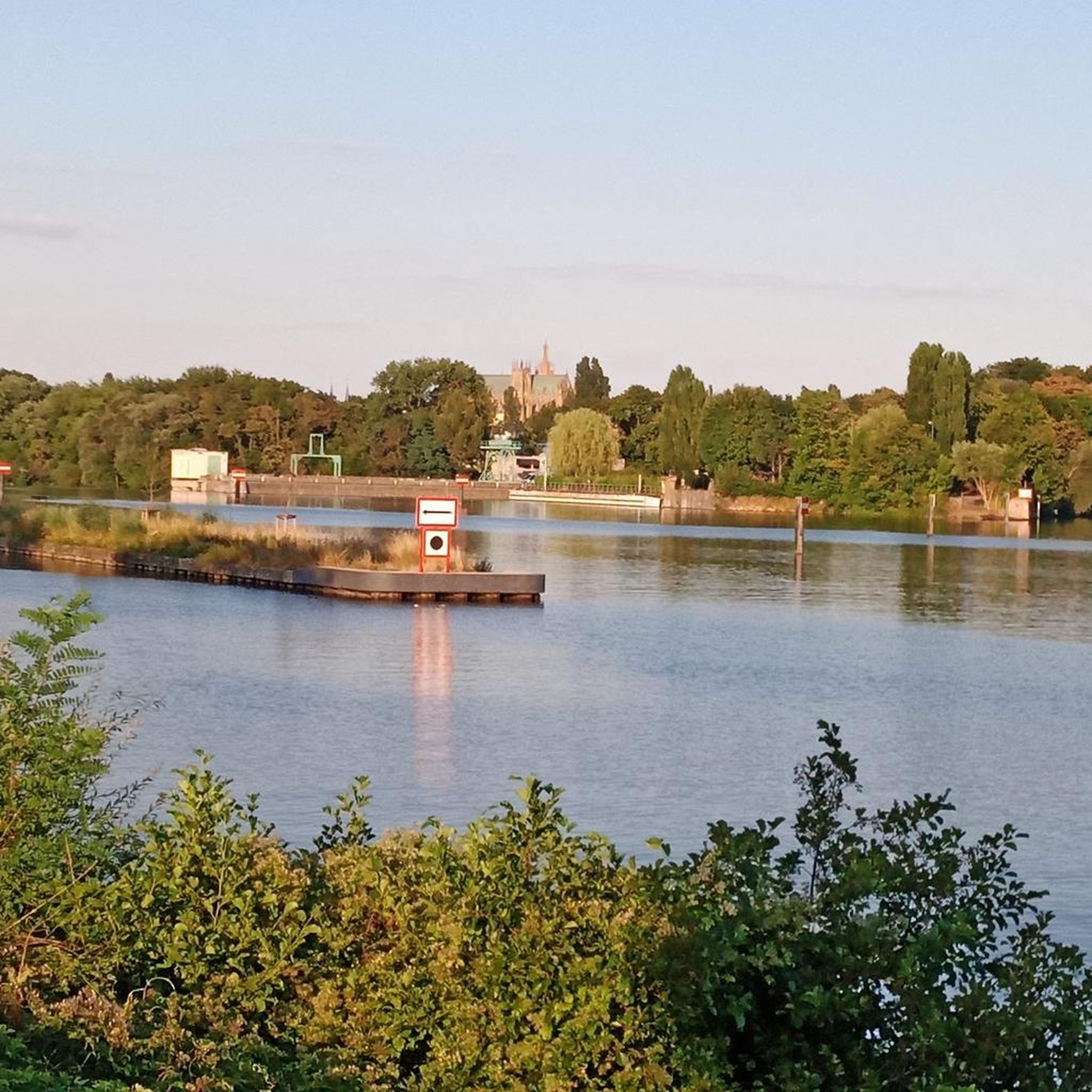
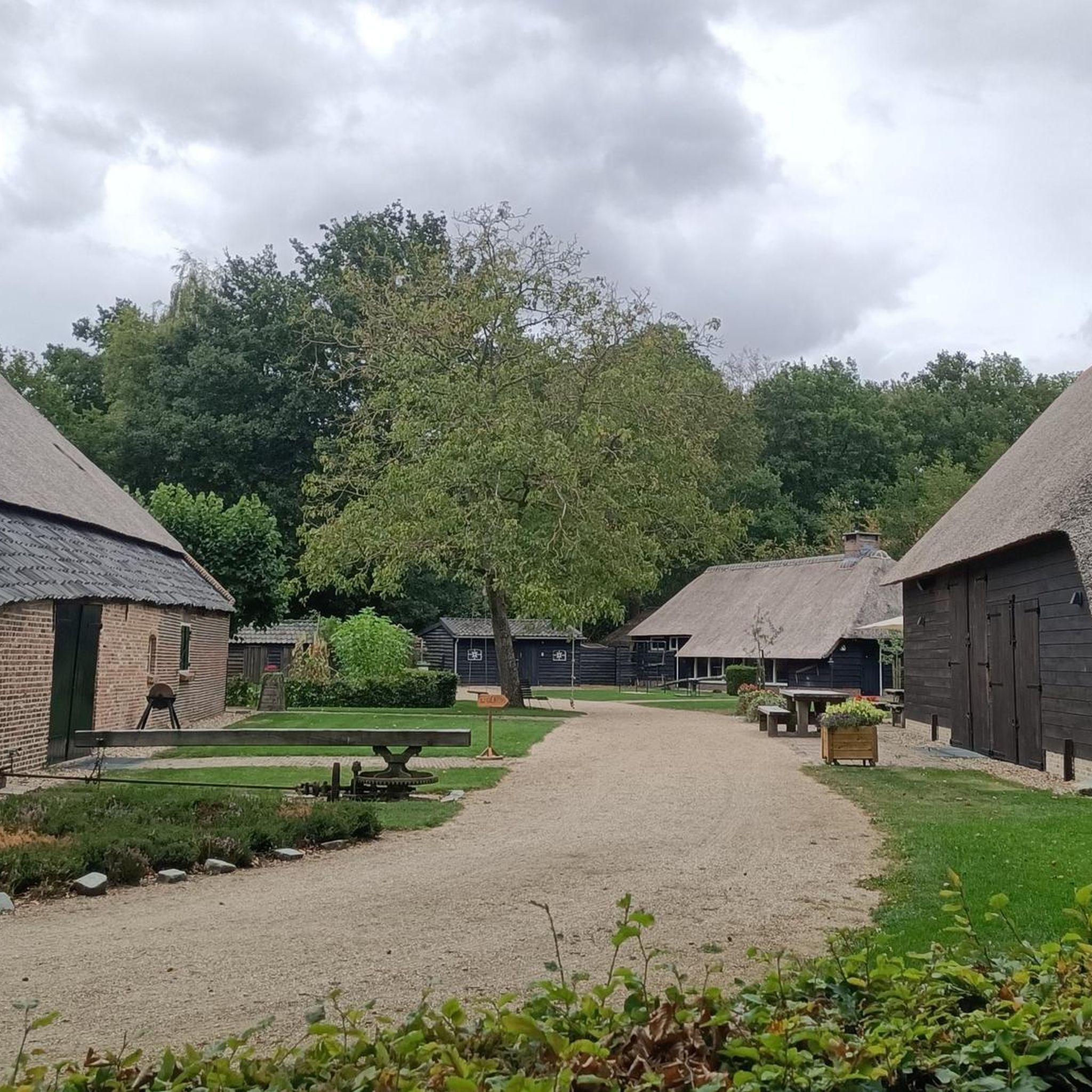
Tips from the Community

The former palace of the commander of the 16th German Army Corps was built between 1902 and 1904 in the German Neo-Renaissance style. The palace is characteristic of historicism in the architecture of that time. It can be visited together with the park on the European Heritage Days. tourisme-metz.com
0
0

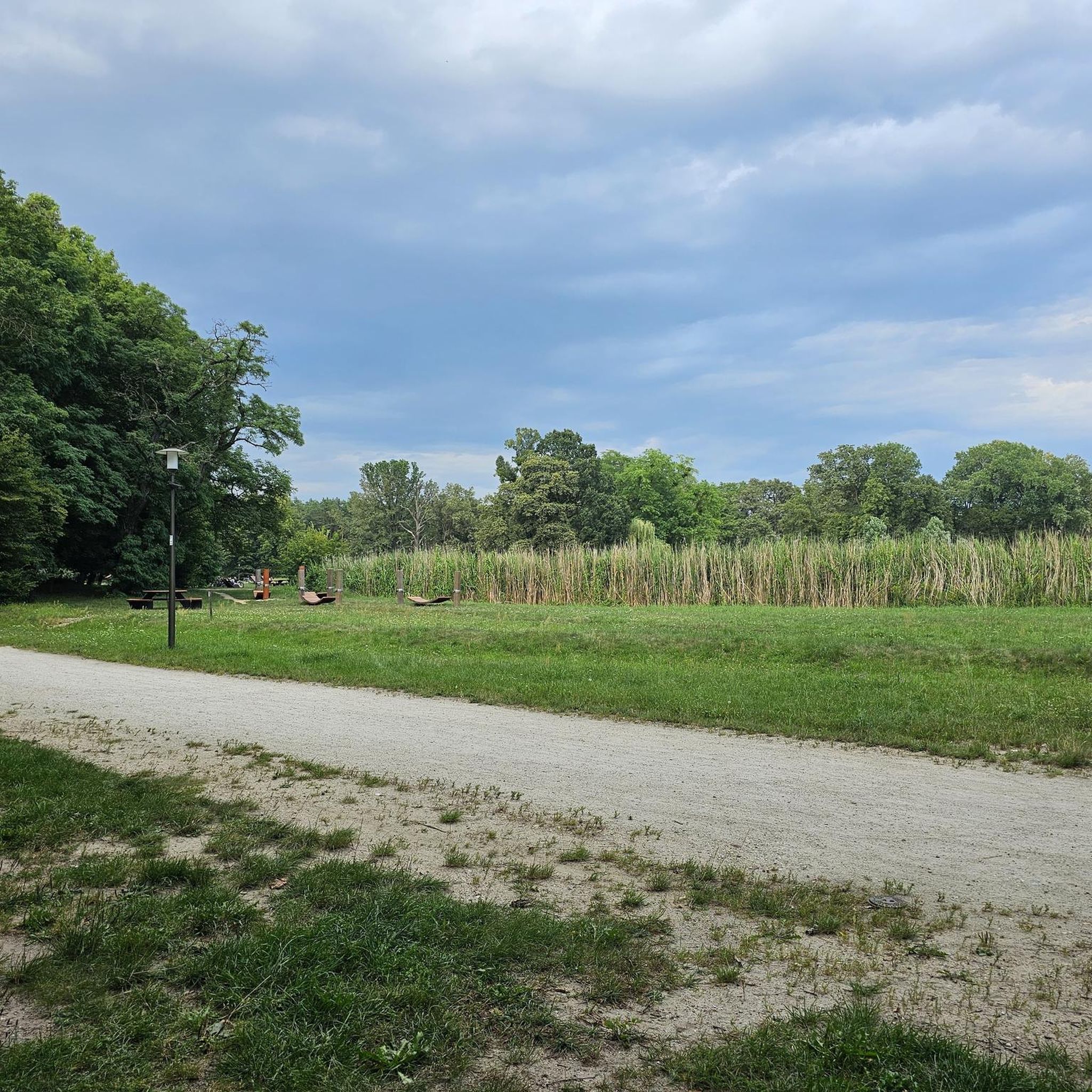
The fort is still maintained as a historical memorial. The inner fortress is actually more of a small park - with playgrounds and picnic areas. The still recognizable building ruins serve as a refuge for bats. The very extensive area around it is surrounded by hiking trails, the fortress walls and, above all, the deep defensive ditch are always present.
2
0

Of the original 17 city gates, only the German Gate in the east remains. Named after the former hospital of the Teutonic Order, which stood nearby, it was built as an entrance to the city on a bridge over the Seuille River. A medieval structure straight out of a picture book.
6
1

Always worth a bike tour! In the old town area, however, you should keep an eye on the ground. The cobblestones are very rough in places and have deep, wide cracks.
1
0

beautiful walk starting from the Col de Lessy
1
0

Impressive and well-preserved gate of the medieval city fortifications on the Seille.
6
0
Impressive and aesthetic building in its strict symmetry.
3
0
Frequently Asked Questions
What historical sites and castles can I visit around Le Ban-Saint-Martin?
While Château Lasalle in Le Ban-Saint-Martin is a significant historical monument, it is not open to the public. However, the nearby city of Metz offers a rich array of historical sites. You can explore the architectural diversity of Porte des Allemands and Metz Cathedral, visit the fortifications of Fort Saint-Quentin, or discover the historical significance of Fort Queuleu. Metz also features numerous other historic landmarks.
Are there any family-friendly castles or historical sites in the area?
Yes, several historical sites around Le Ban-Saint-Martin are considered family-friendly. Historic landmarks in Metz are generally suitable for families, offering a variety of sights to discover. Additionally, Fort Queuleu is also listed as family-friendly, providing an interesting historical experience among the trees.
What outdoor activities can I do near these castles?
The region around Le Ban-Saint-Martin offers various outdoor activities. You can find numerous hiking trails, including routes like the 'Interesting facade – Fort Giraudon loop from Metz' or the 'Mount Saint-Quentin – Tourist route loop from Metz'. For cyclists, there are gravel biking routes and MTB trails, such as the 'Cycle path along the Moselle' or the 'Botanical trail – Blocaus plappeville loop'.
Can I visit Château Lasalle in Le Ban-Saint-Martin?
While Château Lasalle is a historically significant site in Le Ban-Saint-Martin, it is currently owned by an association and is not open to the public for visits. Its historical and architectural value is notable, but it cannot be actively toured by tourists.
What is the best time of year to visit the castles and historical sites?
The region around Le Ban-Saint-Martin, including Metz, is enjoyable throughout much of the year. Spring and autumn offer pleasant weather for exploring historical sites and engaging in outdoor activities like hiking and biking. Summer is also popular, though it can be warmer. Winter visits are possible, especially for indoor attractions, but some outdoor activities might be limited by weather conditions.
Are there any less crowded or 'hidden gem' historical sites to explore?
While the main highlights like Metz Cathedral and Fort Saint-Quentin are popular, exploring the broader area of Metz can reveal less crowded spots. The various fortifications forming the first fortified belt around Metz, beyond the most well-known, might offer a quieter experience. For instance, the tips for Fort Queuleu mention its 'mystical quality among the trees,' suggesting a more atmospheric and potentially less bustling visit.
What do visitors enjoy most about the historical sites near Le Ban-Saint-Martin?
Visitors frequently appreciate the rich history and architectural diversity of the region. The blend of German and French influences in places like Porte des Allemands and Metz Cathedral is a particular highlight. Many enjoy strolling through the beautiful old town centers, exploring the gothic architecture, and discovering the numerous historical buildings and fortifications that tell the story of centuries of regional history.
Are there any castles or historical sites that are dog-friendly?
Specific information on dog-friendliness for each historical site is not always explicitly stated. However, outdoor areas around fortifications like Fort Saint-Quentin or Fort Queuleu, which are often set in natural surroundings, may allow dogs on leashes in their exterior grounds. It's always best to check directly with the specific site before visiting with your dog.
What is the history behind the fortifications around Metz, such as Fort Saint-Quentin?
The fortifications around Metz, including Fort Saint-Quentin and Fort Queuleu, have a deep history tied to the strategic importance of Metz. Many were part of the first fortified belt designed during the Second French Empire by Napoléon III, with some dating back to the 1860s. They were later improved by the Germans during periods of annexation and played significant roles in conflicts like the Franco-Prussian War and World War II, serving various purposes including internment camps.
Are there any cafes or restaurants near the historical sites?
Yes, especially in Metz, which is very close to Le Ban-Saint-Martin. The city center of Metz, where sites like Porte des Allemands and Metz Cathedral are located, is full of nice terraces and restaurants. You'll find plenty of options for refreshments and meals within walking distance of the major historical landmarks.
How long does it typically take to visit these castles and historical sites?
The duration of a visit varies greatly depending on the site. For a comprehensive site like Porte des Allemands and Metz Cathedral, you could easily spend a few hours exploring the cathedral, the old town, and the gate. Fortifications like Fort Saint-Quentin or Fort Queuleu might take 1-2 hours to walk around and explore their grounds. If you plan to visit multiple sites, consider dedicating a full day or more to the Metz area.
What is the significance of Mercy Castle?
Mercy Castle, erected in 1905, is significant for its architectural style. It was built in a distinctly French style as a response to the architectural shifts occurring in the region under German occupation, serving as a form of architectural resistance. While it was once a breathtaking gem, it has undergone changes and was reportedly sold in 2021 for refurbishment into residential and commercial units.
Most popular routes around Le Ban-Saint-Martin
Most popular attractions around Le Ban-Saint-Martin

Get inspired with the komoot mobile app


Explore more
Looking for the best castles somewhere else? Discover other guides around Le Ban-Saint-Martin:
