Top 4 Castles around Île-D'Aix
Best castles around Île-D'Aix are primarily military fortifications that played a crucial role in protecting the French Atlantic coast. This crescent-shaped island, located off the west coast of France, is characterized by its strategic defensive structures rather than traditional castles. These historical sites, spanning from the 17th to the 19th centuries, offer insight into the island's military heritage. The absence of cars on the island contributes to a peaceful atmosphere for exploring these historic sites.
Best castles around Île-D'Aix
- The…
Last updated: October 8, 2026
Fort de Fouras
Highlight • Castle
Tip by

Fort Vauban
Highlight • Castle
Translated by Google •
Tip by

Sign up now to discover places like this
Get recommendations on the best single tracks, peaks, & plenty of other exciting outdoor places.
Fort Liédot
Highlight • Historical Site
Translated by Google •
Tip by

Château du Bois-Vert
Highlight • Castle
Tip by
Start today with a free account
Your next adventure awaits.

Tips from the Community

Admission is subject to a fee. The fee is used to preserve the fort. A historical monument with a worthwhile website: https://www.fortliedot.com/
1
0

Animated projections (atmosphere, life and seabed) on the walls of some rooms of the fort. Visit of a part of the patrol path and the casemates. History of Fort Lierot and Fort Boyard.
0
0

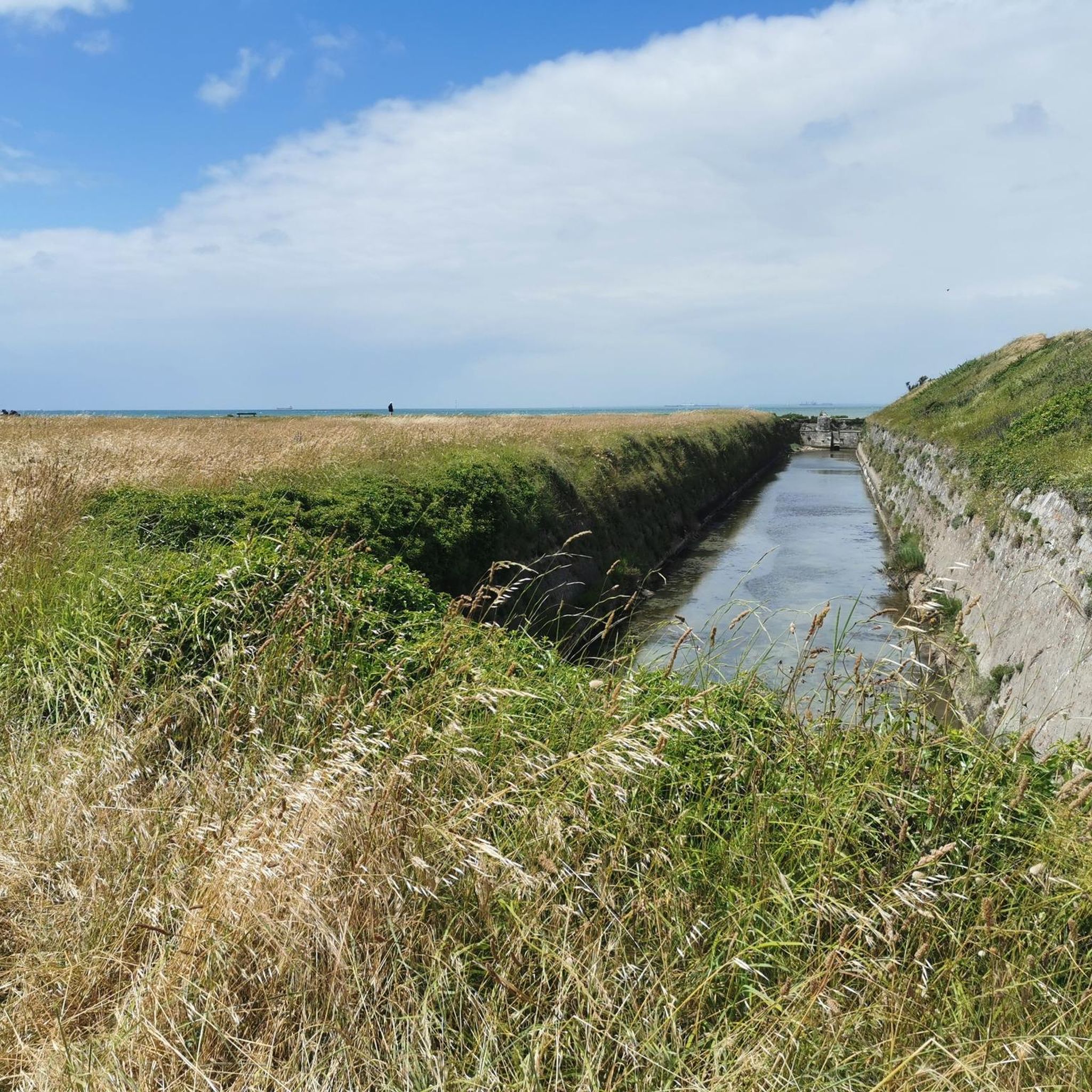
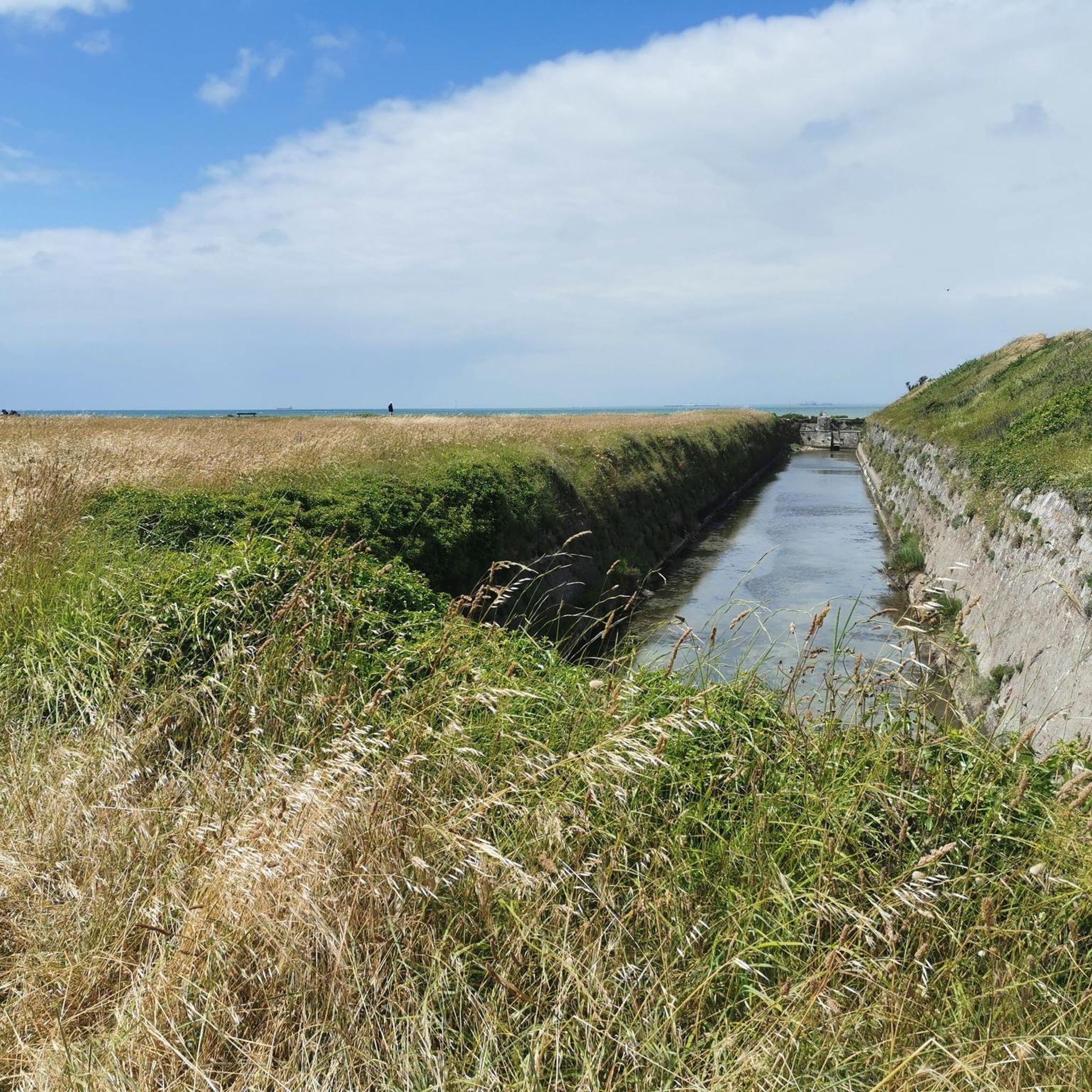
Fort Liédot, nestled in the heart of the forest on the island of Aix, is a bastion of French history. Originally designed to be an impregnable fortress on the orders of Napoleon I, it was built between 1810 and 1834 and served many functions over the years, from coastal defense to political prison. Today, it is a place of memory and discovery, open to visitors who can explore its galleries and learn more about its fascinating past. With guided tours available, it's an invitation to travel through time to a place where art and history meet.
0
0

Overlooking the Grande Plage of Fouras-les-Bains, you cannot miss this gigantic structure: Fort Vauban. From the 11th century, the castellany of Fouras owed its growth to the taxes that the lords of Rochefort levied on boats using the Charente. In the 15th century, in place of the castle, destroyed during the War of Religion, a 30 meter high keep was built to monitor the sea from the top of its terrace. It was during the construction of the Rochefort Arsenal that the keep became the fort we know today. It then becomes a centerpiece of the defense system of the approaches to the Charente in order to prevent entry towards Rochefort.
0
0

Fort Fouras was actually built on the site of a Roman castle. Its purpose is to defend the mouth of the river against invasions. It was in service and actively occupied and used until 1927.
2
0
Built by order of Napoleon I, it began to be built in 1810 and construction took 24 years. It is built on the highest point of the island, just 9 meters above sea level. It was initially intended for defense but was also used as a prison and as a holiday camp for soldiers of the French army. The stone used to build the fort came from quarries in the town of Crazannes.
4
0

This building is improperly called "Fort Vauban" by tourist brochures, while the construction of the original citadel is much earlier than the modification carried out by Vauban. The mouth of the Charente was a strategic site at all times. In Roman times the site of Fouras was on an island and around 58 BC a Roman castrum called “Caesar’s Castle” occupied the site. In the 11th century, the châtellenie of Fouras legally returned to the Rochefort family who obtained the rights to exercise high, medium and low justice, and to tax (toll) boats using the river. In 1305, Philippe le Bel bought Fouras and attached him to the crown, then again conceded this stronghold which would change lord several times, until Jehan II de Brosse, lord of L'Aigle in 1449 (1454?), Who had built the keep from 1480 to 1490. It was the end of the Hundred Years War. During the wars of religion, the strategic position of Fouras allowed him to escape the destruction ordered by Louis XIII for all the strongholds after the capture of La Rochelle. He made it a royal fortress. During the Dutch War (1672 to 1678), Fouras protected the arsenal of Rochefort built in 1666 by defending the mouth of the Charente. From 1689 to 1693, under the supervision of Vauban, François Ferry, engineer of Louis XIV, transformed the old feudal residence into a "fort by the sea". It thickens the walls of the keep and creates, 36 m above the sea, a firing platform for 9 cannons. He reinforced the medieval rampart and gained the sea by building a false braie intended to carry the bulk of the cannons. In 1705 Ferry had barracks built on the current parking lot. It housed the garrison and served as a rampart for the keep. The fort will be equipped with 50 cannons spread over 3 levels of fire: the false braie, the courtyard and the top of the keep, and will have a garrison of 300 to 600 men. Its shape is reminiscent of a warship: the horseshoe structure at the front (bow), the high medieval courtyard (upper deck), the keep (mast) and the ramparts (bridge). Fort de Fouras did not fire a shot, even during the two British attacks on the harbor, in 1757 and 1809. It would remain in service until the arsenal was closed in 1927. The fort and the citadel were classified as a historical monument on March 13, 1987
1
0
The Château du Bois-Vert in the park of Fouras is a vast neo-classical residence built in 1870, which was originally designed as a dwelling, before being transformed into a casino in 1886. It then became one of the the city's most fashionable places and the heart of social life. The left wing was added in 1887. A performance hall was subsequently inaugurated while the park, planted with holm oaks, adjoining the castle was fitted out to serve as a setting for outdoor parties. In 1913, the castle was transformed into a hotel, before being for a time converted into a convalescent home for soldiers wounded during the First World War. Its name was then "Hospital 103". The hotel was bought by the municipality in 1946 and closed in 1975. The castle, still owned by the municipality, has now become a place of reception.
0
0
Frequently Asked Questions
What types of historical fortifications can I visit around Île-d'Aix?
While Île-d'Aix is not home to traditional medieval castles, it boasts significant military fortifications that played a crucial role in French coastal defense. You can explore impressive structures like Fort Liédot on the island itself, and nearby on the mainland, the historic Fort de Fouras (also known as Fort Vauban) which guards the Charente estuary. These sites offer a deep dive into centuries of military engineering and history.
Are the fortifications around Île-d'Aix suitable for families?
Yes, many of the fortifications are family-friendly. Fort Liédot on Île-d'Aix, with its extensive galleries and historical exhibits, offers an engaging experience for all ages. Similarly, Fort de Fouras is located right on the beach, providing a great combination of history and leisure for families.
What is the best time to visit the fortifications on Île-d'Aix?
The best time to visit Île-d'Aix and its fortifications is generally during the spring and autumn months. The weather is pleasant for exploring, and you can enjoy the island's peaceful atmosphere without the peak summer crowds. The absence of cars on the island makes for a tranquil visit year-round.
How do I get to Île-d'Aix and its fortifications?
Île-d'Aix is an island accessible by ferry. Ferries typically depart from Fouras-les-Bains. Once on the island, there are no cars, so you can explore the fortifications like Fort Liédot and the village fortifications on foot or by bicycle, enjoying the tranquil environment.
What outdoor activities can I do near these historical sites?
The area around Île-d'Aix offers various outdoor activities. You can enjoy running trails, such as the 'Tour of the Ile d'Aix' (7.7 km, moderate) or 'Pass Enet and the Fort d'Enet' (4.4 km, easy). For cyclists, there are traffic-free bike rides like the 'Fouras – Fort Vauban loop' (57 km, moderate) or gravel biking routes such as the 'Chassiron lighthouse loop' (58.7 km, moderate). You can find more details on these routes in the Running Trails around Île-D'Aix, Traffic-free bike rides around Île-D'Aix, and Gravel biking around Île-D'Aix guides.
Are there any viewpoints or natural features to enjoy near the fortifications?
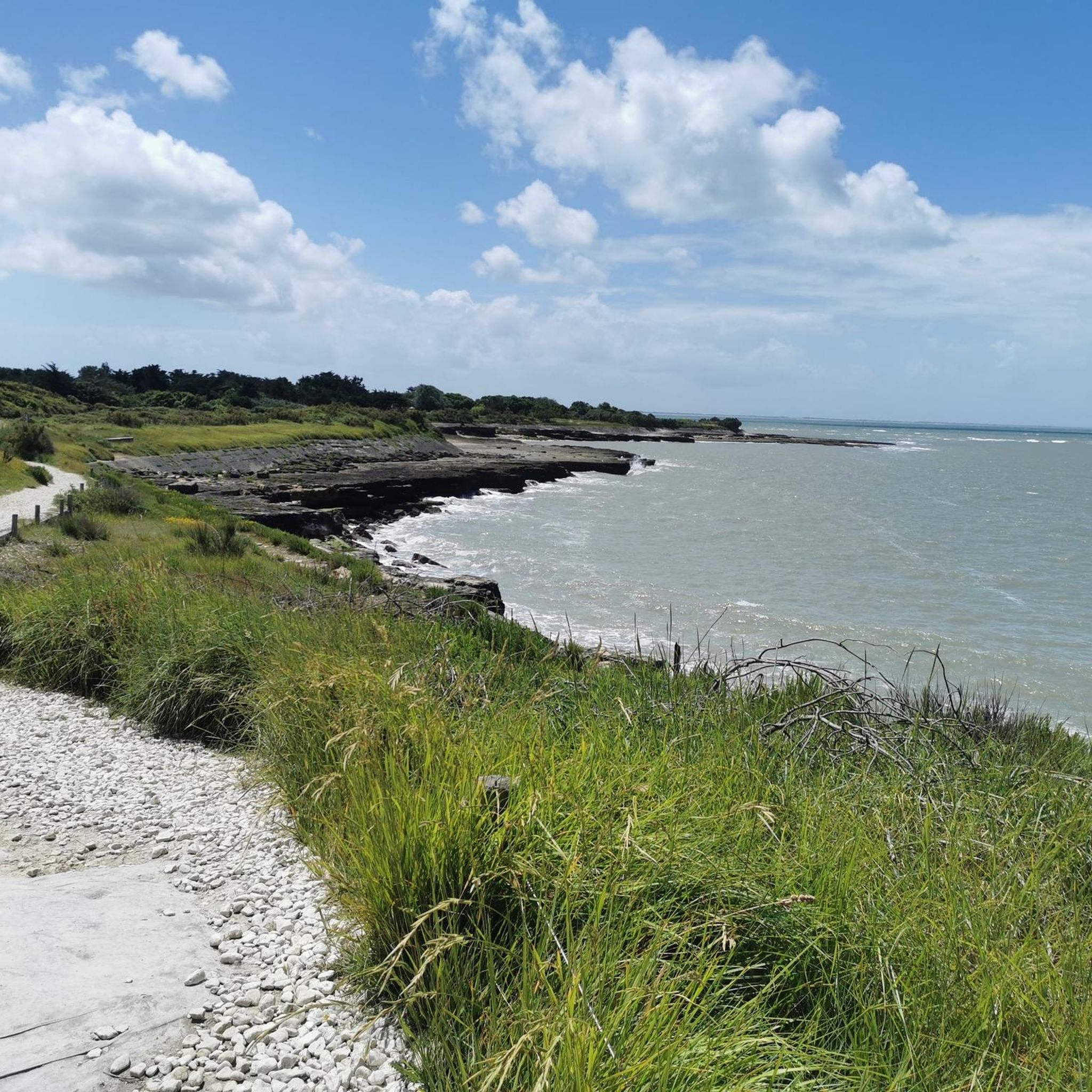
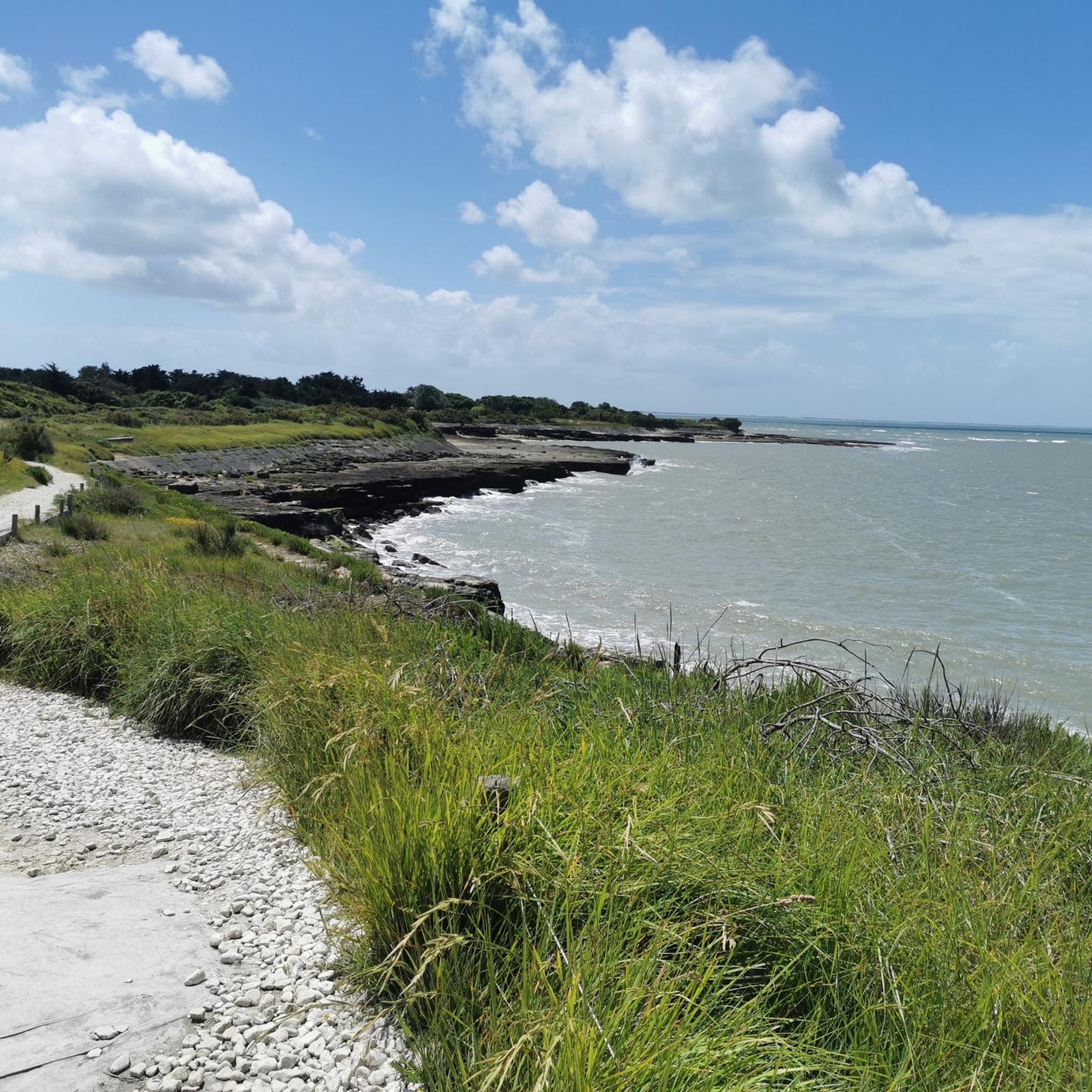
Yes, Fort de Fouras is situated right on the beach, offering excellent views of the coastline and the sea. On Île-d'Aix, the fortifications are integrated into the island's natural landscape, providing scenic walks and views of the surrounding waters and other islands.
What is the history behind Fort Liédot on Île-d'Aix?
Fort Liédot was commissioned by Napoleon Bonaparte in 1811 and took 24 years to complete. Designed to be impregnable, it served as a crucial defensive structure, a prison for various conflicts (including Russian and Prussian prisoners), and even a political prison in the 20th century. Today, it stands as a historical monument offering a journey through its robust architecture and varied past.
What is the significance of Fort de Fouras?
Fort de Fouras, often referred to as Fort Vauban, has a long and rich history dating back to Roman times. It was strategically built to defend the mouth of the Charente River and the naval port of Rochefort. While its origins are much older, it was significantly modified under the supervision of Vauban in the late 17th century, transforming it into a formidable 'fort by the sea' with multiple firing platforms.
Is there a fee to enter the fortifications?
Entry to Fort Liédot on Île-d'Aix is subject to a fee, which contributes to its preservation as a historical monument. Fort de Fouras, on the other hand, typically offers free entry, allowing visitors to explore its well-preserved structure and enjoy the views.
Are there any other notable historical buildings near Île-d'Aix besides the forts?
Yes, in Fouras, you can find the Château du Bois-Vert. This is a vast neo-classical residence built in 1870, which has served various roles from a dwelling to a casino, hotel, and even a convalescent home during WWI. Today, it functions as a reception venue within a verdant park.
What makes the fortifications of the village on Île-d'Aix unique?
The fortifications of the village on Île-d'Aix, along with Fort de la Rade, were constructed between the 17th and 19th centuries, with the village layout itself fortified by Vauban. These structures are unique because they showcase how an entire community was integrated into a comprehensive defensive system. Exploring them allows visitors to trace the island's turbulent past and its strategic importance in protecting the Charente Estuary.
Most popular routes around Île-D'Aix
Most popular attractions around Île-D'Aix

Get inspired with the komoot mobile app


Explore more
Looking for the best castles somewhere else? Discover other guides around Île-D'Aix:
