Top 10 Caves around Steinbach
Best caves around Steinbach are primarily historical sites, featuring World War I rock fortresses, bunkers, and tunnels. This region offers a unique blend of natural rock formations and man-made defensive structures. Visitors can explore former military positions and medieval mines, providing insight into the area's past. The landscape is characterized by its rugged terrain, with many of these sites integrated into the natural rock.
Best caves around Steinbach
- The most popular caves is Lower Rehfelsen Tunnels, a natural monument…
Last updated: June 21, 2026
Adlerhorst Command Post – World War I
Highlight • Historical Site
Translated by Google •
Tip by

Veilchenstein German WW1 Bunker
Highlight • Historical Site
Translated by Google •
Tip by
Sign up now to discover places like this
Get recommendations on the best single tracks, peaks, & plenty of other exciting outdoor places.
Sign up for free
Lower Rehfelsen Tunnels
Highlight • Cave
even the hiking trail leads through one of the rooms.
Translated by Google •
Tip by

Schletzenbourg medieval mine
Highlight • Historical Site
Translated by Google •
Tip by

Roche Fendue (Hartmannswillerkopf)
Highlight • Historical Site
Translated by Google •
Tip by

Sign up for free to discover even more caves around Steinbach.
Sign up for free
Already have an account?
Start today with a free account
Your next adventure awaits.
Login or Signup
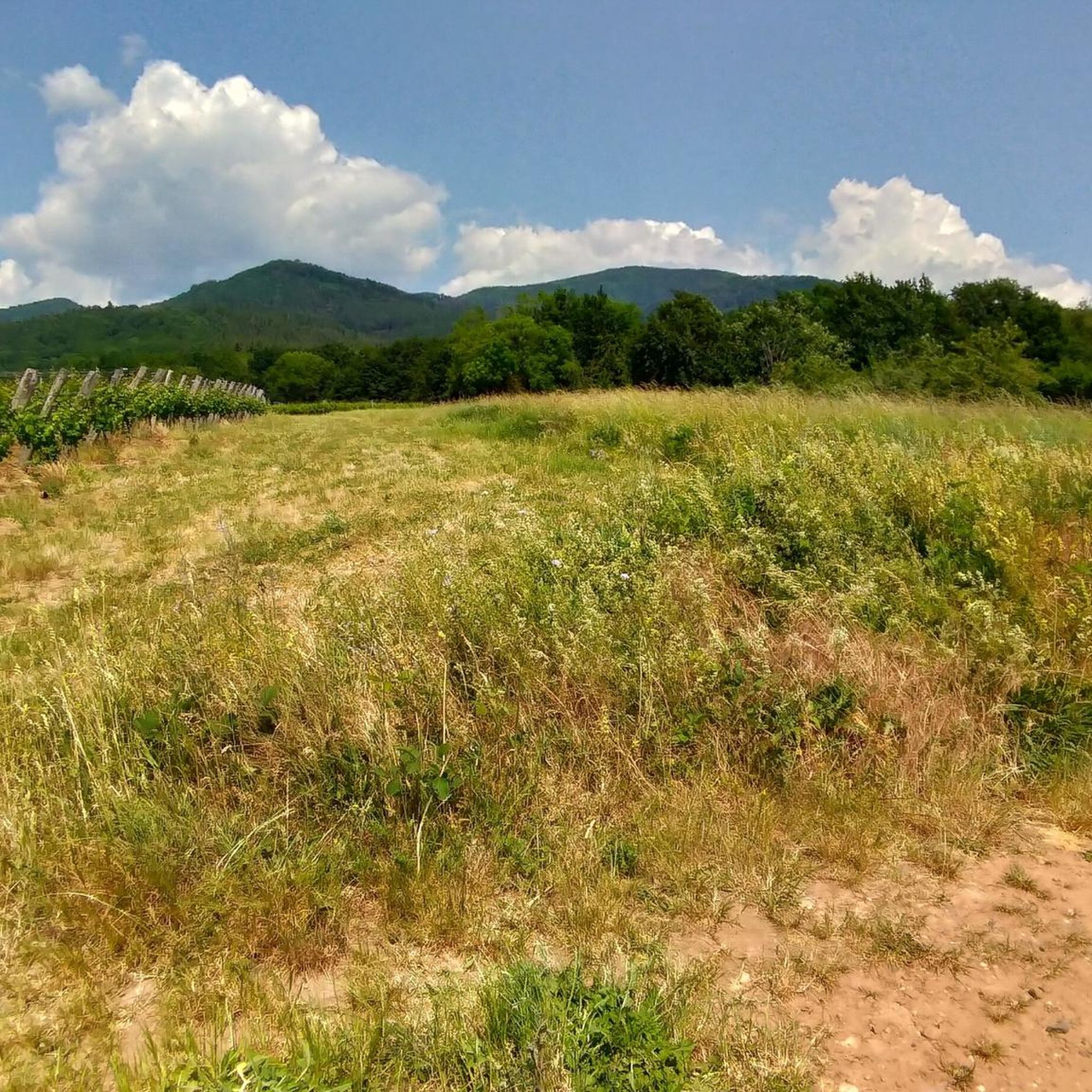
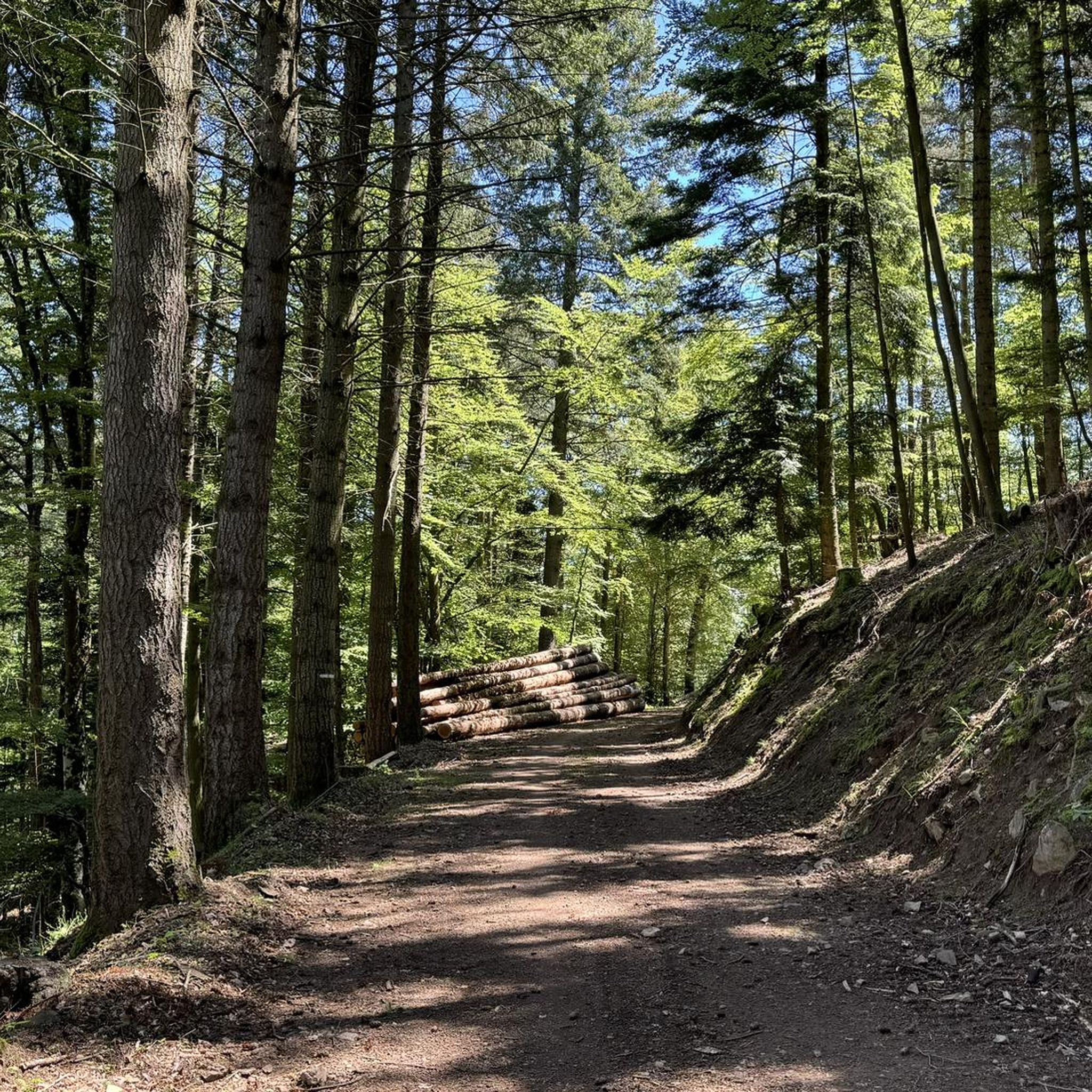
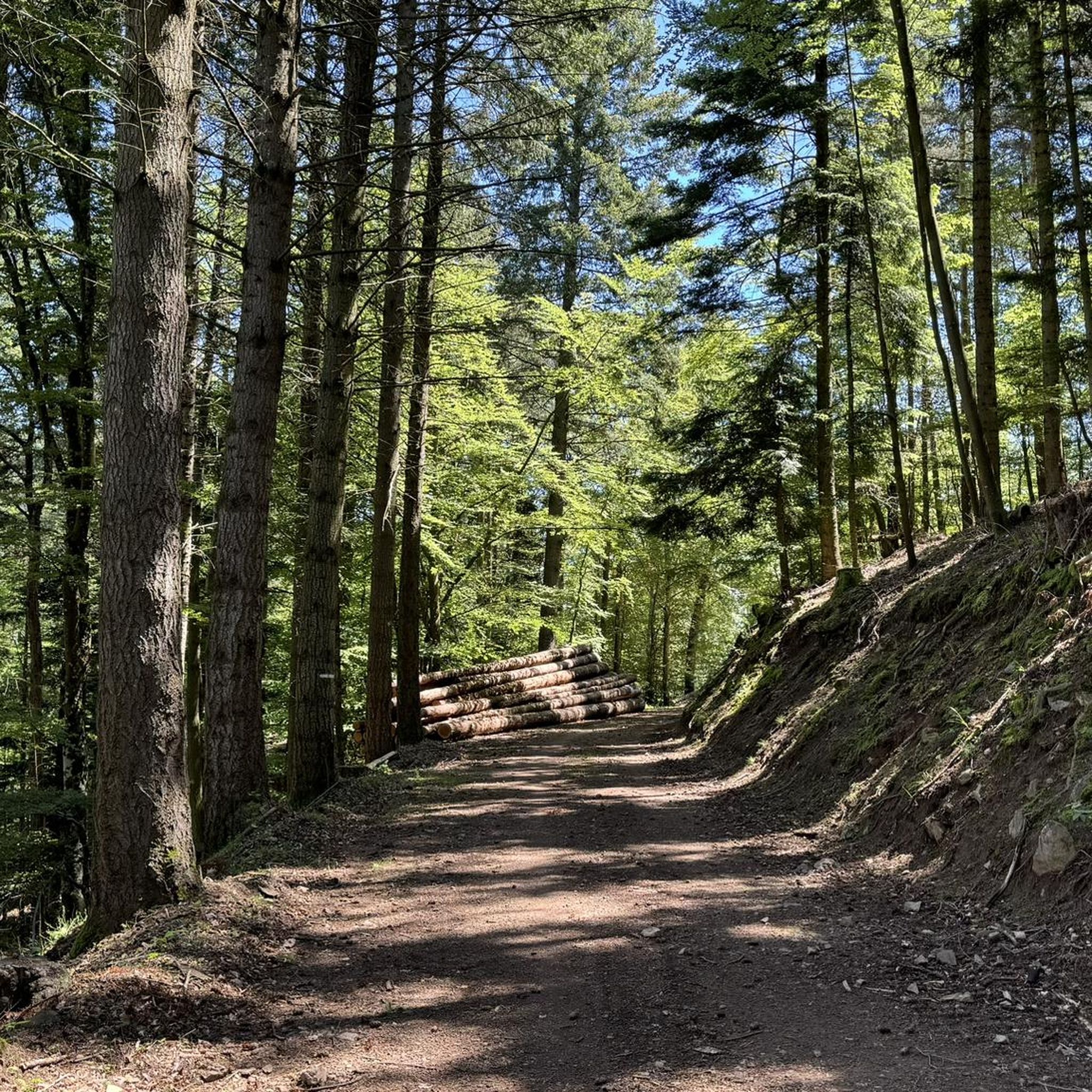
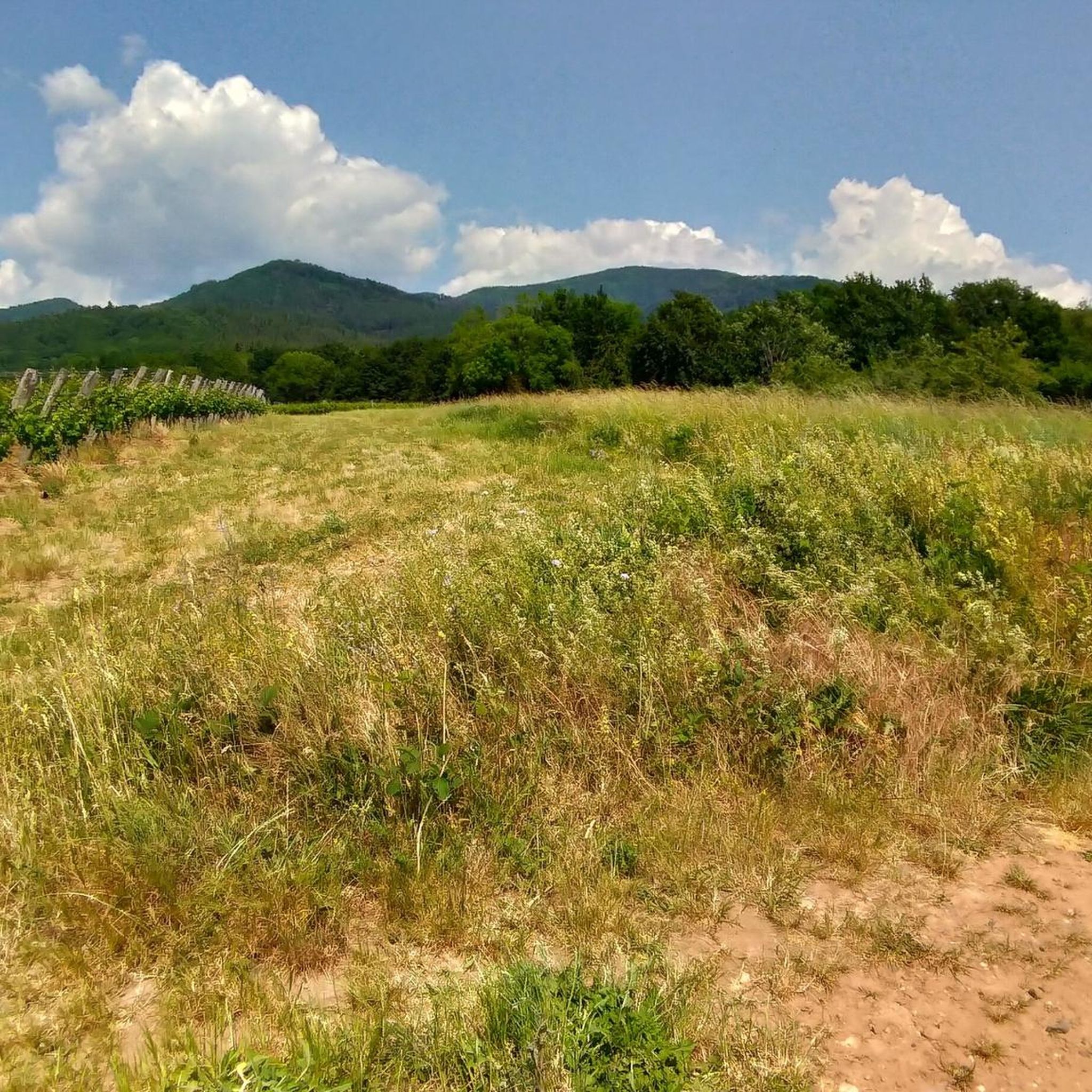

Tips from the Community

The "Veilchenstein" is a German shelter located on the Hartmannswillerkopf¹ battlefield. This shelter, built into a rock, is equipped with a machine gun post and observatories¹. Hartmannswillerkopf, also known as Vieil Armand, is a pyramidal rocky spur in the Vosges massif, overlooking the Alsace plain from its 957 meters¹. During the First World War, it was a strategic summit hotly contested by the French and German armies¹. Today, the Hartmannswillerkopf is a place of memory, bearing witness to the suffering of the soldiers who fought in the name of their country¹. The German remains encountered on the ground, sometimes quite spaced apart from each other, are witnesses to this historical period¹. (1). https://bing.com/search?q=veilchenstein+harmannswillerkopf. (2) The Hartmannswillerkopf - Official website. https://www.memorial-hwk.eu/. (3) Hartmannswillerkopf - Wikipedia. https://fr.wikipedia.org/wiki/Hartmannswillerkopf.
0
0
The Adlerhorst is a German shelter located on the Hartmannswillerkopf³ battlefield. This two-story shelter is built into a rock³. It is equipped with a machine gun post, observatories and a fountain³. Hartmannswillerkopf, also known as Vieil Armand, is a pyramidal rocky spur in the Vosges massif, overlooking the Alsace plain from its 956 meters². During the First World War, it was a strategic summit hotly contested by the French and German armies². Today, the Hartmannswillerkopf is a place of memory, bearing witness to the suffering of the soldiers who fought in the name of their country³. The German remains encountered on the ground, sometimes quite spaced apart from each other, are witnesses to this historical period³. (1) The Hartmannswillerkopf – German positions – By hills and by forts. https://parmontsetparforts.fr/2024/03/17/hwk-positions-allemandes/. (2) The Hartmannswillerkopf - Official website. https://www.memorial-hwk.eu/. (3). https://bing.com/search?q=adlerhorst+810+hartmannswillerkopf.
0
0
The “Roche Fendue” is a rock formation located on the Hartmannswillerkopf battlefield¹. It is located to the north of the HWK, below the Silberloch Pass, at around 750 meters above sea level³. The French fortified this rock during the First World War by digging an underground gallery approximately 20 meters long³. Above the Roche Fendue, a trench leads to an observation post offering a view of the Freundstein, the Grand-Ballon, the Hartfelsen, the Südelkopf and the Thierenbachkopf¹. These fortifications are among the many vestiges of the trench warfare which lasted from the end of 1914 to July 1918 on the Hartmannswillerkopf¹. Today, these sites are places of memory, witnesses to the suffering of soldiers who fought in the name of their country¹. (1) The Hartmannswillerkopf – French positions – By Mountains and by Forts. https://parmontsetparforts.fr/2024/03/24/hwk-positions-francaises/. (2) HWK: Observatories - e-monsite. https://hartmannswillerkopf.e-monsite.com/pages/hwk-les-observatoires.html. (3) To do: The northern trenches of Hartmannswillerkopf - Hiking. https://www.visorando.com/randonnee-les-tranchees-nord-du-hartmannswillerkop/.
0
0

During the First World War, this rock massif was expanded into a strong, self-sufficient fortress. Over time, the hilltop was completely hollowed out with a large number of tunnels and rock chambers.
1
0

Very nice view of the underground passages.
0
0

A fortified natural rock that can be accessed from several levels. even the hiking trail leads through one of the rooms.
4
0

For people of our size today, it is hard to imagine how grown men dug for lead here. This mine is a must for anyone interested in history and archeology!
1
0

The path over the Rehfelsen is littered with old bunkers and trenches
1
0
Frequently Asked Questions
What kind of caves can I expect to find around Steinbach?
The caves around Steinbach are primarily historical sites, featuring World War I rock fortresses, bunkers, and tunnels. You'll also find medieval mines integrated into the natural rock formations, offering a unique blend of military history and geological features.
What are some of the most notable historical sites among the caves?
Among the most significant sites are the Lower Rehfelsen Tunnels, a fortified natural rock with multiple levels and machine gun posts. Another must-see is the Schletzenbourg medieval mine, which provides insight into historical lead mining operations. The Adlerhorst Command Post – World War I is also highly regarded, featuring a rock fortress with steps, rooms, and gun positions at lofty heights.
What is the difficulty level for exploring these cave sites?
Many of the sites, such as the Lower Rehfelsen Tunnels and Schletzenbourg medieval mine, are rated as intermediate. The Veilchenstein German WW1 Bunker and Schletzenbourg Mine are considered challenging. Expect rugged terrain, steps, and potentially narrow passages.
Are there any safety considerations when exploring the bunkers and mines?
Yes, caution is advised, especially in tunnels and older structures. For example, at the Veilchenstein German WW1 Bunker, care should be taken due to possible rockfall or collapse. Always be aware of your surroundings and respect the historical nature of the sites.
Can I visit these sites with children or as a family?
While the historical sites offer fascinating insights, some areas involve challenging terrain, narrow passages, and potential safety concerns like rockfall. Families should assess the difficulty and safety tips for each specific site before visiting. There is no specific information indicating family-friendly ratings for these particular cave sites.
Are there hiking trails that incorporate these cave sites?
Yes, many of these historical cave sites are integrated into the local hiking network. For instance, a hiking trail leads directly through one of the rooms at the Lower Rehfelsen Tunnels. The Adlerhorst Command Post is also part of an ascent that passes many German positions from WWI.
What other outdoor activities are available near the Steinbach caves?
The region around Steinbach offers a variety of outdoor activities. You can find numerous running trails, including moderate loops from Vieux-Thann and more difficult routes like the Molkenrain Refuge loop. There are also extensive options for gravel biking and road cycling, with routes exploring the Vosges massif and views over the Alsace plain.
What is the best time of year to visit the caves around Steinbach?
Given that many sites are integrated into outdoor trails and offer views, spring, summer, and autumn are generally ideal for visiting. These seasons provide pleasant weather for exploring the historical sites and engaging in outdoor activities like hiking and cycling. Winter visits might be possible but could involve snow and colder conditions, especially at higher elevations.
What kind of views can I expect from these locations?
Many of the cave sites, particularly the WWI command posts and bunkers, offer spectacular views. From the Lower Rehfelsen Tunnels, you can enjoy great views over the Rhine plain. The Veilchenstein German WW1 Bunker also provides fantastic vistas, now peaceful and overgrown.
Do I need any special permits to visit the caves or historical sites?
The guide data does not specify any special permits required for general access to these historical cave sites. However, it's always recommended to check local regulations or official websites for any specific requirements, especially for guided tours or restricted areas.
Where can I find parking or access these sites?
Specific parking information for each individual site is not detailed in the guide data. However, as many of these sites are part of larger trail networks in the Vosges massif, you can typically find parking at trailheads or nearby villages. Public transport options might be limited, so driving is often the most convenient way to access these more remote historical locations.
What makes the Schletzenbourg medieval mine unique?
The Schletzenbourg medieval mine is unique for its underground passages that offer a tangible glimpse into ancient lead mining operations. Visitors often find it hard to imagine the conditions in which men worked here, making it a compelling site for those interested in history and archaeology.
Are there places to eat or stay near the caves around Steinbach?
While specific cafes, pubs, or accommodations directly adjacent to each cave site are not listed, the region around Steinbach, being part of the Vosges massif and close to towns like Cernay and Vieux-Thann, offers various amenities. You can find options for dining and lodging in these nearby communities, which serve as good bases for exploring the historical sites and surrounding trails.
Most popular routes around Steinbach
Most popular attractions around Steinbach

Get inspired with the komoot mobile app


Explore more
Extend your search for the best caves by checking out these guides of the top ones around Steinbach:
