Top 5 Caves around Roulans
Best caves around Roulans are found within the surrounding Doubs department and the broader Jura Mountains region. This area is characterized by diverse geological formations, offering a variety of subterranean sites. The landscape provides opportunities for exploring ancient grottoes and vast chasms. Popular hiking trails with caves near Roulans Doubs allow visitors to discover these natural wonders.
Best caves around Roulans
- The most popular caves is Grotte Sous Buen, a cave with high grottoes and limescale deposits. It is…
Last updated: June 21, 2026
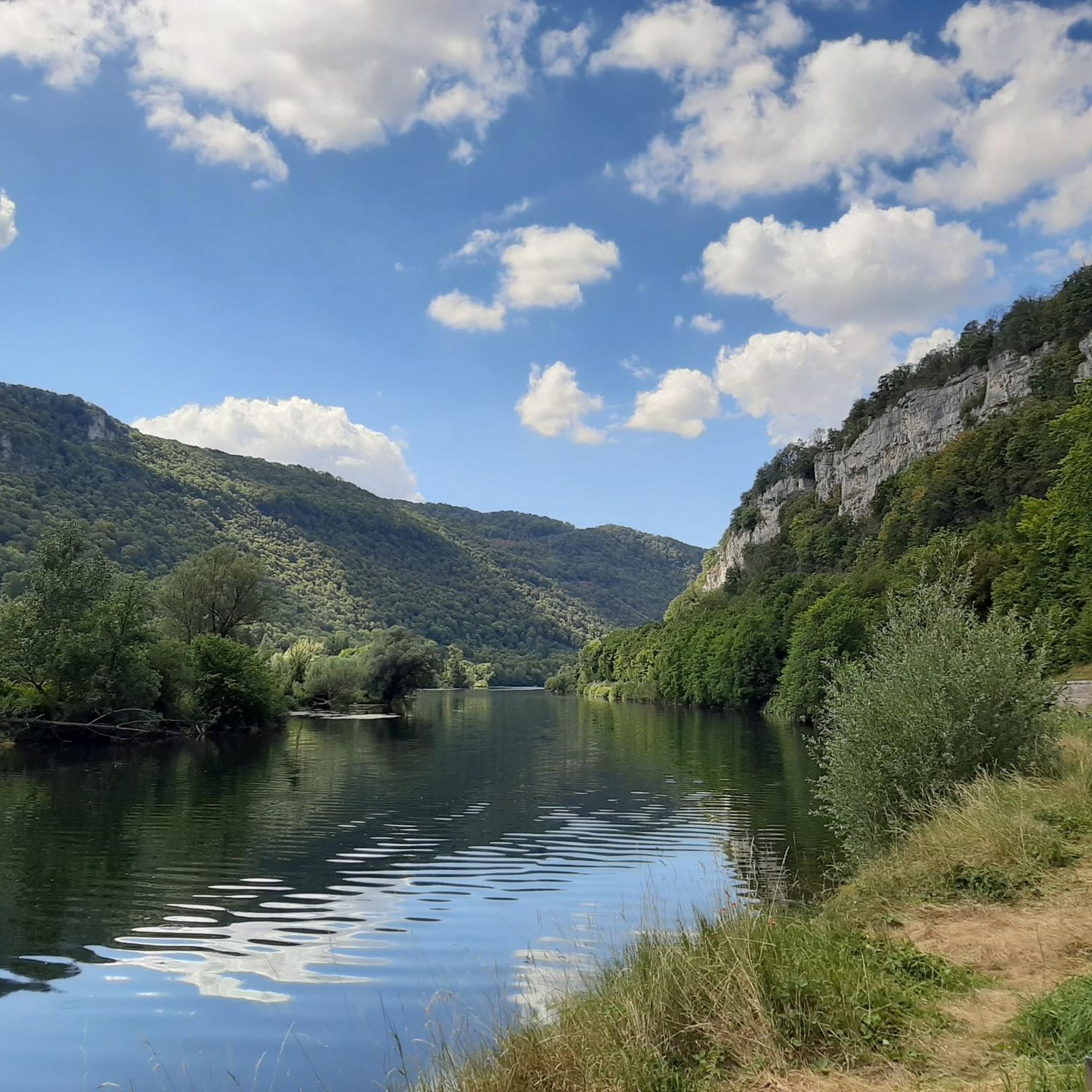
Arcier Springs
Highlight • River
You will be able to see the castle of Arcier there as well as the ruins of the old Roman aqueduct of Besançon.
=============
Translated by Google •
Tip by

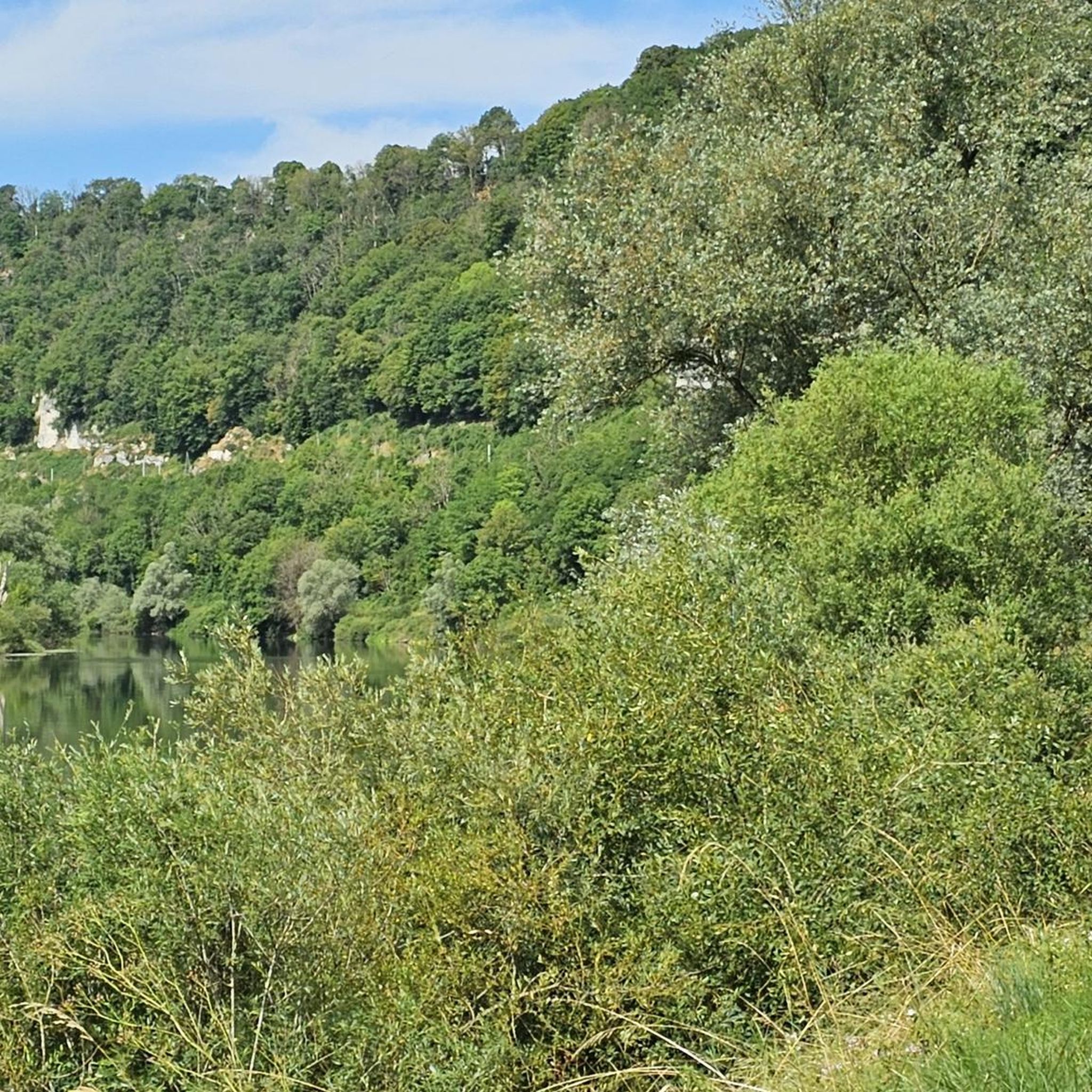
Grotte Sous Buen
Highlight • Cave
Translated by Google •
Tip by

Sign up now to discover places like this
Get recommendations on the best single tracks, peaks, & plenty of other exciting outdoor places.
Sign up for free
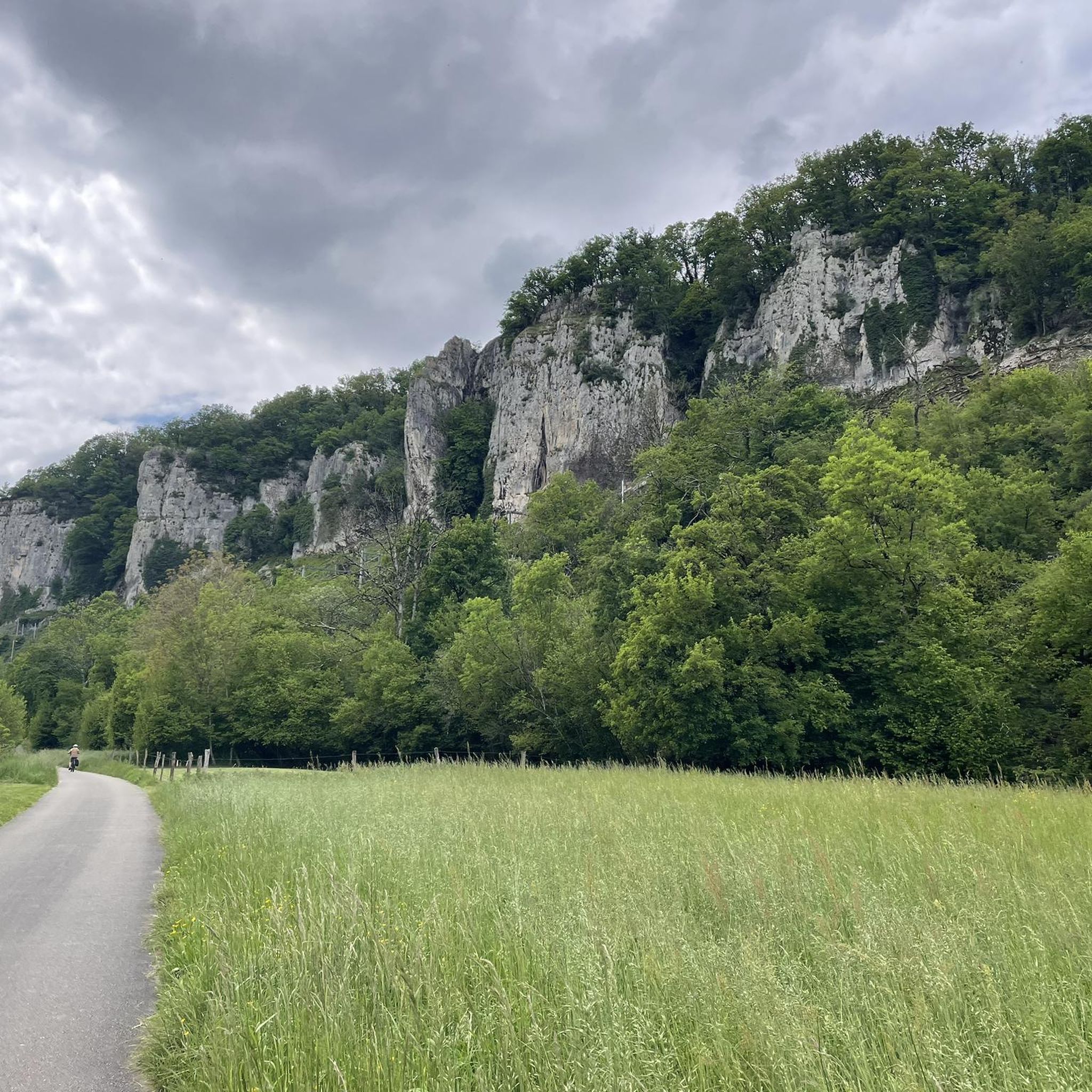
Fourbanne Cave
Highlight • Cave
Translated by Google •
Tip by

Grotte du Petit Siblot
Highlight • Cave
Through a very small shaft entrance of just 30 x 50 cm.
you have to abseil about 7 meters ... …
Translated by Google •
Tip by

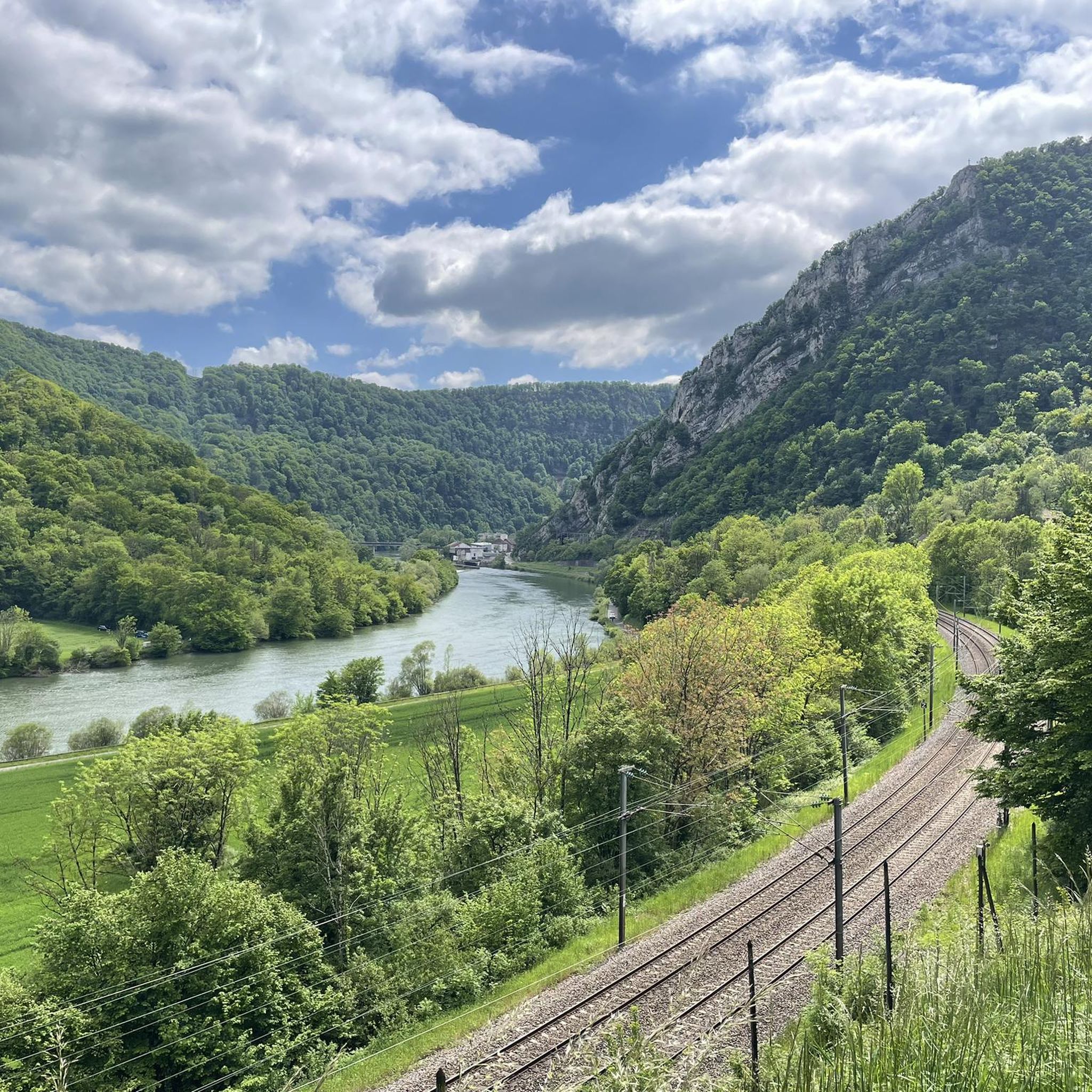
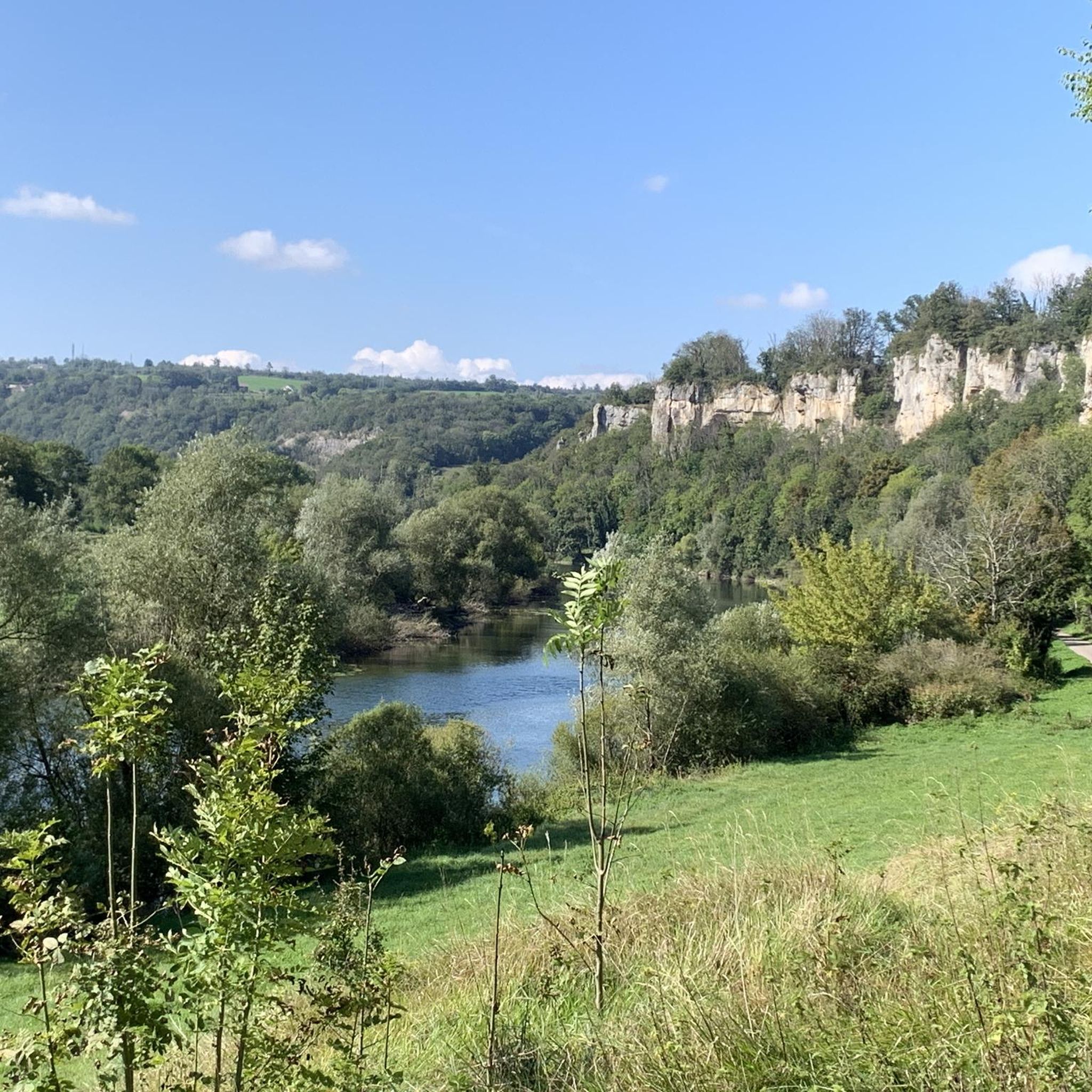
View of the Loue River from the Cave
Highlight • Cave
Translated by Google •
Tip by

Start today with a free account
Your next adventure awaits.
Login or Signup

Tips from the Community

The three Arcier springs are fed by the infiltration waters of the Nancray plateau. Shortly after they gush out of the mountain in beautiful waterfalls, they come together to form the Arcier stream, which quickly flows into the Doubs. They have been known since antiquity, and supply Besançon with water via a Roman aqueduct of which remains remain. Currently, a trout fish farm benefits from its pure, fresh waters.
0
0

Cannot be reached directly from the cycle path.
2
0

The sources of Arcier are three karstic sources resulting from a hilly circus of trees and green forests. They meet after 300 meters and flow into the Doubs. Natura 2000 site, the spring water comes from the natural drainage of the watershed of the Saône-Nancray plateau and is filtered by the Saône marshes.
2
0

After a small barrier and a small climb comes a nice point to rest. Attention, it is not recognizable at first glance. Behind the bush is a very small path.
0
0

High grotto with wonderful limescale deposits - accessible via a metal ladder even without equipment. The grotto does not lead deep into the rock, the daylight is sufficient, you do not need a flashlight. It is freely accessible to everyone.
1
0

On the other side of the train tracks up the hill are the wild undeveloped karst caves of Fourbanne, a dream for fans of speleology. Bring good light, rugged cloths, and wear your helmet (you're biking, so you have a helmet!). https://inpn.mnhn.fr/zone/znieff/430013670 See video https://www.youtube.com/watch?v=7nxTiEY92I8
1
4

The cave is listed as a real classic among speleologists. Through a very small shaft entrance of just 30 x 50 cm. you have to abseil about 7 meters ... Then the next 18 meter deep shaft. A final climbing step, about 5 meters lower, ends in an impressive and large hall with beautiful stalactite columns.
4
0

A small detour to the source of Arcier, watch out for hikers! You will be able to see the castle of Arcier there as well as the ruins of the old Roman aqueduct of Besançon. ============= A little detour to the source of Arcier, beware of the hikers! You'll be able to see Arcier's castle and the ruins of Besançon's Roman aqueduct. https://fr.wikipedia.org/wiki/Sources_d%E2%80%99Arcier https://fr.wikipedia.org/wiki/Aqueduc_de_Besan%C3%A7on
6
1
Frequently Asked Questions
What are some unique geological features found in the caves near Roulans?
The caves in the Doubs department and Jura Mountains region offer diverse geological formations. For instance, Grotte Sous Buen features high grottoes with wonderful limescale deposits. Osselle Cave is known for its impressive concretions of various shapes and colors, and an underground river. Creux Billard is a dramatic karst cauldron with a waterfall, and the Poudrey Chasm is notable for its immense volume, considered the fourth largest underground cavern in France.
Are there any caves near Roulans with historical significance?
Yes, Osselle Cave is particularly rich in history. It is one of the oldest tourist caves in the world, open to visitors since 1504. It's also renowned for its paleontological history, being the site where the first complete cave bear skeleton was discovered in 1826, and is considered Europe's largest cave bear necropolis.
Which caves near Roulans are suitable for families with children?
Osselle Cave is a good option for families, offering a guided tour through fifteen chambers and being partly wheelchair accessible. Grotte Sous Buen is also considered family-friendly and is freely accessible, with daylight sufficient for exploration without a flashlight.
Can I explore caves near Roulans without specialized equipment?
Some caves, like Grotte Sous Buen, are freely accessible and do not require specialized equipment or even a flashlight as daylight is sufficient. However, for sites like Fourbanne Cave or Grotte du Petit Siblot, which are challenging karst caves, good light, rugged clothing, and protective gear (like a helmet) are essential, and some even require abseiling equipment.
What should I wear when visiting caves in the Roulans area?
Temperatures inside caves are generally cool, often around 7°C, even in summer. It's advisable to wear warm layers and comfortable, sturdy shoes with good grip. For more challenging caves like Fourbanne Cave, rugged clothing and a helmet are recommended.
Are there guided tours available for caves in the Doubs region?
Yes, guided tours are available for some of the major caves. Osselle Cave offers a 1,200-meter-long guided tour. The Poudrey Chasm also provides an hour-long tour that concludes with a captivating 'Music & Light' show.
What is the best time of year to visit the caves around Roulans?
Caves maintain a consistent cool temperature year-round, making them a refreshing escape during warmer months. The Poudrey Chasm, for example, maintains around 7°C. However, for caves with external waterfalls like Creux Billard, visiting after periods of heavy rain can offer a more dramatic experience with active cascades.
Are there hiking opportunities that include caves near Roulans?
Yes, the region offers popular hiking trails that allow visitors to discover natural wonders including caves. For example, a hiking trail leads to a balcony offering views of Creux Billard. You can find various hiking routes in the area by exploring the Hiking around Roulans guide.
Are any caves near Roulans accessible for visitors with limited mobility?
Osselle Cave is partly wheelchair accessible, which is quite exceptional for such a site, making it a good option for visitors with limited mobility.
What kind of paleontological discoveries can be found in the region's caves?
Osselle Cave is particularly famous for its rich paleontological history. It is known as Europe's largest cave bear necropolis, with fifteen complete skeletons of cave bears discovered there, including the first complete skeleton found in 1826.
Where can I find challenging caving experiences near Roulans?
For experienced speleologists seeking a challenge, Grotte du Petit Siblot is a classic, requiring abseiling through shafts to reach an impressive hall. Fourbanne Cave also offers wild, undeveloped karst caves for fans of speleology, requiring good light and protective gear.
Are dogs allowed in or near the caves around Roulans?
Policies regarding dogs vary by specific cave and site. For natural outdoor areas like the hiking trail to Creux Billard, dogs are generally permitted, but for commercial caves like Osselle Cave or Poudrey Chasm, it's best to check their specific visitor policies directly before planning your visit.
What are some of the largest or most impressive underground spaces near Roulans?
The Poudrey Chasm stands out as one of the most impressive, considered the fourth largest underground cavern in France by volume, and the largest single chamber. Its sheer scale is awe-inspiring, with some suggesting it could hold the entire Cathedral of Paris. Sarrazine Cave is also impressive for its dimensions, reaching 100 meters in height and 30 meters in width.
Are there any caves near Roulans that offer unique light or sound shows?
Yes, the Poudrey Chasm offers a unique and immersive experience. Its hour-long tour concludes with a captivating 'Music & Light' show that highlights the cave's geological beauty and retraces the history of the Earth.
What outdoor activities can I do near these caves?
Beyond cave exploration, the region around Roulans offers various outdoor activities. You can find numerous hiking trails, including those that pass by natural monuments and viewpoints, by checking the Hiking around Roulans guide. Road cycling and running routes are also popular, with guides available for Road Cycling Routes around Roulans and Running Trails around Roulans.
Most popular routes around Roulans
Most popular attractions around Roulans

Get inspired with the komoot mobile app


Explore more
Extend your search for the best caves by checking out these guides of the top ones around Roulans:
