Top 4 Caves around Autechaux
Caves around Autechaux are found within the Doubs and Jura regions of France, an area known for its rich karstic landscape and diverse underground formations. This geological setting provides a variety of caves and natural features for exploration. Visitors to Autechaux can access numerous notable caves and geological sites in the surrounding areas, offering insights into the region's natural history. The area features both accessible grottoes and more challenging speleological sites.
Best caves around Autechaux
- The most popular caves is…
Last updated: June 21, 2026
Grotte Sous Buen
Highlight • Cave
Translated by Google •
Tip by

Fourbanne Cave
Highlight • Cave
Translated by Google •
Tip by

Sign up now to discover places like this
Get recommendations on the best single tracks, peaks, & plenty of other exciting outdoor places.
Sign up for free
Grotte du Petit Siblot
Highlight • Cave
Through a very small shaft entrance of just 30 x 50 cm.
you have to abseil about 7 meters ... …
Translated by Google •
Tip by

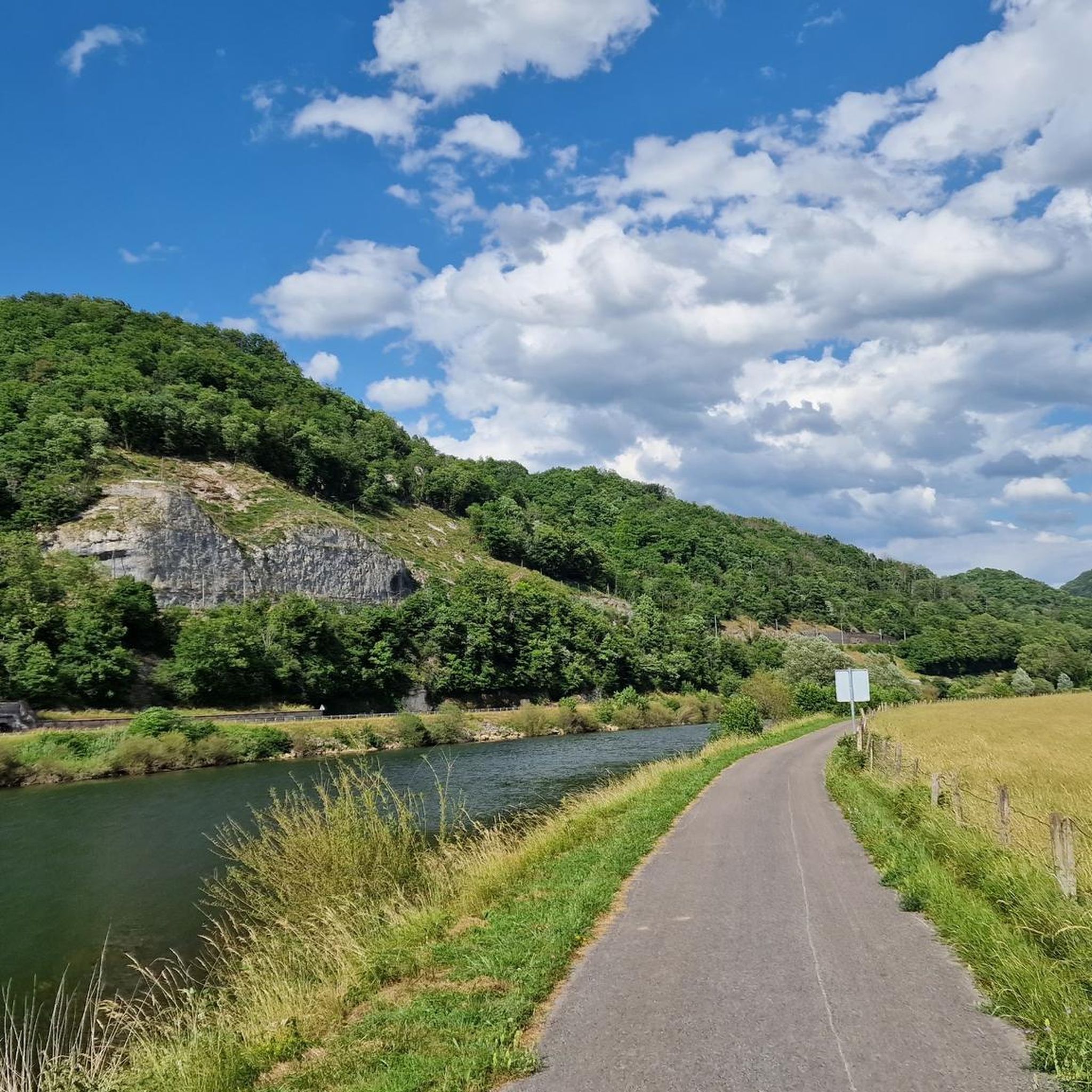
View of the Loue River from the Cave
Highlight • Cave
Translated by Google •
Tip by

Start today with a free account
Your next adventure awaits.
Login or Signup

Tips from the Community

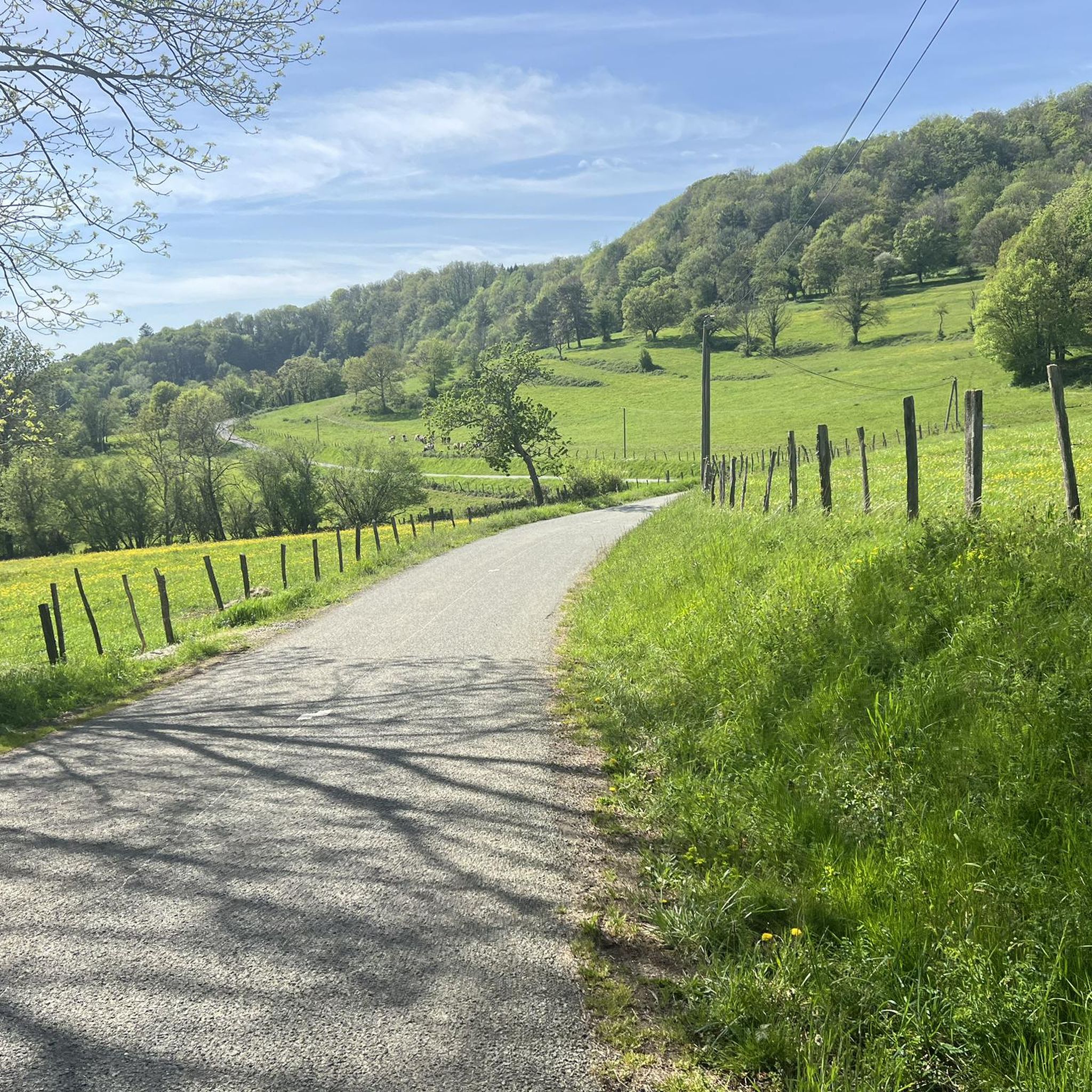
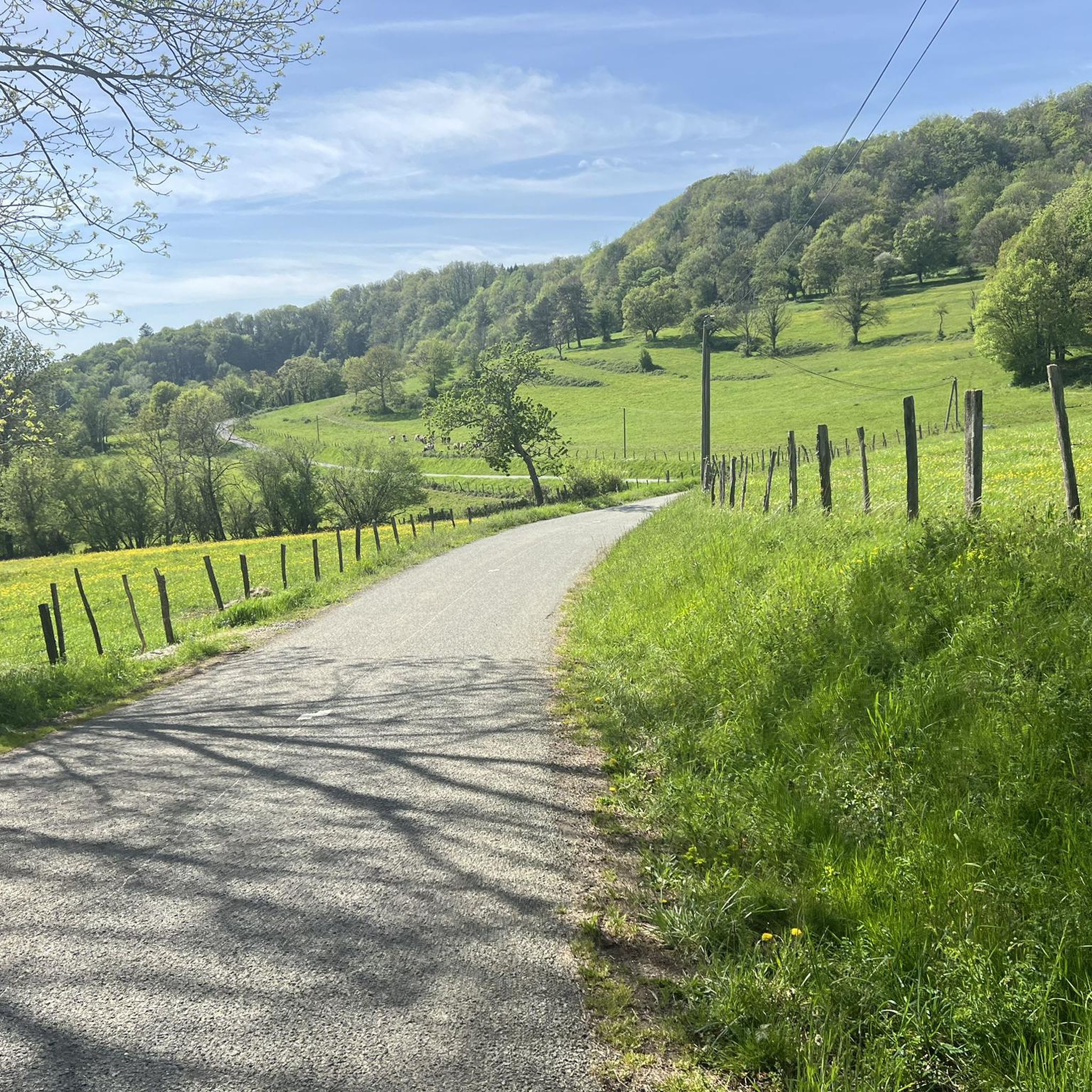
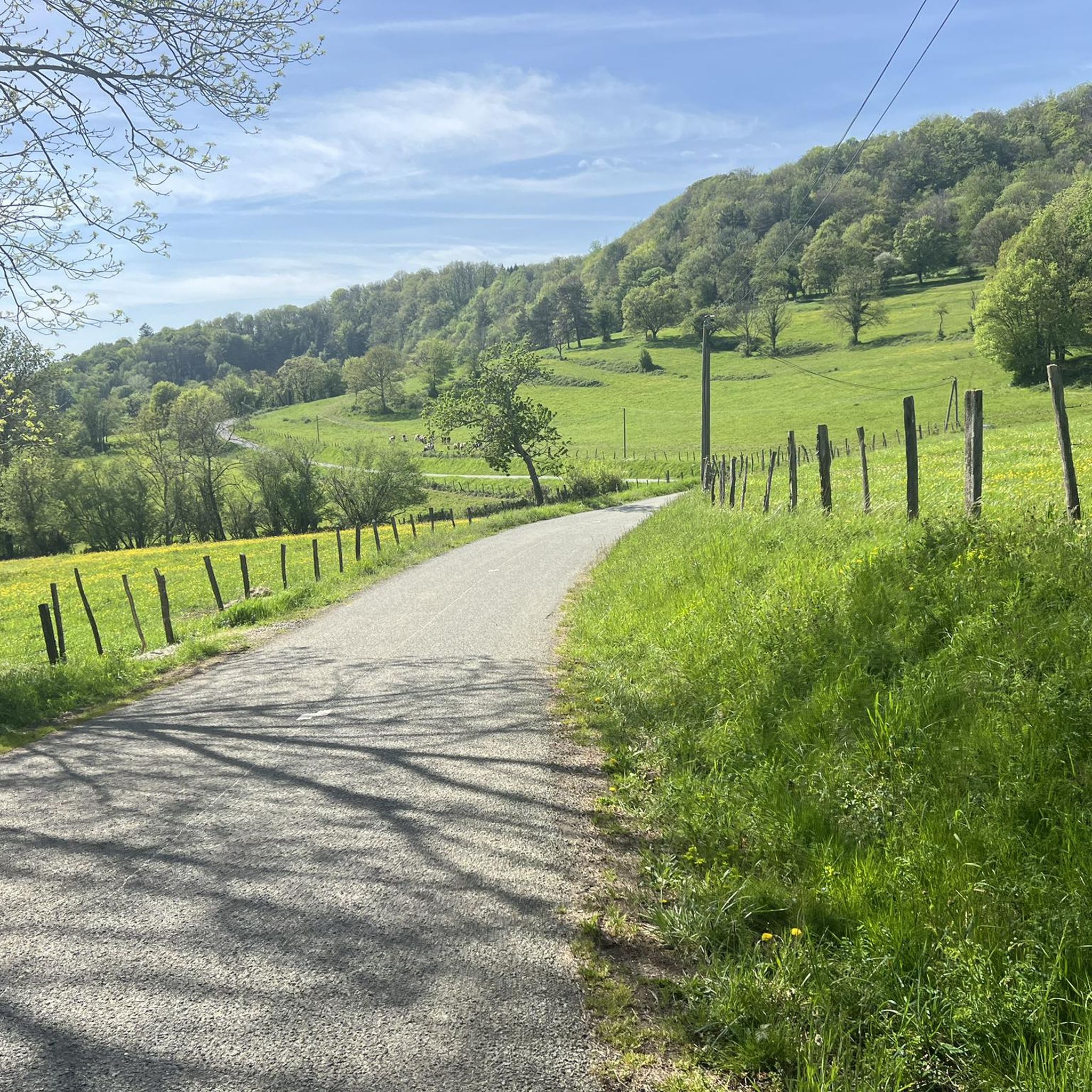
Cannot be reached directly from the cycle path.
2
0

After a small barrier and a small climb comes a nice point to rest. Attention, it is not recognizable at first glance. Behind the bush is a very small path.
0
0

High grotto with wonderful limescale deposits - accessible via a metal ladder even without equipment. The grotto does not lead deep into the rock, the daylight is sufficient, you do not need a flashlight. It is freely accessible to everyone.
1
0

On the other side of the train tracks up the hill are the wild undeveloped karst caves of Fourbanne, a dream for fans of speleology. Bring good light, rugged cloths, and wear your helmet (you're biking, so you have a helmet!). https://inpn.mnhn.fr/zone/znieff/430013670 See video https://www.youtube.com/watch?v=7nxTiEY92I8
1
4

The cave is listed as a real classic among speleologists. Through a very small shaft entrance of just 30 x 50 cm. you have to abseil about 7 meters ... Then the next 18 meter deep shaft. A final climbing step, about 5 meters lower, ends in an impressive and large hall with beautiful stalactite columns.
4
0
Frequently Asked Questions
What are some of the most unique geological features found in the caves around Autechaux?
The region boasts diverse geological features. You can find impressive stalagmites and stalactites, such as those in Osselle Cave and Grotte du Petit Siblot. The Source du Lison features a powerful waterfall emerging from a cave, while the Sarrazine Cave is known for its immense natural archway, often described as a 'wild cathedral'.
Are there any historically significant caves in the region?
Yes, Osselle Cave is particularly notable. It is one of Europe's oldest tourist caves, having been open to visitors since the 16th century. It also houses the largest known necropolis of cave bears in Europe, with the first complete skeleton discovered in 1826, offering a journey through paleontological history.
Are there family-friendly caves around Autechaux that are easy to access?
For a family-friendly and easily accessible option, consider Grotte Sous Buen. It features high grottoes with limescale deposits and is accessible via a metal ladder. Daylight is sufficient inside, so you won't need a flashlight, making it suitable for most visitors.
What kind of caving experiences are available for more adventurous explorers?
For those seeking adventure, Cavottes Cave (also known as Montrond Cave) offers varied progression including roped passages, a zip line, and easy climbing. Grotte du Petit Siblot is a classic for speleologists, requiring abseiling through shafts to reach an impressive hall with stalactite columns. Fourbanne Cave is an undeveloped karst system, ideal for experienced speleologists.
Do I need special equipment to explore the caves in this area?
It depends on the cave. For Grotte Sous Buen, no special equipment is needed as daylight is sufficient. However, for caves like Cavottes Cave, Grotte du Petit Siblot, or Fourbanne Cave, you will need caving gear, including good lighting, rugged clothing, and a helmet, as they involve challenging terrain, abseiling, or undeveloped passages.
What is the best time to visit the caves around Autechaux?
Many caves, especially those with guided tours like Osselle Cave, are accessible year-round, maintaining a constant temperature. For sites featuring waterfalls, such as the Source du Lison and Creux Billard, visiting after significant rainfall will allow you to witness the full power of the cascades.
Are there hiking trails near the caves?
Yes, the area around the Source du Lison and Sarrazine Cave is popular for hiking, with trails leading to both sites. You can also find various hiking routes around the broader Autechaux region, including trails like the 'Grotte Sous Buen – Saint-Martin Church loop from Baume-les-Dames'. For more options, explore the Hiking around Autechaux guide.
What other outdoor activities can I do near the caves around Autechaux?
Beyond caving and hiking, the region offers excellent cycling opportunities. You can explore routes along the Doubs River, such as those found in the Cycling around Autechaux guide or the Road Cycling Routes around Autechaux guide. These guides provide options ranging from easy to difficult, allowing you to discover the scenic landscapes.
Are dogs allowed in the caves or nearby natural sites?
Policies vary by site. While some outdoor natural areas and hiking trails may be dog-friendly, specific caves, especially those with guided tours or delicate formations, often have restrictions. It's advisable to check directly with the cave management for their specific pet policies before your visit.
What do visitors appreciate most about the caves in this region?
Visitors frequently appreciate the diverse experiences offered, from easily accessible grottoes like Grotte Sous Buen to challenging speleological sites. The impressive natural formations, historical significance of places like Osselle Cave, and the dramatic natural spectacles such as the Sarrazine Cave's archway are often highlighted.
Is parking available near the main cave attractions?
Parking is generally available near the more popular and accessible cave sites. For instance, the Source du Lison has a parking area with a short walk to the source and its caves. For specific locations, it's recommended to check local signage or visitor information upon arrival.
Most popular attractions around Autechaux

Get inspired with the komoot mobile app


Explore more
Extend your search for the best caves by checking out these guides of the top ones around Autechaux:
