The 5 Most Amazing Peaks around Cadenet
Best mountain peaks around Cadenet are found within the Luberon Regional Natural Park, where the village is situated. This area provides access to the expansive Luberon Mountains, as well as local hills and passes. The region is characterized by forested ridges, diverse flora, and varied terrain. It offers opportunities for exploring natural landscapes and enjoying panoramic views.
Best mountain peaks around Cadenet
- The most popular mountain peaks is Portalas Viewpoint, a viewpoint that offers a superb vantage point over…
Last updated: June 21, 2026
Portalas Viewpoint
Highlight • Viewpoint
Translated by Google •
Tip by

Le Mourre Nègre
Highlight • Natural Monument
Translated by Google •
Tip by

Sign up now to discover places like this
Get recommendations on the best single tracks, peaks, & plenty of other exciting outdoor places.
Sign up for free
Pelat de Baux (892 m) – View of the Luberon Ridge
Highlight • Viewpoint
Translated by Google •
Tip by

Panoramic View from the Summit of Bonnieux
Highlight • Viewpoint
Translated by Google •
Tip by

La Quilhou (Quille) Summit and Panorama
Highlight • Summit
Translated by Google •
Tip by

Sign up for free to discover even more peaks around Cadenet.
Sign up for free
Already have an account?
Start today with a free account
Your next adventure awaits.
Login or Signup
Other adventures around Cadenet

Tips from the Community

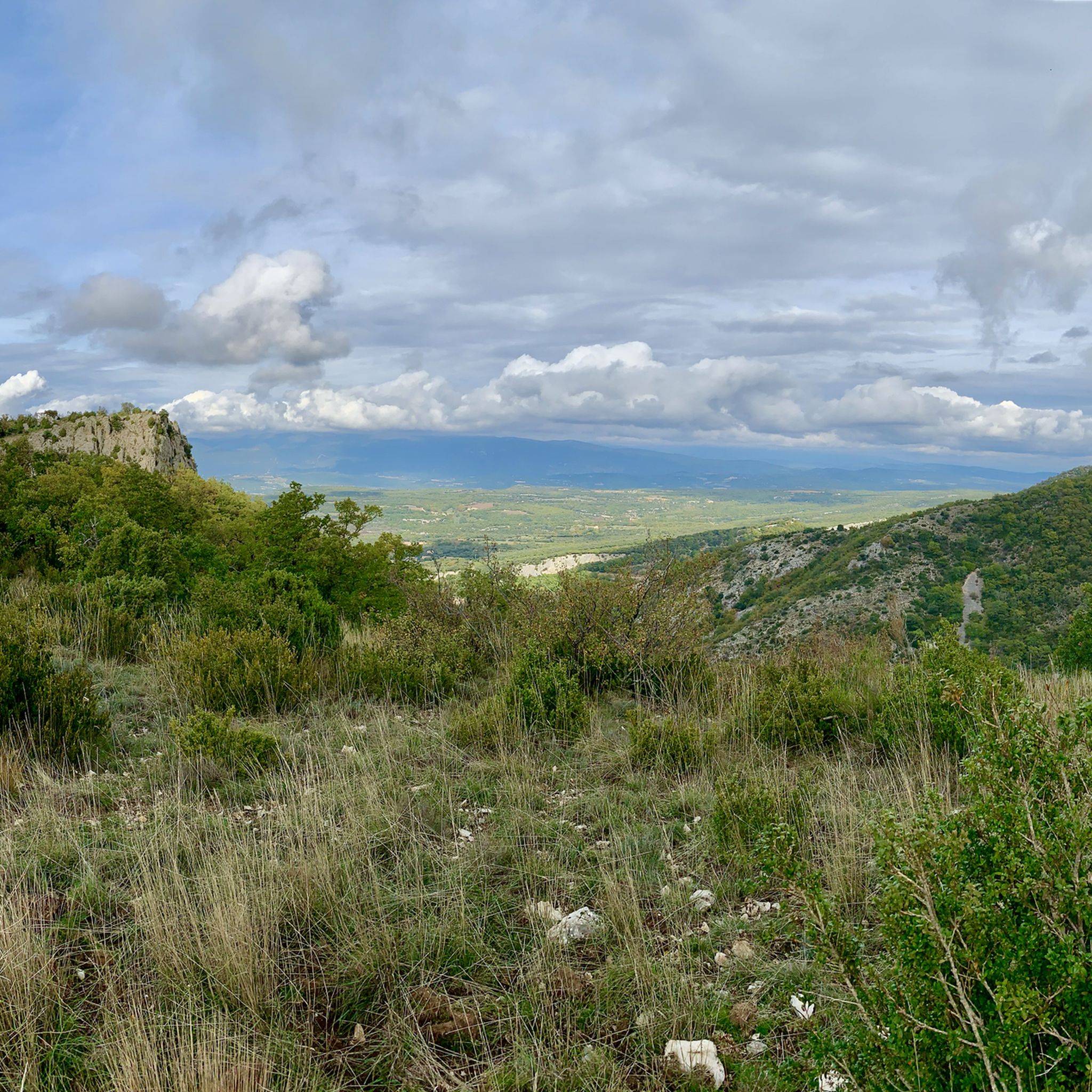
A superb vantage point with views all the way to the Mediterranean. Easily accessible from the parking lot. The further path along the ridge requires more skill.
0
1

In winter, bring warm clothes and a raincoat because the weather can change quickly.
0
0

Highest point of the Luberon massif, rising to 1125 meters above sea level. The view is magnificent: from the Berre pond to the Southern Alps.
0
0
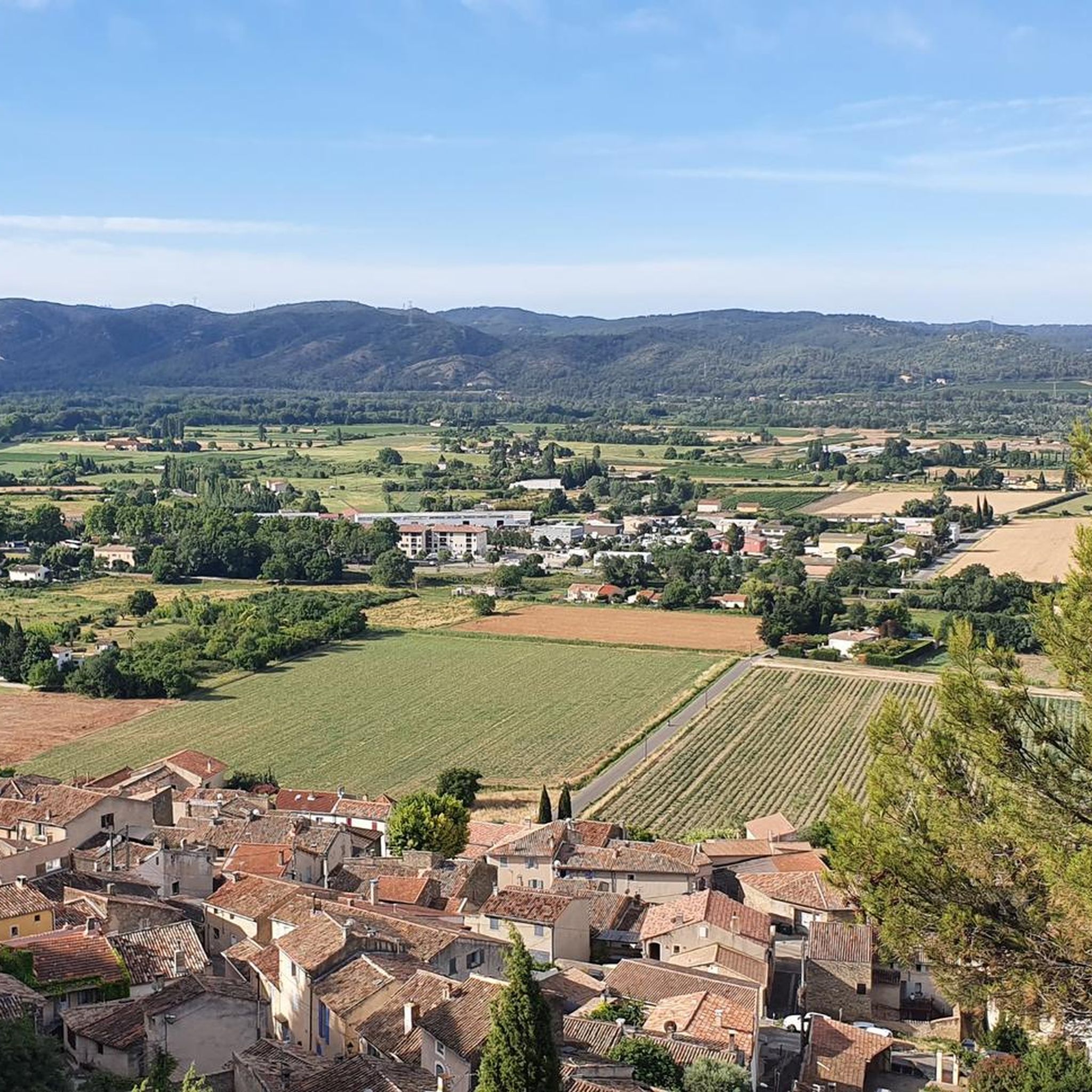
Superb viewpoint over the southern slope of the Petit Luberon and the vast Durance plain.
0
0

charming perched village located on the northern slope of the Petit Luberon
0
0

Best with an e-bike...but it's worth it!
0
0

This part of the Lubéron ridges offers a superb panorama of the Petit Lubéron and the slopes of Ventoux. It is an ideal spot for a picnic break.
0
0

The highest peak in the Luberon massif, the Mourre Nègre, which means “black snout” in the Provençal language, peaks at an altitude of 1,125 meters. An imposing microwave antenna caps its rounded top.
1
0
Frequently Asked Questions
What are the most prominent mountain peaks and viewpoints near Cadenet?
While Cadenet itself is nestled in the Luberon Regional Natural Park, it offers access to several notable elevated points. The highest peak in the Luberon massif is Le Mourre Nègre, reaching 1,125 meters and providing a 360-degree panorama. Other significant viewpoints include Portalas Viewpoint, offering views over the Durance plain to the Mediterranean, and Pelat de Baux (892 m) – View of the Luberon Ridge, with vistas of the Petit Luberon and Mont Ventoux.
Are there easy or family-friendly mountain walks around Cadenet?
Yes, the Luberon Mountains offer a variety of trails suitable for different skill levels. While specific 'easy' highlights aren't listed, the region is known for paths through vineyards and olive groves, which are generally less strenuous. Gardis Hill, a local prominent hill near Cadenet, provides an accessible option for moderate hiking with picturesque views of the Provençal landscape.
What are the best viewpoints to experience the panoramic scenery near Cadenet?
For breathtaking panoramic views, consider visiting Le Mourre Nègre, the highest point of the Luberon massif, which offers a 360-degree view encompassing the entire Luberon and Mont Ventoux. Portalas Viewpoint provides superb vistas over the southern slope of the Petit Luberon and the Durance plain, extending to the Mediterranean. Additionally, Cap de Serre, at 614 meters, offers panoramic views from Mont Ventoux to the Mediterranean.
What kind of outdoor activities can I do near the mountain peaks around Cadenet?
The area around Cadenet is excellent for various outdoor activities. You can find numerous routes for mountain biking, cycling, and running. For mountain biking, explore trails like the 'Ruins of Château de Cadenet – Cucuron loop' or 'View of Château de Lourmarin – Under the rocks loop' from Cadenet, which you can find in the MTB Trails around Cadenet guide. Cyclists can enjoy routes such as the 'Combes de Lourmarin – Luberon Cedar Forest loop' from Cadenet, detailed in the Cycling around Cadenet guide. For runners, there are moderate trails like the 'Cadenet – Bench with view loop' in the Running Trails around Cadenet guide.
Are there challenging mountain hikes available near Cadenet?
Yes, for those seeking a more strenuous experience, the Luberon Mountains offer challenging trails, particularly across ridges and through oak and cedar forests. The climb to La Quilhou (Quille) Summit and Panorama is noted for being steep. The broader Luberon Massif and the nearby Vaucluse Mountains, with peaks like Signal de Saint-Pierre, also provide more demanding mountaineering experiences.
What is the best time of year to hike the mountains near Cadenet?
The Luberon region generally offers pleasant hiking conditions for much of the year. Spring and autumn are particularly ideal, with milder temperatures and vibrant natural colors. Summer can be hot, making early morning or late afternoon hikes preferable. Winter hiking is possible, but conditions can vary, especially at higher elevations, so checking local forecasts is advisable.
Can I spot wildlife on the mountain trails around Cadenet?
The Luberon Mountains are part of a protected regional natural park, rich in diverse flora and fauna. The area is home to over 270 vertebrate species, making it an excellent location for nature observation and wildlife spotting. Keep an eye out for various birds, mammals, and reptiles as you explore the trails.
What are the characteristics of the Luberon Mountains compared to the Vaucluse Mountains?
Cadenet is situated within the Luberon Massif, which is characterized by forested ridges, diverse flora, and varied terrain, offering extensive hiking and cycling opportunities. The highest point here is Le Mourre Nègre at 1,125 meters. The adjacent Vaucluse Mountains, while also offering significant elevations like Signal de Saint-Pierre (1,256 meters), are generally more arid, with landscapes featuring garrigue, oak, and beech forests, and an underground network of water.
Are there any historical or cultural sites to explore in the mountain areas near Cadenet?
Yes, the Luberon region is rich in history and culture. Beyond the natural beauty, you can find picturesque hilltop villages, historical sites such as dry stone walls, and troglodyte dwellings scattered throughout the mountains. Cadenet itself has a feudal castle, and the surrounding areas offer glimpses into Provençal heritage.
What makes Col du Pointu a notable spot near Cadenet?
While not a peak, the Col du Pointu is a significant elevated pass near Cadenet, particularly popular with cyclists. It offers a challenging climb, with an average gradient of 4% and maximum slopes of 9% from Apt. It forms part of various scenic cycling routes in the Luberon, providing rewarding views and a taste of the region's diverse terrain.
What are the highest points in the broader region accessible from Cadenet?
The highest point within the Luberon Massif, which Cadenet is part of, is Le Mourre Nègre, reaching 1,125 meters (3,691 feet). Further afield, in the adjacent Vaucluse Mountains, the highest peak is Signal de Saint-Pierre, standing at 1,256 meters (4,121 feet).
What can I expect regarding the natural landscape and vegetation in the mountains around Cadenet?
The Luberon Mountains are characterized by their forested ridges, featuring oak and cedar forests, especially at higher elevations. The terrain varies, including areas with vineyards, olive groves, and garrigue. The region is known for its diverse flora, making it a vibrant natural environment to explore.
Most popular routes around Cadenet
Most popular attractions around Cadenet

Get inspired with the komoot mobile app


Explore more
See even more amazing summits around Cadenet with these guides:
