Top 10 Castles around Lémeré
Castles around Lémeré, a commune in Indre-et-Loire, France, offer a blend of historical architecture and cultural significance. The area is situated within the Loire Valley, known for its châteaux. Visitors can explore sites that showcase medieval and Renaissance design, often set amidst notable gardens. This region provides insights into French history and architectural heritage.
Best castles around Lémeré
- The most popular castles is Château du Rivau, a castle that features medieval and Renaissance architecture. It is known for its…
Last updated: October 8, 2026
Royal Fortress of Chinon
Highlight • Castle
Translated by Google •
Tip by

Château du Rivau
Highlight • Castle
Translated by Google •
Tip by

Sign up now to discover places like this
Get recommendations on the best single tracks, peaks, & plenty of other exciting outdoor places.
Château de Chinon
Highlight • Castle
There are all amenities in the town, such as shops, cafes and …
Translated by Google •
Tip by

Champigny-sur-Veude
Highlight • Castle
Translated by Google •
Tip by
Château de Basché
Highlight • Castle
Translated by Google •
Tip by

Sign up for free to discover even more castles around Lémeré.
Already have an account?
Start today with a free account
Your next adventure awaits.
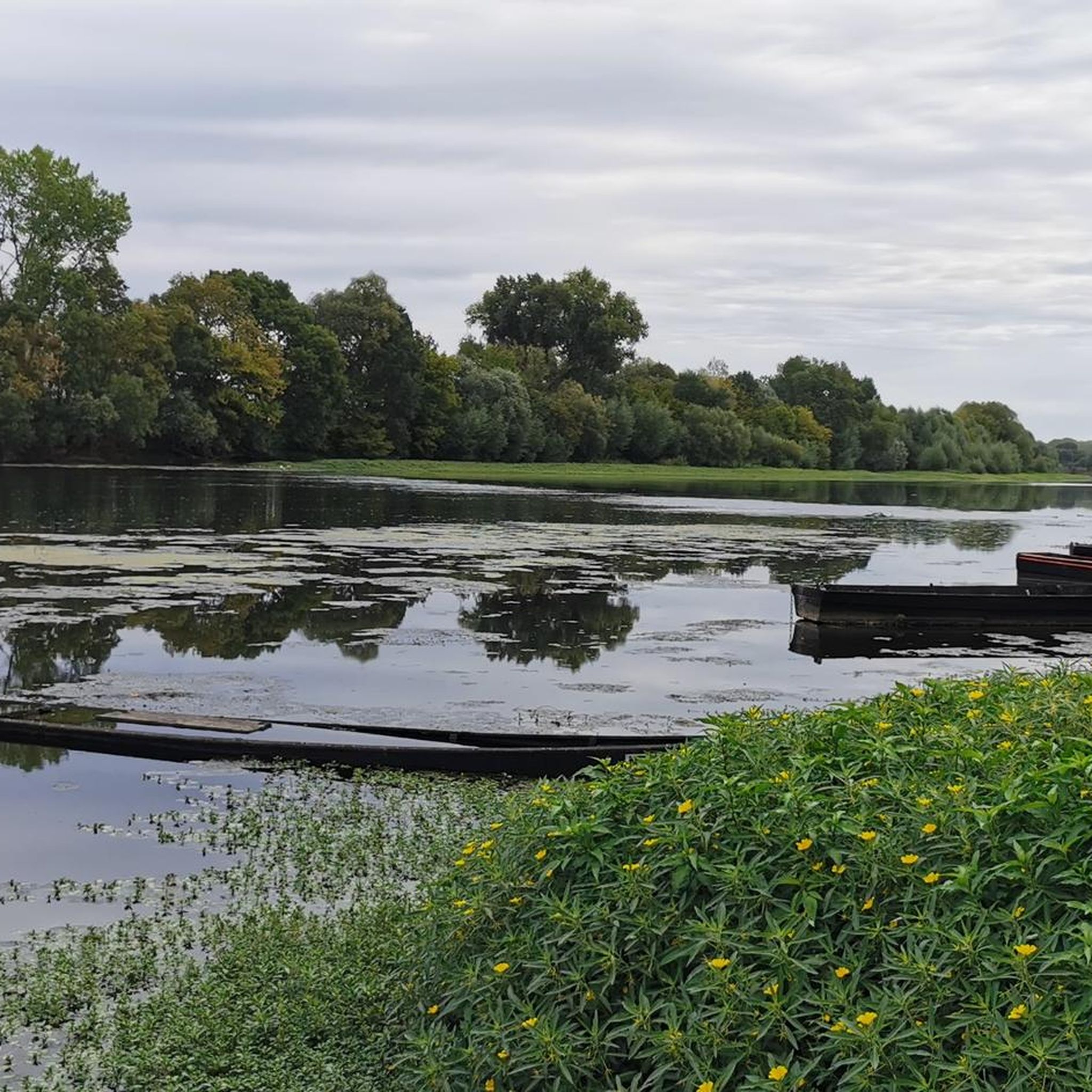
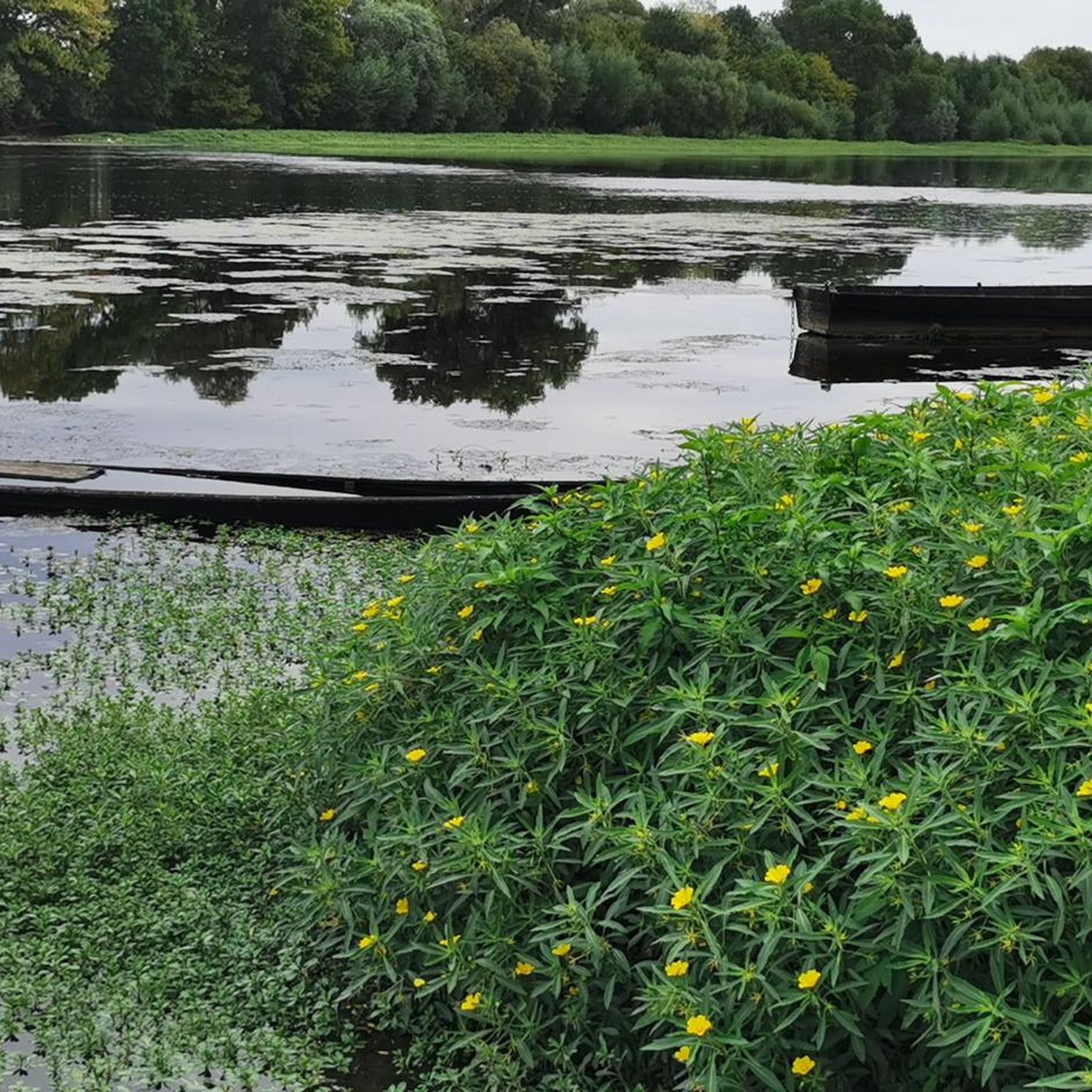
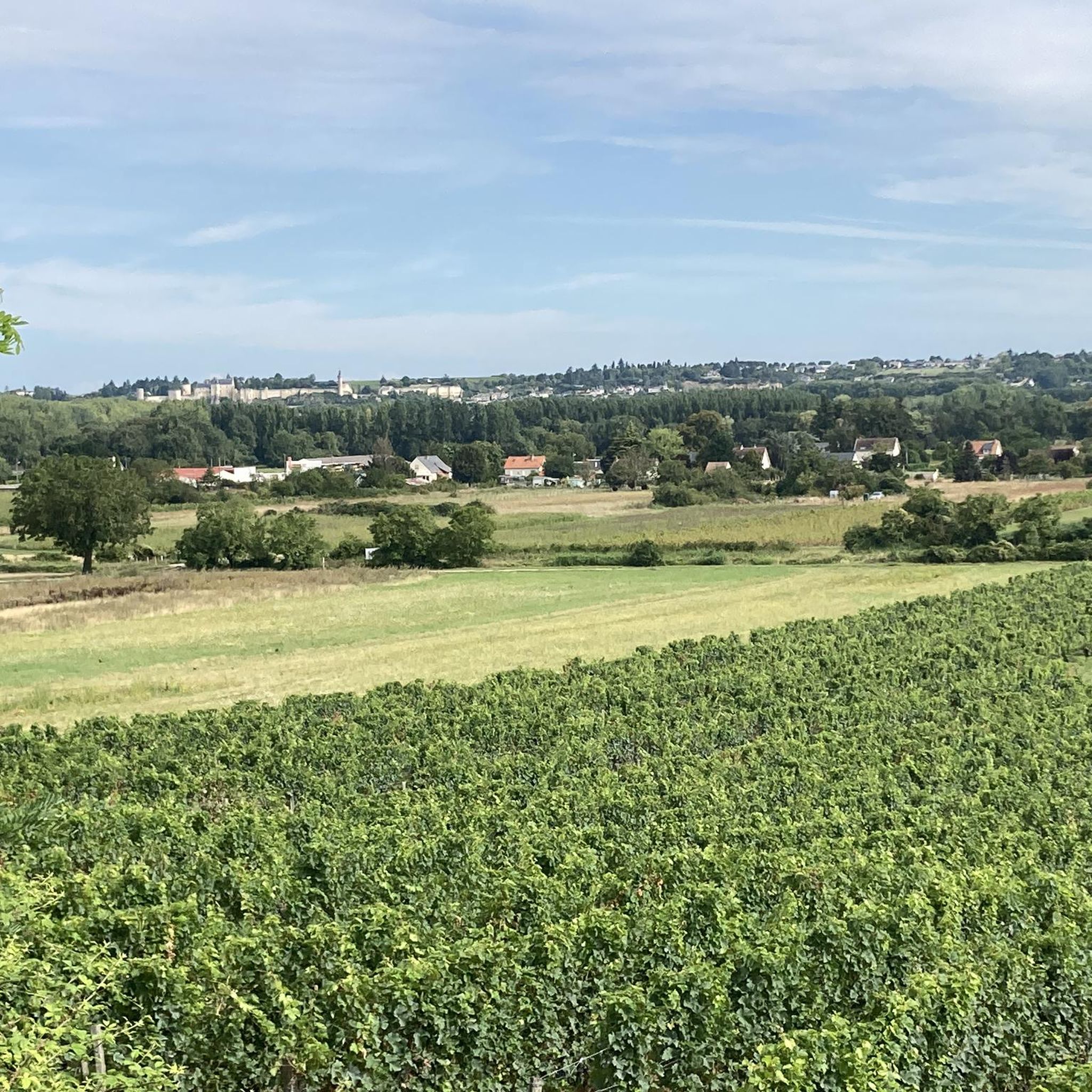
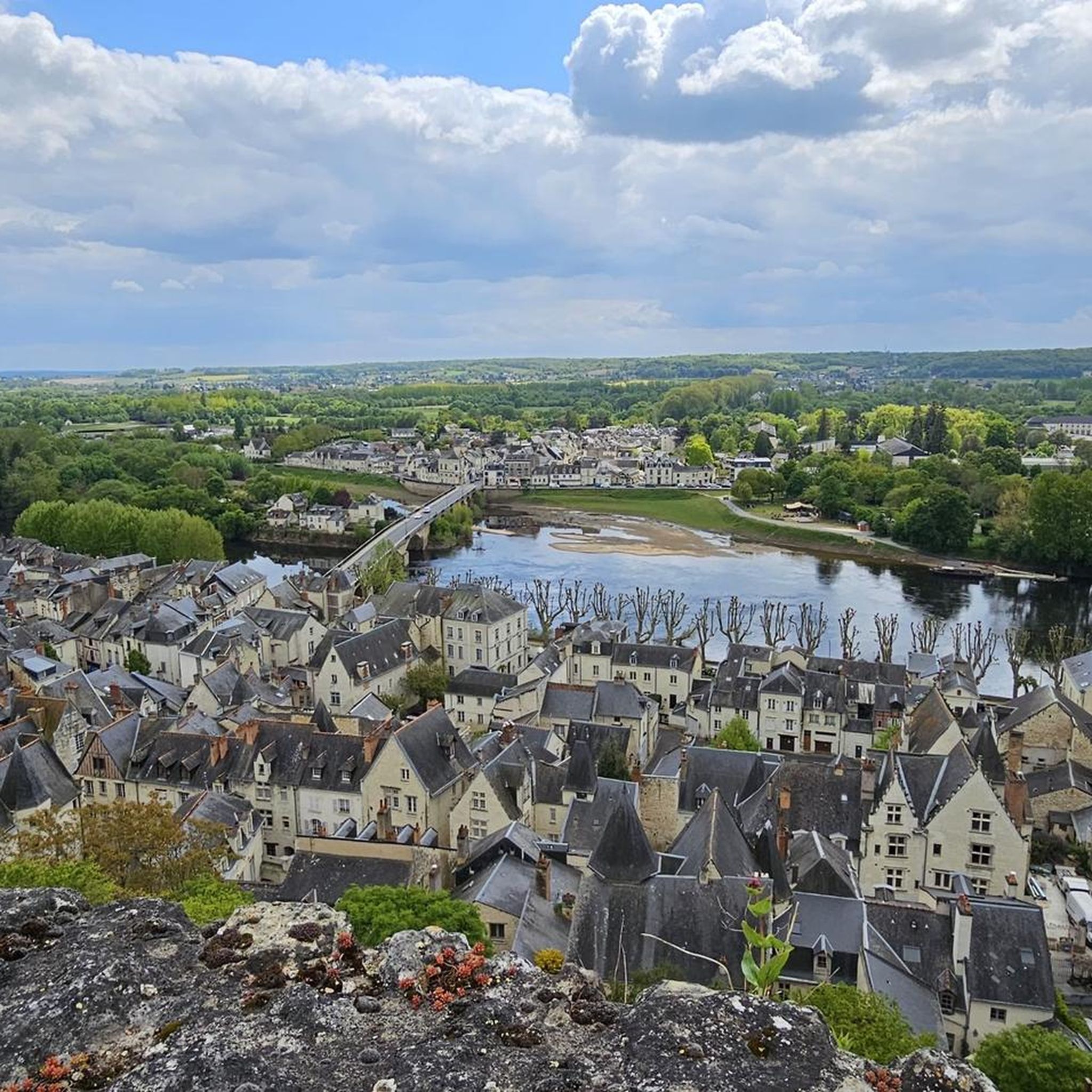


Tips from the Community

History in brief Antiquity: the site is strategically located on a promontory and has been inhabited for 3,000 years. It was not fortified until the end of the Roman Empire. Middle Ages: in 1154, the new King of England, Henry II Plantagenet, became ruler of an empire stretching from Scotland to the Pyrenees and made Chinon his continental capital. He had a large palace built next to the fortress, which has now disappeared. In 1189, abandoned by his sons, Richard the Lionheart and John Lackland, and fleeing from the King of France, he eventually died there. Philippe Auguste had the defensive Tour du Coudray built there after the siege of 1205. Renaissance: in 1454, the fortress became the main residence of Queen Marie d'Anjou, who lived there without her husband. She spent lavishly on decorating the house to her taste. From the 16th century onwards, the fortress was gradually abandoned and fell into disrepair. Despite the dangerous nature of the terrain, it became a public promenade in 1824 and was listed as a monument in 1840. The restoration of the estate began in 1854 thanks to the efforts of the writer Prosper Mérimée. Source: https://loirelovers.fr/en/visit-royal-fort-chinon/
6
0

Beautiful gardens and an art collection in the castle.
0
0

The road out of Chinon towards the Loire, to get back on the Eurovelo 6 (towards Tours) had huge hills beyond my skill set with a lot added bike. Check elevations. I ended up catching a train two stops.
0
0


Chinon is a town of 8000 inhabitants. It is famous for its castle which overlooks the Vienne river. There are all amenities in the town, such as shops, cafes and restaurants. There are many cultural activities in Chinon, before going there you can consult the agenda here: https://www.ville-chinon.com/loisirs/agenda
1
0

The fortress site has been occupied for three thousand years. The castle itself took shape between the 6th and 10th centuries.
1
0

Very nicely restored castle with an interesting art collection and beautiful gardens
0
0
Lovingly restored castle with an interesting art exhibition and beautiful gardens
0
0
Frequently Asked Questions
What makes the castles around Lémeré unique?
The castles in the Lémeré area, situated within the Loire Valley, offer a rich blend of medieval fortresses, Renaissance châteaux, and historical ruins. They showcase diverse architectural styles from the 15th and 16th centuries, often set amidst notable gardens and featuring significant historical connections, such as with Jeanne d'Arc.
Are there family-friendly castles to visit near Lémeré?
Yes, the region offers family-friendly options. The Château du Rivau is particularly known as 'the kingdom of children,' offering activities, enigmas, and fairytale gardens designed to engage younger visitors. The Royal Fortress of Chinon also provides an immersive experience with a permanent museum, a high-tech 'histopad' guided tour, and family events during holidays.
What historical sites can I explore in addition to castles?
Beyond the castles themselves, you can visit the Royal Fortress of Chinon, a site occupied for over 3,000 years with deep historical significance, including its connection to Joan of Arc. Another notable historical site is the Ruins of the Collegiate Church and Château of Les Roches Tranchelion, featuring scattered remains of a 15th-century castle and preserved ruins of a 16th-century collegiate church.
What natural features or gardens can be found at these castles?
The Château du Rivau is renowned for its 14 'fairytale gardens,' classified as 'Jardin Remarquable.' These gardens feature diverse themes like the 'Garden of Love Potions' and the 'Gargantua vegetable garden,' housing over 450 varieties of roses and integrating 25 monumental contemporary sculptures.
What outdoor activities are available near the castles around Lémeré?
The area around Lémeré offers various outdoor activities. You can find numerous hiking, running, and mountain biking trails. For example, there are moderate running loops starting from Château du Rivau, and several hiking trails like the 'Assay Pond Trail' and 'Sainte Chapelle, its Village and its Streams Trail.' You can explore more options on the Hiking around Lémeré, Running Trails around Lémeré, and MTB Trails around Lémeré guide pages.
Are there specific hiking trails near the castles?
Yes, you can find hiking trails in the vicinity. For instance, there are several moderate hiking routes around Lémeré, including the 'Assay Pond Trail' and the 'Sainte Chapelle, its Village and its Streams Trail,' both over 10 km. Shorter, easy options like the 'River loop' are also available. More details can be found on the Hiking around Lémeré guide page.
What is the best time of year to visit the castles in the Lémeré region?
The Loire Valley, including Lémeré, is generally pleasant to visit from spring through autumn. Spring offers blooming gardens, especially at Château du Rivau with its extensive rose collections. Summer provides warm weather for exploring, while autumn brings beautiful foliage. Winter visits are possible, but some garden features might be less vibrant, and opening hours could be reduced.
Can I find accommodation or dining options near the castles?
Yes, the area offers options for accommodation and dining. The Château du Rivau itself includes two restaurants, La Table des Fées and Le Jardin Secret, and a four-star hotel in its royal stables. The nearby village of Champigny-sur-Veude also has its own castle and offers local amenities.
Is the <a href="https://www.komoot.com/highlight/3599861" target="_blank" rel="noopener">Château de Basché</a> open to visitors?
The Château de Basché, a 16th-century castle extended in the 19th century, has been transformed into a hotel offering guest rooms. It is set within an 8-hectare park and also plans to host seminars, exhibitions, and artist residencies. For specific visitor information or to book a stay, it's best to contact them directly.
What is the significance of the <a href="https://www.komoot.com/highlight/295657" target="_blank" rel="noopener">Royal Fortress of Chinon</a>?
The Royal Fortress of Chinon is historically significant as a site occupied for 3,000 years. It was a key location during the Middle Ages, serving as the continental capital for Henry II Plantagenet and later as the place where Joan of Arc met the Dauphin, Charles VII, to request an army. The fortress also has connections to the French humanist writer François Rabelais.
Are there any 'hidden gem' castles or lesser-known sites worth visiting?
While not a 'hidden gem' in the sense of being completely unknown, the Champigny-sur-Veude castle offers a charming experience. It's located in a very old village and features a Renaissance-style building surrounded by a moat. It provides a glimpse into the region's history beyond the more prominent châteaux.
Most popular attractions around Lémeré

Get inspired with the komoot mobile app


Explore more
Looking for the best castles somewhere else? Discover other guides around Lémeré:
