Top 5 Castles around Puymoyen
Best castles around Puymoyen offer insights into the region's historical significance and strategic landscape. The area features several historical sites, often situated on elevated terrain, providing natural defensive positions and viewpoints. These structures reflect centuries of architectural evolution and conflict, making them significant landmarks for those looking to visit castles near Puymoyen.
Best castles around Puymoyen
- The most popular castles is Château de la Rochandry, a castle and historical site that was originally a 9th-century fortress. It was rebuilt…
Last updated: July 5, 2026
Château de la Rochandry
Highlight • Castle
Translated by Google •
Tip by

Château de la Tranchade
Highlight • Castle
Translated by Google •
Tip by

Sign up now to discover places like this
Get recommendations on the best single tracks, peaks, & plenty of other exciting outdoor places.
Sign up for free
Chateau du diable
Highlight • Castle
Translated by Google •
Tip by

Château de Torsac
Highlight • Castle
Translated by Google •
Tip by

The Breuil Tower
Highlight • Castle
Translated by Google •
Tip by
Start today with a free account
Your next adventure awaits.
Login or Signup

Tips from the Community

The Tower is difficult to visualize; you must stay in the castle, which offers guest rooms, to access it.
0
0
A former stronghold during the Hundred Years' War, the building is said to have served as a landmark for the English, nicknamed the Red Devils, which is said to have given it its name. The building is currently privately owned. https://www.chateau-fort-manoir-chateau.eu/chateaux-charente-chateau-a-puymoyen-chateau-du-diable.html https://www.francebleu.fr/emissions/histoires-et-patrimoine-dans-les-2-charentes/les-charentes-mysterieuses-le-chateau-du-diable-a-puymoyen-16-1426390
0
0

Magnificent little Charentais village, with a small church and its garden
0
0

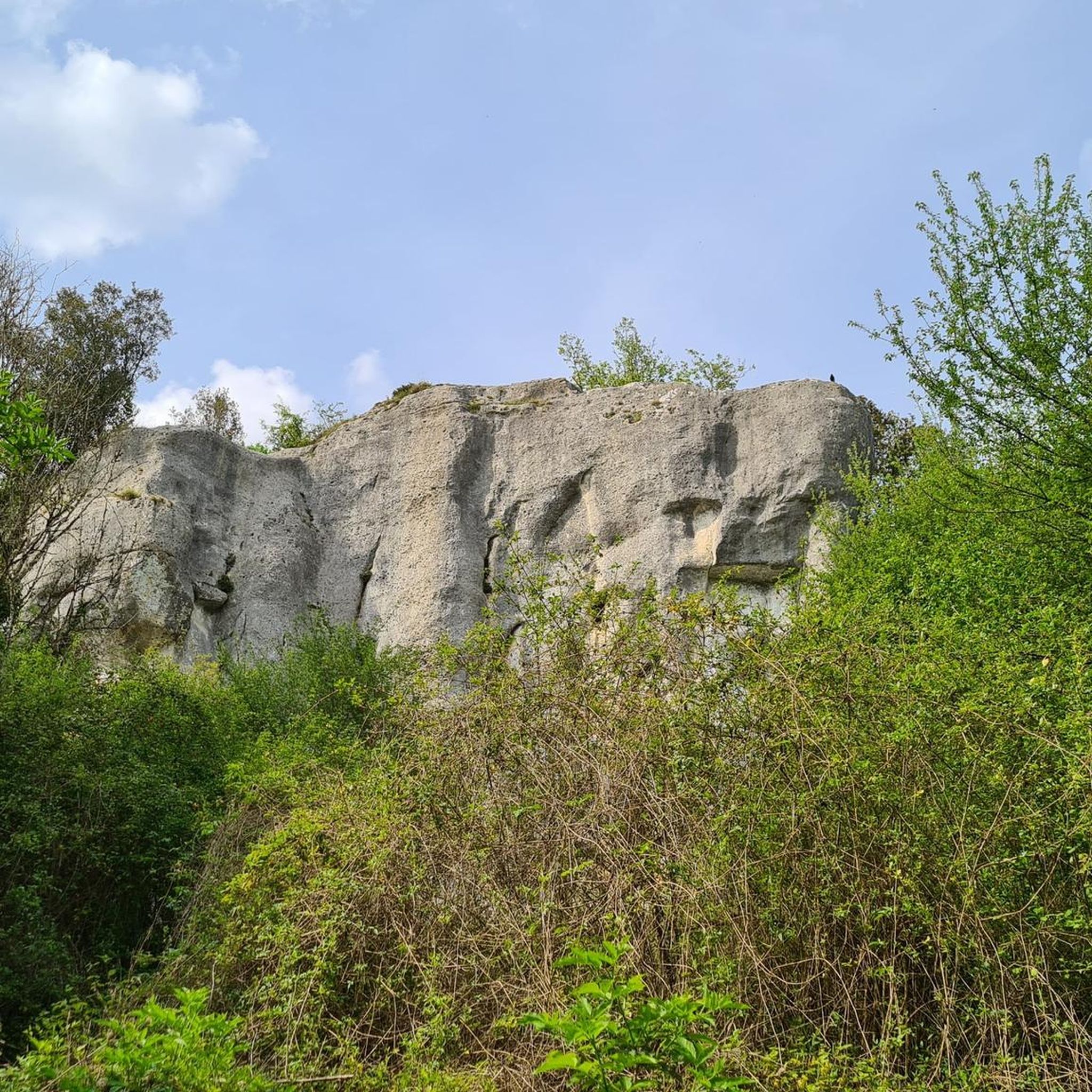
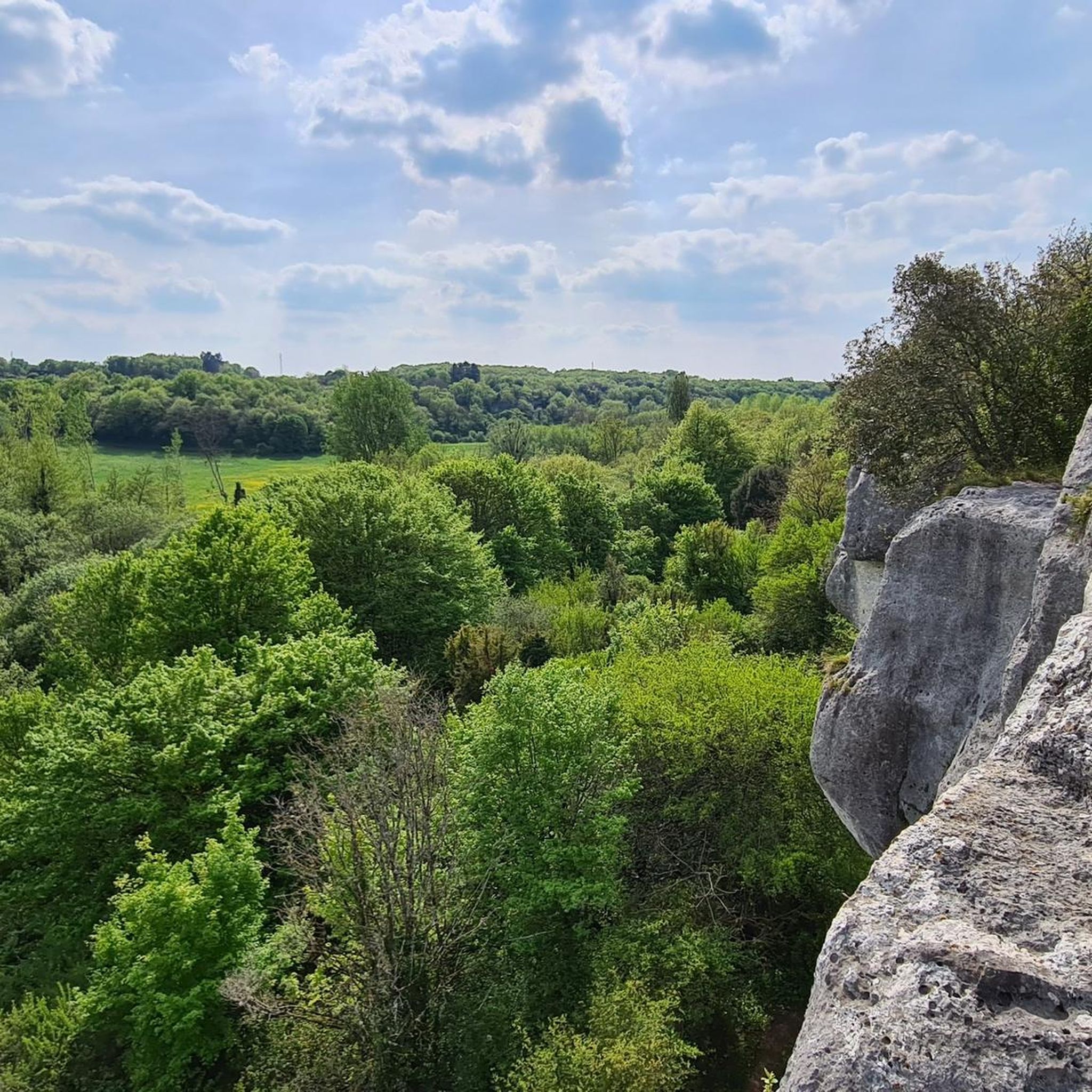
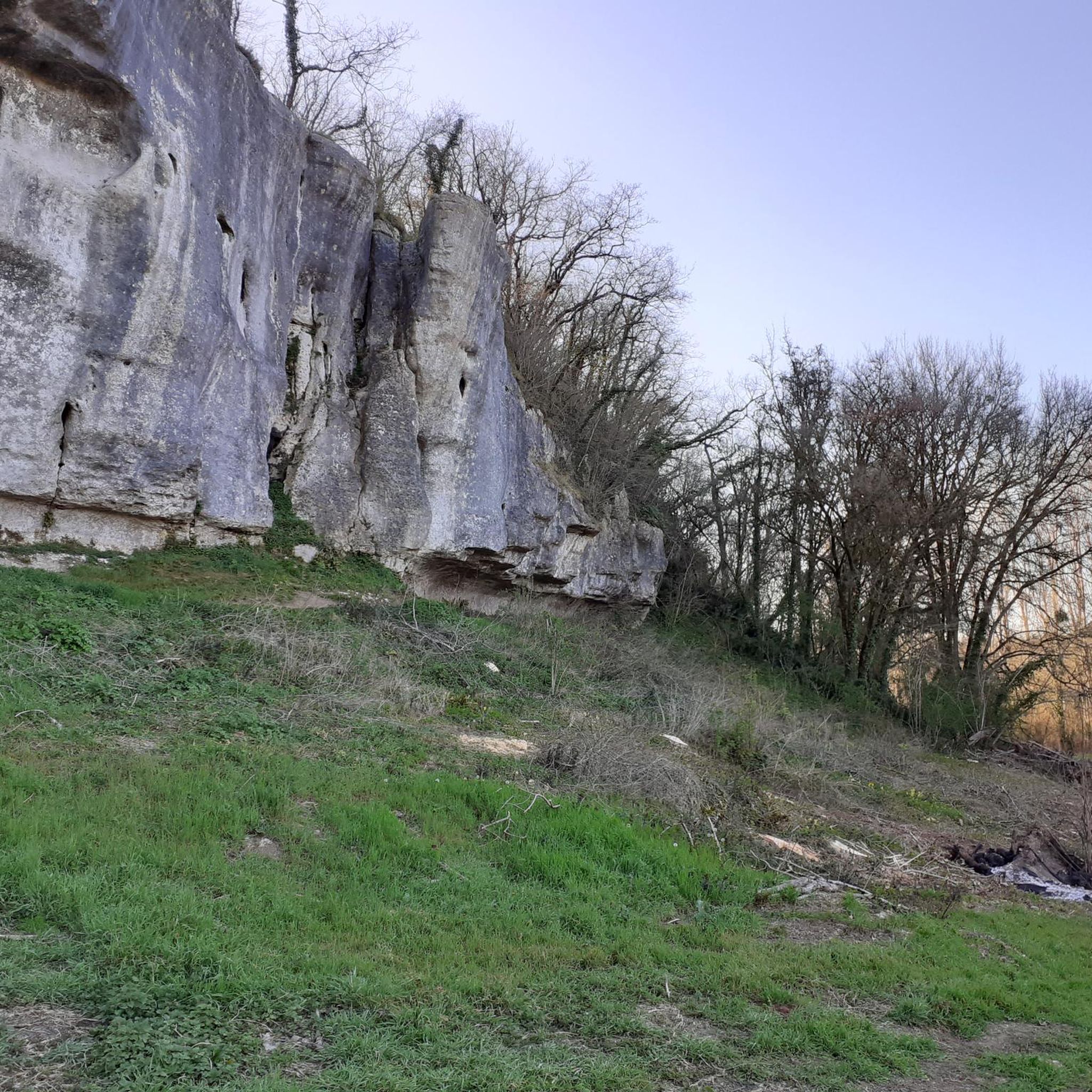
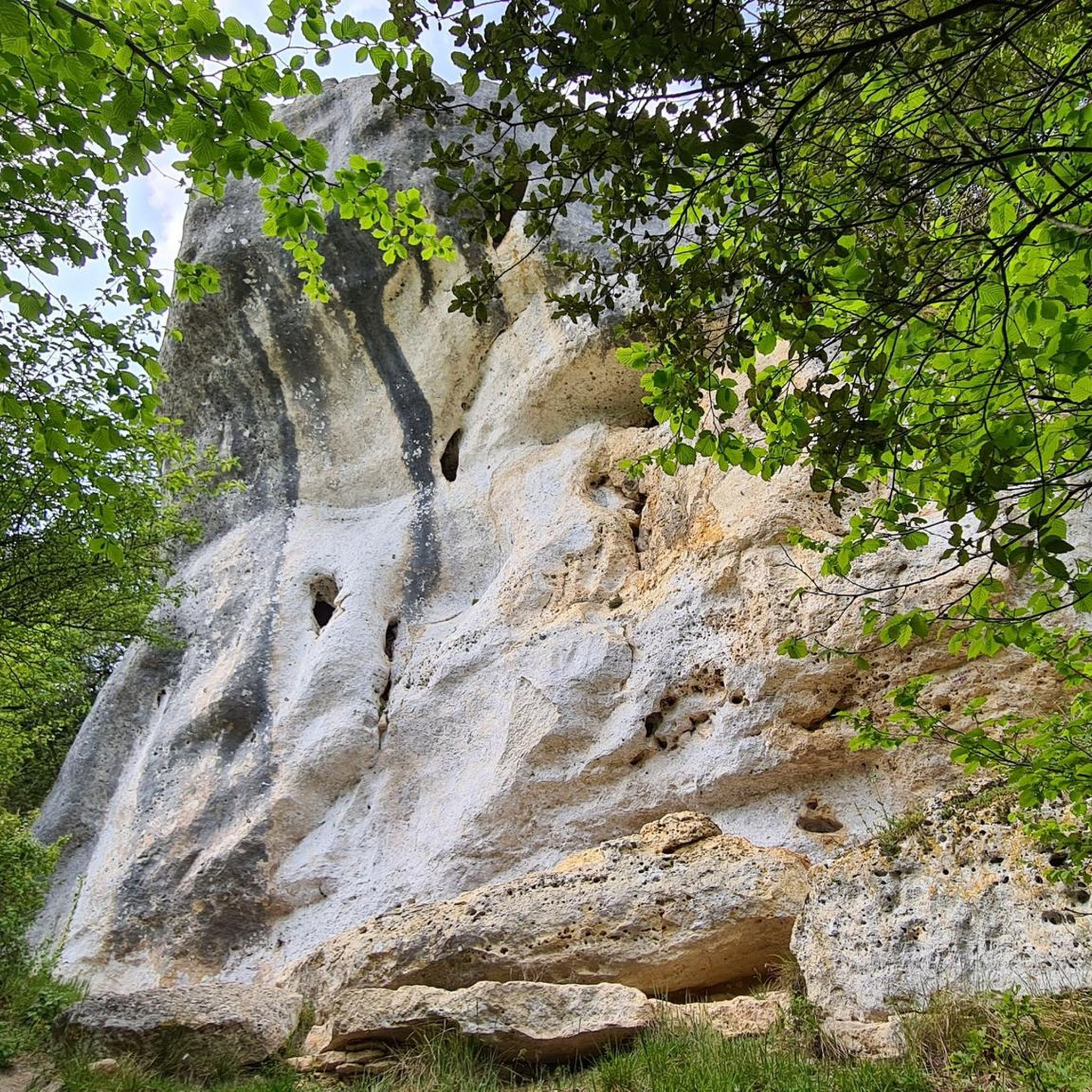
The Château de la Tranchade dominates the Anguienne valley on a rocky outcrop protecting the south-eastern access to Angoulême. A strategic stronghold to control Angoulême, La Tranchade has often been besieged.
4
0

The tower was built in the 15th century. The keep is a strong square tower that may date from the end of the 14th or the beginning of the 15th century. The defensive walls are made of cut stone. The machicolations are intact. Only the walkway is damaged to the east. Inside, the rooms and the original staircase no longer exist. The small chapel has remains of frescoes from the beginning of the 15th century or perhaps from the 14th (knight; Saint Michael; Saint Christopher; king; horsewoman...). The remains of the tower buildings were remodeled in the 19th century.
2
0
Three truncated rectangular towers and beautiful vaulted rooms remain from the 13th century castle, which was extensively altered in the 17th century. The battlements on fancy battlements are from the 19th century.
0
0
The tower was built in the 15th century. The keep is a strong square tower that may date from the end of the 14th or the beginning of the 15th century. The defense walls are in freestone. The machicolations are intact. Only the rampart walk is damaged to the east. Inside, the rooms and the original staircase no longer exist. The small chapel has remains of frescoes from the dabut from the 15th century or perhaps from the 14th (knight; Saint Michael; Saint Christopher; king; horsewoman ...). The remains of the tower buildings were remodeled in the 19th century.
0
0
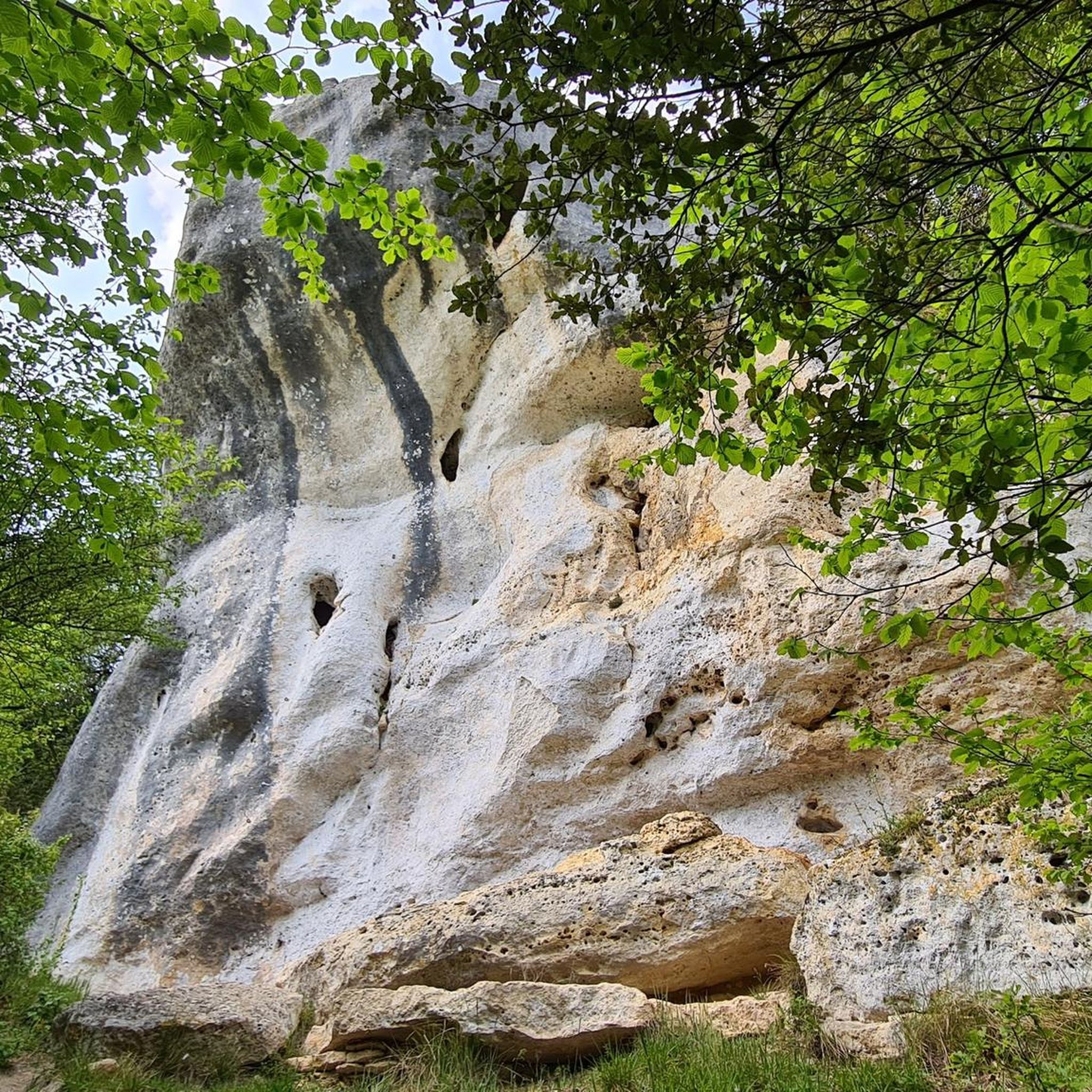
It would be Chanderic, Lord of Saintes at war against the Count of Angoulême, who would have built a fortress, around the 9th century, on the rock where the current castle is located. During the Hundred Years War this castle was disputed between the French and the English. In 1387 Louis de Sancerre, Marshal of France, drove them out. The English took over the castle and were driven out again in 1416 by the Sire de Barbazan, captain of Charles VII who had it demolished. Rebuilt in Gothic style in the 15th century by Jean de La Rochandry, the castle passed by marriage to the Saint-Gelais in 1445, then to the Tison d'Argence and, around 1580, to the Forgues de Lavedan who had it modified and enlarged around 1613 and he gave a Renaissance look. The castle was sold in 1681 to Etienne Chérade, Count of Montbron. In the 18th century, as it threatened to ruin, the Lady of Rouffiac had part of the walls knocked down. In 1850 the banker Servant, from Angoulême, bought what remained of the castle of La Rochandry, had it rebuilt in 1852 as it is today and was ruined in this operation.
1
0
Frequently Asked Questions
What are the most historically significant castles to visit around Puymoyen?
The region boasts several castles with rich histories. The Château de la Rochandry, for instance, originated as a 9th-century fortress and has been rebuilt and modified across centuries, showcasing Gothic and Renaissance influences. Another key site is the Château de la Tranchade, a strategic stronghold dominating the Anguienne valley, featuring a late 14th-century keep and a postern.
Are there any castles around Puymoyen that offer scenic viewpoints?
Yes, the Château de la Tranchade is notable for its commanding position overlooking the Anguienne valley, providing excellent views. Its strategic location on a rocky outcrop made it a significant defensive point.
What kind of architectural styles can I expect to see among the castles near Puymoyen?
The castles around Puymoyen showcase a diverse range of architectural styles, reflecting centuries of history. You can find structures dating from the 9th to the 19th centuries, including medieval fortresses, Gothic reconstructions, Renaissance-era modifications, and 19th-century additions like the battlements at Château de Torsac.
Are there easy walking trails near the castles around Puymoyen?
Yes, there are several easy walking trails in the vicinity. For example, the 'Vallee des Eaux Claires – Pumoyen loop' is an easy hiking route that can be explored. You can find more details and other options on the Hiking around Puymoyen guide.
What outdoor activities can I do near the castles?
Beyond visiting the castles, the area around Puymoyen offers various outdoor activities. You can find numerous routes for hiking, running, and road cycling. Many of these routes pass by or offer views of historical sites, including castles like Château de la Rochandry.
Are there any lesser-known or 'hidden gem' castles worth exploring near Puymoyen?
While not extensively detailed, the Chateau du diable, a former stronghold during the Hundred Years' War, offers an intriguing visit. It's privately owned but holds a fascinating history, rumored to have served as a landmark for the English.
What should I wear when visiting castles in the Puymoyen area?
Given that many castles are historical sites, often with uneven terrain, stairs, or outdoor elements, comfortable walking shoes are highly recommended. Layers of clothing are also advisable, as weather conditions can change, especially if you plan to explore surrounding trails or viewpoints.
How long does it typically take to visit a castle near Puymoyen?
The duration of a visit can vary depending on the castle and your interest. For a site like Château de la Rochandry or Château de la Tranchade, you might spend 1-2 hours exploring the grounds and exterior, especially if you combine it with a short walk nearby. Some castles are privately owned and may only be viewable from the exterior.
Are there any castles with unique features or stories?
The The Breuil Tower, built in the 15th century, is unique for its intact machicolations and the remains of 15th-century frescoes in its small chapel. It offers a glimpse into medieval art and defense, though access might require staying in the guest rooms of the associated castle.
What do visitors particularly enjoy about the castles around Puymoyen?
Visitors appreciate the historical depth and architectural variety of the castles, which range from ancient fortresses to more refined châteaux. The strategic locations often provide superb views, and the opportunity to combine castle visits with walks or hikes in the surrounding natural landscape is also a highlight.
Are there any challenging hiking trails near the castles for experienced hikers?
Yes, for those seeking more challenging routes, the 'Vallée des Eaux claires loop from Puymoyen' and the 'Anguienne Valley loop from Puymoyen' are both rated as difficult hiking trails. These can be found in the Hiking around Puymoyen guide and offer a more strenuous way to explore the region's landscapes, potentially with views of distant castles.
Most popular routes around Puymoyen
Most popular attractions around Puymoyen

Get inspired with the komoot mobile app


Explore more
Looking for the best castles somewhere else? Discover other guides around Puymoyen:
