Top 4 Caves around Häsingen
Best caves around Häsingen are characterized by a mix of natural formations and historical sites. The region offers opportunities to explore both geological features and structures with cultural significance. Visitors can find various types of underground spaces, from natural caves to man-made historical cellars. The area provides diverse experiences for those interested in subterranean exploration.
Best caves around Häsingen
- The most popular caves is Mariastein Monastery, a religious building that features a chapel located in a grotto. This site…
Last updated: October 8, 2026
Mariastein Monastery
Highlight • Religious Site
Translated by Google •
Tip by

St. Vitus Chapel on the Isteiner Klotz
Highlight • Religious Site
tein
Translated by Google •
Tip by

Sign up now to discover places like this
Get recommendations on the best single tracks, peaks, & plenty of other exciting outdoor places.
Teufelhof Basel: Archaeological Cellar and Inner City Wall
Highlight • Historical Site
Translated by Google •
Tip by

Erdloch Cave
Highlight • Cave
Translated by Google •
Tip by

Ground fissure
Highlight • Cave
Translated by Google •
Tip by
Start today with a free account
Your next adventure awaits.
Tips from the Community

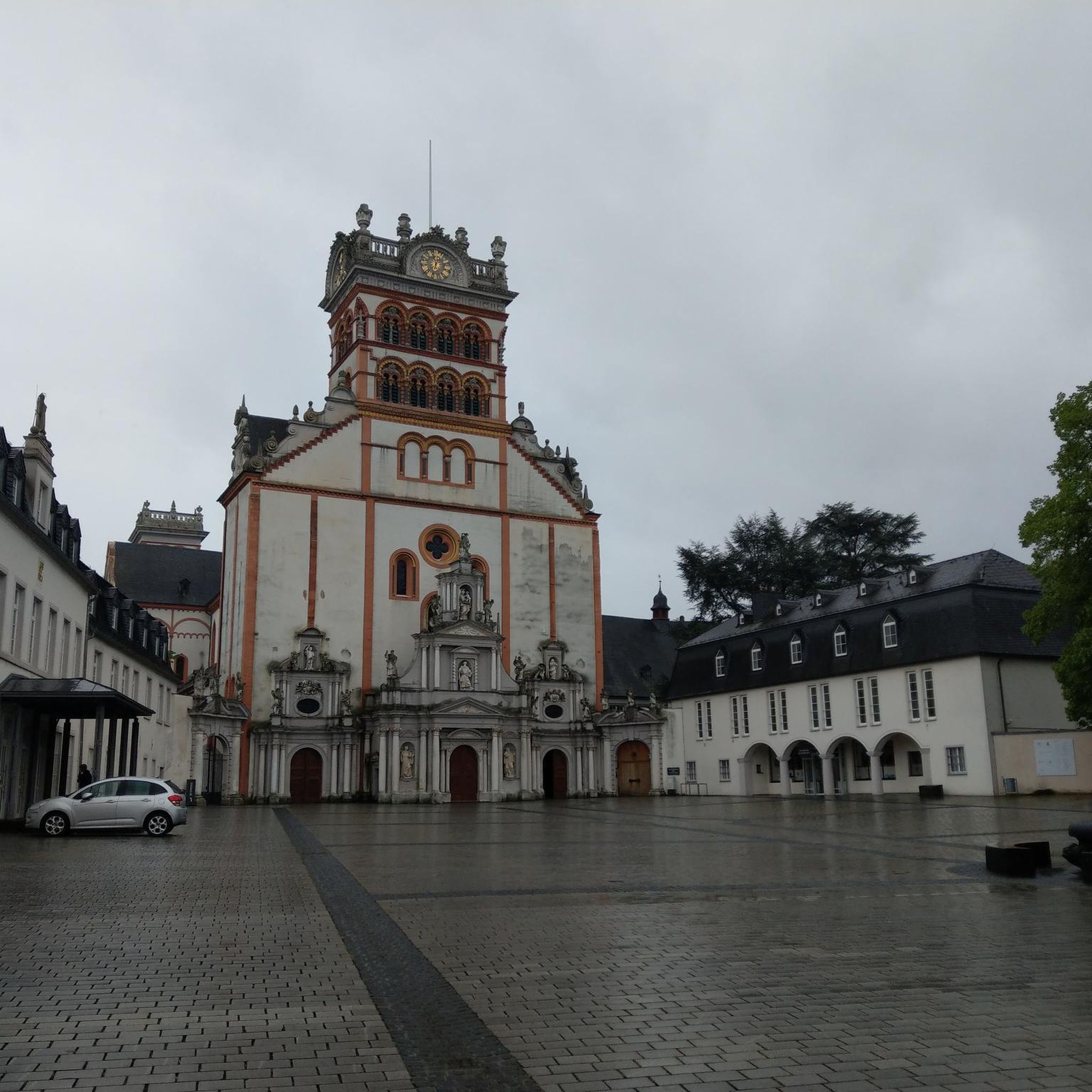
Since 1926, the monastery church has borne the papal title of honor of a Basilica minor. Originally built in the late Gothic style, the interior was redesigned several times and furnished and painted in the Neo-Baroque style between 1900 and 1934. The mighty high altar at the end of the choir, a gift from the French King Louis XIV, was consecrated in 1680.
4
0

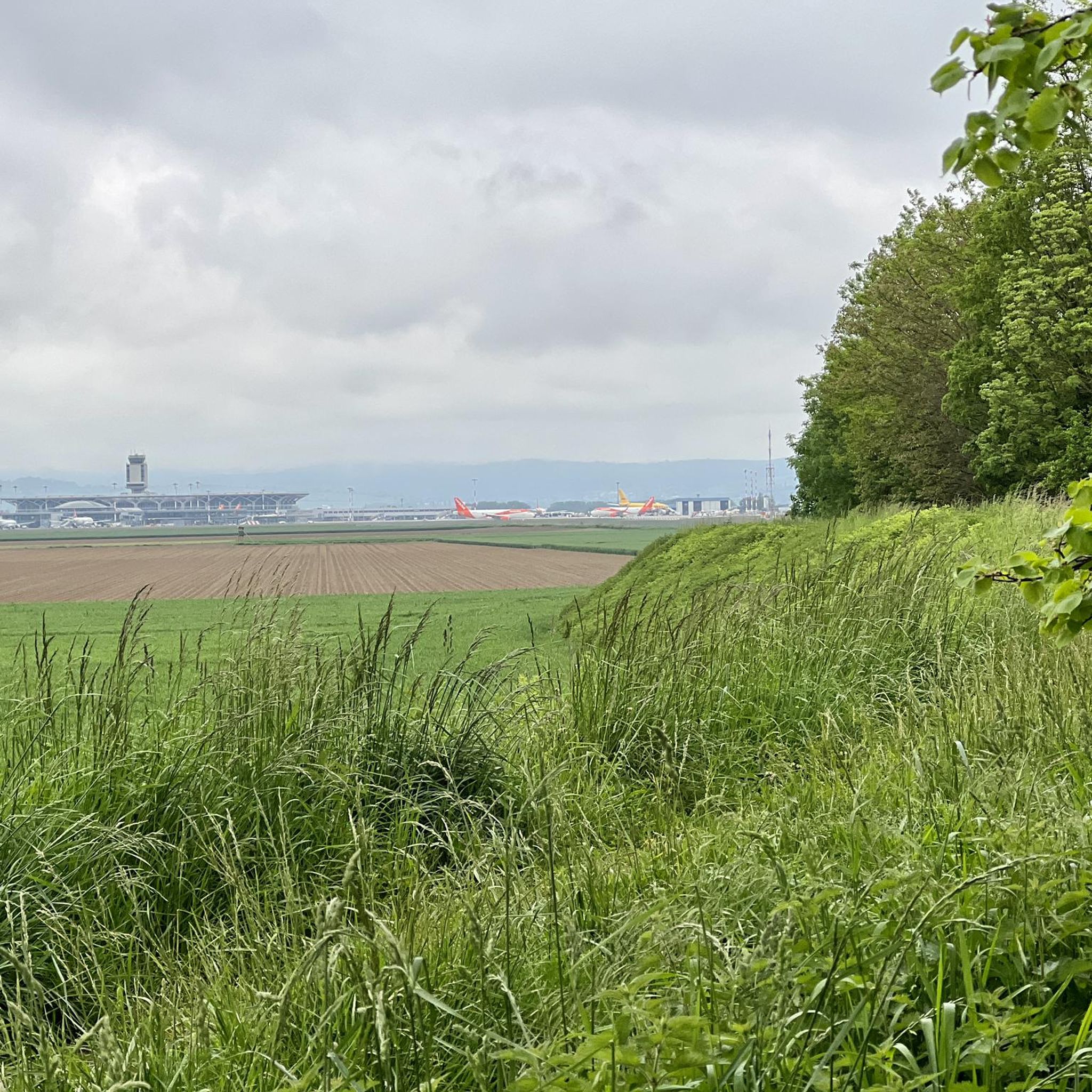
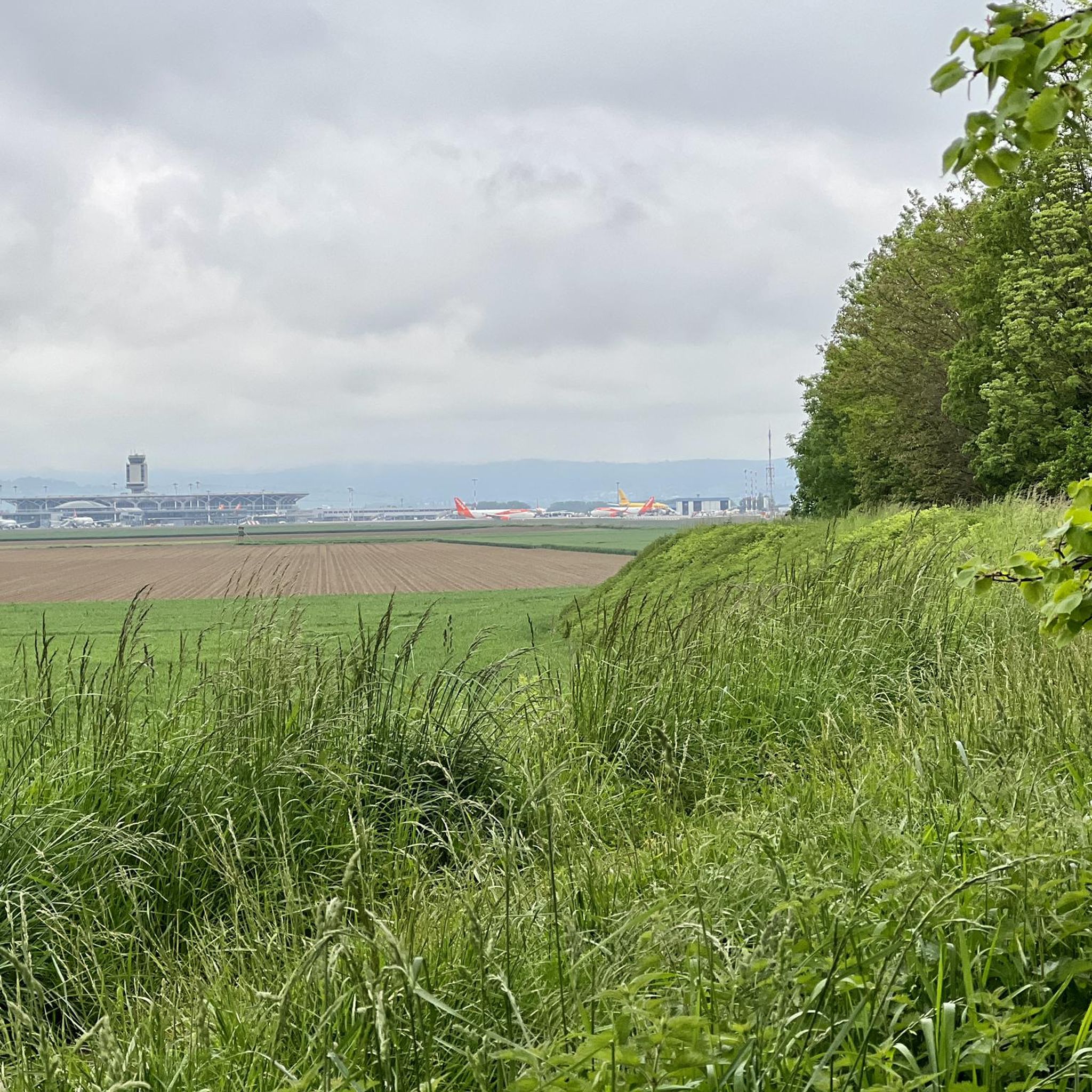
Easily accessible on the plateau, about 15m deep, can be explored by slightly crouching. That is, if you're not afraid of spiders.
0
0

The Mariastein monastery is considered the second most important pilgrimage site in Switzerland after Einsiedeln. Its origins go back to a legend in which a little boy fell over a high rock face and was then found unharmed by his mother. After he told his father that he had been caught by a woman, the father was sure that it was the Virgin Mary. He had a chapel built in a cave in her honor. The monastery complex can be visited daily, but services are held regularly. More information can be found here: https://www.kloster-mariastein.ch/informationen/agenda/
3
0

The Teufelhof Basel is a hotel in Basel's old town in two historic buildings at Leonhardsgraben 47-49. Parts of the building complex (Leonhardgraben 47) and the cellar (archaeological monument) are listed in the canton of Basel-Stadt's inventory of monuments. The idea behind the operation is to operate independent art and culture as part of a "self-subsidization" of the cultural operation through a parallel hotel and restaurant operation. Due to objections, the permit had to be obtained before the Swiss Federal Court before the opening. After this six-and-a-half-year waiting period, the hotel opened on April 28, 1989. The Teufelhof Basel now employs 70 people. The hotel consists of two buildings, the art hotel and the gallery hotel. The art hotel has eight rooms and one suite, all of which are designed as habitable works of art. The gallery hotel has 20 rooms and four junior suites and is also used as an exhibition space. Nine art rooms were designed by various artists as experiential spatial art. The artists are free to paint directly on the walls or work with materials in the room. The Teufelhof also regularly supports artists with exhibitions or projects of various kinds. The cultural operations include a theater with cabaret performances and satirical programs. The promotion of regional individual artists and groups - from accompanying rehearsals in the in-house theater to premieres in the Teufelhof - also plays an important role in the program planning. The theater is financed by the Teufelhof Basel, but since 2002 has also received a contribution from the two cantons of Basel-Stadt and Basel-Landschaft. In addition to the cultural operations in the sense of the theater and the art hotel, the house also houses two restaurants, the gourmet restaurant "Bel Etage" and the restaurant "Atelier". The house also houses a coffee bar, a gallery hotel with changing exhibitions that is offered as a free platform for the artists, a wine shop "falstaff" and a small archaeological museum, embedded in the historic Basel city walls from the 11th and 13th centuries. Source: https://de.wikipedia.org/wiki/Teufelhof_Basel
0
0

The Mariastein monastery is, alongside the Einsiedeln monastery, the second most visited pilgrimage site in Switzerland. Thousands of believers and pilgrims from all over the world make a pilgrimage to Mariastein every year to ask Mary for help or to receive her blessing. Of course, the impressive monastery complex and the surrounding lands attract numerous tourists and hikers every year, who bring home a wealth of memories with a suitcase or backpack, but also a full photo or cell phone memory card. A detour to the gift chapel hidden in a rock grotto and the magnificent basilica is particularly recommended. If you visit Mariastein, you should also, if possible, pay a visit to the nearby castle ruins of Château Landskron in Alsace, just a few minutes' walk away.
1
0

Mariastein Abbey is, after Einsiedeln, the second most important place of pilgrimage in Switzerland. It is known for its chapel dedicated to Mary, located in the Grotto, as well as its beautiful Gothic architecture and works of art.
1
0

The Saint Vitus Chapel in the Isteiner Klotzen, called St. Veitskapelle or Vituskapelle, is visible from afar in the niche of a steep rock face of the Isteiner Klotz near the Istein district of the municipality of Efringen-Kirchen in the district of Lörrach in Baden-Württemberg. The chapel named after St. Vitus (Vitus) is said to have been built in the 12th century as one of the two originally castle chapels of Istein Castle, which was built in the 11th century. The small chapel was rebuilt after the castle was destroyed in 1650. When the fortress in the mountain was blown up by the French occupying forces in 1947-1950[1], the chapel was also destroyed and was only largely rebuilt in 1988/89 due to a citizens' initiative.
2
0
Frequently Asked Questions
What types of caves can I explore around Häsingen?
The Häsingen area offers a mix of natural caves and historical underground structures. You can find natural formations like Erdloch Cave, which is about 15m deep, and historical sites such as the archaeological cellar and city walls at Teufelhof Basel.
Are there any family-friendly cave experiences near Häsingen?
Yes, Mariastein Monastery is considered family-friendly. It features a chapel located in a grotto, accessible by 59 steps, offering a unique cultural and historical experience for all ages.
What historical sites are integrated with caves or underground structures in the region?
You can explore Teufelhof Basel: Archaeological Cellar and Inner City Wall, where you can walk through old city walls from the 11th and 13th centuries and see archaeological finds. Additionally, Mariastein Monastery is a significant pilgrimage site with a chapel built into a grotto, showcasing rich history and Gothic architecture.
What are some challenging cave explorations around Häsingen?
For those seeking a challenge, Erdloch Cave is approximately 15m deep and requires crouching to explore. Another challenging option is the Ground fissure, which runs about 10m deep and is often filled with deadwood, offering a rugged exploration.
What outdoor activities can I combine with a visit to the caves?
The Häsingen area offers various outdoor activities. You can find numerous running trails, cycling routes, and mountain biking trails nearby, allowing you to explore the surrounding landscapes before or after your cave visit.
What do visitors particularly enjoy about the caves around Häsingen?
Visitors appreciate the diverse experiences, from the spiritual and historical significance of sites like Mariastein Monastery to the unique archaeological insights offered by Teufelhof Basel. The natural caves like Erdloch Cave also appeal to those looking for a more adventurous, hands-on exploration.
Are there any unique cave experiences in the broader region, like water caves?
While the specific highlights listed for Häsingen are not water caves, the broader region of the Swabian Alb (which includes areas like Hayingen) is known for its distinctive geological formations, including active water caves. For example, Wimsener Cave (Friedrich Cave) is Germany's only active water cave navigable by boat, offering an illuminated interior and a unique experience in a beautiful natural landscape.
What should I wear for cave exploration around Häsingen?
For caves like Erdloch Cave or the Ground fissure, which involve crouching or navigating tight spaces, wear comfortable clothing that you don't mind getting dirty. Sturdy, closed-toe shoes with good grip are essential. For historical sites like Mariastein Monastery, regular comfortable attire is suitable, but be prepared for steps and cooler temperatures in the grotto.
Is it possible to find accommodation or dining options near the caves?
Yes, given that some highlights like Teufelhof Basel are part of a hotel complex with restaurants, and Mariastein Monastery is a significant pilgrimage site, you can expect to find accommodation, cafes, and restaurants in the vicinity of these locations.
How long does it typically take to explore the caves around Häsingen?
The duration varies by site. Exploring the grotto at Mariastein Monastery might take less than an hour, while the archaeological cellar and city walls at Teufelhof Basel could take 1-2 hours depending on your interest. Natural caves like Erdloch Cave are shorter explorations, perhaps 30 minutes, but often combined with other outdoor activities.
Are there any viewpoints near the caves in Häsingen?
While specific viewpoints directly adjacent to the listed caves are not detailed, the region's natural landscape, especially around areas known for karst formations, often provides scenic vistas. Combining cave visits with nearby hiking or cycling routes, such as those listed in the Running Trails around Häsingen guide, can lead you to elevated spots with good views.
Most popular routes around Häsingen
Most popular attractions around Häsingen

Get inspired with the komoot mobile app


Explore more
Extend your search for the best caves by checking out these guides of the top ones around Häsingen:
