Top 7 Castles around Grüssenheim
Castles around Grüssenheim offer a journey through historical landscapes, often situated near significant geographical features. The region features a mix of well-preserved ruins and privately owned historical sites, providing insights into medieval architecture and strategic locations. Many of these sites are found in areas with natural beauty, including river valleys and elevated positions. Visitors can explore remnants of Roman forts and medieval strongholds, reflecting the area's long history.
Best castles around Grüssenheim
- The most popular castles is Sponeck Castle,…
Last updated: October 8, 2026
Sponeck Castle
Highlight • Castle
Translated by Google •
Tip by

Burkheim Castle Ruins
Highlight • Castle
Translated by Google •
Tip by

Sign up now to discover places like this
Get recommendations on the best single tracks, peaks, & plenty of other exciting outdoor places.
Schwendi Castle Ruins (Burkheim)
Highlight • Castle
Translated by Google •
Tip by
Zur Limburg Inn
Highlight • Restaurant
Translated by Google •
Tip by

Sponeck Castle and the Rhine Floodplains
Highlight • Castle
Translated by Google •
Tip by

Sign up for free to discover even more castles around Grüssenheim.
Already have an account?
Start today with a free account
Your next adventure awaits.
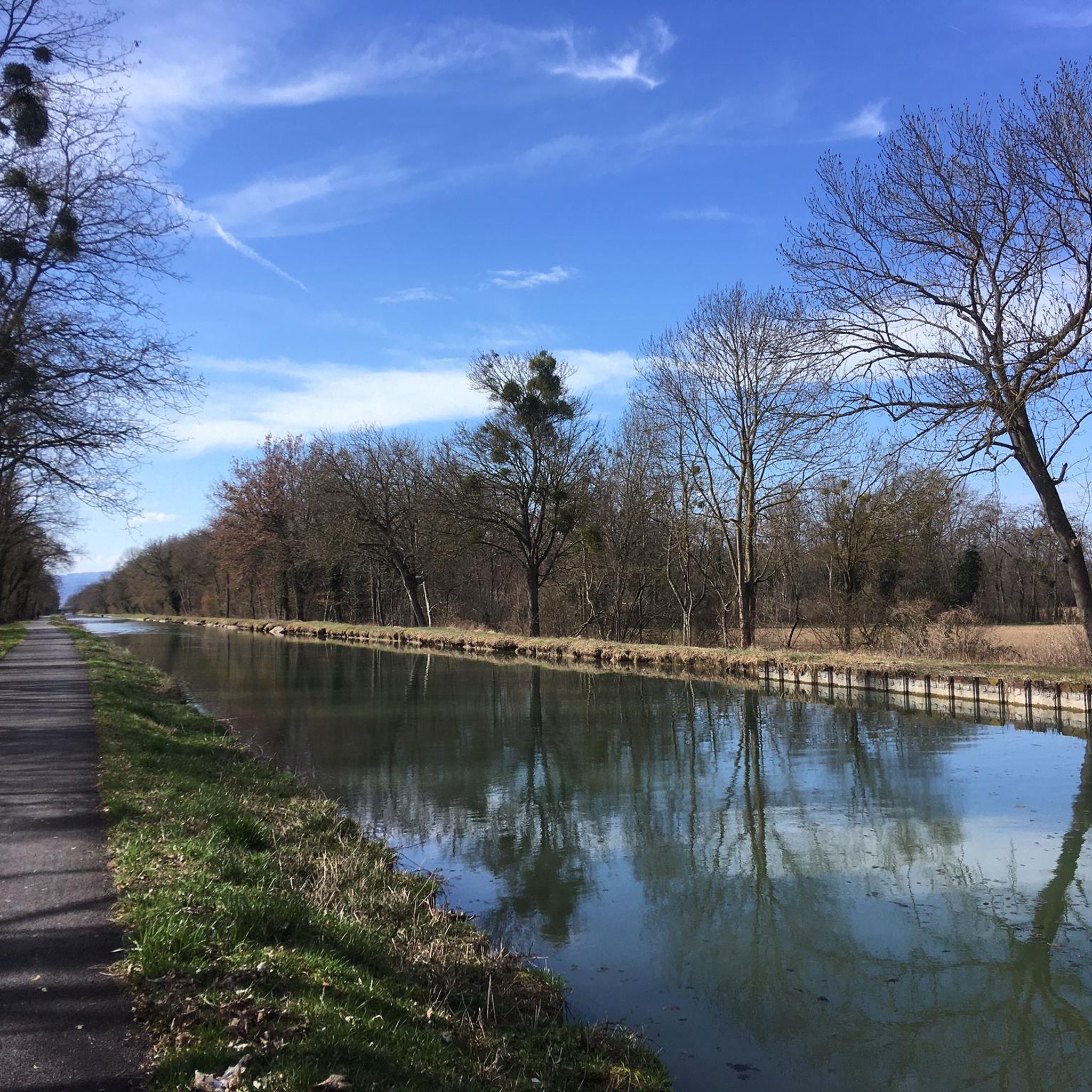
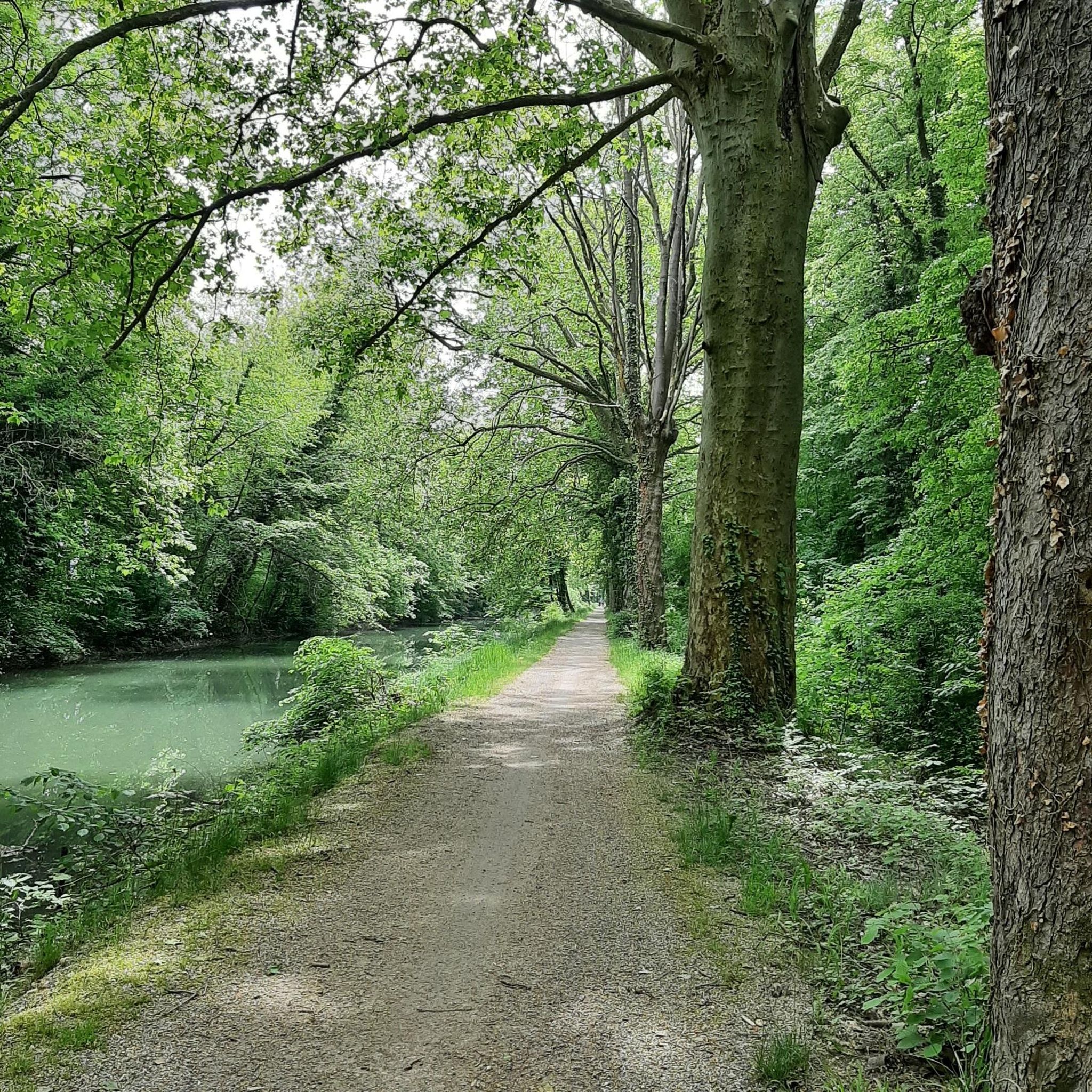
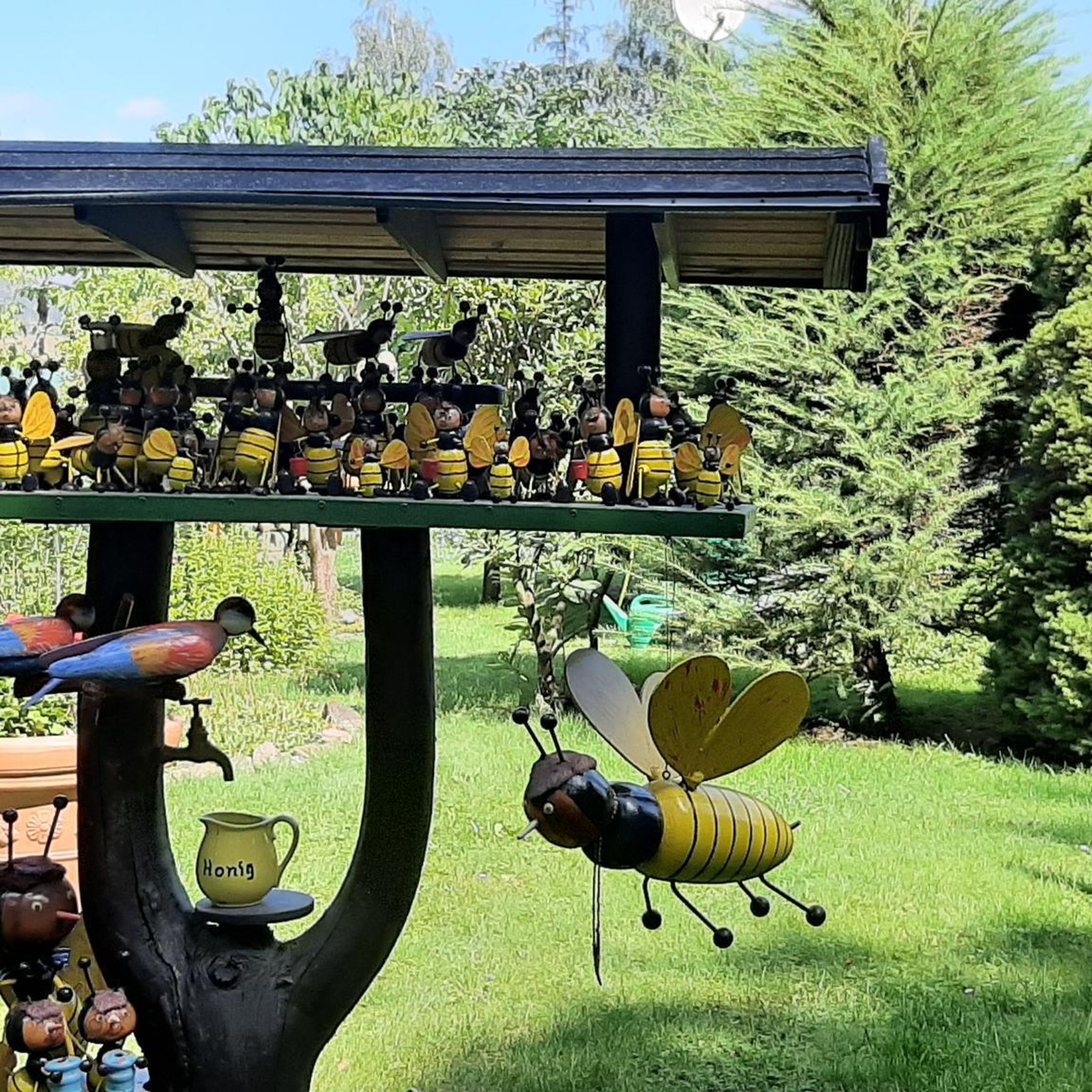
Tips from the Community

The first lord of the castle was Hildebrand Spenlin from Breisach. The word "Spenlin" means "little shavings" (from a plane). In Alemannic usage, Spenlin is called "Spänle." Without the diminutive, Span = Spon. The castle is mentioned in documents as Spenlins Eck, Span-Egge, or the Sponeck.
10
0
A short detour from the main route takes you to Sponeck Castle. The castle is privately owned, but the large garden is freely accessible.
10
0

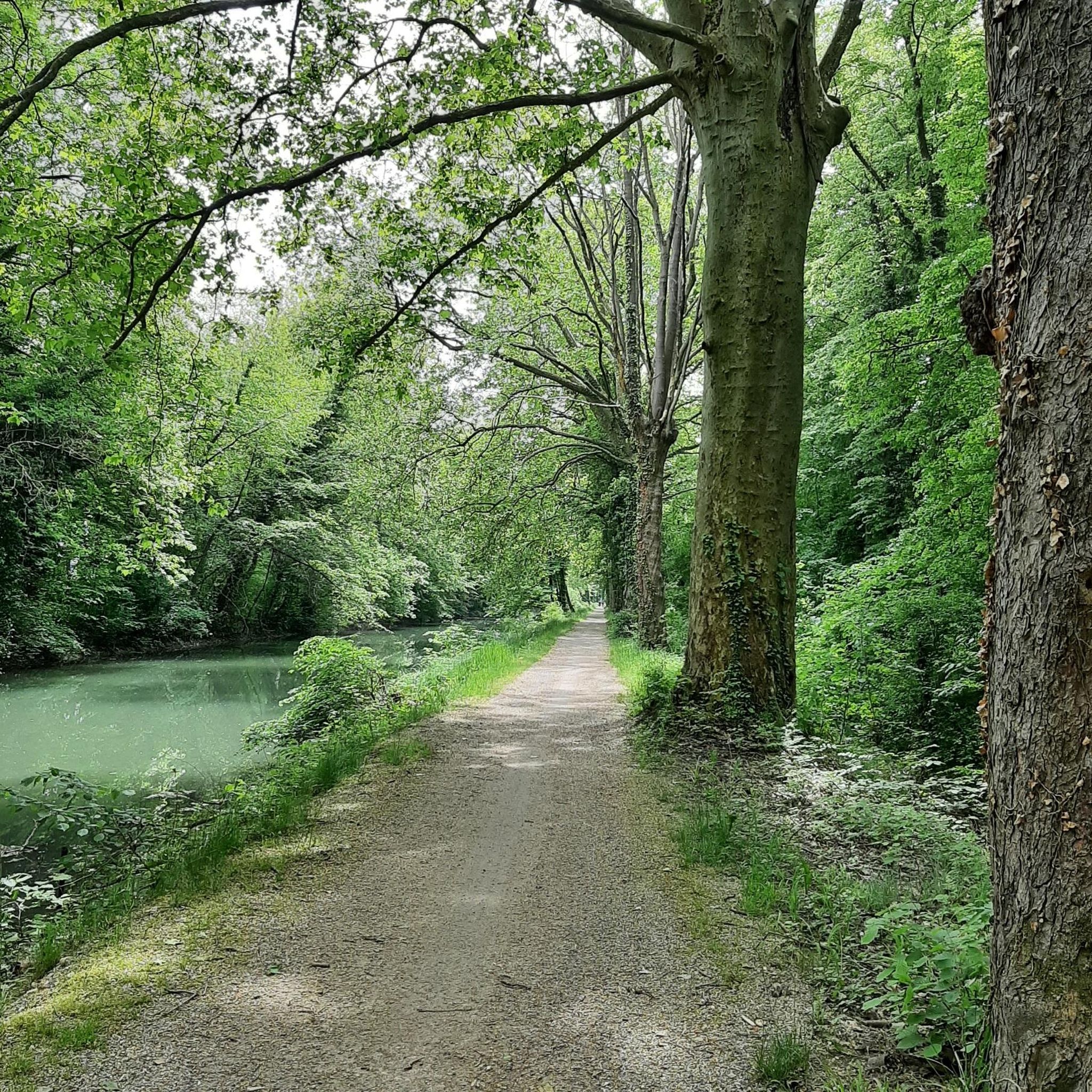
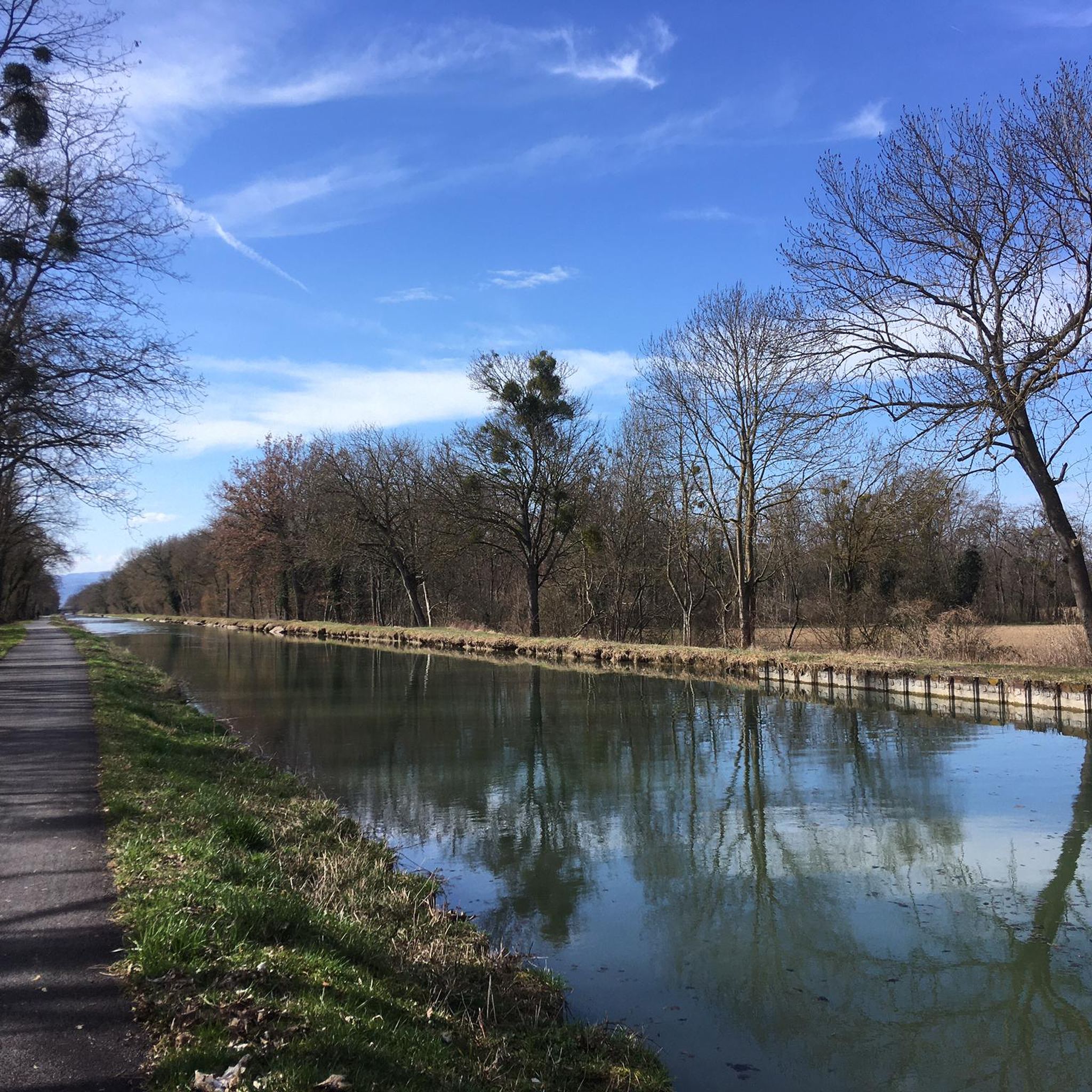
Great, almost mystical landscape with beautiful waters.
0
0

Welcome to the beer garden when the weather is nice. Of course, there are also French guests.
0
0

very idyllic. The detour is very worthwhile and the tour can of course be extended here.
3
0

In hot weather, walk to the Rheinbrücke and back, the rest is in the sun
2
0

Not only the beer garden, but also the kitchen is highly recommended.
0
0

A visit to the garden of Sponeck Castle is worthwhile. This is open on weekends and public holidays.
1
0
Frequently Asked Questions
What are some of the most popular castles to visit around Grüssenheim?
The komoot community highly rates several castles in the area. Sponeck Castle is popular for its accessible garden, artwork, and Roman fort remains. Visitors also appreciate the scenic views from Schwendi Castle Ruins (Burkheim) and the historic Burg Limberg Ruins, which offer a great spot for resting.
Are there any castles around Grüssenheim with accessible gardens or outdoor areas?
Yes, Sponeck Castle, though privately owned, features a garden with artwork and remnants of a Roman fort that is always accessible to the public. It's a great spot to explore history outdoors.
What kind of historical significance do the castles near Grüssenheim hold?
The castles in the region reflect a rich history, from Roman times to the High Middle Ages. For instance, Sponeck Castle stands on the site of an important Roman fort that secured the Rhine crossing. Further afield, Homburg ob der Wern is one of Germany's largest castle ruins, notable for its well-preserved state and strategic importance, while Güssenburg Castle was an ancestral seat built around 1346.
Are there any castle ruins that offer scenic views?
Absolutely. Schwendi Castle Ruins (Burkheim) are visually appealing from below and offer a scenic view for passersby. Similarly, Burg Limberg Ruins provide a nice view, ideal for resting. Homburg ob der Wern, though a bit further, is known for its 'indescribable view' from its vantage point.
What outdoor activities can I do near the castles around Grüssenheim?
The area around Grüssenheim offers various outdoor activities. You can find numerous road cycling routes, including the 'Canal de Colmar – Path Along the Canal de Colmar loop' or the 'Château du Haut-Koenigsbourg – Ascent to Haut-Koenigsbourg loop'. For gravel biking, explore routes like 'Beautiful cycle path along the canal – View of Burkheim Castle Ruins loop'. There are also running trails, such as the 'Étang loop'. You can find more details on these activities in the Road Cycling Routes around Grüssenheim, Gravel biking around Grüssenheim, and Running Trails around Grüssenheim guides.
Are there any family-friendly options or places to eat near the castles?
While specific family-friendly activities at the castles themselves might vary, the Zur Limburg Inn is a great option for families. It's located directly on the Rhine Valley cycle path, offering a large beer garden with self-service, small meals, and coffee and cake at a good price. It's an ideal spot for a rest.
What do visitors enjoy most about the castles around Grüssenheim?
Visitors frequently highlight the historical significance and the beautiful natural settings. Many appreciate the accessible gardens, the scenic views from the ruins, and the opportunity to explore remnants of ancient forts. The komoot community has contributed over 900 upvotes and 530 photos, showcasing the appeal of these historical locations.
Can I visit the interior of Sponeck Castle?
The interior of Sponeck Castle is privately owned and typically only open a couple of times a year for special visits. However, its garden, featuring artwork and Roman fort remains, is always accessible to the public.
Are there any well-preserved castle ruins in the broader region that offer an immersive historical experience?
Yes, Homburg ob der Wern, located in the broader region near Gössenheim, Bavaria, is one of Germany's largest and most well-preserved castle ruins. You can still discern the basement, rooms, and the layout of stables. Interactive tours are available to bring its medieval past to life, making it a compelling destination for history enthusiasts.
What are the best times to visit the castles around Grüssenheim?
While specific opening hours for castle interiors vary, the outdoor areas and ruins are generally accessible year-round. Spring and autumn offer pleasant weather for exploring the grounds and enjoying the scenic views. Summer is also popular, but remember to bring insect repellent if you're exploring the Rhine floodplains near Sponeck Castle and the Rhine Floodplains.
Is there a castle in the region known for its impressive remaining structures?
Güssenburg Castle, near Hermaringen, Baden-Württemberg, is a notable ruined castle that retains much of its curtain wall and keep. Built around 1346, its impressive remaining structures offer a tangible connection to medieval architecture and strategic defense. It's situated on a hill, providing scenic views of the Brenz valley. More information can be found on Wikipedia.
Are there any castles that are particularly good for a quiet rest or a break during a tour?
Yes, Burg Limberg Ruins are described as a 'nice little facility' and 'ideal for resting' with a pleasant view. It's a perfect spot to take a break and enjoy the surroundings.
Most popular routes around Grüssenheim
Most popular attractions around Grüssenheim

Get inspired with the komoot mobile app


Explore more
Looking for the best castles somewhere else? Discover other guides around Grüssenheim:
