Top 10 Caves around Sulz/Oberelsass
Best caves around Sulz/Oberelsass are found in the Haut-Rhin department of France, a region characterized by its diverse geological formations. The area features karstic caves, historical troglodyte dwellings, and former military shelters carved into rock. These sites offer insights into natural geological processes and historical human activity. The landscape combines natural heritage with historical significance, providing varied exploration opportunities.
Best caves around Sulz/Oberelsass
- The most popular caves is Lower Rehfelsen Tunnels, a cave that is a fortified natural rock…
Last updated: October 8, 2026
Adlerhorst Command Post – World War I
Highlight • Historical Site
Translated by Google •
Tip by

Veilchenstein German WW1 Bunker
Highlight • Historical Site
Translated by Google •
Tip by
Sign up now to discover places like this
Get recommendations on the best single tracks, peaks, & plenty of other exciting outdoor places.
Lower Rehfelsen Tunnels
Highlight • Cave
even the hiking trail leads through one of the rooms.
Translated by Google •
Tip by

Schletzenbourg medieval mine
Highlight • Historical Site
Translated by Google •
Tip by

Roche Fendue (Hartmannswillerkopf)
Highlight • Historical Site
Translated by Google •
Tip by

Sign up for free to discover even more caves around Sulz/Oberelsass.
Already have an account?
Start today with a free account
Your next adventure awaits.
Popular around Sulz/Oberelsass
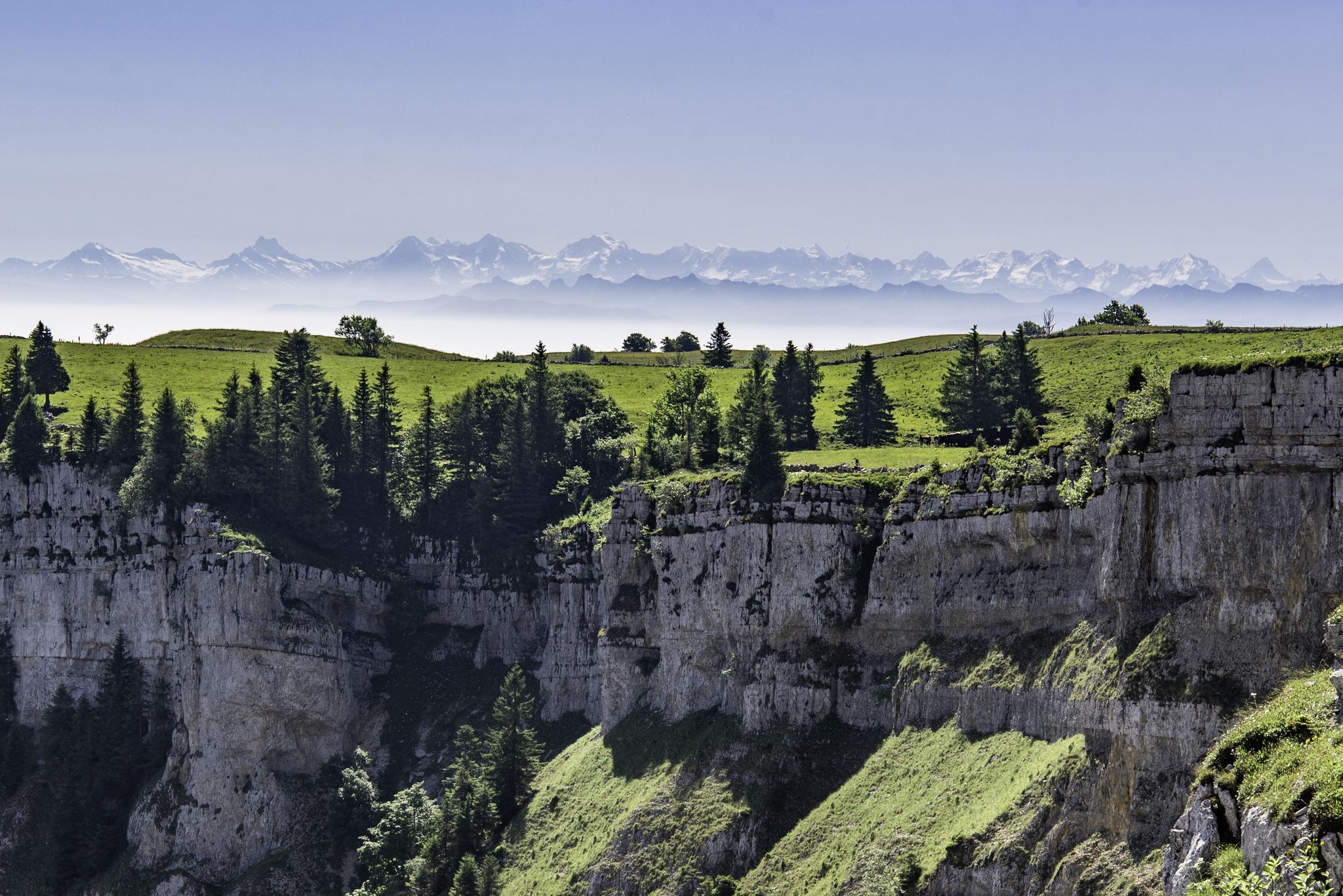
From the Vosges to the Jura mountains – Hexatrek, le Grand Est
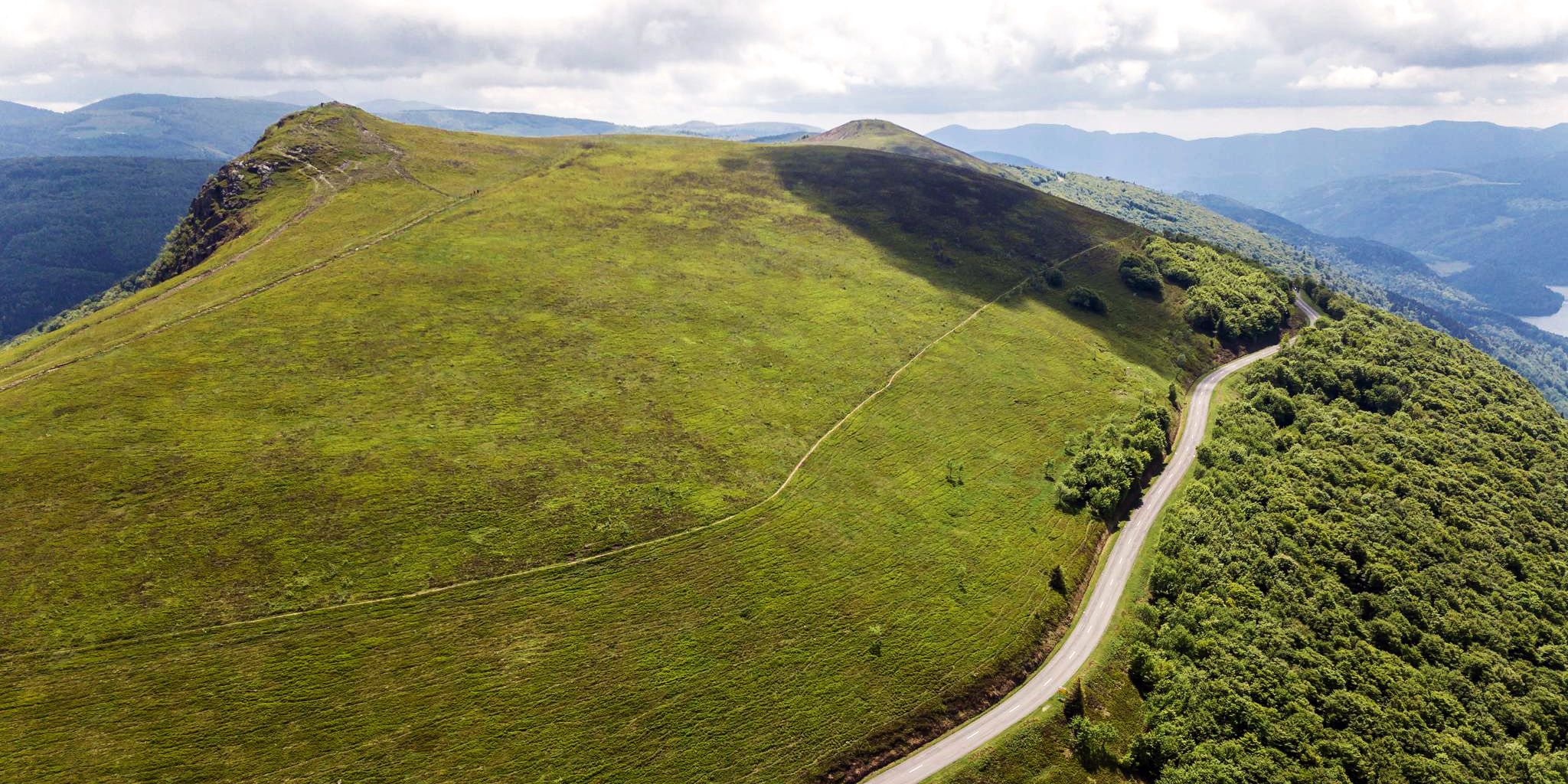
Beautiful passes In the Vosges Mountains
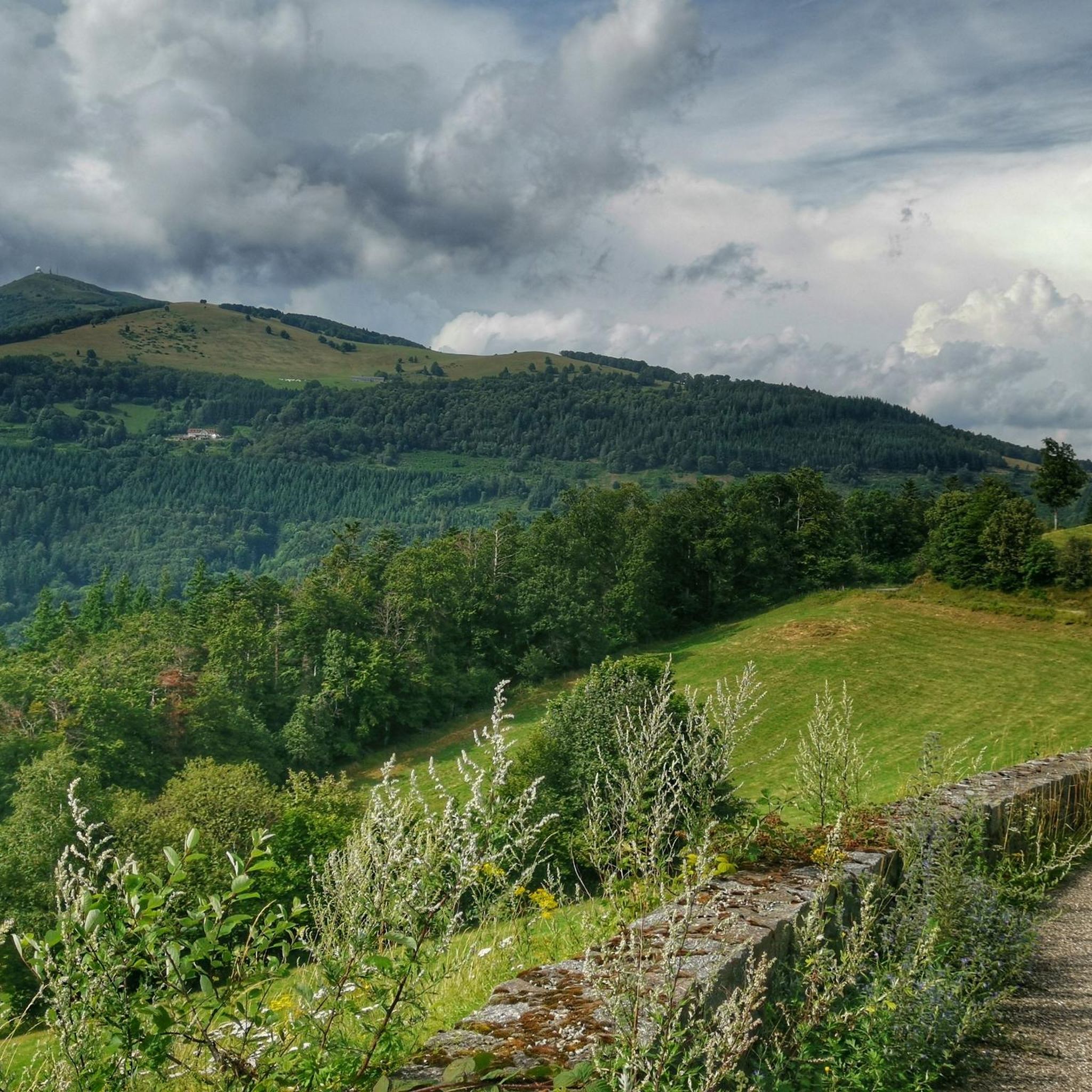
Hiking around Sulz/Oberelsass
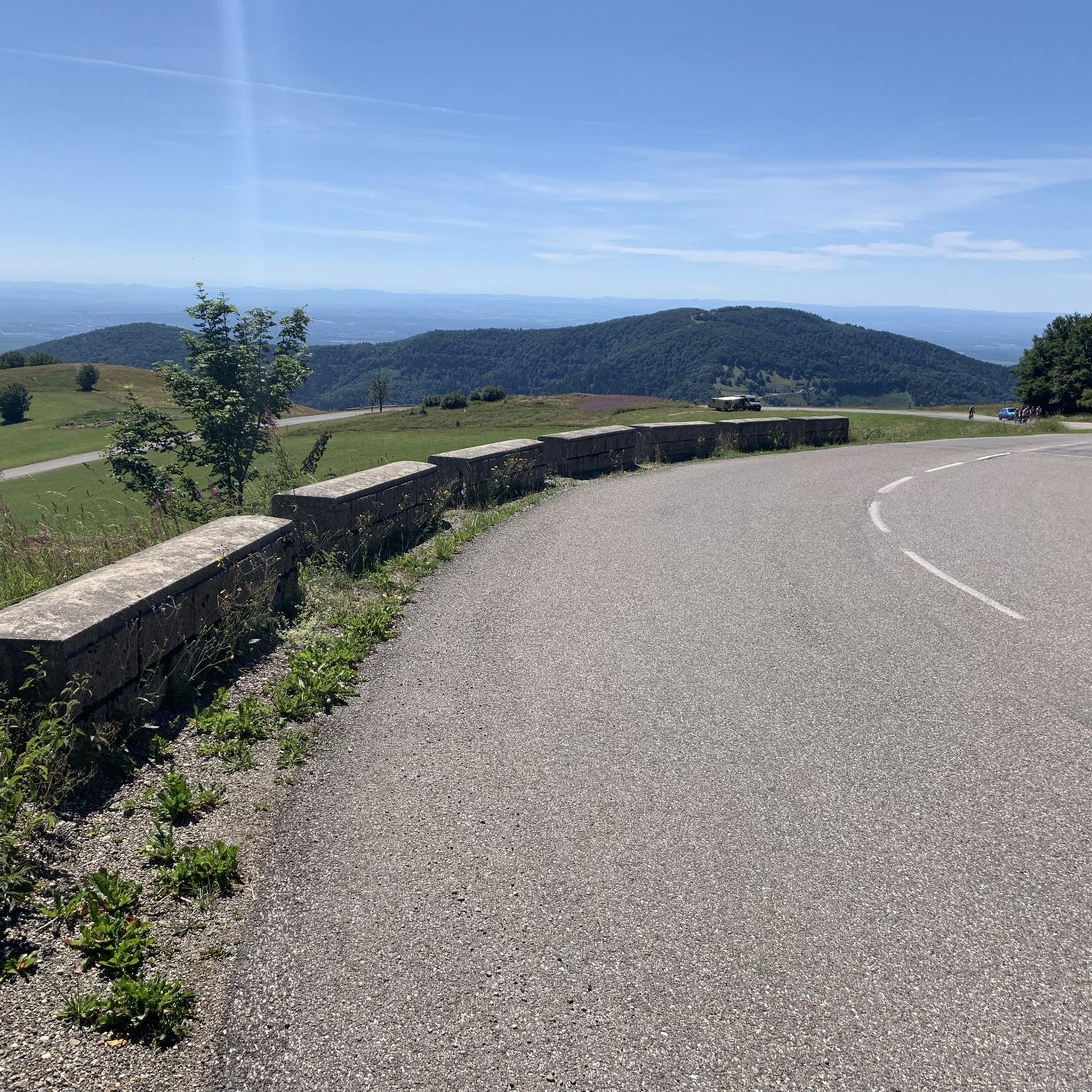
Running Trails around Sulz/Oberelsass
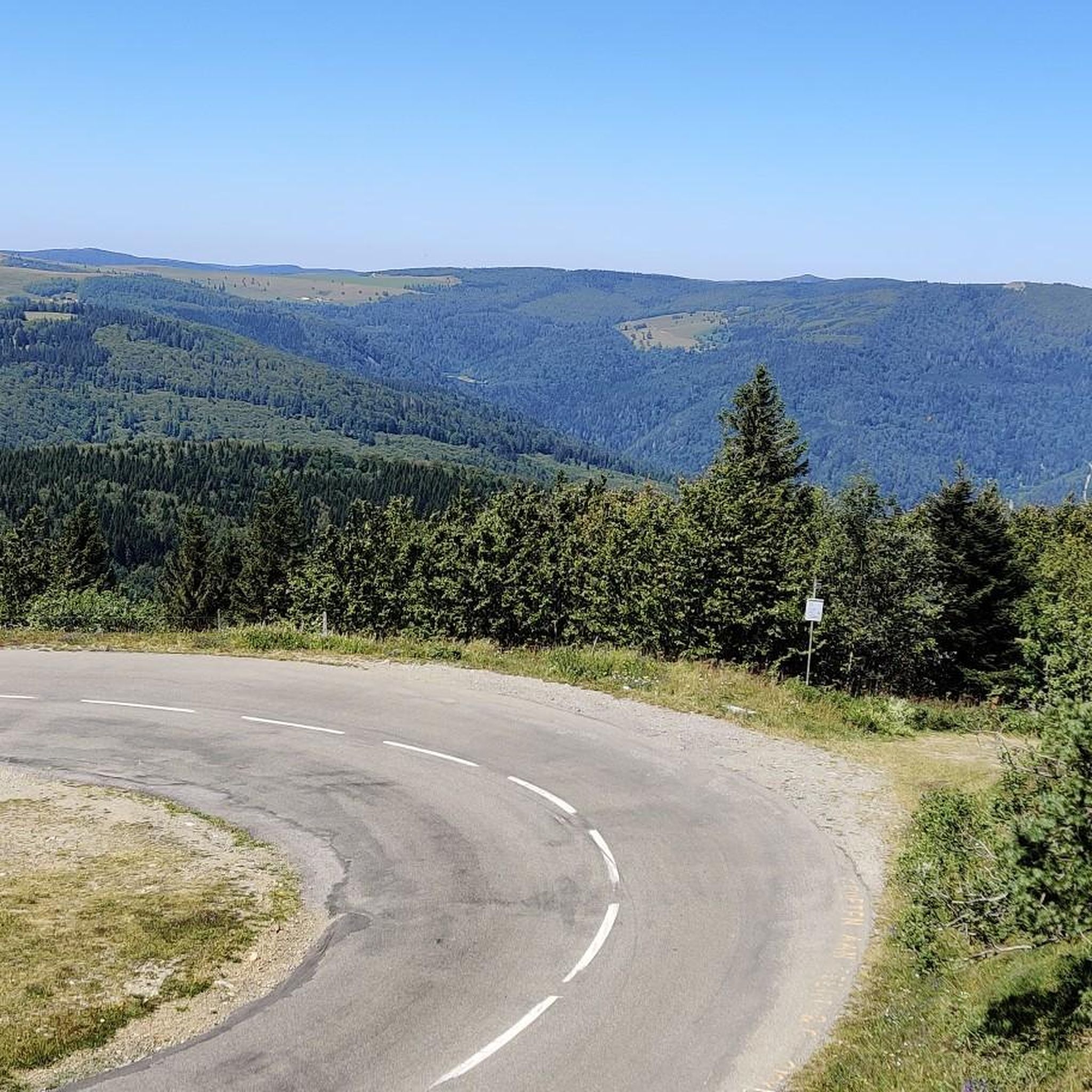
MTB Trails around Sulz/Oberelsass
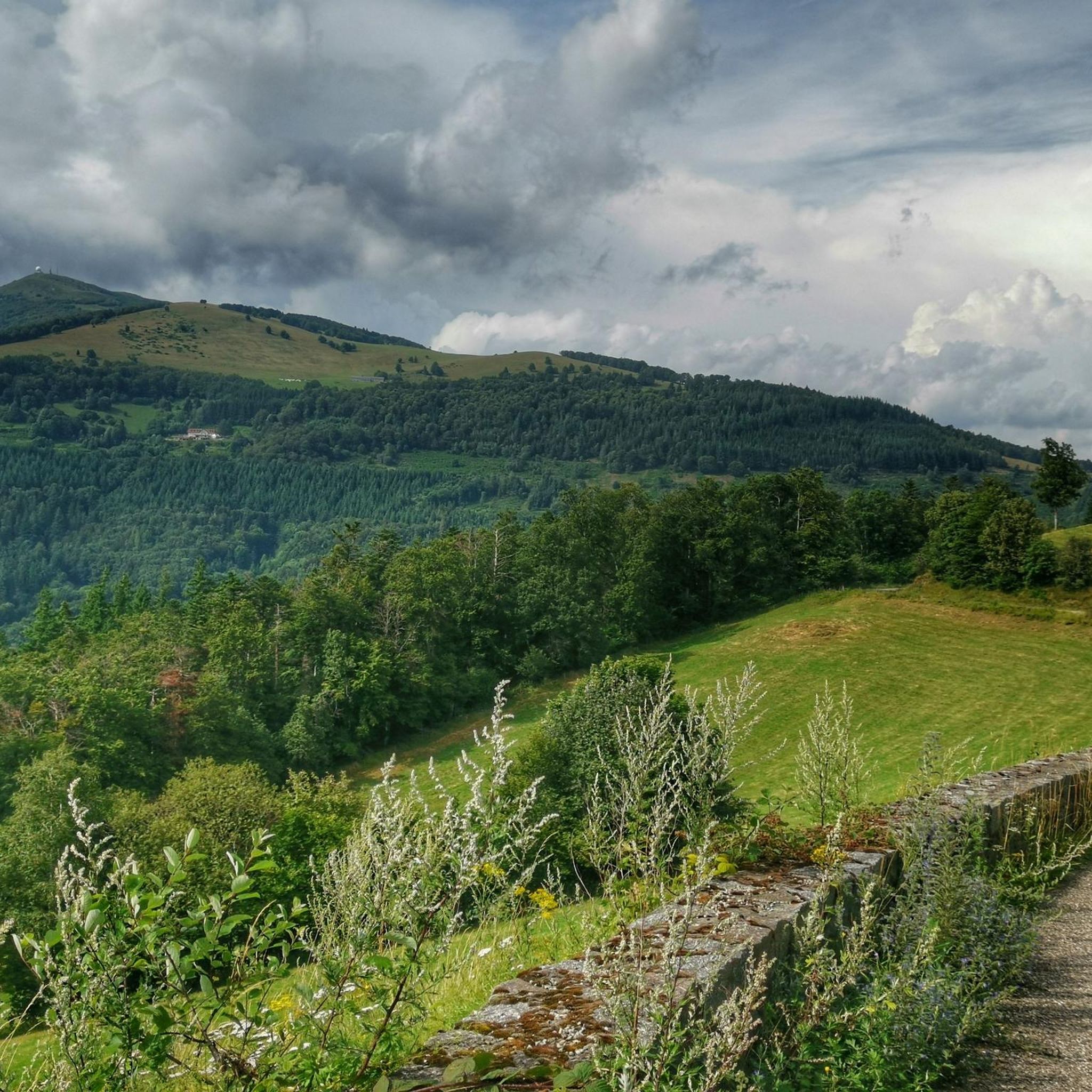
Cycling around Sulz/Oberelsass
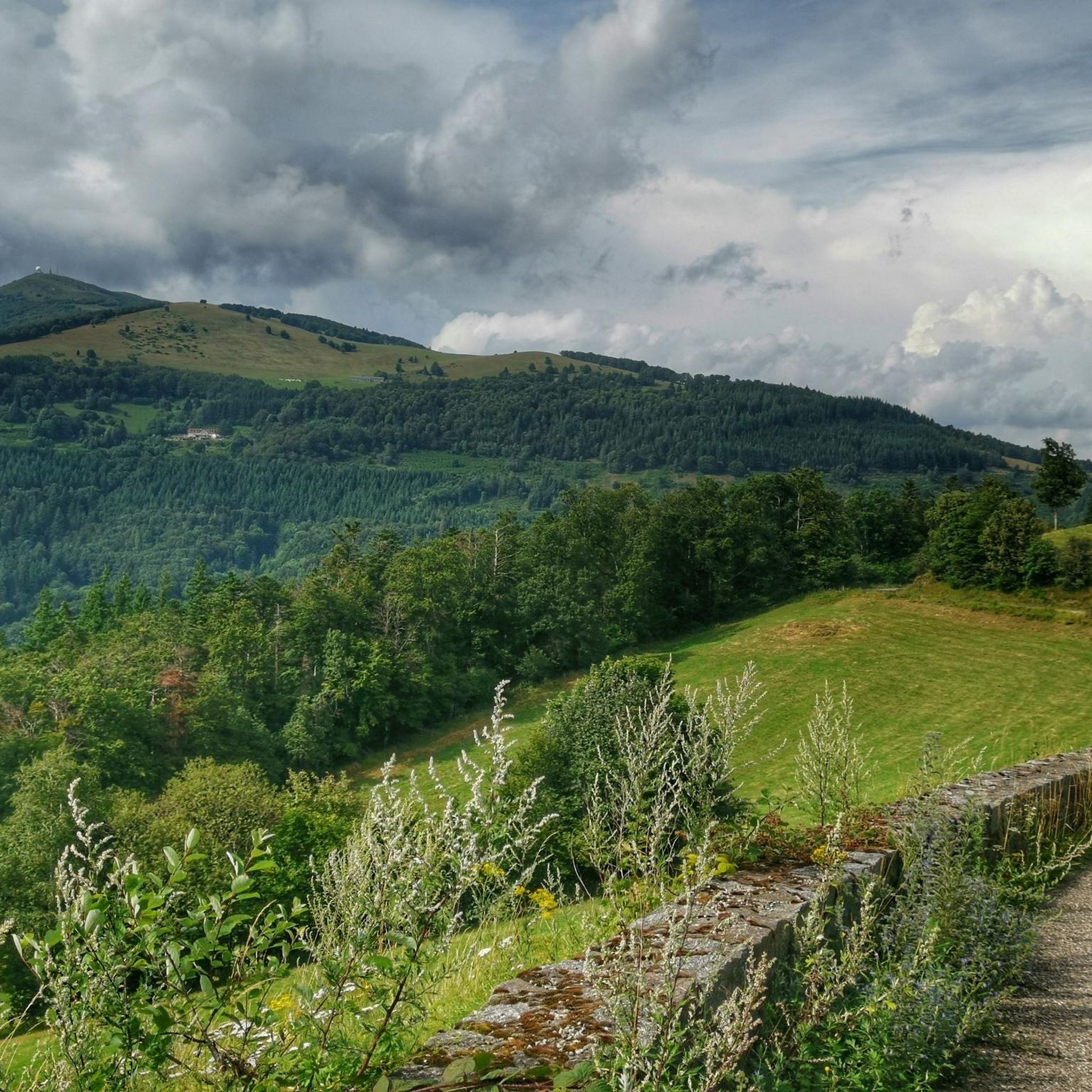
Road Cycling Routes around Sulz/Oberelsass
Gravel biking around Sulz/Oberelsass
Mountain Hikes around Sulz/Oberelsass


Tips from the Community

The "Veilchenstein" is a German shelter located on the Hartmannswillerkopf¹ battlefield. This shelter, built into a rock, is equipped with a machine gun post and observatories¹. Hartmannswillerkopf, also known as Vieil Armand, is a pyramidal rocky spur in the Vosges massif, overlooking the Alsace plain from its 957 meters¹. During the First World War, it was a strategic summit hotly contested by the French and German armies¹. Today, the Hartmannswillerkopf is a place of memory, bearing witness to the suffering of the soldiers who fought in the name of their country¹. The German remains encountered on the ground, sometimes quite spaced apart from each other, are witnesses to this historical period¹. (1). https://bing.com/search?q=veilchenstein+harmannswillerkopf. (2) The Hartmannswillerkopf - Official website. https://www.memorial-hwk.eu/. (3) Hartmannswillerkopf - Wikipedia. https://fr.wikipedia.org/wiki/Hartmannswillerkopf.
0
0
The Adlerhorst is a German shelter located on the Hartmannswillerkopf³ battlefield. This two-story shelter is built into a rock³. It is equipped with a machine gun post, observatories and a fountain³. Hartmannswillerkopf, also known as Vieil Armand, is a pyramidal rocky spur in the Vosges massif, overlooking the Alsace plain from its 956 meters². During the First World War, it was a strategic summit hotly contested by the French and German armies². Today, the Hartmannswillerkopf is a place of memory, bearing witness to the suffering of the soldiers who fought in the name of their country³. The German remains encountered on the ground, sometimes quite spaced apart from each other, are witnesses to this historical period³. (1) The Hartmannswillerkopf – German positions – By hills and by forts. https://parmontsetparforts.fr/2024/03/17/hwk-positions-allemandes/. (2) The Hartmannswillerkopf - Official website. https://www.memorial-hwk.eu/. (3). https://bing.com/search?q=adlerhorst+810+hartmannswillerkopf.
0
0
The “Roche Fendue” is a rock formation located on the Hartmannswillerkopf battlefield¹. It is located to the north of the HWK, below the Silberloch Pass, at around 750 meters above sea level³. The French fortified this rock during the First World War by digging an underground gallery approximately 20 meters long³. Above the Roche Fendue, a trench leads to an observation post offering a view of the Freundstein, the Grand-Ballon, the Hartfelsen, the Südelkopf and the Thierenbachkopf¹. These fortifications are among the many vestiges of the trench warfare which lasted from the end of 1914 to July 1918 on the Hartmannswillerkopf¹. Today, these sites are places of memory, witnesses to the suffering of soldiers who fought in the name of their country¹. (1) The Hartmannswillerkopf – French positions – By Mountains and by Forts. https://parmontsetparforts.fr/2024/03/24/hwk-positions-francaises/. (2) HWK: Observatories - e-monsite. https://hartmannswillerkopf.e-monsite.com/pages/hwk-les-observatoires.html. (3) To do: The northern trenches of Hartmannswillerkopf - Hiking. https://www.visorando.com/randonnee-les-tranchees-nord-du-hartmannswillerkop/.
0
0

During the First World War, this rock massif was expanded into a strong, self-sufficient fortress. Over time, the hilltop was completely hollowed out with a large number of tunnels and rock chambers.
1
0

Very nice view of the underground passages.
0
0

A fortified natural rock that can be accessed from several levels. even the hiking trail leads through one of the rooms.
4
0

For people of our size today, it is hard to imagine how grown men dug for lead here. This mine is a must for anyone interested in history and archeology!
1
0

Impressive ! it is hard to imagine the men working in this place the conditions must have been extremely difficult
1
0
Frequently Asked Questions
What types of caves can I explore around Sulz/Oberelsass?
The region around Sulz/Oberelsass offers a diverse range of subterranean sites. You can explore natural karstic caves like the Grotte du Wolfloch, historical military shelters such as the Lower Rehfelsen Tunnels and the Adlerhorst Command Post – World War I, and even medieval mines like the Schletzenbourg medieval mine. There are also unique troglodyte dwellings like the Grotte de la Roche.
Are there any natural caves with significant geological features?
Yes, the Grotte du Wolfloch near Lauw is the largest natural cave in Alsace. It was formed over 170 million years ago and features impressive geological formations, including calcite deposits. The Grotte des Nains in Ferrette also showcases a remarkable 25-meter high gorge carved by water in karst limestone.
Which caves offer insights into the region's history?
Several sites provide a glimpse into history. The Adlerhorst Command Post – World War I and the Veilchenstein German WW1 Bunker are rock fortresses with rooms, gun positions, and battlements from World War I. The Schletzenbourg medieval mine reveals medieval lead mining operations. Additionally, the Grotte de la Roche in Graufthal features troglodyte dwellings, offering a look into past daily life.
Are there family-friendly cave experiences in the area?
The Grotte du Wolfloch offers regular guided tours, often organized by the Maison de la Terre museum, making it an educational and suitable experience for families. The Grotte des Nains in Ferrette is also excellent for families, combining picturesque trails with geological marvels and local folklore.
What should I wear or bring when exploring caves around Sulz/Oberelsass?
For natural caves like the Grotte du Wolfloch, good walking shoes and appropriate clothing are advised due to potentially uneven terrain and cooler temperatures. For the Grotte des Nains, a flashlight is recommended to explore its passages.
What outdoor activities can I do near these caves?
The region offers various outdoor activities. You can find numerous hiking trails, including mountain hikes around Sulz/Oberelsass, with routes like the Grand Ballon Panoramic Summit Loop. There are also options for gravel biking. For more details on routes, check out the Hiking around Sulz/Oberelsass guide or the Mountain Hikes around Sulz/Oberelsass guide.
Are there any caves with local legends or folklore?
Yes, the Grotte des Nains (Dwarf's Cave) near Ferrette is steeped in local legend. It tells tales of 'dwarf women' (Erdwibalaschlucht) and 'earth men' (Erdmanala) who supposedly inhabited the cave, adding a touch of mystery to its natural beauty.
Do I need a permit for caving in Haut-Rhin?
For organized tours of sites like the Grotte du Wolfloch, permits are typically handled by the tour organizers. For independent exploration of less developed caves or specific caving activities, it's advisable to check with local authorities or caving associations in Haut-Rhin for any required permits or regulations.
What is the best time to visit the caves in Alsace?
Many caves, especially those with guided tours or historical sites, are accessible year-round, though specific opening hours may vary by season. Natural caves are generally cooler inside, offering a refreshing escape in summer. It's always best to check the operating schedules of individual sites before your visit.
Can I combine a cave visit with a hike?
Absolutely. The Grotte des Nains is a well-known climbing site and is part of picturesque hiking trails. The Grotte du Wolfloch is also part of a geological trail, allowing visitors to combine cave exploration with an outdoor walk. Many historical cave sites, like those on the Hartmannswillerkopf, are integrated into hiking routes.
What do visitors enjoy most about the caves around Sulz/Oberelsass?
Visitors appreciate the unique blend of natural geological wonders and rich historical significance. The opportunity to explore ancient formations, delve into World War I history at sites like the Lower Rehfelsen Tunnels, or discover medieval mining operations at the Schletzenbourg medieval mine are frequently highlighted. The scenic views and the sense of discovery are also popular aspects.
Most popular routes around Sulz/Oberelsass
Most popular attractions around Sulz/Oberelsass

Get inspired with the komoot mobile app


Explore more
Extend your search for the best caves by checking out these guides of the top ones around Sulz/Oberelsass:
