Top 4 Caves around Villiers-En-Bière
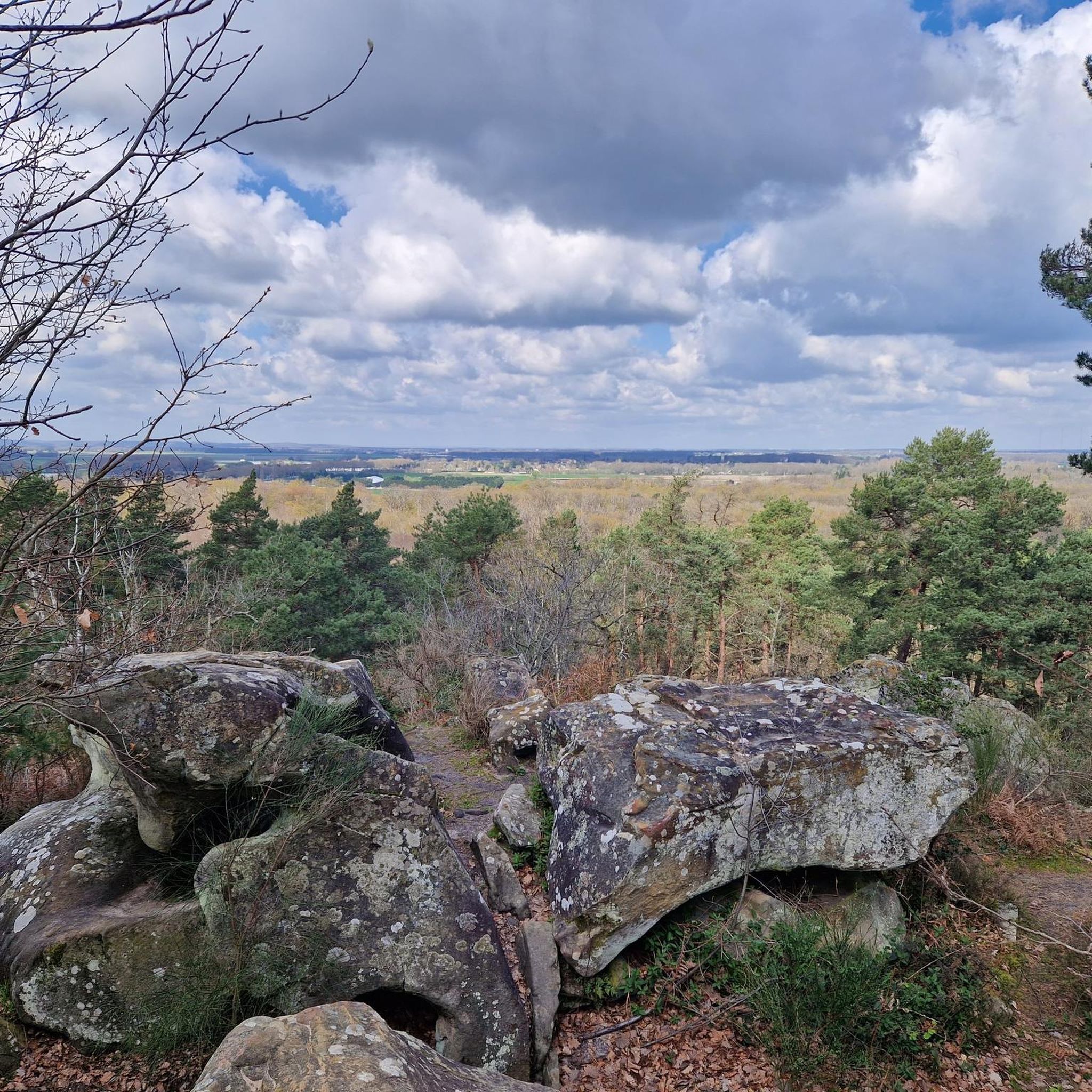
Best caves around Villiers-En-Bière are primarily found within the nearby Forest of Fontainebleau, a significant natural area known for its sandstone geological formations. These sites include rock shelters and natural cavities, offering a blend of natural features and historical significance. The region is characterized by diverse landscapes, including woodlands and unique rock formations, providing opportunities for outdoor exploration. These formations offer glimpses into prehistoric human activity and early artistic expression.
Best caves around Villiers-En-Bière
- The most popular caves is Grotte…
Last updated: July 5, 2026
Grotte du Serment
Highlight • Gorge
Translated by Google •
Tip by

Troubetzkoï Family Shelter
Highlight • Cave
Translated by Google •
Tip by

Sign up now to discover places like this
Get recommendations on the best single tracks, peaks, & plenty of other exciting outdoor places.
Sign up for free
Mouse Cave
Highlight • Gorge
Translated by Google •
Tip by

Druids' Den
Highlight • Cave
Translated by Google •
Tip by
Bandits' Cave
Highlight • Cave
Translated by Google •
Tip by
Start today with a free account
Your next adventure awaits.
Login or Signup
Tips from the Community

The mouse cave is a Milly classic that all children know. It is a large cavity about 20 meters long, where you cannot stand up. It is even possible to exit through a narrow passage.
0
0
I do believe this is an excellent website. I stumbled upon it I may revisit once again since I saved as a favorite it. https://www-sunpass.com
0
0
The photo is not the Adam Solomon cave but that of the Troubetzkoï family shelter The cave is photo 6
0
0

Small cave in the woods, with engravings, in homage to Samuel Adam-Salomon - French sculptor of the 19th Century who spent most of his life in Fontainebleau. His works are mainly exhibited at the Musée d'Orsay, the Invalides and the Chateau de Versailles.
0
1

The cave of the oath is quite surprising, especially because the vault is made of a single rock. The letters D.F.D were engraved on the cave by Denecourt himself and mean "Last Madness Denecourt".
1
0
It is a vast shelter in the rock.
0
0
The Oath Cave is quite surprising, especially because the vault is made of a single rock. The letters D.F.D were engraved on the cave by Denecourt himself and mean "Last Folie Denecourt".
2
0
La Caverne des Brigands was dug at Denecourt's request in 1844, in order to attract tourists! He then invents a story of brigands from scratch to arouse the curiosity of visitors.
1
0
Frequently Asked Questions
What kind of 'caves' can I expect to find near Villiers-En-Bière?
While Villiers-En-Bière itself doesn't have natural caves, the nearby Fontainebleau Forest is home to numerous unique rock shelters and geological formations often referred to as caves. These are primarily sandstone formations, offering a blend of natural beauty and historical significance, rather than deep underground caverns.
Are there any historically significant caves or shelters in the Fontainebleau Forest?
Yes, the Fontainebleau Forest is rich in historical sites. The Troubetzkoï Family Shelter features engravings honoring 19th-century sculptor Samuel Adam-Salomon. Additionally, the region is known for sites like the Grotte à la Peinture, which contains rock art, with some engravings dating back as far as 20,000 years, making it one of Europe's largest complexes of rock art.
Which caves are considered popular or notable in the area?
Several formations are popular for their unique features. The Grotte du Serment (Oath Cave) is notable for its vault formed from a single rock and historical engravings. The Druids' Den is a vast rock shelter, and the Mouse Cave is a well-known cavity, especially popular with children.
Are there family-friendly caves or shelters suitable for children?
Absolutely. The Druids' Den is a vast rock shelter where children often enjoy hiding and exploring. The Mouse Cave is also a classic spot that children love, known for its large cavity and narrow passages to explore.
What is the best time of year to visit the caves and shelters?
The Fontainebleau Forest, where these formations are located, is beautiful year-round. Spring and autumn offer pleasant temperatures for hiking and exploring. While caves are generally accessible in winter, be mindful of potentially slippery conditions on trails leading to them. Summer can be warm, but the forest provides shade.
What outdoor activities can I combine with a visit to these caves?
The caves and shelters are integral to the extensive trail network of the Fontainebleau Forest. You can easily combine your visit with hiking, bouldering, or mountain biking. For more detailed routes, explore hiking trails, MTB trails, or traffic-free bike rides around Villiers-En-Bière.
Are there hiking trails that lead to these cave formations?
Yes, many of the rock shelters and caves are located along established hiking trails within the Fontainebleau Forest. For example, the Mouse Cave is situated on the GR11 trail. Exploring these sites is often part of a longer hike, allowing you to experience both nature and history.
What should I wear when visiting the caves and rock shelters?
Comfortable hiking shoes with good grip are recommended, as the terrain can be uneven and rocky. Dress in layers suitable for outdoor activity, as temperatures can vary. While the 'caves' are mostly shelters, a headlamp or flashlight can be useful for exploring darker nooks, especially in formations like the Mouse Cave.
Are there any 'hidden gem' caves or less-known spots worth exploring?
Beyond the well-known sites, the Fontainebleau Forest contains over 2,000 engraved rock shelters, many of which are less frequented. While not all are officially named or easily accessible, exploring the extensive network of trails can lead you to discover smaller, more secluded formations and ancient rock art, offering a sense of discovery.
What kind of natural features can I expect to see around these caves?
The caves and shelters are nestled within the diverse landscape of the Fontainebleau Forest, characterized by sandstone hills, woodlands, and unique rock formations. You'll encounter a rugged and picturesque terrain, offering opportunities to observe local flora and fauna, and enjoy the quiet atmosphere of this historic natural area.
Is there parking available near the cave areas in Fontainebleau Forest?
Yes, there are numerous parking areas and access points throughout the Fontainebleau Forest, especially near popular hiking and bouldering spots. These often provide convenient access to trails that lead to the various rock shelters and caves. It's advisable to check specific trailheads for the closest parking options.
Most popular routes around Villiers-En-Bière
Most popular attractions around Villiers-En-Bière

Get inspired with the komoot mobile app


Explore more
Extend your search for the best caves by checking out these guides of the top ones around Villiers-En-Bière:
