Top 5 Caves around Gagnières
Caves around Gagnières present diverse geological features and engaging experiences. The region, located in France, is known for its subterranean landscapes, including both natural cave systems and developed show caves. Visitors can explore various underground environments, from accessible guided tours to more challenging natural explorations. Gagnières natural features include a variety of cave types, making it a destination for those interested in caving and geological formations.
Best caves around Gagnières
- The most popular caves is Small cave for the curious…
Last updated: October 8, 2026
Swimming Spot at the Chassezac Cliffs
Highlight • Beach
Translated by Google •
Tip by

Small cave for the curious
Highlight • Cave
Translated by Google •
Tip by

Sign up now to discover places like this
Get recommendations on the best single tracks, peaks, & plenty of other exciting outdoor places.
Grotte de la Cocalière
Highlight • Cave
Translated by Google •
Tip by

Balmes Iron Mines near Saint-Jean
Highlight • Structure
Translated by Google •
Tip by

Évent de Peyrejal Cave
Highlight • Cave
The …
Translated by Google •
Tip by

Start today with a free account
Your next adventure awaits.
Tips from the Community

A beautiful cave, a good idea for a family outing. Not very satisfied with the guided tour, though. It's worth seeing nonetheless.
0
0

Anyone hiking through the hilly landscape around Saint-Jean and Saint-Florent today encounters silent traces of a rich past. Even before coal was mined here, iron was the most important commodity – since ancient times and especially in the Middle Ages. The medieval mines were simple and dangerous. Without ventilation and with shallow tunnels, they followed the iron-rich pyrite veins – often no more than 100 meters long. As early as 1512, a prospector's license cost a whopping 32 florins. The mined ore was further processed locally: From the Middle Ages to the 19th century, the valley was known for its nailsmiths – in 1676 alone, up to 45 masters worked here. Nature also tells its story: The strawberry tree (Arbutus unedo), typical of the garrigue, bears flowers and ripe fruit simultaneously. The rare Jason butterfly (Charaxes jasius), Europe's largest butterfly, lives in its environment and is clearly visible from June to September.
1
0

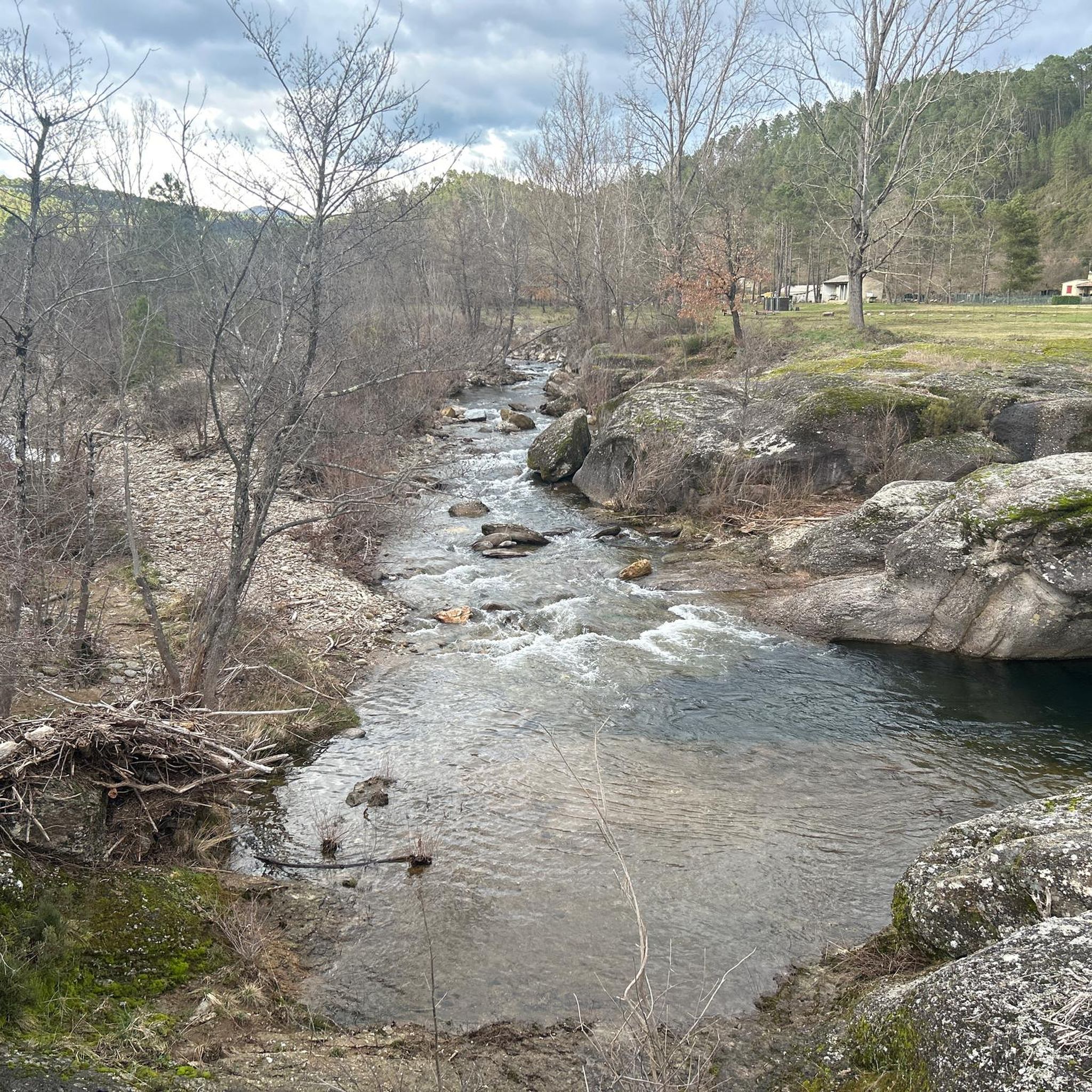
A beautiful swimming spot where you can go by paddle boat. Afterwards you can take a break on the rocks and even jump in.
2
0

A great swimming spot with rocks in the water. In the rock face by the water there is an entrance to a cave into which you can go several meters. Has scary factor. ☺️
2
0
You can easily go a few meters into the cave. Flashlight definitely useful.
1
0
Great little cave. Flashlight and let's go. Goes in a few meters and gets very dark quickly.
1
0
you can enter the cave a few meters deep normally. After that it gets a little tighter and we didn't dare go any further. Maybe next time.☺️
2
0

A cave system over 35 million years old, which was discovered in 1952 and of which only a tiny part is open to the public. You can also stay overnight in the cave for €600/night 😉. Temperature constant 14 degrees. Opening times and admission prices can be viewed on the website. In the off-season there are far fewer visitors on weekdays, so you get more of them.
1
1
Frequently Asked Questions
Are there family-friendly caves to visit around Gagnières?
Yes, the Grotte de la Cocalière is a beautiful cave system that is a good idea for a family outing. Additionally, the Grotte des Carbonnières offers a prehistoric park with dinosaur exhibits, providing an extended family-friendly experience.
Which caves around Gagnières are accessible for visitors with reduced mobility?
The Grotte des Carbonnières is particularly accessible, featuring a 350-meter long path through its galleries notably without any steps, making it suitable for individuals with reduced mobility.
What kind of geological features can I expect to see in the caves near Gagnières?
The caves in the region, such as the Grotte des Carbonnières, are known for a rich variety of speleothems. These include stalactites, stalagmites, impressive curtains, pillars, delicate 'fistuleuses' (hollow, thin stalactites), and eccentric formations. The Évent de Peyrejal Cave also features beautiful, washed-out corridors.
Are there any historical sites or caves with historical significance in the Gagnières area?
Yes, the Balmes Iron Mines near Saint-Jean offer a glimpse into the region's past, with silent traces of iron mining dating back to ancient times and especially the Middle Ages. The Grotte des Carbonnières also includes guided tours that delve into the history of human interaction with the cave.
What are some options for beginner caving or less challenging cave explorations?
For an accessible entry into cave exploration, the Small cave for the curious allows you to walk a few meters down a corridor with a flashlight. The Grotte de la Cocalière also offers a guided tour experience for a beautiful cave visit without requiring advanced caving skills.
What should I know if I want to explore more challenging caves like Évent de Peyrejal?
The Évent de Peyrejal Cave is an artificially created access to a large cave system, allowing for dry exploration. However, it is considered challenging. Climbing equipment and a 50-meter rope are needed for the entrance area. It's crucial not to visit after heavy rains or thunderstorms due to the risk of flooding.
What outdoor activities can I do near the caves around Gagnières?
Beyond caving, the Gagnières region offers various outdoor activities. You can find numerous MTB Trails, Road Cycling Routes, and Touring Cycling routes. There's also a Swimming Spot at the Chassezac Cliffs, ideal for a refreshing break.
Are there guided tours available for the caves in the Gagnières area?
Yes, the Grotte des Carbonnières offers guided tours lasting approximately 45 minutes. These tours provide insights into the cave's history, the role of water in its formation, and conclude with a sound and light show.
What unique experiences do the caves around Gagnières offer?
The Grotte des Carbonnières provides a visually rich experience with its diverse speleothems and a sound and light show. The Évent de Peyrejal Cave offers a unique opportunity for dry exploration into a large, washed-out cave system for those seeking a more adventurous experience.
What do visitors enjoy most about the caves around Gagnières?
Visitors appreciate the diverse geological features and engaging experiences. The Grotte de la Cocalière is noted for being a beautiful cave and a good idea for a family outing. The Small cave for the curious is enjoyed for its accessible entry into initial cave exploration.
Is there a less crowded cave option near Gagnières?
The Grotte de la Cocalière can be less crowded during the off-season on weekdays, allowing for a more intimate experience of this 35-million-year-old cave system.
Most popular routes around Gagnières
Most popular attractions around Gagnières

Get inspired with the komoot mobile app


Explore more
Extend your search for the best caves by checking out these guides of the top ones around Gagnières:
