Top 8 Lakes around Comines
Lakes around Comines, a town situated on the border of France and Belgium, offer diverse natural and historical water bodies. While large natural lakes are not directly within Comines' municipal boundaries, the surrounding areas, including Comines-Warneton, feature significant water sites. These locations provide opportunities for recreation, wildlife observation, and historical exploration, reflecting the region's unique geography and past. The area is characterized by a mix of canals, nature reserves, and ponds, many with historical significance.
Best lakes around Comines
- The…
Last updated: June 21, 2026
Spanbroekmolen Crater (Pool of Peace)
Highlight • Natural Monument
Translated by Google •
Tip by

Path along pond in Palingbeek estate
Highlight • Trail
Translated by Google •
Tip by

Sign up now to discover places like this
Get recommendations on the best single tracks, peaks, & plenty of other exciting outdoor places.
Sign up for free
Pond at De Palingbeek Nature Reserve
Highlight • Lake
can be very soggy
Translated by Google •
Tip by

Vert Digue Nature Reserve
Highlight (Segment) • Natural
Translated by Google •
Tip by

Swan Lake, Parc Georges Clemenceau
Highlight • Lake
Translated by Google •
Tip by
Sign up for free to discover even more lakes around Comines.
Sign up for free
Already have an account?
Start today with a free account
Your next adventure awaits.
Login or Signup
Tips from the Community

Two corrections: Contrary to what the original name of this highlight stated, you are not in the Begelen domain (which is located in Gullegem, about 25 km from here), but in the Palingbeek domain. And, contrary to what another user here stated, this was not previously a mining area (in the sense of a mining area), but an area scarred by mines and bombs during the First World War.
1
0

Beautiful nature, lots of explanation about the region along various information boards.
1
0

An interesting anecdote concerns the explosion of one of the mines on 17 July 1955 by lightning. This mine had not been detonated during the war and was still underground. The explosion created a new crater and reminded the local population of the lasting impact of the war.
6
0
The Spanbroekmolen crater, also known as the Pool of Peace, is an impressive mine crater in Wijtschate. This crater was formed on June 7, 1917, during the Second Battle of Messines, when British troops detonated 19 underground mines. The explosion created a crater 27 meters deep and 129 meters in diameter. After nearly 100 years of erosion, the crater is now a peaceful pool 12 meters deep and 76 meters in diameter.
9
0

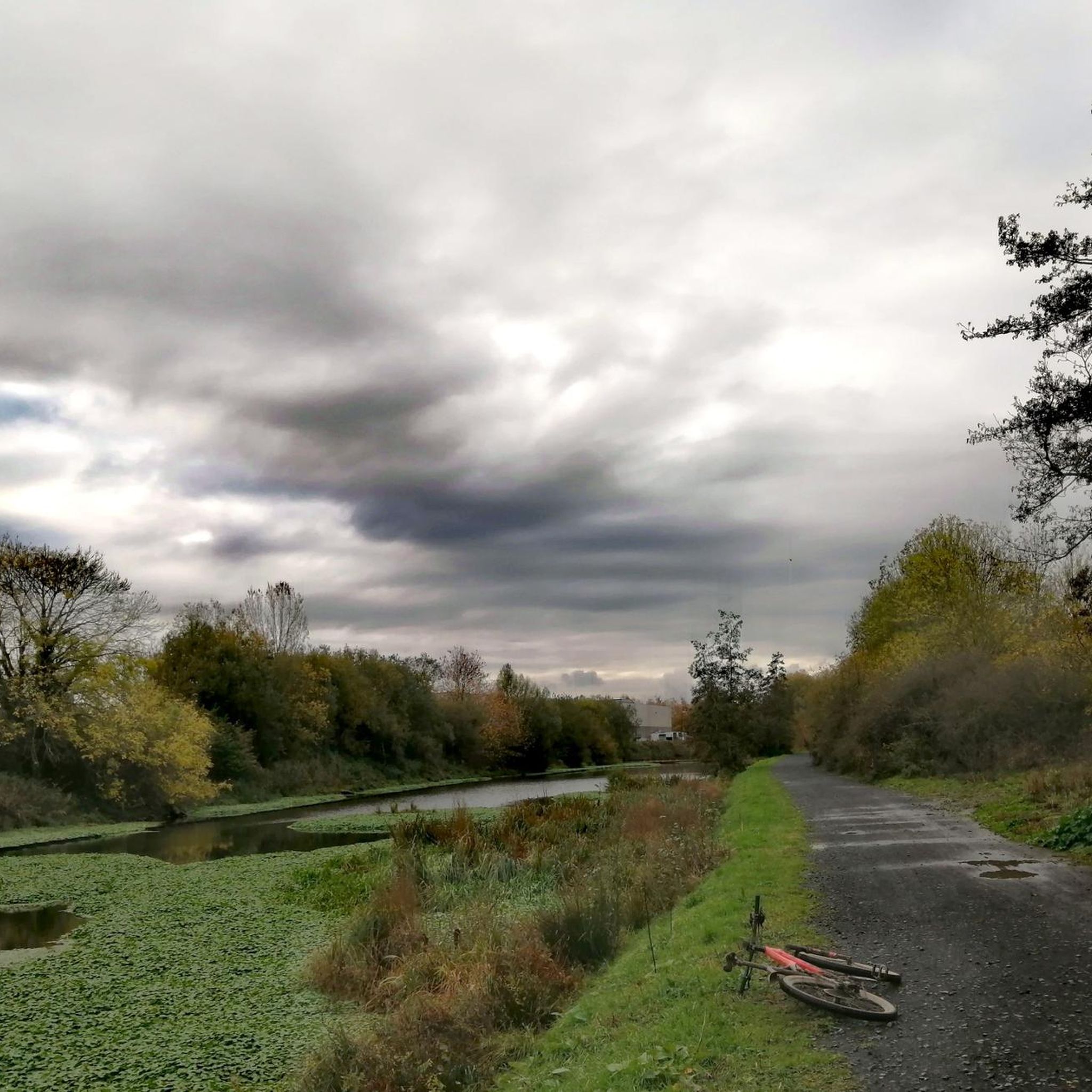
large spaces to run with your dog (on a leash)
1
0
HERE / Created in 1927, on the site of a former disused cemetery, Parc Clemenceau is the work of landscaper Edouard André. This professor at the National School of Horticulture in Versailles kept the existing chestnut trees in order to create a "screen" in front of the unsightly factories present at the time in the district. Rockeries from the Palais Vaissier and the pillars of the Château Masurel were even reused to develop the park! ELSEWHERE / United Kingdom: London's public parks and gardens With its "swan lake" and its winding walks, Parc Clemenceau has a very British feel that recalls the large parks of the English capital: Saint James Park, Hyde Park or Regent Park. "Green lungs" once created to clean up very dense industrial cities and allow residents to get some fresh air and show off. Author: TOURCOING TOURISME
2
0
Parc Georges Clemenceau is a beautiful park located in the heart of the Belencontre area. It is the second largest park in the city and covers approximately 11 hectares. Among other things, you will find the Lac aux Cygnes: A charming pond with waterfalls and fountains that create a peaceful and picturesque atmosphere.
2
0

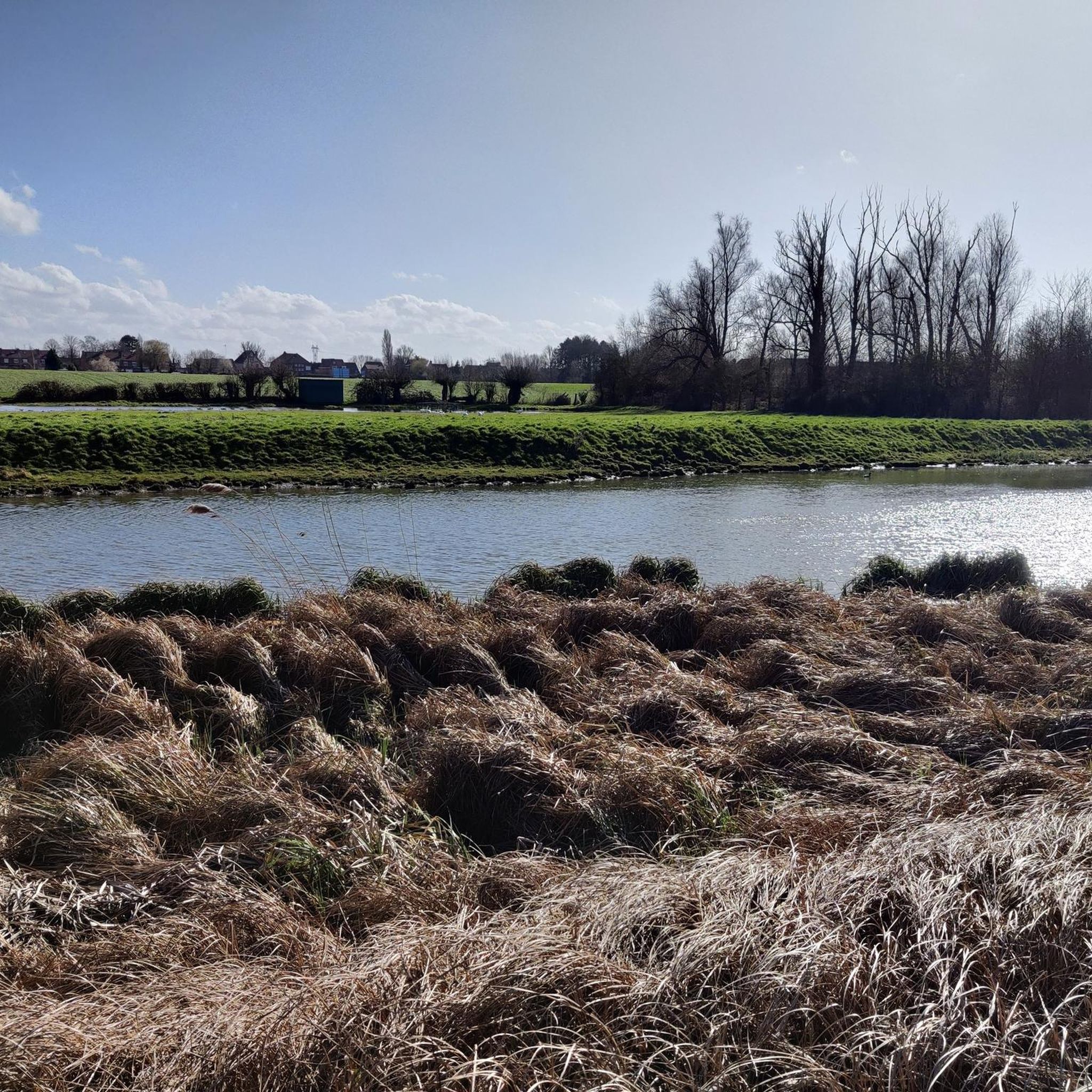
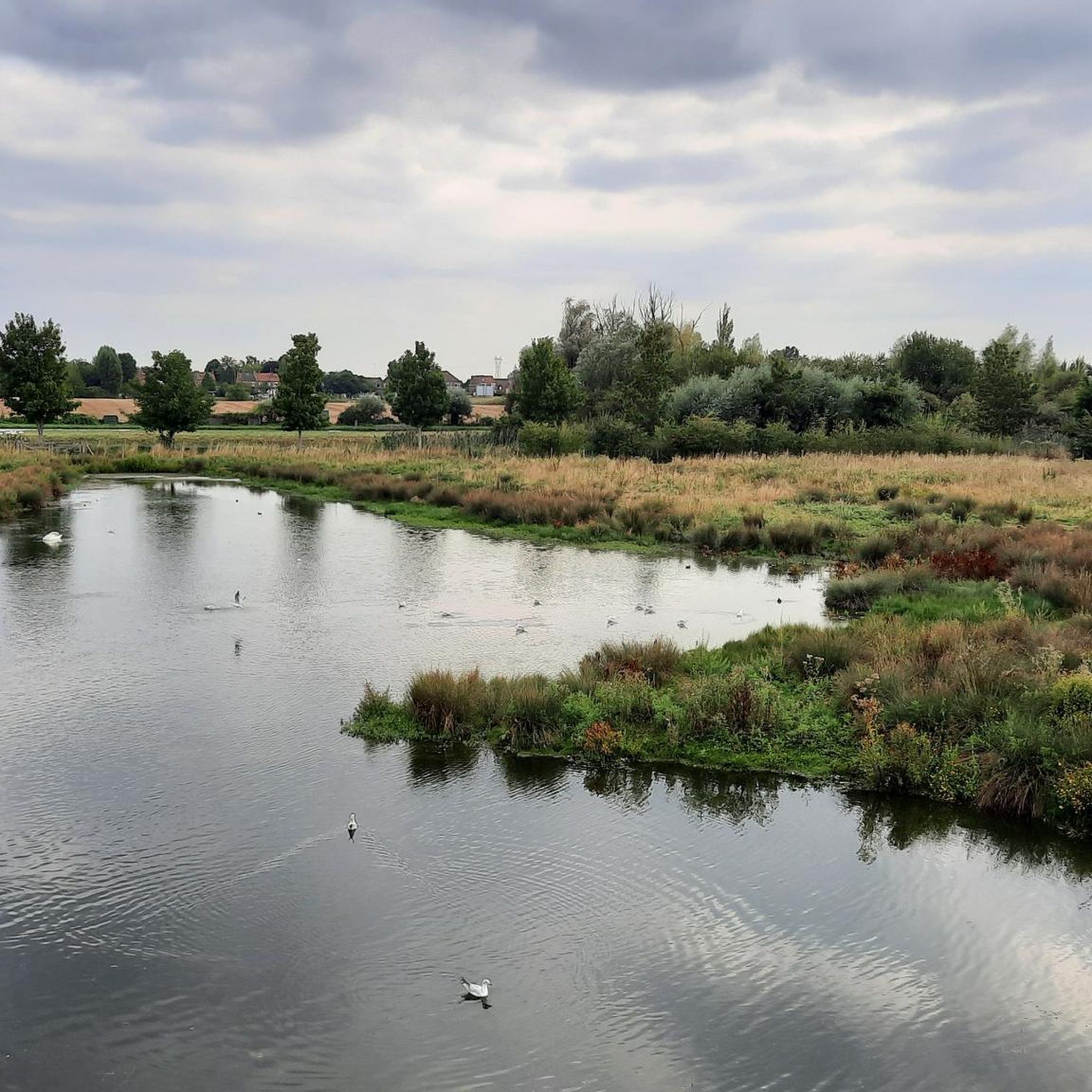
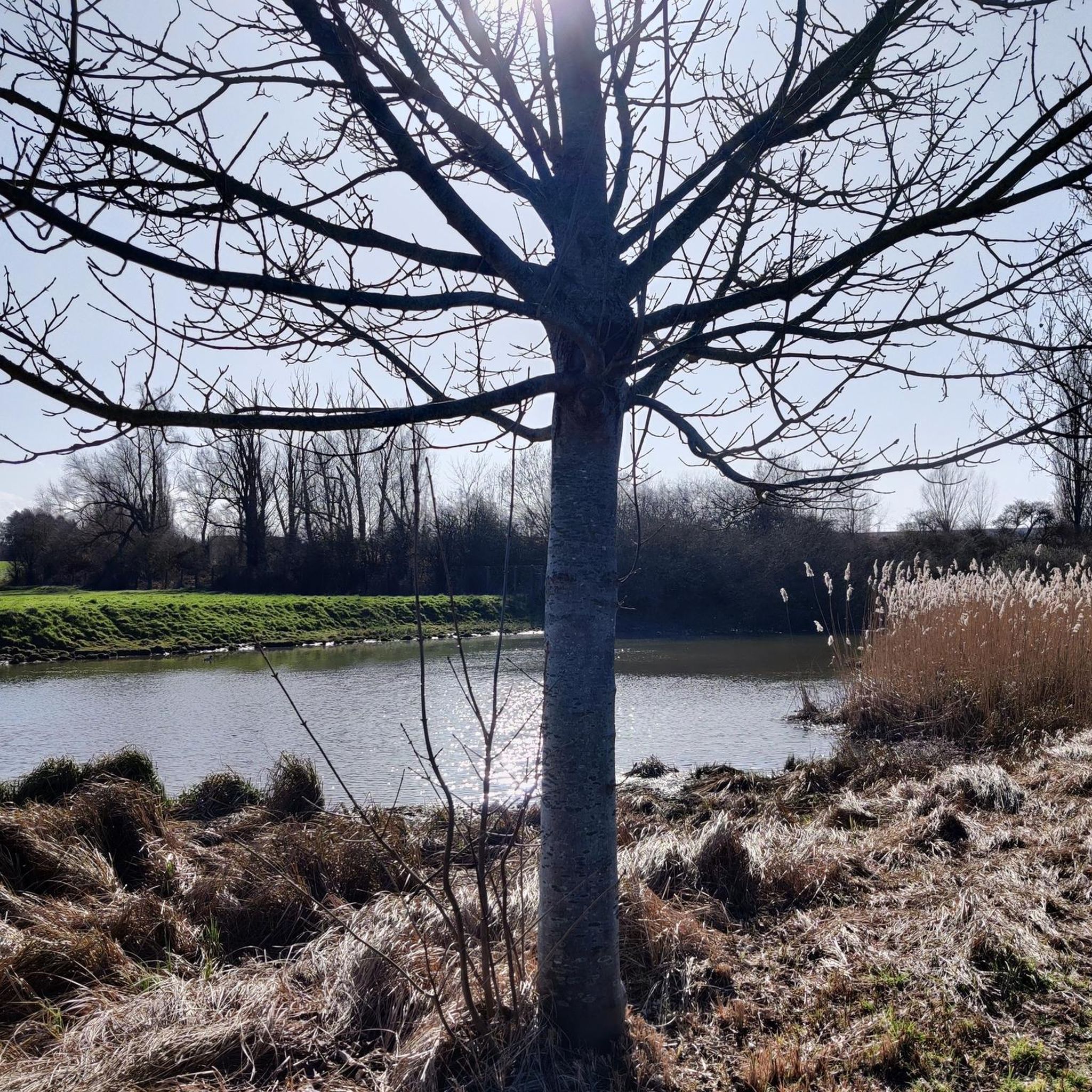
The domain, once a mining site, is now an oasis of greenery with well-maintained footpaths that wind through forests, meadows and past tranquil ponds. The area is known for its rich biodiversity. During your walk you will be treated to the sound of birds and the view of the water, especially in spring and summer.
1
1
Frequently Asked Questions
What are some popular lakes and water bodies to visit around Comines?
The region around Comines offers a variety of water bodies. Highly rated by visitors are the Pool of Peace (Spanbroekmolen Crater), a significant historical site, and the Path along pond in Palingbeek estate, known for its natural beauty and well-maintained paths. Other notable areas include the Ploegsteert Nature and Bird Sanctuary and the Comines-Ypres Canal in Comines-Warneton, Belgium, both rich in biodiversity.
Are there any historical sites related to the lakes in the Comines area?
Yes, the Pool of Peace (Spanbroekmolen Crater) is a prominent historical site. This 12-meter deep crater was formed during World War I and serves as a poignant reminder of the Mine Battle of June 1917. It offers a peaceful setting with a good view of the surrounding landscape.
What kind of natural features can I expect to see around the lakes near Comines?
The water bodies around Comines boast diverse natural features. At the Ploegsteert Nature and Bird Sanctuary, you'll find vast bodies of water, extensive reed beds, wooded areas, marshes, and grasslands, supporting over 220 bird species and rare bats. The Comines-Ypres Canal has transformed into a green corridor with marshlands and scrublands. Areas like the Palingbeek estate are known for their rich biodiversity, forests, and tranquil ponds.
Are there family-friendly activities or lakes suitable for children near Comines?
Yes, several spots are great for families. The Pool of Peace (Spanbroekmolen Crater) is considered family-friendly, offering an educational historical experience. In Comines-Warneton, the Parc des Prés de la Lys is a 7-hectare urban park with a children's play area, picnic spots, and space for relaxation and strolling. The Palingbeek estate also offers well-maintained footpaths suitable for family walks.
Can I bring my dog to the lakes and trails around Comines?
Yes, the Path along pond in Palingbeek estate is specifically highlighted as dog-friendly, offering large spaces for dogs to run (on a leash). Many other walking paths around the various water bodies in the region are also suitable for dogs, but always check local regulations for leash requirements.
What outdoor activities can I do near these lakes?
Beyond enjoying the lakes themselves, the area around Comines offers extensive opportunities for outdoor activities. You can find numerous hiking trails, cycling routes, and mountain biking trails. The Comines-Ypres Canal is popular for walking, cycling, and fishing, while the Ploegsteert Nature and Bird Sanctuary is ideal for birdwatching and nature walks.
Are there specific trails or paths for walking around the lakes?
Yes, the Path along pond in Palingbeek estate is a well-maintained footpath winding through forests and meadows. The Pool of Peace has a walking path around it for observation. The Comines-Ypres Canal also offers easily accessible paths for walking and cycling along its green corridor. Heron Lake and Spanish Lake near Comines, France, also have gravel paths suitable for walking.
What is the best time of year to visit the lakes around Comines?
Spring and summer are particularly beautiful times to visit, as the natural areas are vibrant with flora and fauna. The Palingbeek estate, for example, is especially scenic during these seasons, with abundant bird sounds and water views. However, the historical sites and many trails are accessible year-round, offering different charms in autumn and winter.
Are there any good spots for birdwatching near the lakes?
Absolutely. The Ploegsteert Nature and Bird Sanctuary in Comines-Warneton is a prime location for birdwatching, home to over 220 species. It features observation towers and walls specifically designed for this purpose. The Palingbeek estate is also known for its rich biodiversity and the sounds of birds during walks.
Are there picnic areas available near the lakes?
Yes, the Parc des Prés de la Lys in Comines-Warneton offers dedicated picnic spots, making it an ideal location for a family outing. Many other natural areas and parks around the lakes provide suitable grassy spots for a picnic, though specific designated areas might vary.
What should I wear when visiting the lakes, especially during wet weather?
For trails around lakes, especially during or after rain, waterproof shoes are highly recommended. Areas like the Pond at De Palingbeek Nature Reserve can become very soggy. Dressing in layers is always a good idea to adapt to changing weather conditions.
Most popular routes around Comines
Most popular attractions around Comines

Get inspired with the komoot mobile app


Explore more
Still not found your perfect lake around Comines? Check out the guides of these regions to see even more beautiful places.
