Top 6 Castles around Llanera De Ranes
Best castles around Llanera De Ranes are situated within the broader Valencian Community, a region known for its varied historical landscape and strategic locations. This area features numerous historical fortresses, often found on hillsides or coastal outcrops, reflecting Iberian, Roman, Islamic, and Christian influences. The terrain includes mountainous areas and valleys, which provided natural defensive positions for these ancient structures.
Best castles around Llanera De Ranes
- The most popular castles is Castell de Xàtiva, a castle that is a…
Last updated: July 4, 2026
Castell de Xàtiva
Highlight • Castle
Translated by Google •
Tip by

Castle of La Encomienda de Enguera
Highlight • Castle
Translated by Google •
Tip by

Sign up now to discover places like this
Get recommendations on the best single tracks, peaks, & plenty of other exciting outdoor places.
Sign up for free
Sun Tower of Xàtiva
Highlight • Castle
Translated by Google •
Tip by
La Solana del Castell
Highlight • Historical Site
Translated by Google •
Tip by
View of Castell de Xàtiva
Highlight • Viewpoint
Translated by Google •
Tip by

Start today with a free account
Your next adventure awaits.
Login or Signup

Tips from the Community

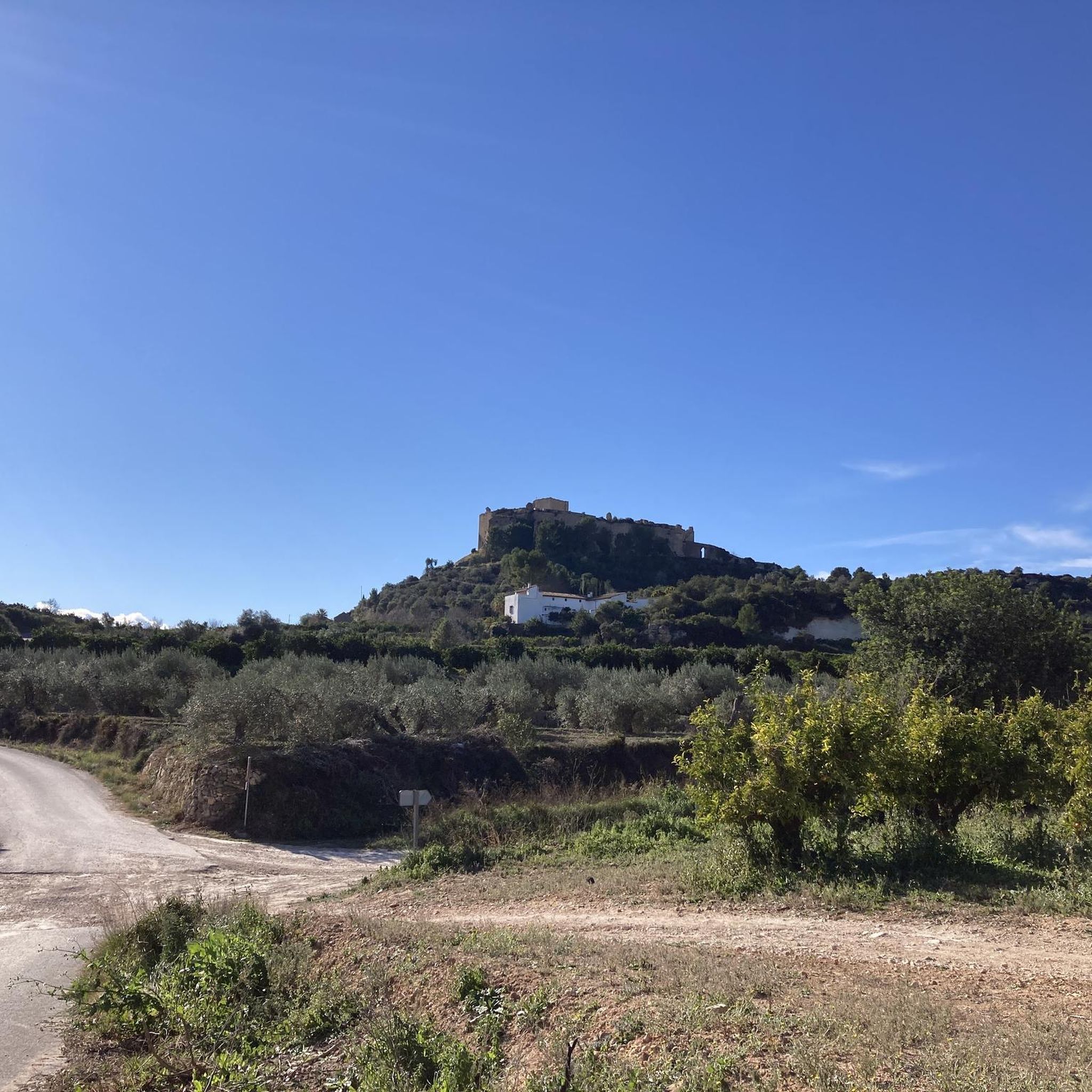
The castle can be considered of Muslim origin, possibly built between the 11th and 12th centuries.
0
0
Different sections of walls can be seen that delimit a double enclosure. The lower one, with an irregular polygonal plan, preserves numerous Islamic remains and forms an antewall at the foot of the main castle. Most of the lower enclosure adapts to the terrain, and you can still see some rectangular towers, which are quite damaged, as well as some previous lower defense, even more damaged. The main enclosure is almost rectangular and is located at the top of the mountain, presenting remains of walls and angular towers, which appear to date from the Christian era, manufactured in lime and stone, highlighting to the south an advanced tower with arrow slits. In this area there is a bastion with two towers. In the center of this high enclosure, there are the remains of a large tower.
0
0

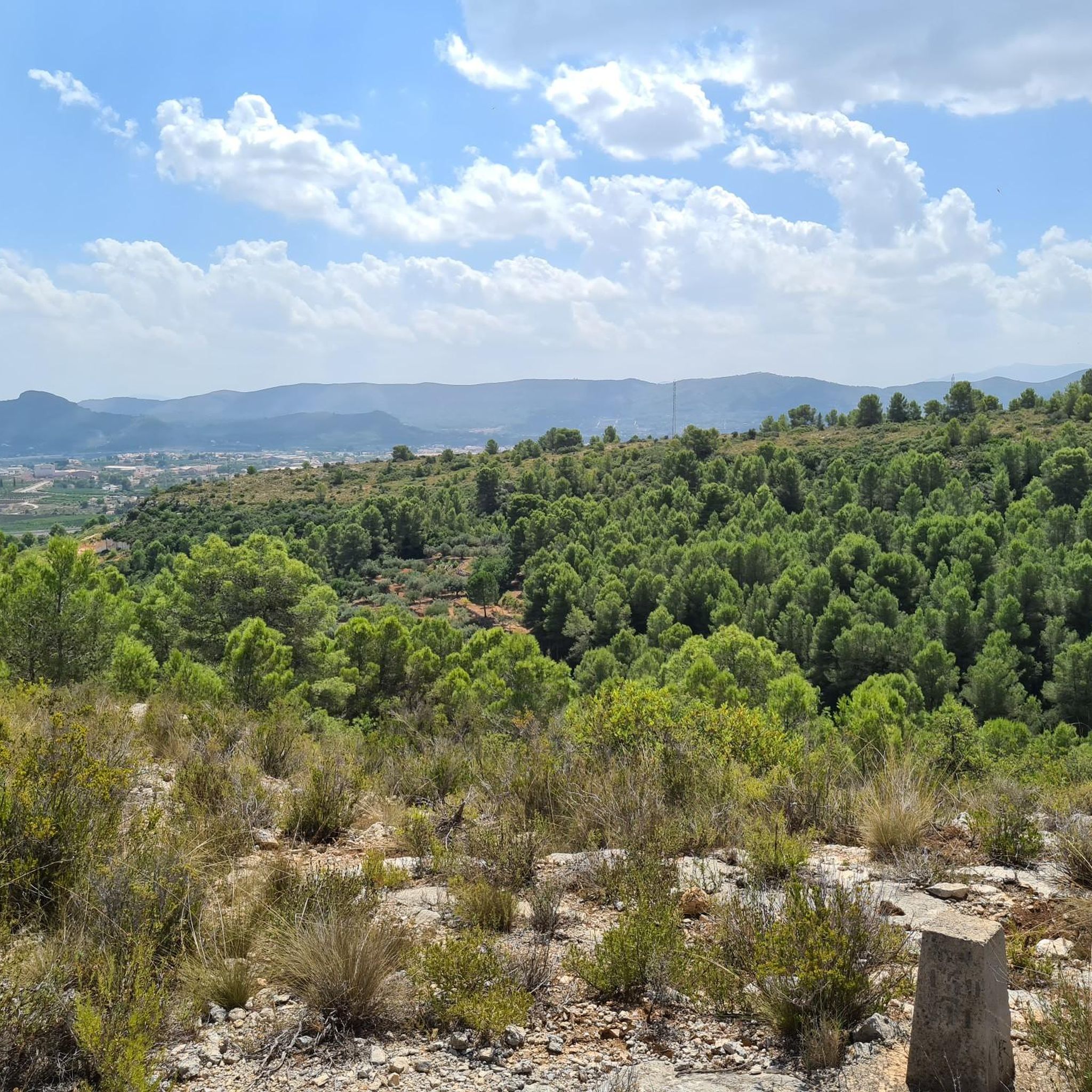
Castle of Enguera 381 SHARED The Castle of Enguera rises on a hill close to the town, a place from which to enjoy beautiful views, accessible hiking routes or a nearby via ferrata of 300 meters, the Via Ferrata Fuente Godalla (on the via ferrata you can park and climb castle).
0
0

Impressive facility and fantastic views
1
0

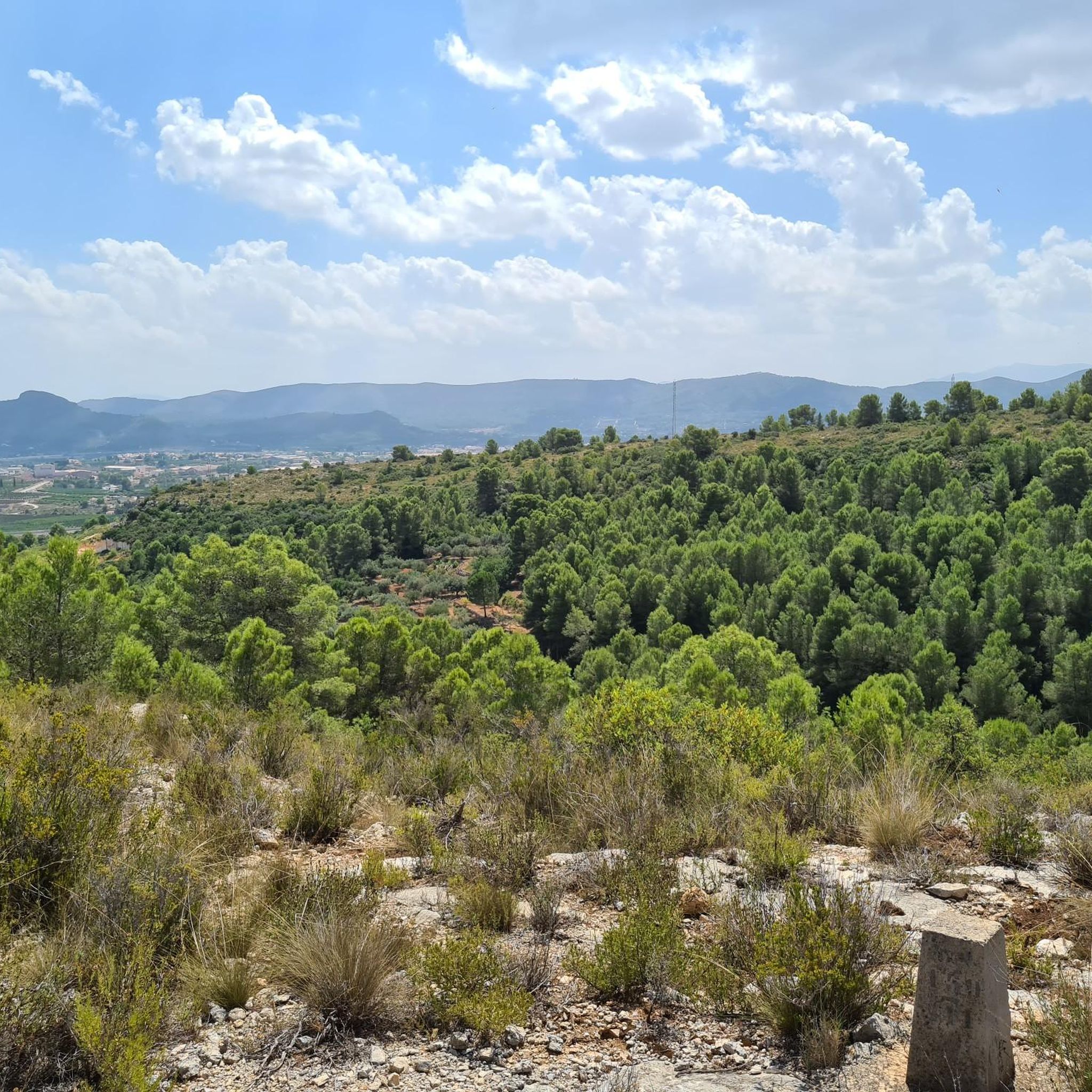
The Castell de Xàtiva towers over the city. The double fortress in the Castell mountains has been the scene and witness of numerous conflicts due to the strategic location of the city. The fortress was on the ancient Via Augusta road that led from Rome across the Pyrenees and down the Mediterranean coast to Cartagena and Cádiz.
2
0

Wonderful place worth visiting and exploring. The Castell has a unique value for the entire Valencian Community since it was once one of the strongest and strategic points of the ancient Kingdom of Valencia. Today it offers amazing views of the entire La Costera valley and you cannot miss visiting it from the inside. To get there you will travel part of the Via Augusta, an ancient and well-known route that linked Rome with Cartagena and Cádiz, running along the Mediterranean coast and crossing the Pyrenees.
2
0
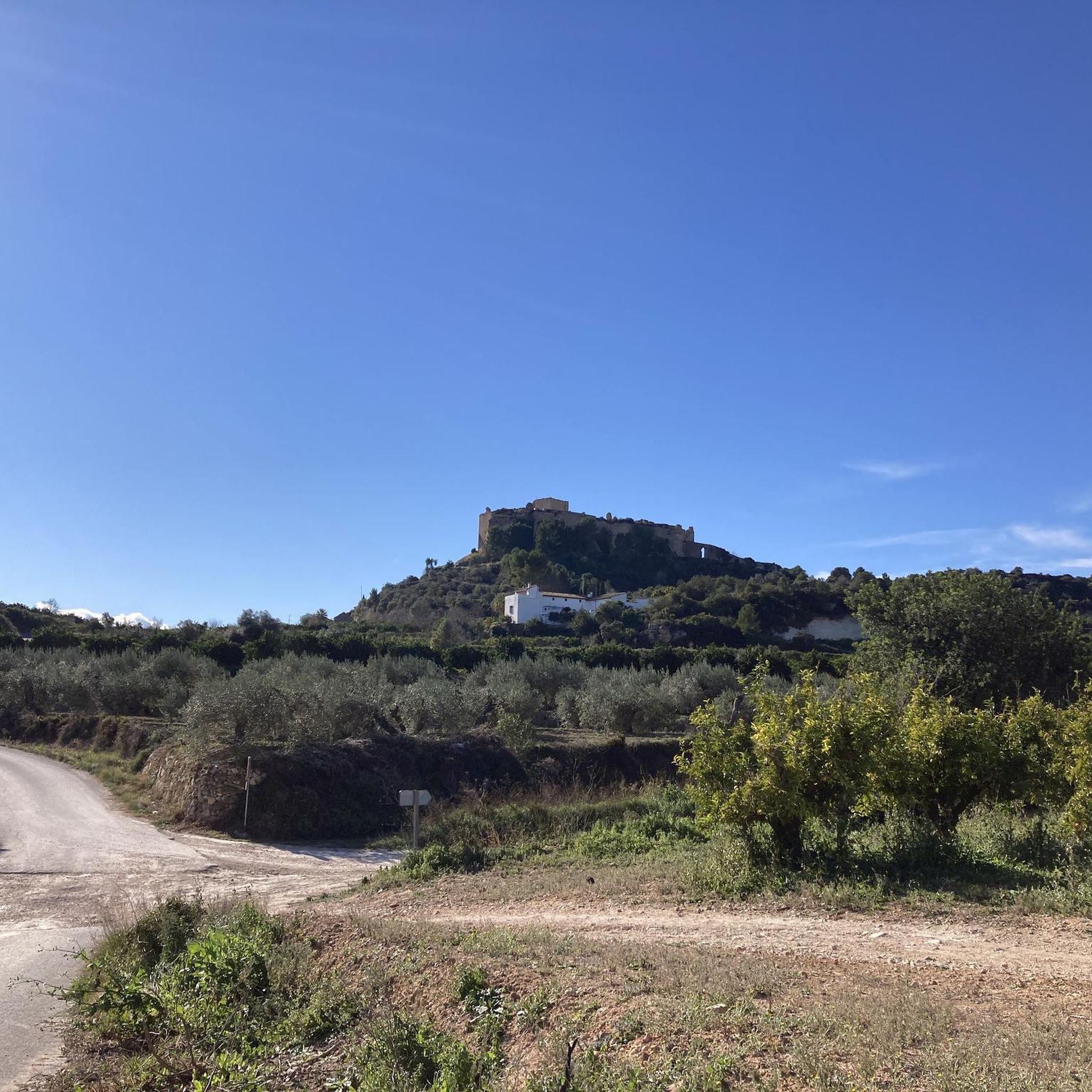
A very cool and entertaining path along the sunny side with very nice views of the castle and its fortress. It is a very pleasant route with a surface in very good condition.
3
0
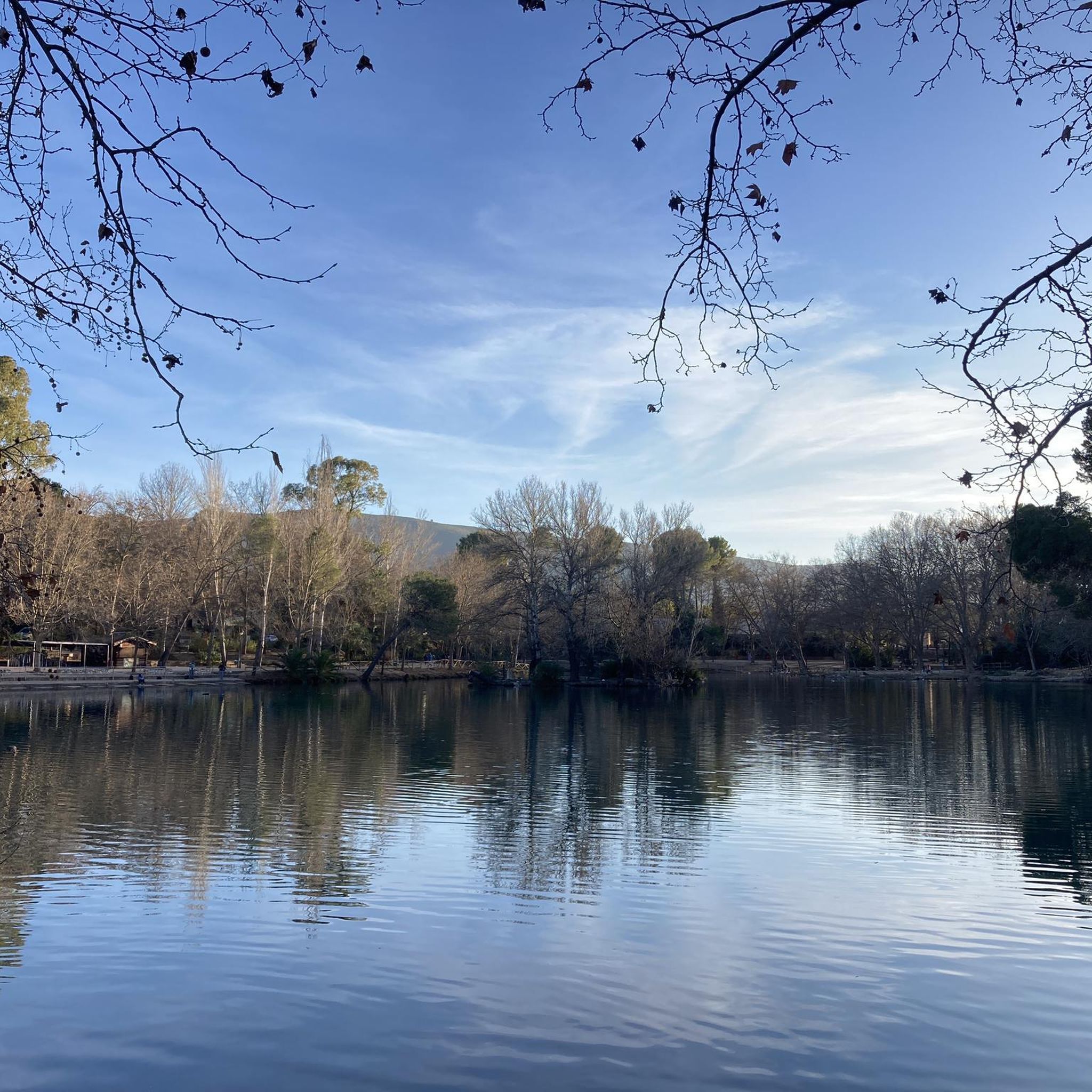
It is an Almohad tower from the 13th century that was part of the defense wall of the castle of Xàtiva. Its name is due to its orientation since it is given the first rays of the sun of the day. It consists of a rectangular floor plan with its peculiar semicircular side. It has two floors and an attached cistern.
4
0
Frequently Asked Questions
What are the most notable castles to visit around Llanera De Ranes?
The broader Valencian Community, where Llanera de Ranes is located, offers several impressive castles. Among them, Castell de Xàtiva stands out as a dual fortress with a rich history. Other significant sites include Peñíscola Castle, Santa Bárbara Castle in Alicante, and Sagunto Castle, each offering unique historical insights and panoramic views.
Which castles are particularly rich in history and offer a glimpse into different eras?
Castell de Xàtiva is a prime example, with origins dating back to Iberian and Roman times, showcasing Islamic and Gothic designs. Sagunto Castle also spans over two millennia, featuring Iberian, Roman, Visigothic, Muslim, and Christian influences. Peñíscola Castle, built by the Knights Templar, offers a deep dive into medieval history and its connection to Pope Luna.
Are there family-friendly castles to explore near Llanera De Ranes?
Yes, Castell de Xàtiva is categorized as family-friendly, offering an engaging experience for all ages with its extensive grounds and historical significance. Santa Bárbara Castle in Alicante also hosts various cultural events and dramatized tours that can be enjoyable for families.
What kind of views can I expect from the castles in this region?
Many castles offer spectacular panoramic views. From Castell de Xàtiva, you can see the city, surrounding valleys, and orange groves. Peñíscola Castle provides direct views of the Mediterranean Sea, while Santa Bárbara Castle offers 360-degree vistas of Alicante city, its port, and the bay. The Castle of La Encomienda de Enguera also boasts beautiful views towards La Ribera Alta.
Can I find hiking or cycling routes near these castles?
Yes, the region around Llanera De Ranes offers various outdoor activities. For example, you can find MTB trails like the 'Montesa Castle loop' or 'Enguera loop' which pass near historical sites. Gravel biking routes such as the 'Montesa Castle – Public washhouse and Sants River loop' are also available. For more details on these routes, you can explore the MTB Trails around Llanera De Ranes or Gravel biking around Llanera De Ranes guides.
What is the significance of the Sun Tower of Xàtiva?
The Sun Tower of Xàtiva is an Almohad tower from the 13th century that was an integral part of the defense wall of Castell de Xàtiva. Its name comes from its unique orientation, as it is positioned to catch the first rays of the sun each day.
What are the historical highlights of the Castle of La Encomienda de Enguera?
The Castle of La Encomienda de Enguera consists of castle ruins with different sections of walls, including numerous Islamic remains and Christian-era constructions. It offers a glimpse into its past through its double enclosure and various towers, providing beautiful views towards La Ribera Alta.
What makes Peñíscola Castle unique among the region's fortresses?
Peñíscola Castle, also known as the 'Castillo de Papa Luna,' is unique due to its dramatic location on a rocky outcrop overlooking the Mediterranean Sea. It was built by the Knights Templar and later served as the papal seat for Benedict XIII, Pope Luna, making it a site of significant religious and military history. Its well-preserved Romanesque architecture and stunning coastal setting are also notable.
What cultural experiences can I find at Santa Bárbara Castle?
Santa Bárbara Castle in Alicante is not just a historical site but also a vibrant cultural hub. It regularly hosts various cultural events, activities, concerts, and dramatized tours, providing an immersive historical experience alongside its impressive architecture and panoramic views.
What is the best time to visit the castles around Llanera De Ranes?
The Valencian Community generally enjoys a Mediterranean climate. Spring (April-May) and Autumn (September-October) typically offer pleasant temperatures, making them ideal for exploring the castles and their surroundings without the intense heat of summer. Visiting during these shoulder seasons also often means fewer crowds.
What do visitors appreciate most about the castles in this area?
Visitors frequently appreciate the rich history, the impressive architecture, and the breathtaking panoramic views offered by these castles. The strategic locations, such as those of Castell de Xàtiva and Peñíscola Castle, are often highlighted for their beauty and historical significance. The komoot community has shared over 105 photos and given 99 upvotes, indicating a strong appreciation for these sites.
Are there any ancient Iberian or Roman remains visible at these castle sites?
Yes, several castles in the region incorporate or are built upon older remains. Castell de Xàtiva's oldest part, the Castell Menor, sits atop Iberian and Roman remains. Sagunto Castle also features remains of a Roman forum and a temple dedicated to Diana, showcasing its deep historical layers. The area of La Solana del Castell, near Xàtiva, is the location of the ancient Iberian city of Saitabi, where archaeological remains have been found.
Most popular routes around Llanera De Ranes
Most popular attractions around Llanera De Ranes

Get inspired with the komoot mobile app


Explore more
Looking for the best castles somewhere else? Discover other guides around Llanera De Ranes:
