Top 5 Castles around Totalán
Best castles around Totalán include historical fortifications and significant sites that reflect the region's rich past. While Totalán itself features watchtowers and ancient dolmens, the surrounding area offers a variety of historical castles and fortresses. These structures provide insights into the strategic importance of the region, particularly during the Muslim period. Visitors can explore these sites to understand the diverse history and enjoy views of the landscape.
Best castles around Totalán
- The most popular castles is The Alcazaba of Málaga…
Last updated: June 20, 2026
The Alcazaba of Málaga and the Roman Theatre
Highlight • Historical Site
Translated by Google •
Tip by

La Terrazita Café at Gibralfaro Castle
Highlight • Cafe
Translated by Google •
Tip by

Sign up now to discover places like this
Get recommendations on the best single tracks, peaks, & plenty of other exciting outdoor places.
Sign up for free
Bezmiliana Fortress
Highlight • Historical Site
Showing Translation
Tip by

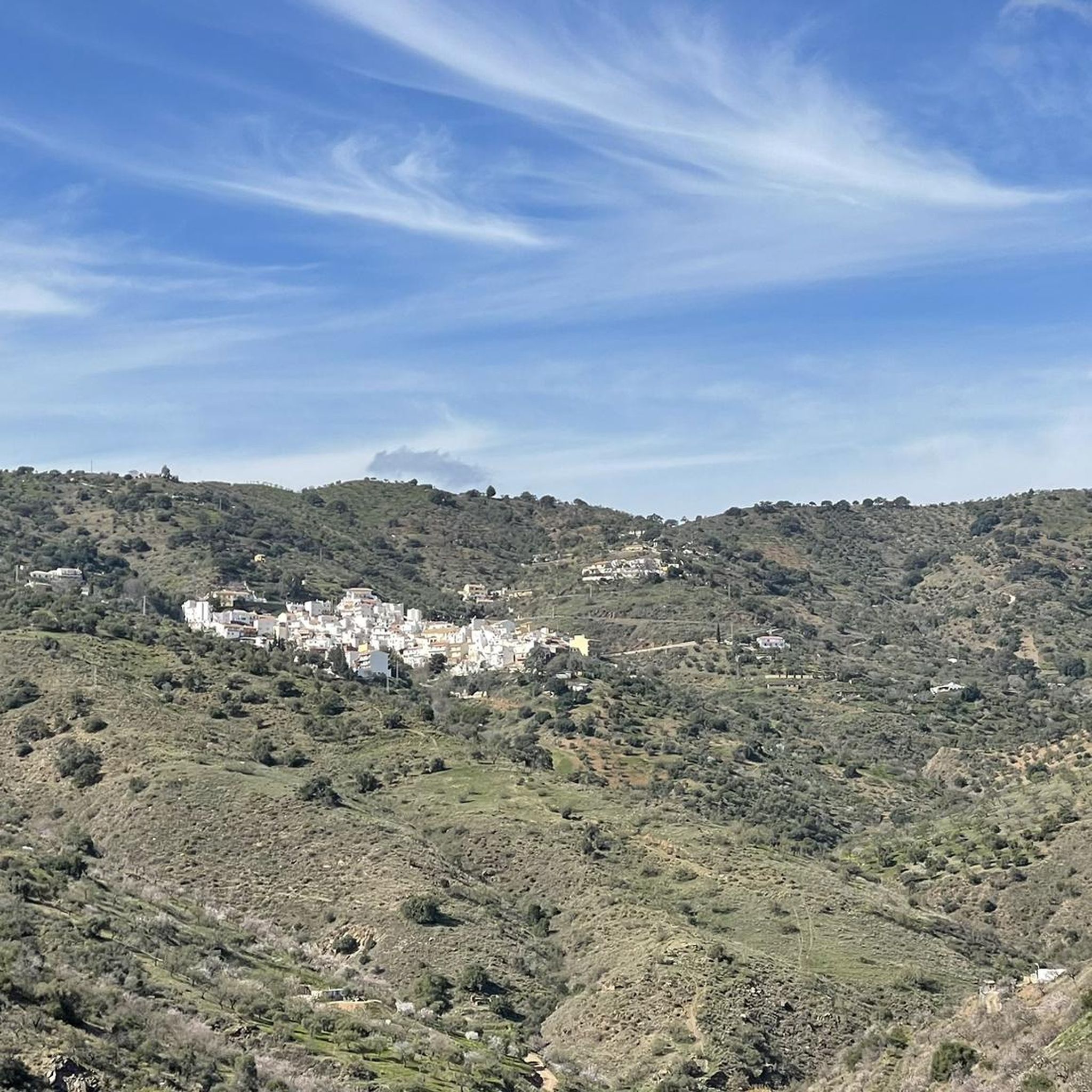
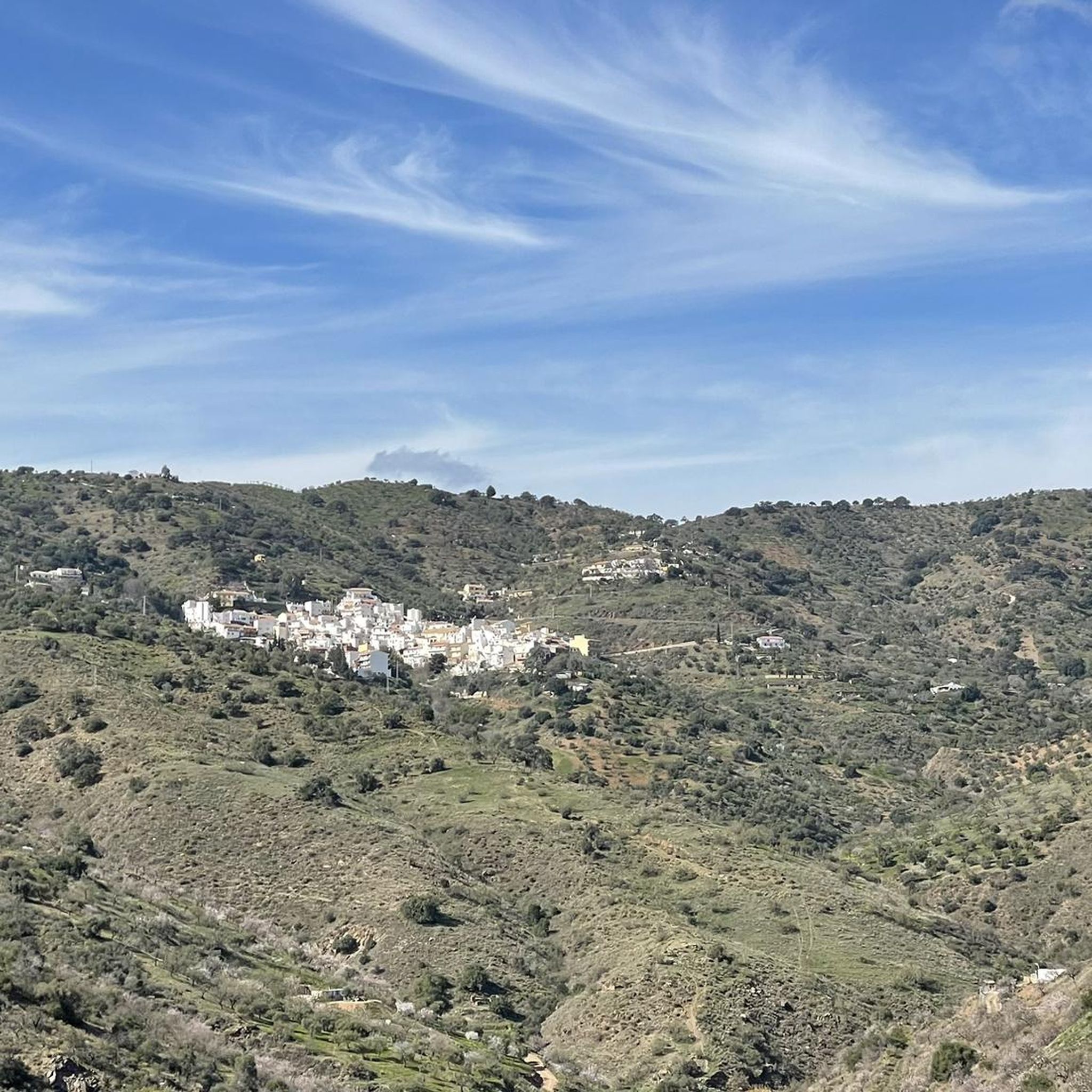
View of Comares from the Moorish Fortress Remains
Highlight • Historical Site
Translated by Google •
Tip by

Gibralfaro Castle
Highlight • Castle
Translated by Google •
Tip by
Sign up for free to discover even more castles around Totalán.
Sign up for free
Already have an account?
Start today with a free account
Your next adventure awaits.
Login or Signup
Tips from the Community

The Casa Fuerte de Bezmiliana is one of the most emblematic buildings in Rincón de la Victoria and was built in 1766, during the reign of Charles III. Its function was to reinforce the defense of the coast against pirate attacks and invasions, complementing the area's watchtower system. With its square floor plan, robust walls, corner towers, and old moat, it is a good example of 18th-century coastal military architecture. Today it functions as a cultural space and hosts exhibitions and activities throughout the year.
1
0

The combined ticket for the castle and Alcazaba is worth it
0
0

Beautiful castle complex; you can walk all the way around the wall.
0
0

The Bezmiliana Fortress was built in 1766 in present-day Rincón de la Victoria, in the province of Málaga, and is a typical example of 18th-century military coastal architecture. Its construction took place under the reign of King Charles III, in order to better protect the Andalusian Mediterranean coast against pirate raids and enemy fleets, as the older watchtowers were no longer able to cope with these threats. The fortress has a square floor plan with massive walls, corner towers, and a moat, and was designed to serve both defensive purposes and to house soldiers and horses. Over time, the fortress lost its military importance and partially fell into disrepair. It was only towards the end of the 20th century that it was extensively restored and put to a new use. Since 1992, the Bezmiliana Fortress has served as a cultural center, hosting exhibitions, concerts, and other events. Thus, it has evolved from a military defense structure into an important historical and cultural site in the region.
0
0

From this point you can enjoy a beautiful view over this charming white village
7
0
The Casa Fuerte de Bezmiliana is a fortress in Rincón de la Victoria, built in 1766 during the reign of Charles III. It served as a military base to protect the coast from pirate attacks and enemy invasions. The threat from North African corsairs and British troops, in particular, made its construction necessary. Today, the fortress is used as a cultural center and serves as a venue for art exhibitions, concerts, and other cultural events. It is one of the most important historical buildings in Rincón de la Victoria and is a protected monument.
5
0

The house, originally designed as a military structure in 1766 to defend against coastal pirates, is now one of the city's most iconic buildings. Architect Álvaro Mendiola began its restoration in 1992, and today it's a must-see for those who enjoy the exhibitions regularly held here, along with cultural activities. La Casa Fuerte de Bezmiliana features large gardens, a fountain, and the statue of Europa.
2
0

The Alcazaba of Malaga is an imposing 11th-century Moorish fortress that towers majestically over the city; with its graceful arches, opulent courtyards and winding pathways, it offers an enchanting blend of Islamic architecture and history, while its strategic position on Gibralfaro Hill not only served as a defence but now also offers breathtaking panoramic views over the glittering Mediterranean Sea and the bustling city below, making it an unmissable destination for anyone wanting to experience Malaga's rich cultural heritage.
8
0
Frequently Asked Questions
What kind of historical sites can I find in Totalán itself?
While Totalán doesn't feature large traditional castles, it offers significant historical sites. You can explore the 11th-century Torre de Salazar, a Muslim watchtower with superb coastal views. There's also the Torre del Violín-Mirador del Zagal, a complex commemorating a historical event with panoramic countryside views. Additionally, the ancient Cerro de la Corona Dolmen, a prehistoric burial site dating back 5,000-6,000 years, offers both historical context and natural beauty.
Which castles near Totalán are most popular with visitors?
The most popular castles near Totalán include The Alcazaba of Málaga and the Roman Theatre, a fortress-palace known for its history and beauty. Another favorite is Gibralfaro Castle, built to protect the Alcazaba, offering impressive views from its walls.
Are there any family-friendly historical sites or castles in the Totalán area?
Yes, several sites are suitable for families. The Alcazaba of Málaga and the Roman Theatre is a great option, combining history with engaging exploration. The Bezmiliana Fortress, now a cultural center, also welcomes families. Additionally, the Moorish Fortress Remains in Comares offer a beautiful viewpoint that families can enjoy.
What kind of historical significance do these castles and sites hold?
The historical sites around Totalán reflect the region's rich past, particularly during the Muslim period. Structures like the Torre de Salazar served as crucial lookout points for coastal defense. The Alcazaba of Málaga and Gibralfaro Castle were vital fortress-palaces, showcasing Moorish architecture and strategic military design. The Bezmiliana Fortress, built in the 18th century, highlights later efforts to repel piracy.
What are the best viewpoints near the castles around Totalán?
Many of the historical sites offer excellent panoramic views. From the Torre de Salazar, you can see the coastline and Malaga city. Gibralfaro Castle provides extensive views over Malaga and its harbor. The Moorish Fortress Remains in Comares offer a beautiful vista of the charming white village. Even the Cerro de la Corona Dolmen provides magnificent views of the surrounding areas.
Are there cafes or restaurants near these historical sites?
Yes, for example, within the grounds of Gibralfaro Castle, you can find La Terrazita Café, which offers views over Malaga. Many of the castles are also located near urban centers like Málaga or Rincón de la Victoria, where numerous dining options are available.
What outdoor activities can I do near the castles around Totalán?
The area around Totalán offers various outdoor activities. You can find numerous running trails, such as the 'Cliffside Coastal Walk' or 'Rincón de la Victoria Beach loop'. For mountain biking, options like the 'La Capitana Loop' are available. Road cycling enthusiasts can explore routes like the 'Axarquía White Villages Loop'. You can find more details on these activities in the running, MTB, and road cycling guides for Totalán.
What is the best time of year to visit the castles and historical sites?
The region generally enjoys a mild climate. Spring (April-May) and autumn (September-October) are often ideal, offering pleasant temperatures for exploring without the intense heat of summer. These seasons also tend to be less crowded, making for a more relaxed visit.
Is there parking available at these historical sites?
Parking availability varies by site. For locations like The Alcazaba of Málaga and the Roman Theatre and Gibralfaro Castle in Málaga, public parking garages are available in the city center, often requiring a walk or short bus ride to the sites. Smaller sites like the Bezmiliana Fortress in Rincón de la Victoria may have street parking or dedicated lots nearby.
Can I combine a visit to a castle with a walk or hike?
Absolutely. Many of these sites are integrated into or near scenic walking routes. For instance, you can walk along the walls of Gibralfaro Castle for a rewarding experience. The Torre de Salazar and Cerro de la Corona Dolmen in Totalán are situated on hilltops, making them natural destinations for short, scenic walks. You can find more walking routes in the running guide for Totalán, which includes many walking-friendly trails.
What should I wear when visiting castles and historical sites in the Totalán region?
Comfortable walking shoes are highly recommended, as many sites involve walking on uneven surfaces, stairs, or uphill paths. Light, breathable clothing is suitable for warmer months, while a light jacket or layers are advisable during cooler seasons or for visits in the morning/evening, especially at viewpoints where it can be breezy.
Are there any lesser-known historical sites for a quieter visit?
For a quieter experience, consider exploring the local historical sites within Totalán itself, such as the Torre de Salazar or the Cerro de la Corona Dolmen. These offer significant historical value and stunning views without the larger crowds found at more prominent attractions like the Alcazaba in Málaga.
Most popular routes around Totalán
Most popular attractions around Totalán

Get inspired with the komoot mobile app


Explore more
Looking for the best castles somewhere else? Discover other guides around Totalán:
