Top 11 Lakes around Vall De Cardós
Best lakes around Vall De Cardós are primarily of glacial origin, situated in the Pallars Sobirà region of the Catalan Pyrenees. This area is known for its high-mountain landscapes and is often found within the Alt Pirineu Natural Park. The region offers numerous opportunities for outdoor activities, particularly hiking, with a variety of natural features to explore.
Best lakes around Vall De Cardós
- The most popular lakes is Estany de Mascarida, a lake of glacial origin located at an…
Last updated: July 4, 2026
Estany de Mascarida
Highlight • Lake
Translated by Google •
Tip by

Torre de Aguita Birdwatching Tower
Highlight • Viewpoint
Translated by Google •
Tip by

Sign up now to discover places like this
Get recommendations on the best single tracks, peaks, & plenty of other exciting outdoor places.
Sign up for free
Torrassa Reservoir
Highlight • Lake
Translated by Google •
Tip by

Certascan Lake
Highlight • Lake
Translated by Google •
Tip by

Views of the valley and the Torrassa reservoir
Highlight • Viewpoint
Translated by Google •
Tip by

Sign up for free to discover even more lakes around Vall De Cardós.
Sign up for free
Already have an account?
Start today with a free account
Your next adventure awaits.
Login or Signup
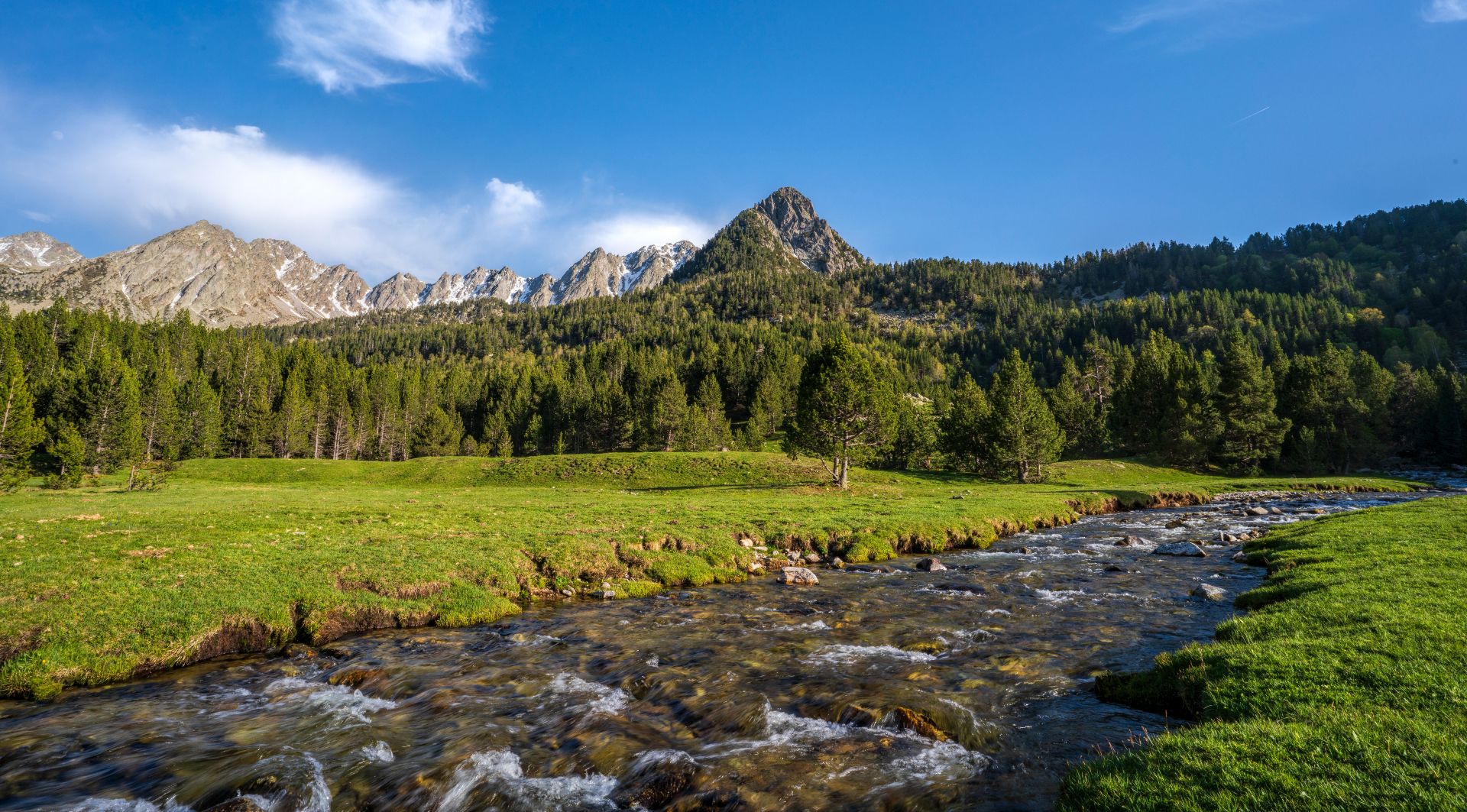
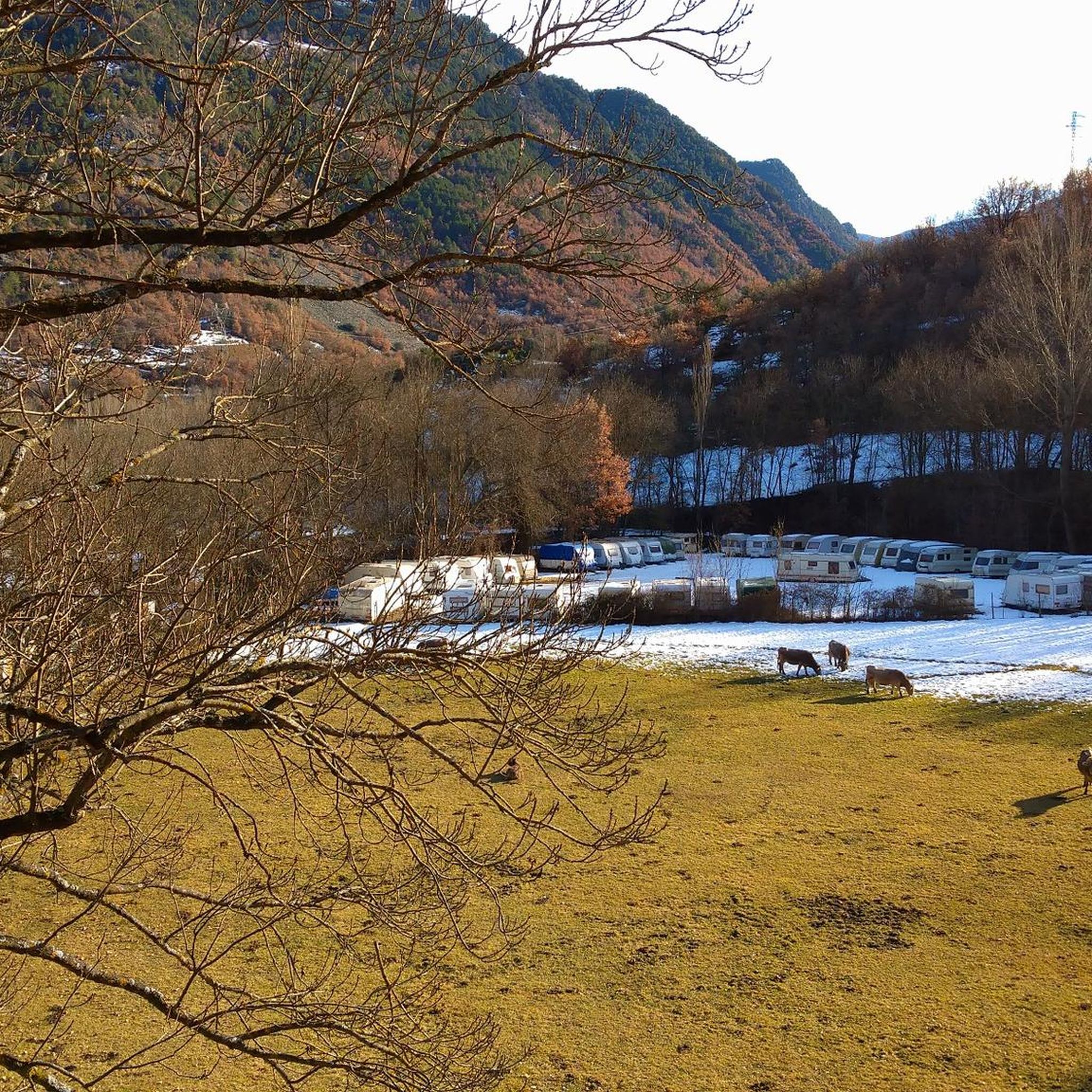
Other adventures around Vall De Cardós

Tips from the Community

A large mountain lake near the Refugi de Certascan hut. Today it looks like an estuary in Norway.
0
0

If we spend a day with little air we will see the mountains perfectly reflected, impressive!
1
0

One of the most beautiful lakes in the Pyrenees, it is difficult to get to, but it is worth it.
0
0

This bird and mammal observation tower is in good condition and is an excellent place to observe the wildlife of the area. It's right off the main road.
0
0

Bird and mammal observation tower and very well preserved to visit with a good camera or binoculars
0
0

The Certascán lake is the largest glacial lake in the Catalan Pyrenees and rivals the Tort lake for being the largest in the whole mountain range. The final section of the climb is quite comfortable because it is well trodden by all the mountaineers who climb to the magnificent Pyrenean lake. At the entrance to the glacial cirque there is a small lagoon surrounded by cliffs and rocky outcrops and then there is the Certascan Refuge, practically on the shore of the lake. The path continues along the Coll de Certascan towards other places and mountain valleys at the foot of beautiful peaks, such as the Certascan peak (2,853 m), an interesting option for lovers of peaks. The return is along the same path until the detour of the path that descends from the Llurri gap. At this crossroads, continue straight ahead, going slightly uphill, and leave a path that goes down to the right towards the Canalada dam and the forest track that goes up from Montalto. The trail jumps over a small shoulder on the slope of the mountain range and begins a long descent towards the Vall de Cardós. The path is marked with the white and red signs of the long-distance path that connects the GR-11 of the Senda Pirenaica with the French paths GR-10 and Alta Ruta Pirenaica or Haute Randonée Pyrénéenne (HRP).
0
0

At an altitude of 2,330 m and in the area of the Alto Pirineo Natural Park
2
0

Even if it is on the road, it is worth stopping for a moment and observing the surroundings. It is a real balcony.
0
0
Frequently Asked Questions
What are the most notable lakes in Vall de Cardós?
The Vall de Cardós is home to many stunning glacial lakes. Among the most notable are Estany de Mascarida, a high-altitude glacial lake protected within the Alt Pirineu Natural Park, and the serene Torrassa Reservoir, known for its scenic views. Another popular spot is Estany de la Gola, a reservoir with a natural dam that serves as a starting point for further lake exploration.
What kind of outdoor activities can I do near the lakes in Vall de Cardós?
The region offers diverse outdoor activities. Hiking is very popular, with trails leading to many of the glacial lakes. You can find various hiking routes, from easy to moderate, around the area. For cyclists, there are also gravel biking and road cycling routes available. Explore more options on the Hiking around Vall De Cardós, Gravel biking around Vall De Cardós, and Road Cycling Routes around Vall De Cardós guide pages.
Are there family-friendly lakes or trails in Vall de Cardós?
Yes, several spots are suitable for families. The Torrassa Reservoir offers family-friendly views and is easily accessible. Additionally, viewpoints like Views of the valley and the Torrassa reservoir are great for all ages. Some hiking routes around Vall de Cardós are also rated as 'easy', such as the 'Pui de Bellero Viewpoint – Romanesque Bridge of Cassibrós loop from Ribera de Cardós', making them suitable for family walks.
What is the best time of year to visit the lakes in Vall de Cardós?
The best time to visit the lakes in Vall de Cardós for hiking and outdoor activities is typically during the warmer months, from late spring to early autumn (June to September). During this period, the snow has melted from higher altitudes, trails are more accessible, and the weather is generally pleasant for exploration. Winter offers a different experience, with snow-covered landscapes, but access to many high-altitude lakes may be challenging or require specialized equipment.
What kind of wildlife can I expect to see around the lakes?
The lakes and surrounding areas, especially within the Alt Pirineu Natural Park, are rich in biodiversity. You might spot the Pyrenean newt (tritó pirinenc), an endemic species, particularly in lakes like Estany de Mascarida. Birdwatching is also a popular activity, with observation towers like the Torre de Aguita Birdwatching Tower providing opportunities to observe various bird and mammal species.
What are the difficulty levels of hiking trails to the lakes?
Hiking trails to the lakes in Vall de Cardós vary in difficulty. Lakes like Estany de Mascarida and Estany de la Gola are typically reached via intermediate trails, often involving significant elevation gain and rugged terrain suitable for serious hikers. However, there are also easier routes, especially around the lower-altitude reservoirs and viewpoints, which are more accessible for casual walkers and families.
Can I swim in the lakes of Vall de Cardós?
While many of the glacial lakes in Vall de Cardós are pristine and inviting, wild swimming regulations can vary. Generally, swimming is tolerated in many natural lakes, but it's always advisable to check local signage or park regulations, especially within the Alt Pirineu Natural Park, to ensure compliance and safety. The water in high-altitude lakes can be very cold, even in summer.
Are there any circular lake walks in Vall de Cardós?
Yes, the region offers opportunities for circular walks that encompass multiple lakes or provide scenic loops. For instance, the area around the Lakes of the Campirme Cirque (including Estany Gran de Campirme, Estany de Soliguera, and Estany de Finestres) and the Estanys de la Gallina are ideal for multi-lake routes, allowing hikers to create circular itineraries that showcase diverse landscapes and varied elevations.
How can I access the lakes, and is parking available?
Access to the lakes often involves driving to a trailhead or a nearby village, followed by hiking. Parking availability varies; some popular trailheads may have designated parking areas, while others might require parking in nearby villages. For high-altitude lakes, access roads can be narrow or unpaved. Public transport options to specific trailheads are limited, so planning private transport is often recommended.
What natural features make the lakes of Vall de Cardós unique?
The lakes of Vall de Cardós are primarily of glacial origin, nestled within the high-mountain landscapes of the Catalan Pyrenees. They are characterized by their pristine beauty, tranquil settings, and dramatic mountainous backdrops. Features like the scattered black pine trees and abundant aquatic vegetation, such as *Subularia aquatica* and *Isoetes* found in Estany de Flamisella, contribute to their unique ecological value. Many are also protected within the Alt Pirineu Natural Park, preserving their natural state.
Are the lake trails in Vall de Cardós dog-friendly?
Many trails in the Vall de Cardós, including those leading to lakes, are generally dog-friendly, especially if dogs are kept on a leash. However, as much of the area is within the Alt Pirineu Natural Park, it's crucial to adhere to park regulations regarding pets, especially concerning wildlife protection and livestock. Always ensure your dog is under control and that you clean up after them to preserve the natural environment.
Most popular routes around Vall De Cardós
Most popular attractions around Vall De Cardós

Get inspired with the komoot mobile app


Explore more
Still not found your perfect lake around Vall De Cardós? Check out the guides of these regions to see even more beautiful places.
