The 10 Most Amazing Peaks around Caldes De Malavella
Best mountain peaks around Caldes De Malavella are found in a region situated between the Costa Brava and the Guilleries mountain range. This area is characterized by its thermal waters, historical sites, and elevated terrain offering extensive hiking opportunities. The landscape provides over 140 kilometers of hiking trails, featuring significant elevated areas and scenic viewpoints. Visitors can explore a diverse natural environment with varied terrain.
Best mountain peaks around Caldes De Malavella
- The most popular mountain peaks is Puig de…
Last updated: July 4, 2026
Puig de Cadiretes summit
Highlight • Summit
Translated by Google •
Tip by

Puig Montclar
Highlight • Summit
Translated by Google •
Tip by

Sign up now to discover places like this
Get recommendations on the best single tracks, peaks, & plenty of other exciting outdoor places.
Sign up for free
Puigmarí Telegraph Tower
Highlight • Monument
Translated by Google •
Tip by

Turó de vent
Highlight • Summit
Translated by Google •
Tip by
Puig de les Cols
Highlight • Summit
Translated by Google •
Tip by

Sign up for free to discover even more peaks around Caldes De Malavella.
Sign up for free
Already have an account?
Start today with a free account
Your next adventure awaits.
Login or Signup
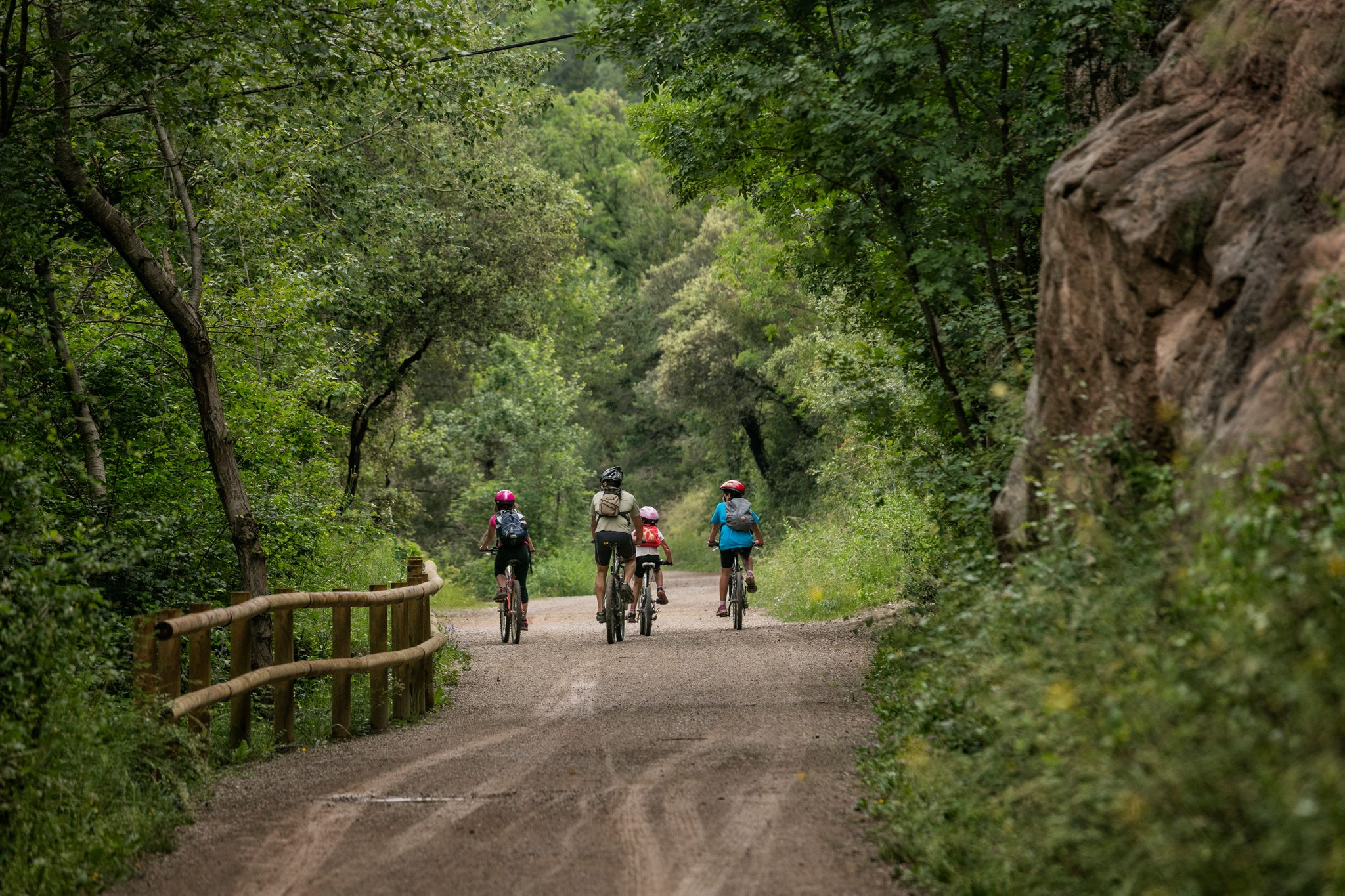
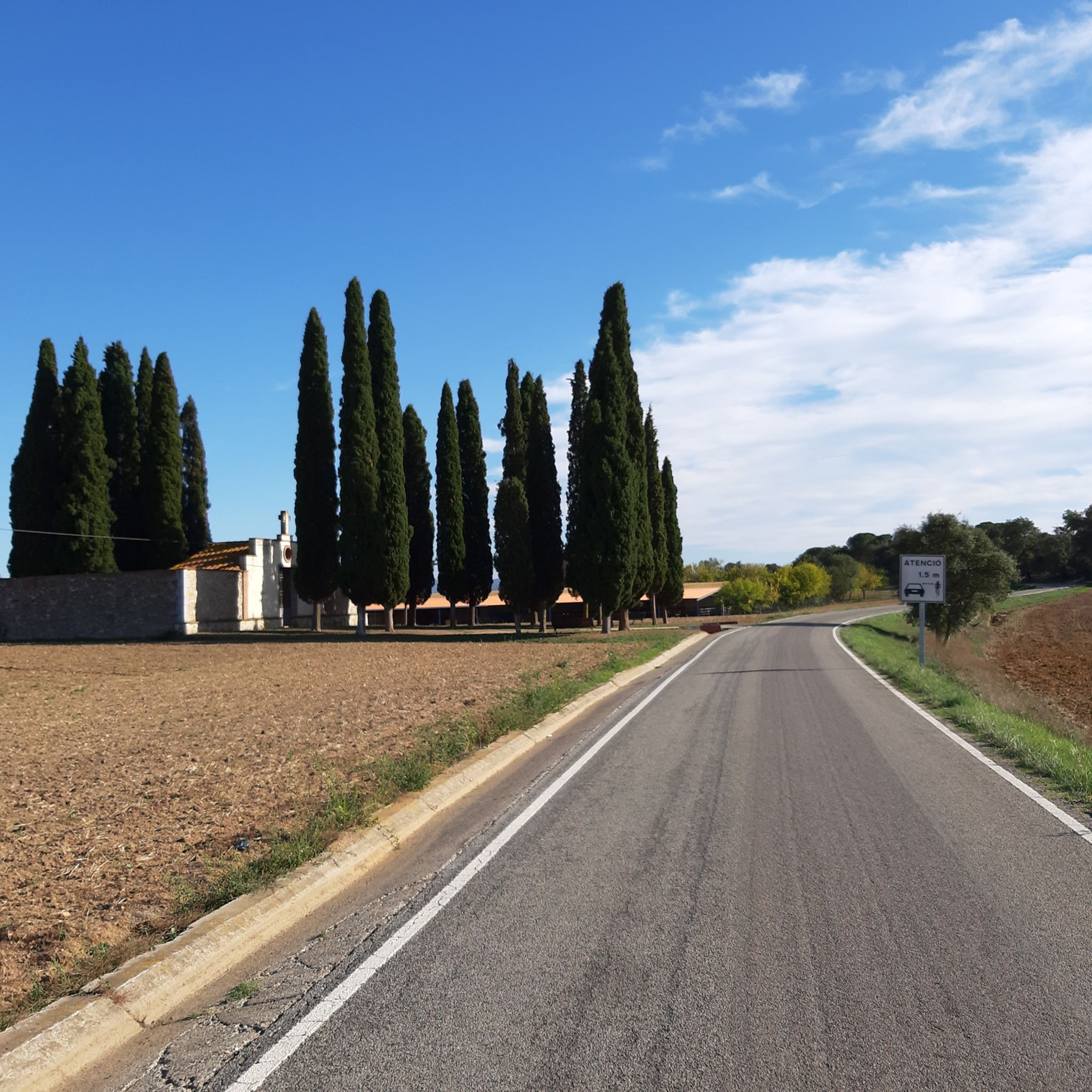
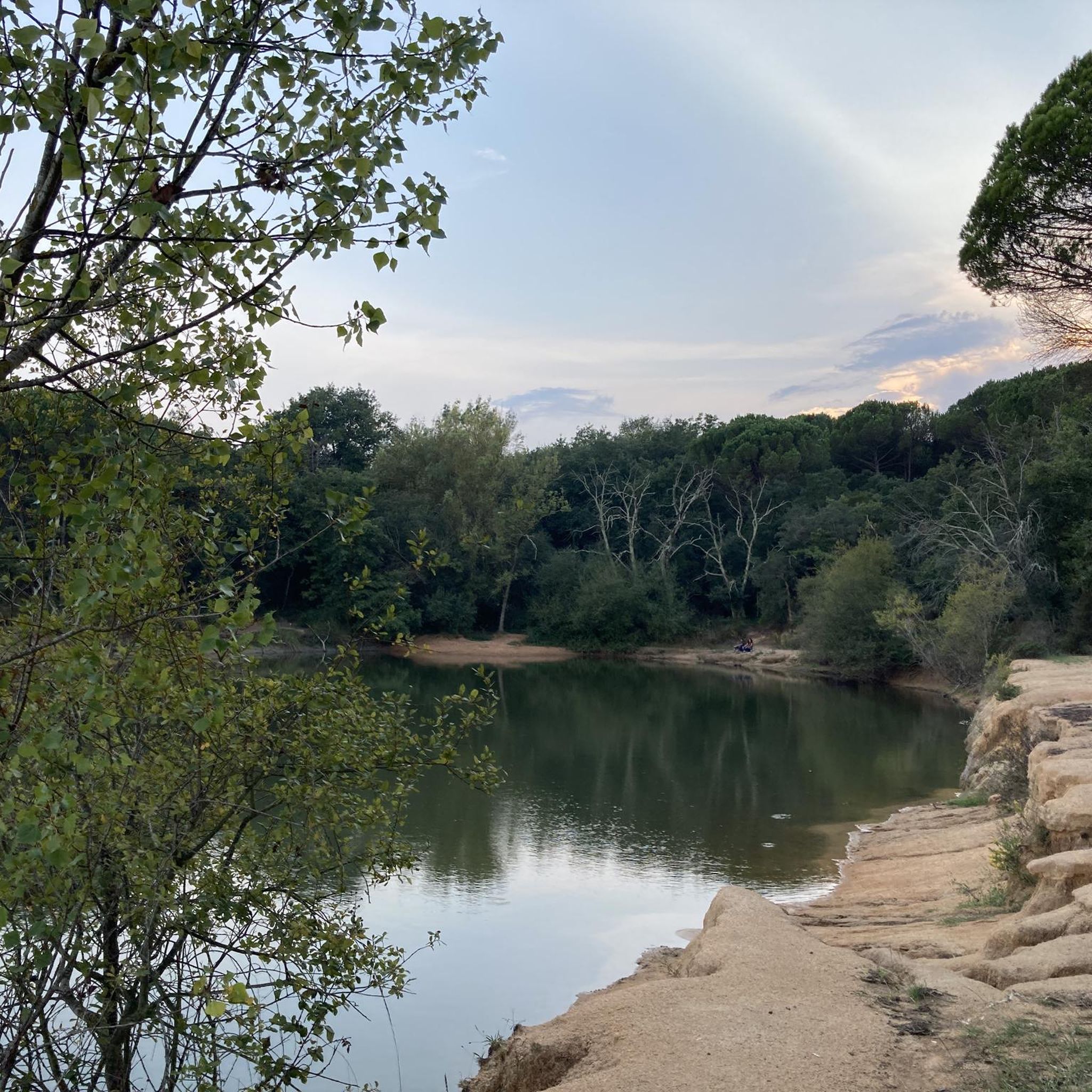
Other adventures around Caldes De Malavella

Tips from the Community


Great not technical hike from Tossa de Mar, largely on a GR92 route. Peak offers great views.
0
0
Nice peak accessible going up a big rock at the end (would not recommend if wet, can be slippery). Great views of the area, and on a clear day, of the Pyrenees range!
0
0
Great peak, not technical access, and amazing panorama over Sant Feliu, surrounding area and the sea!
0
0

Cima del Montclar in Santa Cristina d'Aro
0
0
The highest point of Sant Feliu de Guixols
0
0

It is part of the 100 summits of the FEEC. The Puigmarí Tower at the top dates from the 19th century and was part of the optical telegraphy network.
2
0

Puig is located in the center of the massif and you have to run for a long time from Sant Feliu to get there. Of course, the views are beautiful.
0
0
Frequently Asked Questions
What are the most popular mountain peaks around Caldes de Malavella?
The region offers several notable peaks. Among the most popular are Puig de Cadiretes summit, known for its panoramic views of the coast and the Cadiretes Massif, and Puigmarí Telegraph Tower, a historical site offering expansive views towards Montseny. Visitors also appreciate Turó de vent for its views of Farners castle and the surrounding area.
What kind of natural features can I expect to see on these peaks?
The peaks around Caldes de Malavella offer diverse natural features. For instance, Puig de Cadiretes summit features distinctive granite rock formations and volcanic landscapes within the Cadiretes Massif. You'll find lush forests and panoramic viewpoints across the region, with some peaks like Puig de les Cadiretes and Puig Montclar recognized as natural monuments.
Are there historical or cultural sites on or near these peaks?
Yes, several peaks are rich in history. Sant Maurici Hill is home to the ruins of the 11th-century Castell de Malavella and the Hermitage of Sant Maurici, steeped in local folklore. Puigmarí Telegraph Tower is a 19th-century historical site that was part of an optical telegraphy network. Puig de Sant Grau houses well-preserved Roman thermal baths, a Cultural Asset of National Interest, and Puig de les Ànimes is an archaeological site from the Upper Paleolithic period.
What outdoor activities can I do near the mountain peaks of Caldes de Malavella?
The area around Caldes de Malavella offers a variety of outdoor activities. You can find numerous hiking trails, including moderate and difficult options like the "Caulès Hermitage and Puig Ventós Loop" or the "Malavella Castle – Pantà de Can Llop loop." For running enthusiasts, there are trails such as the "Puig Ventós and Santa Susanna de Caulès Trail." Gravel biking is also popular, with routes like the "Sils Lake Route" or the "Thermal Route." You can explore more options on the hiking guide, running guide, and gravel biking guide.
Are there family-friendly mountain peaks or trails suitable for beginners?
While some peaks like Turó de vent can be challenging due to sections requiring ropes, many areas offer accessible options. The region's 'puigs' (hills) are generally less strenuous than high mountain ranges. For hiking, there are easy routes like the "Grotto of the Virgin Mary loop from Caldes de Malavella" which is suitable for families. Exploring the historical sites on Sant Maurici Hill or Puig de Sant Grau also offers tranquil walks without extreme difficulty.
What is the best time of year to visit the peaks around Caldes de Malavella?
The region is generally pleasant for outdoor activities for much of the year. Spring and autumn offer mild temperatures, making them ideal for hiking and exploring. Summer can be warm, but the coastal breezes and shaded trails can still be enjoyable. Winter offers cooler, crisp air, and on clear days, the panoramic views are particularly stunning, sometimes even revealing the distant Pyrenees.
What are the views like from the peaks?
The peaks offer spectacular panoramic views. From Puig de Cadiretes summit, you can see the entire Massís de l'Ardenya, the Mediterranean Sea, and the plain of Girona, with the Pyrenees visible on clear days. Puigmarí Telegraph Tower provides fantastic views towards Montseny, while Turó de vent offers vistas of Farners castle and its surroundings. Puig de les Cols provides an amazing panorama over Sant Feliu de Guixols and the sea.
Can I find trails for mountain biking or gravel biking in the area?
Yes, the area is well-suited for both mountain biking and gravel biking. There's an 8.6 km circular mountain bike route leading to the top of Sant Maurici Hill. For gravel biking, routes like the "Sils Lake Route – Sèquia de Sils loop" and the "Thermal Route – Font Picant Train Station loop" are popular. You can find more detailed routes and guides for gravel biking in the region on komoot.
What makes the Cadiretes Massif special?
The Cadiretes Massif, where Puig de Cadiretes summit is located, is recognized as a natural monument. It's characterized by distinctive granite rock formations, volcanic landscapes, and lush forests. It offers some of the most spectacular panoramic views in the region, encompassing the Mediterranean Sea and the plain of Girona, making it a prime destination for nature lovers and hikers.
What do visitors enjoy most about the peaks around Caldes de Malavella?
Visitors frequently highlight the stunning panoramic views from various summits, such as the coast from Puig de Cadiretes summit or the Montseny from Puigmarí Telegraph Tower. The combination of natural beauty with rich historical sites, like the Roman baths on Puig de Sant Grau or the castle ruins on Sant Maurici Hill, is also a major draw. The diverse hiking and biking opportunities across varied terrain are also highly appreciated.
Are there any unique geological features to explore?
The region is notable for its volcanic origins, which are evident in the black basalt stone construction of Castell de Malavella on Sant Maurici Hill and the distinctive granite rock formations found in the Cadiretes Massif. The thermal waters emerging from hills like Puig de Sant Grau and Puig de les Ànimes are also a significant geological feature, gushing forth at high temperatures and rich in minerals.
How accessible are the trailheads for these peaks?
Many trailheads are accessible, with some offering parking options. For instance, for Puig Montclar, you can often leave your car on the road in front of Can Crispins. The region is well-connected with various routes originating from Caldes de Malavella, making it convenient for visitors to start their explorations. Public transport access might be limited for some remote trailheads, so checking local transport options is advisable.
Most popular routes around Caldes De Malavella
Most popular attractions around Caldes De Malavella

Get inspired with the komoot mobile app


Explore more
See even more amazing summits around Caldes De Malavella with these guides:
