Top 5 Gorges around Pájara
Best canyons around Pájara are located within a municipality known for its striking barrancos and unique geological formations. The area showcases Fuerteventura's natural beauty, featuring diverse landscapes from arid surroundings to oasis-like environments. These canyons offer varied terrain, including challenging hikes and significant valleys. Pájara provides opportunities to explore the island's geological history and ecological pockets.
Best canyons around Pájara
- The most popular canyons is Ermita de la Peña, a religious_building that serves as the main pilgrimage destination of…
Last updated: May 7, 2026
Ermita de la Peña
Highlight • Religious Site
Translated by Google •
Tip by

Presa de las Peñitas
Highlight • Monument
Translated by Google •
Tip by
Sign up now to discover places like this
Get recommendations on the best single tracks, peaks, & plenty of other exciting outdoor places.
Sign up for free
Arco de las Peñitas
Highlight • Natural Monument
Translated by Google •
Tip by
Alternative harder and lonelier way
Highlight (Segment) • Gorge
Translated by Google •
Tip by

Barranco de las Peñitas and the Hermitage of Our Lady of the Rock
Highlight • Gorge
Translated by Google •
Tip by

Sign up for free to discover even more gorges around Pájara.
Sign up for free
Already have an account?
Start today with a free account
Your next adventure awaits.
Login or Signup
Popular around Pájara
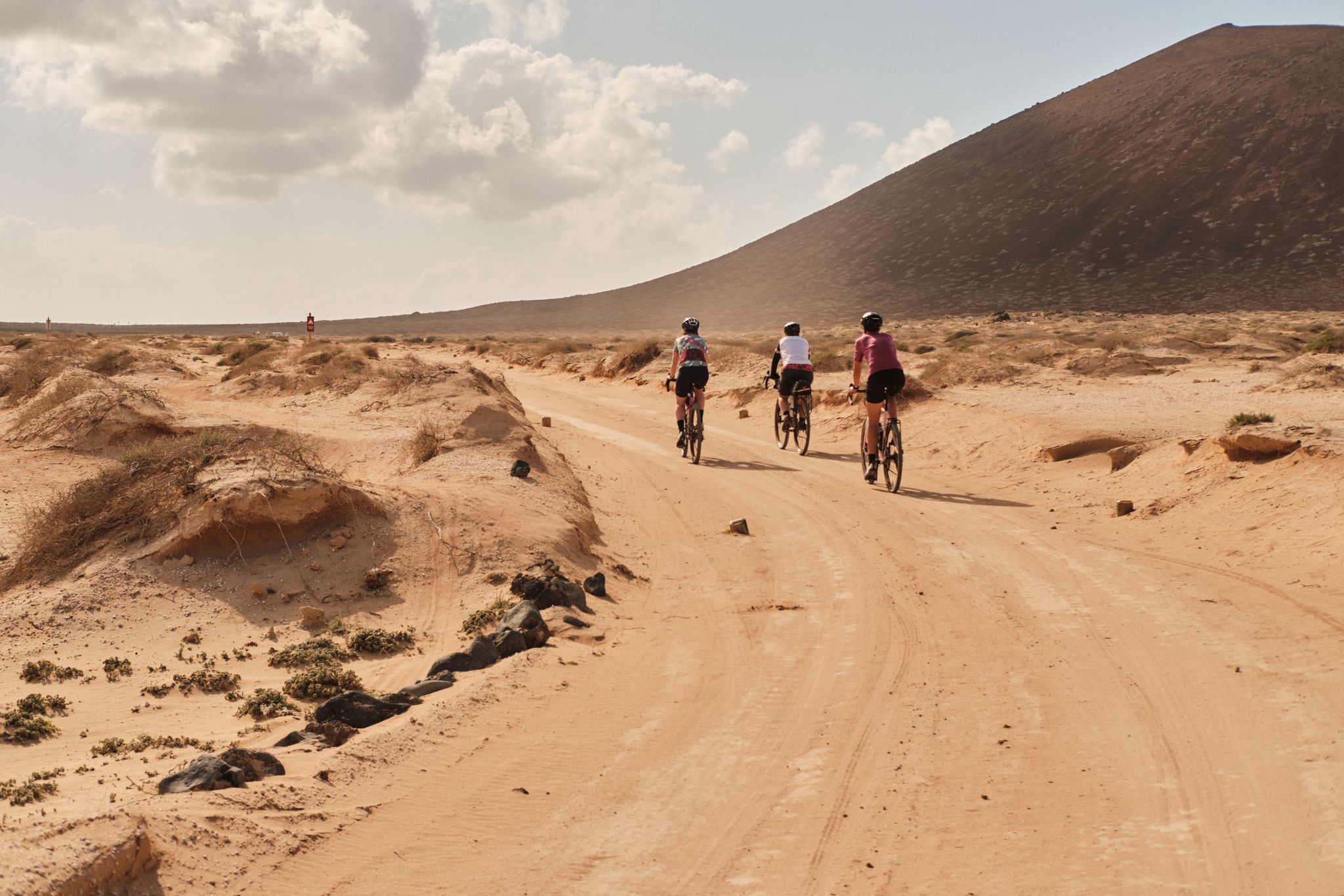
GranGuanche gravel – Komoot women's rally 2023
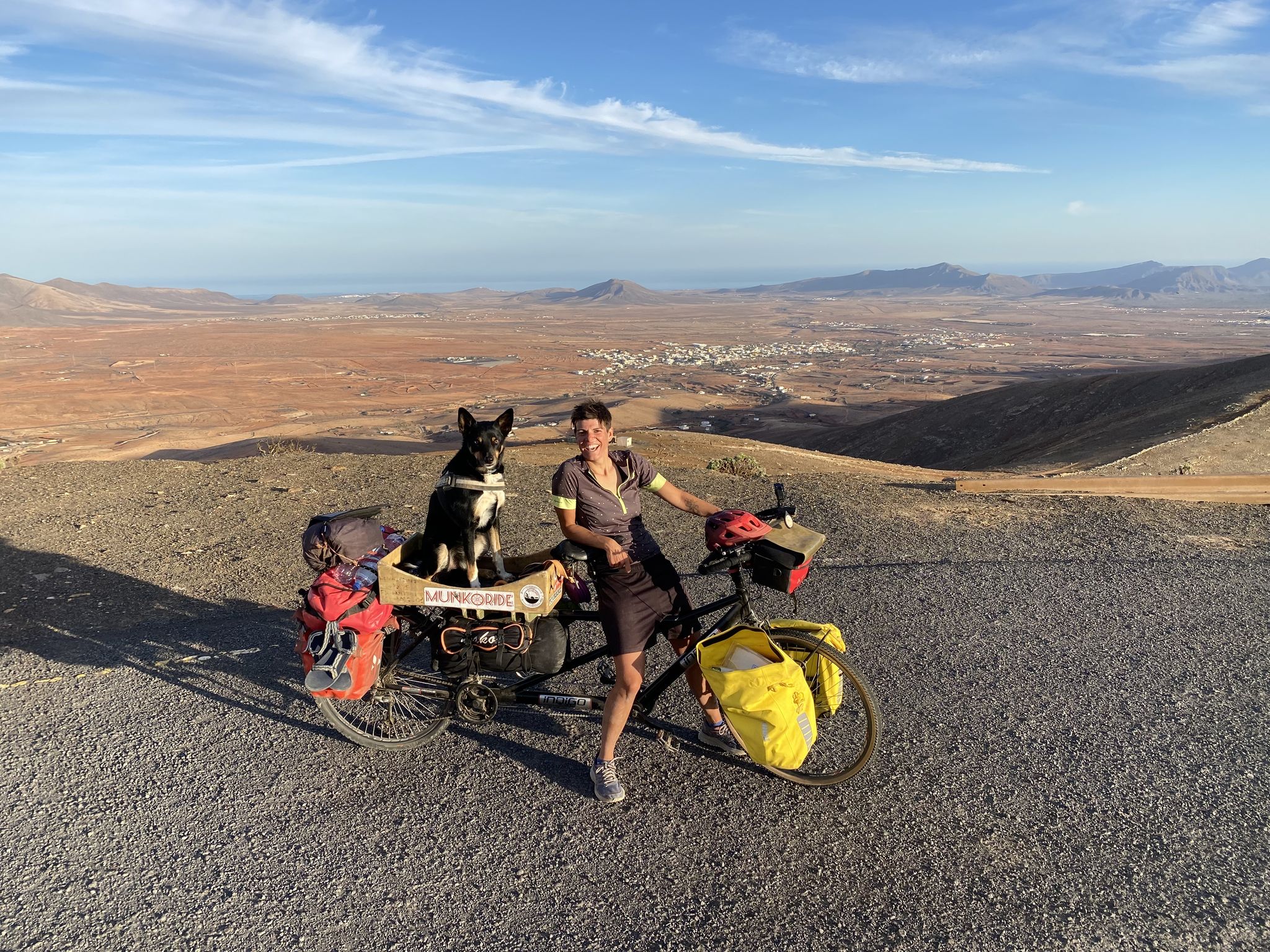
A lunar expedition – Fuerteventura on wheels
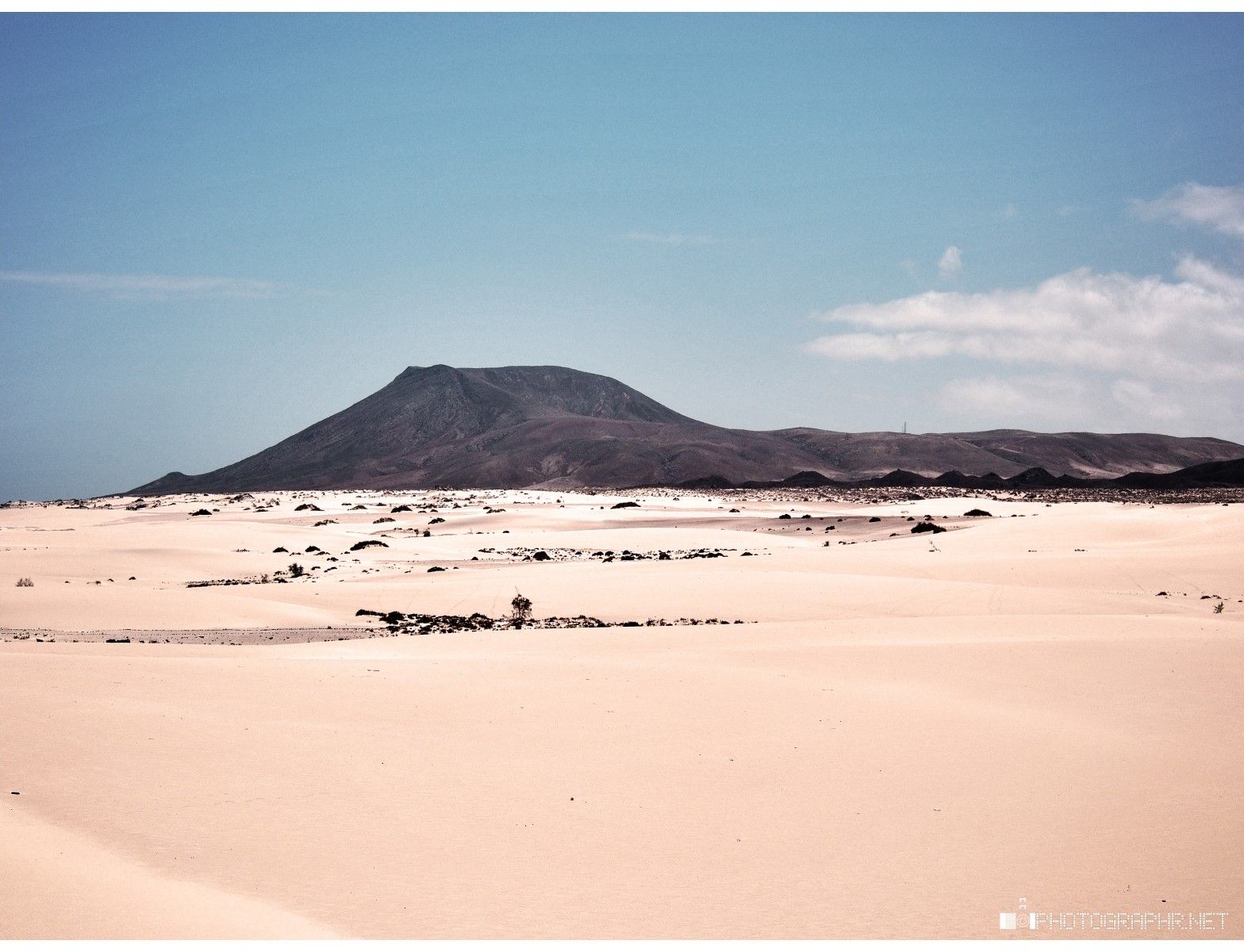
Land of sand and sea – Fuerteventura Nature Trail (GR 131)
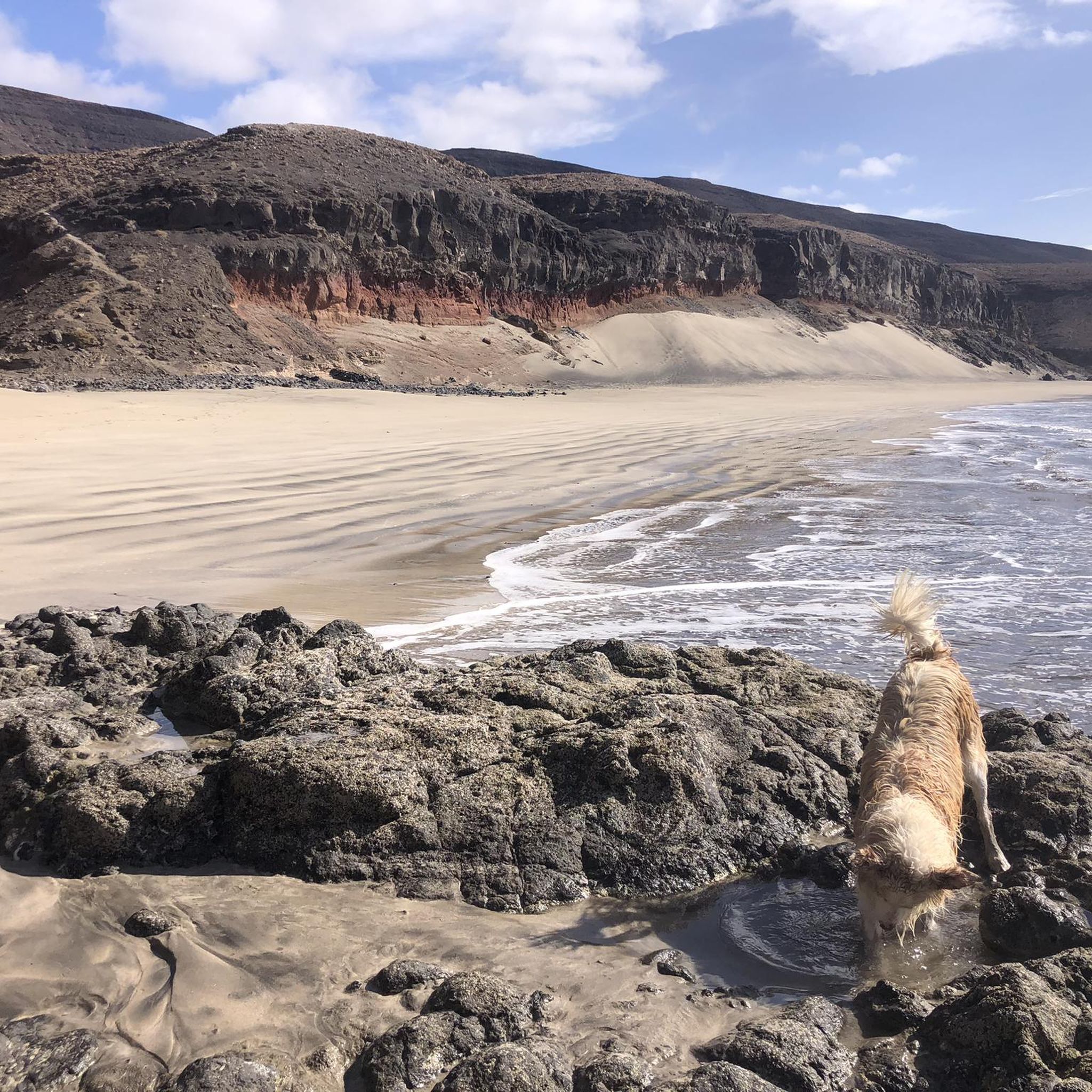
Hiking around Pájara
Road Cycling Routes around Pájara
MTB Trails around Pájara
Running Trails around Pájara
Cycling around Pájara

Gravel biking around Pájara

Mountain Hikes around Pájara


Tips from the Community

The path to Arcos is not so easy to find from the chapel. It is best to keep checking Komoot to see if you are still on the right. I also recommend walking in the right direction... up (over rocks) and through the Arcos and down to the left. Some of the sections are a bit exposed, but doable. You should be sure-footed and of course wear sturdy shoes/hiking boots.
3
0

The goat path is more difficult, so allow more time.
1
0

A beautiful nature reserve that unfortunately has no registered hiking trail... you'll have to improvise a little...
7
0

An absurd excursion, from the little church inside the Barranco to the arch.... it's really worth it!! And then lots of squirrels along the way!
0
0

This is a good alternative for a in-island hike on Fuerteventura.
2
0

Very nice hike to the chapel. Then, it's difficult to find the arco de las penitas. Passing to the left, you see an arch shape that makes you want to go up, but you really have to continue straight because it's too steep. Hiking shoes required!
3
0

Beautiful, challenging hiking trail. You'll often come across goats along the way.
1
0

cobbled path
2
0
Frequently Asked Questions
What are the most notable canyons to explore in Pájara?
Pájara is home to several impressive ravines. The Barranco de las Peñitas is renowned for its natural beauty, featuring the stunning Arco de las Peñitas and the historic Hermitage of Virgen de la Peña. The Barranco de Ajuy is significant for its ancient caves, housing some of the oldest rocks in the Canary Islands. Other notable areas include the Pájara Ravine, part of the GR 131 long-distance trail, and the Tequereyde Ravine, known for its unique flora and birdlife.
What unique natural features can I expect to see in Pájara's canyons?
You'll encounter diverse natural features, including dramatic geological formations like the Arco de las Peñitas, ancient fossil dunes, and volcanic rock formations, especially around Ajuy. The ravines also host endemic flora such as tarajal, acebuche, tamarisco, lavender, and sweet tabaibal. Birdwatching opportunities are excellent, with species like the Stone-curlew, Barbary Partridge, Eurasian Hoopoe, and buzzards frequently sighted.
Are there historical or cultural sites within the canyons of Pájara?
Yes, the canyons offer a glimpse into the region's history and culture. The Hermitage of Virgen de la Peña in Barranco de las Peñitas is a significant pilgrimage site. The Barranco de Ajuy features caves that were once pirate hideouts and contain rocks dating back 100 to 150 million years, along with old lime kilns. The Barranco de las Peñitas also holds historical importance as a path used by 15th-century European conquerors.
What kind of hiking experiences do Pájara's canyons offer?
Pájara's canyons provide a range of hiking experiences, from tranquil walks to challenging routes. The Barranco de las Peñitas offers rewarding hikes with breathtaking landscapes. The Pájara Ravine, part of Stage 5 of the GR 131, provides a picturesque walk through cultivation fields. Some areas, like the path to the Arco de las Peñitas, can be challenging and require appropriate footwear.
Are there any family-friendly canyon hikes in Pájara?
While some canyon routes can be challenging, areas like the Barranco de Ajuy, with its accessible caves and black sand beach, can be suitable for families. The path to the Hermitage of Virgen de la Peña is also a popular, relatively short excursion. Always check the specific trail difficulty and ensure children are supervised, especially in rugged terrain.
What wildlife can I spot in the canyons around Pájara?
The canyons are home to interesting wildlife. In the Barranco de Ajuy, you might see various bird species such as the Stone-curlew, Barbary Partridge, Eurasian Hoopoe, African Blue Tit, and Sardinian Warbler. The Pájara Ravine is known for Moorish squirrels and even monarch butterflies. The Tequereyde Ravine provides refuge for Moorish partridges and buzzards, along with small birds like the Canary stonechat and Thyme Warbler.
What are some visitor tips for exploring the Barranco de las Peñitas?
Visitors recommend starting your tour early in the morning to avoid the midday heat, especially from 10-11 a.m. onwards. Sun protection and plenty of water are essential. For hiking, fixed, sturdy footwear is advised, particularly for routes to the Arco de las Peñitas. The Hermitage of Virgen de la Peña is a small, welcoming chapel.
What is the significance of Presa de las Peñitas?
The Presa de las Peñitas is a reservoir created in the 1940s to improve the island's water supply for cultivation. Although irrigation efforts proved difficult due to saltwater, today its overgrown water surface is used by numerous bird species, making it an interesting spot for nature observation within the canyon landscape.
What outdoor activities can I do near these canyons?
Beyond exploring the canyons themselves, Pájara offers a variety of outdoor activities. You can find numerous MTB trails, including routes to the Lighthouse Punta de Jandia and through the Jandia Natural Park. There are also mountain hikes, such as the challenging ascent to Pico de la Zarza, and gravel biking routes that take you to viewpoints like Cofete.
Where can I find more information about the Barranco de Ajuy and its caves?
The Barranco de Ajuy is part of the Betancuria Rural Park and is a protected natural monument. For more detailed information about its geological significance and the Ajuy Caves, you can refer to resources like Wikipedia or Visit Fuerteventura.
What makes the Pájara Ravine (GR 131) unique?
The Pájara Ravine forms part of Stage 5 of the GR 131, a long-distance hiking trail. This section is unique for traversing a 'boulevard' between sleepy cultivation fields, showcasing the ingenuity of the local Majoreros in adapting to the arid landscape. Along the path, hikers can observe an old Canarian pine tree, Moorish squirrels, and even the monarch butterfly, offering a blend of agricultural heritage and natural observation.
Most popular attractions around Pájara

Get inspired with the komoot mobile app


Explore more
Already discovered everything in this region? See additional gorges around Pájara for your next adventure:
