Top 5 Caves around Pájara
Caves near Pájara Fuerteventura offer a diverse range of geological formations and natural features. The municipality of Pájara, located on Fuerteventura, is characterized by its volcanic landscape and coastal erosion, which have created numerous sea caves and rock shelters. These natural formations provide insight into the island's ancient geological history. The area's rugged coastline and interior terrain contribute to a variety of cave environments.
Best caves around Pájara
- The most popular caves is Ajuy Caves (Cuevas de Ajuy), a…
Last updated: May 7, 2026
Ajuy Caves (Cuevas de Ajuy)
Highlight • Cave
Translated by Google •
Tip by

Ajuy Beach
Highlight • Beach
Translated by Google •
Tip by

Sign up now to discover places like this
Get recommendations on the best single tracks, peaks, & plenty of other exciting outdoor places.
Sign up for free
Tunnel Cave Near Villa Winter
Highlight • Cave
Translated by Google •
Tip by

Sea Cave at Tarajalejo Beach
Highlight • Cave
Translated by Google •
Tip by

Second Cave
Highlight • Cave
Translated by Google •
Tip by

Sign up for free to discover even more caves around Pájara.
Sign up for free
Already have an account?
Start today with a free account
Your next adventure awaits.
Login or Signup
Popular around Pájara
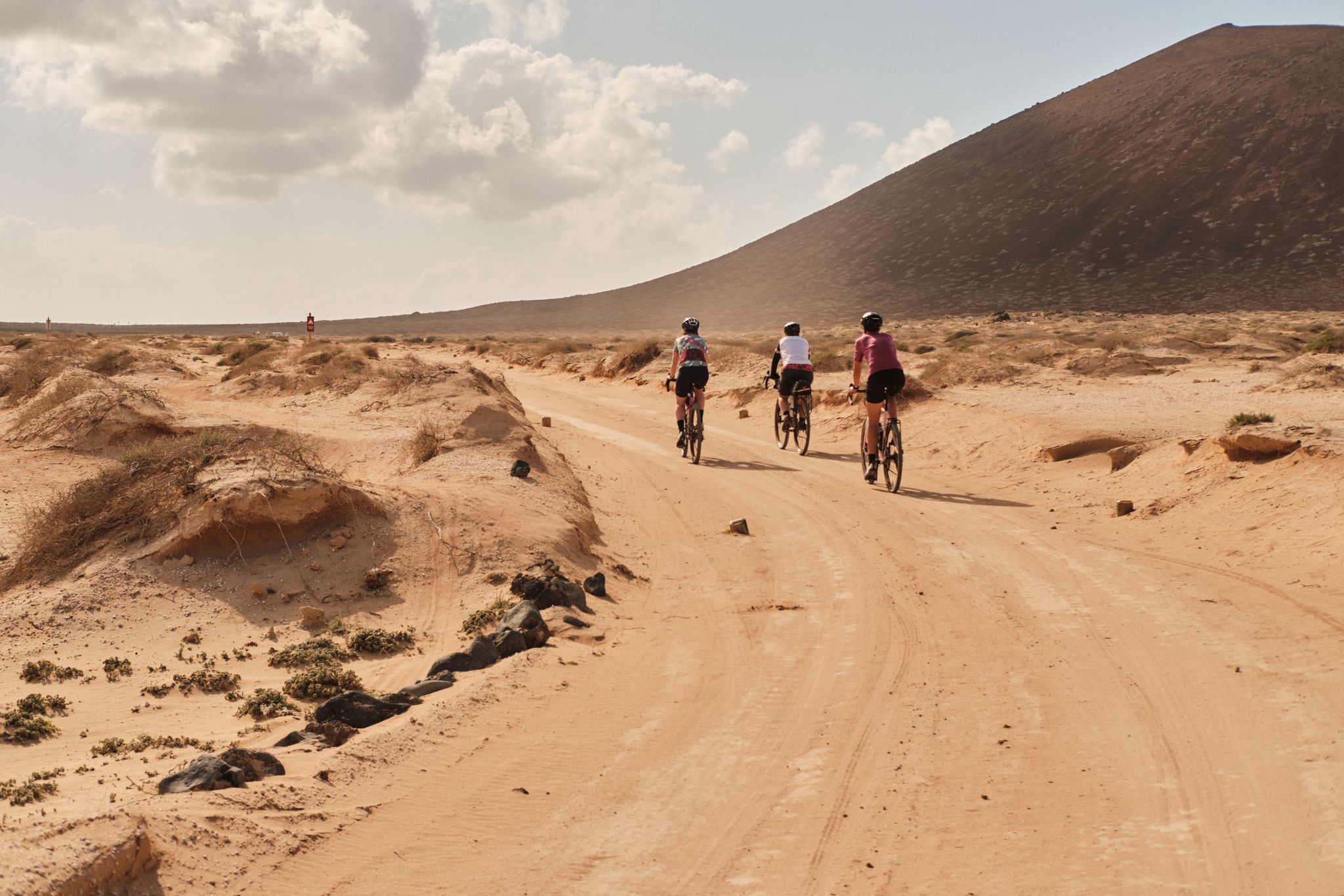
GranGuanche gravel – Komoot women's rally 2023
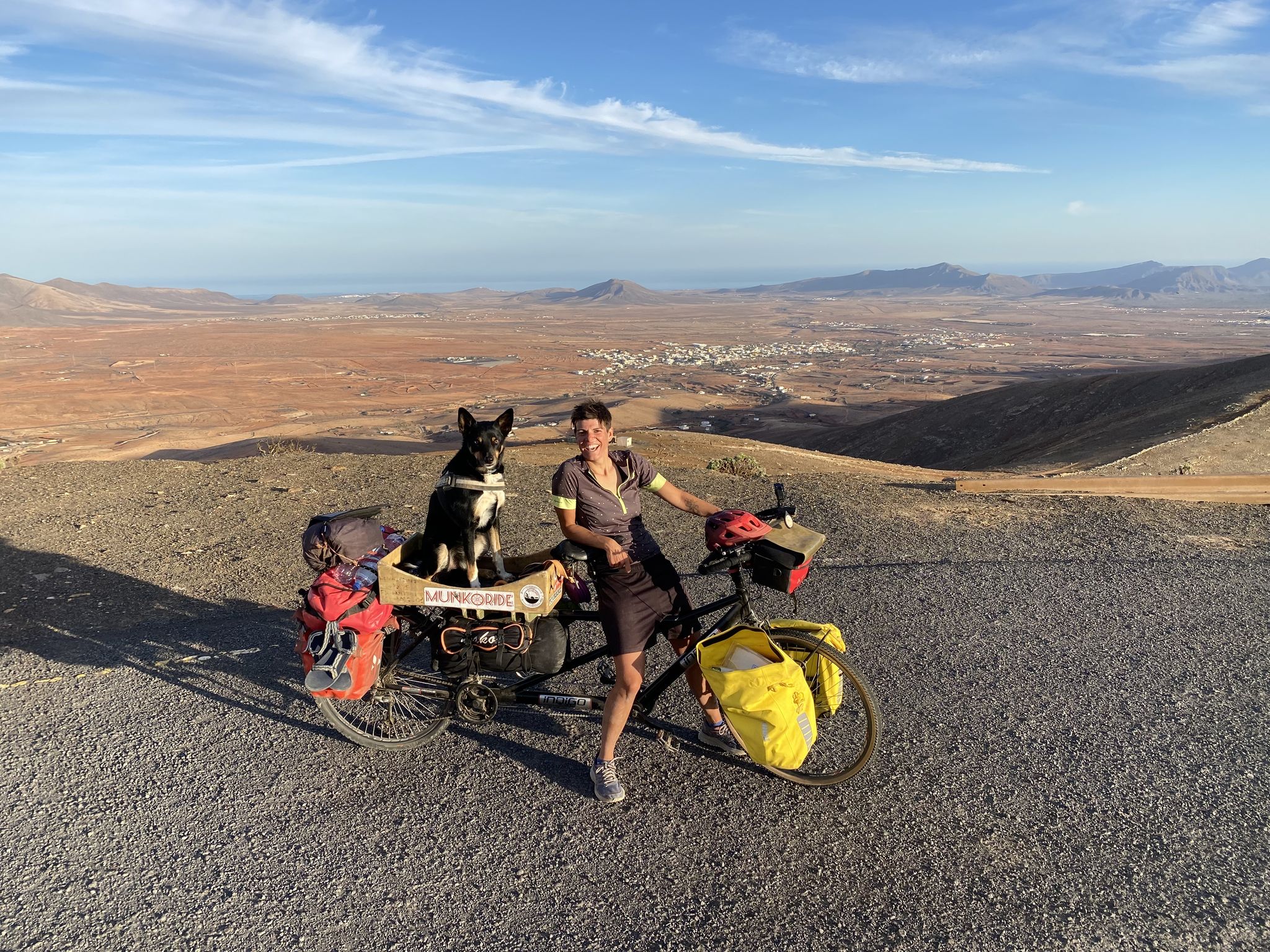
A lunar expedition – Fuerteventura on wheels
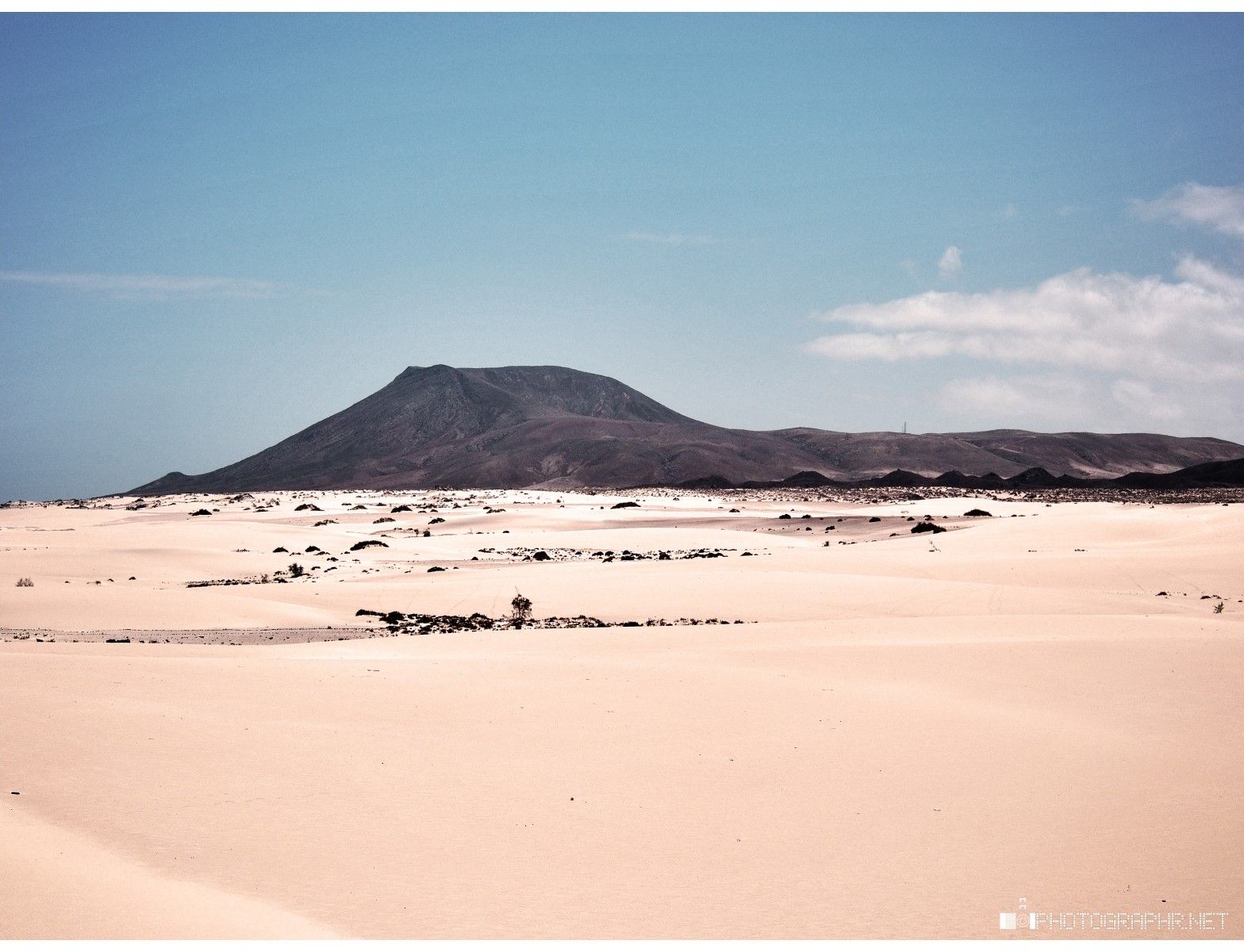
Land of sand and sea – Fuerteventura Nature Trail (GR 131)
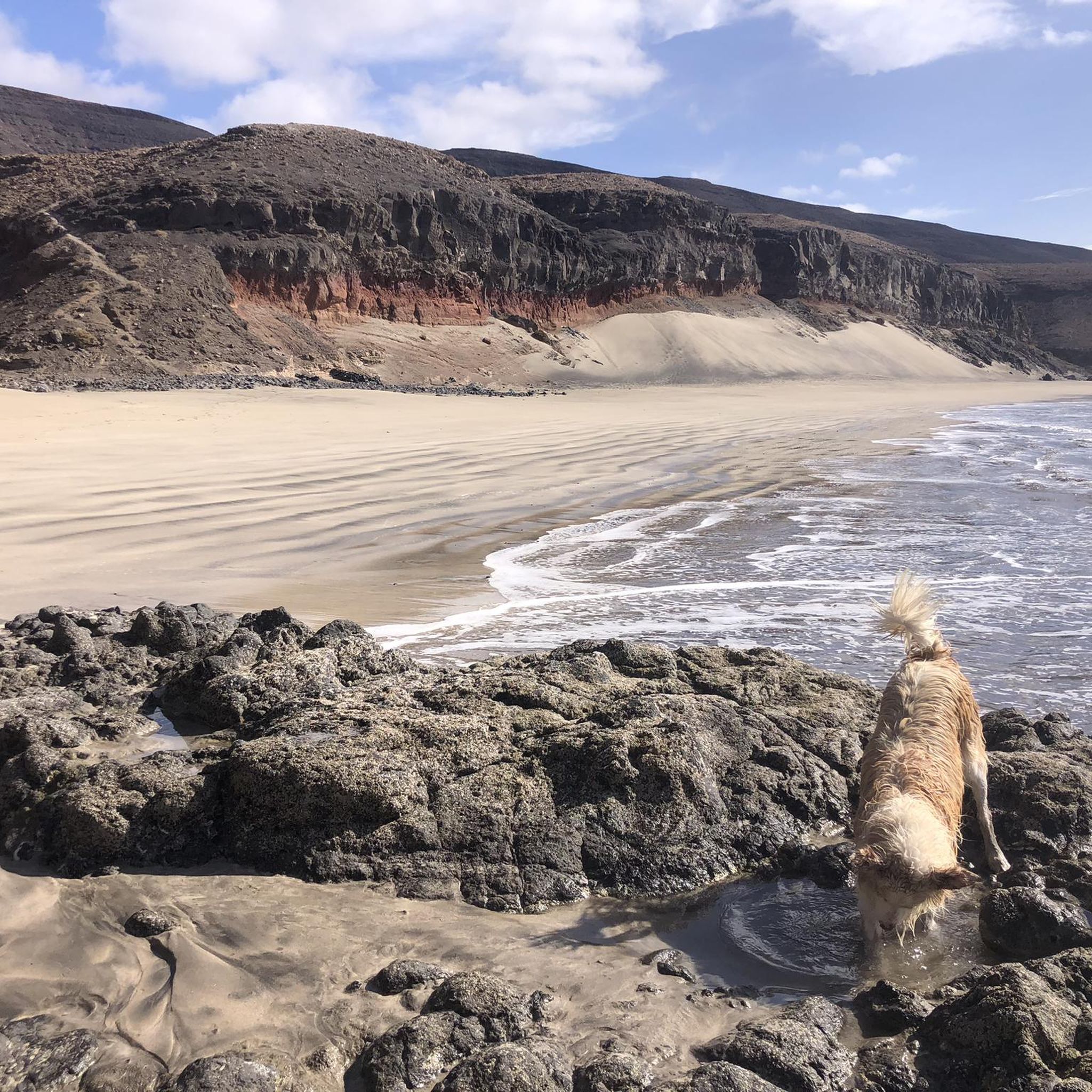
Hiking around Pájara
Road Cycling Routes around Pájara
MTB Trails around Pájara
Running Trails around Pájara
Cycling around Pájara

Gravel biking around Pájara

Mountain Hikes around Pájara


Tips from the Community

From the first cave, you can go straight ahead via a short climb into the second cave. You can also walk into this one (with a flashlight).
2
0

It's truly beautiful here. There are lots of crabs in the cave, which is absolutely fascinating to watch. Watch out for high tide.
1
0


Characteristic place with a large parking lot and the walk on the rocks is 5 minutes from the parking lot, the beach has wonderful rocks smoothed by the water
3
1

Wonderful beach. It's a great sight when the mostly high waves hit the jet black sand. But be careful when swimming, strong surf!
10
0

A path leads from the beach to Caleta Negra (Black Bay), from where a steep staircase leads down to the caves. Tip: Wear sturdy shoes!
41
2
Stingrays and angel sharks, for example, live inside the caves. An overview of the cave formations can be obtained along a path up to the cliff.
57
0

Shortly before the summit you can take a break at this point, protected from the wind.
0
0
Frequently Asked Questions
What unique geological features can I find in the caves around Pájara?
The caves in Pájara showcase diverse geological formations. The Ajuy Caves are particularly notable for housing the oldest rocks in the Canary Islands, dating back 100 to 150 million years. Other caves, like the Sea Cave of Garcey, feature distinctive yellow ceilings resembling beehives, while the Cave of Solapa is known for its impressive reflections.
Are there any historically significant caves in Pájara?
Yes, the Ajuy Caves are historically significant, declared a Natural Monument in 1987. They are part of the Betancuria Rural Park and were once a hideout for pirates. The path to the caves also allows visitors to observe ancient fossil dunes and lime kilns, offering a glimpse into the island's past.
Which caves offer the best photographic opportunities in Pájara?
The Cave of Solapa is highly recommended for photography due to the impressive reflections it creates. The Ajuy Caves also offer breathtaking views of the Atlantic Ocean from their entrances, providing dramatic backdrops for photos.
How accessible are the Ajuy Caves, and what should I expect when visiting?
The Ajuy Caves are relatively accessible via a 500-meter path from Ajuy's black sand beach, followed by a steep staircase down to the formations. It's advisable to wear sturdy shoes. Both main caves are generally accessible at low tide, with a passage connecting them.
What is the best time of year to visit the caves in Pájara?
Many sea caves, such as Agua Liques Cave and the Sea Cave at Tarajalejo Beach, are best visited at low tide for easier access. The Sea Cave of Garcey, however, is not dependent on tidal conditions. For the Montaña Roja Cave, avoid visiting between February and July due to bird nesting season.
Are there family-friendly caves to explore near Pájara?
The Ajuy Caves are generally considered family-friendly, with a clear path from the beach. The nearby Ajuy Beach is also a popular spot for families. Always ensure children are supervised, especially near the sea caves and during tidal changes.
Are there any cafes or restaurants near the Ajuy Caves?
Yes, the village of Ajuy, where the Ajuy Caves are located, has several cafes and restaurants, particularly along its black sand beach. These offer convenient options for refreshments and meals before or after your cave exploration.
What outdoor activities can I do near the caves in Pájara?
Pájara offers various outdoor activities. You can find numerous hiking trails, including those around the Hiking around Pájara guide, with options like the circular route 'La Peña Horodada y el Arco del Jurao por la Caleta Negra' starting from Ajuy. There are also Mountain Hikes and Running Trails available in the region.
Do I need a permit to visit the caves in Pájara?
Generally, you do not need a permit to visit the publicly accessible caves in Pájara, such as the Ajuy Caves. However, some areas, like the Montaña Roja Cave, may have seasonal closures for environmental reasons like bird nesting, which should be respected.
What should I wear when exploring caves in Pájara?
When exploring caves in Pájara, especially those with uneven terrain or near the coast, it's recommended to wear sturdy, closed-toe shoes. For sea caves, be prepared for wet conditions and consider footwear that can handle water. Light, comfortable clothing is generally suitable for the Fuerteventura climate.
Are there any caves near Pájara that are not dependent on tidal conditions for access?
Yes, the Sea Cave of Garcey, also known as the 'Bee Cave,' is notable because its visit is not dependent on tidal conditions. This makes it a flexible option for exploration compared to many other sea caves in the region.
What is the Tunnel Cave Near Villa Winter?
The Tunnel Cave Near Villa Winter is an interesting man-made cave formation. Visitors have noted that it appears to be an unfinished tunnel, possibly intended to connect to Villa Winter. It's a unique spot for a break, protected from the wind, shortly before reaching the summit of the nearby mountain.
Most popular attractions around Pájara

Get inspired with the komoot mobile app


Explore more
Extend your search for the best caves by checking out these guides of the top ones around Pájara:
