Top 9 Caves around Cerdanyola Del Vallès
Best caves around Cerdanyola Del Vallès are primarily found within the broader Catalonia region, offering diverse geological formations and historical sites accessible from the town. While Cerdanyola Del Vallès itself does not feature prominent caves, the surrounding areas, including the Parc Natural de la Serralada Litoral and Serra de Collserola Natural Park, provide opportunities to explore natural and historical cave formations. These sites range from prehistoric cavities used as hermitages to ancient mines and natural grottoes, showcasing the region's geological…
Last updated: July 4, 2026
Juanita Mine
Highlight • Cave
Translated by Google •
Tip by

Cova d'en Genís Paradolmen
Highlight • Cave
Translated by Google •
Tip by

Sign up now to discover places like this
Get recommendations on the best single tracks, peaks, & plenty of other exciting outdoor places.
Sign up for free
Waterfall and Grotto in Parc de Torreblanca
Highlight • Waterfall
Translated by Google •
Tip by

Mina Grott
Highlight • Cave
Translated by Google •
Tip by

The Cave Near Can Coll
Highlight • Cave
Translated by Google •
Tip by

Sign up for free to discover even more caves around Cerdanyola Del Vallès.
Sign up for free
Already have an account?
Start today with a free account
Your next adventure awaits.
Login or Signup
Popular around Cerdanyola Del Vallès
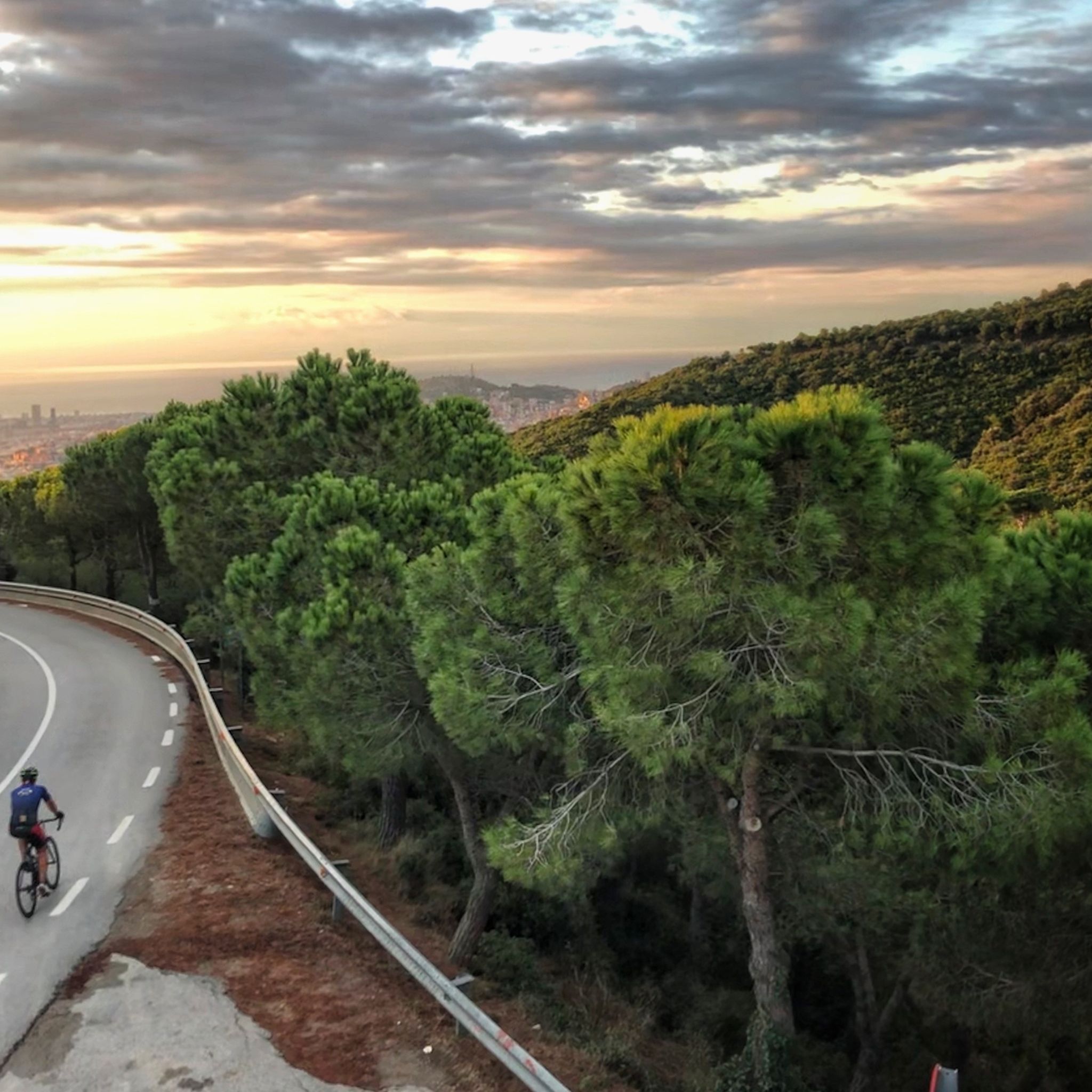
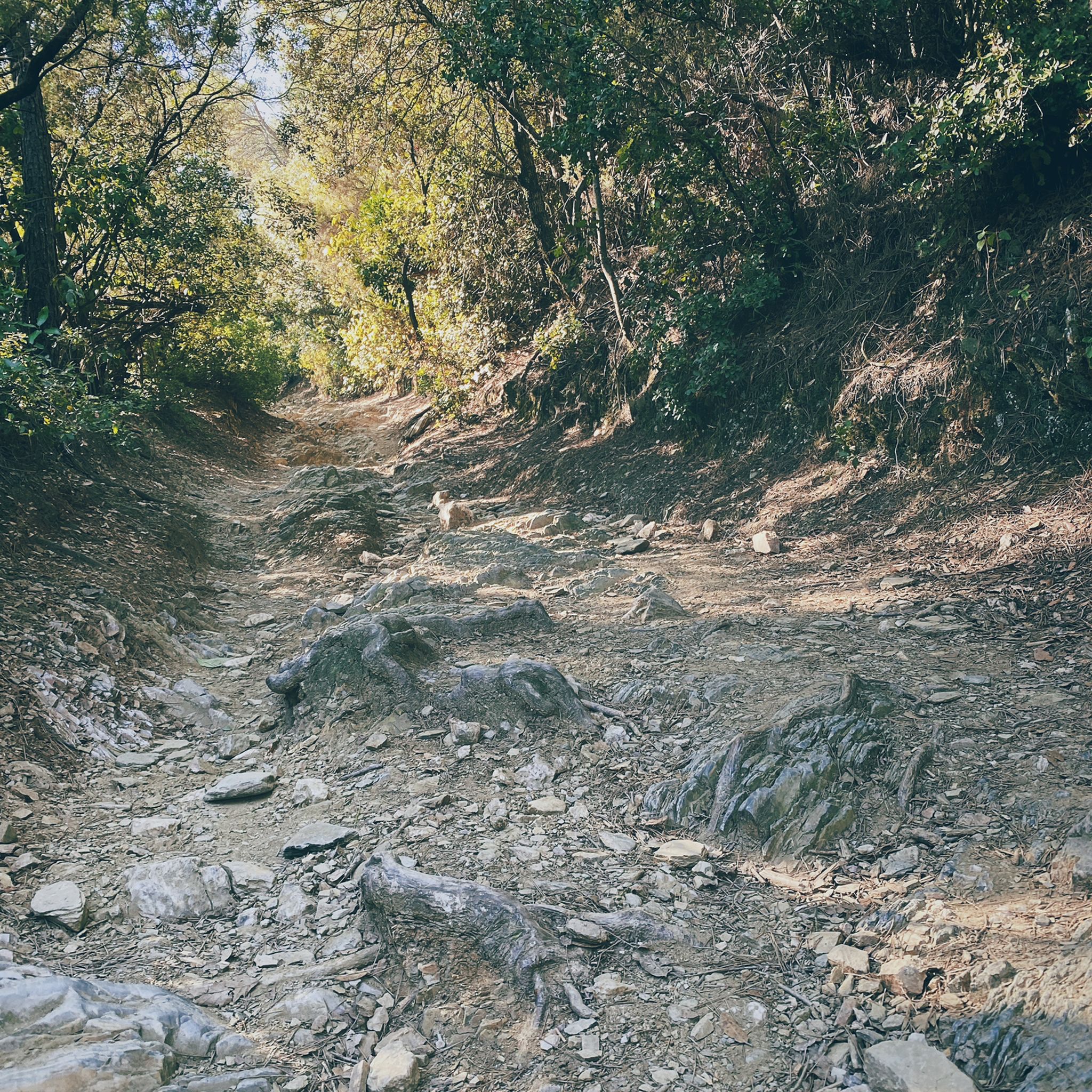
Other adventures around Cerdanyola Del Vallès

Tips from the Community

Genís Cave, also known as Genís Cave, is a paradolmen located in the municipality of Santa Coloma de Gramenet. It is located in the Serralada de Marina park, on the southwest side of the Pollo hill, near the hermitage of Sant Climent and 500 meters from the Puig Castellar archaeological site.
22
0

The Grott Mine is a tunnel of almost one and a half kilometers that is located in the Sierra de Collserola. Its construction was to carry water from the Pantano de Vallvidrera to the old municipality of Sarrià.
2
0

A strange cave in the side of the trail. It is a popular place for people to visit on a nice trail near Can Coll. I am not sure if the cave actually goes anywhere but the trail at the right time of the day gets beams of light that are magical.
5
1

According to Sergi Falguera, a collaborator of the Friends of the Geology Museum association, the site began to be exploited in the 17th century, but the most important extractions date back to the 19th and 20th centuries, when it was named Juanita. . It was part of the land of the Masia de Santa Caterina, in the neighborhood of Pedralbes. The mine still has several access tunnels. It is low in water, but it is not drinkable because it carries the acid that is formed from the oxide of minerals
3
0

A Dolmen with good views and hides if you can't find the way.
7
0

End station/Exit of an old tunnel built en the early 19C, which was firstly used as the water channel for transporting the reservoir water into the city, then as the end station for the express train taking visitors from the city to the heart of the natural park.
0
0

Discovered in 1955 by Genís Ibàñez, a member of the Puig Castellar hiking center. In the excavations, remains of bones and two ceramic vessels corresponding to the Bronze Age were found. It was initially believed to be a megalithic construction, but is now considered to be a natural structure.
7
0

They are small caves, within the area between Coll del Portell and Carretera de les Aigües, the best access is from the Aigües road and they are also better seen when going to see them, from Coll del Portell you can also go down although the path, being made of very loose slate stone, is more slippery.
6
0
Frequently Asked Questions
What types of caves can I explore near Cerdanyola del Vallès?
The region around Cerdanyola del Vallès offers a variety of cave experiences, from natural formations to historical man-made structures. You can find natural caves within summits like Turó de Montcada i Reixac, historical mines such as Juanita Mine, and even ancient water tunnels like Mina Grott. There are also unique sites like Cova d'en Genís Paradolmen, a natural structure with archaeological significance.
Are there any family-friendly caves or grottoes in the area?
Yes, for a family-friendly experience, consider the Waterfall and Grotto in Parc de Torreblanca. This imaginative garden features man-made caves, islands, lakes, and waterfalls, providing a charming and accessible outing for all ages. Additionally, the caves found at Turó de Montcada i Reixac are part of an easy climb suitable for families.
What are some historical caves or sites of archaeological interest?
The region is rich in historical sites. The Juanita Mine is a historical site that began exploitation in the 17th century, with significant activity in the 19th and 20th centuries. Mina Grott is a 1.5-kilometer tunnel built in the early 19th century to transport water. The Cova d'en Genís Paradolmen, while a natural structure, yielded Bronze Age remains during excavations, highlighting its ancient human use.
What is the difficulty level for exploring caves near Cerdanyola del Vallès?
The difficulty varies. Some sites like the caves at Turó de Montcada i Reixac are part of an easy climb. Others, such as Juanita Mine and Mina Grott, are rated as intermediate or challenging due to terrain or access. For more experienced cavers, the Forat del Puig de Cerdanyola offers a deeper, less developed exploration.
Are there any caves with impressive geological formations?
While Cerdanyola del Vallès itself doesn't host large, tourist-oriented caves with extensive formations, the wider Catalonia region does. The Montserrat Caves (Coves de Salnitre) in Collbató are renowned for their impressive stalactites, stalagmites, columns, and flags, and are accessible via guided tours. The Forat del Puig de Cerdanyola, a local speleological site, also features a spacious hall with blocks and a short gallery with formations, though it's suited for experienced cavers.
What outdoor activities can I combine with a visit to these caves?
The area around Cerdanyola del Vallès is excellent for outdoor activities. You can find numerous hiking, mountain biking, and gravel biking routes. For hiking, explore options like the 'Collserola Viewpoints Loop' or 'Can Borrell and Turó de Valldaura Loop' which are near some cave sites. Check out the full range of activities on the Hiking around Cerdanyola Del Vallès guide, the MTB Trails around Cerdanyola Del Vallès guide, or the Gravel biking around Cerdanyola Del Vallès guide.
What are the best caves to visit for scenic views?
For panoramic views, the caves found within Turó de Montcada i Reixac are highly recommended. This summit offers spectacular 360-degree views of the Vallès and Barcelonès plains. The Cova d'en Genís Paradolmen also provides good views from its location in the Serralada de Marina park.
Are there any caves that are easily accessible by public transport?
While specific public transport routes directly to all cave entrances can be limited, many areas like the Serra de Collserola Natural Park, where Turó de Montcada i Reixac and Mina Grott are located, are generally well-connected to Barcelona and surrounding towns by train or bus, often requiring a walk or short taxi ride from the nearest station.
What should I wear when visiting caves in this region?
When visiting caves, it's advisable to wear comfortable clothing suitable for walking or hiking, as many sites involve trails. Sturdy, closed-toe shoes with good grip are essential. Even in warmer months, caves maintain a cooler, constant temperature (around 14°C in some regional caves) and can be humid, so bringing a light jacket or extra layer is recommended. For less developed sites, a headlamp or flashlight is crucial.
Are there any dog-friendly cave exploration options?
While specific cave interiors might have restrictions, many of the natural areas surrounding the caves, such as the trails leading to Turó de Montcada i Reixac or within Parc de Torreblanca, are generally dog-friendly. Always keep your dog on a leash and check local regulations for specific parks or natural monuments before your visit.
What are some notable caves in the broader Catalonia region that are worth visiting?
Beyond the immediate vicinity of Cerdanyola del Vallès, Catalonia boasts several significant cave systems. The Montserrat Caves (Coves de Salnitre) in Collbató offer guided tours through impressive geological formations. The Toll Caves in Moià are part of a prehistoric park, showcasing ancient human and animal life. The Caves of l'Espluga de Francolí provide insight into Paleolithic and Neolithic eras through a museum within the natural cavities.
Most popular routes around Cerdanyola Del Vallès
Most popular attractions around Cerdanyola Del Vallès

Get inspired with the komoot mobile app


Explore more
Extend your search for the best caves by checking out these guides of the top ones around Cerdanyola Del Vallès:
