Attractions and Places To See around Krummesse - Top 20
Best attractions and places to see around Krummesse include a mix of historical sites and natural features. Krummesse is a smaller locality situated in a region known for diverse natural landscapes, including lowlands, rivers, lakes, and moors. Many significant attractions are found in the nearby city of Lübeck, a UNESCO World Heritage Site celebrated for its Hanseatic architecture. The area offers opportunities to explore both cultural landmarks and the Elbe-Lübeck Canal.
Best attractions and places to see around Krummesse
- The…
Last updated: August 16, 2026
Holsten Gate in Lübeck
Highlight • Monument
Translated by Google •
Tip by

Lübeck Market Square
Highlight • Historical Site
Showing Translation
Tip by

Sign up now to discover places like this
Get recommendations on the best single tracks, peaks, & plenty of other exciting outdoor places.
Sign up for free
Lübeck Salt Warehouses
Highlight • Historical Site
Translated by Google •
Tip by

Holy Spirit Hospital
Highlight • Historical Site
Translated by Google •
Tip by

Lübeck Town Hall
Highlight • Historical Site
Translated by Google •
Tip by

Sign up for free to discover even more attractions around Krummesse.
Sign up for free
Already have an account?
Start today with a free account
Your next adventure awaits.
Login or Signup
Tips from the Community

Construction of Lübeck's town hall began in 1230, shortly after the granting of imperial freedom. Over the years, it has been repeatedly altered and expanded. This explains the various architectural styles and sections. It was completed in 1308. Today, it still serves as the seat of the administration, the meeting place of the citizens' assembly and its committees, as well as the Senate. With its large display wall, small decorative balconies, and three towers, the exterior of the town hall draws all eyes. The interior also combines the various contemporary styles. See: https://www.luebeck.de/de/stadtleben/tourismus/luebeck/sehenswuerdigkeiten/rathaus/index.html
4
0

The people of Lübeck began building the town hall in 1230. In the centuries that followed, the building was constantly modified and expanded. Today, despite or perhaps because of its very different parts and architectural styles, the Lübeck town hall is considered one of the most beautiful and oldest town halls in Germany.
12
0

The brick building was built mainly in the Gothic style. The town hall, together with St. Mary's Church, which it functionally complements as the "Church of the Council", forms an excellent urban context and gives an impression of Lübeck's economic and political power as the head of the Hanseatic League. Construction began in 1230 as a council and garment hall with three parallel longhouses, which were combined in the middle of the 13th century by a horizontal front wall and an arbor built in front of it.
6
0


A beautiful market square that, when there are no market stalls, gives you a full view of the beautiful old town hall, especially from a distance. Very impressive. I really like Lübeck. I will definitely come back. There is still so much to discover here. 😃
11
0

The construction of the Lübeck town hall began in 1230, shortly after the granting of imperial freedom, and over the years it has been repeatedly changed and expanded. This explains the different architectural styles and parts. It was completed in 1308. It still fulfills its role today as the seat of administration, meeting place for the citizens and their committees as well as the Senate.
17
0
The market, located in the middle of Lübeck's old town and "at the feet" of the town hall, is the first place in the Hanseatic city. Excavations in the late 1990s revealed seven layers from different periods, indicating that the market was in continuous use. Roman ceramics were also found hidden in shafts. It is believed that these could be offerings from prehistoric times.
12
0
Wonderful: as soon as you enter the beautiful hall with the arches and the pulpit. Here you can also see a model that describes the entire complex. The longhouse with the small cabins is also worth seeing. You can look into one.
15
0
Frequently Asked Questions
What historical sites can I explore near Krummesse?
The area around Krummesse, particularly the nearby city of Lübeck, is rich in historical sites. You can visit the iconic Holsten Gate in Lübeck, a remnant of the city's fortifications. Another significant site is the Lübeck Salt Warehouses, a row of historic buildings from the 16th-18th centuries that once stored salt. Don't miss the Holy Spirit Hospital, one of Europe's oldest social institutions, completed in 1286. Lübeck's historic old town itself is a UNESCO World Heritage Site, offering numerous cultural and architectural treasures like the Lübeck Cathedral and St. Mary's Church.
Are there any natural features or scenic viewpoints to visit?
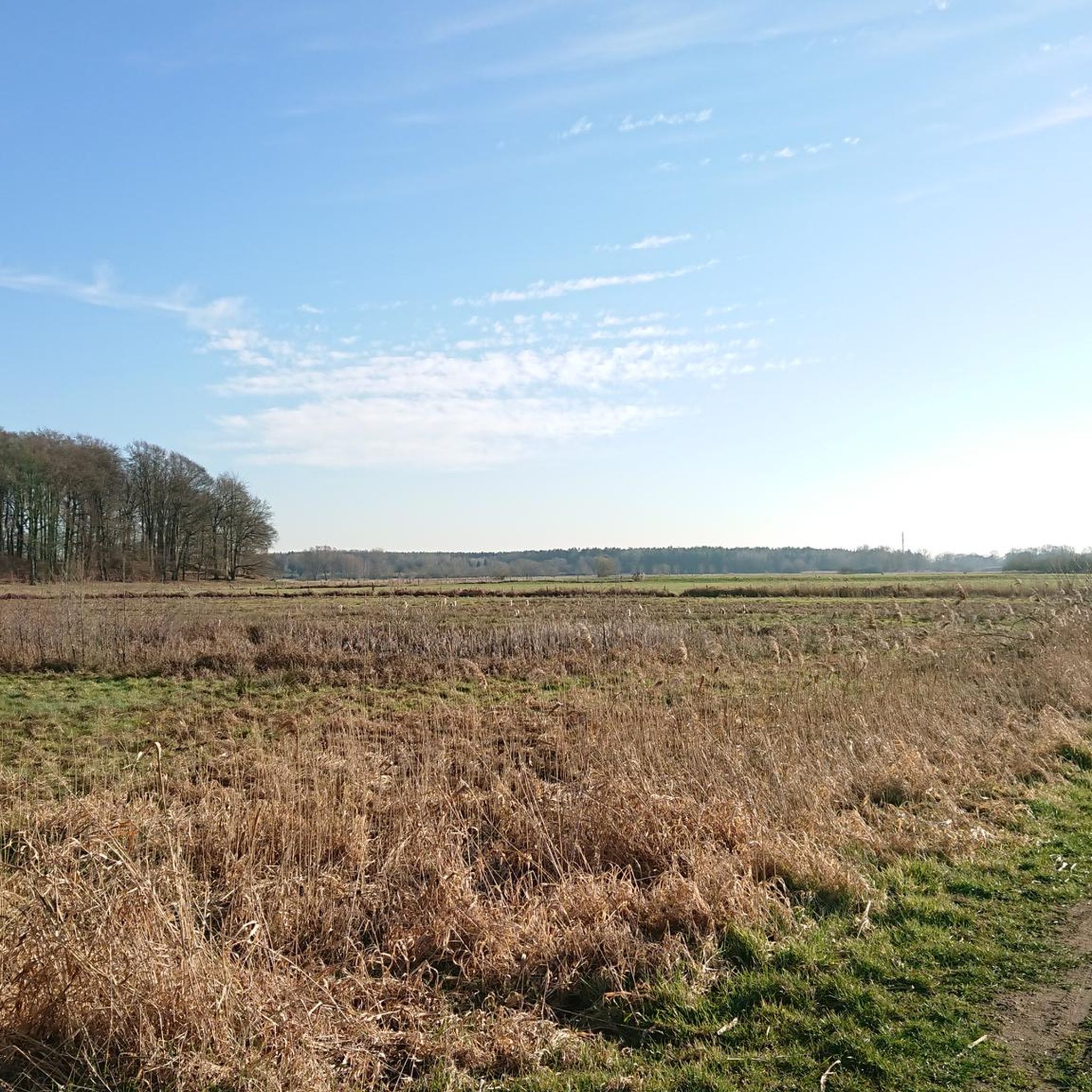
Yes, Krummesse is situated in a region with diverse natural landscapes. A notable natural feature is the Elbe-Lübeck Canal. You can observe the canal and the passage of inland vessels from the Büssau Lock, which offers a beautiful view. The wider Schleswig-Holstein region is known for its lowlands, rivers, lakes, and moors, providing a tranquil setting for nature appreciation.
What outdoor activities are available near Krummesse?
The area around Krummesse offers various outdoor activities, especially hiking and cycling. For hiking, you can explore routes like the 'Wide landscape near Krummesse – Krummesser Moor loop' or the 'View of the Stecknitz Canal – St. John's Church loop'. If you enjoy cycling, there are options for gravel biking and mountain biking, including routes around Ratzeburg Lake or along the Elbe–Lübeck Canal. You can find more details on these activities and routes in the dedicated guides for Hiking around Krummesse, Gravel biking around Krummesse, and MTB Trails around Krummesse.
Are there family-friendly attractions in the Krummesse area?
Many attractions in the area are suitable for families. The Holsten Gate in Lübeck and the Lübeck Salt Warehouses are historical sites that can be interesting for all ages. The Lübeck Market Square is a lively spot where families can experience local culture and markets. Additionally, observing ships at the Büssau Lock on the Elbe-Lübeck Canal can be an engaging activity for children.
What is the best time to visit Krummesse for outdoor activities?
The best time to visit Krummesse for outdoor activities like hiking and cycling is generally during the warmer months, from spring to early autumn (April to October). During this period, the weather is typically mild and pleasant, making it ideal for exploring the natural landscapes and historical sites. The region's diverse natural features, including lowlands, rivers, lakes, and moors, are particularly beautiful when in full bloom or vibrant with autumn colors.
Where can I experience Lübeck's famous marzipan?
To experience Lübeck's famous marzipan, you should visit the Marzipanmuseum Niederegger in Lübeck. It's a popular spot dedicated to the history and production of this sweet delicacy, offering insights into its cultural significance in the region.
What kind of landscape can I expect around Krummesse?
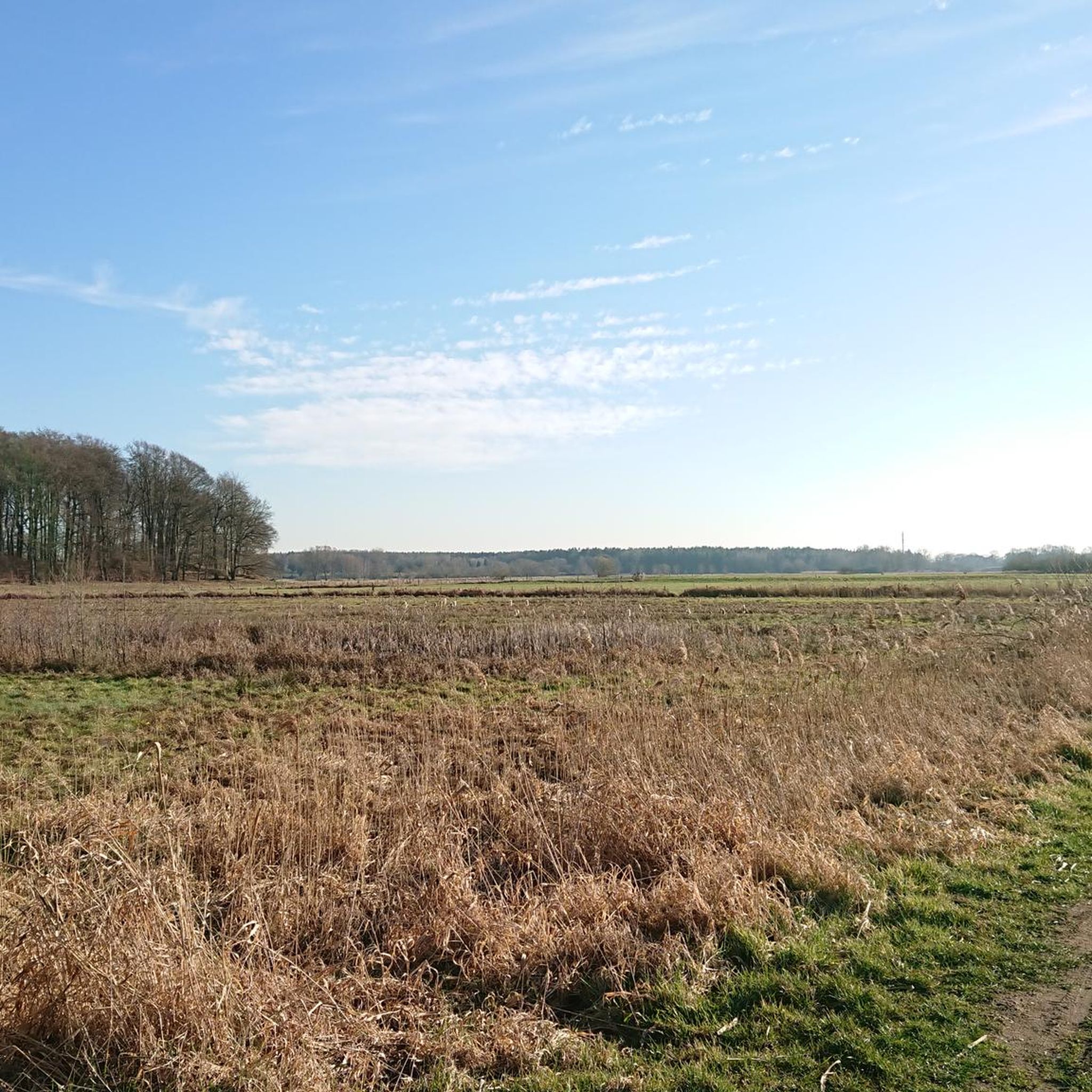
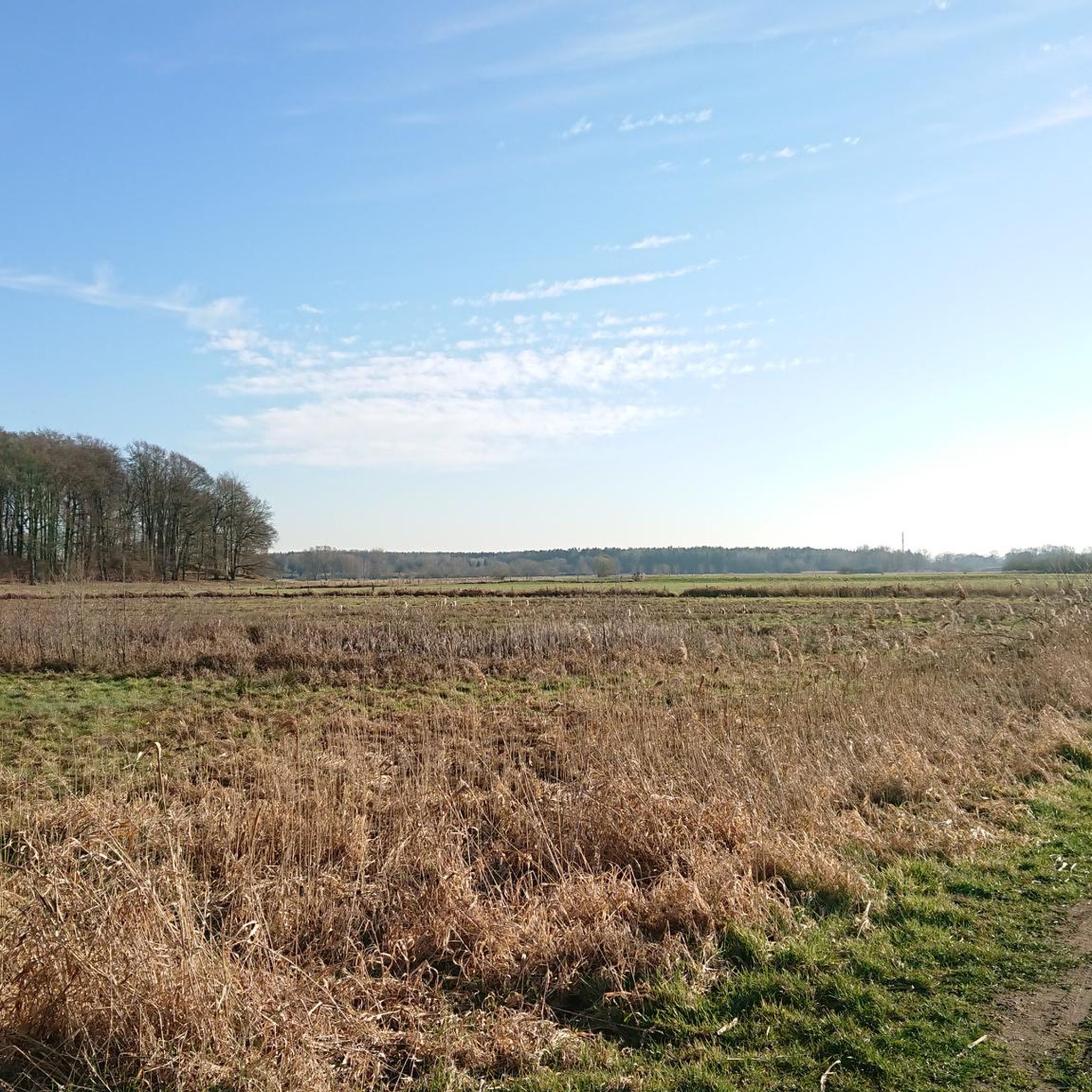
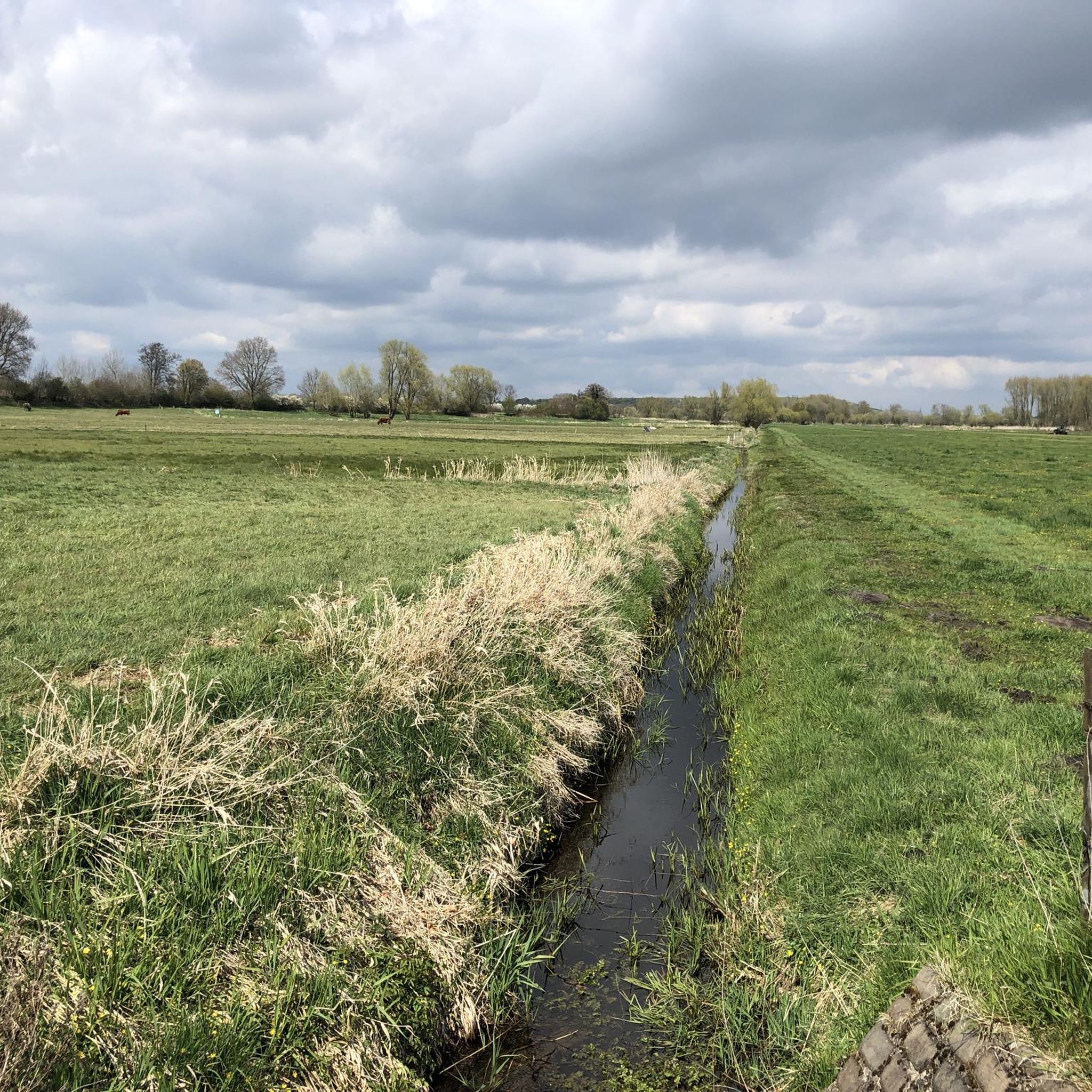
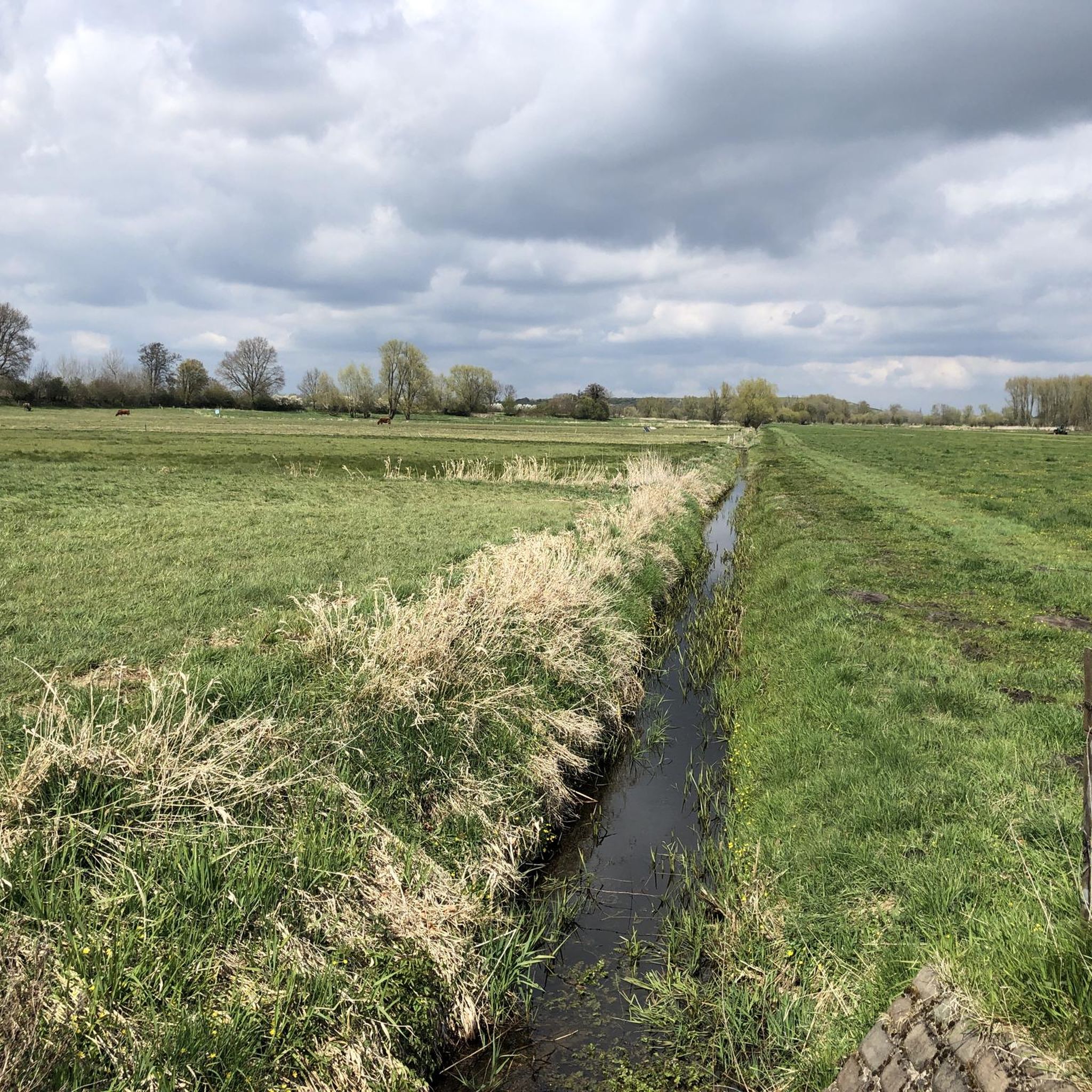
The landscape around Krummesse is characterized by diverse natural features typical of Schleswig-Holstein. You can expect to see lowlands, tranquil rivers, serene lakes, and expansive moors. This varied terrain provides a peaceful backdrop for outdoor activities and offers opportunities to enjoy nature.
Are there any easy walking trails near Krummesse?
Yes, there are several easy walking trails around Krummesse. For instance, the 'Wide landscape near Krummesse – Krummesser Moor loop' offers a gentle 6.5 km walk, and another version of the same loop is just over 5.5 km. The 'View of the Stecknitz Canal – St. John's Church loop' is also an easy option at about 7 km. These trails are suitable for relaxed strolls and enjoying the local scenery. You can find more details in the Hiking around Krummesse guide.
What is the significance of the Lübeck Market Square?
The Lübeck Market Square is a historical site located in the heart of Lübeck's old town. It's a central hub featuring several nearby sights, including the Town Hall and St. Mary's Church. The square has been in continuous use for centuries, with archaeological excavations revealing layers from different periods. It regularly hosts weekly markets and is also the venue for the annual Christmas market, making it a vibrant cultural focal point.
Can I see any Brick Gothic architecture in the area?
Absolutely. The nearby city of Lübeck is a prime example of Brick Gothic architecture, and its historic old town is a UNESCO World Heritage Site. Key examples include the Holsten Gate, Lübeck Cathedral (the first large brickwork church in the Baltic region), and St. Mary's Church (Marienkirche), which served as a model for many other Brick Gothic churches in the Hanseatic League.
What do visitors enjoy most about the attractions near Krummesse?
Visitors particularly appreciate the rich history and architectural beauty of Lübeck's landmarks, such as the Lübeck Salt Warehouses and the Holsten Gate. The tranquil setting of Krummesse itself, combined with the easy access to Lübeck's cultural treasures, offers a diverse experience. The opportunity to observe ships at the Büssau Lock on the Elbe-Lübeck Canal is also a popular highlight.
Most popular routes around Krummesse
Most popular attractions around Krummesse

Get inspired with the komoot mobile app


Explore more
Still not found the Highlight you’re looking for? See guides of the top attractions in other regions:
