Top 6 Caves around Aguilar De Campoo
Best caves around Aguilar De Campoo are found in a region of Palencia, Spain, known for its impressive karst formations and intriguing underground cavities. This area offers a diverse range of 6 caves, from accessible show caves to historical sites. The landscape features unique geological formations shaped by water over centuries, providing insights into both natural history and human heritage. The region is part of the Las Loras Geopark, designated by UNESCO.
Best caves around Aguilar De Campoo
- The most popular caves is Horadada Tunnel, a cave that is an impressive part of the canyon leading to the rock formations of Las Tuerces. Its dimensions are notable, making it a significant natural monument within the Horadada canyon.
- Another must-see spot is Chozo Tonino Cave, a historical site. This small cave served as a refuge during the postwar period, offering a glimpse into local history.
- Visitors also love Cave of Amaya, a natural monument and historical site. This cave features karst formations with stalactites and stalagmites, and archaeological findings indicate its use by prehistoric communities.
- Aguilar De Campoo is known for its karst formations, historical cave churches, and archaeological cave sites. The region offers a variety of caves to explore, from those with geological wonders to those with significant human history.
- The caves around Aguilar De Campoo are appreciated by the komoot community, with 16 upvotes and 24 photos shared by users.
Last updated: July 4, 2026
Horadada Tunnel
Highlight • Cave
Translated by Google •
Tip by

Chozo Tonino Cave
Highlight • Cave
during the postwar The trees around and the area is very nice.
Translated by Google •
Tip by

Sign up now to discover places like this
Get recommendations on the best single tracks, peaks, & plenty of other exciting outdoor places.
Sign up for free
Cave of Amaya
Highlight • Cave
The cave is surrounded by an impressive landscape, with views of the Peña Amaya and the Peña Ulaña, which separate the Castilian plateau from the Cantabrian mountains.
Translated by Google •
Tip by
Well of the Cueva de los Franceses
Highlight • Cave
Translated by Google •
Tip by

Cave of San Martín (Villarén de Valdivia)
Highlight • Cave
Translated by Google •
Tip by
Sign up for free to discover even more caves around Aguilar De Campoo.
Sign up for free
Already have an account?
Start today with a free account
Your next adventure awaits.
Login or Signup

Tips from the Community

The cave is a remarkable example of the region's karst formations, with stalactites and stalagmites that have been formed over thousands of years. Archaeological remains have been found indicating that the cave was used by prehistoric communities. The cave is surrounded by an impressive landscape, with views of the Peña Amaya and the Peña Ulaña, which separate the Castilian plateau from the Cantabrian mountains.
6
0

It is a natural sinkhole that leads to the cave with a protective wall on the surface.
2
0

Chozo Tonino is just off the road, but you'll miss it if you're not looking for it. It's not really a hut, it's a small cave where a Barruelano took refuge during the postwar The trees around and the area is very nice.
1
0

Small hermitage excavated in a limestone rock, currently devoid of all kinds of cult objects, so it seems that it has not been used for a long time and with a metal fence that prevents people and animals from taking refuge in it. After climbing the small promontory and peeking through its door and small window, you can see the naves inside and what may be the old baptistery, perfectly marked and differentiated from the rest of the rooms despite its very small size.
2
0
Well near the entrance of La Cueva de Los Franceses and that belongs to it, where you can see a deep hole that may be part of one of the cave vents
1
0
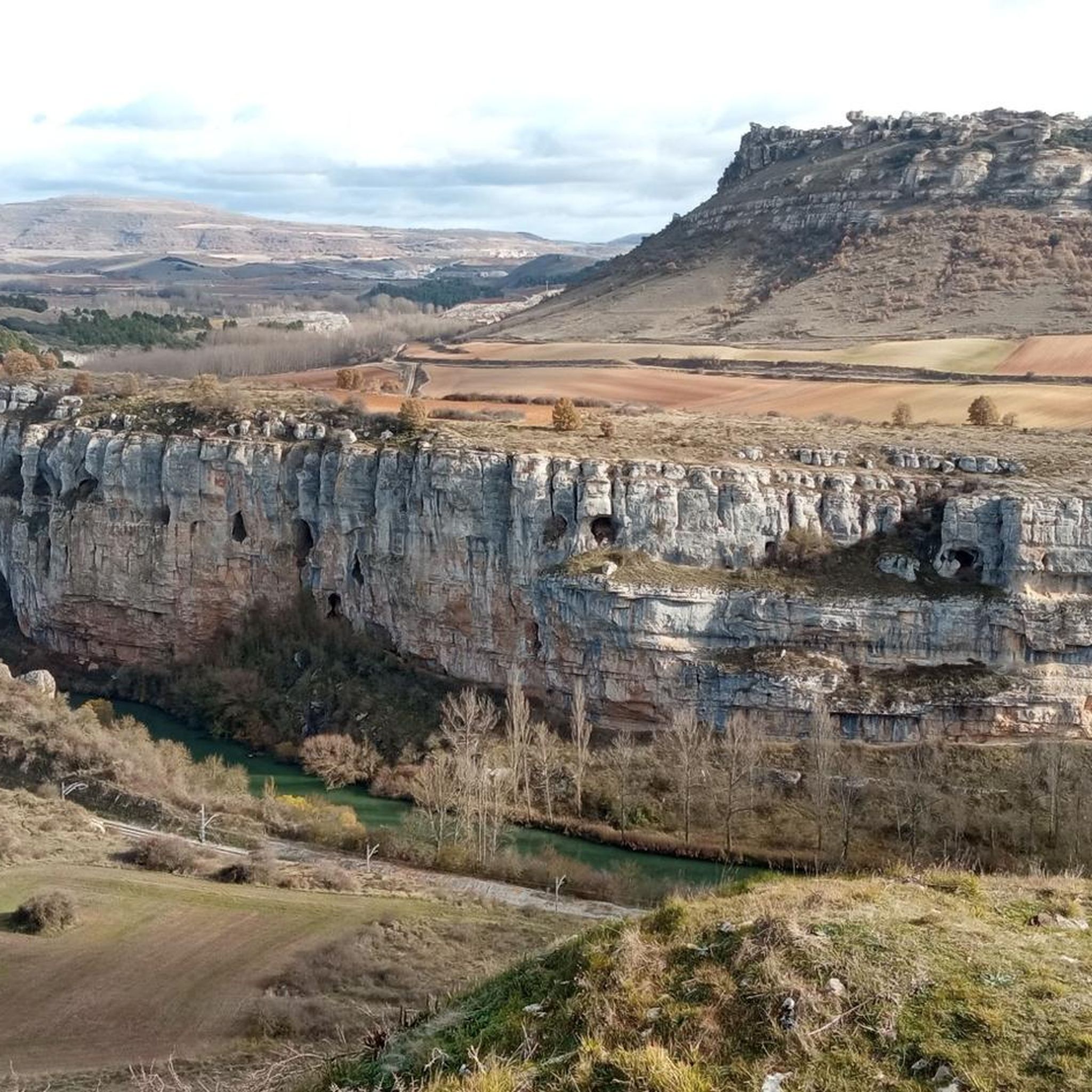
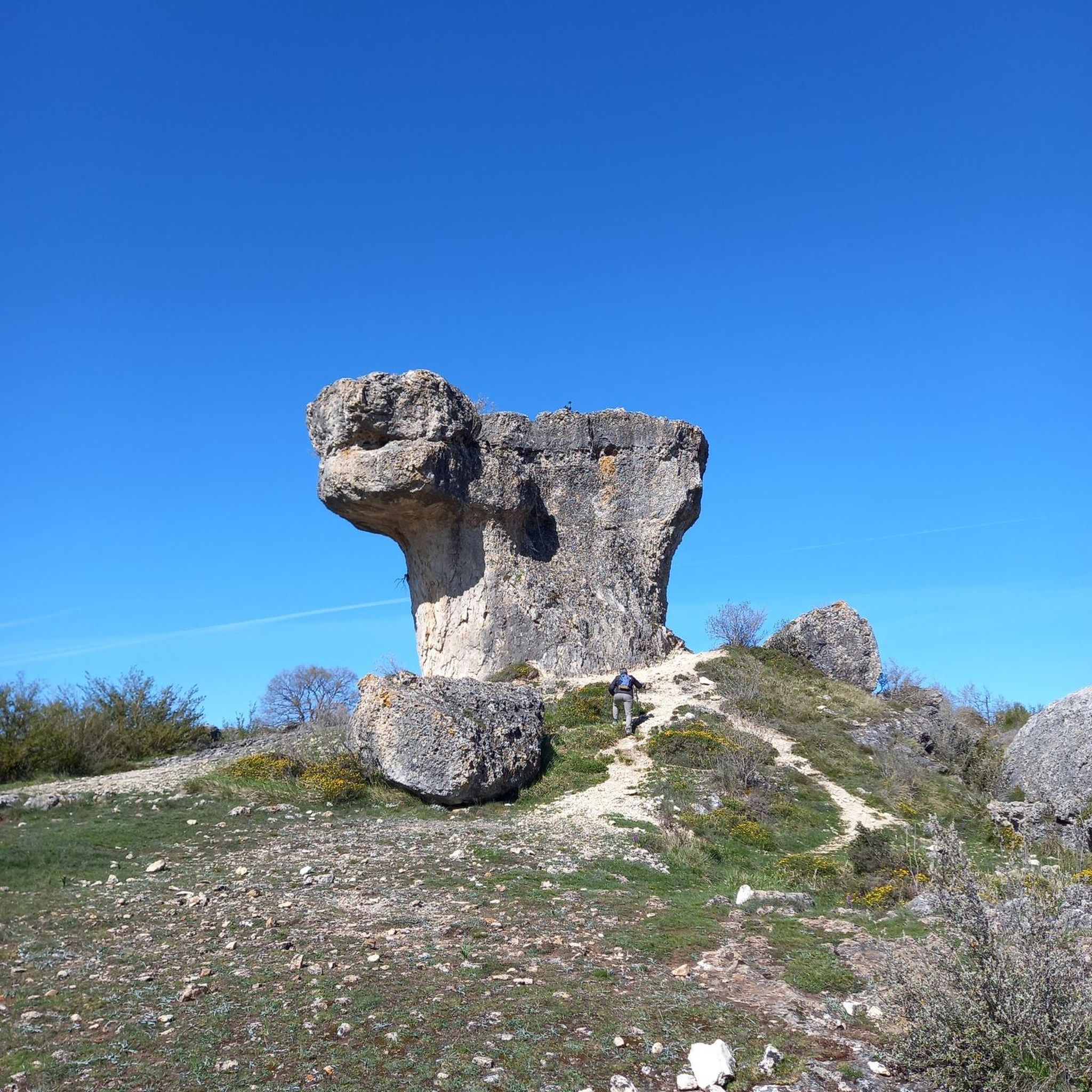
Most impressive part of the canyon until you reach the foot of the most famous rock formations of Las Tuerces.
3
0
Located in the same rock of Mount Bernorio, in the highest part and to the left of the first houses of the town, carved on the rock, is this cave church with two naves. For centuries this hermitage served as a warehouse for farming tools and shelter for livestock.
8
0

It is quite a surprise to arrive at this tunnel in the Horadada canyon, its dimensions are surprising.
1
0
Frequently Asked Questions
What are some of the most notable caves to visit around Aguilar de Campoo?
The region offers a diverse range of caves. The Horadada Tunnel is an impressive natural monument within the Horadada canyon. The Cave of Amaya features significant karst formations and archaeological findings. The Cueva de los Franceses, located near Revilla de Pomar, is renowned for its spectacular stalactites and stalagmites, and also holds historical significance related to the War of Independence.
Are there caves with historical or archaeological significance in the area?
Yes, several caves offer a glimpse into history. The Cave of Amaya has archaeological findings indicating use by prehistoric communities. The Chozo Tonino Cave served as a refuge during the postwar period. Additionally, the Cueva de Bernardo del Carpio is associated with the medieval hero Bernardo del Carpio, and the Cave of San Martín (Villarén de Valdivia) is a unique cave church excavated into the rock, showcasing early medieval practices.
What unique geological features can I expect to see in the caves?
The caves around Aguilar de Campoo are primarily known for their karst formations. You can expect to see impressive stalactites, stalagmites, and columns formed by water over centuries, particularly in the Cueva de los Franceses and the Cave of Amaya. The Horadada Tunnel itself is a significant natural monument carved by the Pisuerga River, showcasing whimsical rock formations.
What is the best time of year to visit the caves around Aguilar de Campoo?
Caves generally maintain a stable temperature year-round, making them suitable for visiting in most seasons. However, for the most comfortable experience exploring the surrounding natural areas and trails, spring and autumn offer pleasant weather. Summer can also be a good time to escape the heat above ground.
Do I need permits or advance booking to visit caves in the area?
For some caves, like the Cueva de los Franceses, advance booking is required, especially for guided tours. It's always advisable to check the specific requirements for each cave you plan to visit, as some may have limited access or require guided entry.
Are there family-friendly caves or activities suitable for children?
The Cueva de los Franceses offers a well-lit, accessible route of approximately 500 meters, making it suitable for families. Its visitor reception and video projection room also provide educational content for all ages. Exploring the Horadada Tunnel within the canyon can also be an exciting adventure for families who enjoy light hiking.
What outdoor activities can I do near these caves?
The region around Aguilar de Campoo is excellent for various outdoor activities. You can find numerous hiking trails, including routes like the 'Las Tuerces and Horadada Canyon Loop' which passes near the Horadada Tunnel. There are also extensive MTB trails and road cycling routes that allow you to explore the natural beauty of the Las Loras Geopark.
Are there hiking trails that incorporate cave visits?
Yes, the area offers trails that combine hiking with cave exploration. For instance, the 'Las Tuerces and Horadada Canyon Loop' is a challenging hike that takes you through the impressive Horadada Tunnel. The Cave of Amaya is also situated within an impressive landscape with views, making it a great stop on a longer hike.
What is the typical duration for exploring these caves?
The duration varies by cave. For a guided tour of the Cueva de los Franceses, expect around 45 minutes to an hour. Smaller sites like the Cueva de Bernardo del Carpio or Chozo Tonino Cave might only take 15-30 minutes. Exploring the Horadada Tunnel as part of a canyon walk could take a few hours depending on the chosen route.
Is parking generally available at the cave sites?
For popular attractions like the Cueva de los Franceses, dedicated parking facilities are usually available. For more remote or less developed cave sites, parking might be limited to roadside pull-offs or nearby village parking. It's advisable to check specific access information for each location.
What do visitors enjoy most about the caves around Aguilar de Campoo?
Visitors frequently appreciate the unique blend of natural beauty and historical significance. The impressive dimensions of the Horadada Tunnel and the stunning karst formations of the Cave of Amaya are often highlighted. The historical context of sites like the Chozo Tonino Cave and the Cueva de los Franceses also adds a rich layer to the experience.
Most popular routes around Aguilar De Campoo
Most popular attractions around Aguilar De Campoo

Get inspired with the komoot mobile app


