Top 6 Castles around Viladecans
Best castles around Viladecans offer insights into the region's historical defensive structures and medieval past. Viladecans, situated near the Llobregat delta, provides access to various historical sites, including fortifications and castle ruins. The area's landscape, ranging from the coastal plain to the Garraf mountains, has historically necessitated strategic defensive positions. These sites provide a glimpse into centuries of regional history and architectural evolution.
Best castles around Viladecans
- The most popular castles is Castellciuró, a castle that features ancient ruins offering views over the Baix Llobregat. It is known for its strategic location and panoramic views, including Montserrat.
- Another must-see spot is Castellciuró Ruins, a castle in ruins that has been restored and functions as a viewpoint. Visitors can explore its ancient walls, including sections with opus spicatum, and enjoy perspectives of the Llobregat river.
- Visitors also love Eramprunyà Castle, a historical site located on an elevated part between the slopes of the Garraf. This castle offers magnificent views over the Llobregat delta and has a history spanning over 1,000 years.
- Viladecans is known for its medieval fortifications and ancient castle ruins. These sites showcase military architecture and offer historical insights into the region's past.
- The castles around Viladecans are appreciated by the komoot community, with more than 70 upvotes and 30 photos shared by visitors.
Last updated: July 4, 2026
Castellciuró Ruins
Highlight • Castle
Documented in 1066, the oldest part of the remains of this castle is a wall in opus spicatum (work of inclined stones, alternating the direction of the inclination in each course) very well built, which could be of Visigothic origin (8th century). or pre-Romanesque (10th century) and were destroyed around the year 985 by the Saracen hordes of Almanzor. Of its scarce remains, a couple of walls and a cistern embedded in the rock stand out.
Translated by Google •
Tip by

Castellciuró
Highlight • Castle
Translated by Google •
Tip by

Sign up now to discover places like this
Get recommendations on the best single tracks, peaks, & plenty of other exciting outdoor places.
Sign up for free
Eramprunyà Castle
Highlight • Castle
Translated by Google •
Tip by

Salvana Tower
Highlight • Castle
Translated by Google •
Tip by

Castelldefels Castle
Highlight • Castle
Translated by Google •
Tip by

Start today with a free account
Your next adventure awaits.
Login or Signup
Tips from the Community

It's in very bad condition. If you go in, be very careful.
0
0

More than 1,000 years of history Although recent archaeological studies testify to the occupation of the Eramprunyà cliff since prehistoric and Iberian times, the history of the castle begins in the 9th century. In 801 the Franks took the city of Barcelona from the Saracens, who had to retreat to the right bank of the Llobregat. The defense of Barcelona required the protection of the flat area, but also the entire lower part of the Llobregat valley, from Martorell to the sea, as it is a natural area of access to Barcelona. It was also necessary to control the entire coastline and the paths of the Garraf. Some of the castles that were built at this time were those of Cervelló, Castellví de Rosanes, Sant Boi, Corbera, Castelldefels and Eramprunyà. For visits Second Sunday of the month, at 10 am Meeting point at the Hermitage of Bruguers. Source and for + info https://www.patrimonigava.cat/espais-patrimonials/castell-deramprunya
0
0

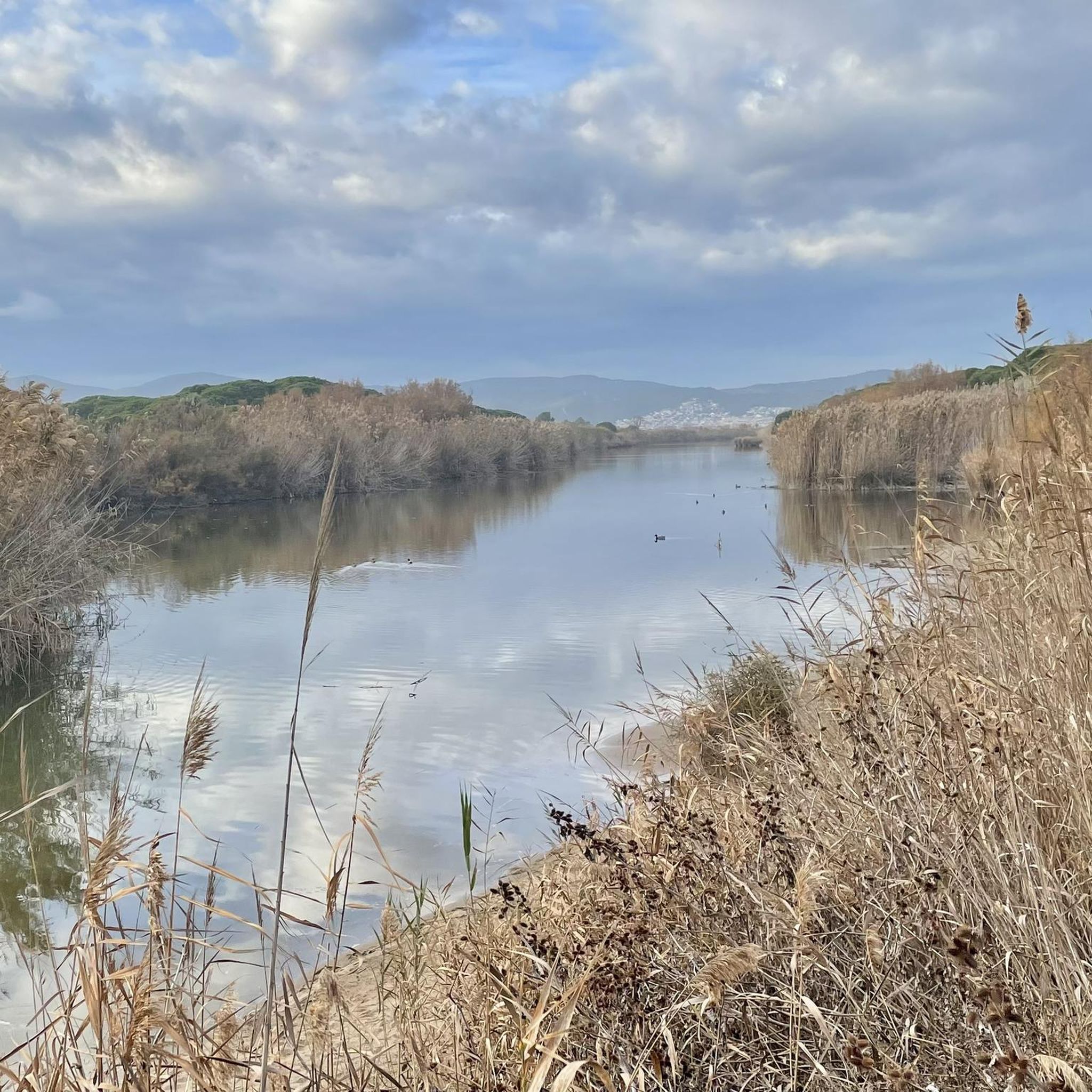
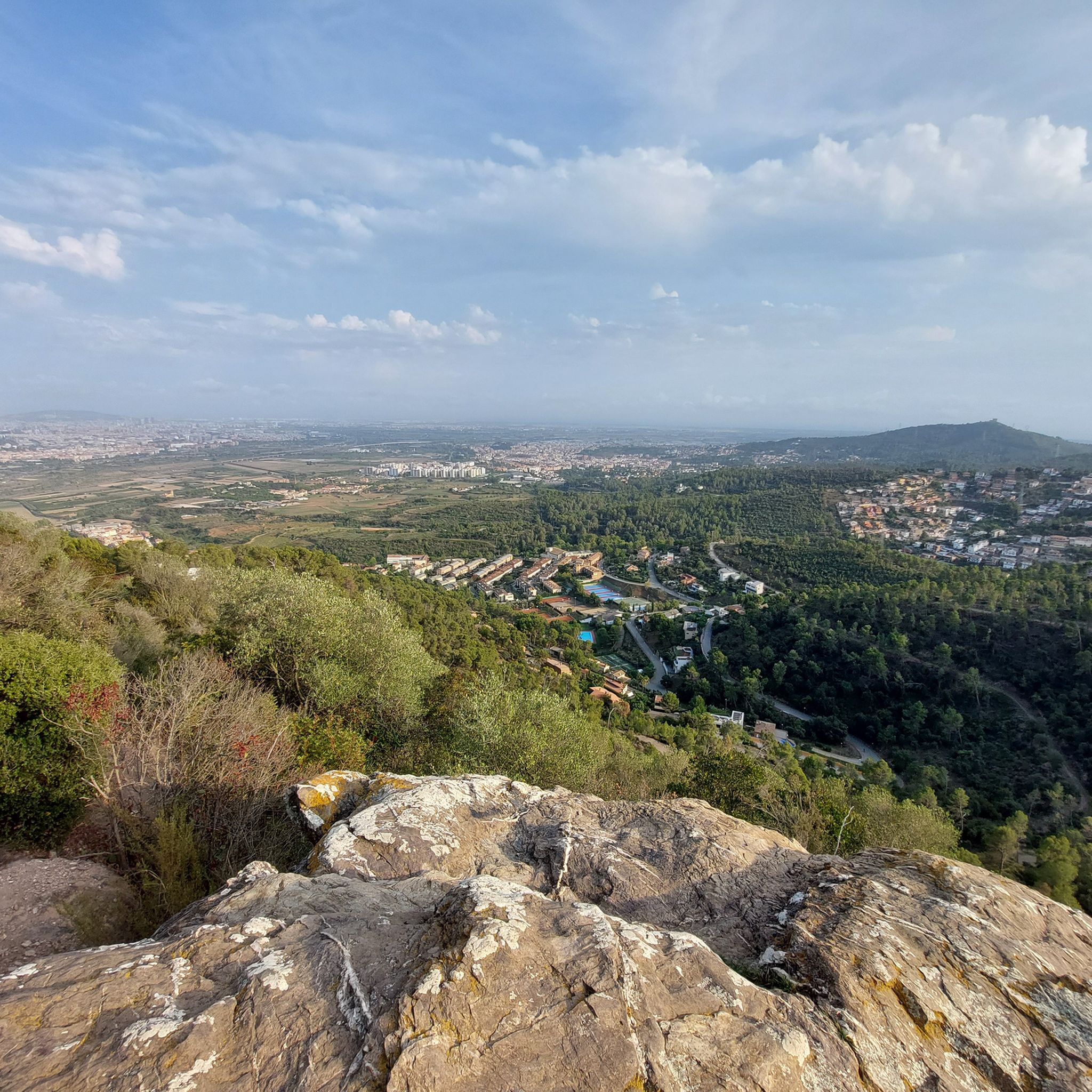
This castle is located near Sant Miquel d'Eramprunyà and is located on an elevated part, between the slopes of the Garraf with magnificent views over the Llobregat delta.
0
0

On a small hill, above the town of Molins de Rei, are the ruins of the castle that was built in the 14th century on the remains of an old circular defensive tower, called Guadall or Guadallo, of Visigothic origin (8th century) , that is to say, pre-Romanesque. This is confirmed by the remains of a wall lock that used an opus spicatum facing characteristic of that period. On the west facade stands a three-tiered tower where the door and two openings are preserved, one of which is currently reconstructed. There are also remains of the trapezoidal plant, a small tower attached to the rock, the walls of the Guadall tower and the remains of a large cistern, partially drilled into the rock and protected by a barrel vault (10th and 12th centuries ).
2
0

Because it is a very quick way to get away from the city and integrate into nature without making a great effort.
0
0

A century later the castle would pass under the direct domain of King Jaime II. In 1320, the sovereign granted Simón des Llor (de Lauro) permission to build a new castle on the site, and in 1332 Molins de Rey and the site of Ciuró were sold for 10,000 salaries. In 1632, "Molins de Rey" and "Santa Creu d'Olorda" are recorded as places owned by Countess Benavent, although by then the castle must have been in a very poor state of preservation. The current owner is Mr. Lluís Vila, a resident of Molins de Rey.
5
0
The castle was built on the site of the Guadallo tower (mentioned in 998), at a height of 155 meters and in a fairly strategic location. It is located on the westernmost hill of the branch that leaves the hill of Can Ribes joined, and a very short distance, with the Puig de Olorda. This situation gives it a good perspective of the course of the Llobregat river and the town of Molins de Rey. It was granted to the Hospitallers in the 12th century, according to a document from 1162 in what is known as “Cidró”. In 1202 it was owned by the Order of the Temple.
4
0
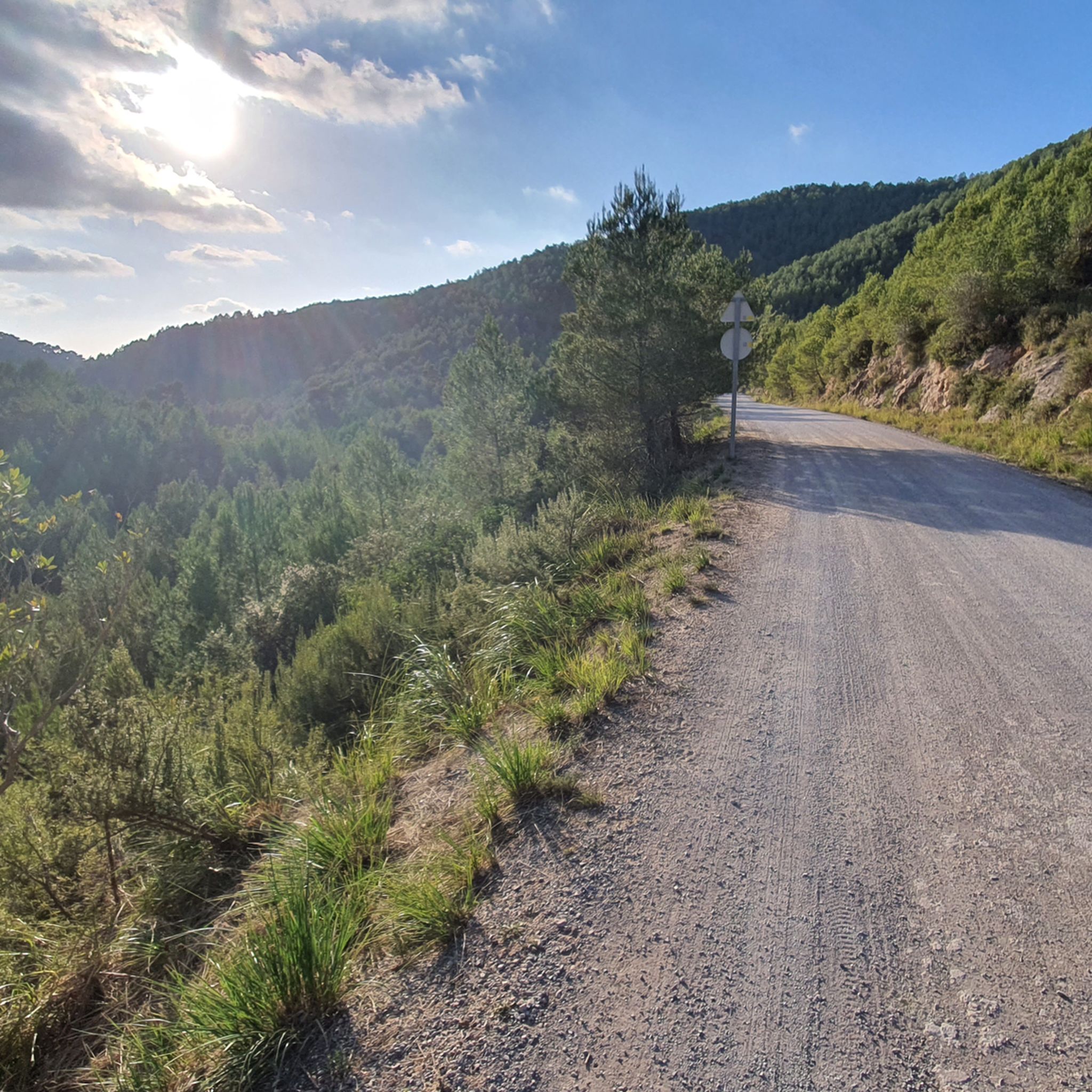
Castellciuró is a castle located in the municipality of Molins de Rey, in Bajo Llobregat, in the Collserola mountain range, very close to the hermitage of Santa Cruz de Olorde and Puig de Olorda. It is currently in ruins, although these have been restored, and it also serves as a viewpoint. Documented in 1066, the oldest part of the remains of this castle is a wall in opus spicatum (work of inclined stones, alternating the direction of the inclination in each course) very well built, which could be of Visigothic origin (8th century). or pre-Romanesque (10th century) and were destroyed around the year 985 by the Saracen hordes of Almanzor. Of its scarce remains, a couple of walls and a cistern embedded in the rock stand out.
5
0
Frequently Asked Questions
What kind of historical structures can I expect to see around Viladecans?
While Viladecans isn't known for grand medieval castles in the traditional sense, the area features significant fortified structures and historic houses. These include medieval fortifications like the 13th-century Viladecans Red Tower (Torre Roja), the 14th-century Torre del Baró, and structures incorporating older watchtowers such as Can Modolell. These sites offer a deep dive into the region's historical defensive architecture and past.
Which castles offer the best panoramic views?
For stunning vistas, visit Castellciuró, which provides great views over the Baix Llobregat and even Montserrat. Eramprunyà Castle also offers magnificent views over the Llobregat delta from its elevated position on the Garraf slopes.
Are there family-friendly castle sites near Viladecans?
Many of the historical sites, such as Eramprunyà Castle and Castellciuró, are suitable for families interested in history and light exploration. They often involve walks to reach them, making for an active outing. The Viladecans Red Tower, now housing administrative offices, can be explored for its architectural significance.
What outdoor activities can I do near these castles?
The area around Viladecans offers various outdoor activities. You can find numerous routes for gravel biking, running, and road cycling. For example, explore the Gravel biking around Viladecans guide for routes like the Llobregat River loop, or check out Running Trails around Viladecans for options like the Font de Golbes loop. There are also Road Cycling Routes around Viladecans, including scenic rides along the Garraf Coastal Road.
Are there any historical sites that are particularly ancient or unique?
Yes, Castellciuró Ruins feature a wall in opus spicatum, a unique construction technique that could date back to the 8th or 10th century, suggesting Visigothic or pre-Romanesque origins. Eramprunyà Castle also boasts over 1,000 years of history, with archaeological studies testifying to occupation since prehistoric times.
What is the best time of year to visit the castles and historical sites around Viladecans?
The best time to visit is generally during the spring (April-May) and autumn (September-October) when the weather is mild and pleasant for exploring. Summers can be hot, and winters are generally cool but can still be suitable for visits on clear days.
Are there any specific visiting hours or guided tours for these historical sites?
For Eramprunyà Castle, guided visits are typically offered on the second Sunday of the month at 10 am, with a meeting point at the Hermitage of Bruguers. For other sites like the Viladecans Red Tower, which now serves administrative functions, access might be limited to specific areas or during special cultural events. It's advisable to check with the Viladecans Museum for current tour schedules and access information.
What should I wear when visiting castles and historical sites in the Viladecans region?
Comfortable walking shoes are highly recommended, as many sites involve uneven terrain, stairs, or short hikes. Layered clothing is also advisable, especially during spring and autumn, to adapt to changing temperatures. A hat and sunscreen are useful during sunnier months.
What do visitors enjoy most about the castles and historical sites around Viladecans?
Visitors frequently appreciate the historical insights and the strategic locations that offer expansive views. The ancient ruins of Castellciuró are praised for their beauty and the panoramic outlook over the Baix Llobregat. The rich history spanning over a millennium at Eramprunyà Castle is also a major draw.
Are there any historical sites that are in a more ruinous state?
Yes, Castellciuró Ruins are, as the name suggests, in a ruined state, though they have undergone restoration and function as a viewpoint. The Salvana Tower is also noted to be in very bad condition, requiring visitors to be careful if exploring.
Can I find cafes or refreshments near these historical sites?
While some sites are more remote, located on elevated slopes or within natural parks, you will find cafes and restaurants in the nearby towns and villages such as Viladecans, Molins de Rei, and Gavà. It's a good idea to plan your visit to coincide with a stop in one of these towns for refreshments.
Most popular routes around Viladecans
Most popular attractions around Viladecans

Get inspired with the komoot mobile app


Explore more
Looking for the best castles somewhere else? Discover other guides around Viladecans:
