Top 15 Lakes around Lloret De Mar
Best lakes around Lloret De Mar are situated in the wider Girona region, offering a diverse natural landscape beyond the town's coastal features. This area is characterized by a mix of natural wetlands and man-made reservoirs. While Lloret de Mar is known for its Mediterranean coastline, the surrounding territory provides opportunities to explore different aquatic ecosystems. These locations offer natural beauty and varied outdoor experiences.
Best lakes around Lloret de Mar
- The most popular lakes is Molí de Can Moné…
Last updated: October 7, 2026
Estanys de Sils
Highlight • Lake
Translated by Google •
Tip by

Mouth of the Tordera
Highlight • River
Translated by Google •
Tip by

Sign up now to discover places like this
Get recommendations on the best single tracks, peaks, & plenty of other exciting outdoor places.
Molí de Can Moné and Pond
Highlight • Historical Site
Translated by Google •
Tip by

Pantà de Can Llop
Highlight • Lake
Translated by Google •
Tip by

Sa Riera Park
Highlight • Lake
Translated by Google •
Tip by

Sign up for free to discover even more lakes around Lloret De Mar.
Already have an account?
Start today with a free account
Your next adventure awaits.
Popular around Lloret De Mar

Great multi-day treks near Barcelona
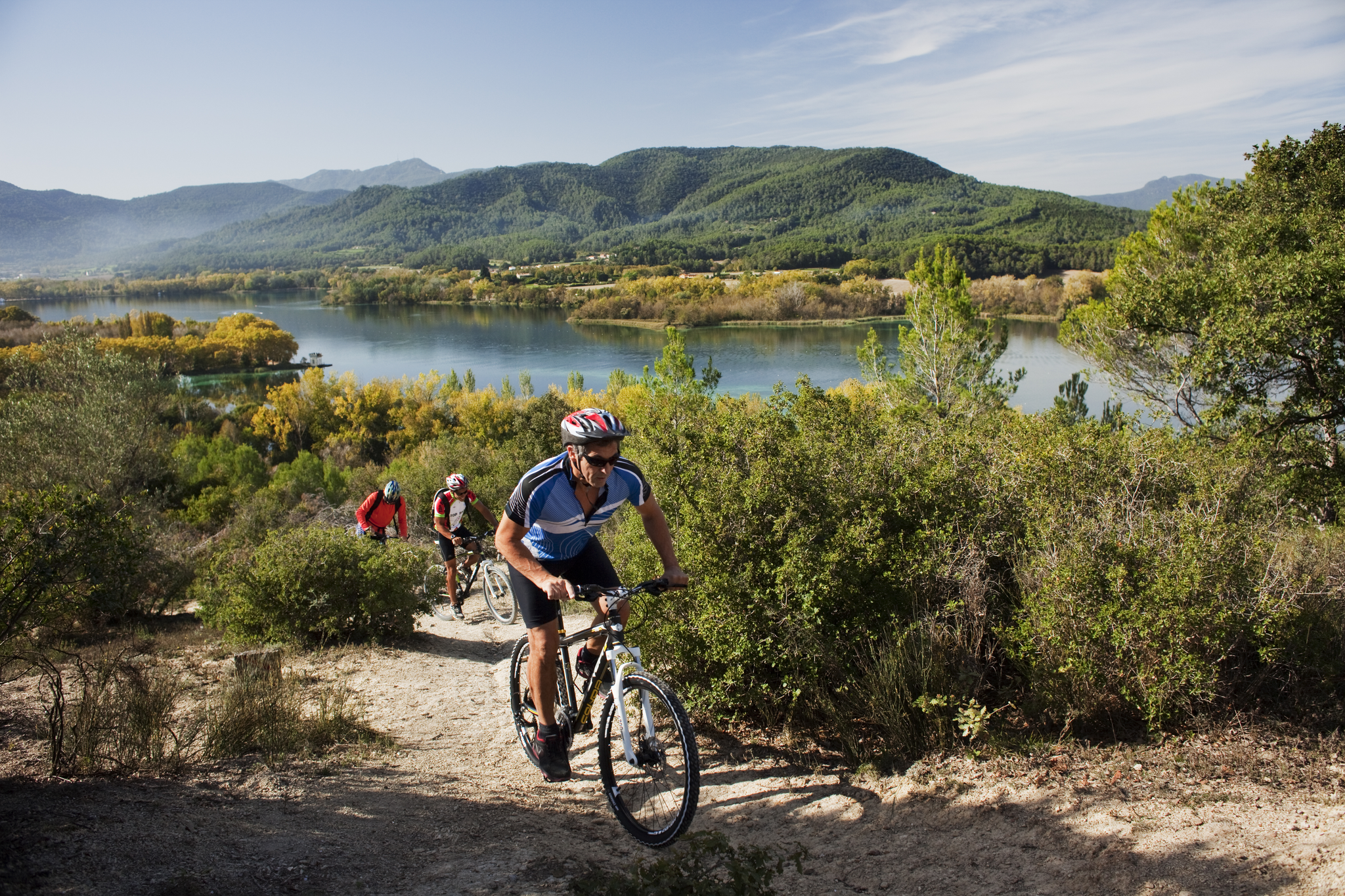
Discover Catalonia on a mountain bike
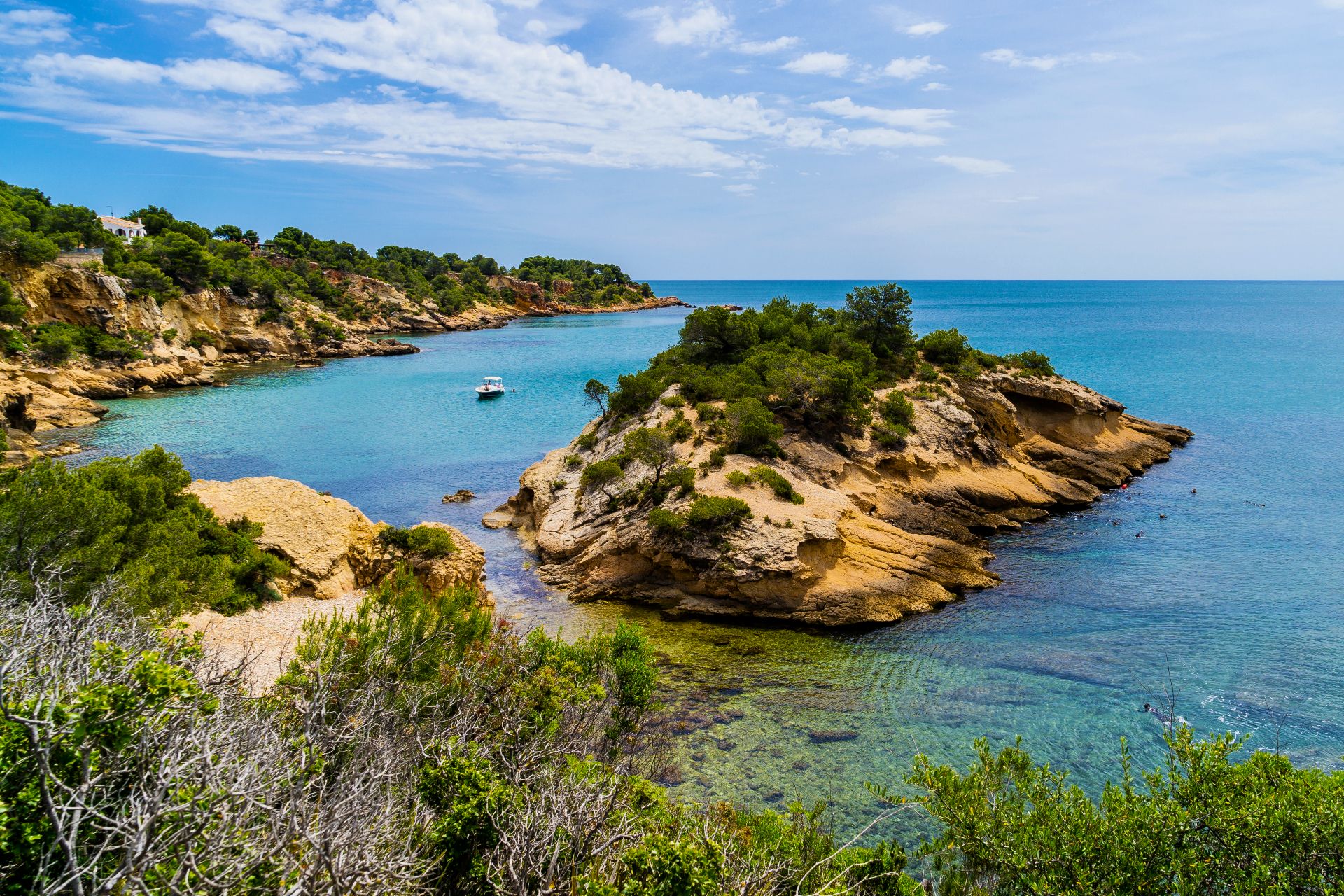
The Catalan coast on foot – Mediterranean Path (GR 92)
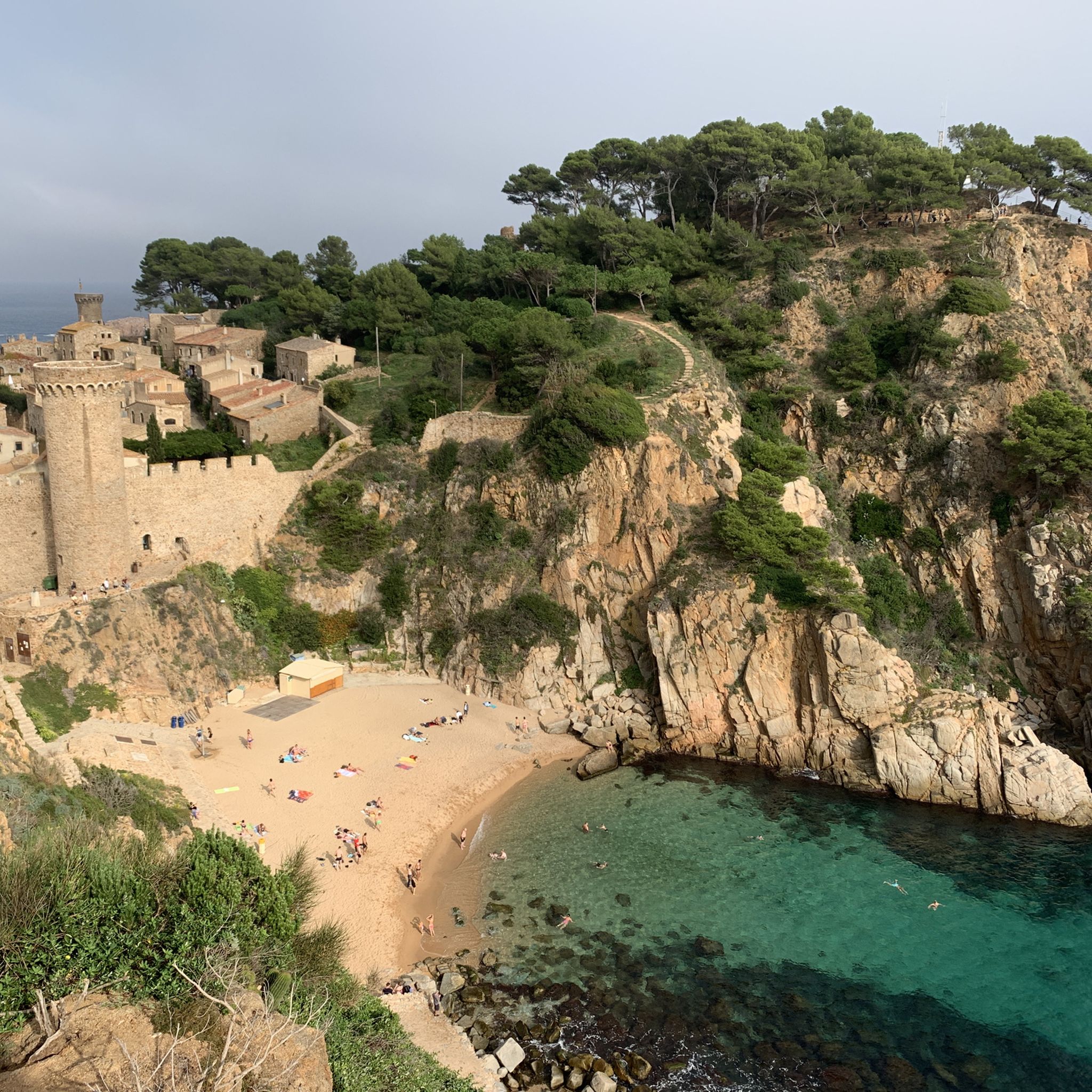
Hiking around Lloret De Mar
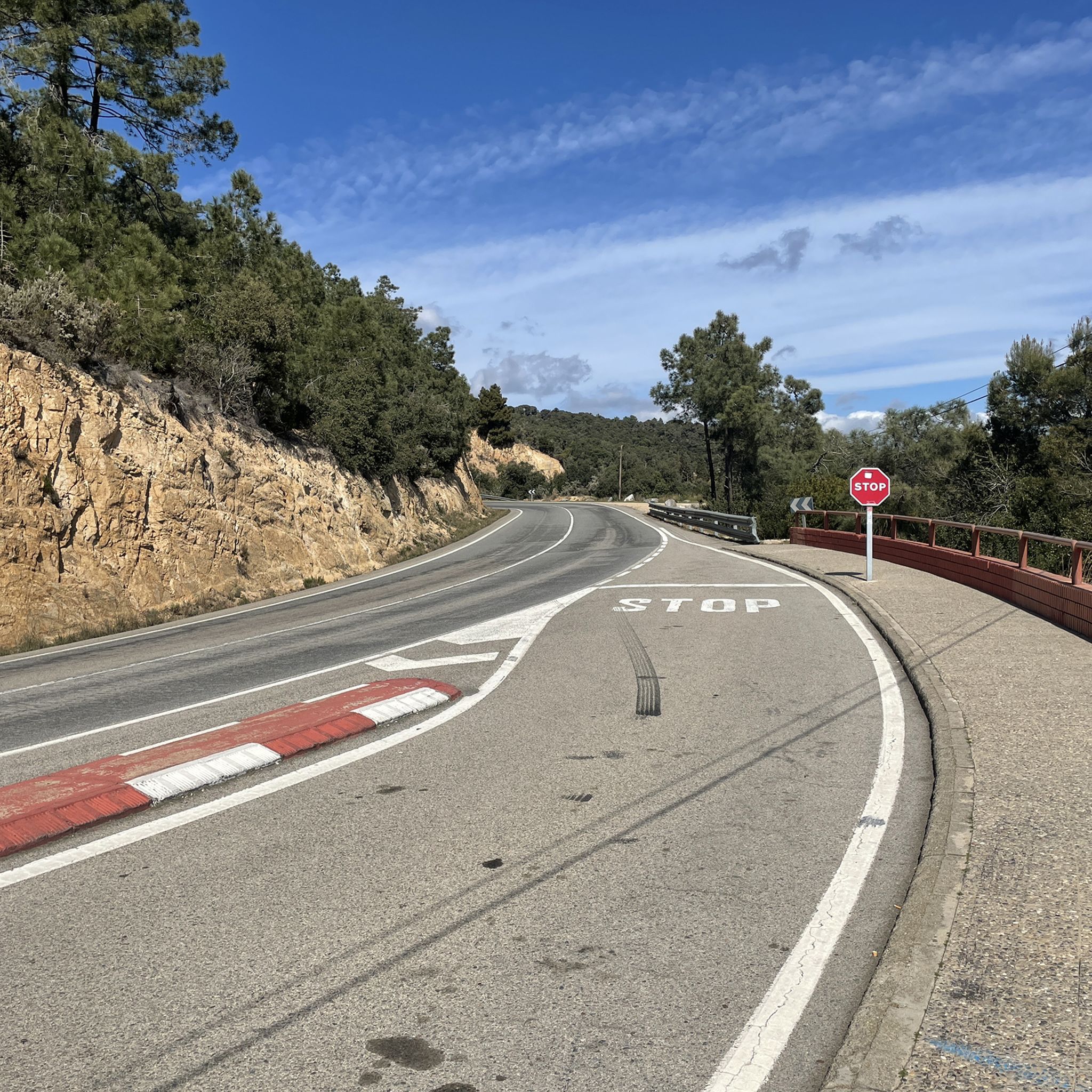
Road Cycling Routes around Lloret De Mar
Running Trails around Lloret De Mar
Cycling around Lloret De Mar
MTB Trails around Lloret De Mar

Gravel biking around Lloret De Mar


Tips from the Community


Punt d'observació d'ocells del Delta de la Tordera.
0
0

The small, artificially created lake is located in a natural and wonderful cork oak forest. It is a popular hiking and cycling destination. The lake is also on the Eurovelo 8. For us, it was perfect for a short siesta.
0
0

Expansion, restoration, and maintenance work are currently underway. This is a great area for walking or cycling. Mosquito repellent is recommended, as this is a wet area.
0
0

This old flour mill, dating back several centuries, is located next to a pond that served the purpose of storing water to move the mill machinery, taking advantage of the nearby river courses. The house, in a rustic style, is a typical example of traditional Catalan architecture, built with stone and clay tiles. The pond, which is still preserved, not only served to operate the mill, but was also essential for irrigating the surrounding agricultural fields. In its surroundings, rural landscapes predominate, surrounded by cork oak forests and pine forests, which give the place an air of calm and connection with nature.
4
0

Old brick factory
3
0

Spectacular farmhouse, mill and pond.
1
0

Artificial swamp in the middle of a forest of cork oaks.
1
0
Frequently Asked Questions
What types of lakes and aquatic environments can I explore near Lloret de Mar?
While Lloret de Mar is primarily known for its coastline, the surrounding region offers a diverse range of aquatic environments. You can find natural wetlands, historical mill ponds, and artificial lakes. These include remnants of ancient natural lakes, man-made reservoirs, and even river deltas that form unique lagoon systems.
Are there any large natural lakes or reservoirs for water sports and recreation?
Yes, in the broader Catalonia region, you'll find significant options. The Darnius-Boadella Reservoir is one of Catalonia's largest, popular for swimming, fishing, and kayaking. Further afield, Lake Banyoles, the largest natural lake in Catalonia, is excellent for kayaking, swimming, and boat rides, with facilities used during the 1992 Olympic Games.
Which lakes are particularly family-friendly?
Several spots are great for families. Molí de Can Moné and Pond offers a historical setting with a pond. Pantà de Can Llop provides shaded areas and small beaches. Sa Riera Park features a small artificial lake on the outskirts of Tossa de Mar. Additionally, the Mouth of the Tordera, a protected natural area with a large inner lagoon, is also considered family-friendly.
Can I go hiking or cycling near these lakes?
Absolutely. Areas like Estanys de Sils are ideal for walking or cycling. The Darnius-Boadella Reservoir also offers picturesque views for long walks. For more structured routes, you can explore various trails in the region, including those found in the Hiking around Lloret De Mar guide or the Gravel biking around Lloret De Mar guide.
Are there any historical or cultural sites associated with the lakes?
Yes, Molí de Can Moné and Pond is a notable historical site. It features an old flour mill dating back centuries, with a pond that historically powered its machinery and irrigated agricultural fields. The rustic house nearby is a typical example of traditional Catalan architecture.
What kind of wildlife and nature can I observe around the lakes?
The region's aquatic areas are rich in biodiversity. The Mouth of the Tordera, a Protected Natural Area, features swampy vegetation, riparian forest, and various animal species like the leper pond turtle, southern frog, collared snake, and birds such as thrushes, gray herons, and kingfishers. Estanys de Sils, a recovered wetland, also provides a habitat for interesting aquatic fauna.
Are there opportunities for wild swimming near Lloret de Mar's lakes?
While Lloret de Mar is known for its beaches, for wild swimming in a lake setting, the Gorg Blau Reservoir in the La Garrotxa region offers a natural pool with cold water, ideal for a refreshing dip amidst rocks and small waterfalls.
What is the best time to visit the lakes near Lloret de Mar?
The spring and autumn months generally offer pleasant temperatures for exploring the lakes and surrounding trails. During summer, the lakes can provide a refreshing escape from the coastal heat, but some areas, particularly wetlands like Estanys de Sils, may require mosquito repellent.
Are there any lakes with easy access or parking facilities?
Pantà de Can Llop is easily accessible, including from the EuroVelo cycling route. Sa Riera Park, located on the outskirts of Tossa de Mar, also offers parking facilities, making it convenient for visitors.
What do visitors enjoy most about the lakes in this region?
Visitors appreciate the tranquility and natural beauty these locations offer, providing a contrast to the bustling coastal areas. The opportunity for gentle walks, observing wildlife, and discovering historical sites like old mills are frequently highlighted. The shaded areas and small beaches at places like Pantà de Can Llop are also popular for relaxation.
Are there any specific recommendations for dog-friendly walks around the lakes?
Many natural areas and trails around the lakes are suitable for walks with dogs, provided they are kept on a leash and owners clean up after them. The paths around Estanys de Sils and the general walking routes near the Darnius-Boadella Reservoir are good options for enjoying nature with your canine companion.
Most popular routes around Lloret De Mar
Most popular attractions around Lloret De Mar

Get inspired with the komoot mobile app


Explore more
Still not found your perfect lake around Lloret De Mar? Check out the guides of these regions to see even more beautiful places.
