Top 5 Castles around Vandellòs I L'Hospitalet De L'Infant
Castles around Vandellòs I L'Hospitalet De L'Infant offer a glimpse into the region's rich history and strategic importance. This area features fortified structures primarily designed for defense against corsair attacks and hospitality for travelers. The landscape combines coastal views with inland hills, providing diverse settings for these historical sites. Many structures showcase Catalan Gothic architecture or serve as coastal watchtowers.
Best castles around Vandellòs I L'Hospitalet De L'Infant
- The most popular castles is La Mola Castle, Colldejou, a castle…
Last updated: July 18, 2026
La Mola Castle, Colldejou
Highlight • Castle
Translated by Google •
Tip by

Sant Jordi d'Alfama Castle
Highlight • Castle
Translated by Google •
Tip by

Sign up now to discover places like this
Get recommendations on the best single tracks, peaks, & plenty of other exciting outdoor places.
Sign up for free
Falset
Highlight • Settlement
Translated by Google •
Tip by

Control Towers of the Castle
Highlight • Castle
Translated by Google •
Tip by

Castellet de les Mugues Ruins
Highlight • Historical Site
Translated by Google •
Tip by

Start today with a free account
Your next adventure awaits.
Login or Signup
Popular around Vandellòs I L'Hospitalet De L'Infant
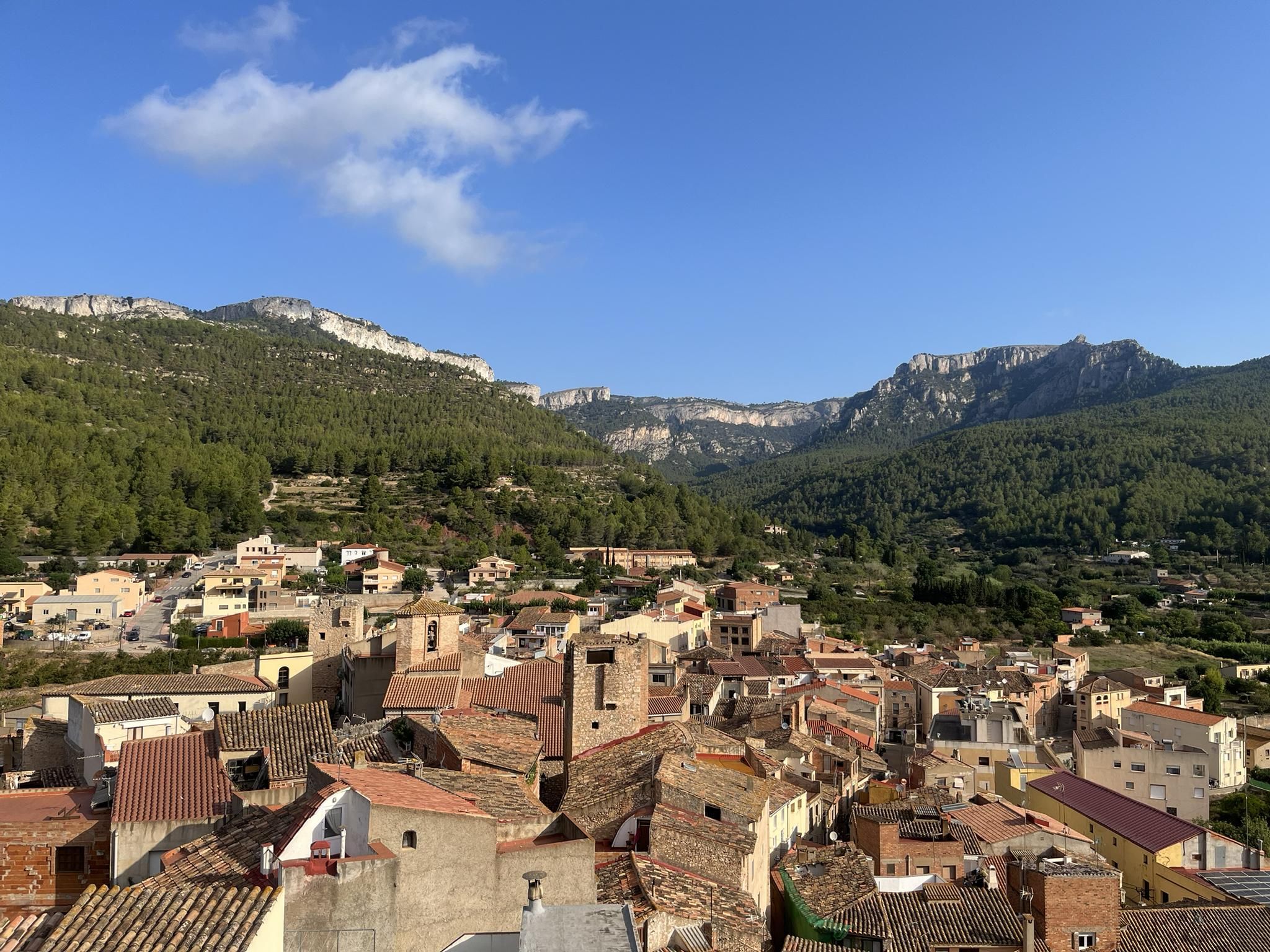
From Cambrils to the Ebro Delta - Camí del Vent (GR 192)
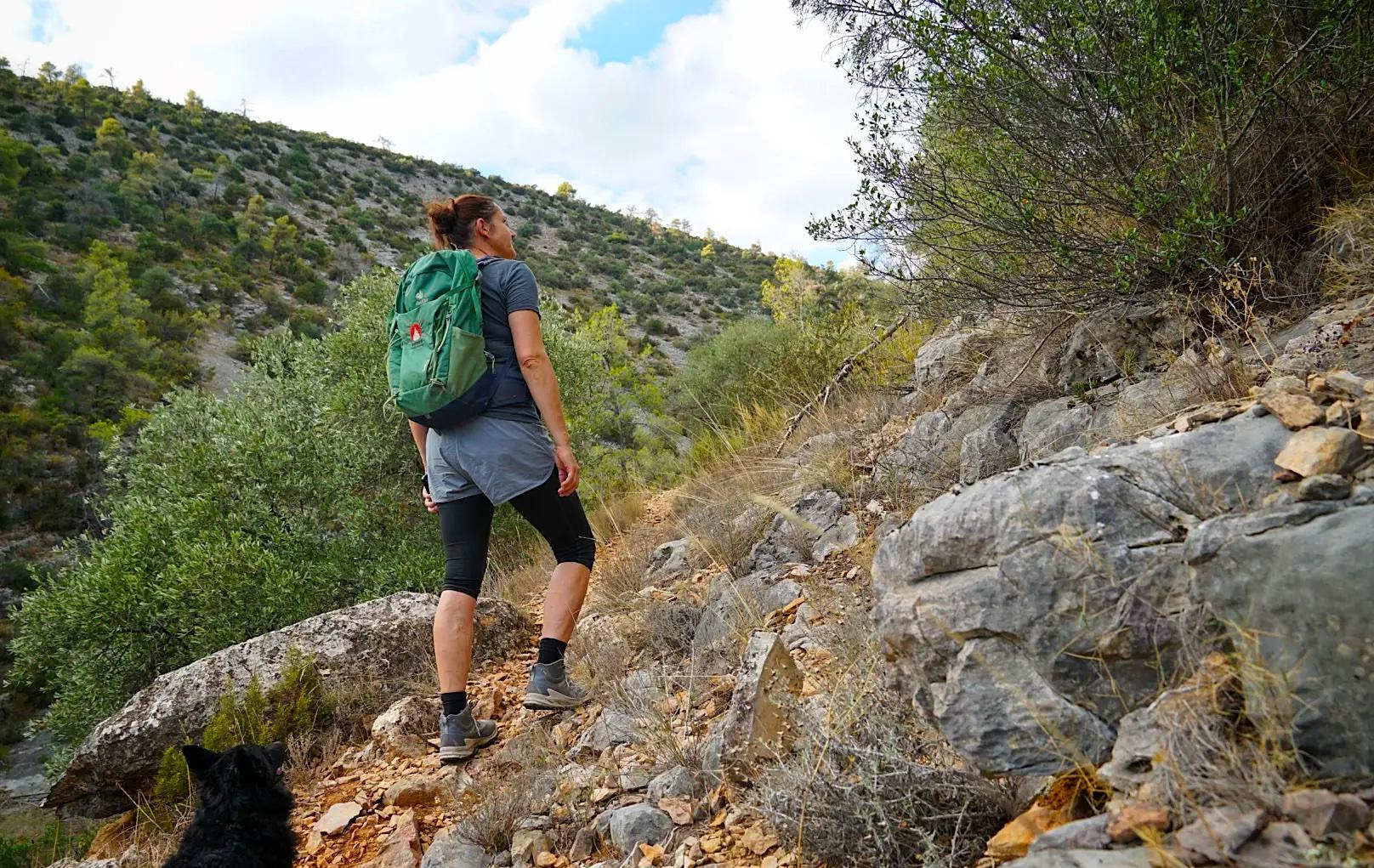
Catalonia's wild south — between sea and mountains
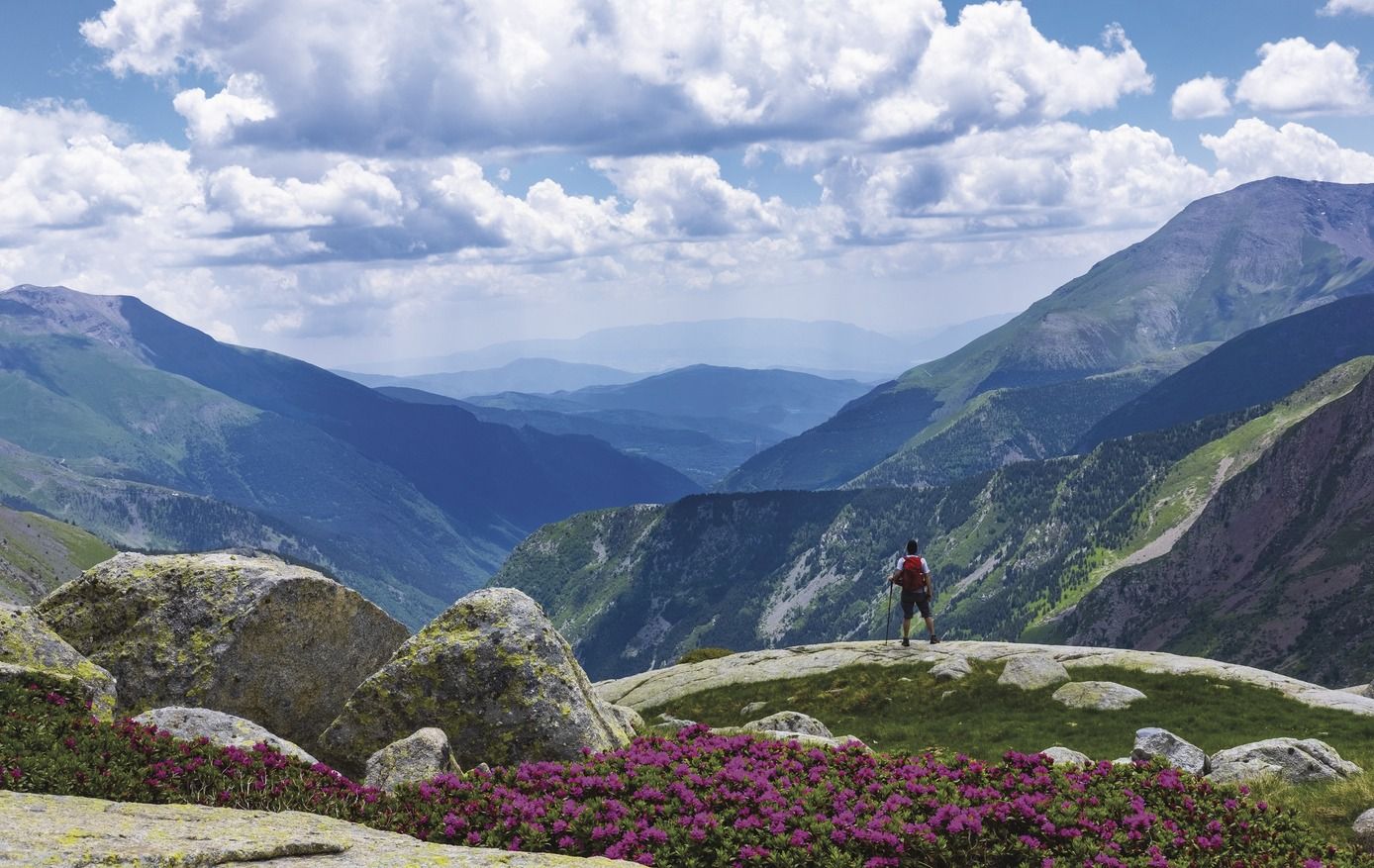
Great Hiking Routes of Catalonia
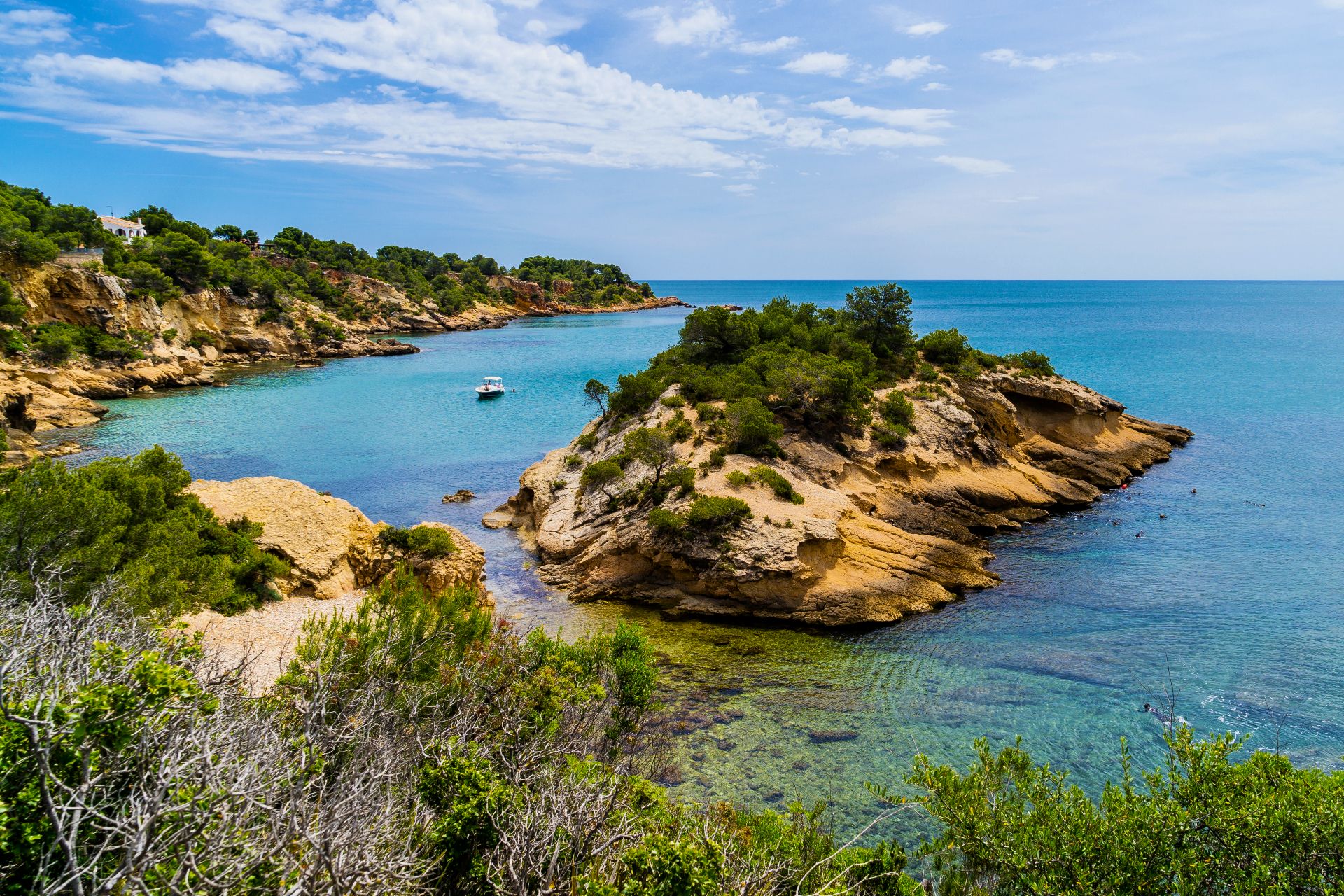
The Catalan coast on foot – Mediterranean Path (GR 92)
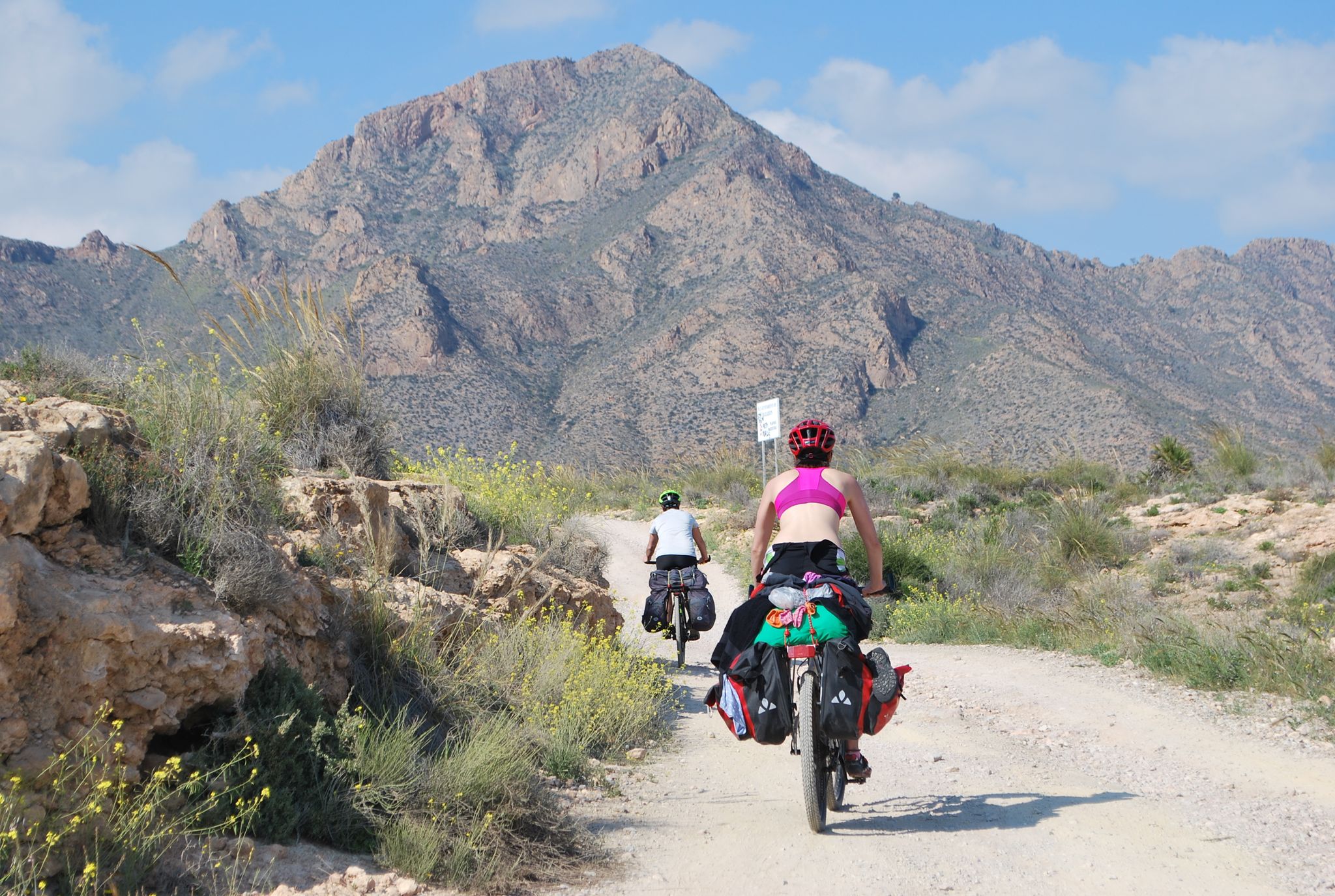
Mediterranean coastal paradise – EuroVelo 8 in Spain
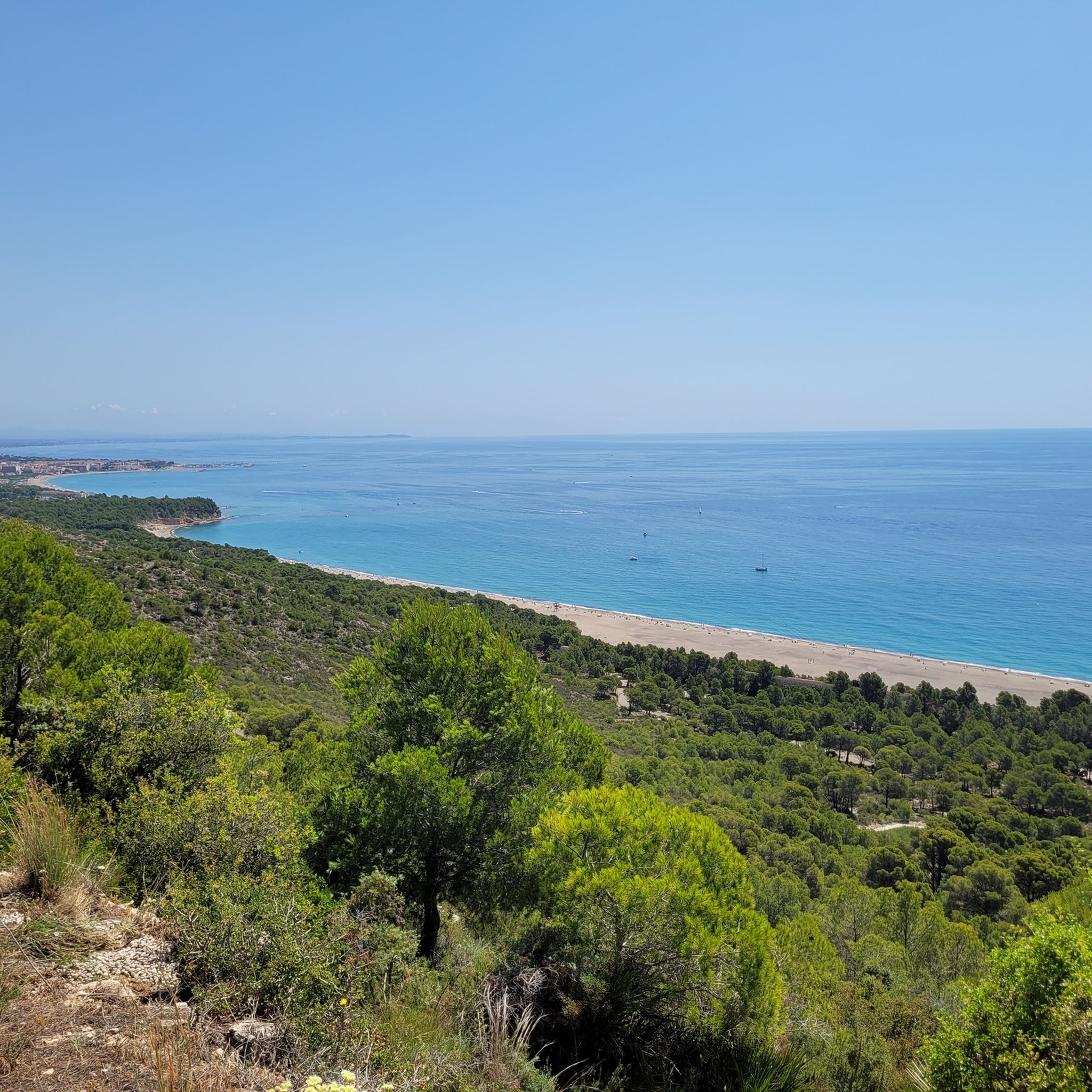
Road Cycling Routes around Vandellòs I L'Hospitalet De L'Infant
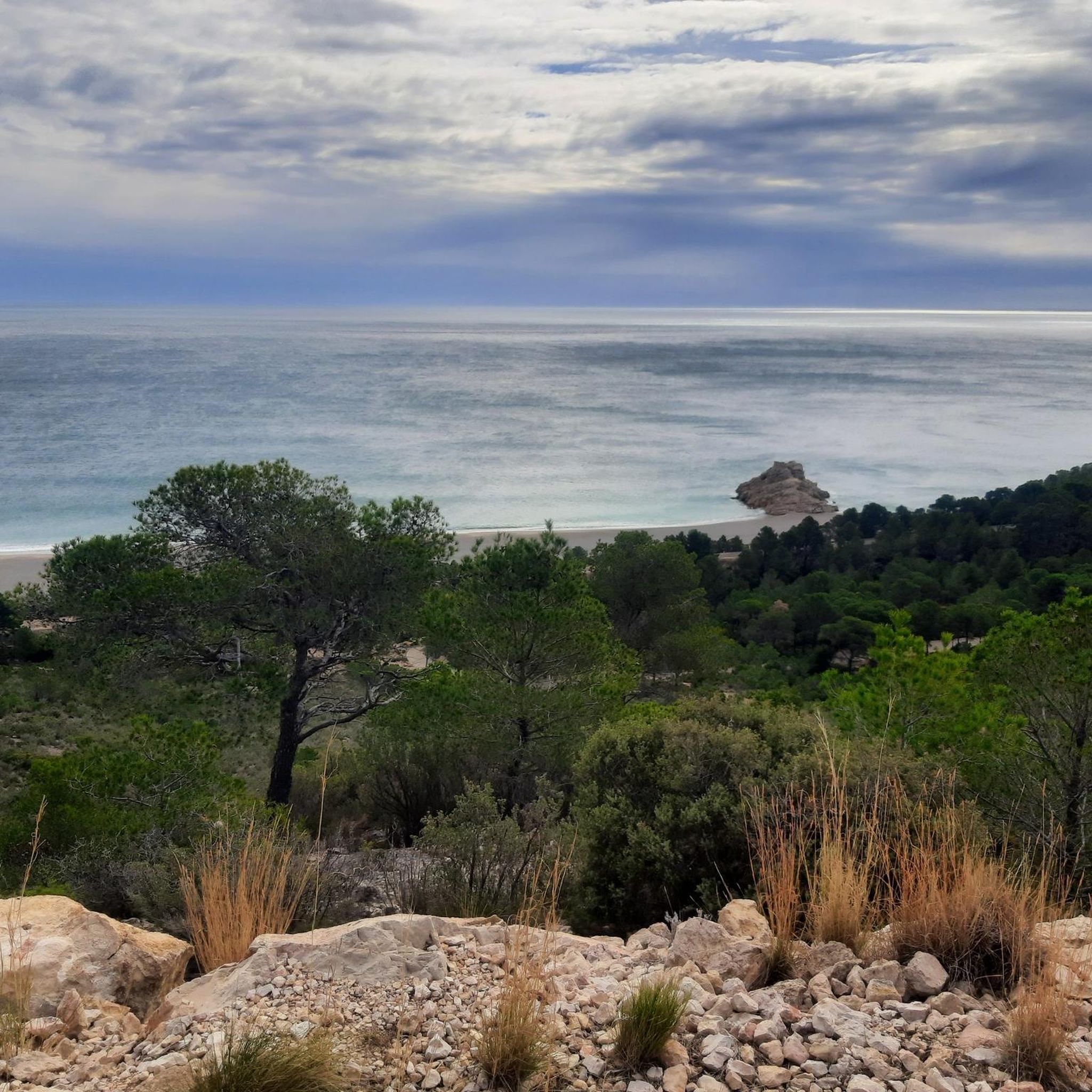
Hiking around Vandellòs I L'Hospitalet De L'Infant
Cycling around Vandellòs I L'Hospitalet De L'Infant
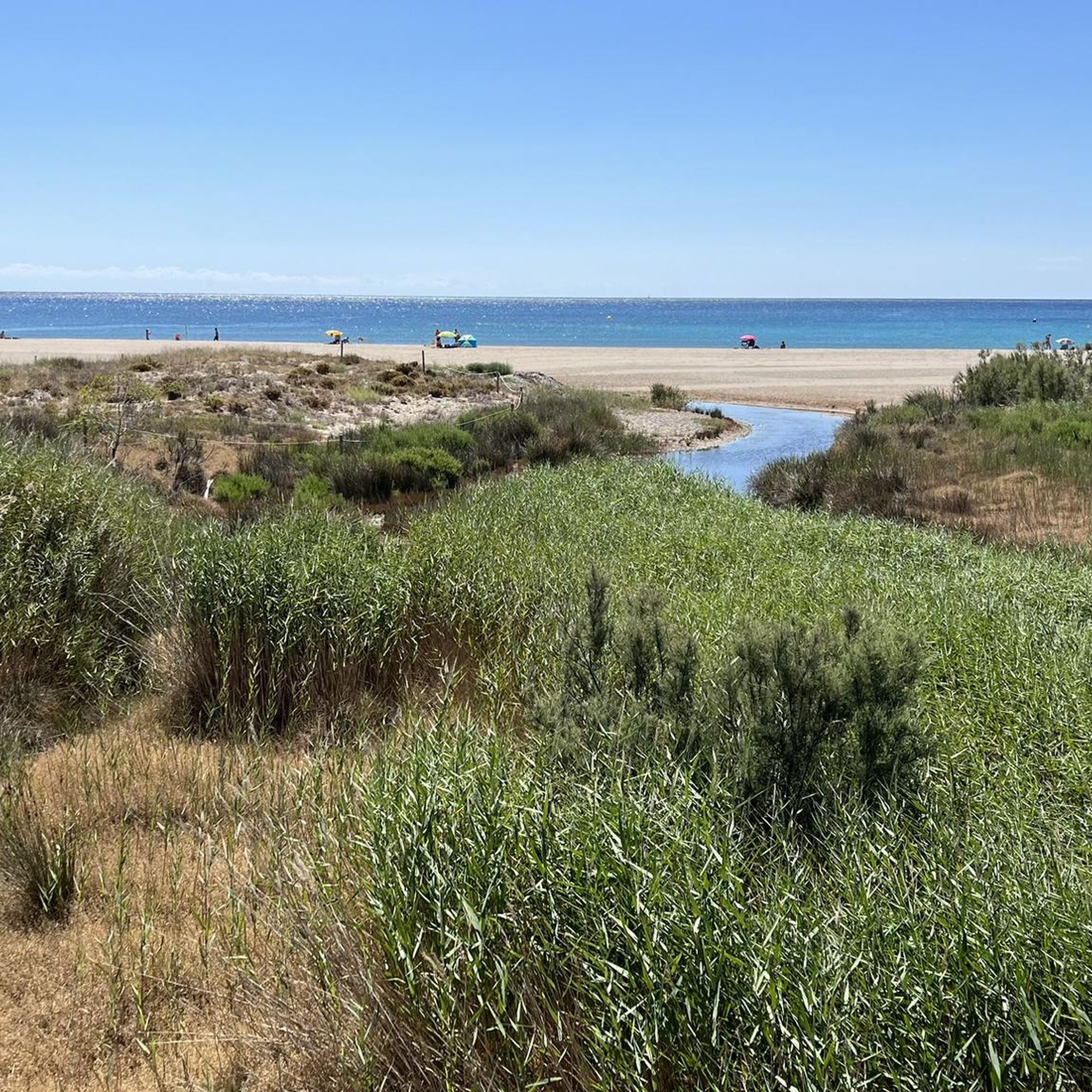
Running Trails around Vandellòs I L'Hospitalet De L'Infant
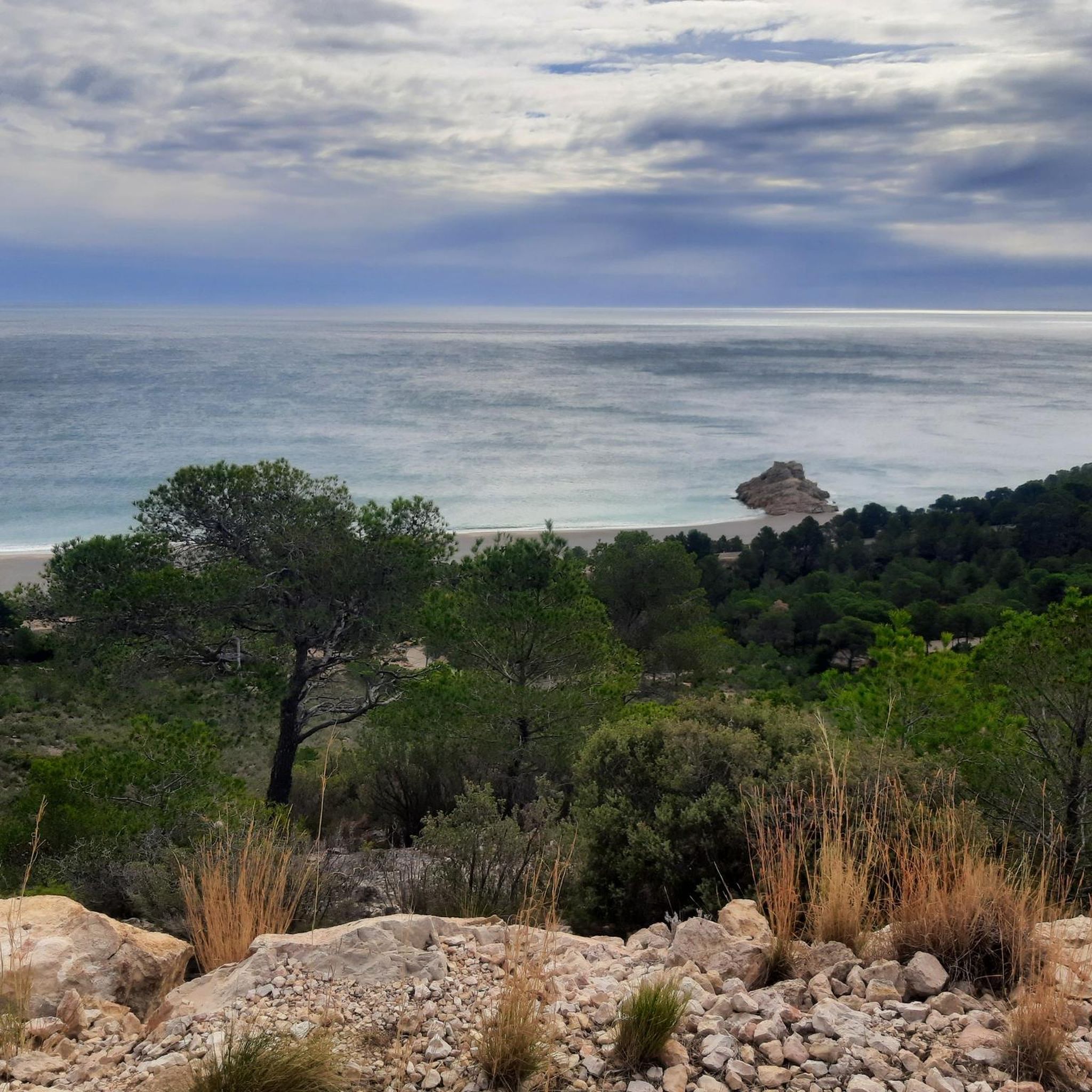
MTB Trails around Vandellòs I L'Hospitalet De L'Infant
Other adventures around Vandellòs I L'Hospitalet De L'Infant


Tips from the Community


Go better in off summer season
0
0

From up here you have a beautiful view.
0
0

Falset is the capital of Priorat. It is located in a valley surrounded by mountains and in the very center of the Siurana river basin. The town has a castle built in the 12th century. Two queens were born in it: Eleonor of Cyprus and Margarita de Prades. From 1825 and for more than a century it was used as a prison. Currently, it houses the Museum of Falset and the region.
0
0

The castle of Sant Jordi d'Alfama was built in the 13th century in order to defend the area from pirate attacks. Although it was almost completely destroyed in the 17th century, it was completely restored in the 18th century and now constitutes a beautiful historical place by the sea.
1
0

There would be three constructions that would be included under the name of Sant Jordi d'Alfama Castle, the old convent-castle, the modern fort and the optical tower, as all of them were of vital importance in coastal defense. Today we know as the castle of Sant Jordi d'Alfama the one that corresponds to the fortification built between the end of the 17th century and the 18th century according to the new fortification system of the French Marquis de Vauman, who modernized the defenses of this coast, replacing the 'old convent-castle of Sant Jordi d'Alfama that the Castilian troops shot down with cannons in 1650, during the Reapers' War, to prevent the French and Catalans from fortifying there, as the place was a place of forced passage, both by land and by sea. All that remains of the old medieval fortress-convent are fragments of the lower part of the walls and traces of others that would draw a plan adapted to the terrain. According to an inventory of 1576, it was a fortified body with a square plan (20 m side), centered by a courtyard around which were distributed the dormitory, the church and other typical dependencies of a convent (chapter, refectory... .). There was still a tower or watchtower that went up another four meters, reaching almost sixteen meters. At the end of the 17th century and the beginning of the 18th, the defense of this coastal area was rebuilt following the so-called Vauman system, the military fort of Sant Jordi d'Alfama was born, which we know today as Sant Jordi Castle. Two thick parallel walls, united frontally by another in the form of a rare arch and a fourth wall where the entrance is located, protected by two advanced wall lines, delimit a polygonal central courtyard surrounded by a lattice of towers, bulwarks and revells.
0
1
The stone tower was built during the third Carline war and was used for optical telegraphy in a very similar way to the Torre de l'Esquirol de Cambrils, making use of a system of planks that could be seen from miles away .
0
0
This emblematic peak constitutes one of the landmark silhouettes that dominate the Camp de Tarragona. From the top of La Mola you will see an extensive territory, with Ufan meadows grateful for the herds, and the remains of a communications tower, the castle of La Mola, built at the time of the Carline wars (19th century). It is part of the Serra de Llaberia EIN. Together with the Tivissa-Vandellòs mountains and the Cardó massif, they form the biological corridor that connects the large natural spaces of the Prades Mountains and the Ports. There are several trails that access its summit, with an altitude of 914 meters. In 2000, the installation of a wind farm was planned there. Fortunately, strong opposition from the people of the territory prevented it. Therefore, in this case we can say that the fight was a success.
1
1
Frequently Asked Questions
What historical significance do the castles in Vandellòs i l'Hospitalet de l'Infant hold?
The castles and fortified structures in the region, such as the Sant Jordi d'Alfama Castle, were primarily built for defense. Many, like the Castell de l'Infant, served as assistance centers for travelers and pilgrims while also acting as strongholds against Saracen incursions and pirate attacks. Ca la Torre in Vandellòs was a 16th-century defensive tower protecting against bandits and pirates.
Are there family-friendly castles to visit in the area?
Yes, several castles and historical sites are suitable for families. Sant Jordi d'Alfama Castle is listed as family-friendly and offers a beautiful historical place by the sea. The town of Falset, with its 12th-century castle now housing a museum, is also a family-friendly historical site.
What kind of outdoor activities can I combine with a castle visit?
The region offers various outdoor activities. For hiking enthusiasts, you can find routes like the 'GR 92: Platja del Torn and Punta de la Rojala Loop' or the 'Sierra de Portella - Circular from l'Hospitalet de l'Infant'. Cycling is also popular, with options such as the 'Cambrils Seafront Promenade – Cambrils Marina loop'. You can explore more options on the Hiking around Vandellòs I L'Hospitalet De L'Infant or Cycling around Vandellòs I L'Hospitalet De L'Infant guide pages.
Which castles offer the best views?
Many castles in the area provide excellent viewpoints. La Mola Castle, Colldejou, is known for its impressive views after a challenging hike. Sant Jordi d'Alfama Castle also offers scenic coastal views. Additionally, the Castellet de les Mugues Ruins, an old Iberian settlement, provides a viewpoint overlooking the landscape.
Are there any castles that are freely accessible or have visitor centers?
The Castell de l'Infant (Gothic Hospital of Coll de Balaguer) is restored and freely accessible. It houses a visitor center that educates on the building's history and its relationship with the local population, including a museum space. Its north and southwest towers are also accessible.
What is the best time of year to visit the castles in Vandellòs i l'Hospitalet de l'Infant?
Visiting during the off-season, outside of peak summer, is often recommended for a more pleasant experience, especially for coastal sites like Sant Jordi d'Alfama Castle. Spring and autumn offer milder weather, which is ideal for exploring historical sites and combining visits with outdoor activities like hiking.
Can I find information about the local history at these sites?
Absolutely. The Castell de l'Infant features a visitor center and museum space detailing its history as a hospital and defensive structure. Ca la Torre in Vandellòs hosts an exhibition on the history of Vandellòs and serves as the municipal historical archive, offering deep insights into the local past. The castle in Falset also houses the Museum of Falset and the region.
What are some unique features of the castles in this region?
The castles here often combine defensive architecture with other functions. The Castell de l'Infant, for example, was a Gothic hospital and a fortress. Many, like Sant Jordi d'Alfama Castle, were built to defend against pirate attacks, reflecting the region's coastal history. Ca la Torre is a defensive tower integrated into a stately home, showcasing adaptation over time.
Are there any challenging hikes associated with castle visits?
Yes, for those seeking a challenge, the hike to La Mola Castle, Colldejou, is described as challenging. Visitors recommend good condition and sturdy, non-slip footwear for this route, which offers great nature and views. It's not recommended for inexperienced hikers due to some difficult sections.
What do visitors appreciate most about the castles in Vandellòs i l'Hospitalet de l'Infant?
Visitors often appreciate the rich historical context and the strategic importance of these sites. The blend of coastal views with historical architecture, as seen at Sant Jordi d'Alfama Castle, is highly valued. The opportunity to explore ancient ruins and restored fortresses, and to learn about their past roles in defense and community life, is a key draw.
Are there any ruins or less-preserved castle sites to explore?
Yes, the Castellet de les Mugues Ruins offer a glimpse into an old Iberian settlement later used as a fortification against piracy. While only some walls and fallen structures remain, it provides a different perspective on the region's historical layers and offers a viewpoint after a short climb.
Most popular routes around Vandellòs I L'Hospitalet De L'Infant
Most popular attractions around Vandellòs I L'Hospitalet De L'Infant

Get inspired with the komoot mobile app


Explore more
Looking for the best castles somewhere else? Discover other guides around Vandellòs I L'Hospitalet De L'Infant:
