Top 6 Caves around Maó
Best caves around Maó are located in a region known for its rich history and diverse natural landscapes on Menorca's eastern coast. Maó serves as a key hub for exploring the island's unique geological formations, including ancient burial sites and sea caves. The area offers a blend of cultural significance and natural beauty, providing insights into past civilizations and opportunities for exploration.
Best caves around Maó
- The most popular caves is Cales Coves Necropolis, a historical site featuring more…
Last updated: October 7, 2026
Cales Coves Necropolis
Highlight • Historical Site
Translated by Google •
Tip by

Torre d'en Galmés Archaeological Site
Highlight • Historical Site
Translated by Google •
Tip by

Sign up now to discover places like this
Get recommendations on the best single tracks, peaks, & plenty of other exciting outdoor places.
Talatí de Dalt Archaeological Site
Highlight • Historical Site
Due to the location near one of the main roads with parking, it is also often busy...
Translated by Google •
Tip by

El Polvorí – Spanish Civil War Ammunition Depot Ruins
Highlight • Historical Site
Translated by Google •
Tip by
Barranc d’en Riu
Highlight • Gorge
Translated by Google •
Tip by

Sign up for free to discover even more caves around Maó.
Already have an account?
Start today with a free account
Your next adventure awaits.



Tips from the Community

Beautiful Taiolotic site, with beautiful remaining ruins, a "taialot" still present dominating the site and above all a superb "Taula", standing stone!
0
0

A group of buildings used to store ammunition during the Civil War. They are cavities dug into the rock, which still retain traces of their original function.
0
0

It is one of the most impressive prehistoric sites in Menorca, notable for its monumental table, one of the best preserved on the island, with an inclined slab resting on the central monolith. It dates from the Talayotic period (1000 BC) and has talayots, caves carved into the rock, houses, cyclopean walls and a ceremonial enclosure. Accessible by mountain bike or gravel, it is ideal for a cycle tour combined with other nearby sites such as Torre d'en Galmés or Naveta des Tudons. An essential place to discover the Talayotic history of Menorca. 🚴♂️
0
0
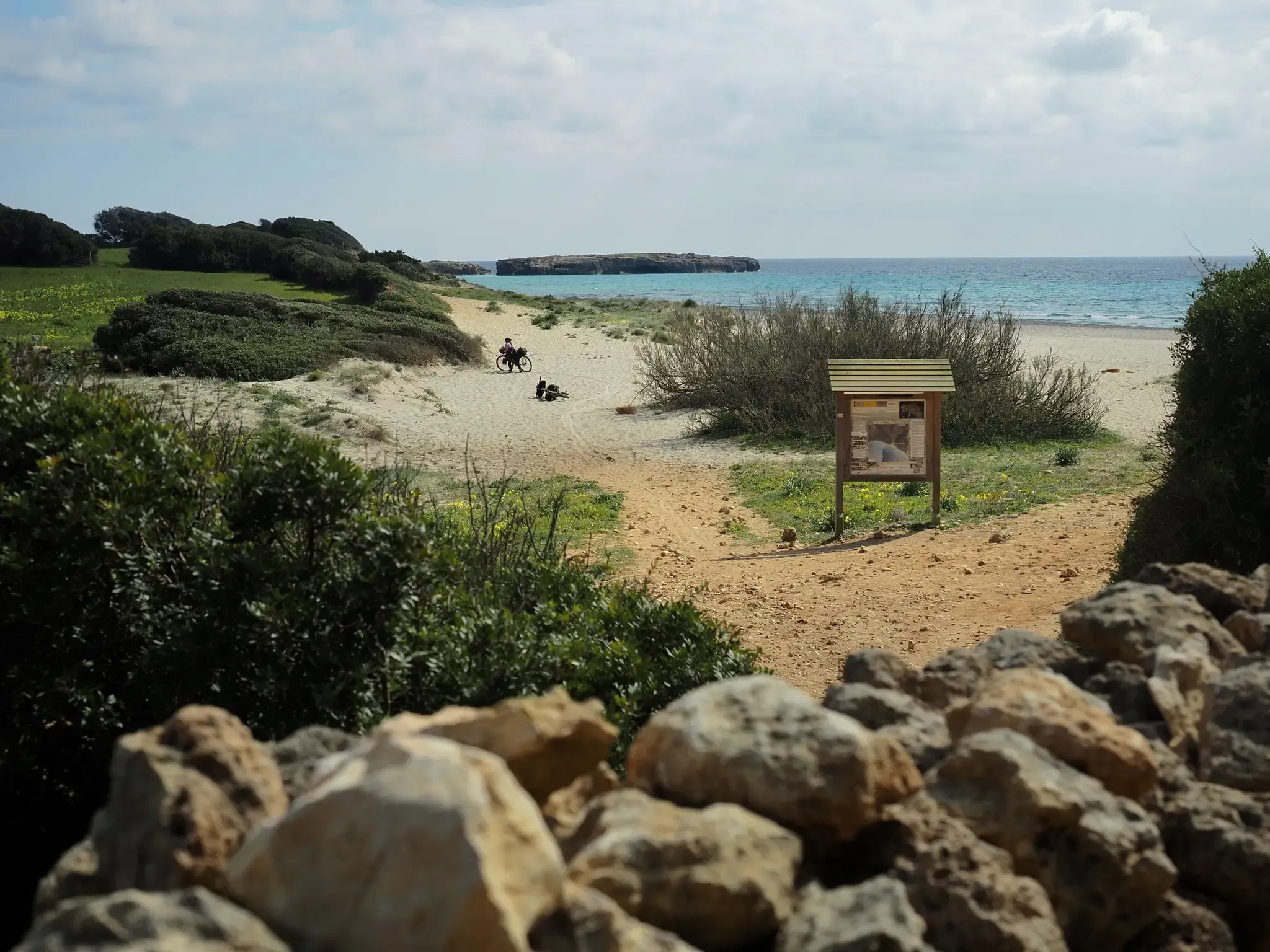
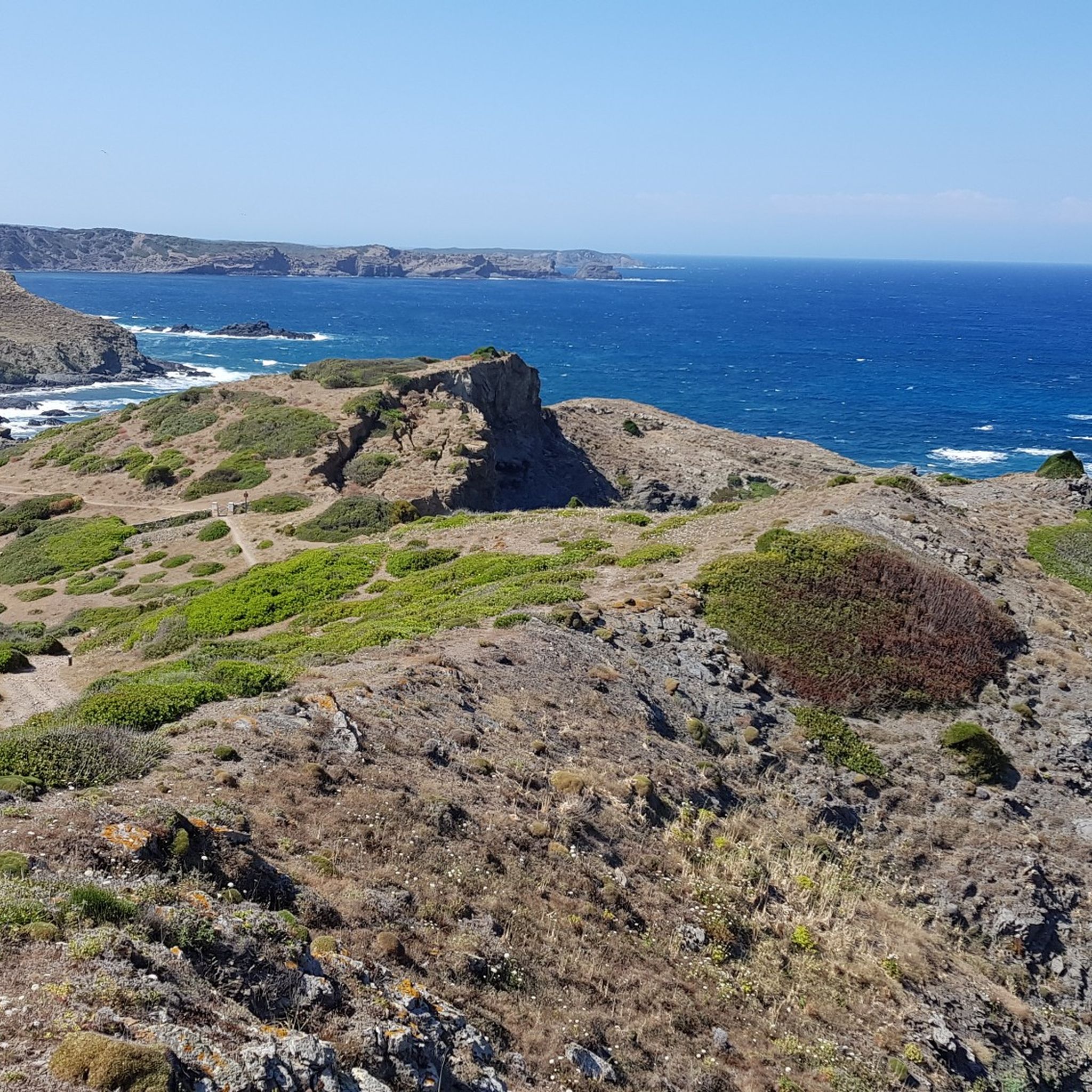
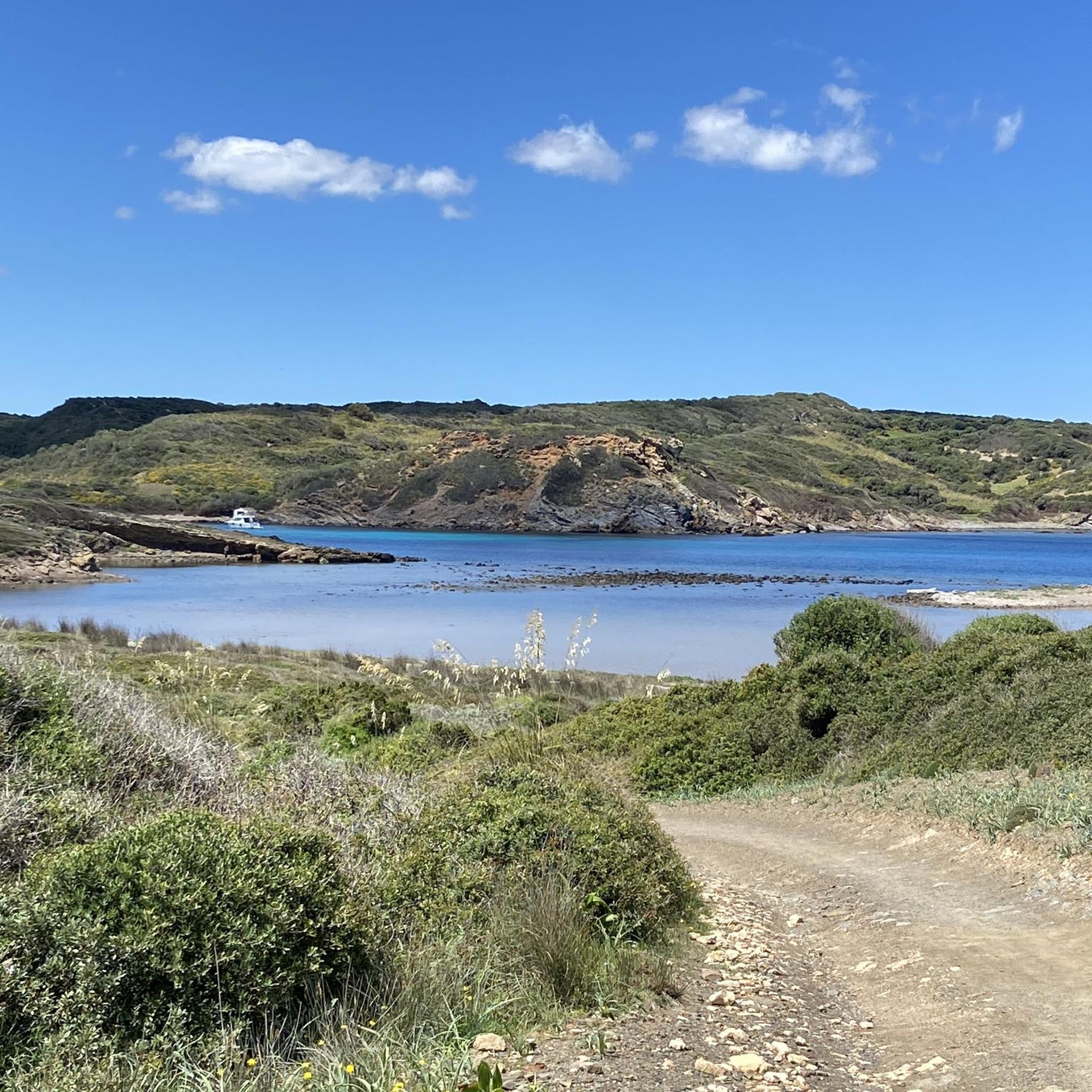
In the ravine and its surroundings there are remains from the Talayotic period, with caves that were used as necropolises, especially in the nearby area of Calescoves, where there are more than 90 burial caves dug into the rock. It is believed that this ravine was a communication route between the interior of the island and the coast, used by the ancient Menorcan communities.
1
0
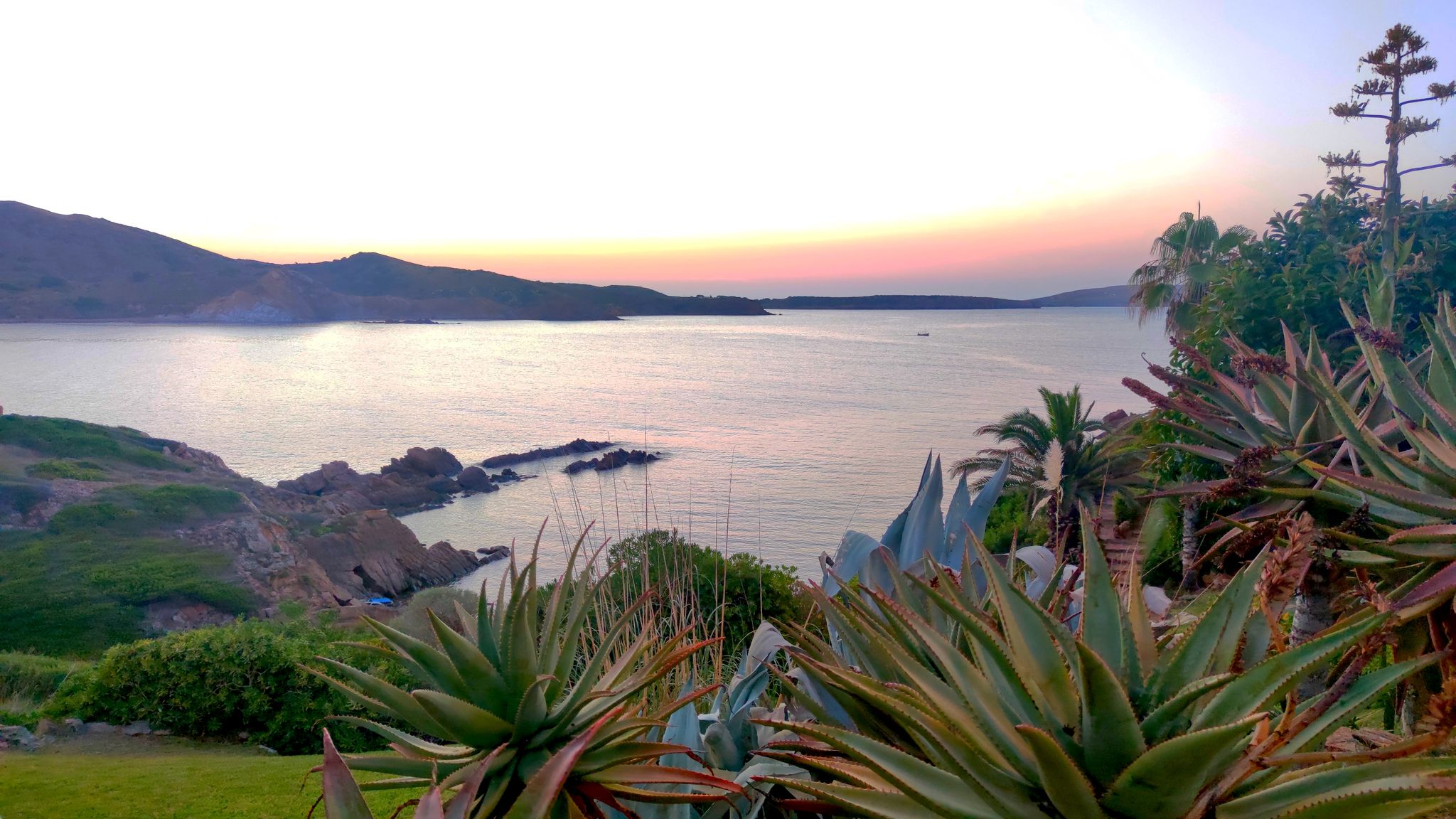
Near the ravine, on the cliffs of Cala en Porter, is the famous Cova d’en Xoroi, a cave with one of the most popular legends of Menorca. According to the story, a mysterious castaway or pirate called Xoroi found refuge in this cave and lived there for years with a Menorcan woman who had been kidnapped. Over time, they had children and lived in hiding until they were discovered. When they were pursued, Xoroi and one of his children jumped into the sea from the cliffs and were never heard from again.
1
0
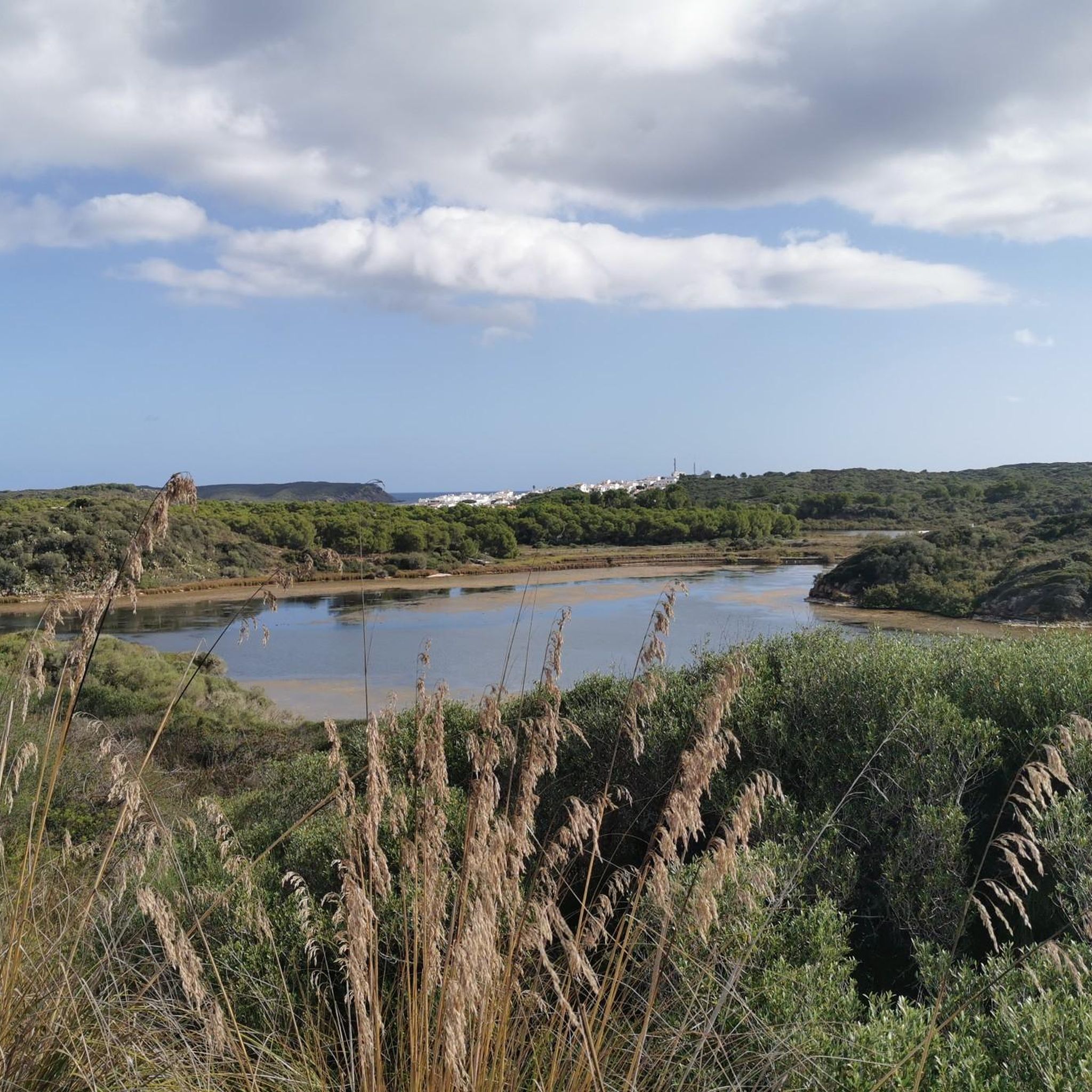
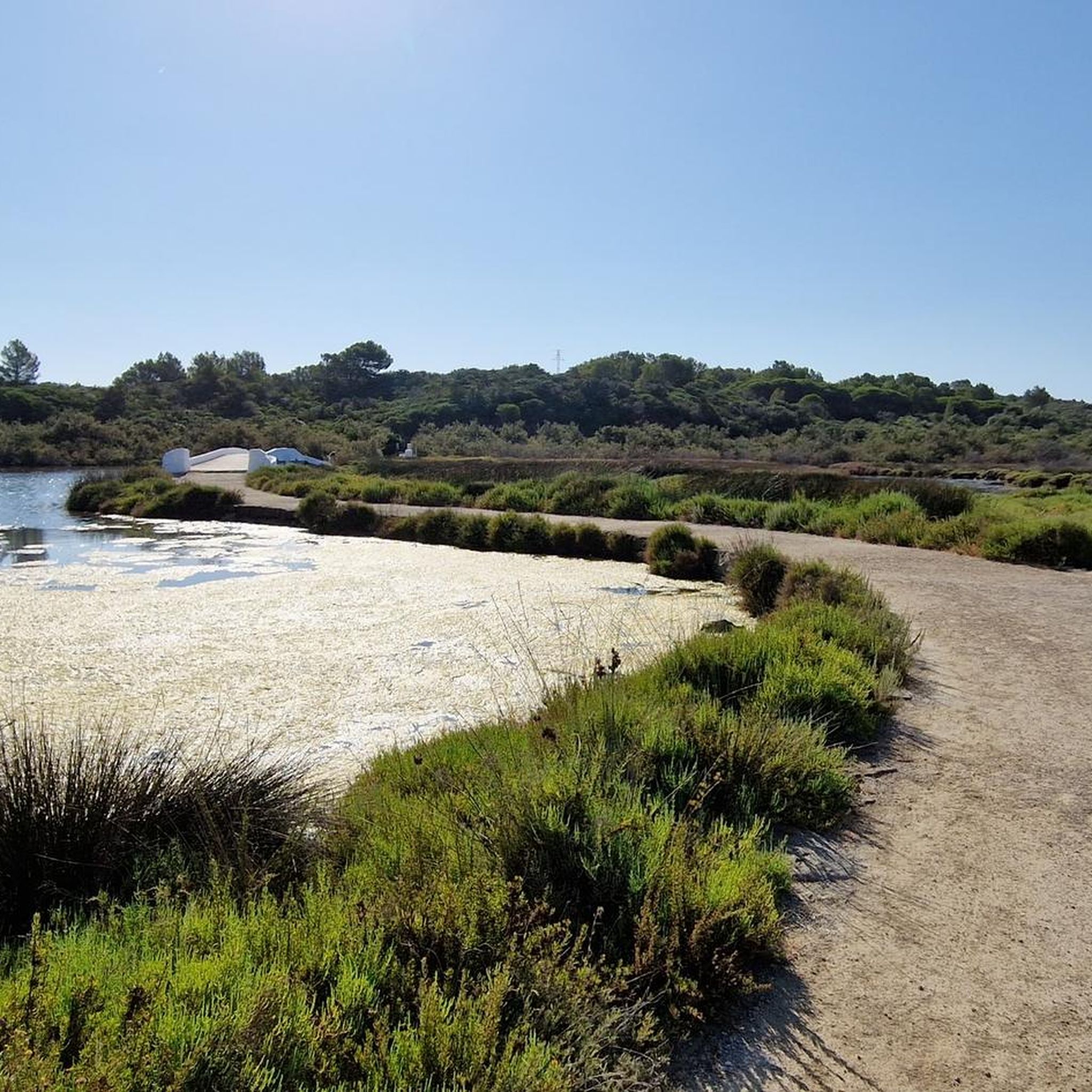
This is a spectacular route for cycling tourism in Menorca, combining nature, history and trails with impressive views. It is a wetland with great biodiversity, rock formations and prehistoric caves. You can cycle along rural roads and trails that connect with the Camí de Cavalls (Stage 17), linking Cala en Porter with Calescoves and Son Bou. Some sections have rocky terrain and slopes, so it is advisable to use a mountain bike or gravel bike. During the route you will cross landscapes of ravines, fields and coast, making it an ideal route for those looking for a varied cycling experience in Menorcan nature.
3
0

This place was used to store ammunition during the Spanish Civil War. Now, it is a historical place that remembers that time. It is a place that makes you think of the past of the war. Its name comes from this: "powder magazine" refers to a place where gunpowder and other explosives are stored. It is built in a strategic place, since it allowed to store materials in a safe and protected way.
0
0

The Powder Magazine, as its name suggests, were tunnels where gunpowder and military equipment from the Spanish Civil War were stored. There were also small houses where the guards of these tunnels lived, and they watched over anyone who wanted to enter the area. There are several stories and anecdotes about the powder magazine that people from that time tell and explain to preserve the history of the place.
0
0
Frequently Asked Questions
What types of caves can I explore around Maó?
The Maó area offers a diverse range of caves, from ancient burial sites to natural sea-carved formations. You can find extensive prehistoric necropolises like Cales Coves Necropolis, caves integrated into archaeological sites such as Talatí de Dalt Archaeological Site, and even old military tunnels like El Polvorí – Spanish Civil War Ammunition Depot Ruins. Menorca also features impressive sea caves accessible by boat or kayak, and large natural caves like Cova des Coloms, known as 'La Catedral'.
Are there family-friendly caves to visit near Maó?
Yes, several caves and archaeological sites are suitable for families. Talatí de Dalt Archaeological Site is noted as family-friendly and features accessible caves where a flashlight can enhance the experience. The Cova de s'Aigua in Cala Blanca is also developed with accessibility in mind, including an elevator system, making it suitable for a wider range of visitors.
What historical and cultural sites are integrated with caves in the Maó region?
The Maó area is rich in historical cave sites. The most prominent is Cales Coves Necropolis, featuring over 90 hand-dug burial caves from the Talayotic period, some with Roman inscriptions. Torre d'en Galmés Archaeological Site and Talatí de Dalt Archaeological Site also incorporate caves within their extensive Talayotic settlements. Additionally, El Polvorí – Spanish Civil War Ammunition Depot Ruins offers a glimpse into more recent history through its old mining tunnels.
What natural features can I expect to see in and around the caves?
Beyond the caves themselves, the surrounding areas boast significant natural beauty. For instance, Barranc d’en Riu is a gorge featuring wetlands, diverse biodiversity, and unique rock formations, alongside prehistoric caves. Many sea caves, like Cova d'en Xoroi, offer stunning panoramic sea views and are carved into cliffs. Cova de s'Aigua is known for its beautiful interior lake with crystal-clear brackish waters.
What is the best time of year to visit the caves around Maó?
The best time to visit the caves around Maó is generally during the spring (April-May) and autumn (September-October) months. During these periods, the weather is pleasant for exploration, avoiding the intense heat of summer and the cooler, potentially wetter conditions of winter. This also allows for more comfortable hiking to sites like Cales Coves Necropolis.
Are there any accessible caves for visitors with mobility challenges?
Yes, the Cova de s'Aigua in Cala Blanca (near Ciutadella, but relevant to the region) has been developed with accessibility in mind, featuring an elevator system for visitors with disabilities. For other sites, it's advisable to check specific access details as terrain can vary.
What outdoor activities can I do near these caves?
The region around Maó offers various outdoor activities. You can find numerous cycling routes, including touring and road cycling options, with guides like Cycling around Maó and Road Cycling Routes around Maó. Hiking is also popular, with trails near natural areas and archaeological sites, as detailed in the Hiking around Maó guide. Many sea caves are also accessible by kayak or boat, offering opportunities for snorkeling and exploring marine life.
Are there hiking trails that lead to or pass by caves?
Yes, several hiking trails in the Maó area incorporate caves or lead to cave sites. For example, the area around Cales Coves Necropolis is described as uniquely beautiful for hiking. The Barranc d’en Riu also offers trails that combine nature, history, and prehistoric caves. For more hiking options, consult the Hiking around Maó guide.
What should I wear or bring when exploring caves in Maó?
When exploring caves, especially those that are less developed, it's advisable to wear comfortable, sturdy shoes with good grip. For sites like Talatí de Dalt Archaeological Site, bringing a flashlight is recommended to properly see inside the accessible caves. Layers of clothing can be useful as cave temperatures can be cooler than outside, even in summer.
What do visitors enjoy most about the caves around Maó?
Visitors frequently appreciate the blend of natural beauty and historical significance. The unique experience of exploring ancient burial caves at Cales Coves Necropolis, the extensive archaeological complexes like Torre d'en Galmés Archaeological Site, and the stunning sea views from cliffside caves like Cova d'en Xoroi are often highlighted. The opportunity to connect with Menorca's rich past and diverse landscapes is a major draw.
Are there any hidden or lesser-known caves worth discovering?
While some caves are well-known, Menorca has many smaller, intriguing formations. Cova Polida, for instance, is a smaller cave known for its stalactites and stalagmites, and its history as a marble quarry. Sa Cova des Pardals, or the 'Cave of Sparrows,' near Ciutadella, is another beautiful spot with historical significance as a refuge for fishermen and smugglers, offering magnificent views.
Most popular attractions around Maó

Get inspired with the komoot mobile app


Explore more
Extend your search for the best caves by checking out these guides of the top ones around Maó:
