Top 5 Caves around Llucmajor
Caves around Llucmajor offer insights into the natural and historical landscape of this municipality in Mallorca. Llucmajor is characterized by its coastal areas and inland plains, with significant geological formations. While the region hosts the Cova des Pas de Vallgornera, the longest cave in the Balearic Islands, access to this scientific site is highly restricted to the public. Visitors can explore other notable cave formations and grottoes that are more accessible.
Best caves around Llucmajor
- The most popular caves is…
Last updated: August 14, 2026
Cave of Ramon Llull
Highlight • Cave
Translated by Google •
Tip by

Cova de Lourdes
Highlight • Cave
When in 1920 the village priest set up a statue of the Virgin Mary …
Showing Translation
Tip by
Sign up now to discover places like this
Get recommendations on the best single tracks, peaks, & plenty of other exciting outdoor places.
Sign up for free
Sa Cova des Metges Mames and Watchtower
Highlight • Cave
Translated by Google •
Tip by

Swimming Spot at the Cliffs
Highlight • Beach
Translated by Google •
Tip by
Start today with a free account
Your next adventure awaits.
Login or Signup


Tips from the Community

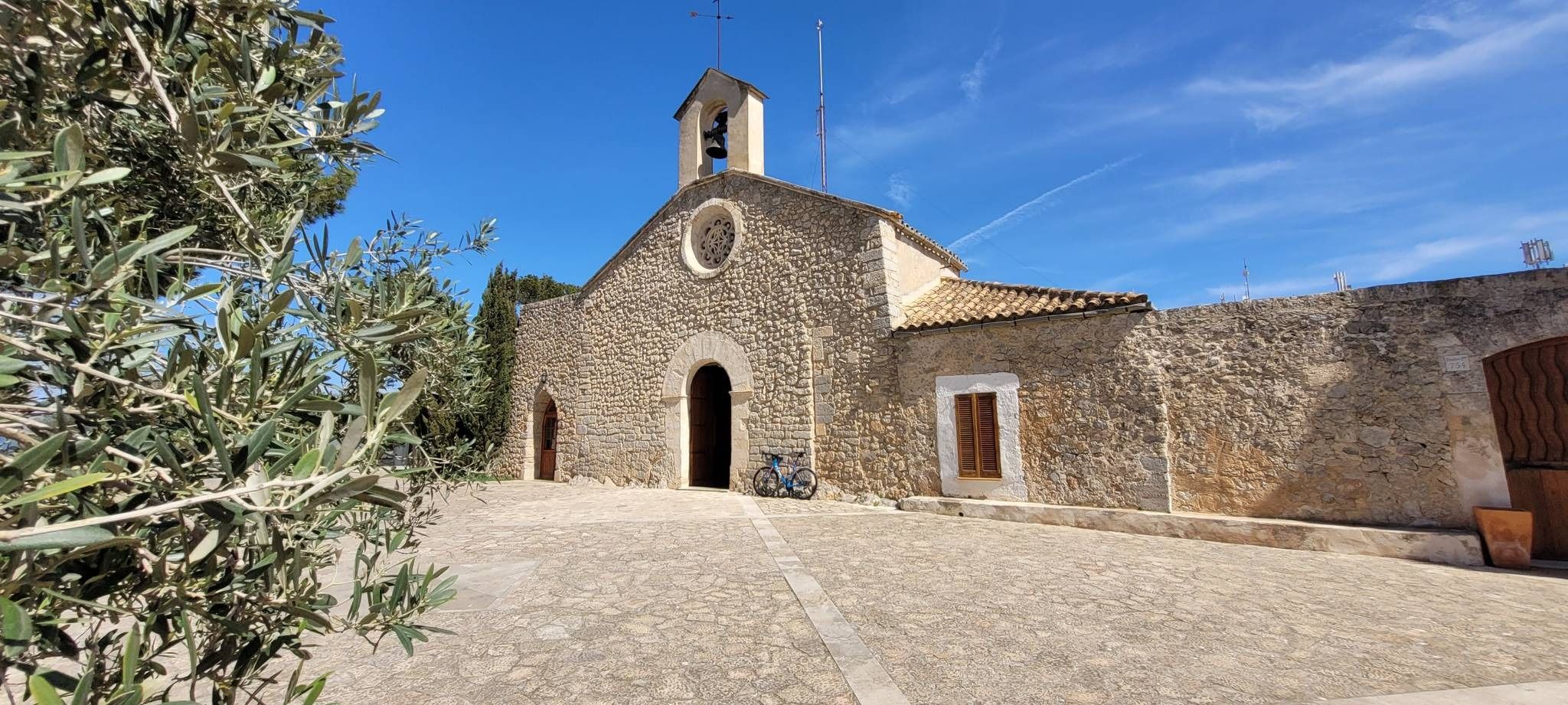
Originally, the grotto was called Cova des Coloms because of the wild pigeons that lived here. When in 1920 the village priest set up a statue of the Virgin Mary here, modeled after the famous Lourdes Grotto, more and more people came to this place to ask the holy virgin for healing. This does not seem to have been without effect, as those who were healed left thank-you notes in the rock niches and laid flowers in front of the statue. In 1942, Saint Bernadette, who already knew Mary from before, also moved in here.
4
0

The cave known as Sa Cova des Metges Mames is located below the tower. With a little climbing you can enter it through a hole.
2
1

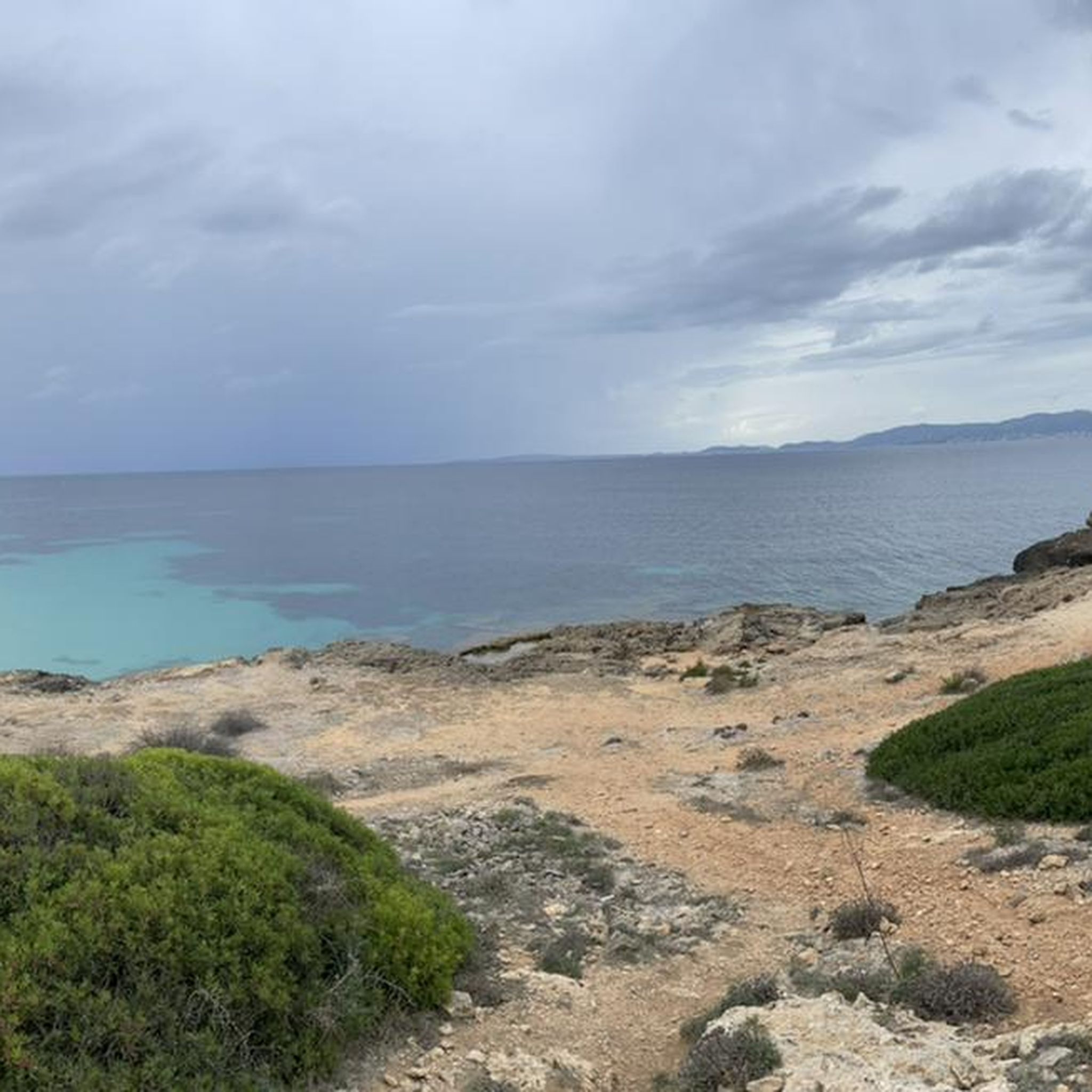
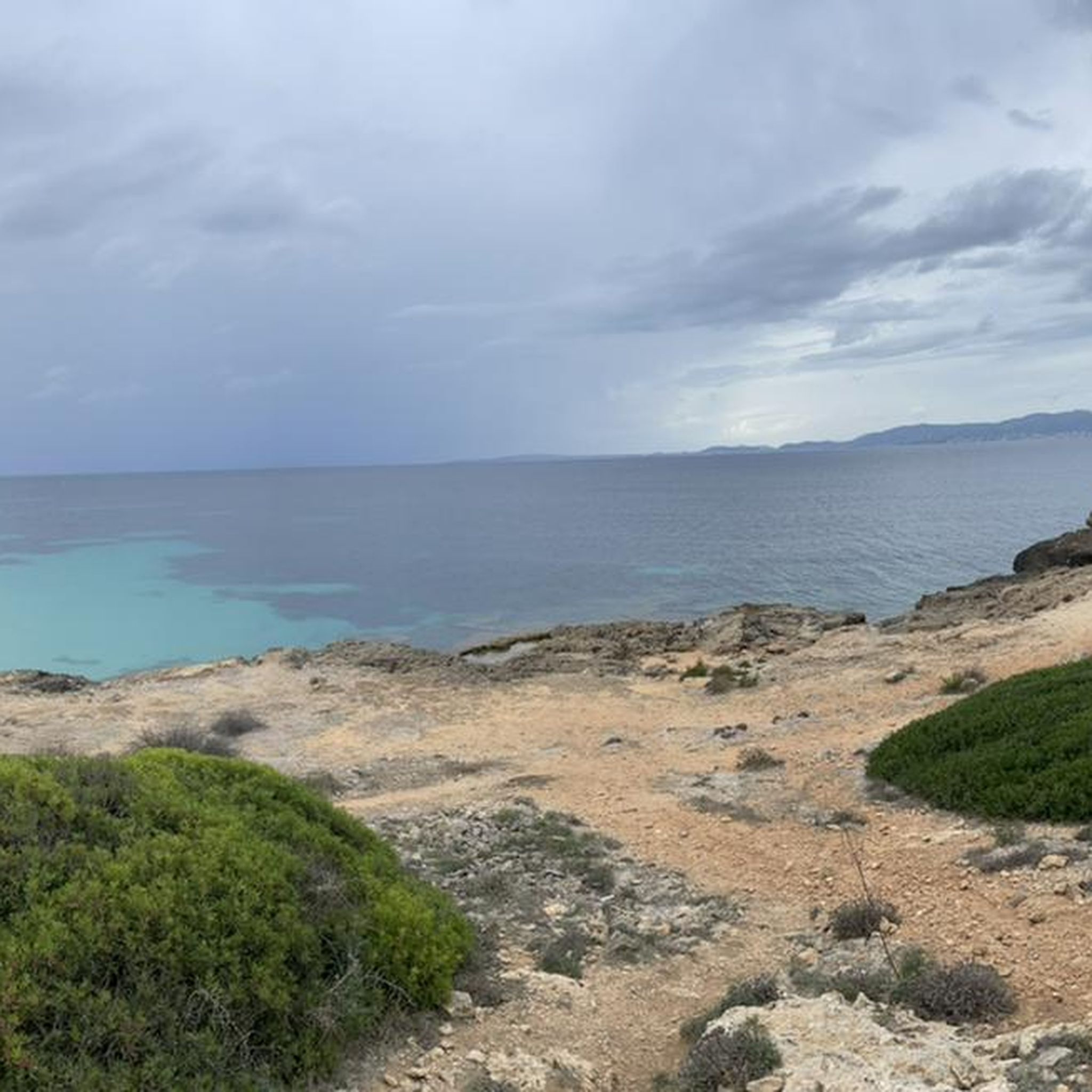
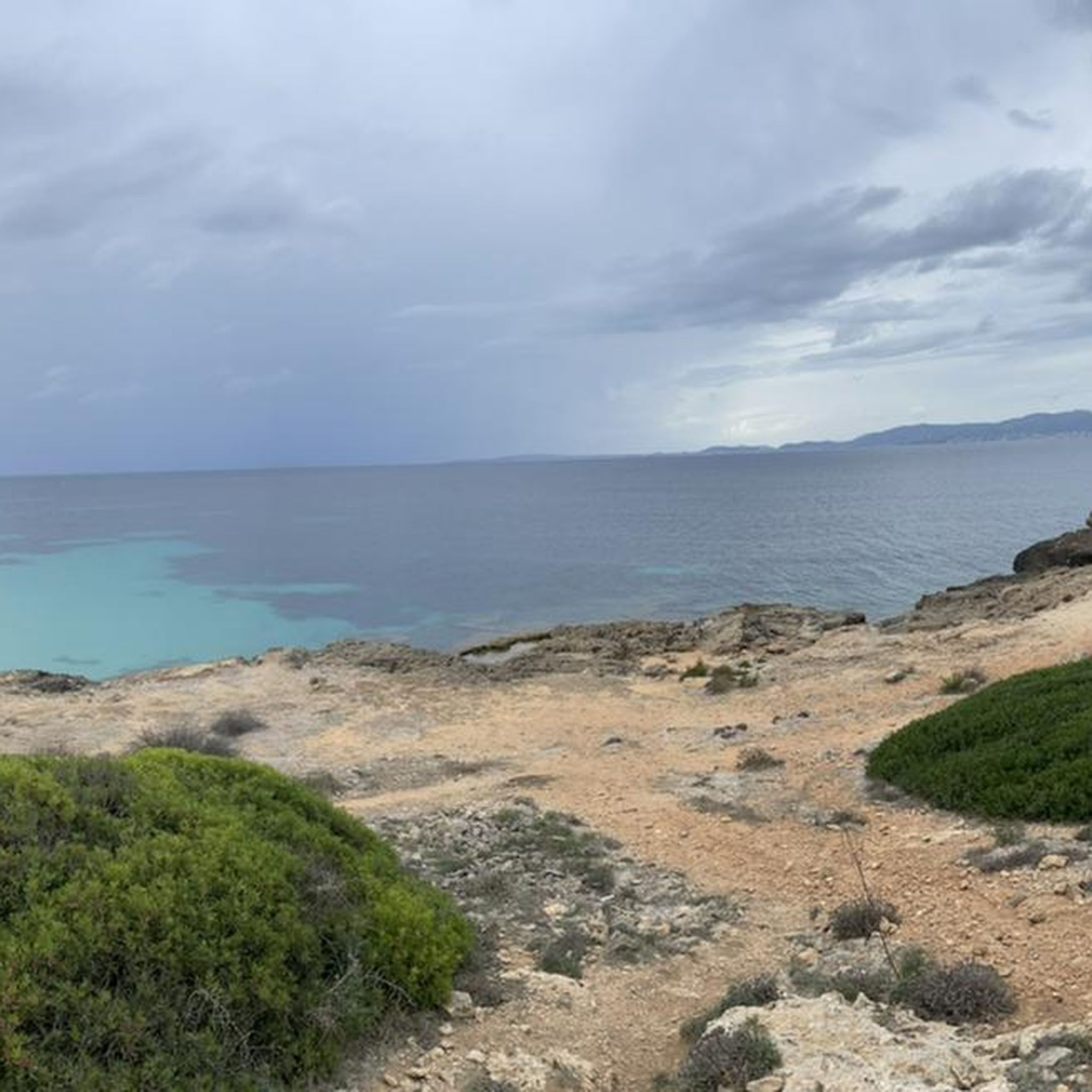
With a small but harmless climb you get down to the fantastic water, in the bay there is also a cave.
2
2
Just off the official hiking trail on the coast you will find this beautiful bay where you can swim excellently!
3
0

The Cova de Ramon Llull is still not accessible.
3
0

Still (or again) inaccessible. But you can catch a glimpse through the gate.
1
0
One of the most famous personalities of Mallorca was Ramon Llull. He was the son of a Catalan knight who had fought under Jaume I for the conquest of the Balearic Islands. He was born in Palma (at today's Plaça Major), grew up at the court and became Jaume II's tutor. When he was around 30 years old, he retired to a cave on Mount Randa to meditate. Here he is said to have had a vision in which he saw the crucified Jesus next to him and a mission was revealed to him here: to write a book that should refute all false convictions of the unbelievers. The cave is currently (as of 10.2019) not accessible.
8
0
Frequently Asked Questions
Which caves in Llucmajor are accessible to the public?
While some of the most extensive caves like Cova des Pas de Vallgornera and Cova de sa Guitarreta are restricted for scientific study, visitors can explore others. Notable accessible sites include Sa Cova des Metges Mames and Watchtower, which involves some climbing to enter, and Cova de Lourdes, a religious grotto. The caves around Cala Pi, including the natural Cova dels Ossos and a prehistoric burial cave, are also generally accessible as part of coastal hikes.
Are there any historical caves to visit in Llucmajor?
Yes, Llucmajor has several caves with historical significance. The Cave of Ramon Llull is known as the meditation site of a famous Mallorcan personality, though it is currently not accessible. Near Cala Pi, you can find a Megalithic Cave, an artificial prehistoric burial site carved into the rock, offering insights into ancient practices. Cova de Lourdes also has a rich local history as a place of pilgrimage.
What natural features can I expect to see in Llucmajor's caves?
The caves in Llucmajor offer diverse natural features. While the restricted Cova des Pas de Vallgornera is known for its extensive speleothems and complex geological formations, more accessible coastal caves like Sa Cova des Metges Mames are formed by erosion and are often found near beautiful bays. The Cova dels Ossos near Cala Pi is another natural cave formed by coastal processes.
Are there family-friendly caves or activities near Llucmajor?
For families, Cova de Lourdes is easily accessible and offers a unique cultural experience. The natural caves around Cala Pi, such as the Cova dels Ossos, can be explored as part of a scenic coastal hike, which can be enjoyable for families with older children. Always assess the difficulty and safety for your family before embarking on any exploration.
What outdoor activities can I do near the caves in Llucmajor?
The Llucmajor area offers a variety of outdoor activities. You can find numerous cycling routes, including options for touring bicycles and mountain biking. There are also many running trails, some of which offer coastal views. For more details on routes, you can explore the Cycling around Llucmajor, MTB Trails around Llucmajor, and Running Trails around Llucmajor guides.
What is the best time to visit the caves and surrounding areas in Llucmajor?
The best time to visit Llucmajor and its caves is generally during the spring (April-May) and autumn (September-October) months. The weather is pleasant for outdoor activities like hiking to coastal caves, and the temperatures are comfortable for exploring. Summer can be very hot, making longer hikes less enjoyable, while winter can be cooler and wetter.
What should I wear when exploring caves in Llucmajor?
When visiting caves, especially those that require some climbing or are part of a hike, it's advisable to wear sturdy, closed-toe shoes with good grip. Comfortable clothing suitable for walking and potentially getting a little dirty is also recommended. For darker cave sections, a headlamp or flashlight can be very useful.
Are there any caves in Llucmajor that require permits or special authorization?
Yes, the scientifically significant Cova des Pas de Vallgornera and Cova de sa Guitarreta are strictly protected. Access to these caves is restricted to expert geologists and speleologists and requires prior authorization from the Ministry of Environment and Territory. They are not open for general tourist visits.
Where can I find parking when visiting caves in Llucmajor?
For caves located near popular coastal areas like Cala Pi, you will typically find designated parking areas within the village or near the beach. For other, more remote cave entrances, parking might be less formal and require parking along roadsides or at trailheads. Always check local signage for parking regulations.
What do visitors enjoy most about the caves in Llucmajor?
Visitors appreciate the blend of natural beauty and historical intrigue offered by Llucmajor's caves. The scenic coastal locations, like the bay near Sa Cova des Metges Mames and Watchtower, are highly rated for their views and opportunities for swimming. The unique spiritual atmosphere of Cova de Lourdes also leaves a lasting impression on many.
Are there any viewpoints near the caves in Llucmajor?
Many of the caves in Llucmajor are located along the coast, offering stunning viewpoints. For example, Sa Cova des Metges Mames and Watchtower is situated below a watchtower with excellent coastal views. The area around Cala Pi, where several caves are found, is also known for its picturesque cliffs and panoramic sea vistas.
Most popular routes around Llucmajor
Most popular attractions around Llucmajor

Get inspired with the komoot mobile app


Explore more
Extend your search for the best caves by checking out these guides of the top ones around Llucmajor:
