Top 11 Caves around Cangas De Onís
Best caves around Cangas De Onís are found in a historic town in Asturias, Spain, known for its diverse underground landscapes. The region features a blend of sacred sanctuaries, prehistoric art sites, and unique geological formations. These caves offer insights into historical, cultural, and natural aspects of the area. Cangas De Onís is situated within the Picos de Europa mountains, providing a distinctive setting for these natural and man-made wonders.
Best caves around Cangas De Onís
- The most popular caves…
Last updated: May 7, 2026
Covadonga Sanctuary
Highlight • Religious Site
Translated by Google •
Tip by

Holy Cave of Covadonga
Highlight • Cave
Translated by Google •
Tip by
Sign up now to discover places like this
Get recommendations on the best single tracks, peaks, & plenty of other exciting outdoor places.
Sign up for free
Buferrera Mine
Highlight • Structure
Translated by Google •
Tip by

La Cuevona of Cuevas del Agua
Highlight • Cave
Translated by Google •
Tip by
Cuevas del Mar Beach
Highlight • Beach
Translated by Google •
Tip by

Sign up for free to discover even more caves around Cangas De Onís.
Sign up for free
Already have an account?
Start today with a free account
Your next adventure awaits.
Login or Signup
Popular around Cangas De Onís
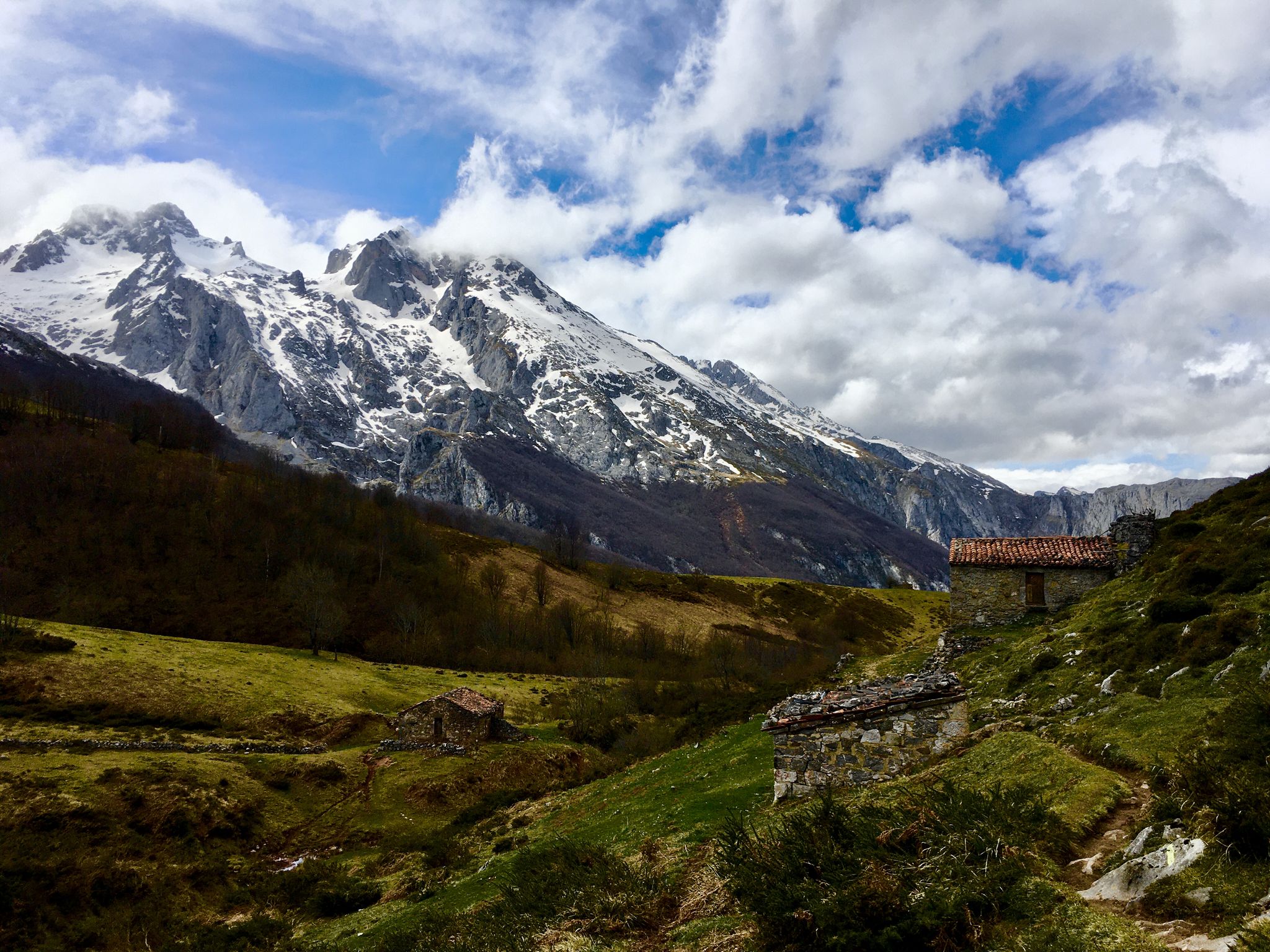
Route of the Reconquest (GR 202) – In the footsteps of an army
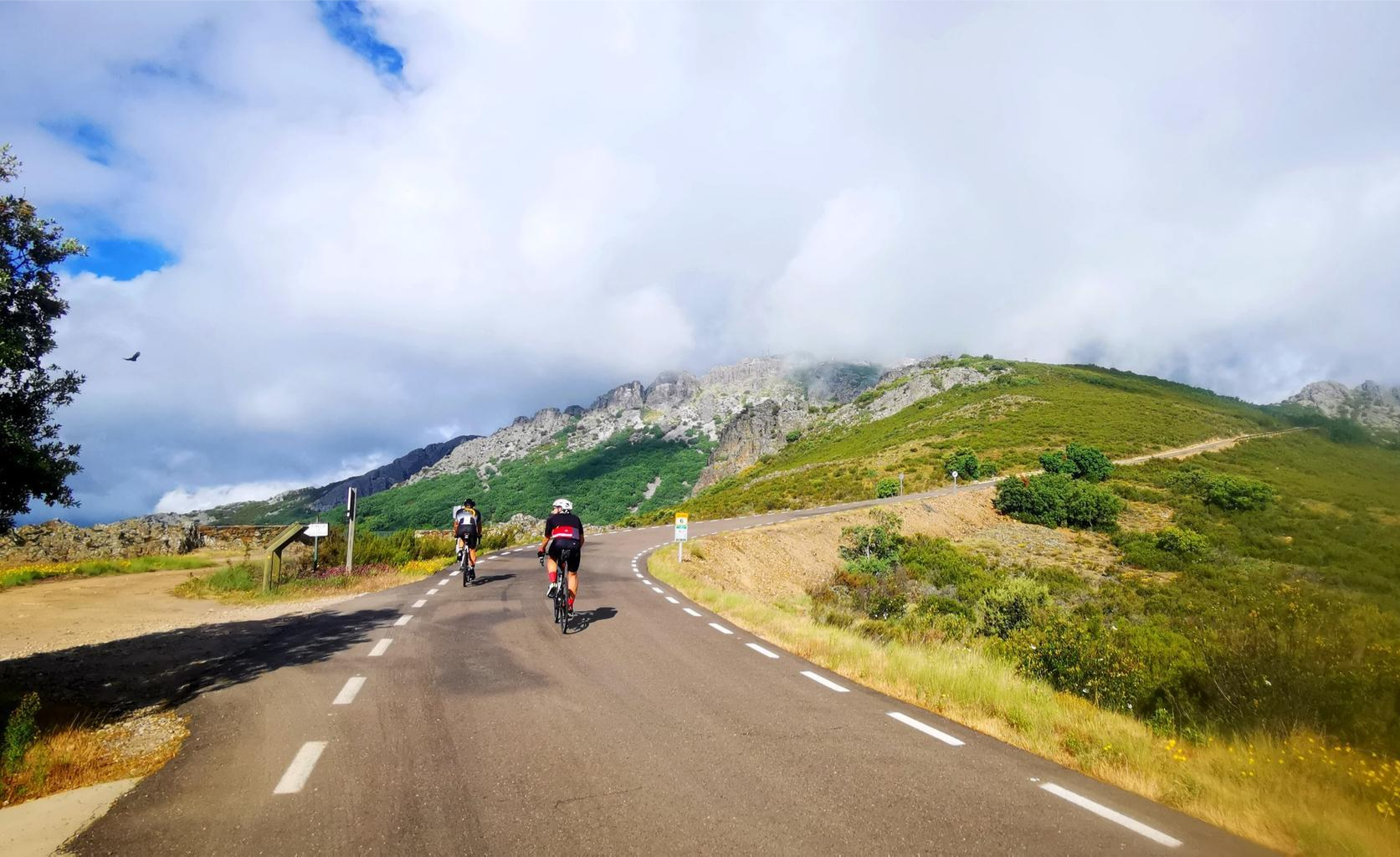
Legendary climbs - Ports of La Vuelta a España
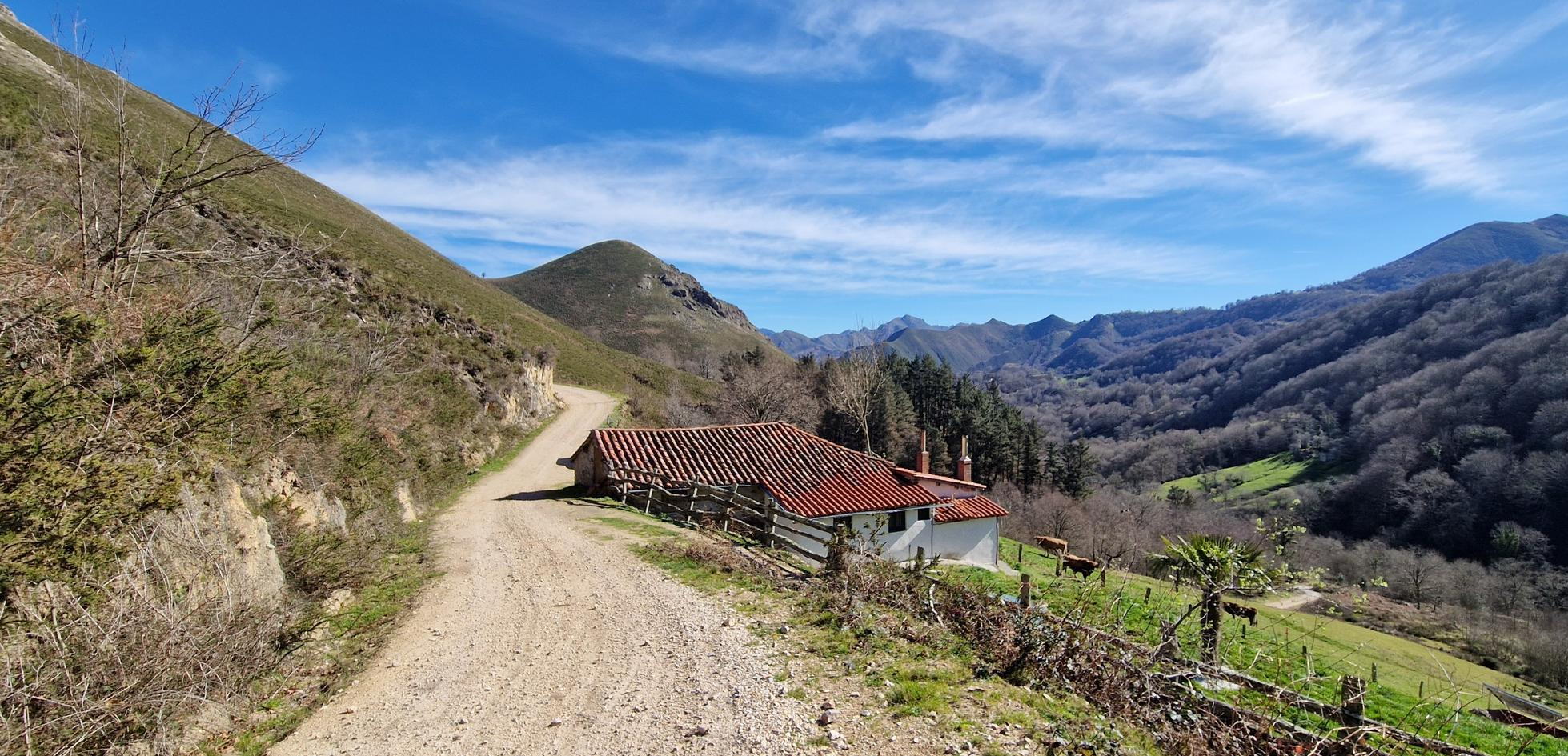
Unknown Paths of Asturias — GR Pilgrimage Route (105)
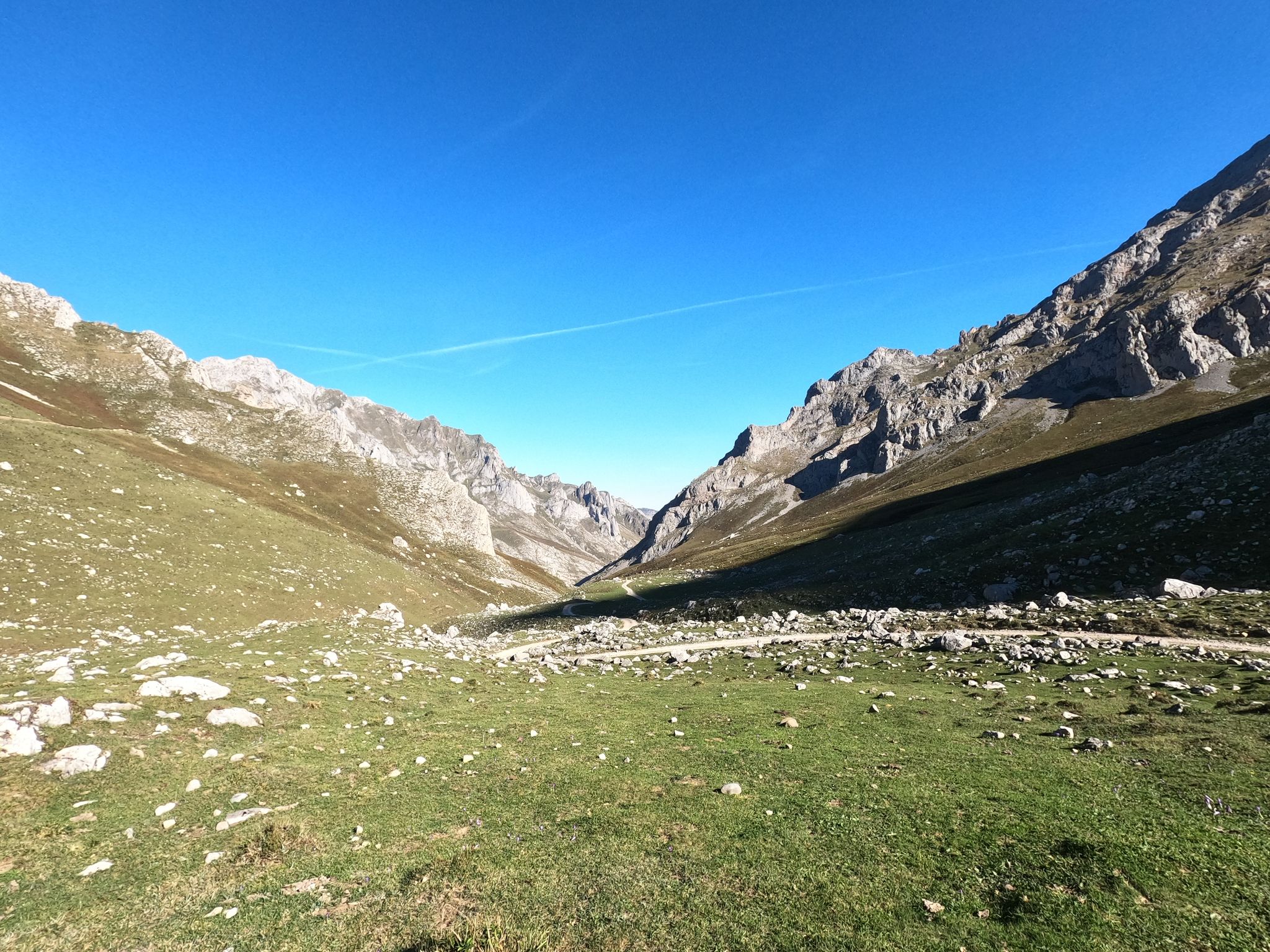
From statue to statue – Reconquista Challenge
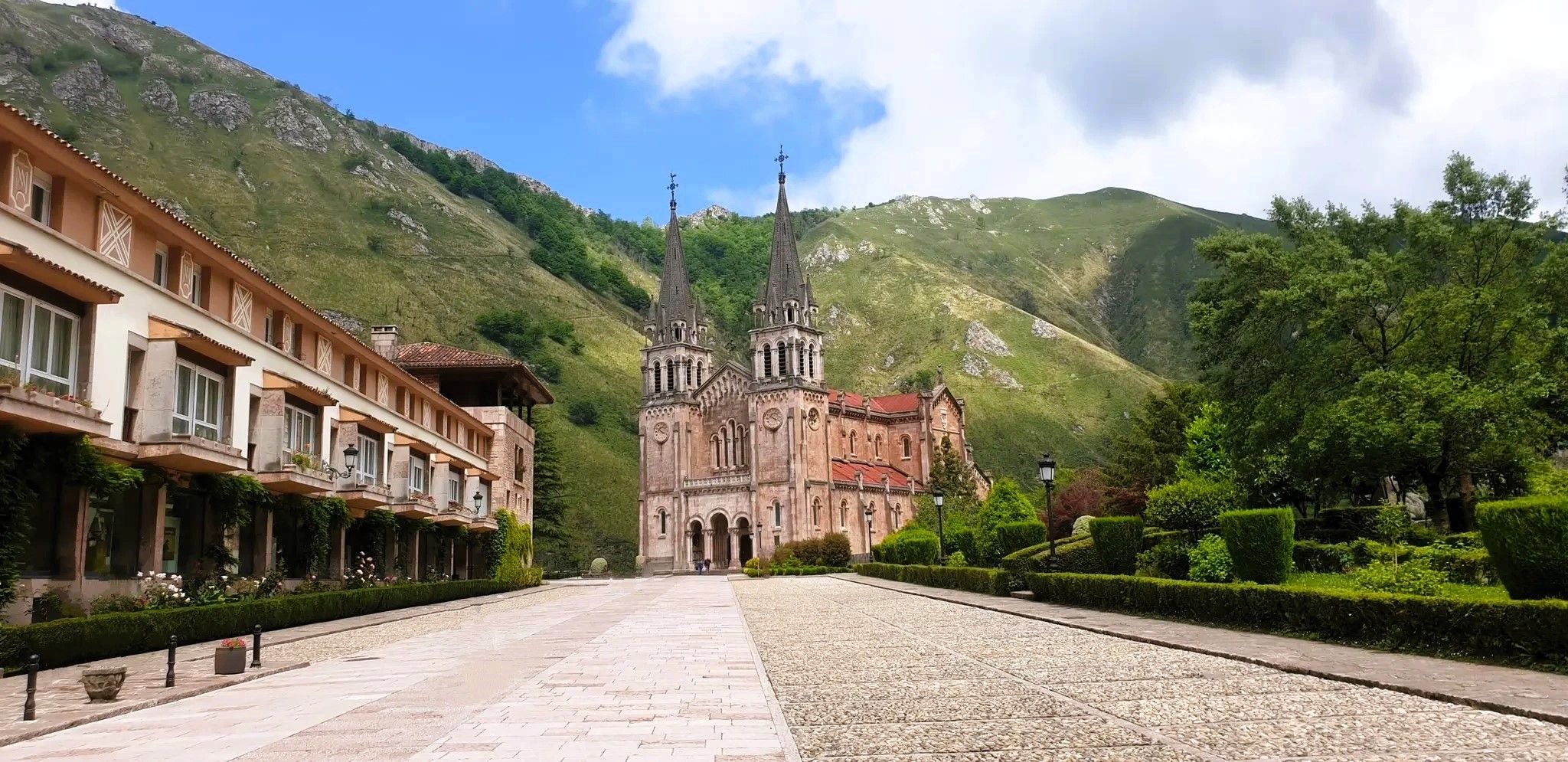
The other side of Asturias in Spain – Travesía Andariega (GR 108)
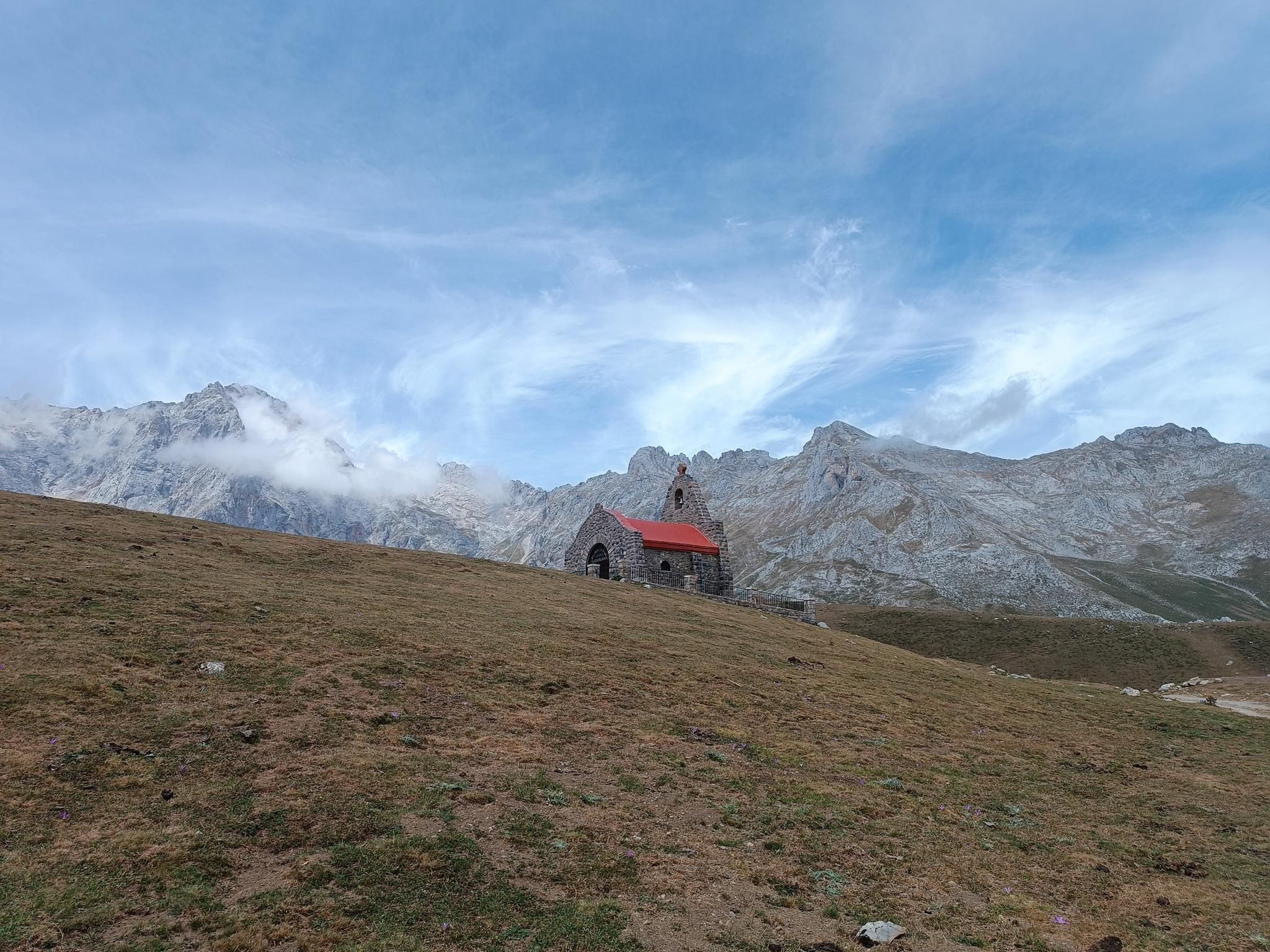
A pilgrimage to the peaks – Camino de los Santuarios
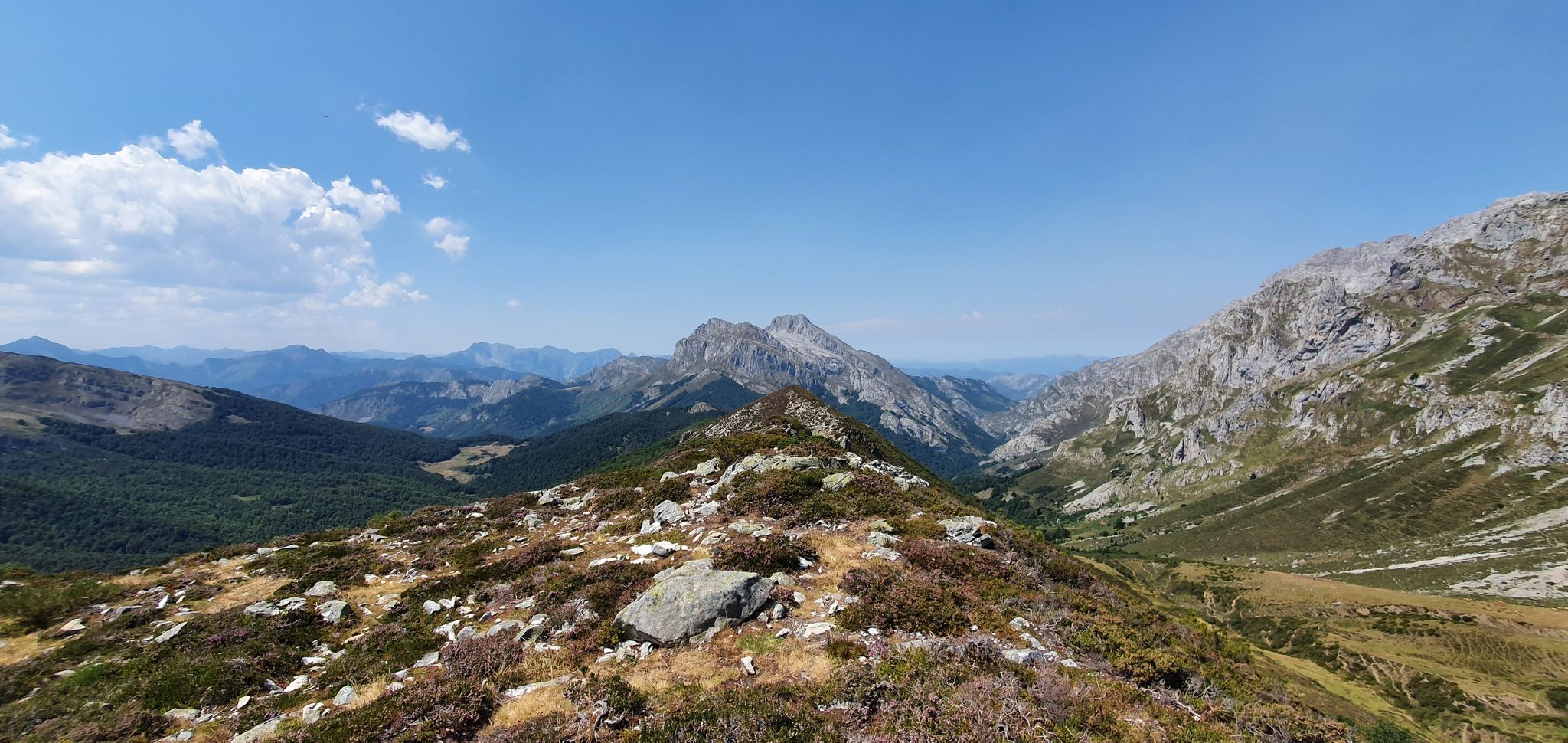
Four days hiking in Spain’s Picos de Europa – Anillo Vindio
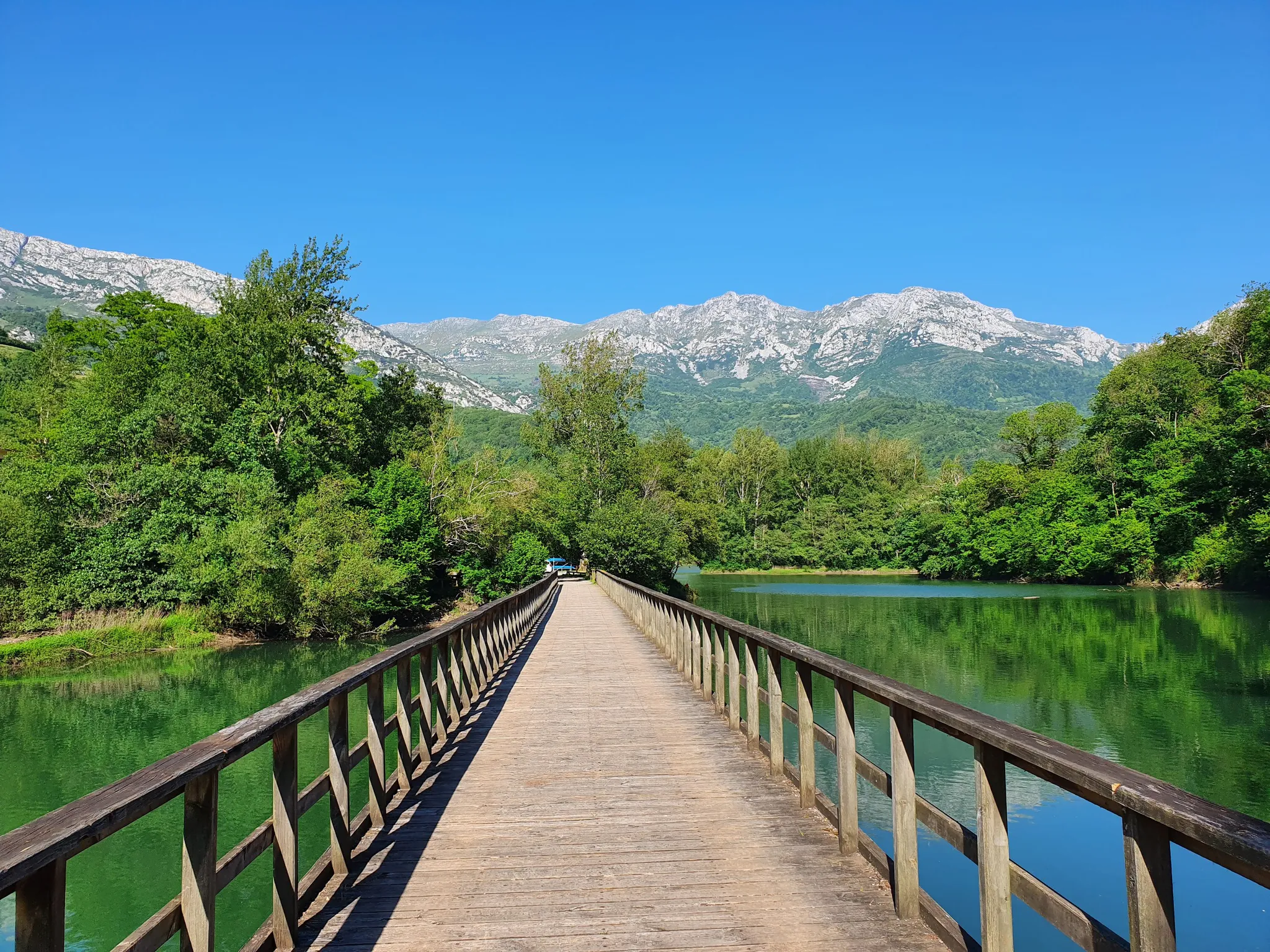
The secrets of the Cantabrian Mountains – GR 109 Asturias Interior
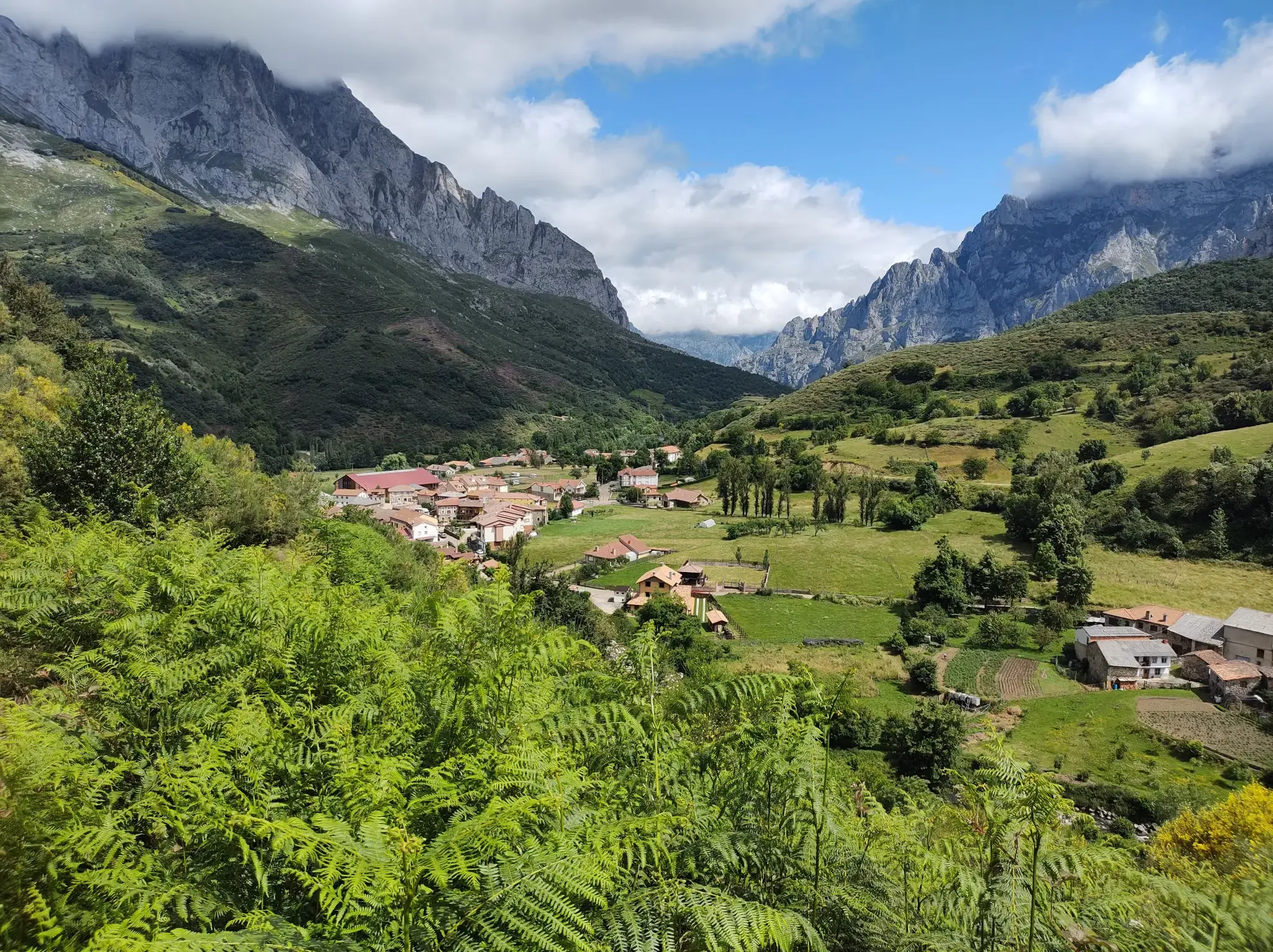
Hike Spain’s Picos de Europa – Ring of Peaks, Three Massifs
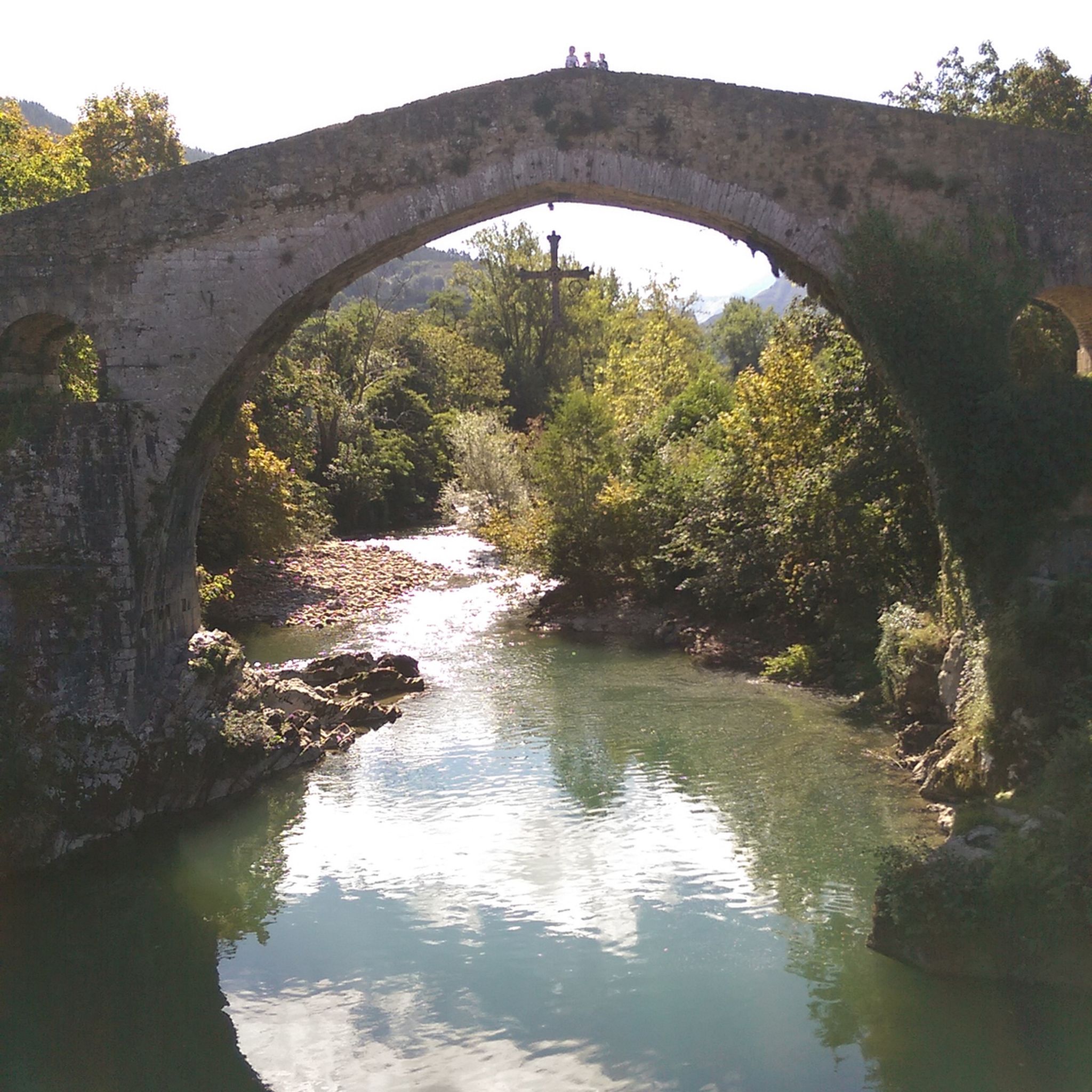
Hiking around Cangas De Onís
Other adventures around Cangas De Onís


Tips from the Community


Spectacular and wild, ideal for romance
0
0

Please take plenty of time for this meditative place
2
0
My wish has come true, believe it
1
0
Frequently Asked Questions
What types of caves can I explore around Cangas de Onís?
The region around Cangas de Onís offers a diverse range of caves. You can find significant prehistoric art sites like Tito Bustillo and El Buxu, natural geological formations such as La Cuevona of Cuevas del Agua, and historically and religiously important sites like the Covadonga Sanctuary. There are also former industrial sites like the Buferrera Mine, which offer a glimpse into the area's mining history.
Are there any caves with prehistoric art near Cangas de Onís?
Yes, the area is renowned for its Paleolithic cave art. The most famous is Tito Bustillo Cave in Ribadesella, a UNESCO World Heritage site with extensive prehistoric paintings. Another significant site is El Buxu Cave near Cardes, featuring engravings and paintings from the Solutrean and Magdalenian periods. Due to their delicate nature, access to the original caves is often restricted, but interpretation centers provide excellent reproductions and information.
Which caves are family-friendly or easily accessible for visitors?
For a unique and accessible experience, La Cuevona of Cuevas del Agua is an excellent choice. This natural cave serves as the only road access to the village of Cuevas, allowing you to drive or walk through its 300-meter length, observing stalactites and stalagmites. The Covadonga Sanctuary, while a religious site, is also generally accessible and offers a beautiful natural setting.
Can I visit the Santa Cueva de Covadonga?
Yes, the Santa Cueva de Covadonga is a major pilgrimage site and is open to visitors. It houses the Chapel of Our Lady of Covadonga and is the burial place of King Pelayo. It's a place of significant historical and religious importance, set within a stunning mountainous landscape.
What is the best time of year to visit the caves around Cangas de Onís?
The caves can generally be visited year-round, but spring and autumn offer pleasant weather for exploring the surrounding areas and avoiding the peak summer crowds. For caves with restricted access, like Tito Bustillo or El Buxu, it's advisable to check their specific operating hours and book tickets well in advance, as visitor numbers are limited to preserve the art.
Are there any caves that offer adventure activities like speleology?
While many prehistoric art caves have restricted access, the region around Cangas de Onís does offer opportunities for guided speleology in non-difficult caves, such as the Cueva de la Huelga. These tours provide a chance to explore underground passages and formations with experienced guides.
What historical sites related to caves can I visit?
Beyond the prehistoric art caves, the Covadonga Sanctuary is a profoundly important historical site, marking the beginning of the Reconquista. Additionally, the Buferrera Mine offers insight into the region's industrial past, with remnants of iron and manganese mining operations visible.
What do visitors enjoy most about the caves in this region?
Visitors frequently appreciate the blend of natural beauty, profound historical significance, and unique geological formations. The spiritual atmosphere of the Covadonga Sanctuary, the awe-inspiring prehistoric art (even in replicas), and the unusual experience of driving through La Cuevona of Cuevas del Agua are often highlighted as memorable experiences.
Are there hiking trails near the caves around Cangas de Onís?
Yes, the area is excellent for hiking. You can find numerous trails, including those around the Picos de Europa National Park. For example, you can explore routes like 'The lakes of Covadonga and the Mirador de Rey' or 'La Olla de San Vicente and the Puente Medieval on the Río Dobra'. For more options, check out the Hiking around Cangas De Onís guide.
Can I find other outdoor activities close to the caves?
Absolutely. Besides hiking, the region offers mountain biking and gravel biking opportunities. You can find routes like 'Collado Jermoso Refuge loop' for mountaineering or 'San Antolín de Bedón Beach – Llanes Marina loop' for gravel biking. Explore the Mountain Hikes around Cangas De Onís or Gravel biking around Cangas De Onís guides for detailed routes.
Is there a cave that leads to a beach?
Yes, Cuevas del Mar Beach is a unique spot where the sea has carved out crevices, grottos, and caves in the rock formations, giving the beach its name. It's a well-known and spectacular natural monument.
Most popular routes around Cangas De Onís
Most popular attractions around Cangas De Onís

Get inspired with the komoot mobile app


Explore more
Extend your search for the best caves by checking out these guides of the top ones around Cangas De Onís:
