Top 13 Caves around Es Migjorn Gran
Best caves around Es Migjorn Gran offer a diverse range of subterranean experiences on the island of Menorca. This charming municipality is known for its natural landscapes, including significant geological formations and historical sites. The area features impressive natural caves, ancient burial sites, and sea caves accessible from the water. These natural features provide insights into Menorca's geology and its ancient past.
Best caves around Es Migjorn Gran
- The most popular caves is Cova des Coloms, a cave that…
Last updated: October 7, 2026
Cala Mitjana
Highlight • Beach
Translated by Google •
Tip by

Cales Coves Necropolis
Highlight • Historical Site
Translated by Google •
Tip by
Sign up now to discover places like this
Get recommendations on the best single tracks, peaks, & plenty of other exciting outdoor places.
Torre d'en Galmés Archaeological Site
Highlight • Historical Site
Translated by Google •
Tip by

Cova des Coloms
Highlight • Cave
Translated by Google •
Tip by

El Polvorí – Spanish Civil War Ammunition Depot Ruins
Highlight • Historical Site
Translated by Google •
Tip by

Sign up for free to discover even more caves around Es Migjorn Gran.
Already have an account?
Start today with a free account
Your next adventure awaits.
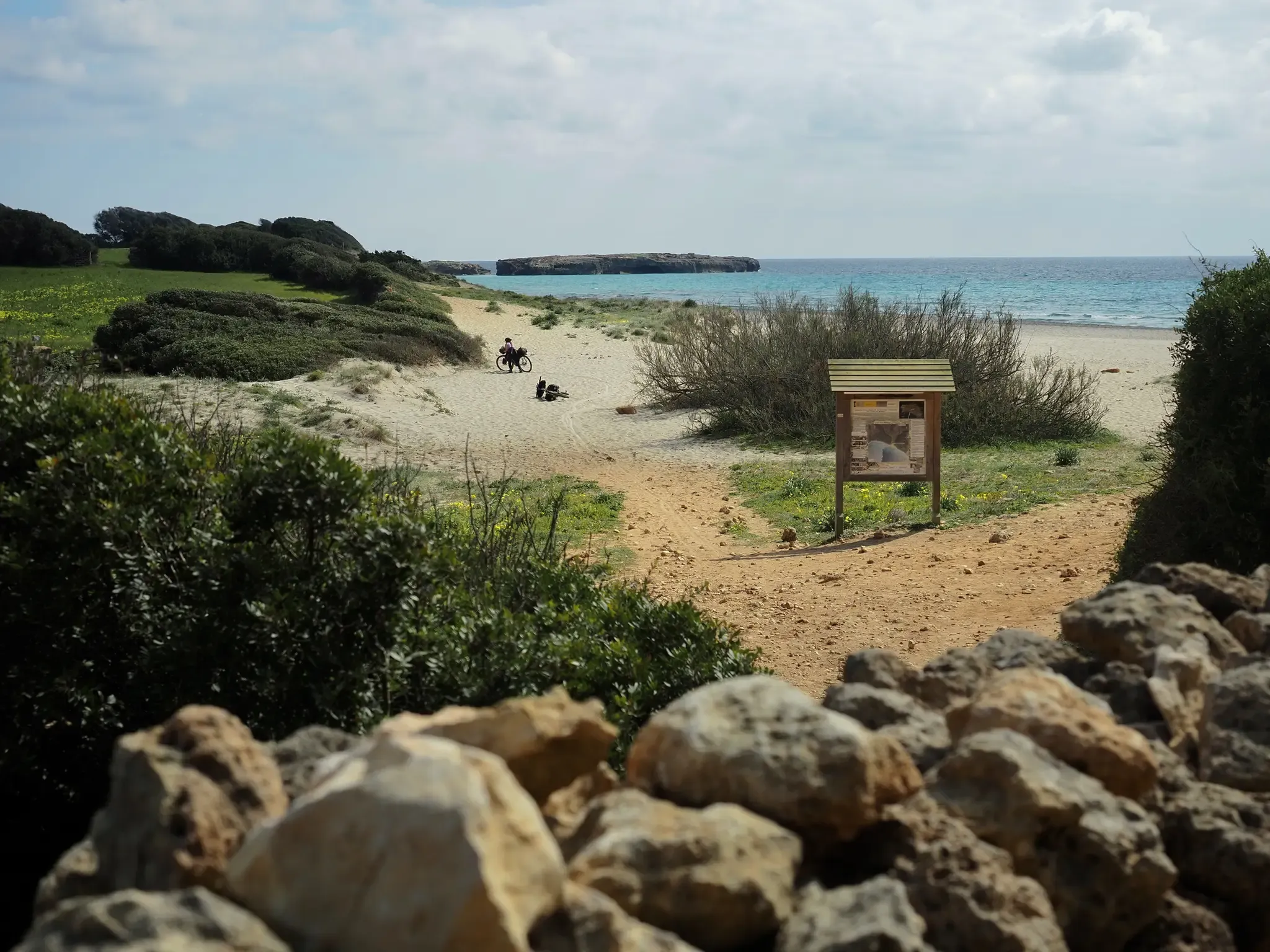
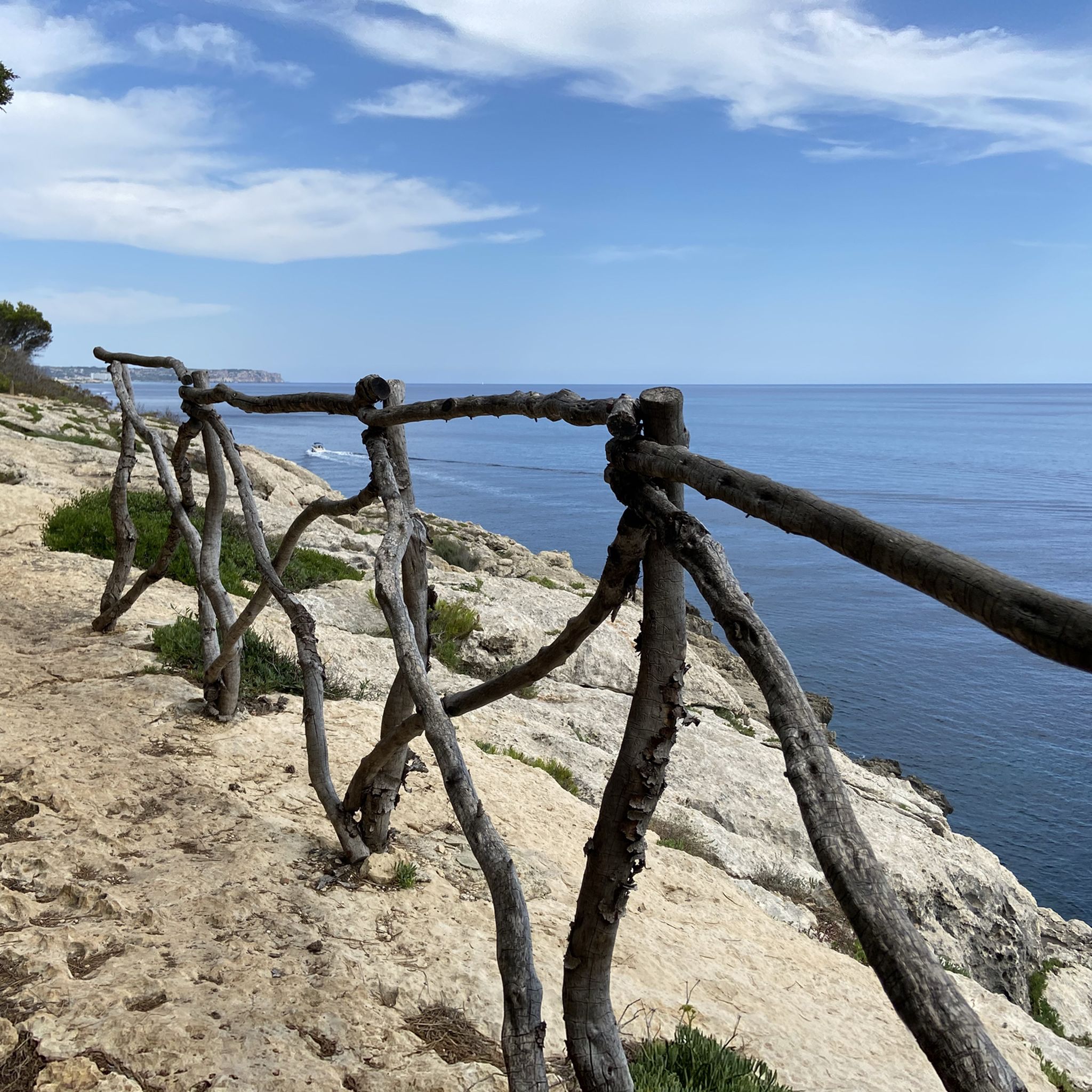
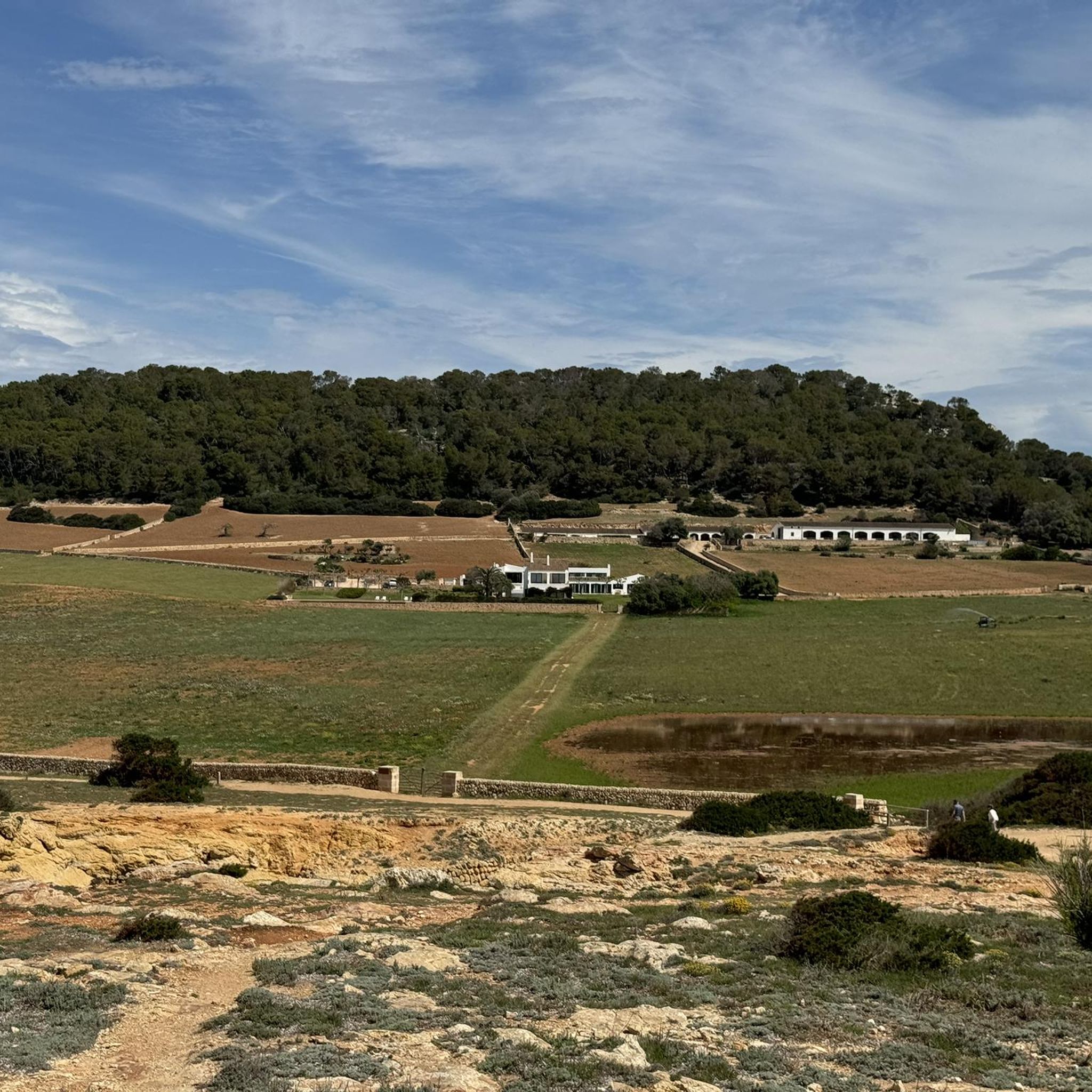
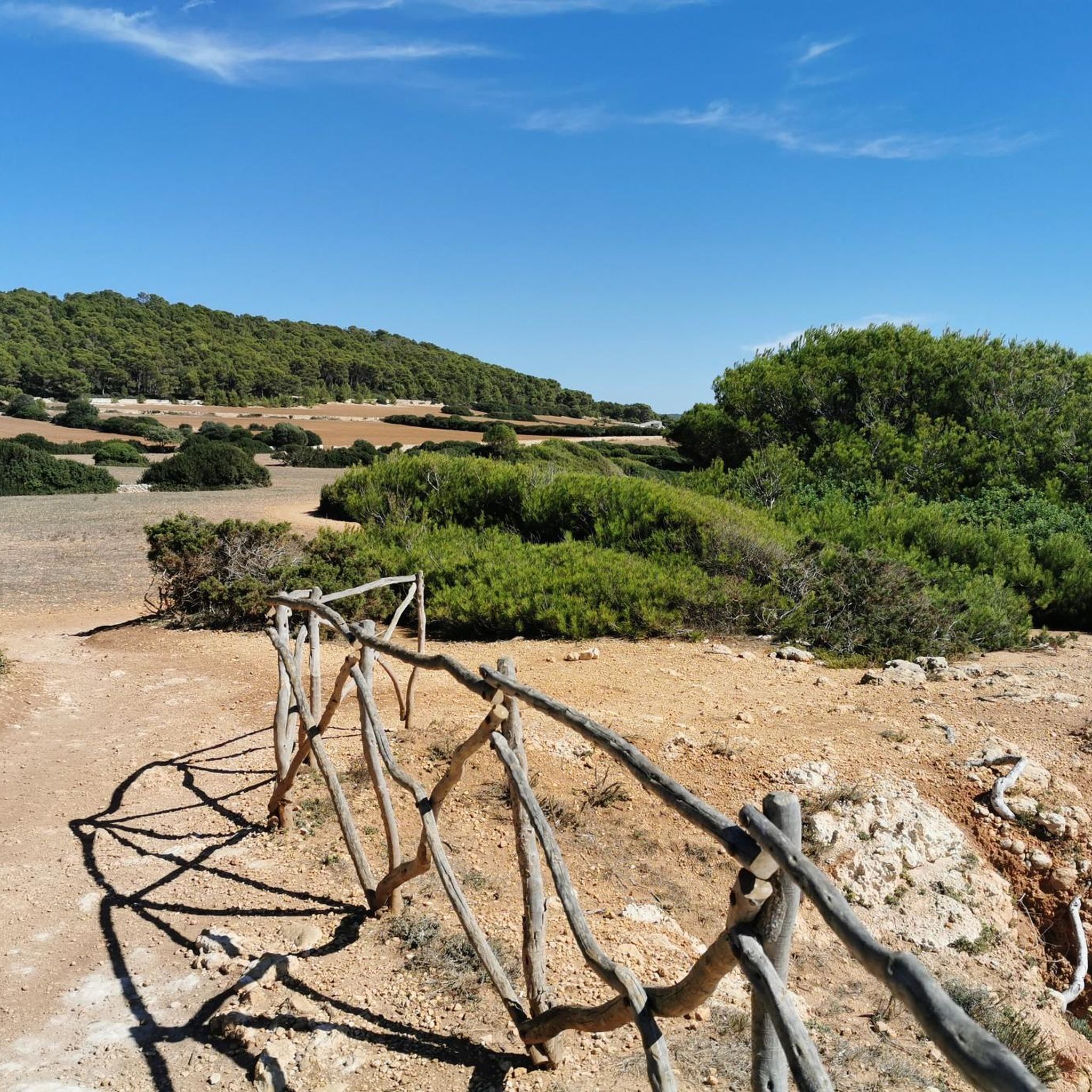

Other adventures around Es Migjorn Gran

Tips from the Community


A group of buildings used to store ammunition during the Civil War. They are cavities dug into the rock, which still retain traces of their original function.
0
0

This place was used to store ammunition during the Spanish Civil War. Now, it is a historical place that remembers that time. It is a place that makes you think of the past of the war. Its name comes from this: "powder magazine" refers to a place where gunpowder and other explosives are stored. It is built in a strategic place, since it allowed to store materials in a safe and protected way.
0
0

The Powder Magazine, as its name suggests, were tunnels where gunpowder and military equipment from the Spanish Civil War were stored. There were also small houses where the guards of these tunnels lived, and they watched over anyone who wanted to enter the area. There are several stories and anecdotes about the powder magazine that people from that time tell and explain to preserve the history of the place.
0
0
Large Cave Flashlight recommended when further back. This cave is protected.
4
1

A dream bay that you shouldn't miss!
5
1
A very beautiful bay, 1.75 km from Cala Galdana, you can get there on the Cami de Cavalls. The colors of the bay are simply fantastic!
3
1
Frequently Asked Questions
What types of caves can I explore around Es Migjorn Gran?
The region offers a diverse range of subterranean experiences, including large natural karstic formations, sea caves accessible from the water, and ancient human-made burial chambers. You can find impressive natural caves like Cova des Coloms, sea caves at Cala Mitjana, and historical burial caves at Cales Coves Necropolis.
What is the most significant natural cave in the area?
The most significant natural cave is Cova des Coloms, often called "The Cathedral" due to its monumental dimensions. It measures approximately 100 to 110 meters deep and 24 to 25 meters high, with dramatic limestone formations. It's located in the picturesque Binigaus ravine.
Are there historical cave sites to visit near Es Migjorn Gran?
Yes, the Cales Coves Necropolis is a prominent historical site. It features over 90 hand-dug burial caves, making it the largest necropolis in Menorca. Some caves, like La Cova des Jurats, even contain Roman inscriptions.
Can I explore sea caves around Es Migjorn Gran?
Yes, Cala Mitjana is known for its accessible sea caves. These can be explored from the water, offering a unique opportunity to discover marine life and underwater rock formations, especially with a snorkel and goggles.
Are there family-friendly cave experiences near Es Migjorn Gran?
Many of the natural areas, including the path to Cova des Coloms and the beach at Cala Mitjana, are considered family-friendly. Exploring the sea caves at Cala Mitjana can be a fun activity for families, and the walk to Cova des Coloms through the Binigaus ravine is also suitable.
When is the best time of year to visit the caves around Es Migjorn Gran?
The best time to visit is generally during the spring (April-May) and autumn (September-October) months. The weather is pleasant for hiking and exploring, avoiding the intense heat of summer and the cooler, potentially wetter winter months. This allows for comfortable access to both inland and coastal cave sites.
What geological features make the caves around Es Migjorn Gran unique?
The caves in this region are primarily of karst origin, formed over time by the erosive action of underground water on calcareous rock. This process creates impressive limestone formations, such as those found in Cova des Coloms, which contribute to their dramatic appearance.
What is the historical significance of the caves in Es Migjorn Gran?
Beyond their natural beauty, many caves hold significant archaeological importance. Cova des Coloms, for instance, is believed to have served as a sanctuary and burial site during the Talaiotic Period. The Cales Coves Necropolis is another prime example, showcasing ancient burial practices and even Roman inscriptions.
What outdoor activities can I do near these caves?
The area around Es Migjorn Gran offers various outdoor activities. You can find numerous routes for cycling, including gravel biking, and running. For example, there are cycling routes like the "Cova des Coloms – Binigaus Beach loop" and running trails such as the "Santo Tomás Beach – Binigaus Beach loop." You can explore more options on the Gravel biking around Es Migjorn Gran, Cycling around Es Migjorn Gran, and Running Trails around Es Migjorn Gran guide pages.
Are there hiking trails near the caves?
Yes, the caves are often integrated into scenic hiking routes. For instance, Cova des Coloms is reached by following a path from Es Migjorn Gran village towards Binigaus beach, winding through the beautiful natural environment of the Binigaus ravine. The Cales Coves Necropolis is also part of a uniquely beautiful and close-to-nature hiking experience.
What do visitors enjoy most about the caves around Es Migjorn Gran?
Visitors frequently praise the natural beauty and impressive scale of the caves, particularly Cova des Coloms, which is described as "worth seeing" and "beautiful." The historical significance of sites like the Cales Coves Necropolis also draws considerable interest, with many finding it "absolutely worth seeing and uniquely beautiful." The stunning turquoise waters and white sands near Cala Mitjana are also highly appreciated.
Most popular routes around Es Migjorn Gran
Most popular attractions around Es Migjorn Gran

Get inspired with the komoot mobile app


Explore more
Extend your search for the best caves by checking out these guides of the top ones around Es Migjorn Gran:
