Top 16 Caves around Pollença
Best caves around Pollença are found in a region characterized by its diverse natural landscape, from coastal areas to mountainous terrain. This area of Mallorca offers a blend of natural geological formations and sites with historical significance. The caves provide opportunities for exploration, revealing both natural beauty and remnants of past human activity. The varied topography ensures a range of experiences for those interested in underground environments.
Best caves around Pollença
- The most popular caves is Tancada Cave, a cave that offers an adventurous experience with impressive limestone formations. It requires sturdy footwear and strong lighting for safe exploration due to its large halls and slippery ground.
- Another must-see spot is Via Ferrata to Schmugglers' Cave, a challenging cave and climb. This route involves climbing sections and requires sure-footedness and a head for heights, leading to a multi-level cave.
- Visitors also love Camí de les Coves Blanques, a historical trail and cave. This path, also known as the Path of the Prisoners, was constructed between 1937 and 1940 and offers magnificent views.
- Pollença is known for natural caves, historical sites, and sea caves. These include formations accessible by boat, historical bunkers, and challenging underground systems.
- The caves around Pollença are appreciated by the komoot community, with more than 240 upvotes and over 120 photos shared by visitors.
Last updated: October 7, 2026
Old Bunkers and Gun Emplacements at Coves Blanques
Highlight • Cave
Translated by Google •
Tip by

Camí de les Coves Blanques
Highlight • Trail
Translated by Google •
Tip by
Sign up now to discover places like this
Get recommendations on the best single tracks, peaks, & plenty of other exciting outdoor places.
Tancada Cave
Highlight • Cave
Translated by Google •
Tip by

Via Ferrata to Schmugglers' Cave
Highlight (Segment) • Cave
Nevertheless, the path seems a bit adventurous and always tempts you to stop and look.
Translated by Google •
Tip by

Sant Martí Cave
Highlight • Cave
1. Sant Jordi (1632) and 2. Sant Marti. The cave was closed in 1827 due to poor condition, restored in 1886 and open to the public, meanwhile it is in danger of collapsing and may no longer be entered... actually ;) I went down anyway, over the fence.
Translated by Google •
Tip by

Sign up for free to discover even more caves around Pollença.
Already have an account?
Start today with a free account
Your next adventure awaits.
Popular around Pollença
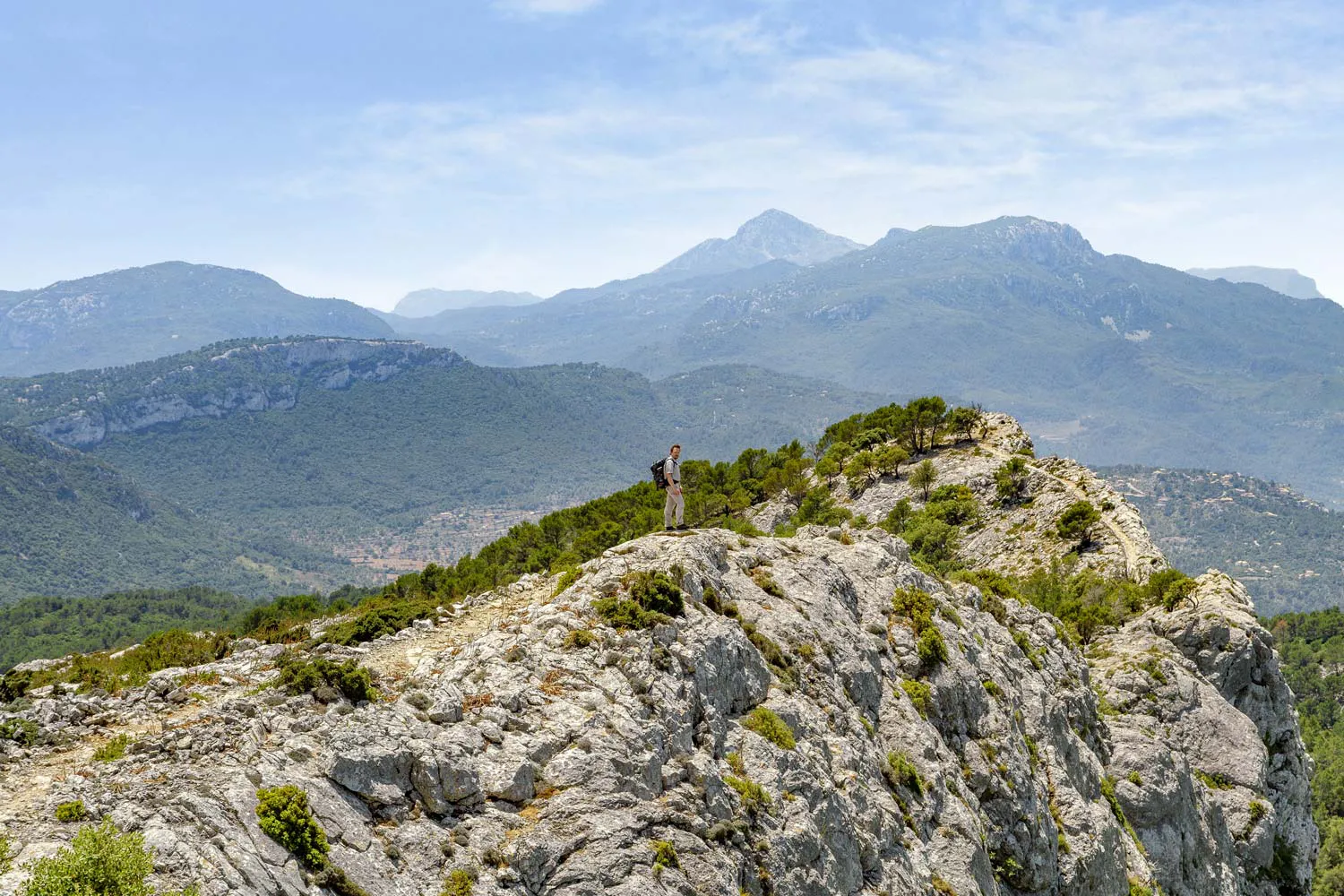
Stoney paths through the Tramuntana Mountains – Ruta de Pedra en Sec (GR221)
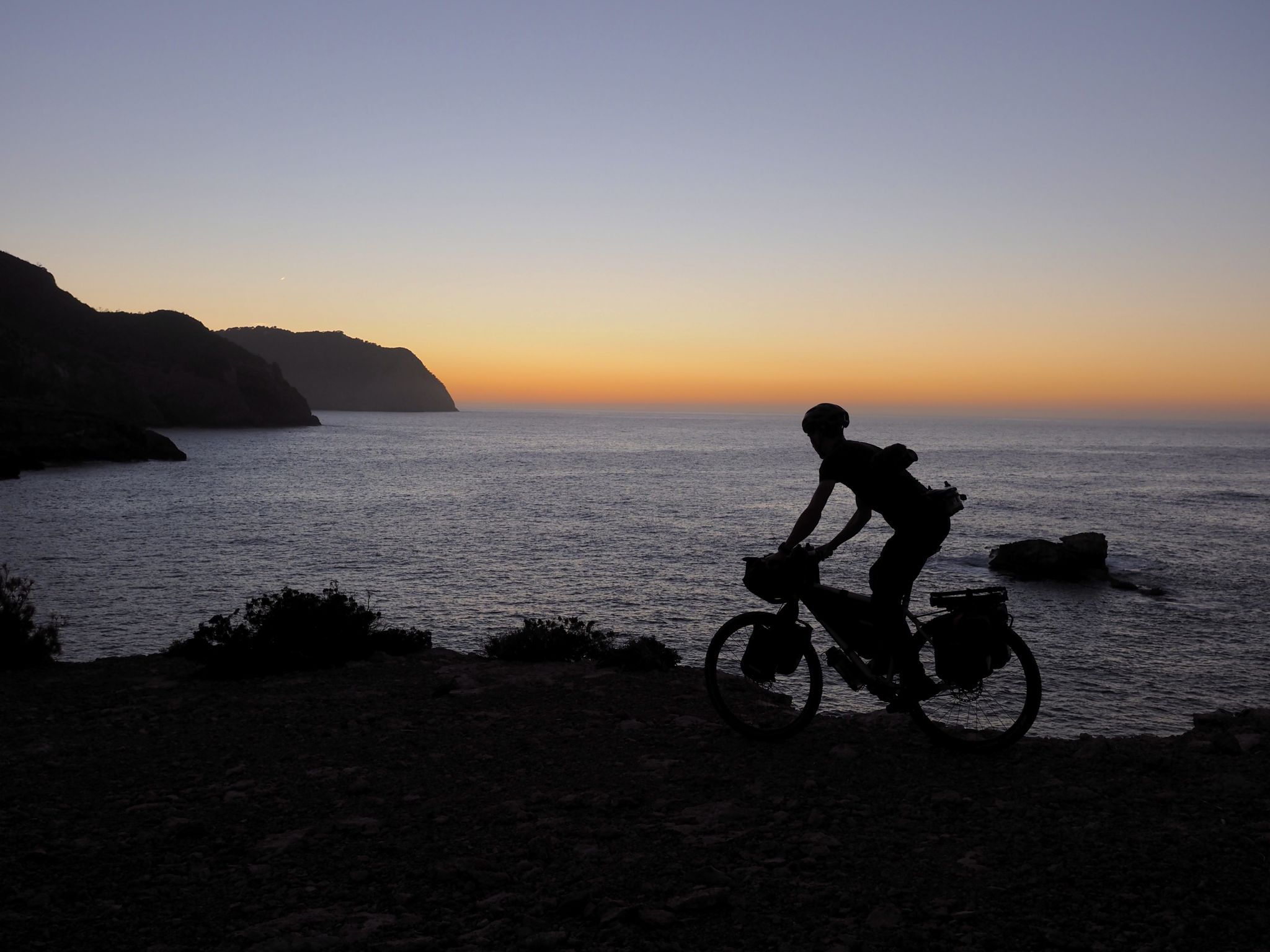
Island hopping in the Spanish Balearic Islands — the TransBaleares
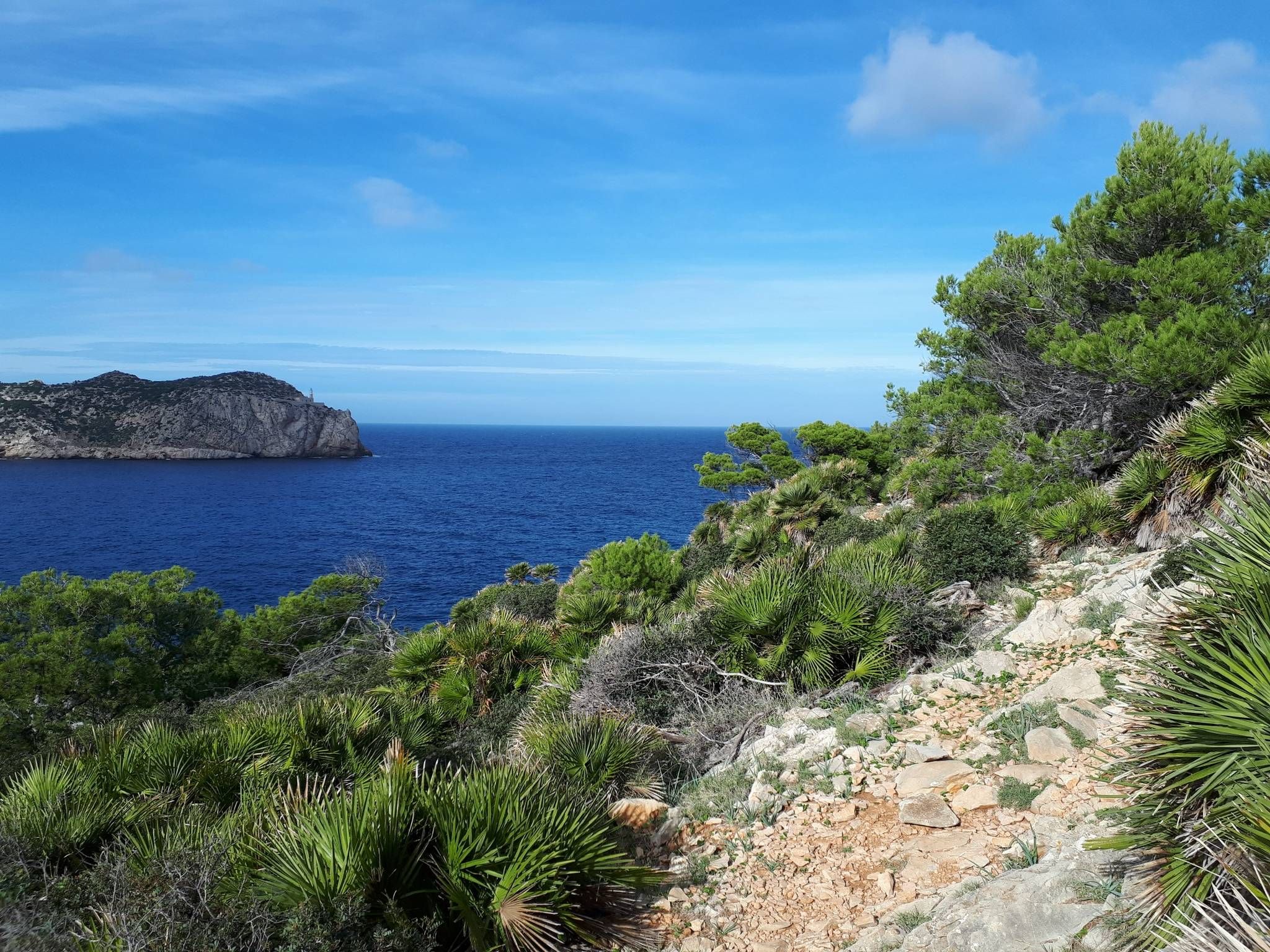
Shredding trails on the island of Mallorca
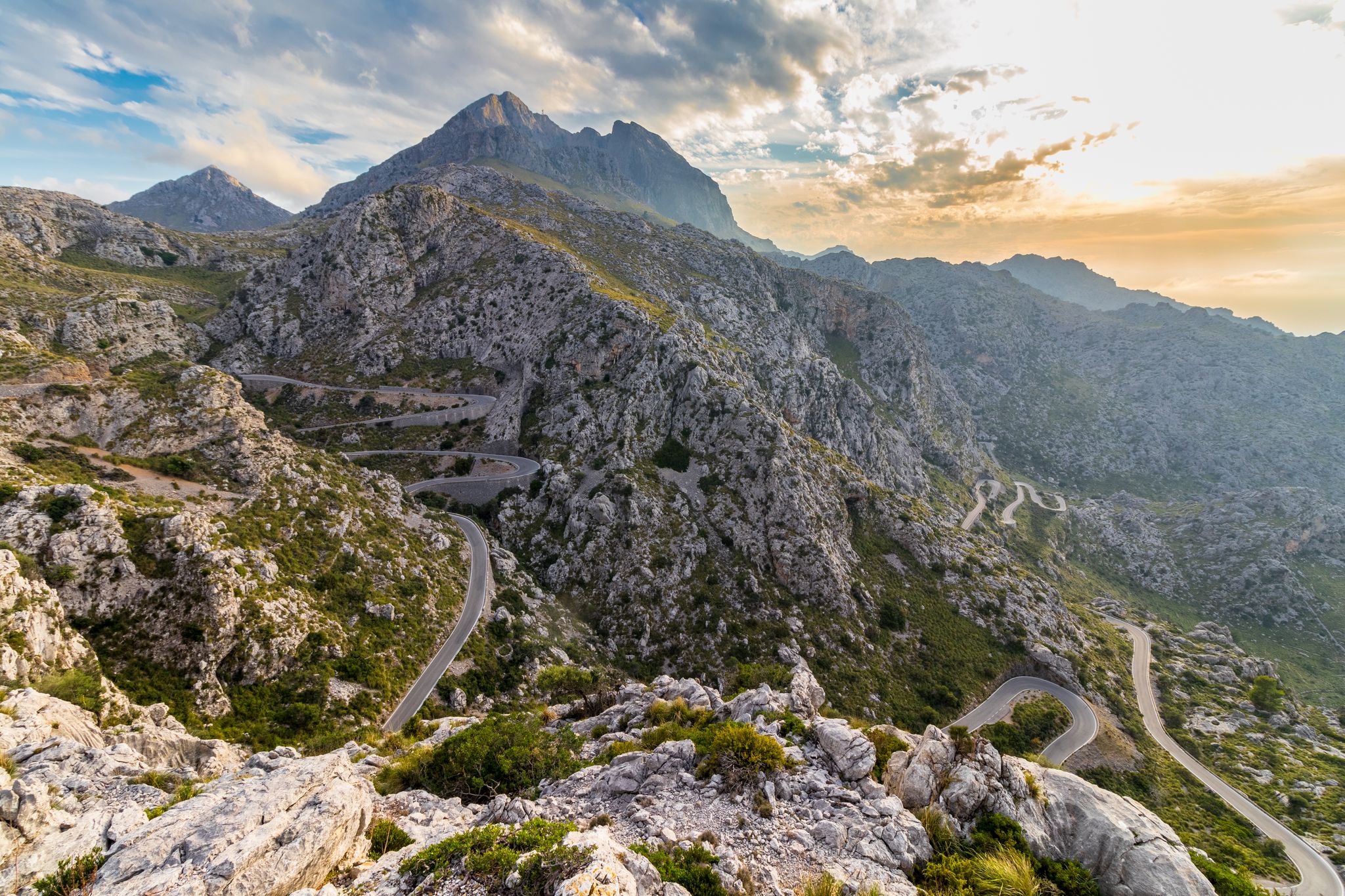
Mallorca's most beautiful passes
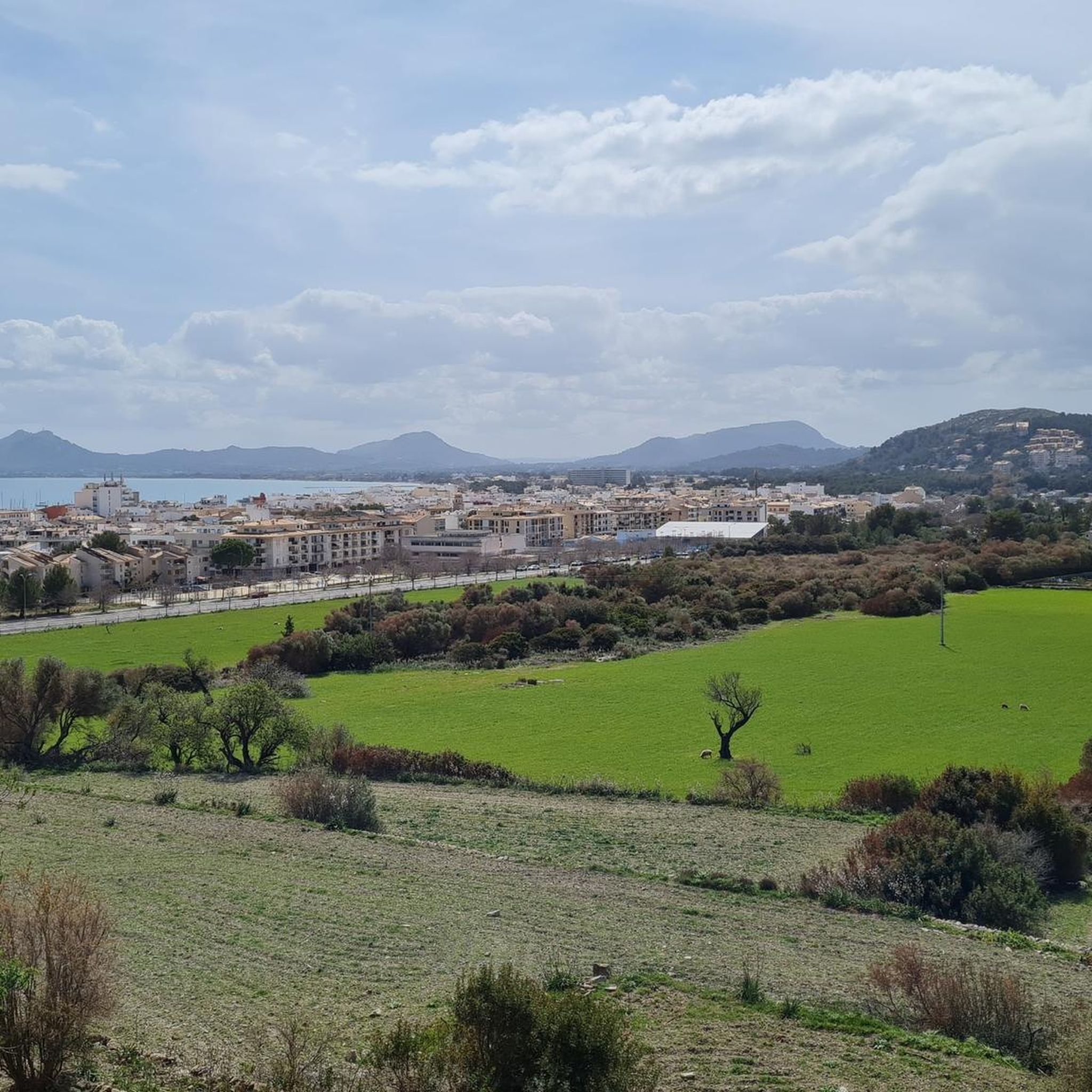
Road Cycling Routes around Pollença
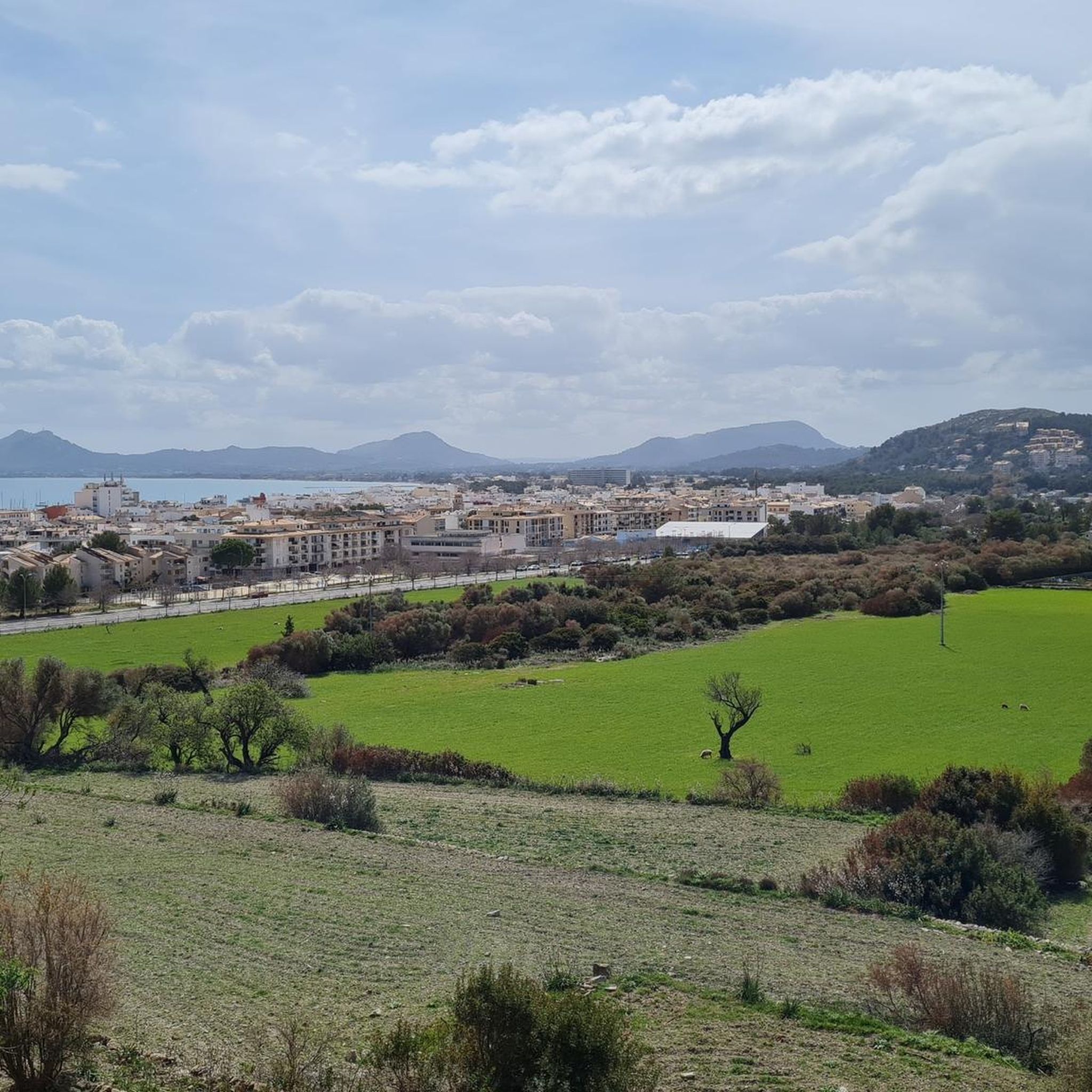
Hiking around Pollença
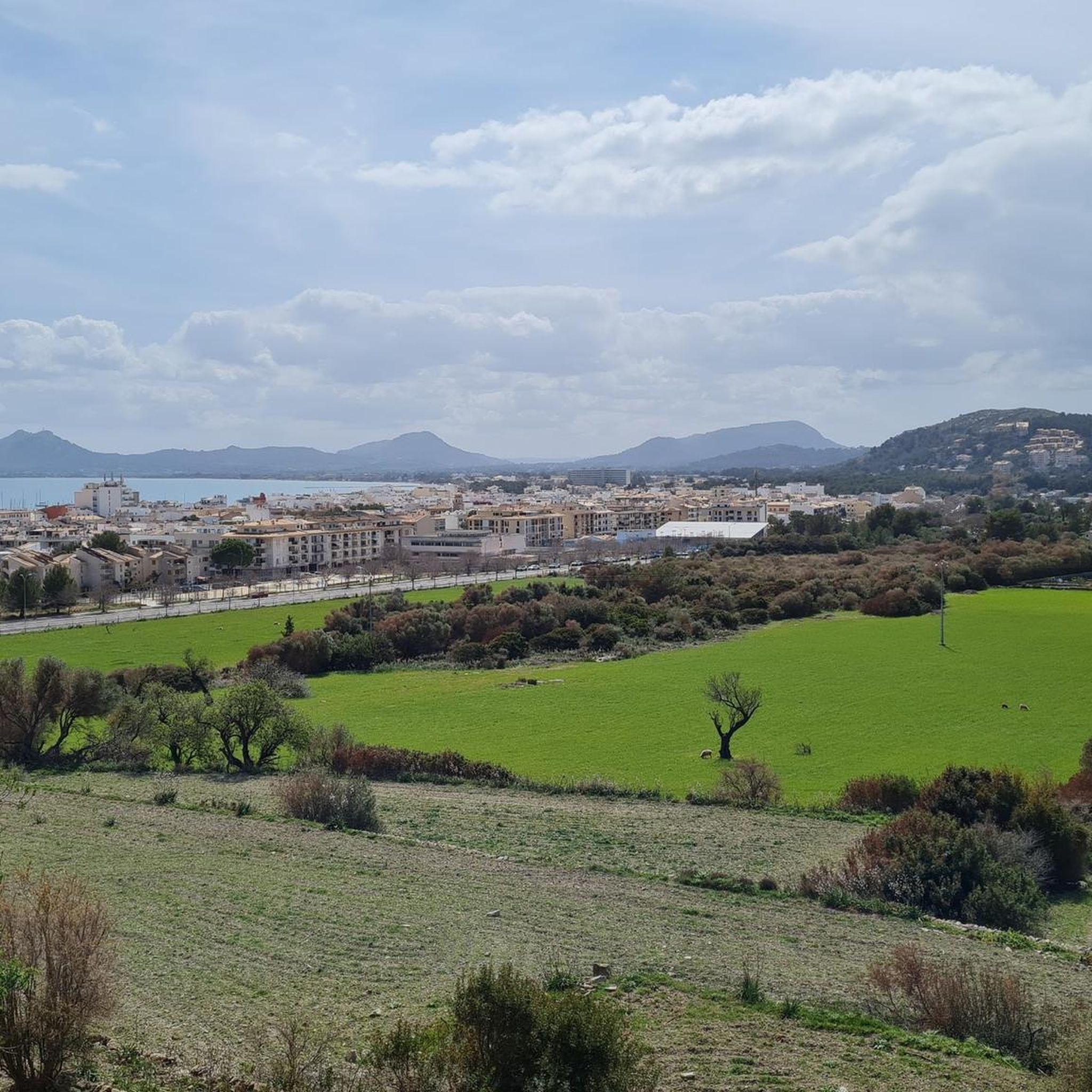
Cycling around Pollença
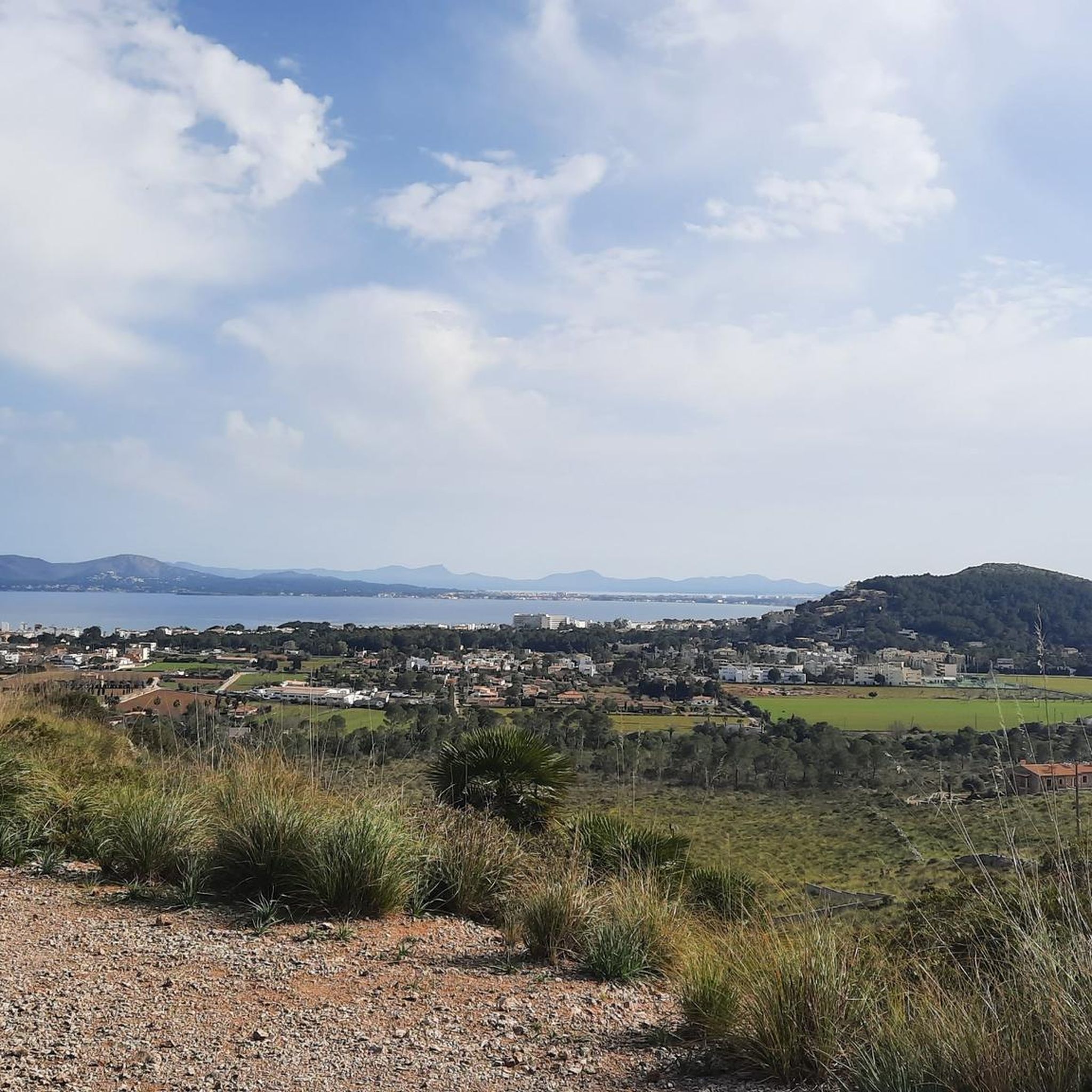
Running Trails around Pollença
MTB Trails around Pollença

Gravel biking around Pollença
Other adventures around Pollença


Tips from the Community

The path to the Coves Blanques, also known as the Camí dels Presos (Path of the Prisoners), was built between 1937 and 1940 by Republican prisoners of the Spanish Civil War. It served as the access road for the expansion of the Coves Blanques into an artillery emplacement. Personally, I find the path a bit monotonous, but if you come from the Cornavaques (https://www.komoot.com/de-de/tour/1417540171), it's quite relaxing.
1
0

You should have a flashlight app with you
0
0
You should have a smartphone flashlight app with you
0
0

Unfortunately too… But no problem, since I am here often, I will come back and see more… In my opinion, absolutely recommendable
2
0

You can explore a little inside the cave. It's a dead end but there are cool light shafts down. Torch would be nice, but it was fine to see using two phone torches.
0
0

A very nice tour for via ferrata not for inexperienced
1
0

Because of the loose stones, you need good shoes and because of the lack of shade, you need a hat and plenty to drink. You will be rewarded with a magnificent view. The hidden cave at the summit is very exciting for children, but be careful not to fall into the hole at the summit.
0
2

The path to the coves is rocky and requires good shoes. Other than that not very challenging
1
1
Frequently Asked Questions
What types of caves can I explore around Pollença?
Pollença offers a diverse range of caves, from natural geological formations to sites with significant historical importance. You can find impressive limestone caves like Tancada Cave, prehistoric burial sites such as the Alzinaret Caves, and even sea caves like the Blue Cave, accessible by boat. Some caves also feature historical elements like old bunkers and gun emplacements.
Are there any historical or archaeological caves in the Pollença area?
Yes, the region is rich in historical caves. The Alzinaret Caves (Coves de l'Alzinaret) are a significant prehistoric necropolis dating back to the Middle Bronze Age. The Camí de les Coves Blanques, also known as the 'Path of the Prisoners,' leads to caves with old bunkers and gun emplacements from the Spanish Civil War. Additionally, Sant Martí Cave once housed Gothic-style chapels used by early Christians, though access is currently restricted due to its condition.
Which caves offer a more adventurous or challenging experience?
For those seeking adventure, Tancada Cave provides a rugged caving experience with large halls and intricate formations, requiring sturdy footwear and strong lighting. The Via Ferrata to Schmugglers' Cave involves climbing sections and requires sure-footedness and a head for heights, leading to a multi-level cave system.
Are there any family-friendly caves to visit near Pollença?
While many caves in the immediate Pollença area require some level of adventure or specific gear, the Blue Cave, accessible by boat, offers a unique and memorable experience for families, often including snorkeling in its stunning blue waters. For a more developed and easily accessible option, the Coves de Campanet, a short drive away, are well-lit and praised for their beautiful structures, making them suitable for families.
What natural features can I expect to see in the caves around Pollença?
The caves in this region showcase impressive natural beauty. You can expect to see stunning stalactites, stalagmites, and unique rock formations formed by water erosion over millions of years. Cueva de Cal Pesso, for instance, features rare calcite formations and fossilized remains. The Blue Cave is renowned for the stunning visual effect created by light reflecting on its crystalline waters.
What should I wear or bring when exploring caves in Pollença?
For adventurous caves like Tancada Cave or the Via Ferrata to Schmugglers' Cave, sturdy footwear with good grip is essential. A strong main lamp and a reserve lamp are highly recommended, as cell phone lights are often insufficient for the large halls and slippery terrain. For boat-accessible sea caves, swimwear and snorkeling gear would be appropriate.
Are there guided tours available for the caves?
Access to some caves, like Cueva de Cal Pesso, is restricted to preserve its fragile environment, with guided speleology tours available to explore its unique subterranean ecosystems. For sea caves like the Blue Cave, boat tours are the primary way to visit. For other more challenging caves, it is advisable to go with experienced guides or groups if you are not an experienced caver.
What outdoor activities can I do near these caves?
The area around Pollença offers a variety of outdoor activities. You can find numerous hiking trails, such as those leading to Camí de les Coves Blanques, which also offers magnificent views. There are also many cycling and gravel biking routes available. For more information on nearby routes, you can explore the Hiking around Pollença, Cycling around Pollença, and Gravel biking around Pollença guides.
What is the best time to visit the caves in Pollença?
The caves can generally be visited year-round. However, for sea caves, the warmer months (spring to autumn) are ideal for boat trips and swimming. For inland caves, the cooler temperatures inside can be a welcome escape during hot summer days. Always check local conditions and access restrictions, especially for less developed caves.
Are there any caves near Pollença that are known for their unique ecosystems or scientific interest?
Yes, Cueva de Cal Pesso, located in Port de Pollença within the Serra de Tramuntana Natural Park, is a site of significant scientific interest. It features over 200 meters of narrow passages within a delicate karst system, containing rare calcite formations and fossilized remains from the Pliocene and Quaternary periods. Its restricted access helps preserve its unique subterranean ecosystem.
Where can I find information about permits or access restrictions for caves in Pollença?
Access to some caves, particularly those of scientific or historical importance like Cueva de Cal Pesso or Sant Martí Cave, may be restricted or require permits to preserve their fragile environments or due to safety concerns. It is always best to check with local tourism offices or specialized caving organizations for the most up-to-date information on access, permits, and guided tours before planning your visit.
Most popular routes around Pollença
Most popular attractions around Pollença

Get inspired with the komoot mobile app


Explore more
Extend your search for the best caves by checking out these guides of the top ones around Pollença:
