Top 4 Caves around L'Alfàs Del Pi
Best caves around L'Alfàs Del Pi provide access to diverse underground experiences in the wider Costa Blanca region. The area is situated in the Valencian Community, featuring limestone formations, natural tunnels, and sea-level caves. These sites offer insights into geological history and natural landscapes, shaped by processes over millions of years. Visitors can explore various cave systems, each presenting distinct geological features.
Best caves around L'Alfàs Del Pi
- The most popular caves is Forat de Bèrnia, a natural monument…
Last updated: July 4, 2026
Forat de Bèrnia
Highlight • Cave
Translated by Google •
Tip by

Ascent to the Forat de Bèrnia via the North Side
Highlight • Cave
Translated by Google •
Tip by

Sign up now to discover places like this
Get recommendations on the best single tracks, peaks, & plenty of other exciting outdoor places.
Sign up for free
Cremat Cave
Highlight • Cave
Translated by Google •
Tip by

Cova de la Ballena
Highlight • Cave
Translated by Google •
Tip by
Start today with a free account
Your next adventure awaits.
Login or Signup
Popular around L'Alfàs Del Pi
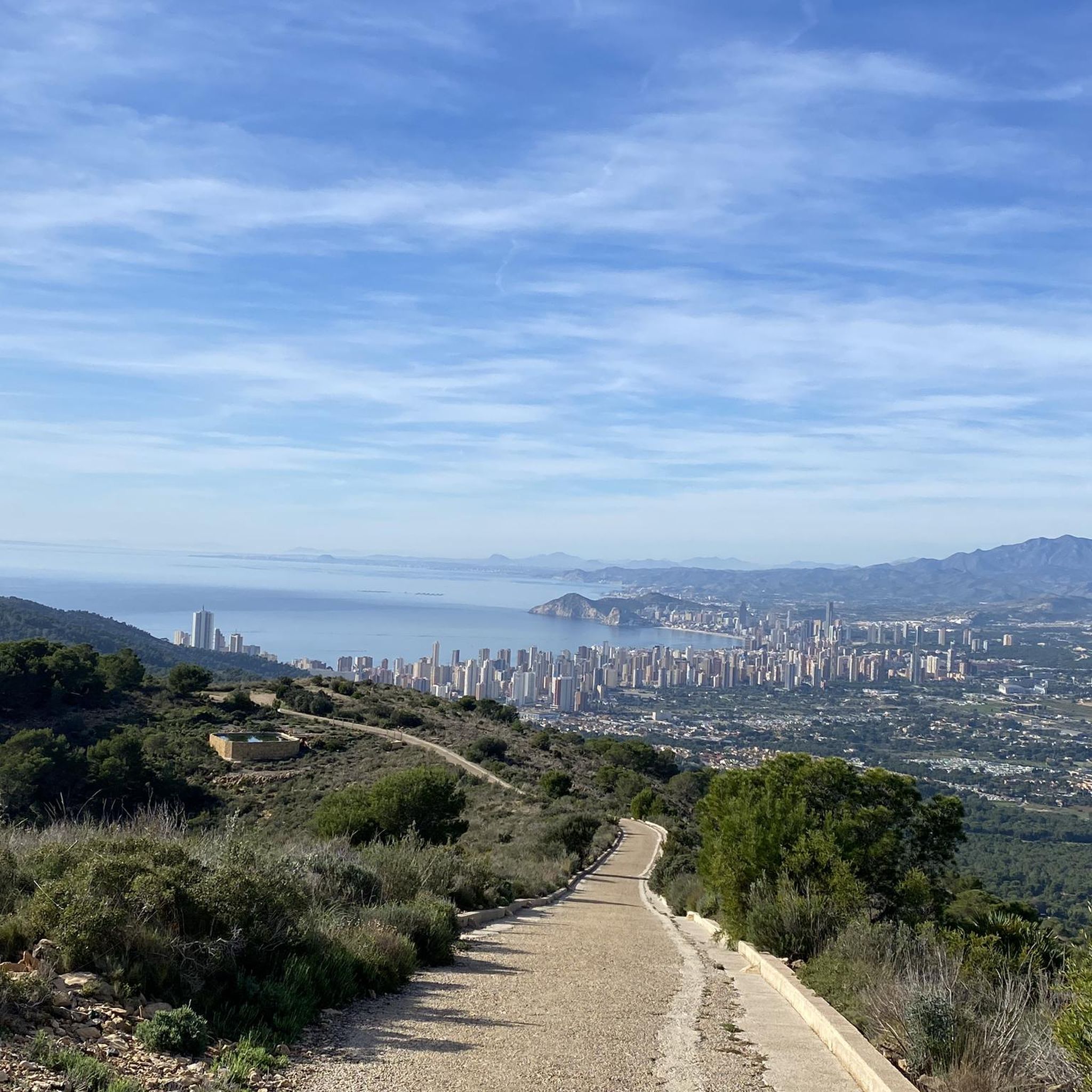
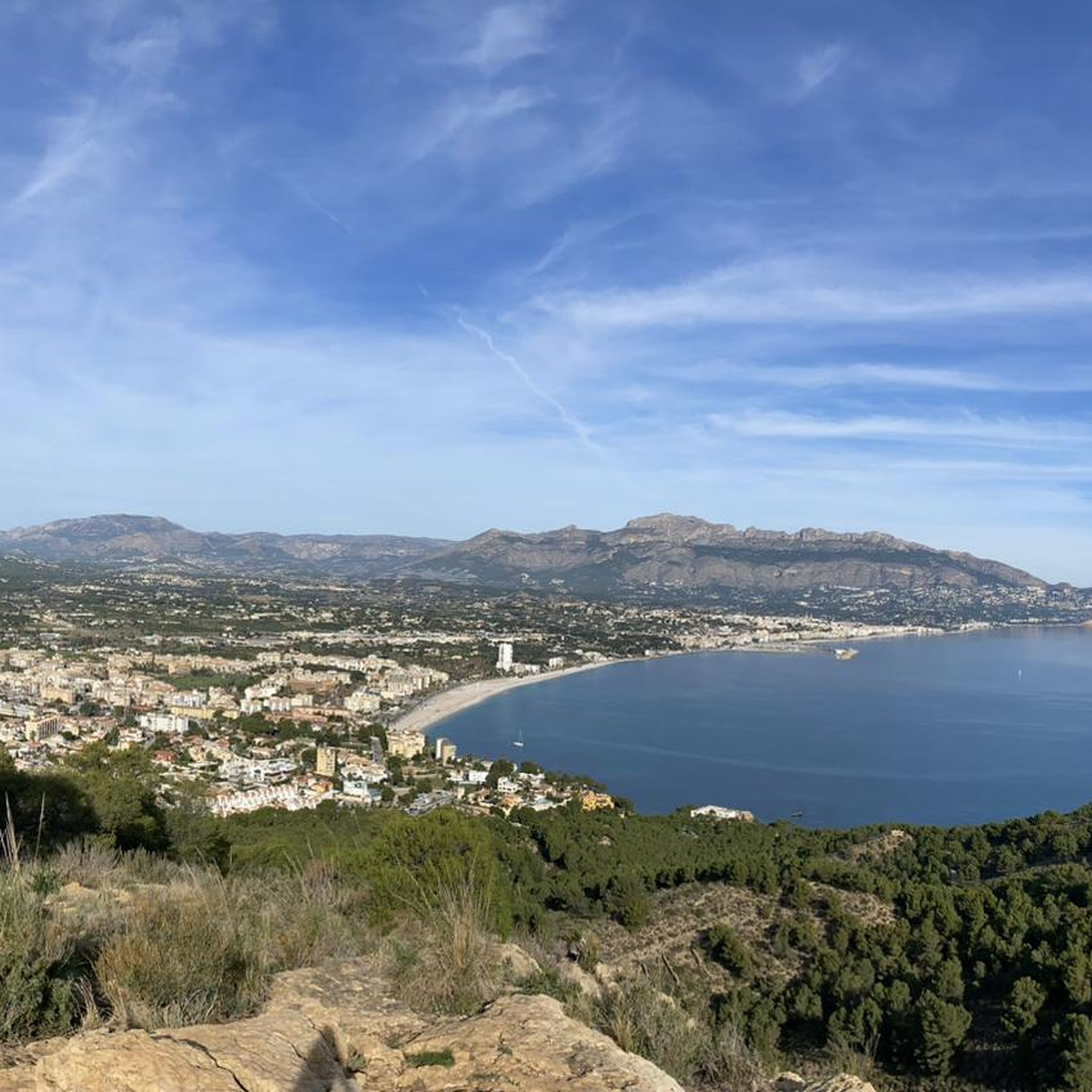

Other adventures around L'Alfàs Del Pi

Tips from the Community

The path is closed, officially impassable and should actually not be here at all for nature conservation reasons!
0
0

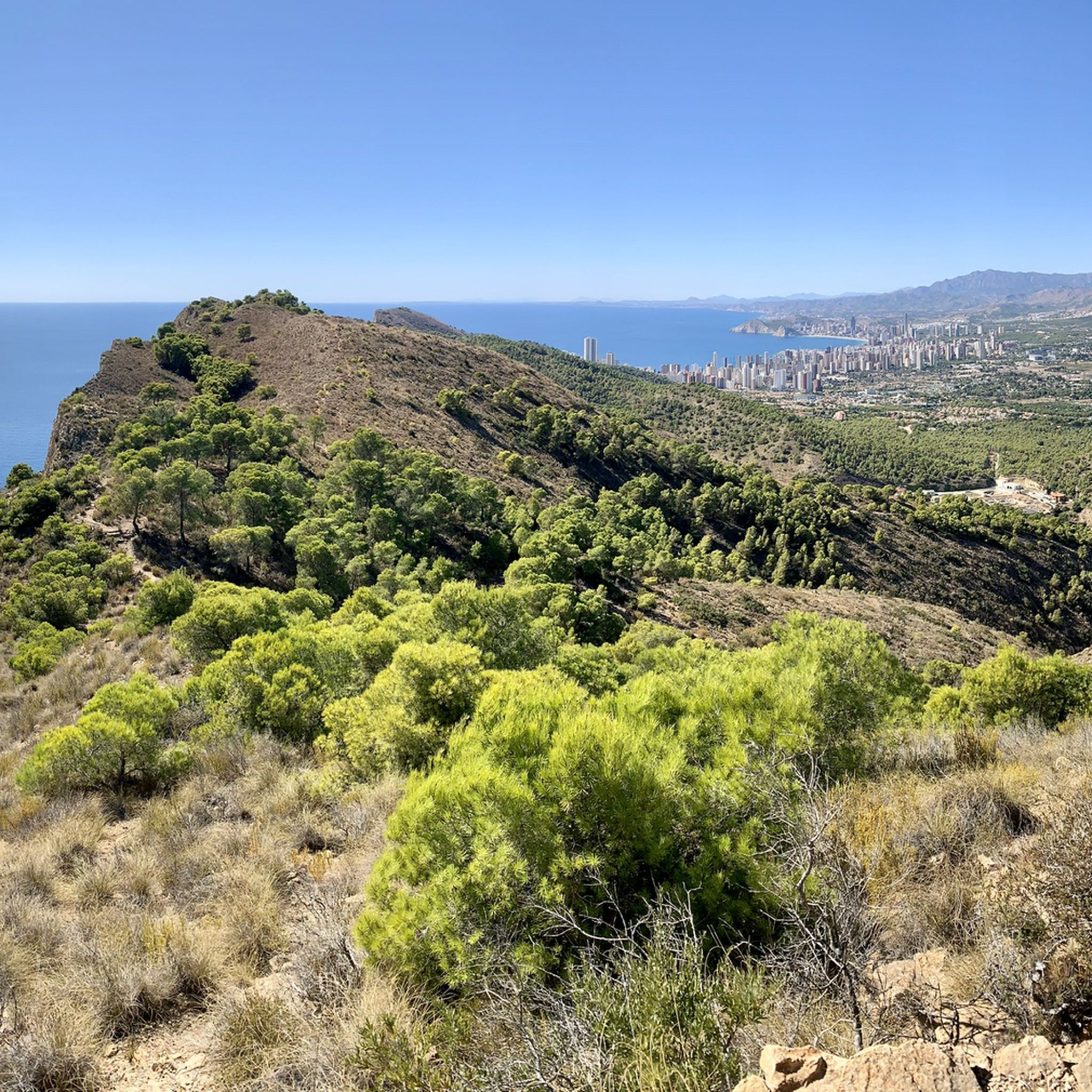
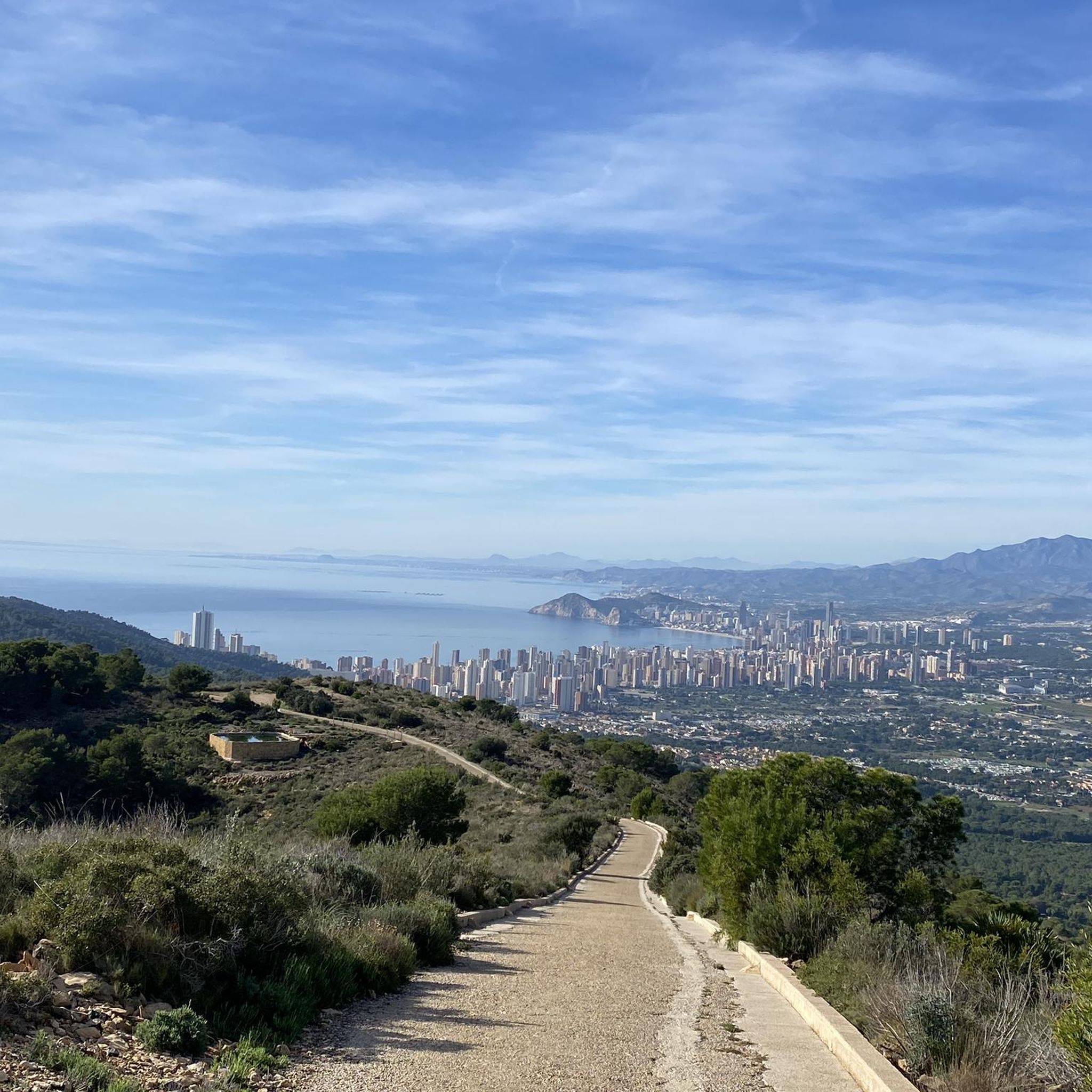
The Forat de Bèrnia is an impressive place in the Sierra de Bèrnia, located in the Valencian Community, Spain. This natural tunnel, about 15 to 20 meters long, crosses the mountain range from north to south. At its widest entrance, it offers panoramic views of Altea, the Serra Gelada and the Mediterranean. The Forat de Bèrnia is presented as a spacious natural shelter that becomes a magnificent viewpoint of the Costa Blanca. The route begins on the north side of the mountain range, which is greener and wetter. As you cross the Forat, you move to the south face, with spectacular views of Altea, Benidorm and Puig Campana. In addition to the Forat, you can also explore the remains of the Bèrnia Fort and enjoy the varied landscapes that the mountains offer. If you decide to do this route, I recommend avoiding weekends and holidays to avoid the crowds and preserve the natural environment. I hope you enjoy this natural wonder! 😊🏞️
3
0
The Forat de Bèrnia is an impressive place in the Sierra de Bèrnia, located in the Valencian Community, Spain. This natural tunnel, about 15 to 20 meters long, crosses the mountain range from north to south. At its widest entrance, it offers panoramic views of Altea, the Serra Gelada and the Mediterranean. The Forat de Bèrnia is presented as a spacious natural shelter that becomes a magnificent viewpoint of the Costa Blanca. If you decide to do this route, I recommend avoiding weekends and holidays to avoid the crowds and preserve the natural environment. I hope you enjoy this natural wonder! 😊🏞️
4
0

The entrance to the cave is well hidden. If you stand in front of the signpost, go about 3m to the right and then left into the bushes.
0
0

The path is closed at the bottom and it is forbidden to leave the paths in the national park. Definitely a nice place, but not legally accessible at the moment
1
0

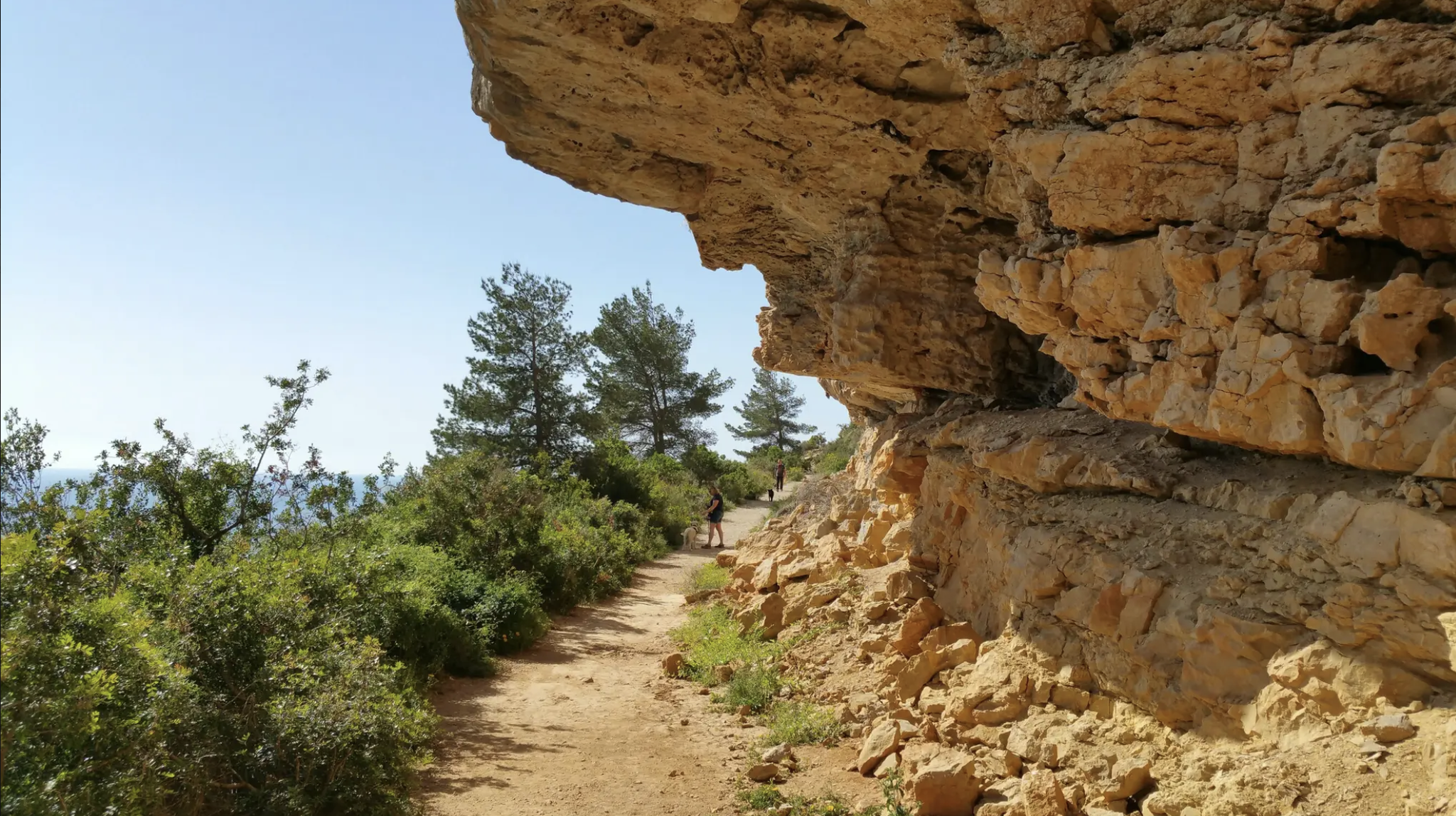
The path reaches a fork where there is a marked cave, Cova del Cremat. You will see several paths that are not marked but if you follow them they will fade into the vegetation. The path that the route follows is the one that begins a descent with a steep slope.
1
0
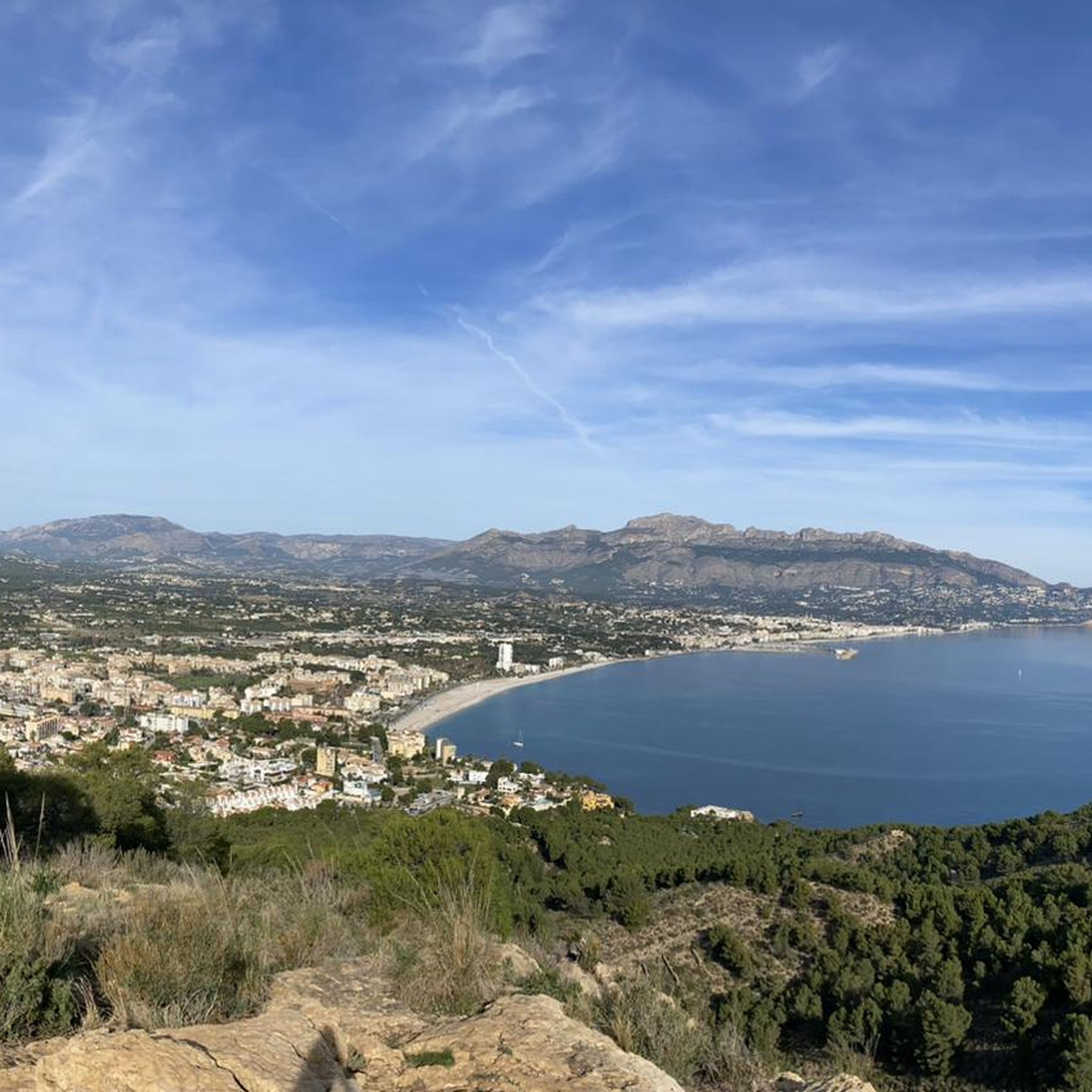
From the route to the Faro del Albir, there is an essential stop: the Cova de la Ballena. This cave, reminiscent of the mouth of this mammal, is formed by the erosion of the sea over the years, humidity, salt and sand, leaving cavities of different sizes. Without a doubt, a unique natural spectacle.
12
0

Deep cave starts here. The alcove at the entrance can provide a welcome rest from the elements.
1
0
Frequently Asked Questions
What types of caves can I explore around L'Alfàs del Pi?
The region around L'Alfàs del Pi offers a diverse range of caves, from impressive inland karst formations and natural tunnels to sea caves carved by marine erosion. You can find geological wonders like the massive vault in the Forat de Bèrnia, or explore unique sea caves along the coast.
Are there any easily accessible caves for all visitors?
While many caves in the region involve hiking, the Canelobre Caves (Cuevas de Canelobre) in Busot are a major tourist attraction with guided tours and well-maintained paths, making them easily accessible for a wide range of visitors. Similarly, the Cuevas de las Calaveras near Benidoleig offer a well-lit, 300-meter walking path.
Which caves are suitable for families?
For a family-friendly experience, the Canelobre Caves and Cuevas de las Calaveras are excellent choices. Both offer guided tours, well-lit paths, and fascinating geological formations that can captivate children and adults alike, providing an educational and engaging outing.
What is the best time of year to visit the caves near L'Alfàs del Pi?
The caves can generally be visited year-round. However, for caves that involve hiking, such as the Forat de Bèrnia or Cremat Cave, spring and autumn offer the most pleasant temperatures for outdoor activity. Indoor caves like Canelobre or Cuevas de las Calaveras are comfortable regardless of the season.
Are there any caves with historical significance in the region?
Yes, the Canelobre Caves have historical significance, having been used as aircraft repair stations during the Spanish Civil War. The Cuevas de las Calaveras are also steeped in history, named after human skulls discovered in 1768, and contain archaeological finds including prehistoric animal fossils.
What should I wear or bring when visiting the caves?
For caves involving hiking, such as the Forat de Bèrnia or Cremat Cave, sturdy hiking shoes are essential due to rocky and potentially muddy paths. A windproof jacket is also advisable, especially around mountain ranges. For guided tourist caves, comfortable walking shoes are sufficient, but a light jacket might be useful as cave temperatures are consistently cool.
Are permits required to visit any of the caves?
Generally, permits are not required for public access to the well-known tourist caves like Canelobre or Cuevas de las Calaveras, which operate with entrance fees. For natural formations within protected areas like the Sierra Helada Natural Park, access to certain sea caves like Cova de la Ballena may be subject to current regulations or restrictions, so it's always best to check local guidelines before your visit.
What are some challenging cave experiences in the area?
For a challenging experience, the Cremat Cave is noted as a deep cave accessible via a path with a steep descent. The Forat de Bèrnia, while a natural tunnel, is part of a rewarding hike that requires good physical condition and appropriate footwear due to varied terrain.
Are there hiking opportunities near the caves?
Absolutely! The region is excellent for hiking. The Forat de Bèrnia is a highlight on an essential hiking route in the Sierra de Bèrnia. You can find many other trails, including challenging mountain hikes, around L'Alfàs del Pi. Explore more options on the Mountain Hikes around L'Alfàs Del Pi guide.
What unique natural features can I expect to see in the caves?
The caves boast incredible natural features. The Forat de Bèrnia is a dramatic natural tunnel crossing a mountain range, offering panoramic views. The Canelobre Caves are famous for their massive 70-meter-high vault and a prominent stalagmite formation resembling a candelabra. Coastal caves like Cova de la Ballena showcase unique formations shaped by marine erosion.
Are there any sea caves I can visit near L'Alfàs del Pi?
Yes, the Cova de la Ballena (Whale Cave) is a notable sea cave located on the route to Faro del Albir, within the Sierra Helada Natural Park. Its distinctive cavities are said to resemble a whale's mouth. Other sea caves can be found along the coastline within the Sierra Helada Natural Park, often explored via kayaking or boat tours.
What do visitors particularly enjoy about the caves in this region?
Visitors are consistently impressed by the stunning natural beauty and geological formations. The panoramic views from places like the Forat de Bèrnia are highly praised. The unique experience of traversing a natural tunnel or witnessing the vastness of underground chambers like those in the Canelobre Caves are frequently highlighted as memorable aspects of their visits.
Most popular routes around L'Alfàs Del Pi
Most popular attractions around L'Alfàs Del Pi

Get inspired with the komoot mobile app


Explore more
Extend your search for the best caves by checking out these guides of the top ones around L'Alfàs Del Pi:
