Top 10 Castles around Sitges
Best castles around Sitges are found in and around this coastal town, situated between the Garraf Massif and the Mediterranean Sea. The region offers a blend of historical architecture and natural landscapes, with structures ranging from medieval castles to fortified palaces. While Sitges itself features historical sites built on ancient castle foundations, several notable castles are within a short drive. The area provides opportunities to explore historical buildings and their surrounding natural environments.
Best castles around Sitges
- The most popular castles is Castellet Castle and the Foix Reservoir, a castle that is one of the main attractions of the area, bordering Alt Penedès and Garraf. Visitors can enjoy views of the castle dominating the Foix marsh.
- Another must-see spot is Olèrdola Monumental Complex, a historical site that includes the castle of Olèrdola along with Roman ruins and the 10th-century church of Sant Miquel d'Olèrdola. It is part of the Museum of Archeology of Catalonia.
- Visitors also love Eramprunyà Castle, a castle located on an elevated part between the slopes of the Garraf. This castle has more than 1,000 years of history, with archaeological studies testifying to its occupation since prehistoric times.
- Sitges is known for its medieval castles, fortified houses, and historical sites built on ancient castle foundations. The region offers a variety of castles to see and explore, from well-preserved structures to archaeological complexes.
- The castles around Sitges are appreciated by the komoot community, with more than 130 upvotes and 70 photos shared by visitors.
Last updated: June 20, 2026
Castellet Castle and the Foix Reservoir
Highlight (Segment) • Castle
Translated by Google •
Tip by

Olèrdola Castle and Archaeological Site
Highlight • Castle
Translated by Google •
Tip by
Sign up now to discover places like this
Get recommendations on the best single tracks, peaks, & plenty of other exciting outdoor places.
Sign up for free
Eramprunyà Castle
Highlight • Castle
Translated by Google •
Tip by

Torre del Veguer
Highlight • Castle
Its history begins in 1318, when Guillem de Cortei bought the estate, which would become known as Quadra d'Escortei. In the year 1400, the monastery of Sant Jeroni de Montoliver was founded in this place, but years later the monks abandoned it and the house passed into the hands of Gaspar d'Avinyó. In 1601, a descendant of Gaspar d'Avinyó bequeathed the property to his daughter, who married a native of Vilafranca del Penedès, and from this moment on it was called Torre del Veguer, probably because the man from Vilafranca held the position of "veguer." "(representative of the Count of Barcelona in Penedès).
In 1883 the property was acquired by Josep Ferrer i Vidal, who carried out important renovations, following aesthetic guidelines inspired by medieval architecture, preserving original elements such as the semicircular arch access door and the exterior buttresses, as well as semicircular arches. point and ogivals inside.
Translated by Google •
Tip by
Olèrdola Monumental Complex
Highlight • Historical Site
Translated by Google •
Tip by
Sign up for free to discover even more castles around Sitges.
Sign up for free
Already have an account?
Start today with a free account
Your next adventure awaits.
Login or Signup
Popular around Sitges
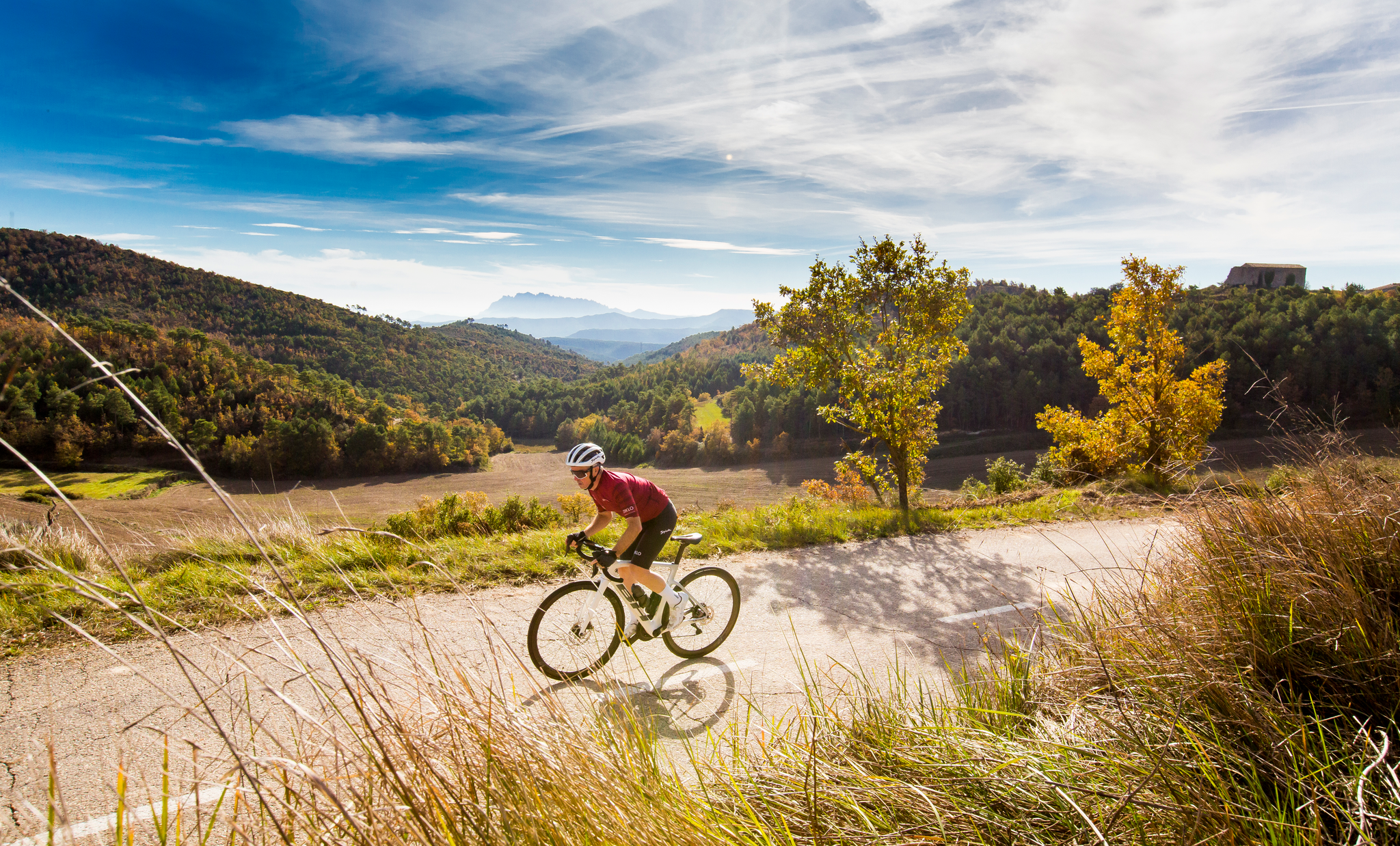
Barcelona: routes near the Tour de France 2026 Grand Départ
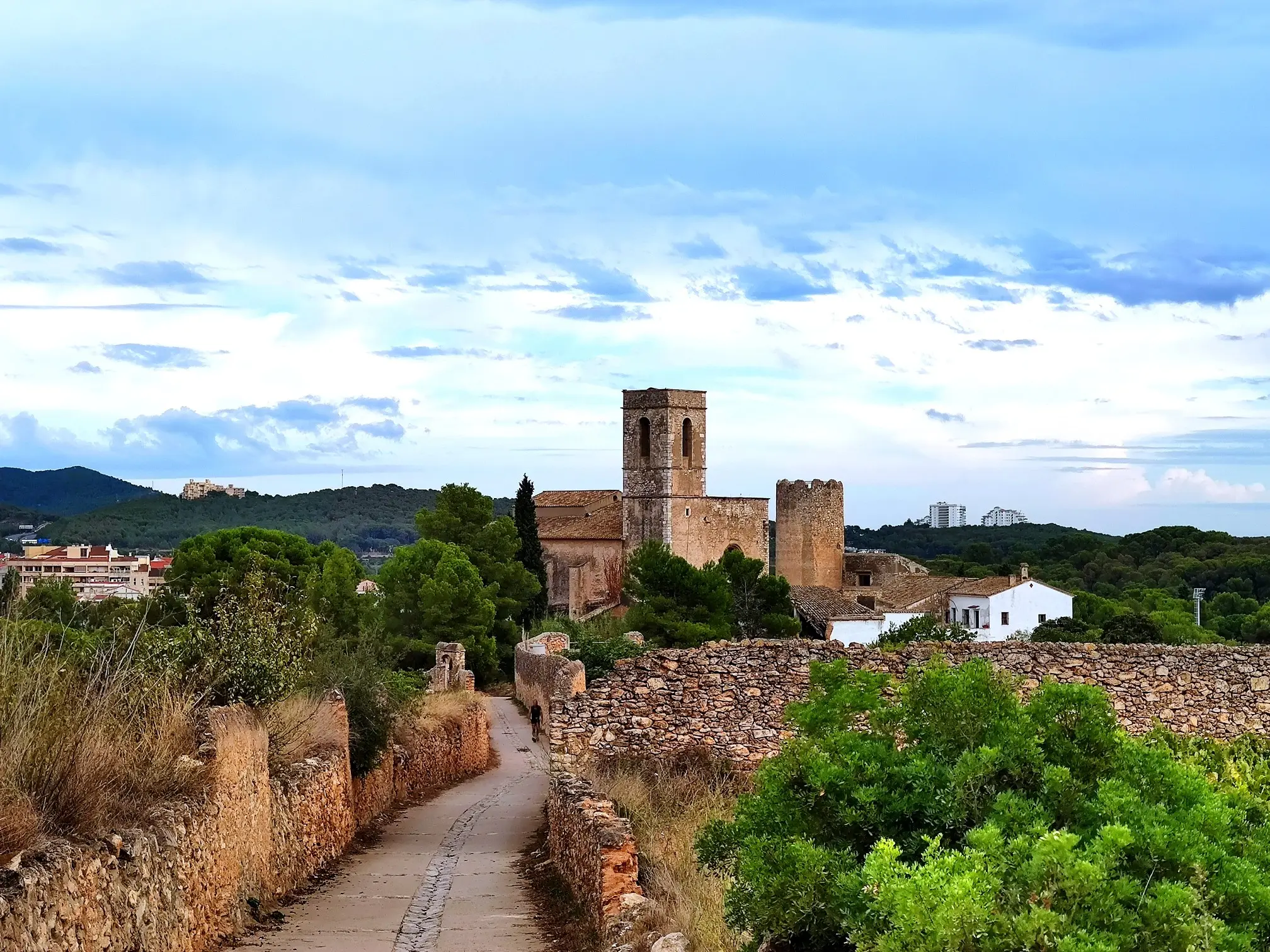
Mediterranean contrasts – gravel in the Garraf region
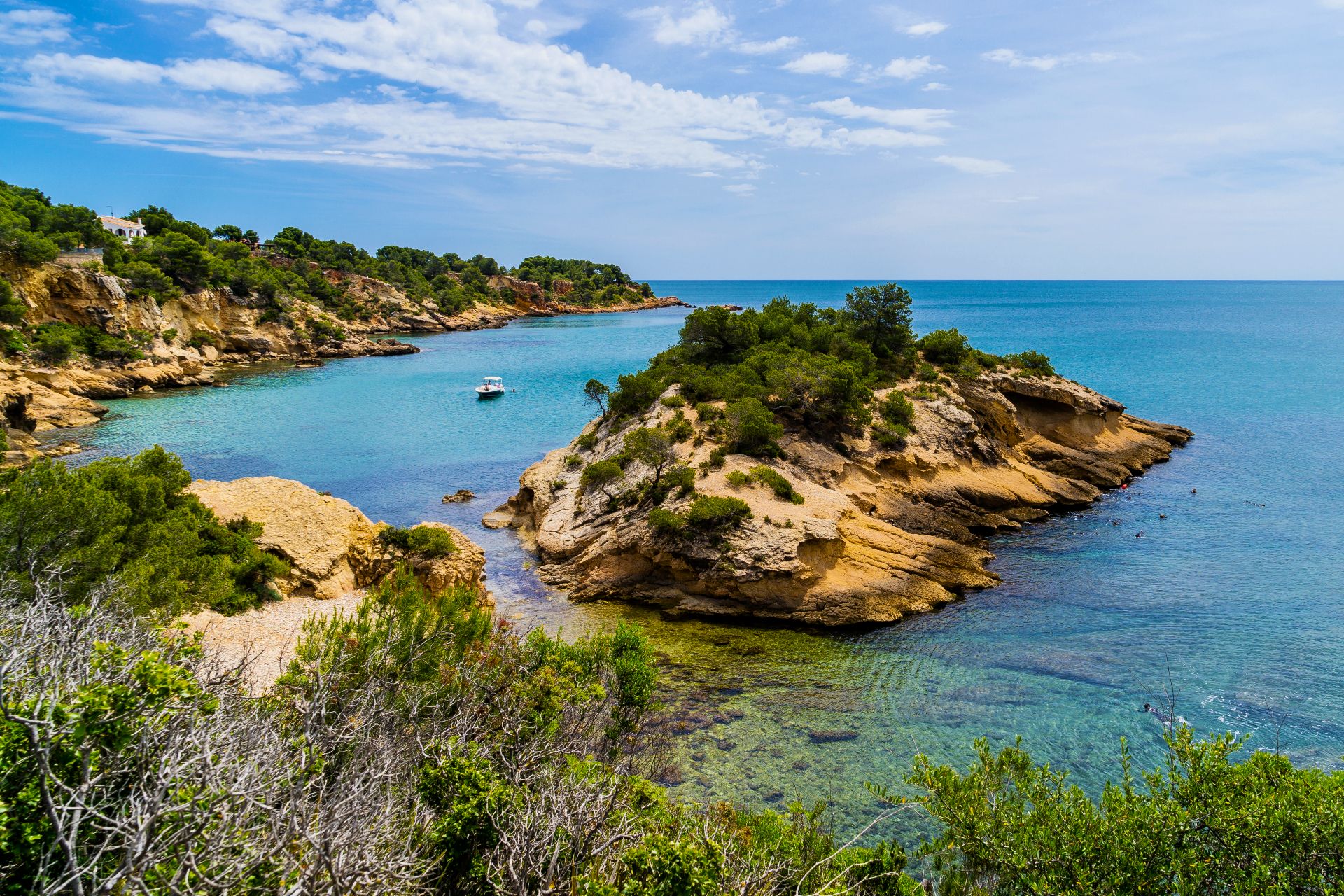
The Catalan coast on foot – Mediterranean Path (GR 92)
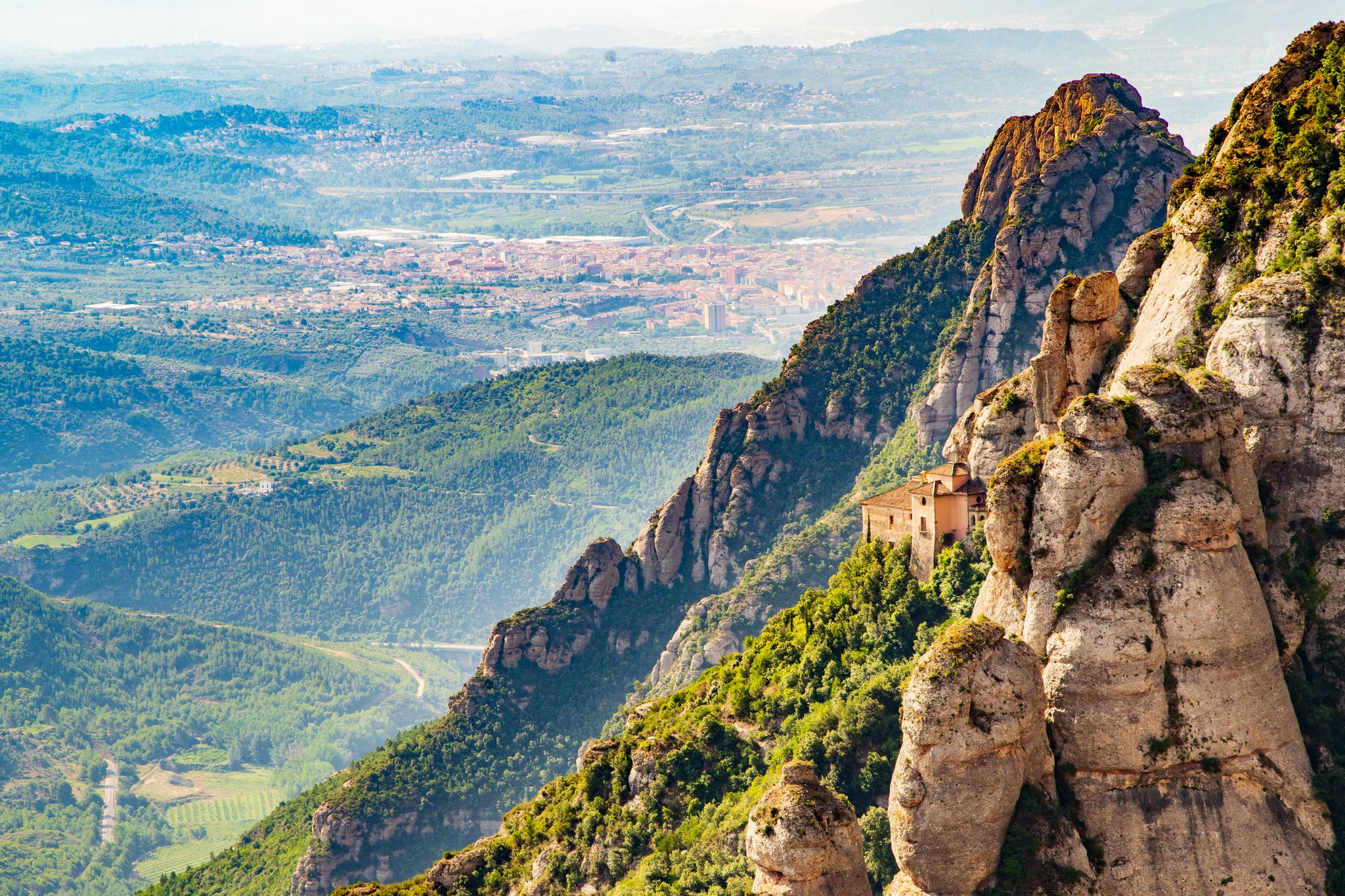
The Barcelona Arch – Natural Parks Trail (GR 5)
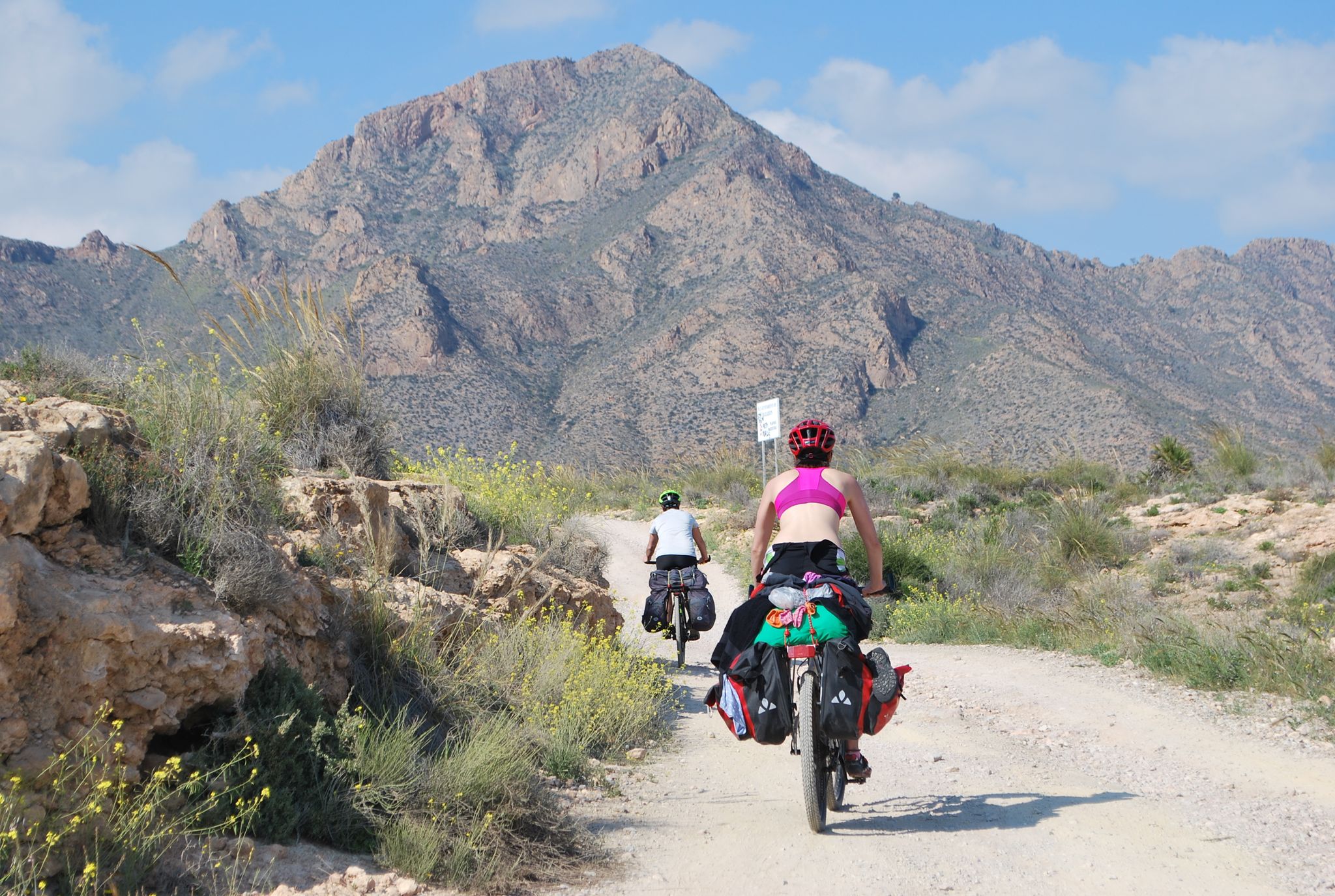
Mediterranean coastal paradise – EuroVelo 8 in Spain
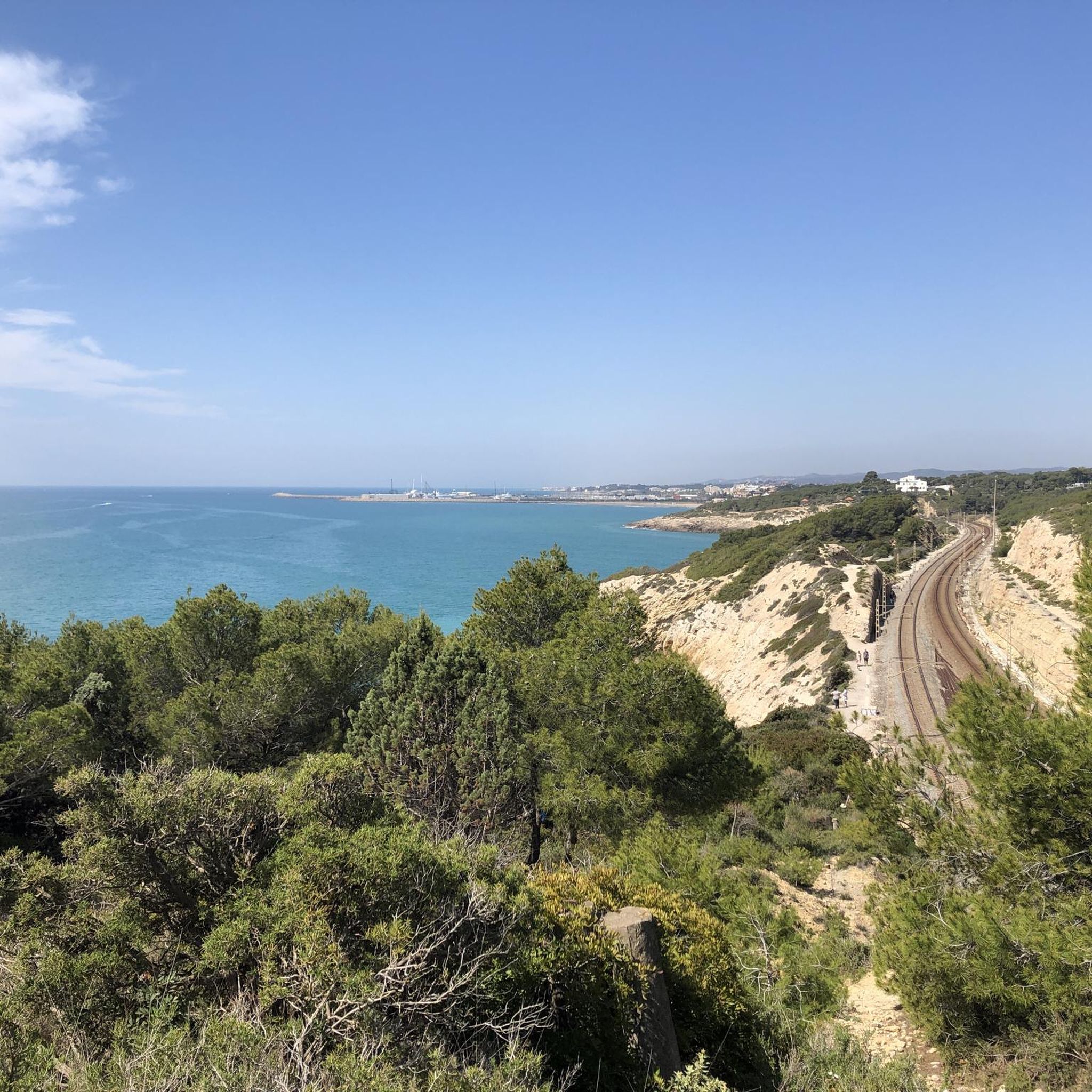
Running Trails around Sitges
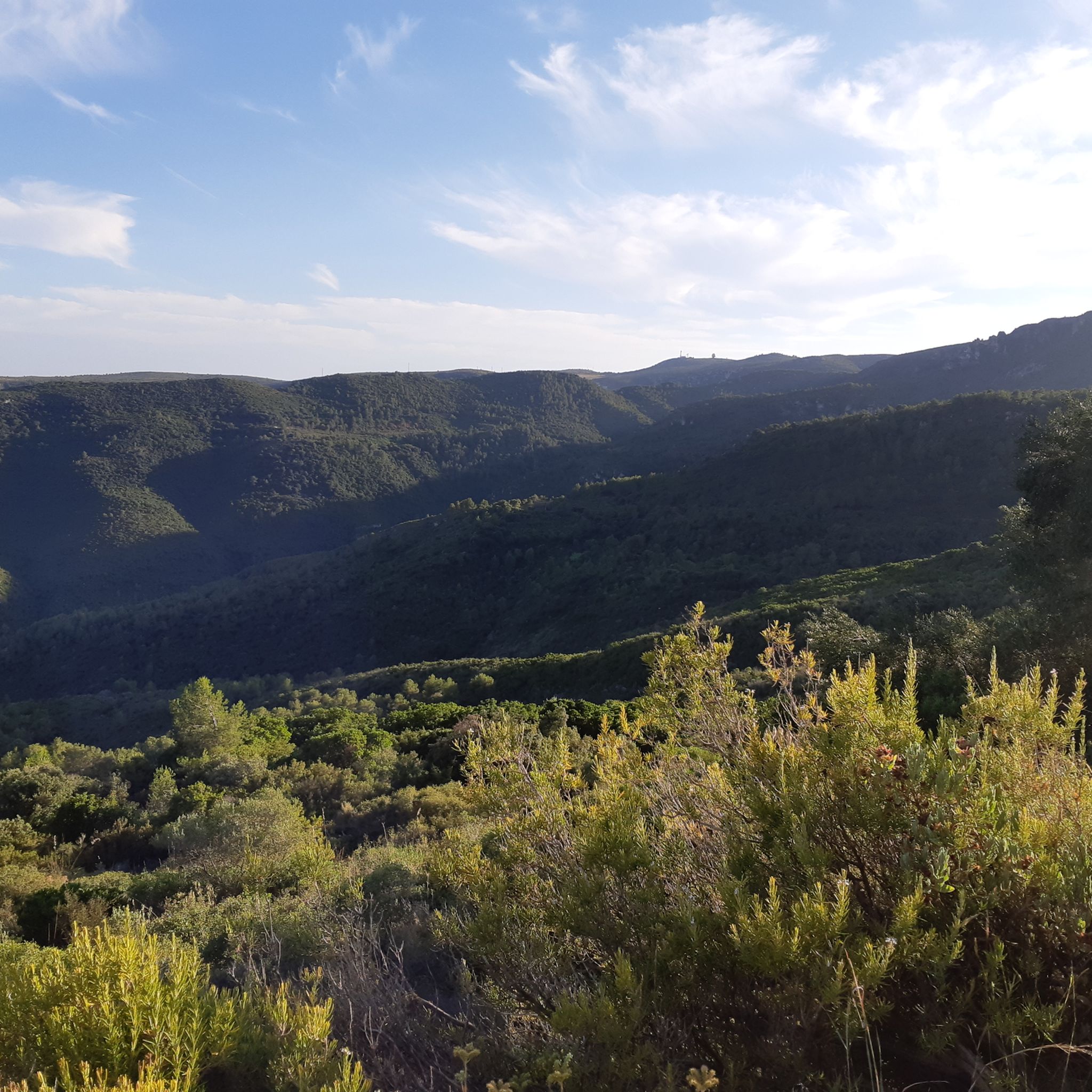
Hiking around Sitges
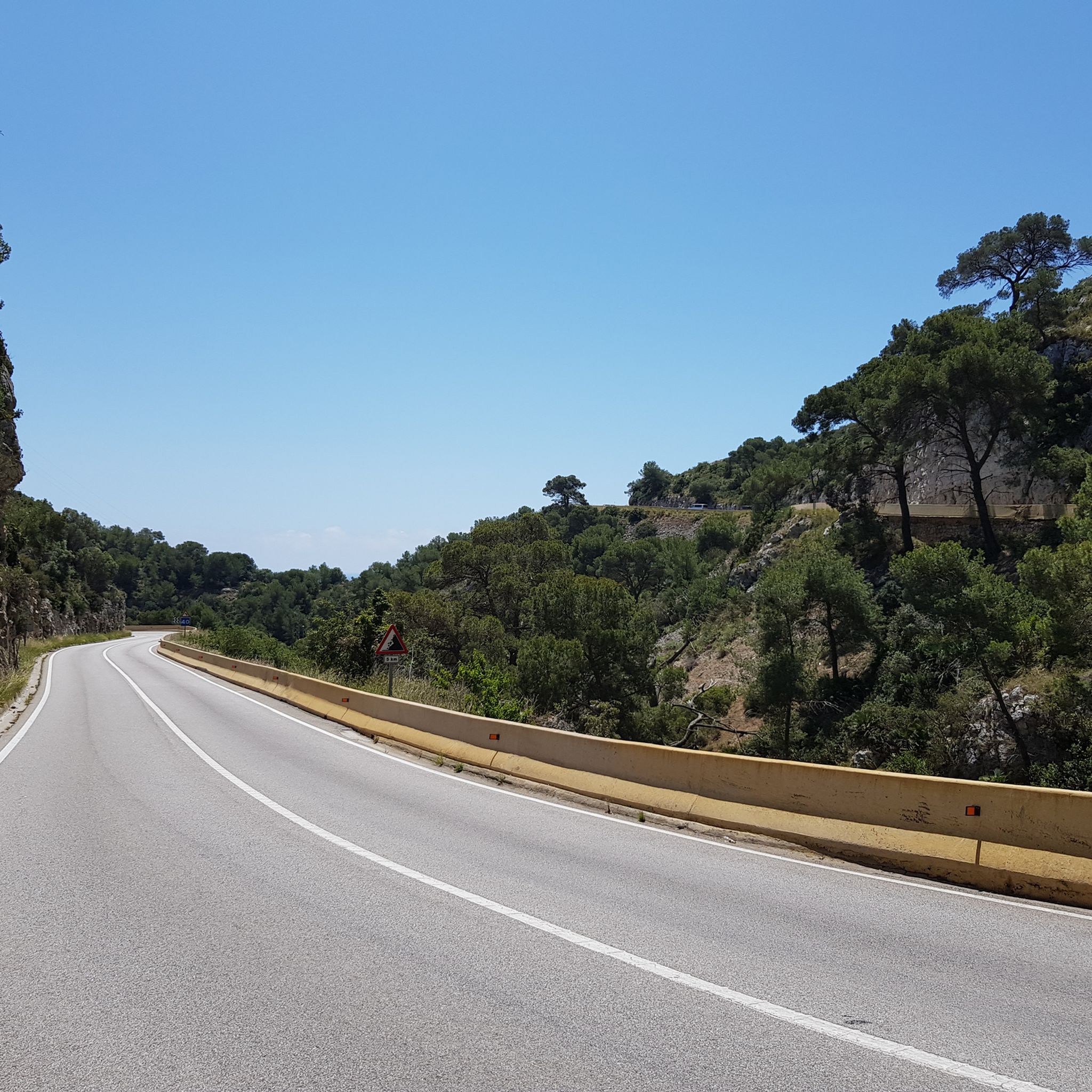
Road Cycling Routes around Sitges
Cycling around Sitges
MTB Trails around Sitges
Other adventures around Sitges


Tips from the Community

From the Canyellas road it is a two kilometer climb to the castle.
0
0

More than 1,000 years of history Although recent archaeological studies testify to the occupation of the Eramprunyà cliff since prehistoric and Iberian times, the history of the castle begins in the 9th century. In 801 the Franks took the city of Barcelona from the Saracens, who had to retreat to the right bank of the Llobregat. The defense of Barcelona required the protection of the flat area, but also the entire lower part of the Llobregat valley, from Martorell to the sea, as it is a natural area of access to Barcelona. It was also necessary to control the entire coastline and the paths of the Garraf. Some of the castles that were built at this time were those of Cervelló, Castellví de Rosanes, Sant Boi, Corbera, Castelldefels and Eramprunyà. For visits Second Sunday of the month, at 10 am Meeting point at the Hermitage of Bruguers. Source and for + info https://www.patrimonigava.cat/espais-patrimonials/castell-deramprunya
0
0

A classic stretch for cyclists in the area. Following the edge of the swamp, with ups and downs, it is a very pleasant area to ride a bike and ride with force and changes of pace.
0
0

The Torre del Veguer is a fortified house of medieval origin, located in the municipality of Sant Pere de Ribes. Its history begins in 1318, when Guillem de Cortei bought the estate, which would become known as Quadra d'Escortei. In the year 1400, the monastery of Sant Jeroni de Montoliver was founded in this place, but years later the monks abandoned it and the house passed into the hands of Gaspar d'Avinyó. In 1601, a descendant of Gaspar d'Avinyó bequeathed the property to his daughter, who married a native of Vilafranca del Penedès, and from this moment on it was called Torre del Veguer, probably because the man from Vilafranca held the position of "veguer." "(representative of the Count of Barcelona in Penedès). In 1883 the property was acquired by Josep Ferrer i Vidal, who carried out important renovations, following aesthetic guidelines inspired by medieval architecture, preserving original elements such as the semicircular arch access door and the exterior buttresses, as well as semicircular arches. point and ogivals inside.
0
0

This castle is located near Sant Miquel d'Eramprunyà and is located on an elevated part, between the slopes of the Garraf with magnificent views over the Llobregat delta.
0
0
The Foix marsh, along with Castellet castle, are the two main attractions of this area, border between Alt Penedès and Garraf. The road runs along one side of the marsh and if you come from Vilanova i la Geltrú, you will enjoy the spectacular views of the castle dominating the marsh.
1
0
Castle at the top of Olèrdola Park. This is one of the 12 natural spaces that try to be protected and at the same time that people can pass through giving life to the area. The old castle is an example, and passing by and seeing its walls is always beautiful!
0
0

The history of the place tells of the settlement of several tribes during the Bronze Age (2000-1800 BC), the construction of a primitive wall during the Iron Age (8th-7th centuries BC) and the arrival of the Cossetans (5th-4th centuries BC), an Iberian tribe that built an entire town there, later replaced by a Roman military camp that controlled the Via Augusta. At the time of the Christian conquest (929), Count Sunyer I built the first castle on the ruins of a Roman watchtower, as well as the church of Sant Miquel. The Muslim incursions of the 10th century seriously damaged the place, which had to be rebuilt during the following two centuries, after it belonged to Mir Geribert, self-proclaimed prince of Olèrdola. The visit to the complex is worth taking it easy and dedicating at least an hour to it. Before you go, you should consult their website: http://www.macolerdola.cat/Visita-ns/Informacio-per-a-la-visita
1
0
Frequently Asked Questions
What are some of the most popular castles and historical sites to visit around Sitges?
The region around Sitges offers several compelling historical sites. Among the most popular are Castellet Castle and the Foix Reservoir, known for its spectacular views over the Foix marsh. Another significant site is the Olèrdola Castle and Archaeological Site, which includes Roman ruins and the 10th-century church of Sant Miquel d'Olèrdola. Visitors also appreciate Eramprunyà Castle, perched on an elevated part of the Garraf with over 1,000 years of history.
Are there any historical buildings with castle connections within Sitges itself?
While Sitges doesn't have traditional freestanding castles within the town, it boasts historical buildings with strong castle connections. The current Sitges Town Hall (Ajuntament de Sitges), built between 1887-1889, stands on the foundations and supporting walls of a medieval castle. Additionally, Palau Maricel, an impressive complex, features a tower with battlements known as Torre de Sant Miquel, reminiscent of fortifications.
Which castles offer the best views or natural surroundings?
For stunning views and natural beauty, Castellet Castle and the Foix Reservoir is highly recommended, offering panoramic vistas over the Foix marsh. Eramprunyà Castle also provides magnificent views over the Llobregat delta from its elevated position between the slopes of the Garraf.
Are there hiking trails near the castles around Sitges?
Yes, the area around Sitges offers numerous hiking opportunities that can be combined with castle visits. For example, the Olèrdola Castle and Archaeological Site is located within the protected natural environment of the Regional Park of Olèrdola, providing a scenic backdrop for walks. You can find various hiking routes in the region, including those around the Garraf Park, by exploring the Hiking around Sitges guide.
What other outdoor activities can I do near these castles?
Beyond hiking, the region offers diverse outdoor activities. You can enjoy gravel biking on routes like 'On gravel from the beach to the Buddhist monastery of Garraf' or 'Castillo de Ribes – Can Cabanyes farmhouse loop from Sitges'. For more options, check out the Gravel biking around Sitges guide. Running trails are also popular, with routes like 'Sitges Beach and Promenade loop' available in the Running Trails around Sitges guide.
What is the historical significance of the Olèrdola Monumental Complex?
The Olèrdola Monumental Complex is a strategic archaeological enclave with a history spanning from the Early Bronze Age to the medieval period. It showcases vestiges and constructions that trace the history of Penedes, including Roman walls and cisterns, and the spectacular pre-Romanesque and Romanesque church of Sant Miquel. It also houses the Museum of Archeology of Catalonia-Olèrdola.
Is there a fortified house of medieval origin near Sitges?
Yes, Torre del Veguer is a fortified house of medieval origin located in Sant Pere de Ribes. Its history dates back to 1318, and while it has undergone significant renovations, it preserves original elements like the semicircular arch access door and exterior buttresses, reflecting its rich past.
Are there any castles further afield that are worth a day trip from Sitges?
For a more traditional castle experience, Castell de les Sitges in the Lleida province is approximately 135 km from Sitges. This Romanesque and Gothic-style castle, first referenced in the mid-11th century, maintains the features of a Catalan Gothic fortress with a warlike exterior and an interior typical of an aristocratic residence. It's open to the public on Sundays and serves as a venue for cultural events.
What can visitors expect when visiting Castellet Castle?
Visitors to Castellet Castle and the Foix Reservoir can expect to enjoy spectacular views of the castle dominating the Foix marsh. The road leading to it offers a scenic drive, and the area is a popular spot for its natural beauty and historical significance, marking the border between Alt Penedès and Garraf.
What is the best way to learn more about the history of Sitges' buildings?
To delve deeper into the history of Sitges' buildings, including those with castle connections, you can explore the old quarter. The Sitges Town Hall, built on medieval castle foundations, is a prime example. For more information on the town's architectural heritage, you can visit the Visit Sitges tourism website.
Are there any castles that are particularly good for history enthusiasts?
History enthusiasts will find the Olèrdola Castle and Archaeological Site particularly rewarding. It offers a comprehensive journey through history from the Bronze Age to the High Middle Ages, with Roman walls, cisterns, and a medieval castle. Eramprunyà Castle, with over 1,000 years of documented history and archaeological evidence dating back to prehistoric times, also provides a deep dive into the region's past.
Most popular attractions around Sitges

Get inspired with the komoot mobile app


Explore more
Looking for the best castles somewhere else? Discover other guides around Sitges:
