Top 5 Lakes around Pals
Best lakes around Pals are characterized by extensive wetlands and rice fields, rather than traditional large lakes. Historically, the area was a large lake, with the name "Pals" derived from the Latin for "marshy ground." These landscapes are part of the Montgrí Massif, Medes Isles, and Baix Ter Natural Park, offering significant ecological value. The region provides opportunities for walking and exploring unique ecosystems, including those linked to rice cultivation.
Best lakes around Pals
- The most popular lakes is La…
Last updated: June 20, 2026
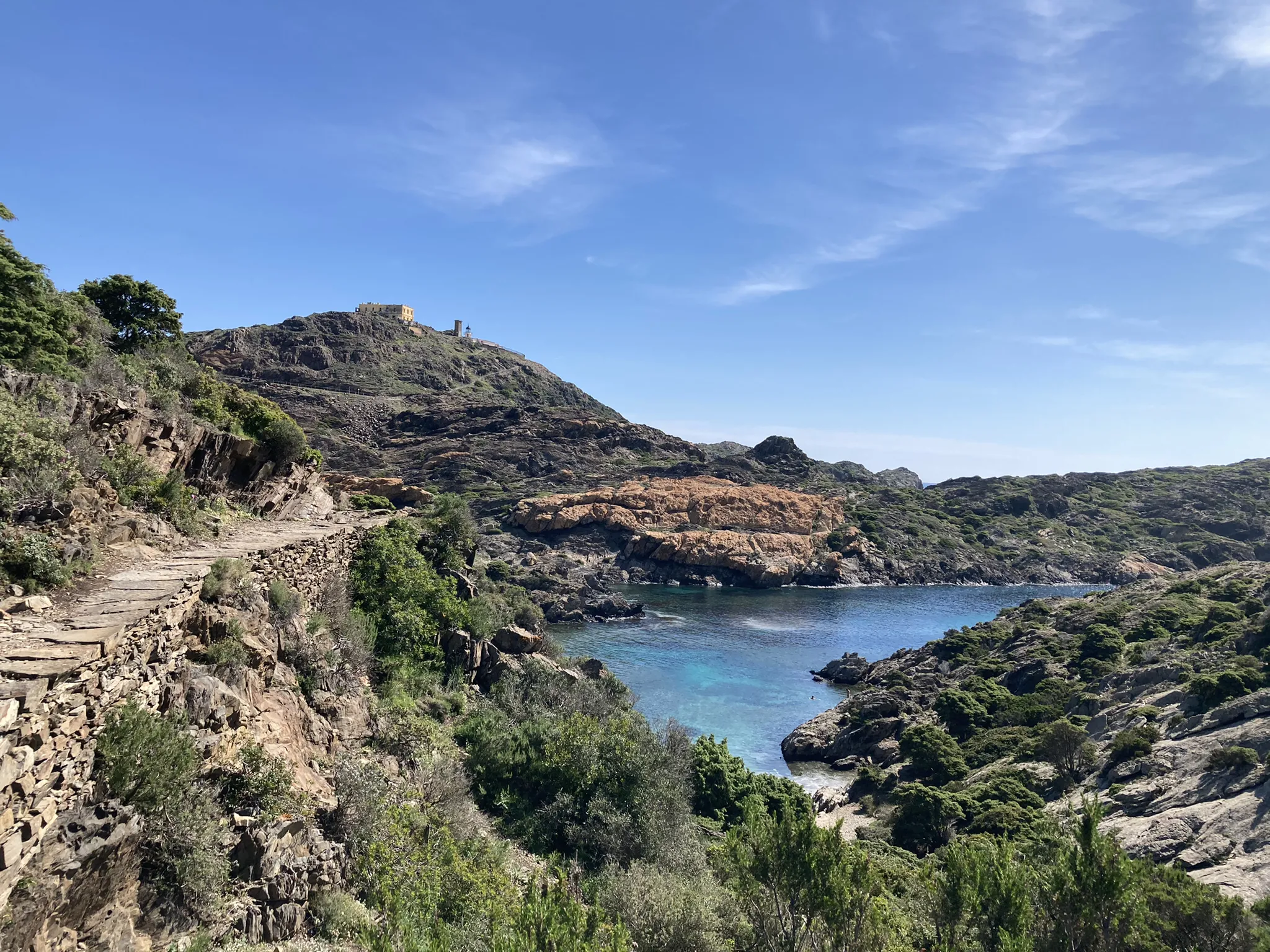
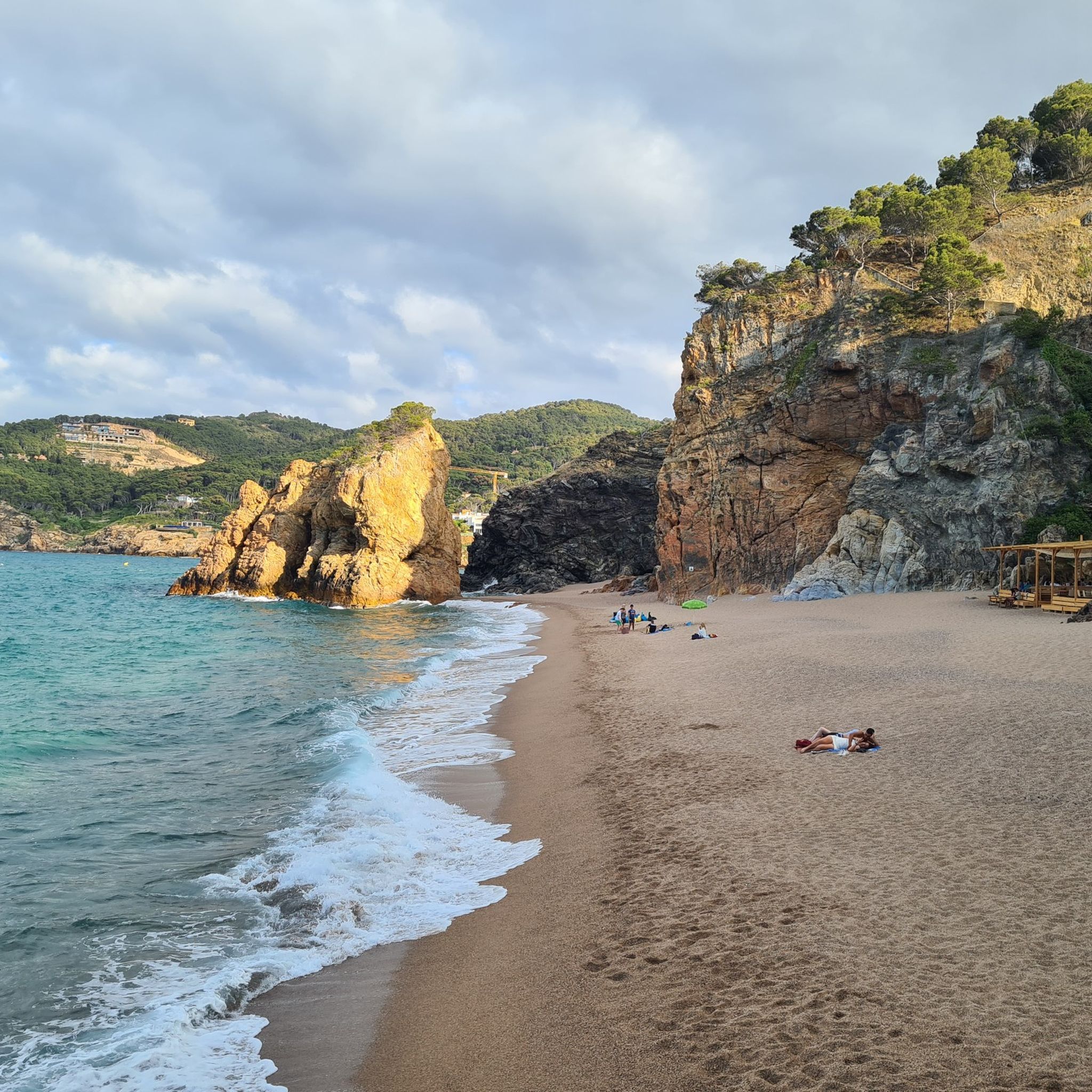
La Foradada
Highlight • Beach
Translated by Google •
Tip by

La Pletera bird observatory
Highlight • Viewpoint
Translated by Google •
Tip by

Sign up now to discover places like this
Get recommendations on the best single tracks, peaks, & plenty of other exciting outdoor places.
Sign up for free
Baix Ter Wetlands Nature Reserve
Highlight • Natural Monument
Translated by Google •
Tip by

The Fra Ramon Lagoon
Highlight • Lake
Translated by Google •
Tip by
Start today with a free account
Your next adventure awaits.
Login or Signup
Other adventures around Pals

Tips from the Community


It's very beautiful, the landscapes and panoramas of the sea, the crossing of isolated beaches, the coves... are magnificent rewards for the efforts made! But you must wear good shoes and bring water and a small snack. Some paths are sometimes a little difficult but you won't regret it. Once past Castel beach we find more conventional trails. Allow 3 hours minimum.
1
0

Nice passage but be careful during periods of strong wind because there are no trees around
0
0

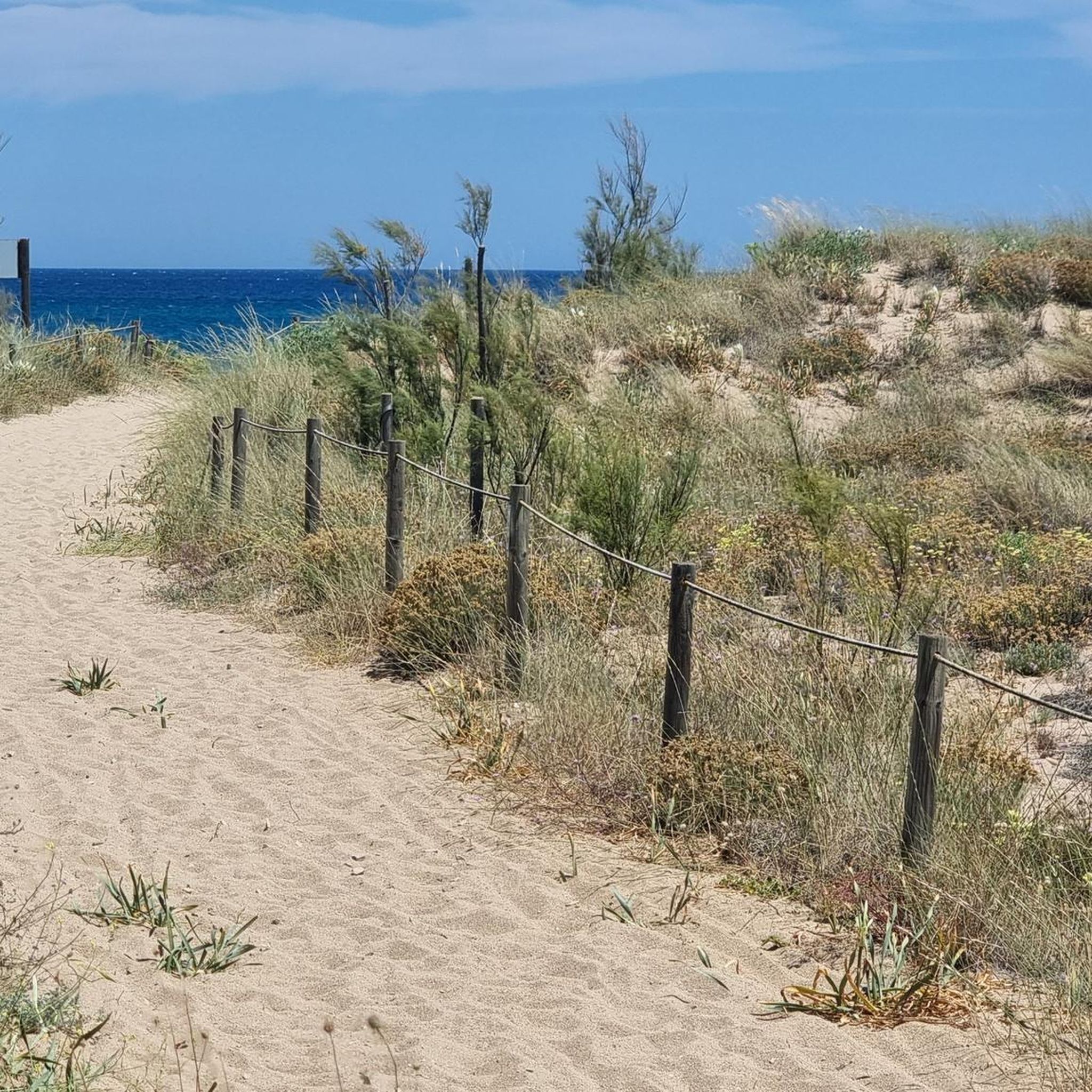
Coastal lagoons resulting from the deconstruction of an urbanization. Thanks to a Life project, a lagoon space behind the beach has been rebuilt, just as it should have been before it was developed. Numerous species of birds take refuge there, especially in winter and in migration, which can be observed from a magnificent observatory. https://www.flickr.com/photos/66451146@N08/48988123121
5
0
The Bassa del Fra Ramon is a lagoon located between the old mouth and the Ter Vell, which has its origin in an old bed of the Ter river. This area stands out for its vegetation, where there are populations of ruppia that cover the bottom of the lagoon, and margins with samphires and some isolated tamarinds. https://www.youtube.com/watch?v=dAM7akA8Fuw
3
0

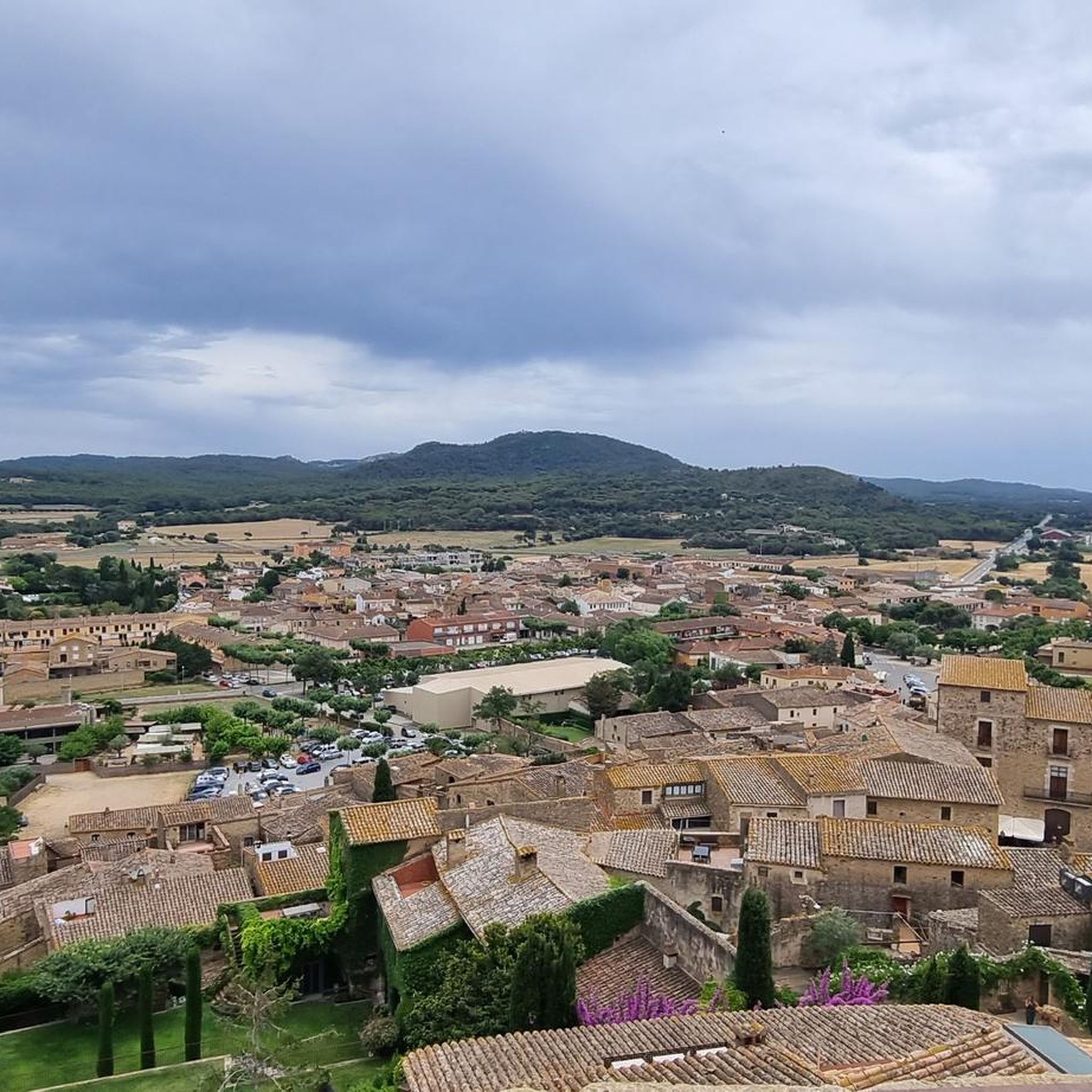
Magnificent view from the plain to the Montgri massif.
0
0
Nature reserves in the area of the river mouth.
0
0
Nature reserves in the area of the river Ter.
0
0
Frequently Asked Questions
What kind of 'lakes' can I expect to find around Pals?
The 'lakes' around Pals are primarily characterized by extensive wetlands, coastal lagoons, and rice fields, rather than large, traditional lakes. This unique landscape is part of the Montgrí Massif, Medes Isles, and Baix Ter Natural Park, offering significant ecological value. The region's name 'Pals' itself is derived from the Latin for 'marshy ground', reflecting its historical nature.
Are there any natural parks or significant wetland areas near Pals?
Yes, the area is rich in natural wetlands. The Baix Ter Wetlands Nature Reserve is a notable natural monument comprising reserves around the mouth of the Ter river. Further afield, the Aiguamolls de l'Empordà Natural Park, the second most important wetland area in Catalonia, offers diverse habitats including brackish and saltwater marshes, and freshwater lakes, ideal for nature lovers and birdwatchers.
What are some popular spots for observing nature and wildlife near Pals?
The La Pletera bird observatory is a popular viewpoint featuring coastal lagoons rebuilt as part of a Life project. Numerous bird species take refuge here, especially during winter and migration, and can be observed from a dedicated observatory. The Aiguamolls de l'Empordà Natural Park is also excellent for birdwatching and observing varied flora and fauna like purple swamphens and otters.
Are there family-friendly areas or activities around the lakes near Pals?
Yes, several areas are suitable for families. The La Pletera bird observatory and the Baix Ter Wetlands Nature Reserve are both marked as family-friendly. The small lake near Platja de Pals contributes to an ecological coastal area ideal for families, walking, and enjoying the Mediterranean landscape. Lake Banyoles, though further away, offers boat rides and family-friendly routes around its wetlands.
What kind of outdoor activities can I do near these wetlands and lakes?
The unique landscape around Pals is excellent for various outdoor activities. You can explore the area through running, hiking, and cycling. For example, there are numerous running trails, including routes through the rice fields. Hiking routes range from easy walks along the beach to more challenging trails. Cycling is also popular, with cycling routes like the 'Arrozales de Pals - Circular by Pals & Empordanet villages' allowing you to experience the diverse scenery.
Are there any viewpoints offering scenic panoramas of the coastal areas?
Yes, La Foradada is a beach and viewpoint offering magnificent landscapes and panoramas of the sea, isolated beaches, and coves. Visitors recommend wearing good shoes and bringing water for the rewarding views along the trails.
What is the best time to visit the lakes and wetlands around Pals?
The wetlands and lagoons around Pals are particularly interesting during winter and migration periods for birdwatching, especially at the La Pletera bird observatory. Generally, spring and autumn offer pleasant temperatures for walking and exploring the natural areas without the intense summer heat.
Can I find any unique geological features or natural formations?
The region is known for its unique karst lacustrine complex, particularly Lake Banyoles, which is fed by underground water sources. Near Pals, the coastal areas feature rocky headlands and the unique environment created by the rice fields and wetlands, which are part of the Montgrí Massif, Medes Isles, and Baix Ter Natural Park.
What do visitors enjoy most about the lakes and natural areas near Pals?
Visitors appreciate the unique ecological value of the wetlands and rice fields, which offer diverse habitats and scenic routes for exploration. The beautiful landscapes and panoramas of the sea, isolated beaches, and coves, particularly around La Foradada, are highly praised. The opportunity for birdwatching at spots like the La Pletera bird observatory is also a significant draw.
Is Lake Banyoles accessible from Pals, and what activities does it offer?
Lake Banyoles is located about 45 kilometers from Pals. It is the largest natural lake in Catalonia and a popular spot for both relaxation and various activities. You can enjoy kayaking, swimming, boat rides, or explore the surrounding wetlands via designed routes. It famously hosted the rowing events for the 1992 Olympic Games and still has active sports facilities.
Are there any specific lagoons or smaller water bodies worth noting?
Yes, The Fra Ramon Lagoon is a notable lagoon located between the old mouth and the Ter Vell, originating from an old bed of the Ter river. It stands out for its unique vegetation, including populations of ruppia covering the lagoon's bottom and margins with samphires and isolated tamarinds.
Are there easy walking trails around the lakes and wetlands?
Many of the trails around the wetlands and rice fields are relatively flat and easy, making them suitable for leisurely walks. For example, the 'Pals Beach – Platja de la Fonollera loop' is an easy hiking route. The Aiguamolls de l'Empordà Natural Park also offers accessible routes for exploring the marshes.
Most popular attractions around Pals

Get inspired with the komoot mobile app


Explore more
Still not found your perfect lake around Pals? Check out the guides of these regions to see even more beautiful places.
