Top 5 Castles around Albarracín
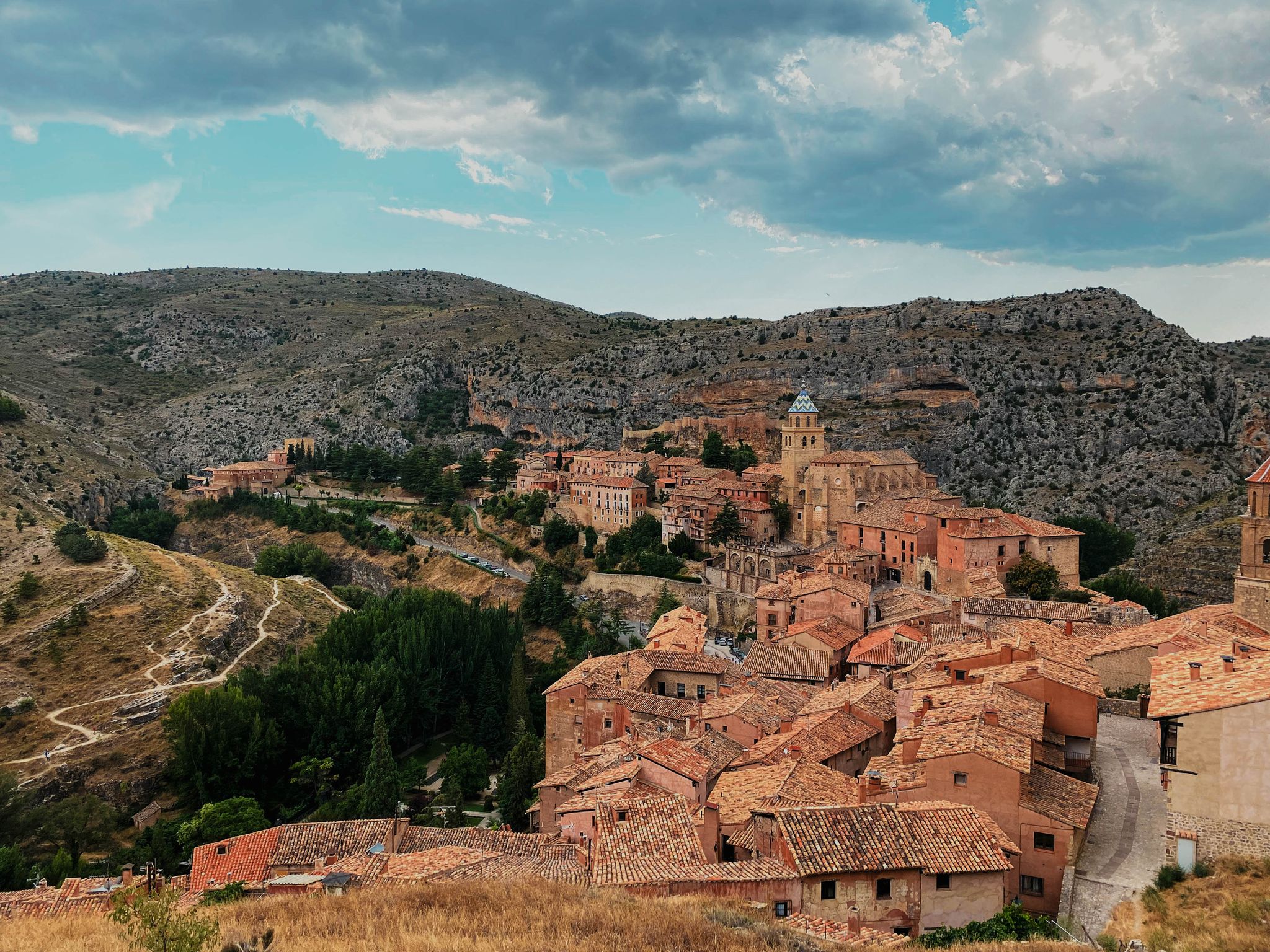
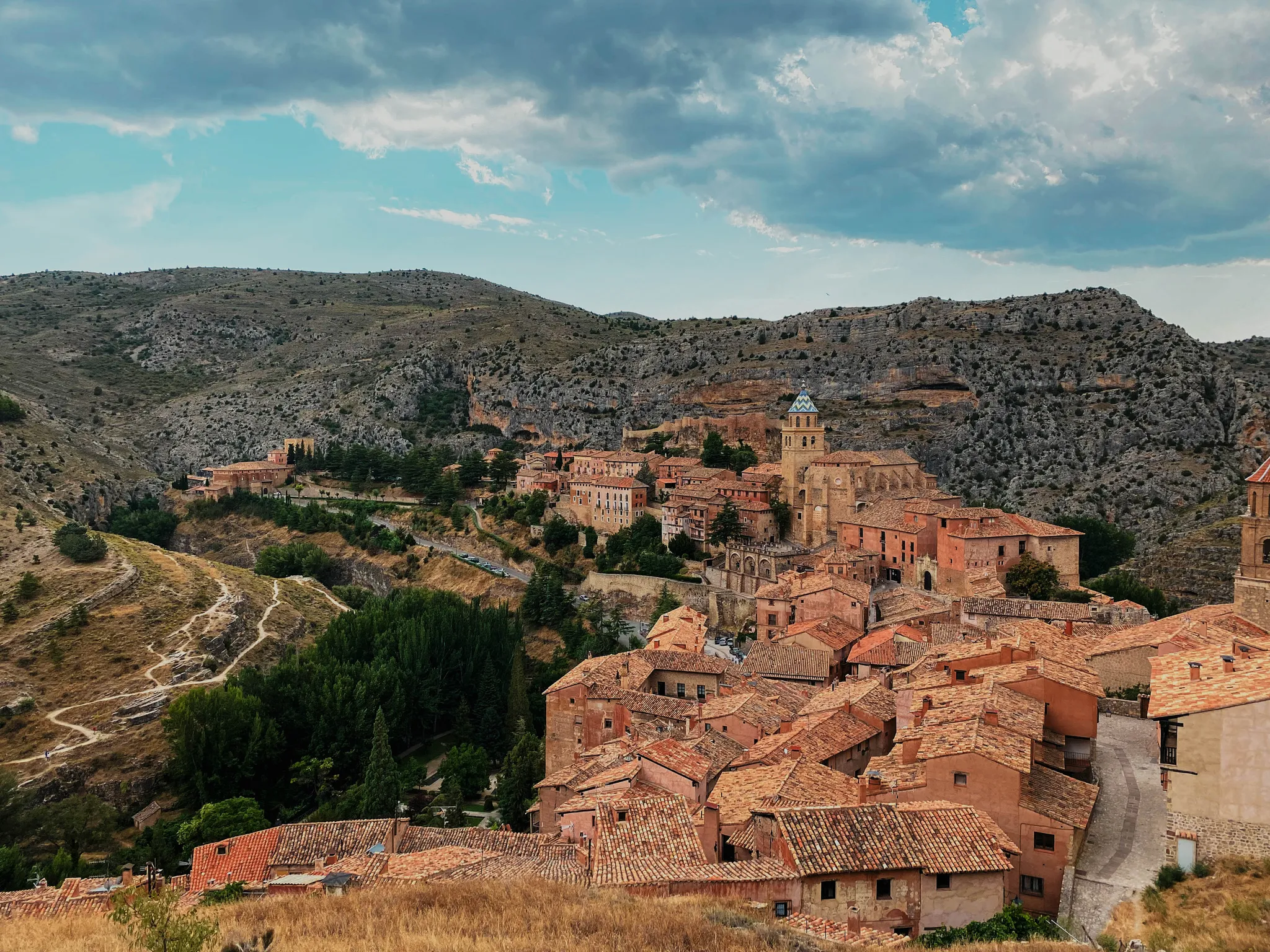
Best castles around Albarracín are found in a picturesque medieval town in the province of Teruel, Spain. Albarracín is renowned for its well-preserved architecture and dramatic setting, often perched atop a triangular rock. The town's extensive defensive system, including its main castle and fortified walls, reflects its historical significance. The surrounding valley and natural environment offer a backdrop for exploring these historical sites.
Best castles around Albarracín
- The most popular castles is Albarracín Old Town, a settlement that offers…
Last updated: August 14, 2026
Albarracín Old Town
Highlight • Settlement
Translated by Google •
Tip by

Historic Town of Albarracín
Highlight • Historical Site
Showing Translation
Tip by

Sign up now to discover places like this
Get recommendations on the best single tracks, peaks, & plenty of other exciting outdoor places.
Sign up for free
Doña Blanca Tower
Highlight • Castle
Translated by Google •
Tip by
Peracense Castle
Highlight • Castle
Translated by Google •
Tip by
Castillo de los Ares
Highlight • Castle
Tip by

Start today with a free account
Your next adventure awaits.
Login or Signup
Popular around Albarracín
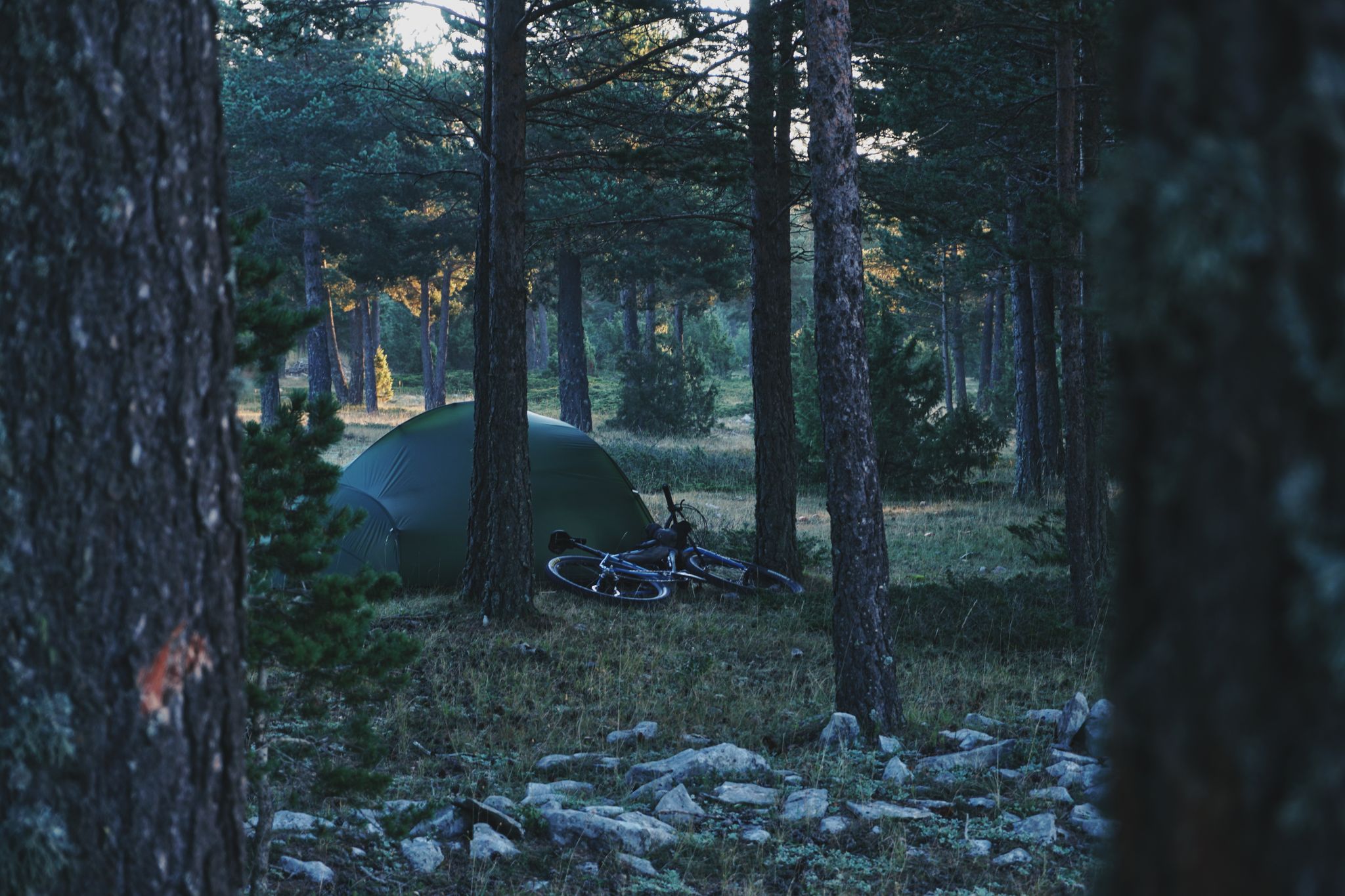
MontañasVacías official — bikepacking across the Spanish Lapland
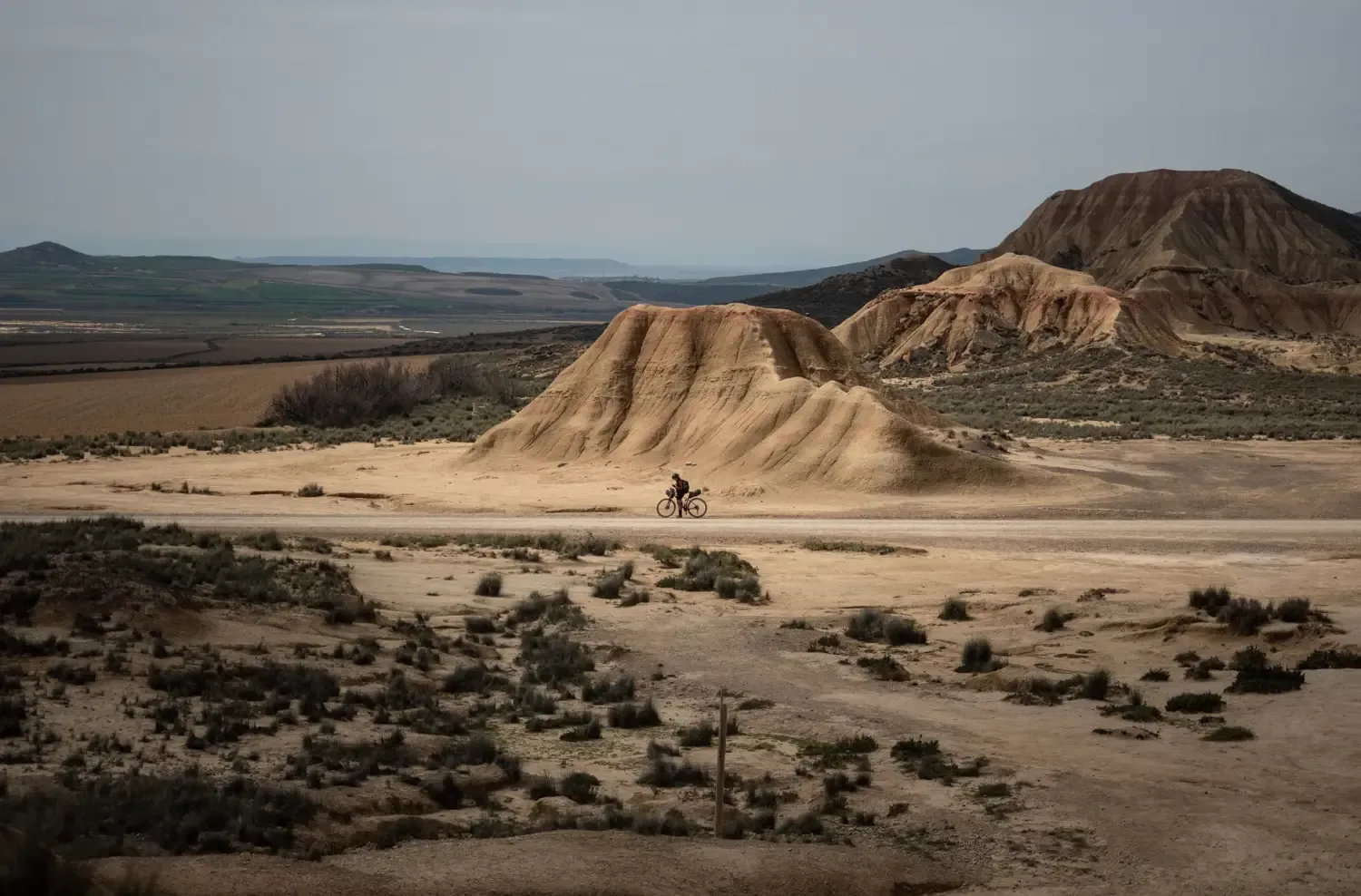
9 mountain biking routes in undiscovered Spain
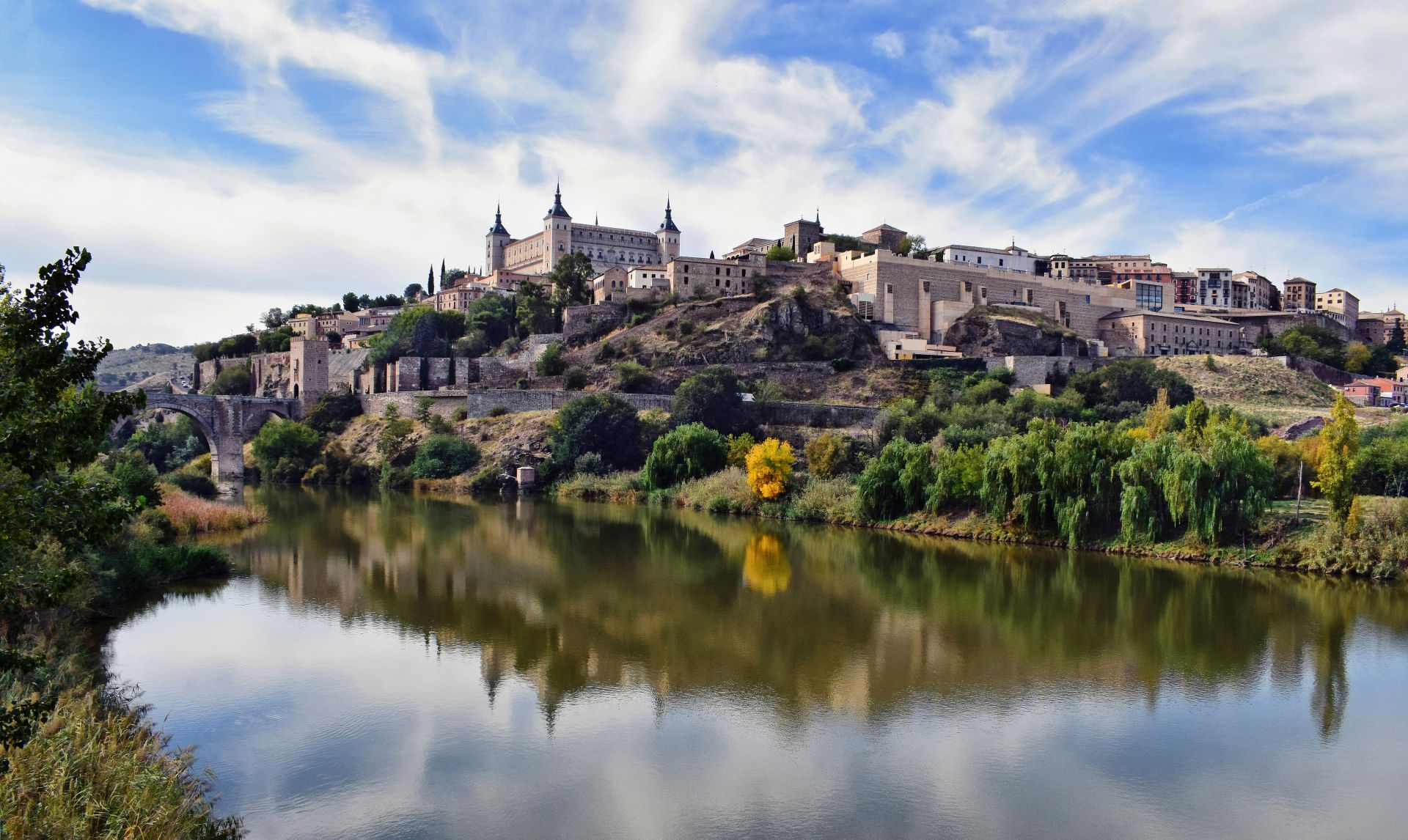
Albarracín to Toledo – Eastern Tagus Nature Trail
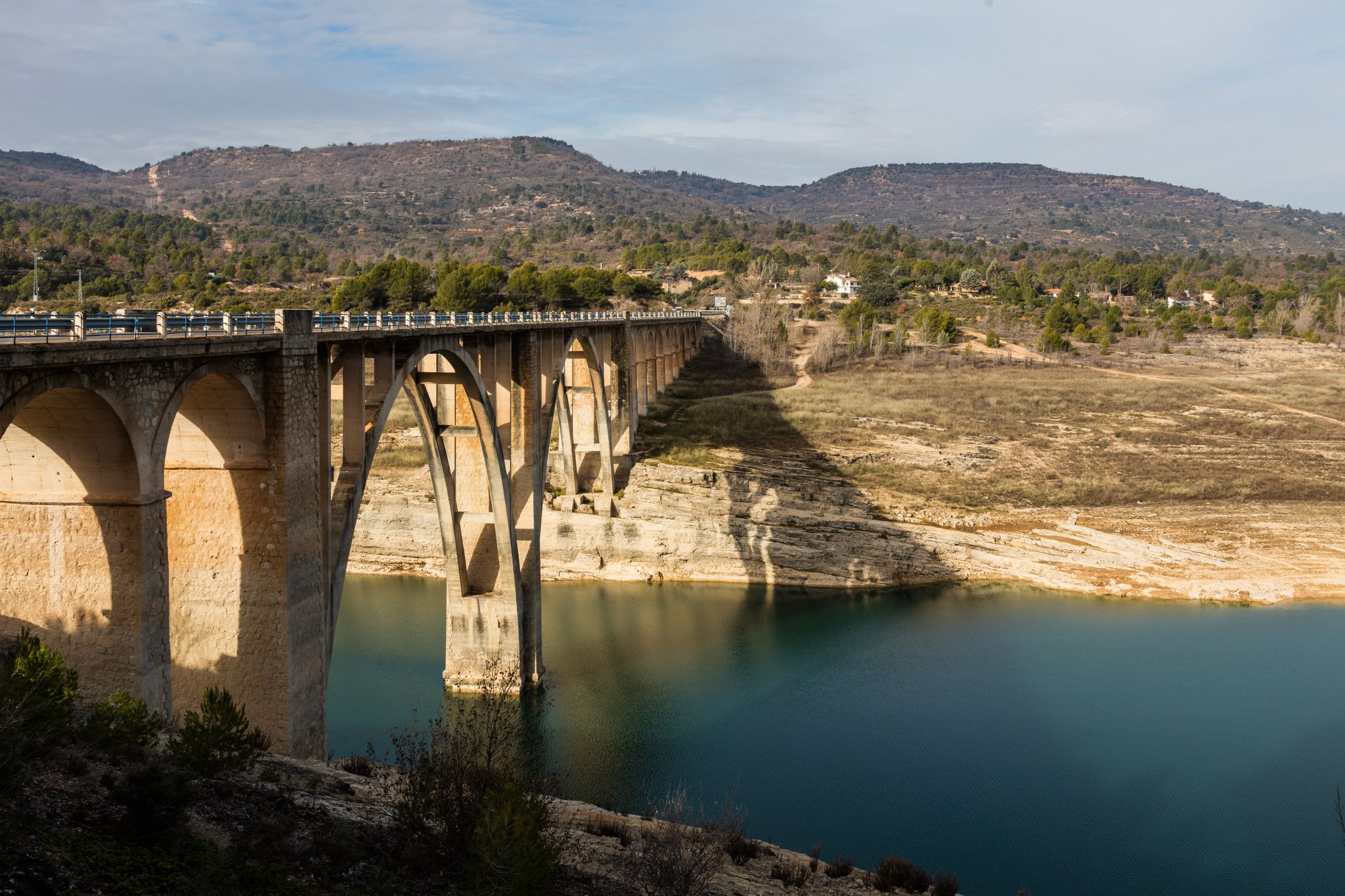
A journey on the Iberian Peninsula – Tagus Nature Trail
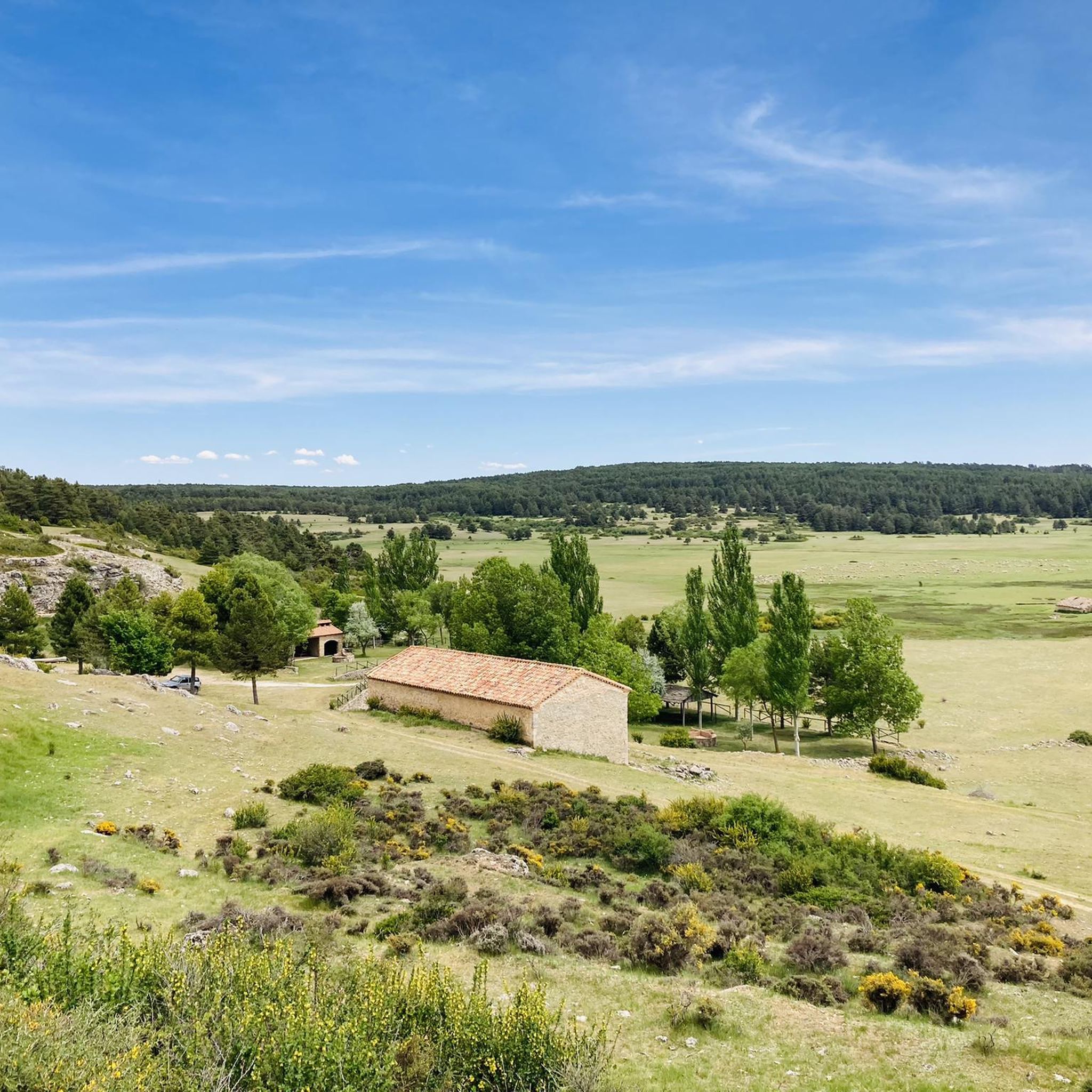
The Three Taifas by gravel bike – El Camino del Cid
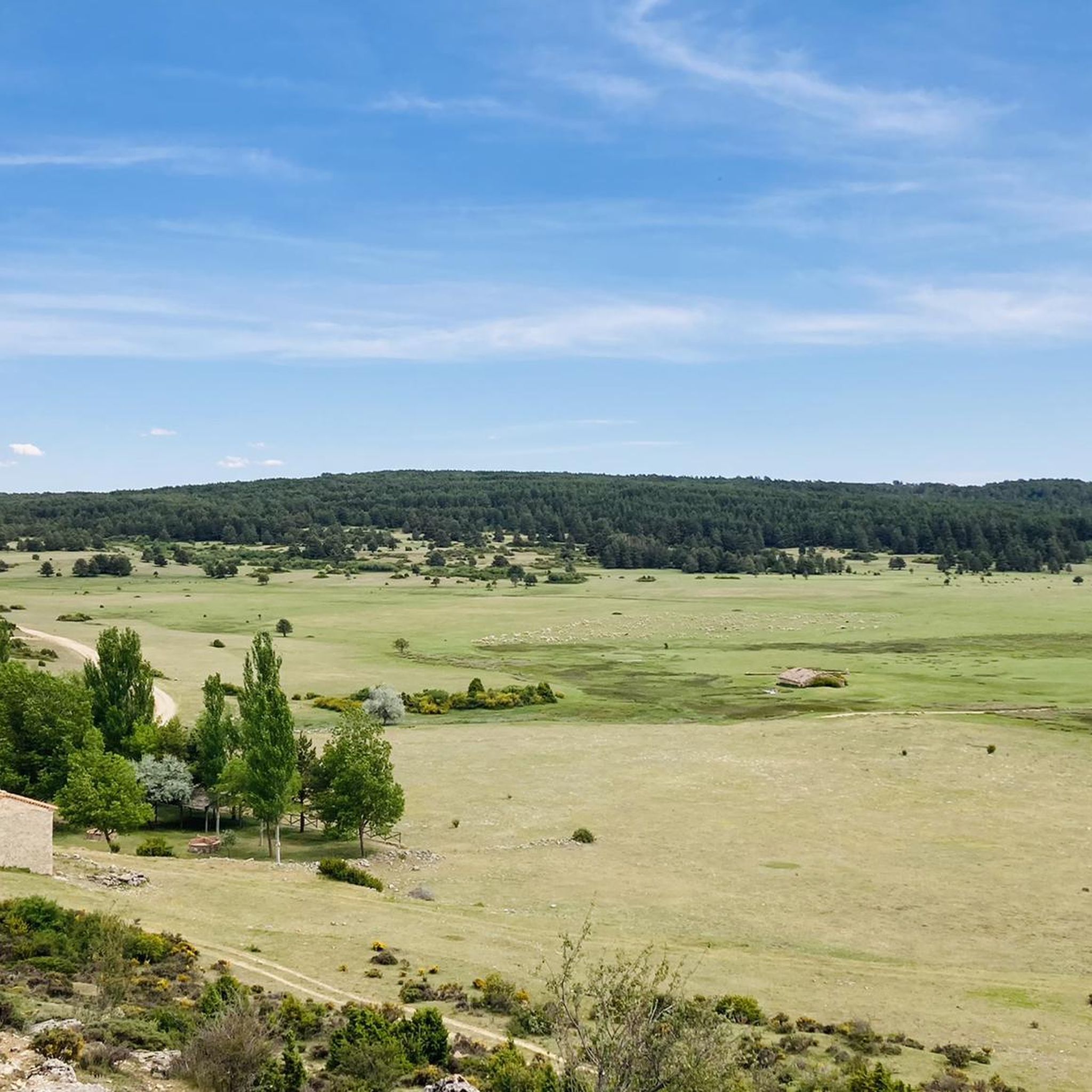
The Way of El Cid by bike – The Three Taifas
Hiking around Albarracín
MTB Trails around Albarracín
Road Cycling Routes around Albarracín
Cycling around Albarracín
Other adventures around Albarracín


Tips from the Community

Al.barracín, a spectacular old "pink" village with 1050 inhabitants, is located at an altitude of 1182 m, with beautiful views of the Río Guadalaviar. The village is located in the province of Teruel (southern Aragón), 37 km northwest of Teruel, the city of Mudéjar architecture. It is surrounded by an impressive landscape of mountain massifs of the Sierra de Albarracín.
12
0

Beautiful place, the village, the castle, the church, everything!
0
1

A very picturesque old town, dating back to the first millennium BC. Its eventful history is reflected in its cityscape. Until the mid-19th century, it was even a bishopric. Defense has always been of paramount importance to this town. To protect itself from attackers, the town was built on a hill and is thus surrounded by a naturally formed moat. This defensive function is still omnipresent today, evident in the oversized city walls. However, the town's growth apparently could not keep pace with the expansion of the city walls. Today, despite the picturesque townscape and the beautiful surroundings, the population has been declining for years.
5
0

Albarracín is a fascinating place to discover! Albarracín has its roots in the Iron Age, but it was during the Muslim period that it began to take its current form. The name comes from the Berber family of the Banu Razin. The town is surrounded by walls dating back to the 11th century, offering stunning views of the surrounding valley. The Torre del Andador and the Catedral del Salvador are two of the most prominent monuments. The cathedral, built in the 16th century, combines Gothic and Renaissance elements. The region offers a spectacular natural environment, ideal for outdoor activities such as hiking, mountain biking and running. ⛪😍😎🚶♀️🌄🚴🌺🌒🐶
15
1
It is known for its characteristic reddish colour, the result of the use of local rodeno stone in its construction. This castle, one of the best preserved in Aragon, is located in a strategic position on a rock formation, which gives it spectacular views of the surroundings, especially the Jiloca valley. Its history dates back to the Bronze Age, although the current structure dates from the 12th to the 14th centuries.
7
0

beautiful we can see it at the last moment
3
0
This picturesque medieval town, located in the province of Teruel, is transformed when the sun goes down. The cobbled streets and houses with whimsical architecture take on a special charm under the light of the moon and the street lamps. Walking through Albarracín at night is like travelling back in time. The historical monuments, such as the Cathedral and the walls, are illuminated, creating a magical and romantic atmosphere. In addition, during the summer months, you can enjoy guided night tours like the one we do that allow you to discover the secrets and legends of this charming place. A visit is totally recommended. 🚶♀️🌒😊
24
0
Built in the 13th century, this watchtower tower stands on a rocky promontory, reaching a height of 18 metres. Its thick masonry walls and its door raised more than eight metres from the ground outside made it practically inaccessible, thus guaranteeing its defensive function. In the 17th century, the tower lost its defensive function and was given to the nearby Dominican convent, which used it as a library. However, with the disappearance of the convent, the tower remained in ruins until it was restored in 2001 by the Santa María de Albarracín Foundation. Today, the tower has been converted into a space for art exhibitions and offers stunning views of Albarracín and its surroundings.
27
0
Frequently Asked Questions
What is the historical significance of Albarracín's defensive structures?
Albarracín's castles and walls are a testament to its strategic importance, with origins in the Islamic period and significant expansions by Christian kings. They served as strongholds for centuries, reflecting the town's eventful history and its role in defending the Kingdom of Aragon. The Albarracín Old Town and Historic Town of Albarracín highlights offer a deep dive into this rich past.
Which castles offer the best panoramic views of Albarracín?
For breathtaking panoramic views, visit the Historic Town of Albarracín, which includes the Torre del Andador. This tower, located at the town's highest point, is a photographer's paradise, especially during sunrise and sunset. The Doña Blanca Tower also provides stunning vistas of the town and surrounding landscapes.
Can I walk along the Walls of Albarracín?
Yes, the Walls of Albarracín offer a unique historical walk. The perimeter is fully visitable, with the main accessible circuit typically taking between 1.5 to 2.5 hours. It's considered moderately challenging due to steps, uneven paths, and steep sections, but rewards visitors with spectacular views. The walls were strategically designed to protect not just the town, but also livestock during sieges.
Are there guided tours available for the castles?
Yes, visits to the main Albarracín Fortress/Castle are typically guided and depart from the Museum of Albarracín. These tours provide insights into its Islamic origins, archaeological findings, and defensive architecture.
What outdoor activities can I do near the castles?
The region around Albarracín offers a spectacular natural environment ideal for outdoor activities. You can find numerous routes for hiking, running, and cycling. Explore options like the Barranco del Cabrerizo and Rupestrian Paintings of Navazo for hiking, or the Barranco del Cabrerizo y Mirador de Peñas Royas for running. For cycling, consider the challenging The Three Taifas Trail. Find more routes in the Hiking around Albarracín, Running Trails around Albarracín, and Cycling around Albarracín guides.
What is the best time to visit Albarracín's castles?
Albarracín is beautiful year-round. However, for comfortable exploration of the castles and walls, spring and autumn offer pleasant temperatures. During summer, walking through the Albarracín Old Town at night is particularly recommended, as the illuminated monuments create a magical atmosphere.
Are there any lesser-known castles or ruins worth exploring?
Beyond the main town, the Castillo de los Ares offers a glimpse into the region's past with the ruins of a beautiful castle, of which only part of a tower remains. It's situated in a location with spectacular charm and magic.
Are the castles and their surroundings family-friendly?
The historic town itself, with its medieval streets and extensive walls, can be explored by families. While some sections of the walls can be moderately challenging, the overall experience of discovering the town's history and architecture is enjoyable for all ages. The natural environment also offers opportunities for family-friendly walks.
Where can I find food and drink near the castles?
The Albarracín Old Town is home to various cafes and restaurants where you can enjoy local cuisine and refreshments. Strolling through its streets will lead you to charming spots to eat and drink after exploring the defensive structures.
What makes Peracense Castle unique?
Peracense Castle, built in the 13th century, is notable for its strategic design. It ingeniously utilized the natural conditions of the terrain, playing a key role in the defense of the Kingdom of Aragon during wars with Castile. Its impressive structure offers a fascinating visit into the past.
What archaeological discoveries have been made at Albarracín's main fortress?
Archaeological excavations within the Albarracín Fortress have revealed significant remains of 12th-century palace constructions from the Muslim alcazaba. These include rooms arranged around a central courtyard, a large water cistern (aljibe), and even the remains of a Muslim hammam (bath). Some of these findings are exhibited at the Museum of Albarracín.
Most popular routes around Albarracín
Most popular attractions around Albarracín

Get inspired with the komoot mobile app


Explore more
Looking for the best castles somewhere else? Discover other guides around Albarracín:
