Top 4 Caves around Saldón
Caves around Saldón are primarily found within the broader Sierra de Albarracín Cultural Park, a region characterized by Jurassic limestone formations and ancient juniper forests in Teruel, Aragon, Spain. This area is renowned for its significant prehistoric rock shelters, which house ancient cave paintings. These sites offer a unique glimpse into the region's early human history and artistic expression. The landscape features a labyrinth of rocks and rocky outcrops, providing natural shelters.
Best caves around Saldón
- The most popular caves…
Last updated: June 20, 2026
Shelter of the Archer of the Enclosed Ravines
Highlight • Historical Site
Translated by Google •
Tip by

Prado del Navazo Bulls Rock Shelter
Highlight • Historical Site
Translated by Google •
Tip by
Sign up now to discover places like this
Get recommendations on the best single tracks, peaks, & plenty of other exciting outdoor places.
Sign up for free
Bishop's Little Kitchen Rock Shelter
Highlight • Historical Site
Translated by Google •
Tip by

Deer rock shelter and various figures
Highlight • Historical Site
Translated by Google •
Tip by
Lázaro Shelter
Highlight • Historical Site
Translated by Google •
Tip by

Sign up for free to discover even more caves around Saldón.
Sign up for free
Already have an account?
Start today with a free account
Your next adventure awaits.
Login or Signup
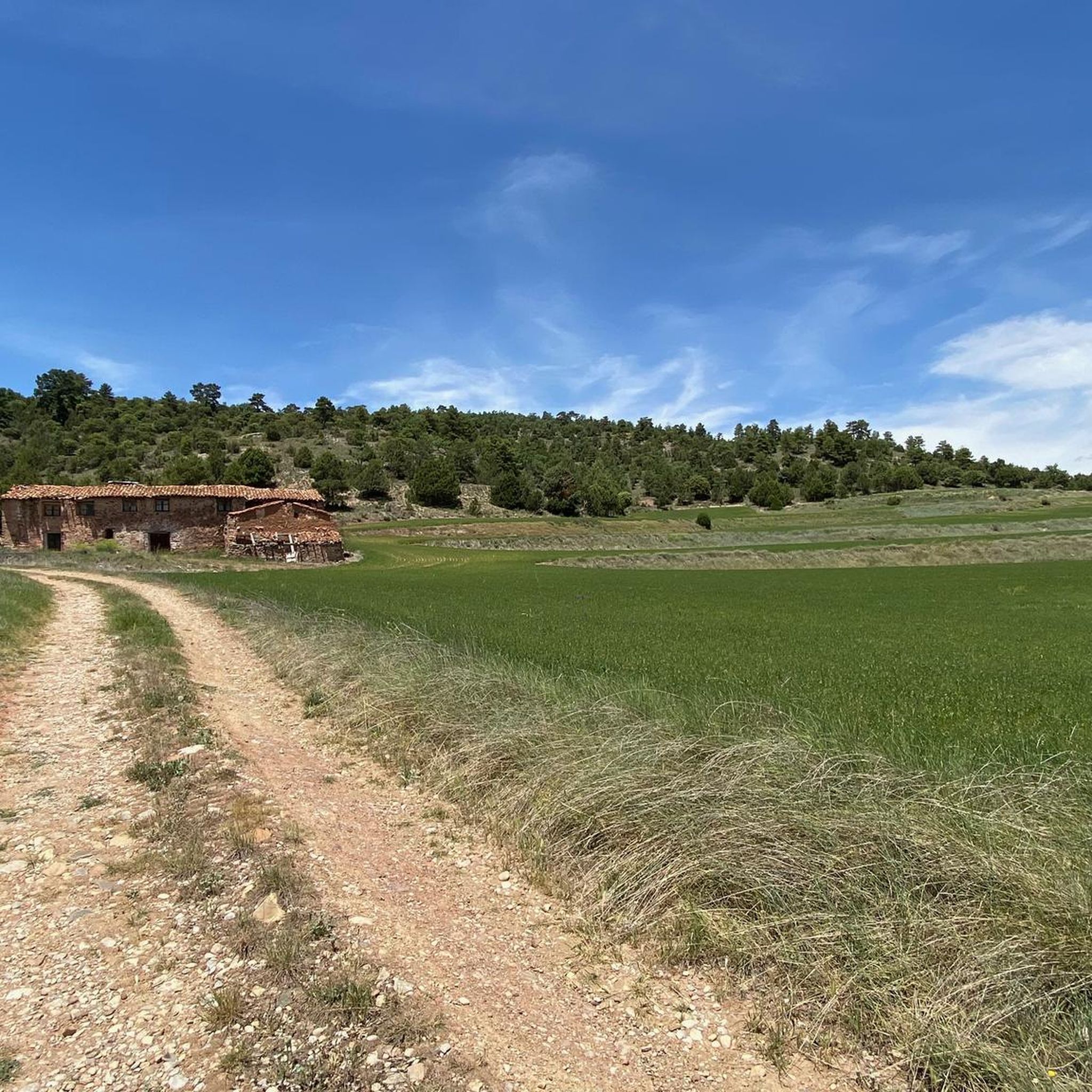
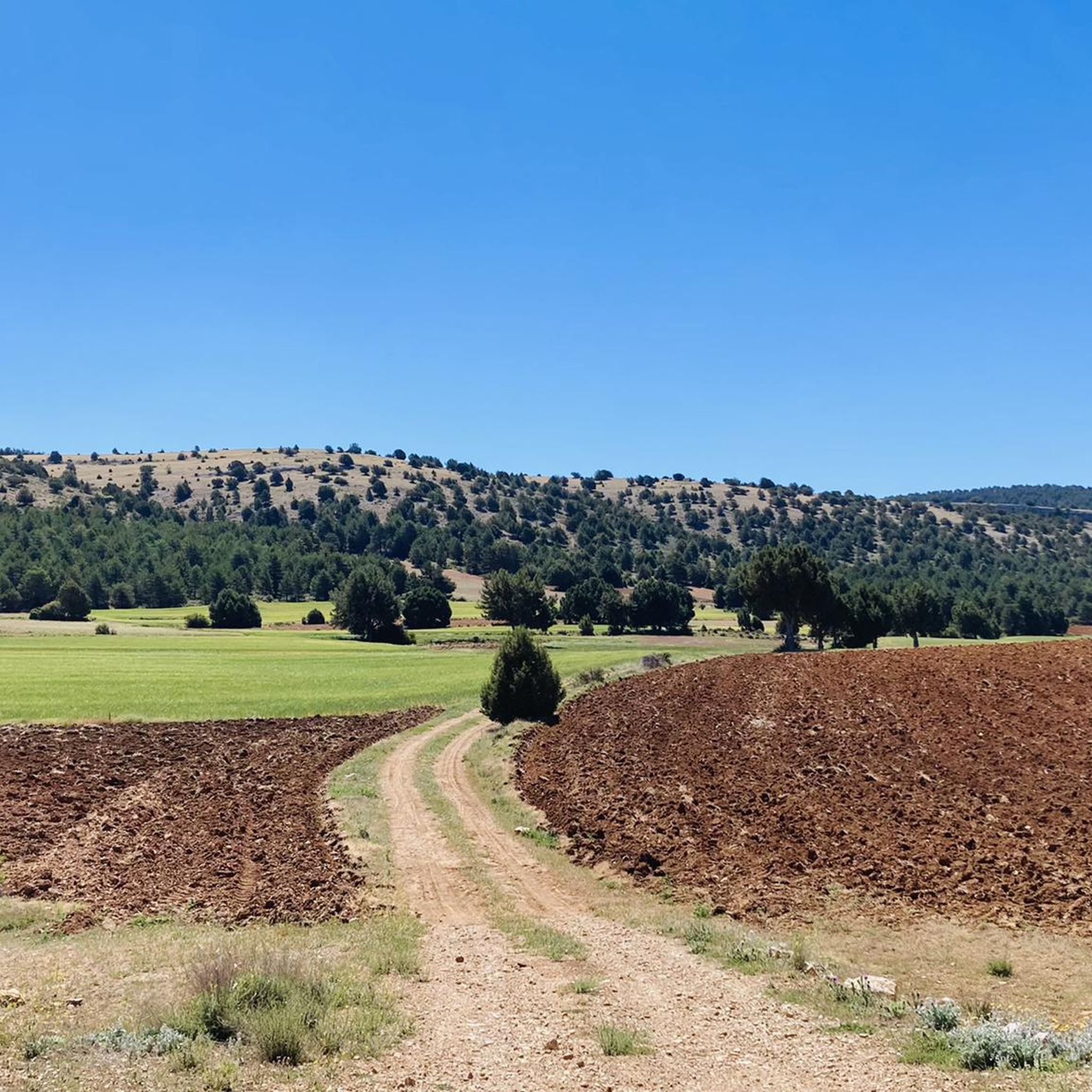
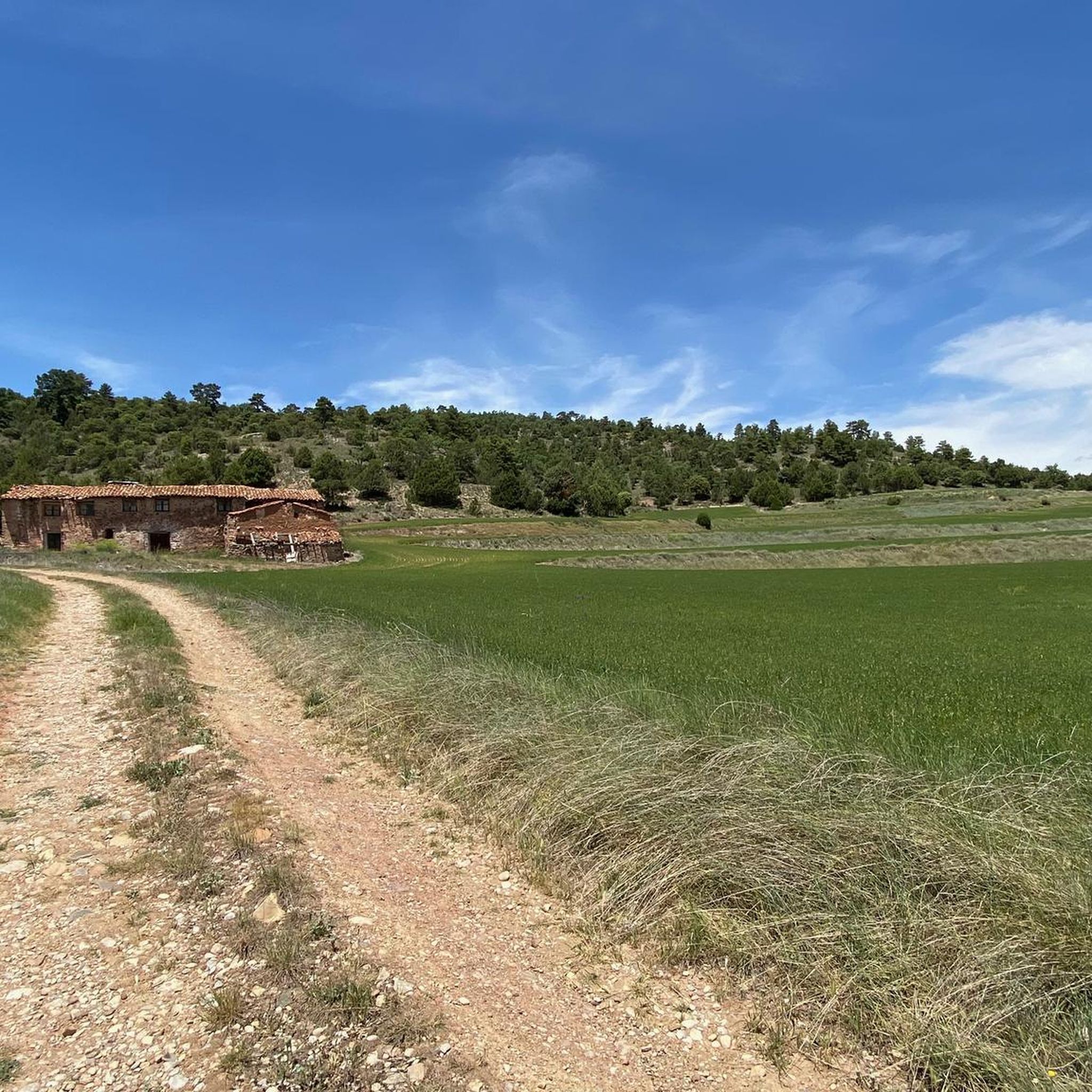
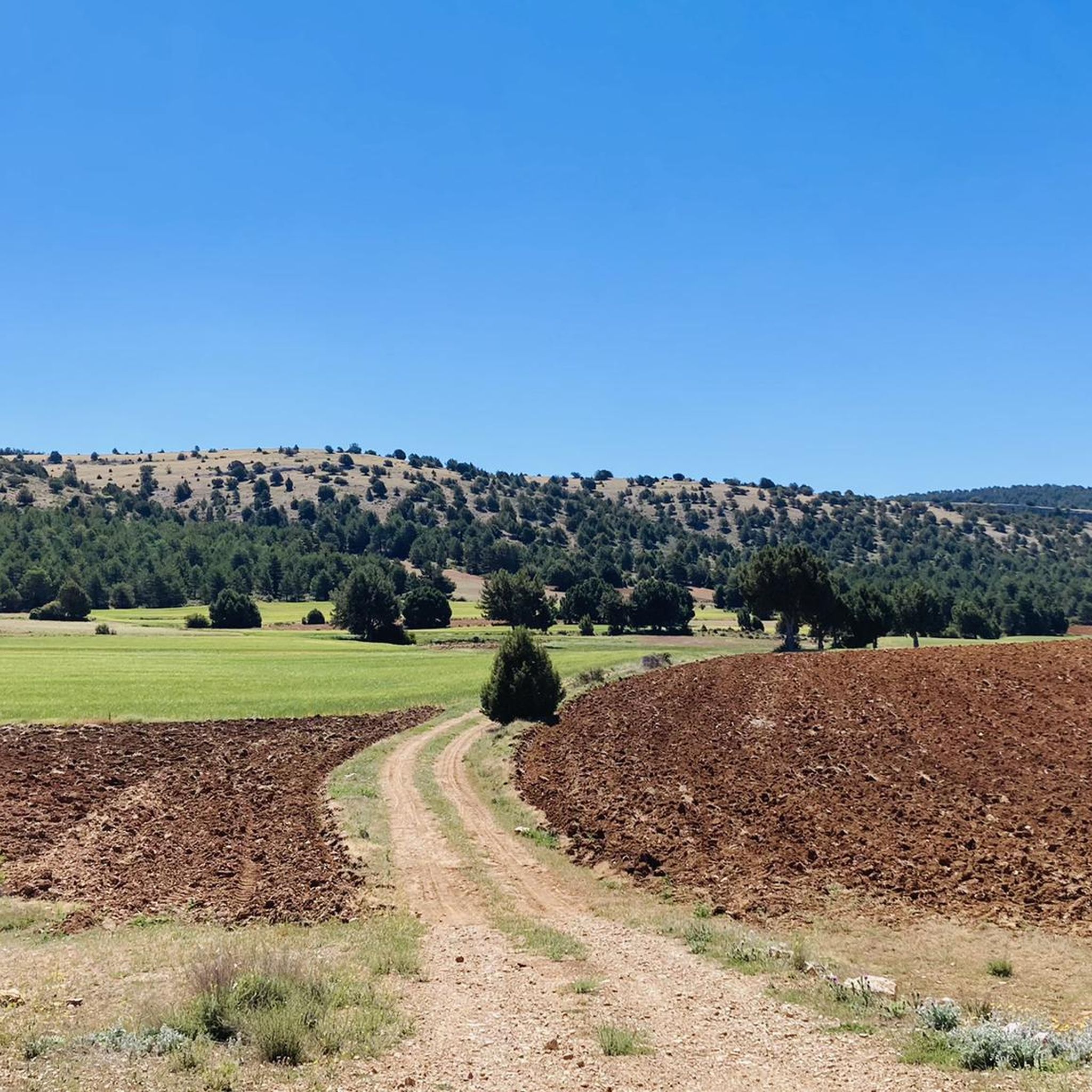

Tips from the Community

The Bull Shelter of Prado del Navazo, also known as Toricos del Navazo, is one of the most prominent sites of Levantine Rock Art in the Sierra de Albarracín (Teruel), and is part of the complex declared a Site of Cultural Interest and World Heritage Site by UNESCO. Naturalistic representations of large bovids are painted in a yellowish-white color, unique in Levantine rock art, which typically uses reddish tones.
4
0

With protected cave paintings.
2
0
With protected cave paintings and access platform.
3
0
Protected landscape in the Sierra de Albarracin Cultural Park. In the middle of the Pinar de Ródeno
7
0

Discovered in 1986, two different scenes are represented, in one there are two archers fighting and in the other an archer with his legs bent facing an animal. It is estimated that they date from 4500-7000 years BC.
2
1
Discovered in 1892, it is one of the most important stops in the park. On the rock, 19 figures have been distinguished, including 5 people representing 3 different moments in time. It is estimated that they date from 4500-7000 years BC
2
1
Paintings discovered in 1974 representing a clearly distinguishable deer on the rock and various other figures that are somewhat more difficult to find. It is estimated that they date from 4500-7000 years BC. c.
2
1
Discovered in 1892, it is one of the most important representations of the park. Figures of bulls (35x70 cm) can be clearly distinguished, the indisputable symbol of the current region of Teruel. It is estimated that these paintings date from 6000-7000 years B.C.
1
0
Frequently Asked Questions
What kind of caves can I explore near Saldón?
The area around Saldón, particularly within the broader Teruel province, is rich in prehistoric rock shelters featuring ancient cave paintings. These sites offer a unique glimpse into early human history and artistic expression. You can also find impressive geological formations in natural caves.
Are there any UNESCO World Heritage sites among the caves near Saldón?
Yes, the Prado del Navazo Bulls Rock Shelter is part of the complex declared a Site of Cultural Interest and a UNESCO World Heritage Site. It's renowned for its unique yellowish-white Levantine Rock Art depicting large bovids.
Which caves showcase prehistoric art near Saldón?
Several sites feature ancient cave paintings. Besides the Prado del Navazo Bulls Rock Shelter, you can visit the Shelter of the Archer of the Enclosed Ravines, which displays a hunting scene with an archer, and the Deer rock shelter and various figures, known for its clearly distinguishable deer painting. The Bishop's Little Kitchen Rock Shelter and Lázaro Shelter also feature significant prehistoric art.
Are there any family-friendly cave sites around Saldón?
Yes, the Prado del Navazo Bulls Rock Shelter and the Bishop's Little Kitchen Rock Shelter are considered family-friendly historical sites, offering an accessible way to explore ancient art.
What are the geological features of the caves in the Teruel province?
The Teruel province, where Saldón is located, features Jurassic limestone formations. Beyond the rock shelters, you can find impressive natural caves like the Grutas de Cristal de Molinos (Crystal Caves of Molinos), known for their intricate networks of stalactites, stalagmites, columns, and unique crystallizations like the 'Sala Marina' with coral-like formations.
Can I explore natural caves with adventure elements near Saldón?
For a more adventurous experience, the Cueva del Recuenco in Ejulve offers an exciting caving opportunity. It's an impressive endokarst system with a labyrinthine nature, large chambers, and narrow passages, extending over 1,000 meters. It's also a Site of Community Interest due to its bat colonies.
What historical discoveries have been made in the caves of Teruel?
The Grutas de Cristal de Molinos is historically significant as the site where the 'Man from Molinos,' Aragon's most ancient hominid burial (dating back 25,000 years), was discovered in 1961. Remains can be viewed at the Museum in Molinos.
What outdoor activities can I do near these caves?
The region around Saldón offers various outdoor activities. You can find numerous hiking trails, including the 'Peña de la Cruz – circular by the Pinares de Rodeno' and the 'Saldón Settlers Trail'. For cycling enthusiasts, there are routes like 'The Three Taifas Trail' and 'The Clays of Teruel – Albarracín loop'. You can find more details on hiking around Saldón and cycling around Saldón.
What is the best time to visit the caves and rock shelters?
Many of the rock shelters with prehistoric art are accessible year-round, though checking specific site opening hours is always recommended. For natural caves like the Grutas de Cristal de Molinos, they are generally open throughout the year, sometimes even hosting cultural events like an annual Music and Word Festival.
What do visitors appreciate most about the cave sites near Saldón?
Visitors highly value the unique opportunity to witness ancient human history through well-preserved cave paintings. The natural beauty of the surrounding landscapes, such as the Pinares de Rodeno, and the geological wonders of the natural caves also contribute to a memorable experience.
Are there any specific tips for visiting the rock shelters with cave paintings?
Many rock shelters, like the Bishop's Little Kitchen Rock Shelter, have protected cave paintings and access platforms to ensure their preservation and allow for better viewing. Always follow local guidelines to help protect these invaluable historical sites.
Most popular attractions around Saldón

Get inspired with the komoot mobile app


Explore more
Extend your search for the best caves by checking out these guides of the top ones around Saldón:
